
Who Gets a Good Meal from Pin Hao Fan?
“No good thing comes cheap,” as the saying goes, and people can’t help but worry about food safety. I myself once had two days in the loo after group-buying a serving of beef-tallow fried rice. But as one Meituan user put it: “Pin Hao Fan won’t starve you to death – ten yuan a meal, what else do you want, a bicycle?” With 10%–25% of orders in Meituan’s major cities accounted for by Pin Hao Fan, the product’s “success” is self-evident.
But I’ve always wanted to know: what is really behind Pin Hao Fan’s cheapness?
I. Bad Money Drives Out Good
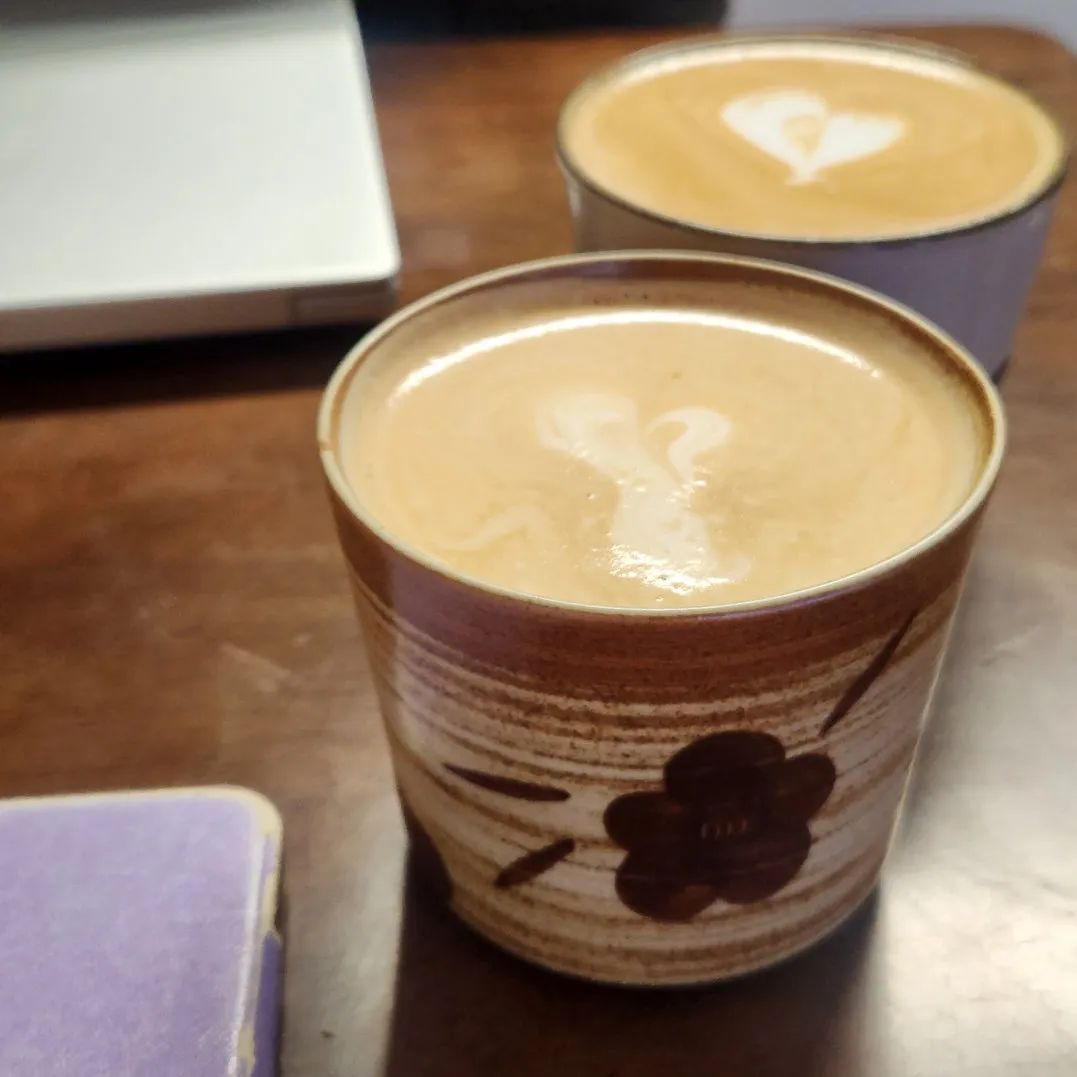
It started with a chat with Brother Zeng, the owner of a small coffee shop in Shenyang, who told me why his shop hadn’t joined Pin Hao Fan: “When their business manager came to talk to us, he demanded we drop the price of an Americano to 6 yuan – practically at cost.”
Last year, coffee yields fell and prices rose, and Brother Zeng uses only quality beans, so there was simply no way he could meet Pin Hao Fan’s price-cutting demands. “We couldn’t do that against our conscience. Some people use really low-quality coffee beans, and the taste just isn’t there.”
I asked: are there any merchants on Pin Hao Fan who still insist on using good ingredients?
Brother Zeng, with the distinctive humour of a Northerner from the northeast, told me a story about a fellow shop owner: that coffee shop’s beans weren’t any worse than his, but after joining Pin Hao Fan, prices were pushed so low that there was simply no profit to be made. Order volume did go up – on Shenyang’s beverage sales chart, its volume briefly ranked second, behind only Luckin Coffee. Business is getting better and better, but not a single cent of profit. We can’t hold on much longer – we’re arranging to sell the shop right now!” Brother Zeng concluded.
Leaving the coffee shop, I gazed at its signboard and silently committed its name to memory. It’s a good coffee shop, but on Meituan’s merchant list, it’s hard to find. Without a paid “search ranking” placement and no Pin Hao Fan traffic, it’s buried way down the page. In that moment, I truly felt what “bad money drives out good” means.
II. Big Tech Innovation or Small Shops Reluctantly Slicing Their Own Flesh?
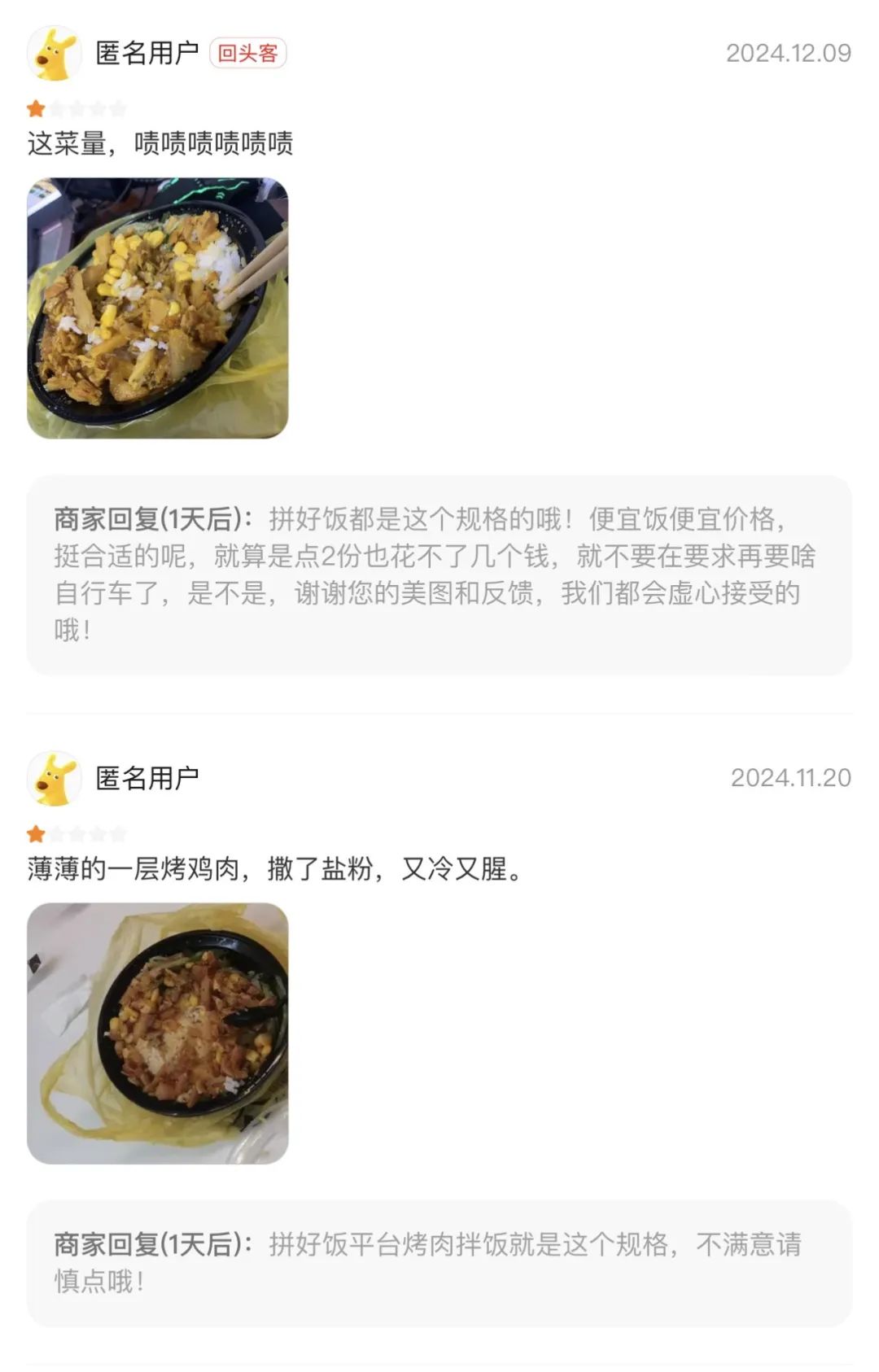
One day, having a Xianghe meat pie in Haidian, I noticed that although the shop was on Meituan delivery, it was not on Pin Hao Fan. The owner explained to me: “I sell one pie for 18 yuan myself, but on their platform the price gets pushed down to 10. Do the maths on ingredient costs, plus rent and utilities, and it is simply a loss.” This owner felt that delivery-only restaurants, which have no dine-in service and rely more heavily on the platform and its traffic, might be better suited to joining Pin Hao Fan.
But I found that if you cannot control ingredient costs, even for delivery-only restaurants with lower rent pressure, Pin Hao Fan amounts to nothing more than selling at a loss just for the show. Ms Zhang in Hubei wrote on social media that she had once run a delivery-only restaurant specialising in Huainan beef soup. She joined Pin Hao Fan in 2022, but lasted less than a year before subletting the shop because of persistent losses.
On the surface, Meituan publicly claims that the secret to Pin Hao Fan making takeout cheaper is “technology and business model innovation.” But in the experience of restaurant merchants, Pin Hao Fan is simply another tool Meituan uses to drive prices down. Only when merchants concede further on margins and accept lower prices can Pin Hao Fan use low prices to attract users at nearby delivery addresses to order the same dishes from the same shop.
III. Traffic as a Price-Suppression Weapon
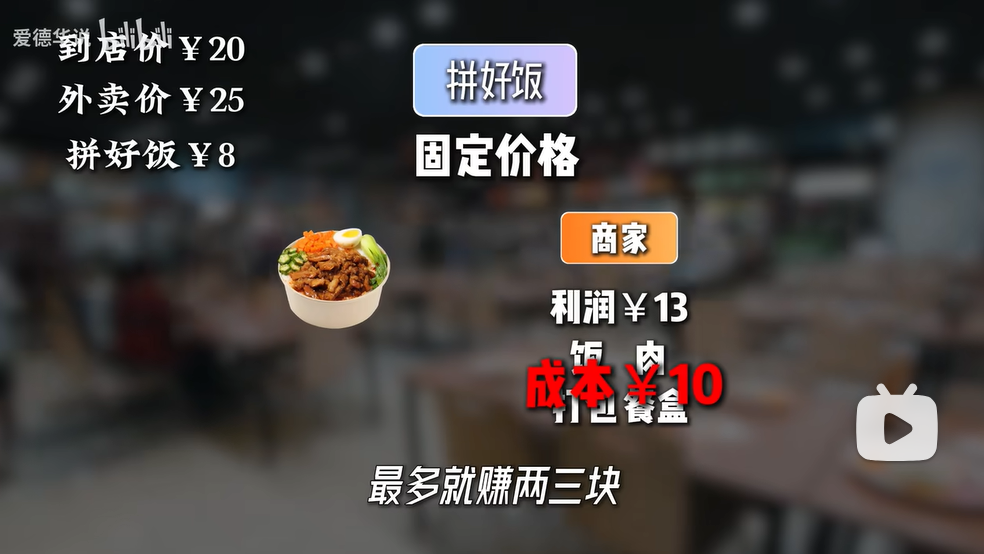
Ms Mei, a Bilibili user whose IP address is registered in Guangdong, put it this way: “My family runs a restaurant. We joined Pin Hao Fan this year – just a few dishes: shredded potato and shredded pork, braised eggplant, stir-fried pork, yuba with shredded pork. We net 7 to 9 yuan a order. Pin Hao Fan basically makes no money. But with regular takeout, if you don’t take part in Meituan’s Super Coupon promotions, you get no traffic at all. Sometimes you end up with less than what Pin Hao Fan pays.”
Brother Zeng, running his coffee shop all the way in Shenyang, also brought up traffic. He did not join Pin Hao Fan, and beyond not wanting to cut prices, another reason is that he does not need traffic acquisition right now. By traffic acquisition, this means that once a merchant joins Pin Hao Fan, the visibility and order volume of their main storefront increase. Meituan business managers typically use this as leverage to recruit merchants onto Pin Hao Fan. However, Brother Zeng’s coffee shop is run by just two people, and they simply cannot handle the order volume that extra traffic would bring.
He confided: “Selling over a hundred extra cups a day with so few hands – you simply cannot keep up. Some small shops do find ways to cope, like extracting the coffee ahead of time and keeping it in a few big jugs. Left sitting for too long, it will not taste good. To keep customers satisfied with the taste, they add more jam and syrup to mask it – all science and heavy processing.”
In other words, in the regular takeout market, traffic is already extremely scarce and can only be obtained by participating in Meituan’s promotional campaigns. Although Pin Hao Fan drives down dish prices, it does secure preferential platform traffic and boost order volume. What sounds like a sound high-volume, low-margin logic falls apart when the margin is too thin – or negative – and all that is left for merchants is cost reduction and efficiency improvement.
I once saw a chef reviewing Pin Hao Fan on Bilibili who said: “Young people, take this advice from me – stop ordering. It is for your own good and for us chefs. There are barely any fresh ingredients left in our kitchen. We have been pushed by Meituan to the point where we have no dishes left to serve!”
It brings me back to that serving of butter fried rice I group-bought, the one that had me in the loo for two days.
IV. When the Platform’s “Moat” Is a Pit for Workers and Consumers
At the time, people focused more on moral condemnation of unscrupulous merchants and criticism of the platform’s lack of oversight , overlooking the fact that the very ecosystem of these delivery-only restaurants was catalysed by the platform itself. And Pin Hao Fan is perhaps the most direct evidence that the platform is deliberately building a “cheap takeout” system.
In fact, the logic of Pin Hao Fan needs to be understood at the level of the platform’s overall “cheap takeout” strategy. Since its launch in 2020, Pin Hao Fan has helped Meituan accomplish the tasks of tapping into the lower-tier market, maintaining user stickiness, and deepening its moat. According to LatePost, 120 million users have used Pin Hao Fan, approaching a quarter of Meituan’s total user base.
Data disclosed by Meituan shows that Pin Hao Fan’s single-day order volume peak has surpassed 8 million. According to BOC International’s analysis, Pin Hao Fan’s total order volume in 2023 reached 1.16 billion, accounting for 6% of Meituan takeout orders, and its share is expected to reach 20% in the future.
By the first quarter of 2024, according to Zhiwei Editorial, Pin Hao Fan’s order volume had already accounted for 10% of Meituan’s total takeout orders. According to remarks made at Meituan’s public earnings call, this figure has reached as high as 25% in some cities, and is expected to continue rising.
Behind these steadily climbing figures is a “capability” Meituan has forged in running its Pin Hao Fan business – the ability to make takeout even cheaper.
Some believe there is no difference in quality between a shop’s Pin Hao Fan dishes and its regular takeout menu – the only difference is in portion size. Others argue that many of the delivery-only restaurants on Pin Hao Fan are run by good, ordinary people. Of course, there is some truth to that as well.
But as a consumer, I cannot help but worry: under the pressure the platform exerts, what choices will Pin Hao Fan merchants make in the actual process of preparing food? Fresh meat, or frozen meat close to its expiry date that needs to be cleared? Fresh vegetables, or ones that have gone bad? A piece of chicken thigh drops on the floor – do they pick it up and pop it straight into the packaging, or remake a portion for the customer?
We cannot be certain whether, faced with the choice between survival and closing shop, a merchant’s inner conscience can withstand the test of external pressure. But there are only two things we can be sure of.
First, as competition intensifies between Meituan and Douyin, JD.com, and Ele.me in the internet local life services sector, Meituan is increasingly reliant on the kind of “cheap takeout” manufacturing capability that Pin Hao Fan provides, to fortify its “moat.”
Second, the food produced under such pressure ultimately ends up in our mouths, digested by our bodies – and any health consequences that follow are our own to bear.
V. Can Delivery Riders Still Keep Up?
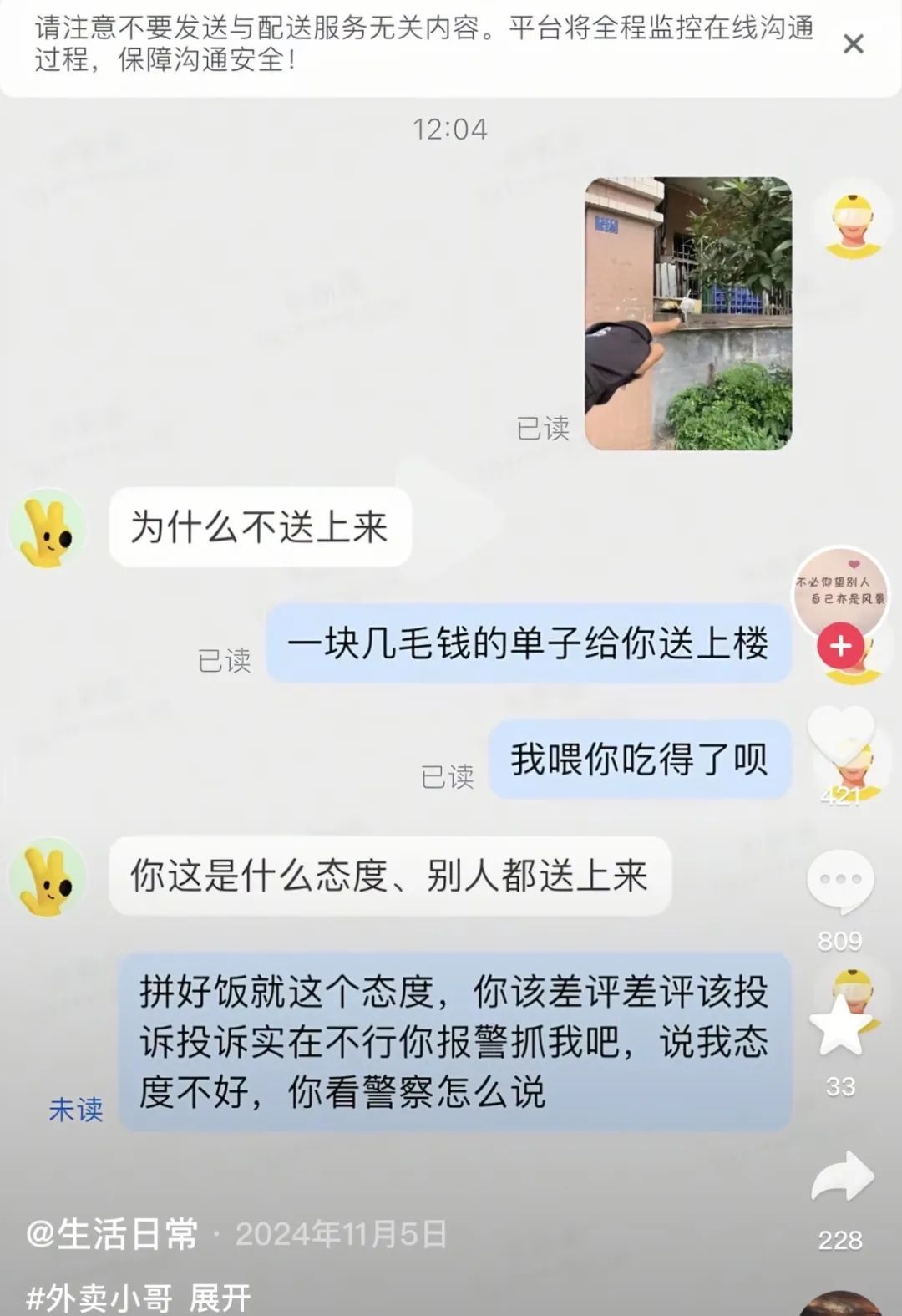
In fact, because Pin Hao Fan doesn’t just push prices down for merchants but also cuts delivery riders’ per-order income by a few more yuan, a number of riders have been reluctant to carry Pin Hao Fan orders upstairs, sparking conflicts.
As government departments pay increasing attention to the safety and welfare of flexible-employment workers, including delivery riders, and platform digital labourers, platforms such as JD.com and Meituan have also announced plans to make social insurance contributions for eligible delivery riders. Will that promise be fulfilled? Who will bear this “extra cost”?
If, in the end, Meituan’s “cheap takeout” strategy is forced to raise prices because it must take labour protections, merchant interests, and food safety seriously – and its “moat” is thereby filled in – can it still dominate the market on its own? Will consumers and merchants have better options?
But in any case, a company’s “moat” should not be a “pitfall” for consumers and workers.
References
The “Broke Person’s Bundle” Trend: Young People in Tier-1 Cities Are Eating for Less | Guyu Data
Hongcan | Ten-Yuan Pin Hao Fan: How Much Can You Actually Make?
Meituan 2024 Special Report: Pin Hao Fan – A New Takeout Model, “Grouping” for Efficiency – Report Close Read – Future Think Tank https://www.vzkoo.com/document/20240710ace58c49bfa31a306d580736.html
Meituan 2024 Interim Financial Report https://www.meituan.com/investor-relations
One Video Tells You Why Pin Hao Fan Is So Cheap – Bilibili https://b23.tv/rwP6JW6

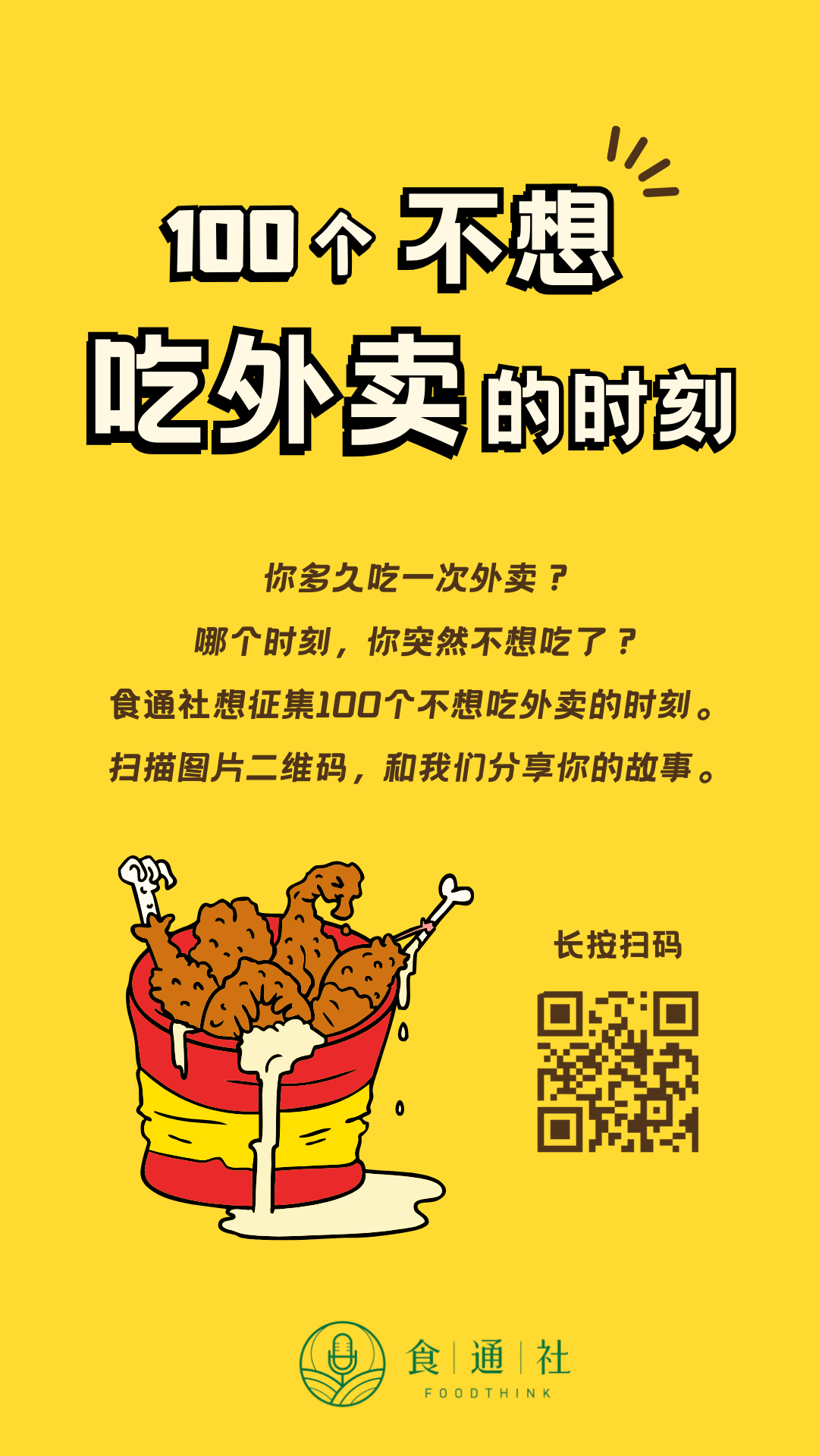
With China’s 315 Consumer Rights Day drawing near, we’d love to hear how our readers feel about Pin Hao Fan and the takeout industry. Feel free to leave a comment sharing your story or views, or scan the code to take part in our “100 Moments You Didn’t Want to Order Takeout” call for submissions.
Author: Zheng Yuyang
Editor: Tianle