
What Does “Returning to Nature” Really Mean for Chinese Children? | Food Talk Vol. 13
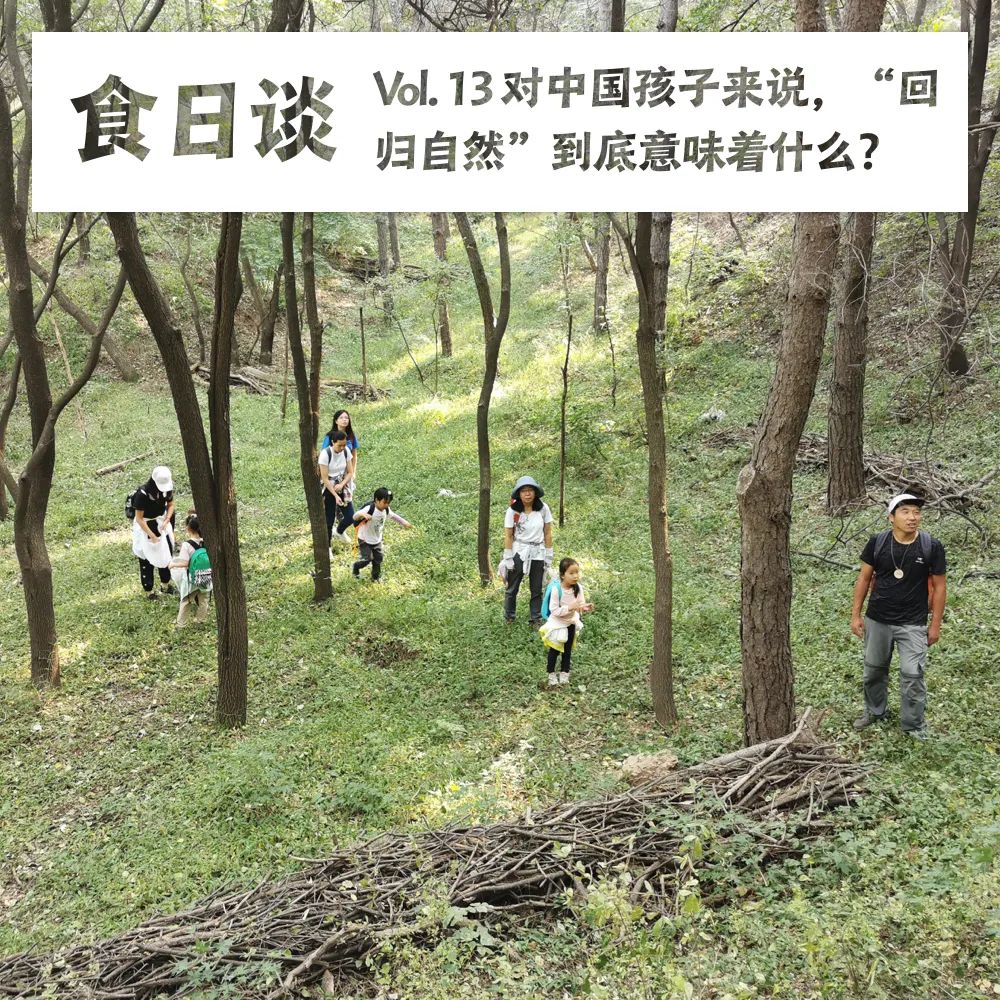
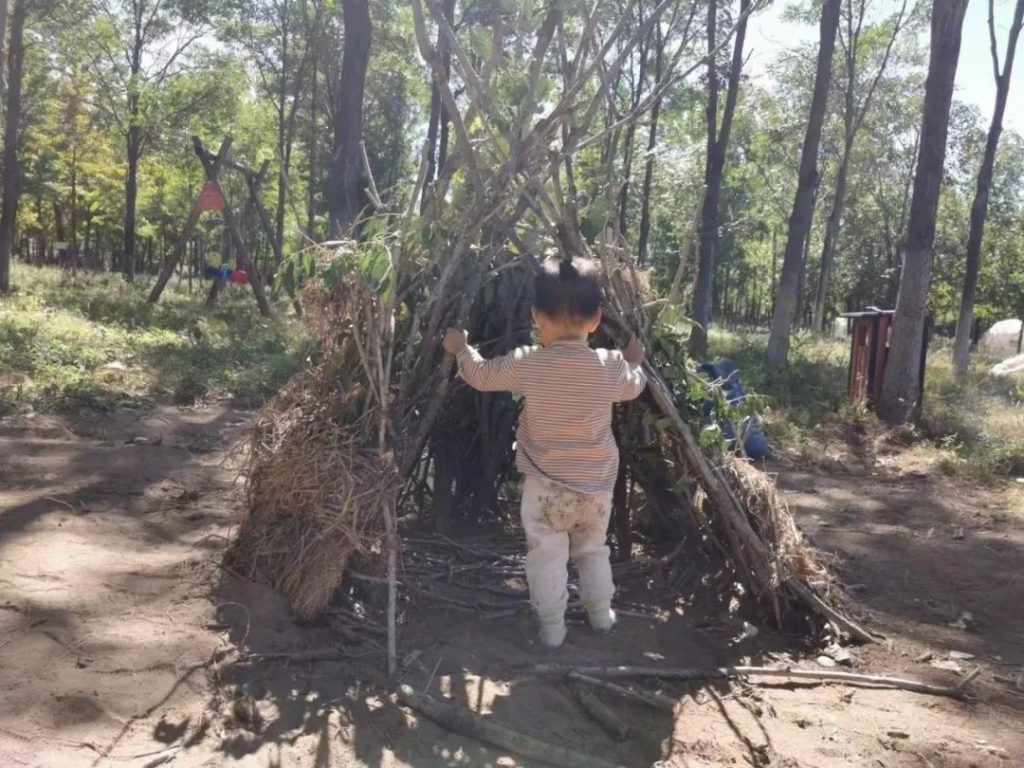
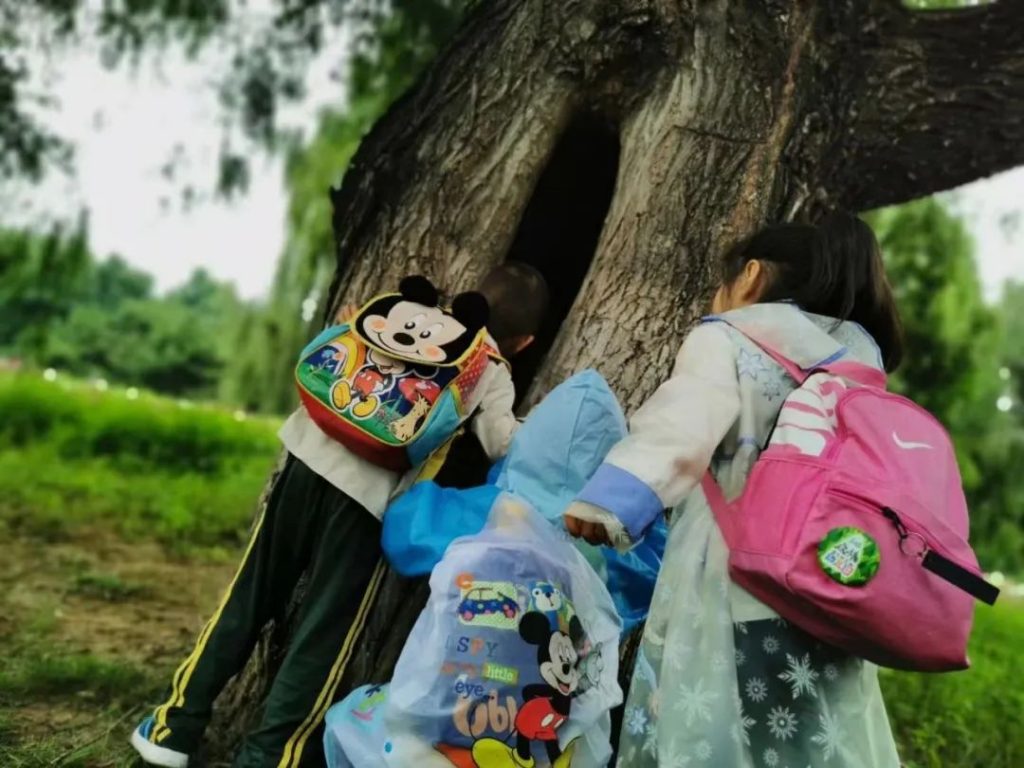
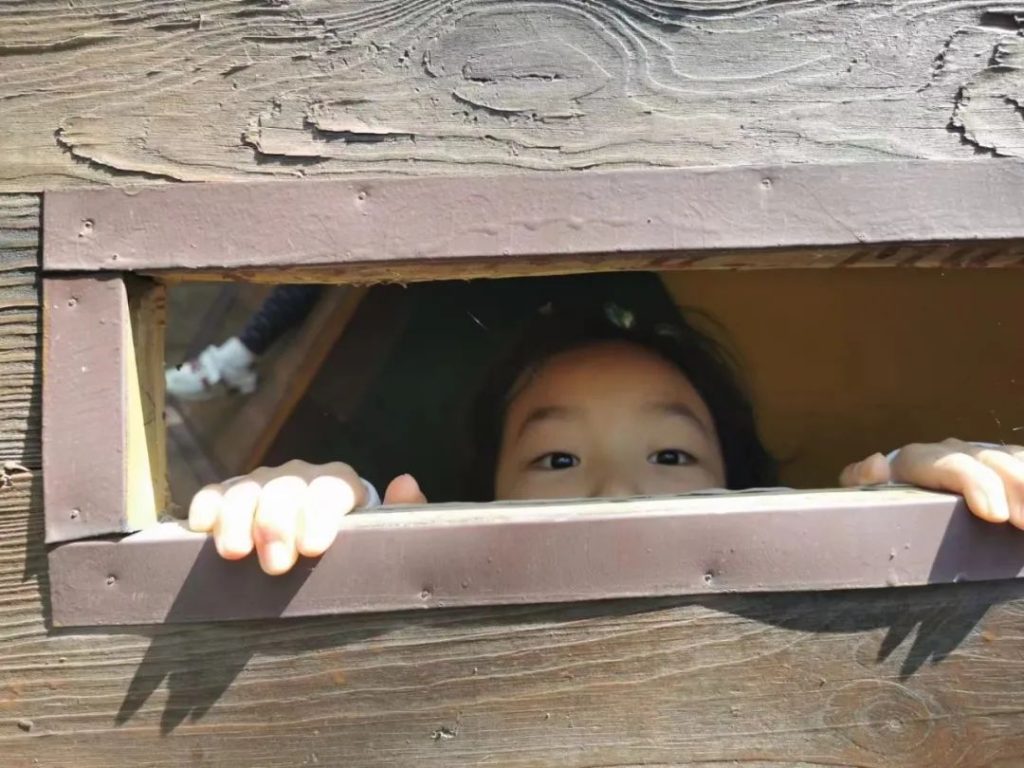
People who felt “cooped up” during the pandemic are longing to get close to nature. In the areas surrounding cities, picnicking, camping, and nature education are becoming ever more popular. In a world that changes by the minute, are “rural roots” and “nature” just a passing fad for today’s Chinese families and children, or a genuine return to simplicity?
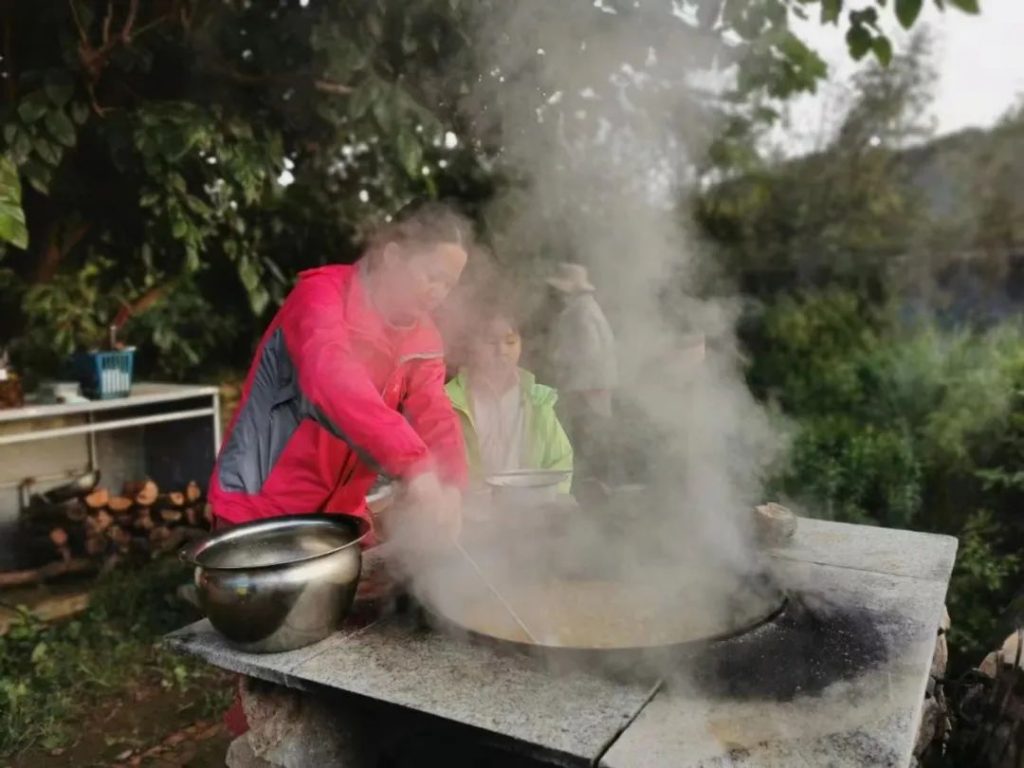
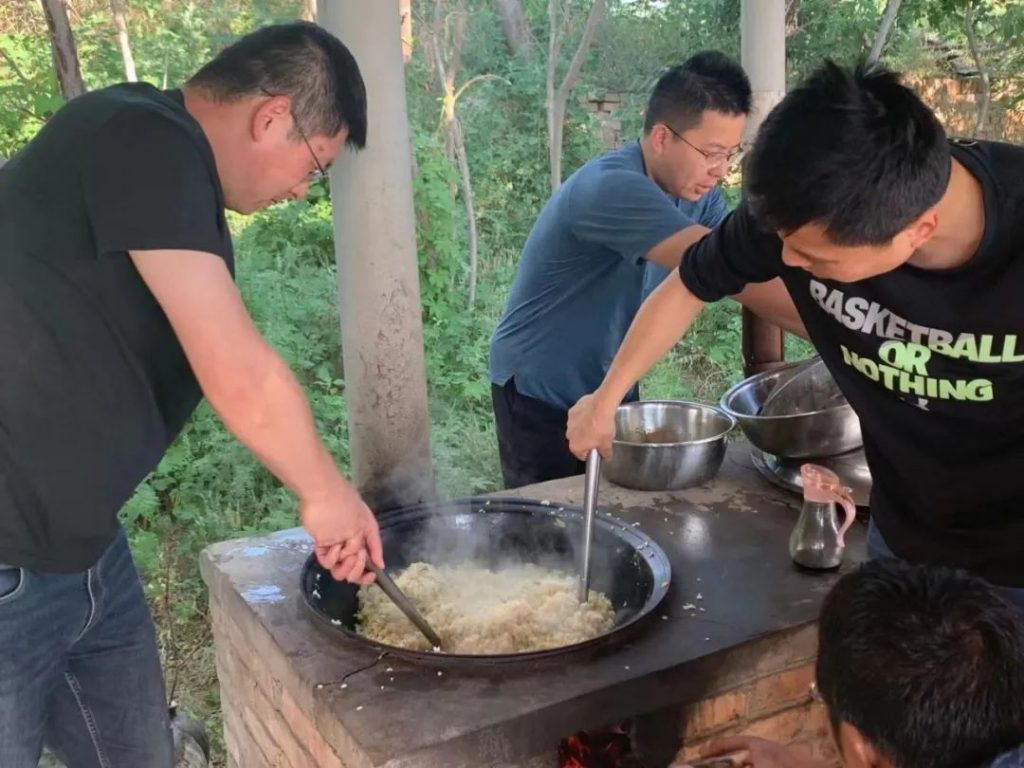
In the midst of the pandemic, cooking—once something that had been “outsourced”—has made its way back into people’s lives. Children don’t know where the food on their plates comes from; all they know is that it was bought at a shop. Can nature education help children understand their food? What interesting things happen as children experience farming and cooking?

Guest of This Episode
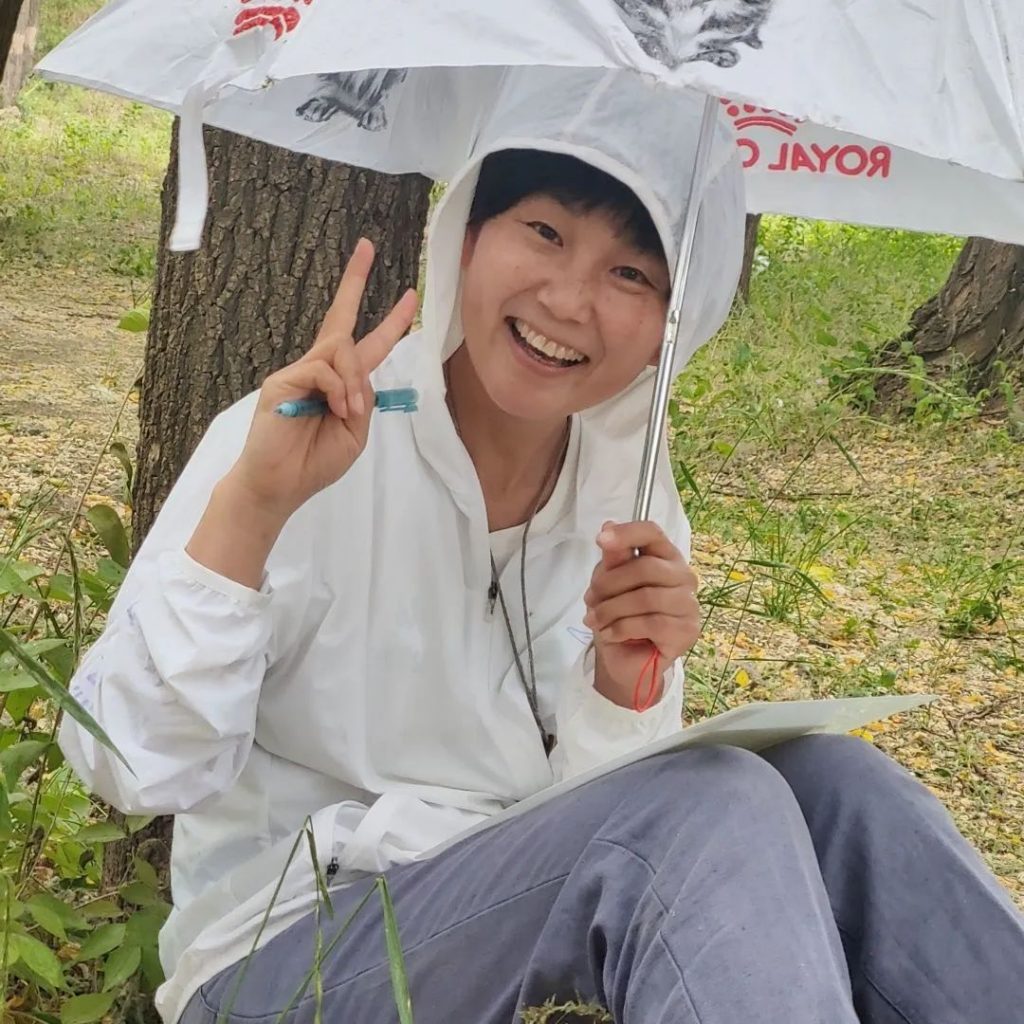
Ma Lan
Nature name: “Liu Lan”. Head of the forest kindergarten at Friends of Nature · Gaia Nature School. Since 2014, she has been developing parent-child, weekend, and experiential forest kindergarten programmes. Nature experience facilitator, Leave No Trace Trainer, and training instructor at the National Nature Education Network. Parents say she “enjoys the play even more than the children do”; facilitators call her a source of joy, though she describes herself as rather introverted.
Host of This Episode
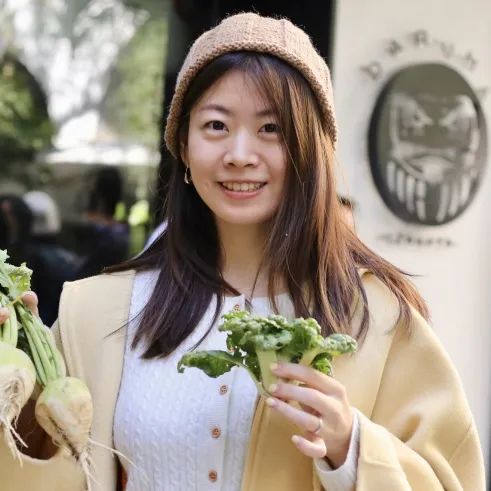
Xiao Jing
A newcomer to the food-and-farming world, currently working hard to learn about food and biodiversity, and a mother of two little ones. After being an adult for so long, she found to her surprise that no matter where she goes, what children love most is still playing in the sand and stepping on leaves.
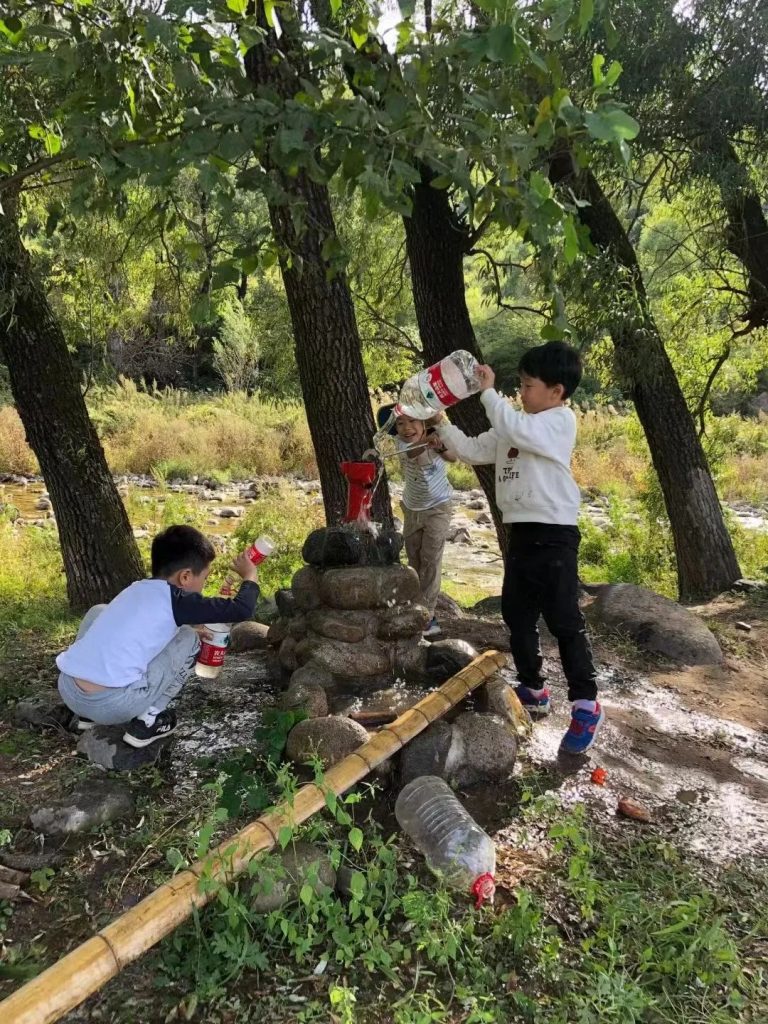
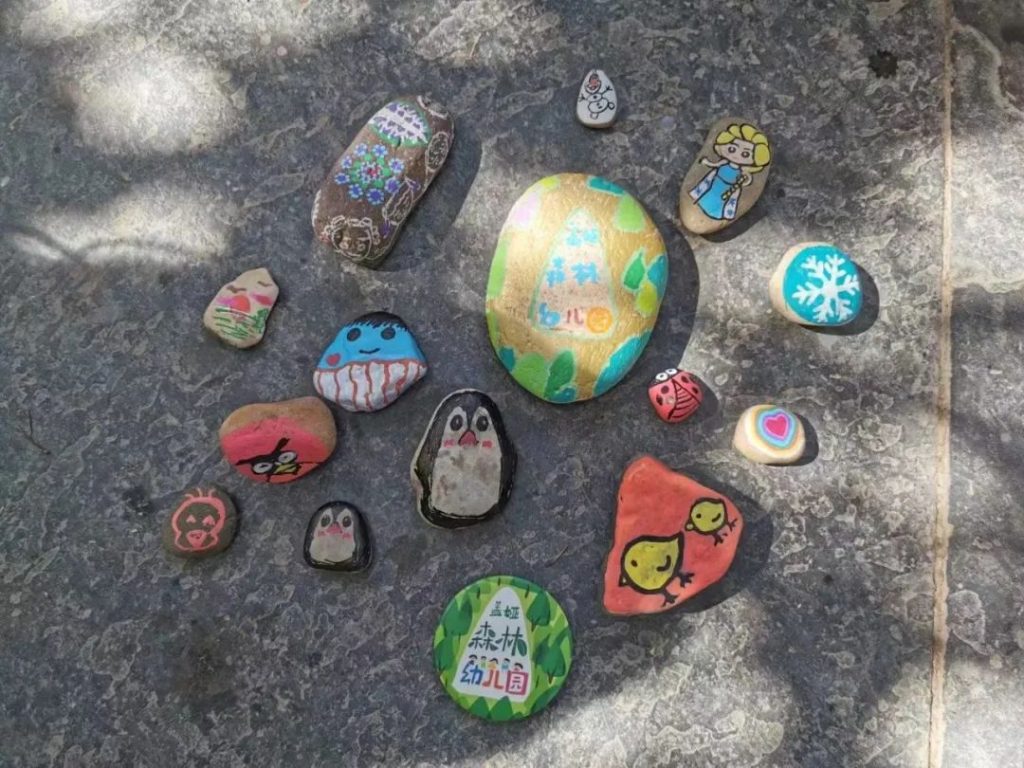
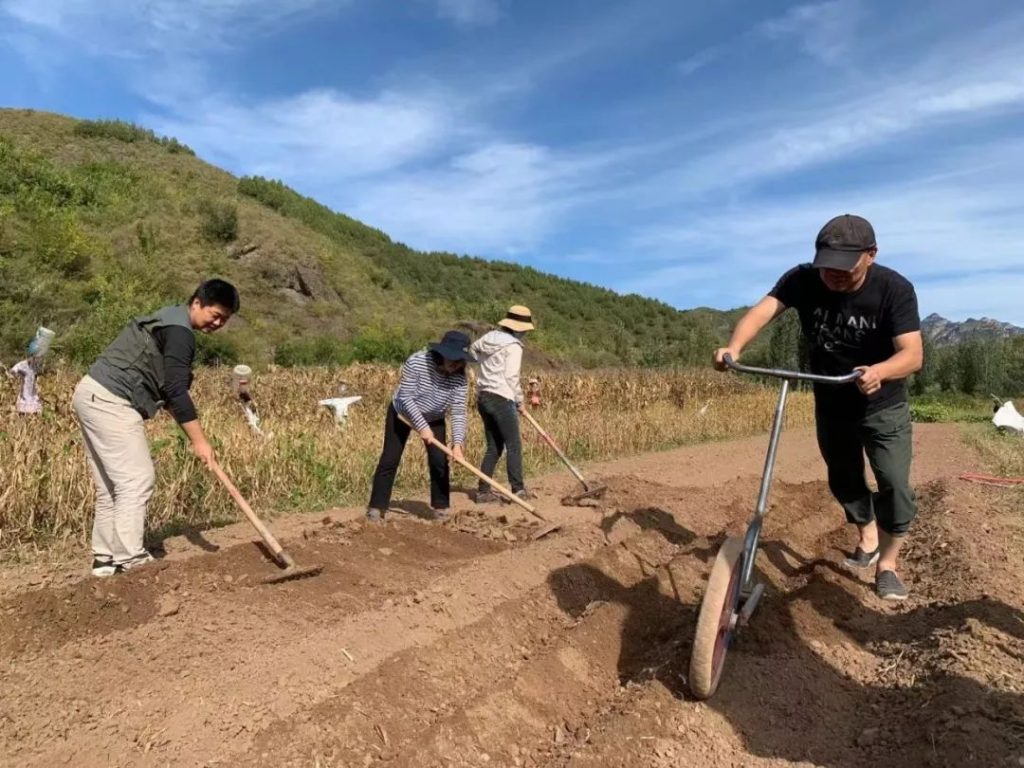
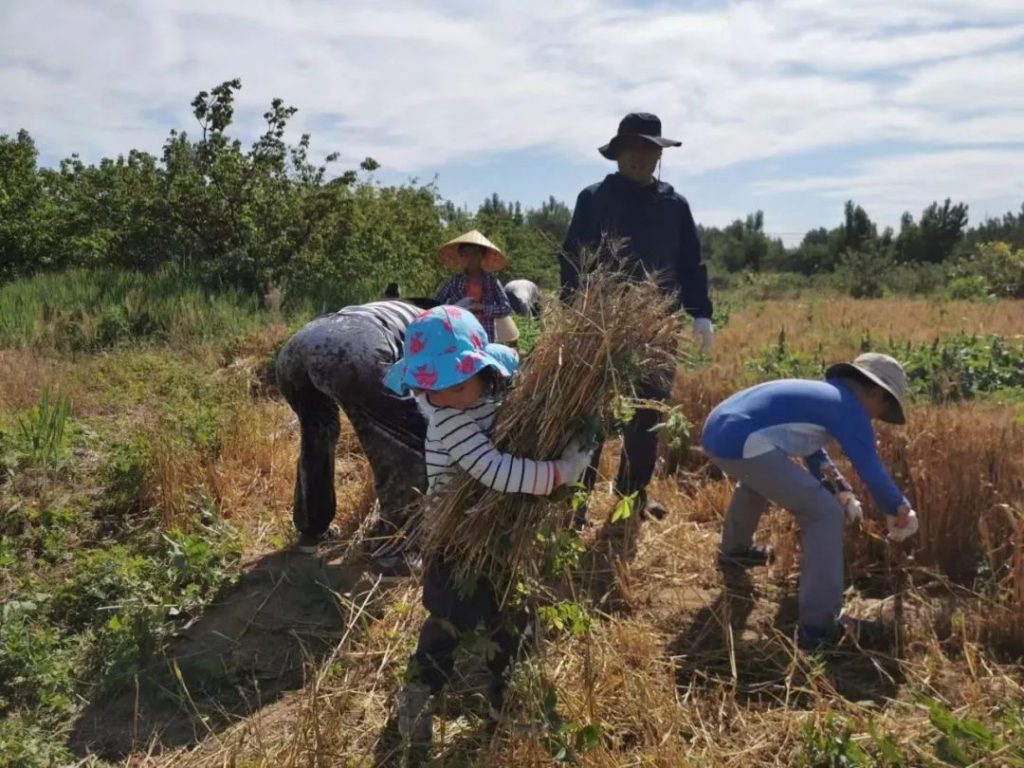
Timeline
01:42 From “Ma Lan” to “Willow Basket” to “Liu Lan”: Picking a “Nature Name”
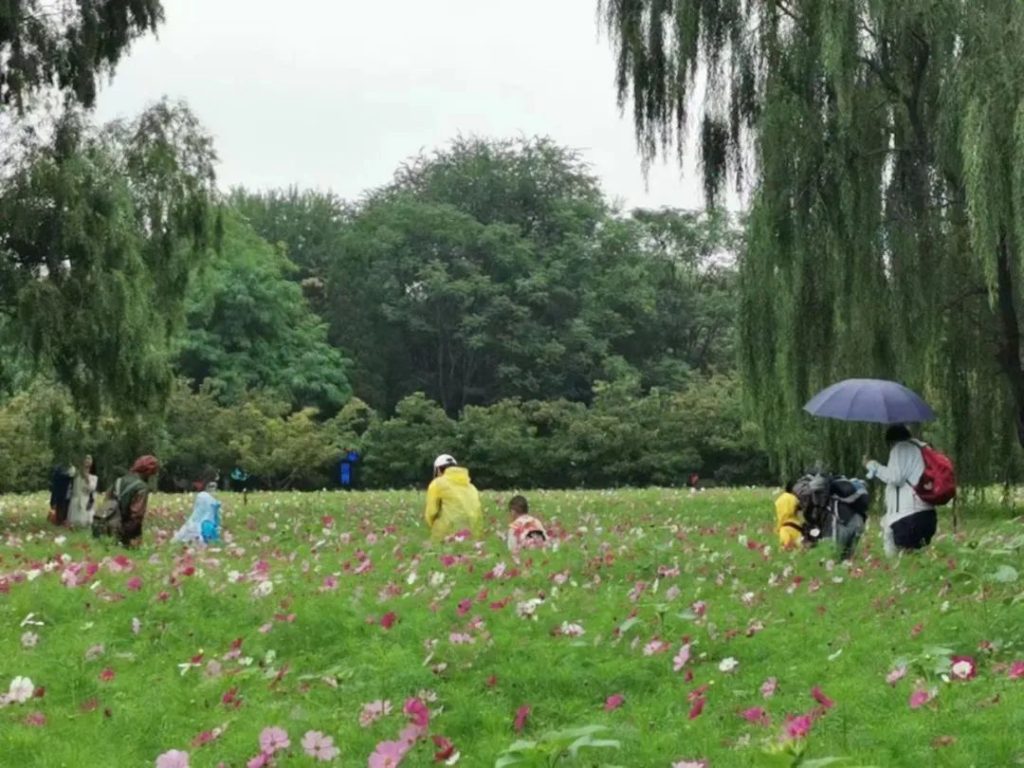
07:18 What Is Nature Education: Why Pay to Visit a Free Park?
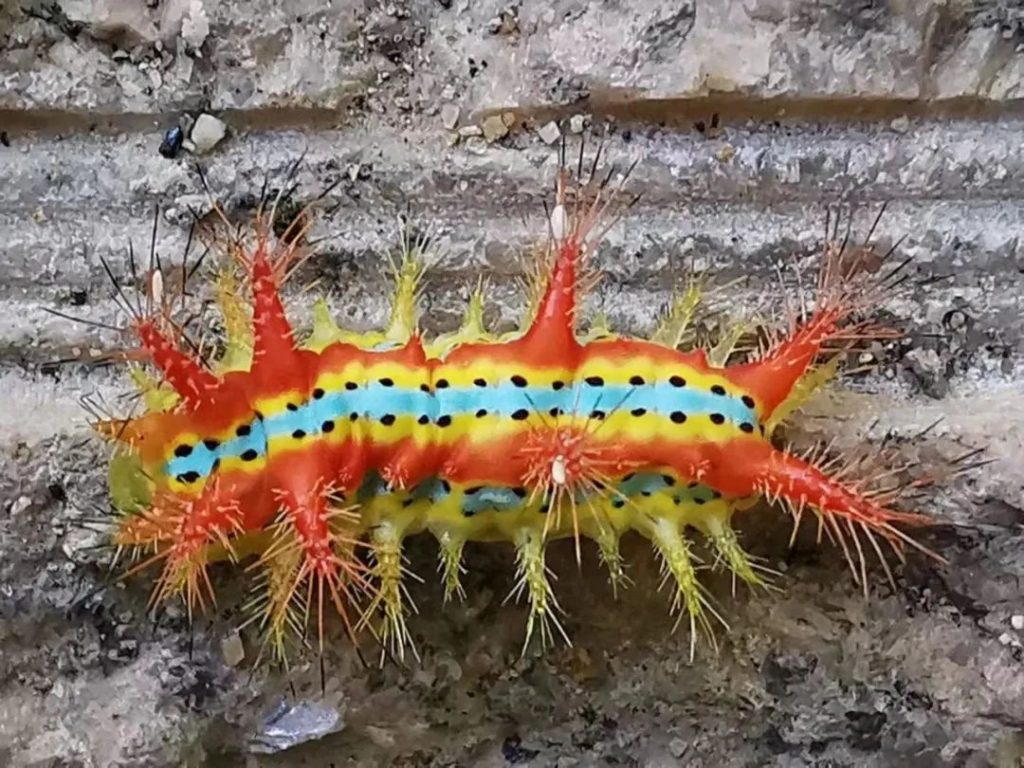
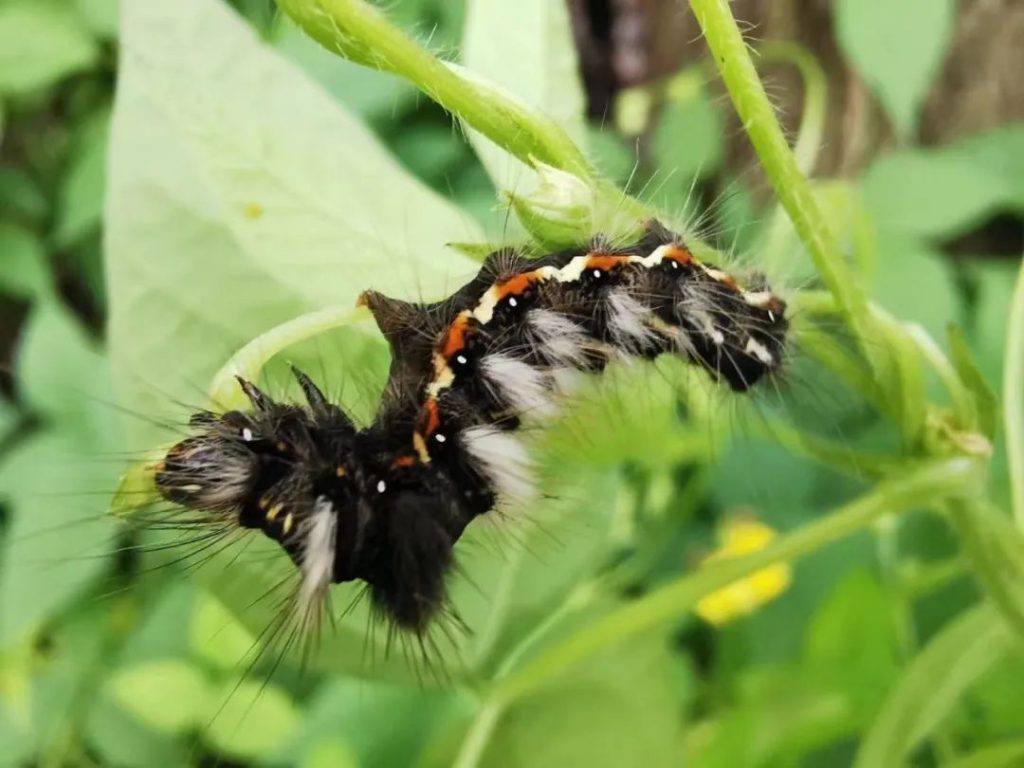
07:51 Do Children in the City Naturally Love “Nature”? “Very few children are either extremely fond of or extremely put off by bugs” — what nature education can reach is the large majority in between
10:33 Is There Nature in “Super Tier-One” Beijing? Does Experiencing Nature Education Really Require a Two-Hour Drive? Do Children Who Grow Up in the City Have No Life? What Can Nature Education Actually Give Children?
15:32 Attending a Nature Education Course Means Cooking Your Own Meals — What If It Turns Out Terrible? A Child Who Refuses Vegetables at Home Actually Eats Up Every Last Bite of What They Grew Themselves
19:53 More Than Fragmented “Picking” — a Full Year on the Farm Starts With Loosening the Soil, Experiencing the “Whole Process”
24:58 Plant Three Seeds in Reverence to Heaven, Earth, and Humanity; I Take Only One
32:06 Will the Children Complain? In the Process of Influencing and Imitating One Another, a Group of Children Can Better Express Themselves — Perhaps This Is What Children in the Era of Online Classes Need to Make Up for
41:09 Is Nature Education About “Eating Bitterness So You Can Savour the Sweetness of Learning”?
43:23 Experiencing Nature Education: Can Modern People Survive Without the Internet? Where Does Our Sense of Security Come from?
44:28 Expanding the Comfort Zone; Embracing Imperfection
Click the link to listen to this episode
Scan the QR code below
On Xiaoyuzhou | Ximalaya | Lizhi | Apple Podcasts
Subscribe to the “Food Talk” Podcast

Feel free to leave a comment in the discussion section on any podcast platform — we reply from time to time.
Scan the QR code below to add 食通君’s secondary WeChat account. Enter “食日谈” (Food Talk) as your note to join the podcast listeners’ group.

Podcast Production Team
Planning & Production: Xiao Jing
Podcast Cover: Wan Lin
Music: Ba Nong
Article Editing: Wang Hao
Contact Email: [email protected]