This Saturday, Come to Urumqi and See a Film Together | Screening Event
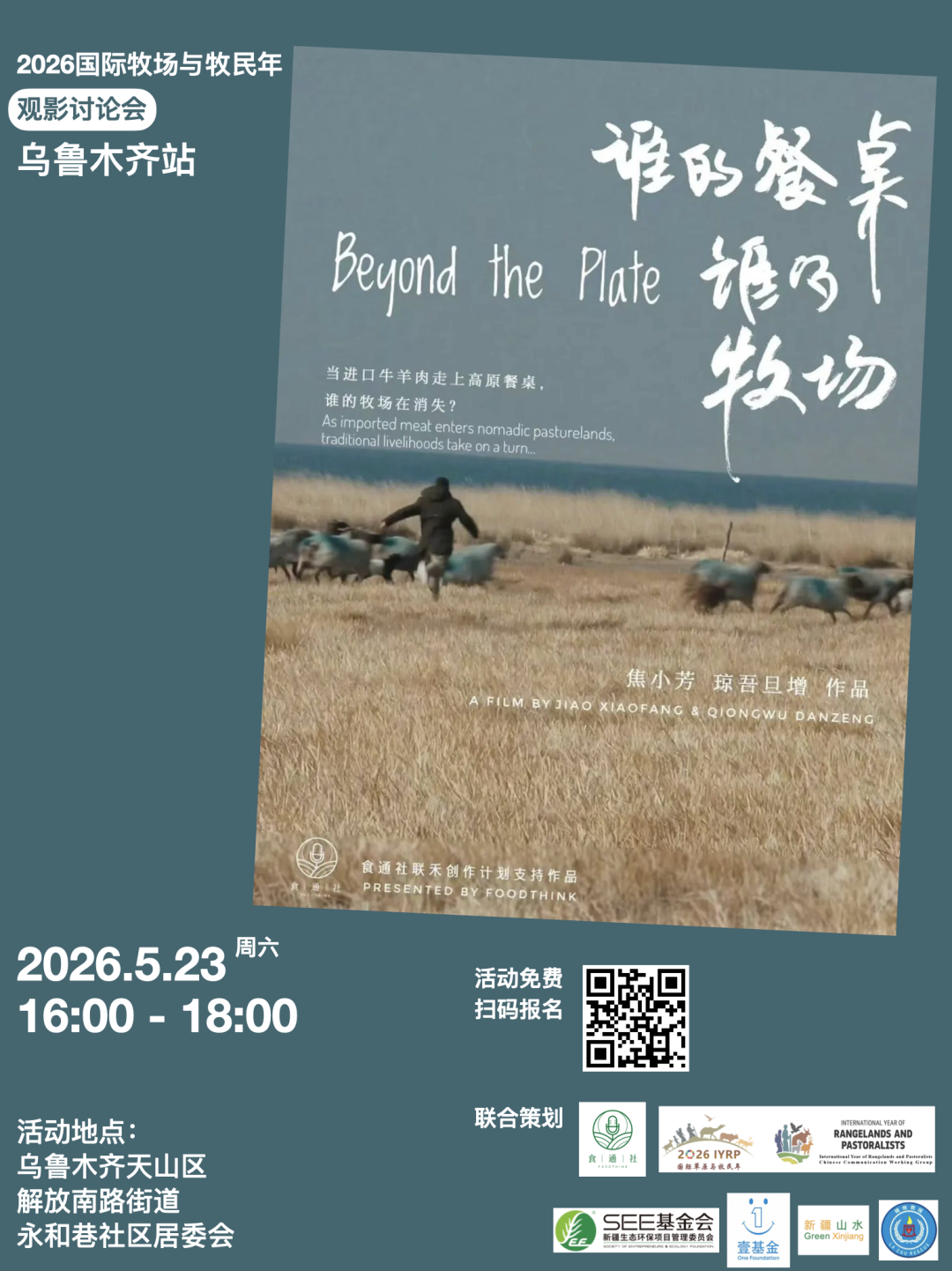
This year is the International Year of Rangelands and Pastoralists, designated by the United Nations. To help more people understand pastoral areas and pastoralists, the documentary based on field investigation, “Whose Table, Whose Rangeland”, supported by the Foodthink Lianhe Creative Project, will be screened in Urumqi on 23 May in the afternoon, and local organisations, institutions and guests in Xinjiang will be invited to attend, share and exchange with the audience.
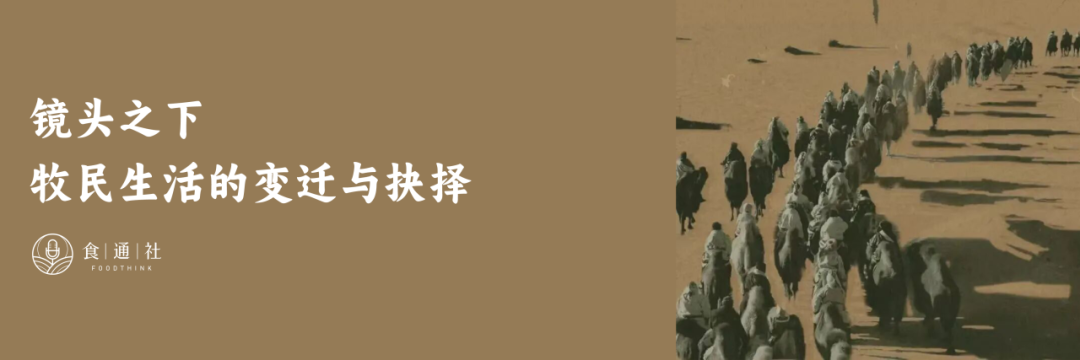
The documentary “Whose Table, Whose Rangeland”, based on field investigation in pastoral areas around Qinghai Lake, explores the impact on pastoralists’ livelihoods and ways of life as local cattle and sheep prices have continued to fall and large volumes of imported frozen meat have entered the market. Are similar changes also taking place in Xinjiang’s pastoral area? As China’s second-largest pastoral area, Xinjiang’s pastoral area has for years been experiencing ecological and development issues such as rangeland degradation and industrial transformation. Both are pastoral areas, both home to pastoralists; what changes and challenges are they each facing?
Pastoral areas are not just places for grazing; they also connect grassland ecosystems, local economies and the daily lives of pastoralists. When we talk about pastoral areas and pastoralists, the challenges facing different places may not be exactly the same, but they all deserve to be seen and discussed. Foodthink hopes to use this opportunity to focus on our pastoral areas and pastoralists together with everyone.
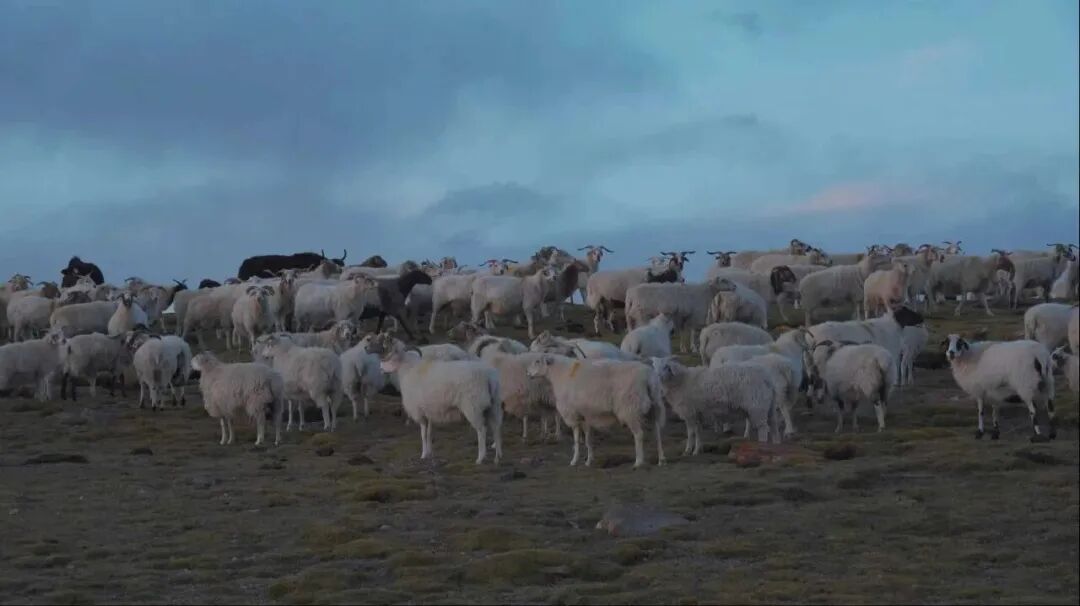
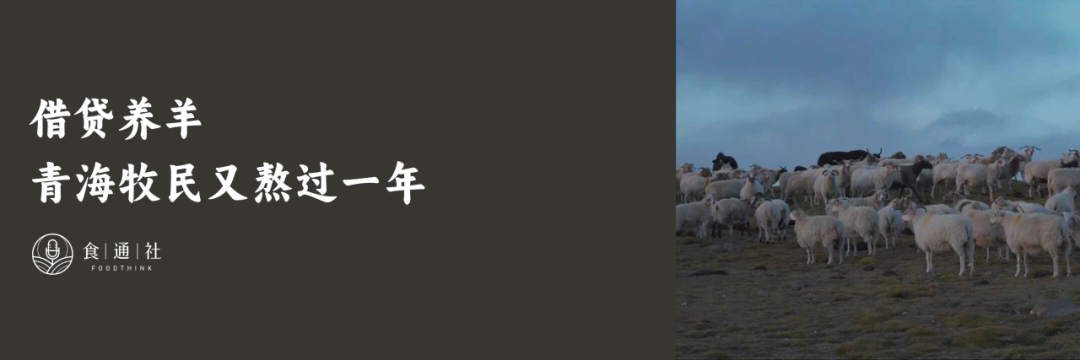
◉ The flock of sheep at the home of Niang Ejia, one of the protagonists of “Whose Table, Whose Rangeland”. Photo: Jiao Xiaofang
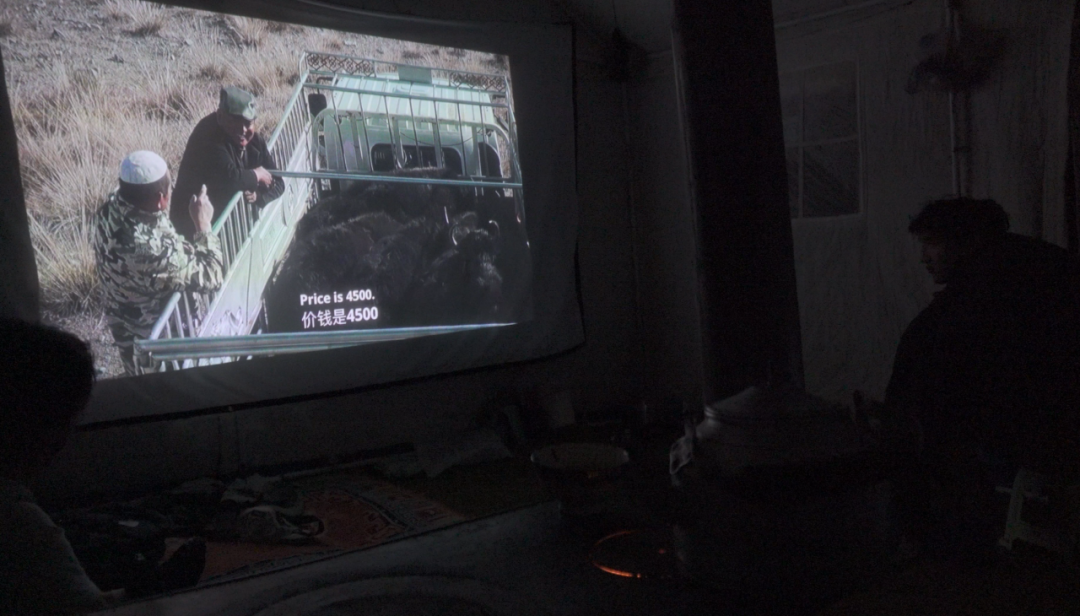
◉ Return visits are an important part of community video. In 2025, Jiao Xiaofang returned to the filming location to screen the documentary “Whose Table, Whose Rangeland” for the shepherds. Photo: Jiao Xiaofang
The documentary “Whose Table, Whose Rangeland” asks more than “Where does meat come from?” or “Where is the meat you eat from?”: when imported meat enters the market in large quantities, who is actually bearing the pressure? Who is paying the price for this table?
This Saturday at 16:00 (23 May), Foodthink will bring the documentary “Whose Table, Whose Rangeland“ to Urumqi, Tianshan District, Jiefang South Road Subdistrict, Yonghexiang Community and host a screening, inviting local friends to watch this film together.
After the screening, local organisations and institutions, and guests and teachers familiar with issues concerning pastoral areas and pastoralists, will attend to share and discuss.
– Film Synopsis –
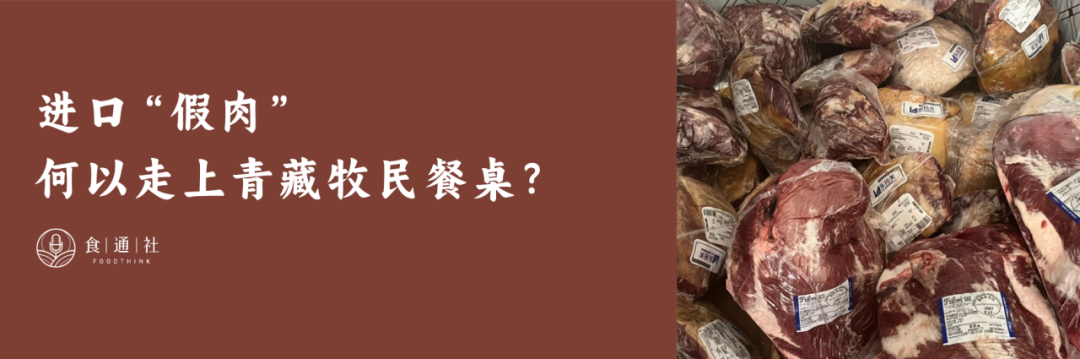
“Whose Table, Whose Rangeland” is a documentary based on field investigation. Supported by the Foodthink Lianhe Creative Project, the director went deep into the pastoral areas around Qinghai Lake, documenting the impact as large volumes of imported frozen cattle and sheep meat (beef and mutton) entered the local market.
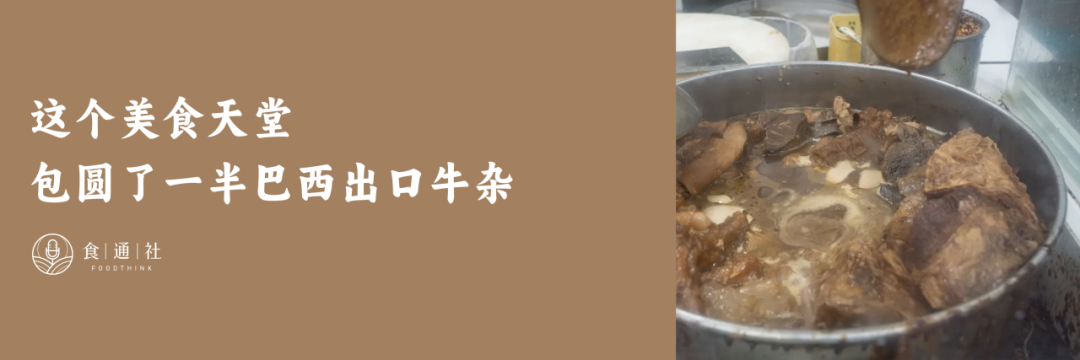
Through visits to Xining’s frozen meat wholesale markets and cold chain warehouses, and by filming local pastoralist households, meat shops and fattening farms, the film gives a true picture of the impact that imported meat, with its low-price advantage, has had on local beef and mutton. This has directly led to a sharp fall in the prices paid for pastoralists’ cattle and sheep, lower incomes, difficulty repaying loans, and thin margins and a difficult trade for local meat traders.
The camera goes deep into the market in imported cattle and sheep meat (beef and mutton) around Qinghai Lake, confronting a stark reality: in the globalised meat supply chain, who is enjoying low prices, and who is bearing the cost?
– About the Director –
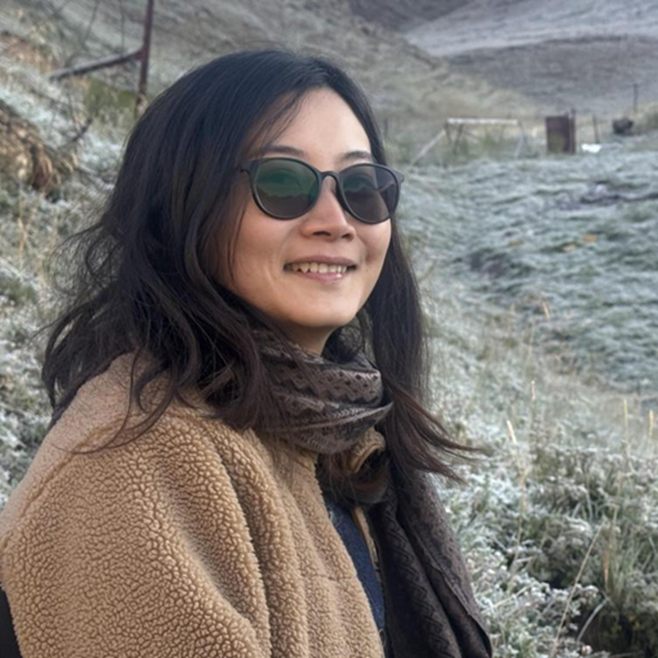
Jiao Xiaofang | A documentary director and researcher in visual anthropology, with a long-standing focus on local knowledge, ecological ethics and women’s experiences in western China and coastal Southeast Asia. Jiao Xiaofang’s work combines ethnographic observation with poetic expression, focusing on the relationship between humans and nature and the emotional landscapes of everyday life. The documentary “Whose Table, Whose Rangeland” (2025) was selected for the fifth World Nomad Film Festival and the sixth China Ethnographic Documentary Film Festival.
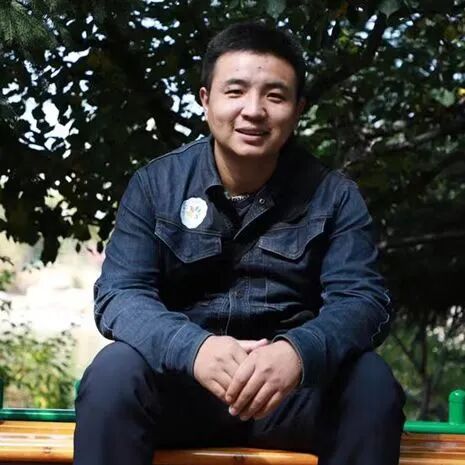
Qiongwu · Danzeng | A Tibetan documentary maker and community practitioner, with a long-standing commitment to ecological protection and video education in the Qinghai-Tibet Plateau region. He formerly served as coordinator of the Yunnan “Village Eyes” Tibetan-area project and regional representative of the Alxa SEE Sanjiangyuan Project Centre, and is now head of the “Human-Bear Conflict Project” at the Qinghai Province Xuejing Ecology Promotion, Education and Research Centre. Over the past ten years, he has promoted video training for pastoralists and community ecological projects in Yushu, Aba and other areas, supporting pastoralists to use video to record their own environment and culture. His work spans film, ecology and public education, seeking to build understanding and coexistence between humans and nature.
– Preliminary Planning –
– How to Participate –
Time
23 May 2026 (Saturday) 16:00–18:00
Location
Urumqi, Tianshan District, Jiefang South Road Subdistrict
Registration
Scan the QR code on the poster to sign up
▼
Click the image to read related articles