In Memory of a Friend We All Loved


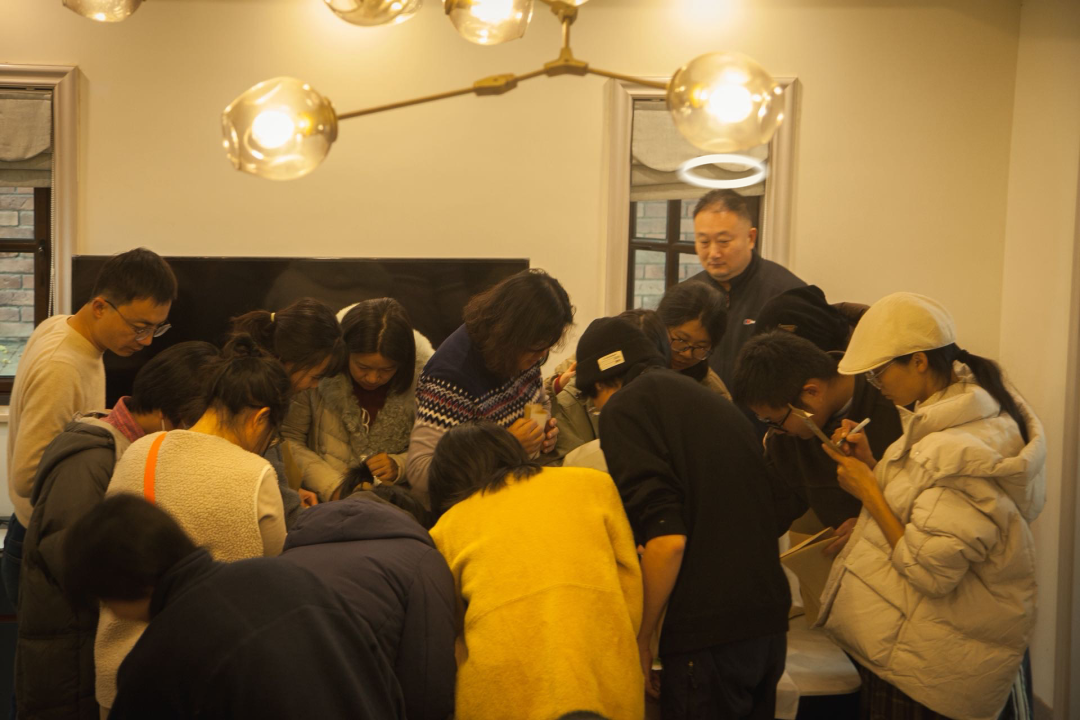
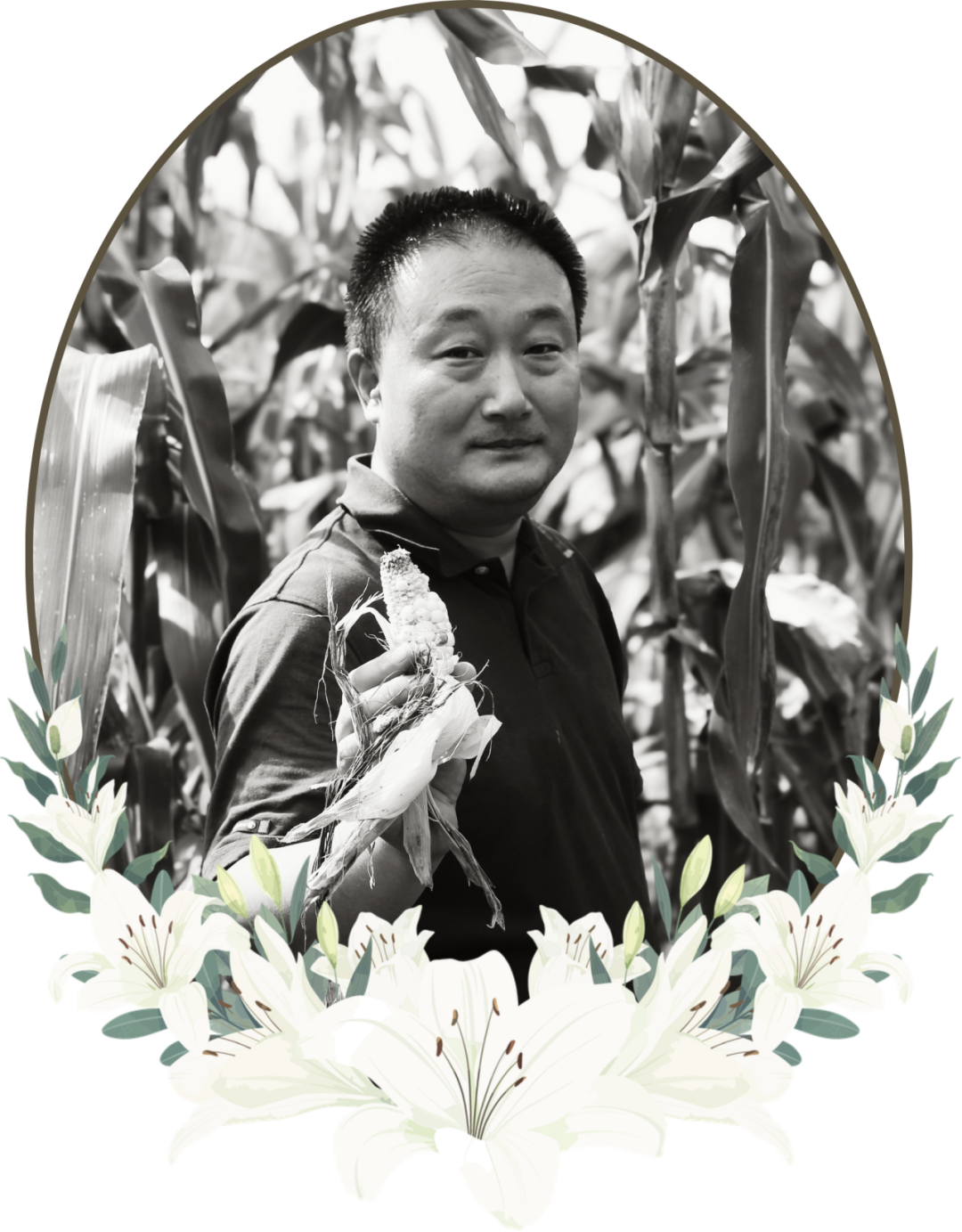
◉ There are plenty of group photos featuring Guan Qi, yet very few portraits of him alone. In those group shots, he always lingered at the back or to the side, quiet and wearing a gentle smile. This picture was taken in December 2024 at Qiandao Lake in Hangzhou, during the Eastern Network’s annual gathering. He stands there, quietly watching as others exchange seeds.


Whether Guan Qi was truly an introvert or an extrovert, his friends could never agree. Several had asked him directly and received a different answer each time. After he passed away, as we all gathered together, we came to accept that this was simply a question with no definitive answer. Whenever we recall his signature, mischievous smirk, we are reminded of the famous line from Ma Sanli—the renowned Chinese cross-talk artist whom he so admired: “just kidding.”


Perhaps it was a rather foolish question to begin with. Guan Qi had little interest in labels, and he steered clear of black-and-white narratives. He was equally resistant to being boxed in himself, embodying a blend of identities and qualities that might otherwise seem irreconcilable. After he passed away, we found it remarkably difficult to explain to someone who had never met him who Guan Qi truly was. It is even harder to distil into a few sentences why so many people, who appeared to know him only through professional ties, miss him so deeply. Indeed, even as we try to piece together the words to describe him, we find ourselves welling up all over again.


After Guan Qi passed away, a friend shared his Instagram account with us. It appeared to have been set up many years ago, and his bio read: Seeking a dignified, grounded stance in rural life. Whether he meant to discover such an attitude in others, or to forge a meaningful path for himself, he surely fulfilled the aspirations he held back then.



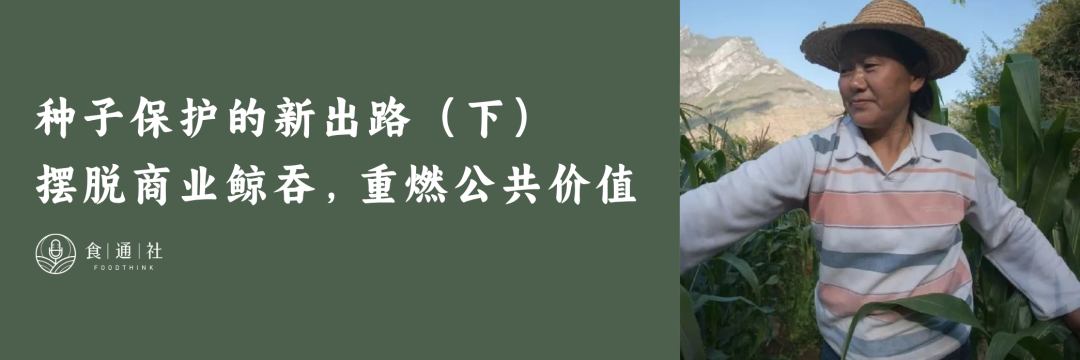
Since Foodthink was founded in 2017, Guan Qi has been like an honorary member of our team. As a core figure in the Farmer Seed Network, he was invariably our first port of call for matters concerning seeds or agricultural biodiversity. In 2017, he wrote A New Path for Seed Protection: Breaking Free from Corporate Consolidation, Rekindling Public Value (Part 1) (Part 2) for us—two long-form pieces explaining why the peasant seed system is so vital, and how we ought to safeguard the practices and rights of farmers who save and breed seeds. Over the years, he also grew increasingly involved in our online and in-person events.


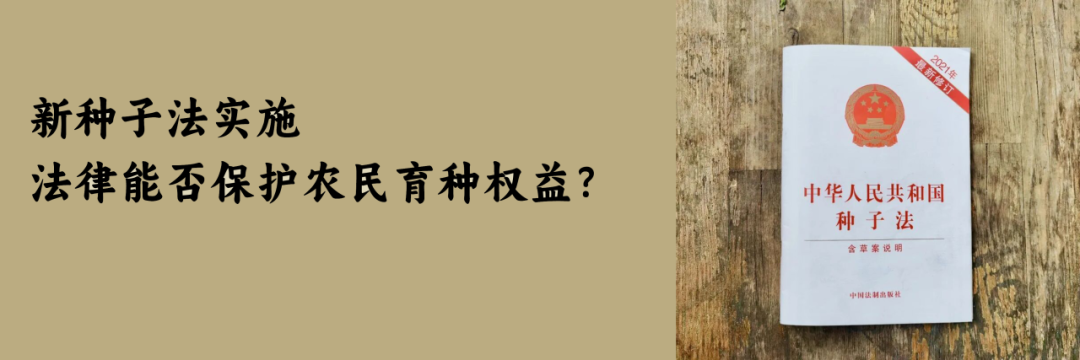
Remarkable Person, Remarkable Writings ▼
Click the links above to see what other important and interesting perspectives Guan Qi shared on Foodthink.


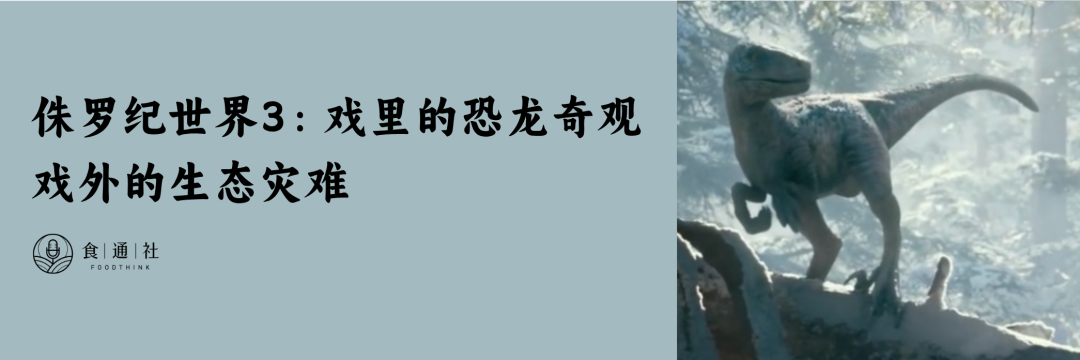
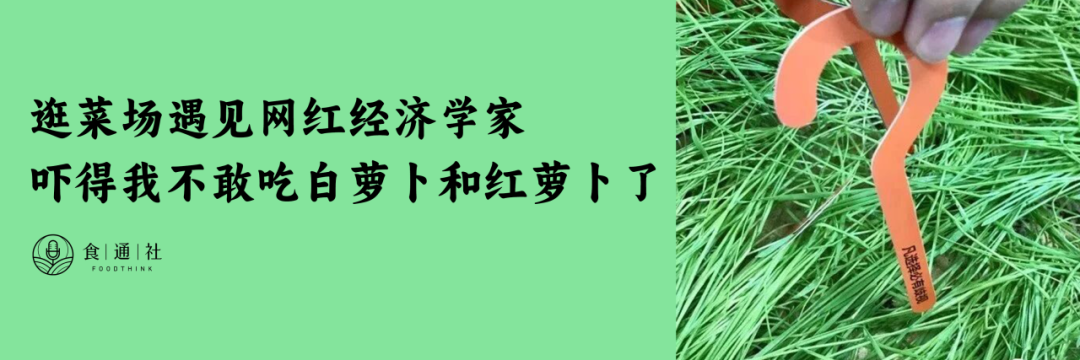
Yet few realise that he once wrote a biting satirical piece for Foodthink under the alias ‘Mr. Foodthink’: “Meeting a Viral Economist at the Market Made Me Afraid to Eat White or Red Radishes”. It was only after he was gone that we finally uncovered his background in economics, which explains why his critiques of certain “economists” always hit the mark more precisely than ours. He also adopted the pen name Lu Mengua (a self-deprecating pen name playing on his Shandong roots) to critique the Jurassic franchise—a series he actually admired: Jurassic World 3: Dinosaurs in the Film, Ecological Disaster Outside. Unfortunately, as his professional commitments mounted, he found himself too pressed for time to write the sort of reflective essays that so naturally suited his temperament.


In 2021, Foodthink and the Farmer Seed Network rolled out the third round of micro-grants for the Lianhe Project (a joint grant initiative), “Understanding Biodiversity from the Seeds Up”, backing 12 community seed banks scattered across the country. It was through this collaboration that we truly felt the rigour with which he approached his work, alongside his genuine concern for the farmers working on the front lines of seed conservation. As the project neared completion, at his suggestion, we asked the 12 partners what further resources and support they would need to sustain their community seed banks. Although we later lacked the funding to continue supporting them and other seed banks, it was evident that Guan Qi and his colleagues at the Farmer Seed Network consistently kept these partners’ needs at the forefront, constantly seeking new ways to back these practitioners of community-based seed saving (literally: keeping seeds among the people).
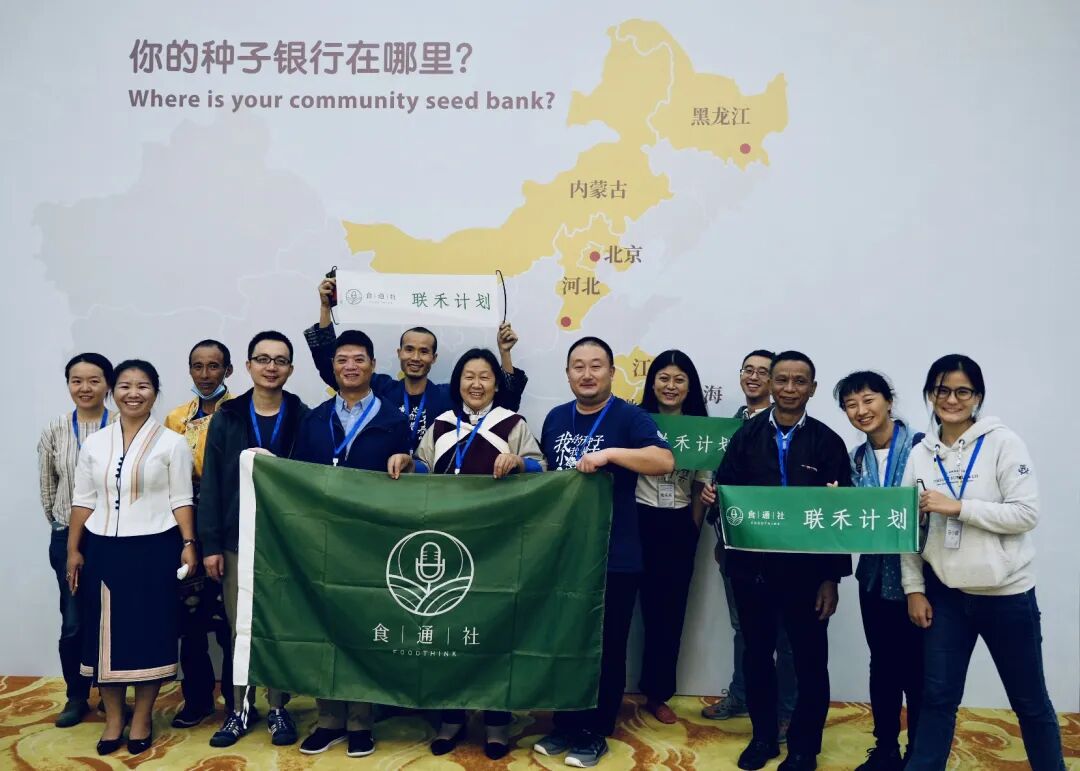


The Foodthink team expanded from a small core of two or three to nearly ten members, with almost twenty full-time colleagues joining over the years. Almost every one of us had varying degrees of interaction with Guan Qi. “Teacher Guan” (a respectful, colloquial way of addressing Guan Qi) was likely the name most frequently mentioned in our editorial office. Whether we had travelled together in different combinations or simply shared group chats, we were constantly crossing paths with him, seeing his name pop up in one group or another almost every day.


Alongside our work discussions and frequent food photography swaps, what Guan Qi did most was unexpectedly drop academic papers into the group chats. These were usually freshly published or significant English reports or journal articles, introductions to new books, and occasionally full e-book versions. We eventually joked that he was our collective “study representative”, often turning to each other to ask: “Have you had a chance to read the paper Teacher Guan just shared?”


Whenever we had a specific question for Teacher Guan, he would patiently provide a precise and concise answer, before thoughtfully attaching relevant research for us to explore. If he didn’t know offhand, he would almost certainly follow up a few days later with a link or a paper, sharing whatever he had managed to uncover.


There were also times when we encountered questions that had genuinely never been researched. Teacher Guan would say, “Why don’t we look into it together?” Thus came It Turns Out China’s Smallholder Farmers Have Sacrificed So Much to Combat Climate Change. At the time, some colleagues worried the data lacked sufficient authority. He brought out a book by Philip Huang, noting that Huang had employed a similar method to gather his data. A year later, this same research approach was expanded globally, leading to New Research: With Annual Investments of Two Trillion, Smallholder Farmers Worldwide Are the Real Unsung Heroes in the Fight Against Climate Change. Guan Qi, too, was the “unsung hero” behind this research and grassroots seed conservation work.


This is all the visible, public work that can be neatly recorded in project proposals and final reports. Yet for everyone who deeply misses him, it is precisely those informal conversations and interactions that made Guan Qi who he was.


Take his love of good food and drink, for instance – it’s the first thing that comes to mind for almost everyone who knew him. If you were on a work trip or holiday with Guan Qi, you could almost count on being dragged along to discover new eateries and sample craft beers. These outings inevitably sparked countless jokes, quotable one-liners, original memes, and reaction images, which then circulated widely at gatherings, whether he was present or not.


Even for those who didn’t travel with him as often, our editorial office would receive several care packages from him each year. They were always packed with highly regional ingredients that opened our eyes and delighted our palates, offering a welcome escape from Beijing’s reputation as a “food desert”. Beyond simply sharing good food, he was also making a conscious effort to support the workshops and smallholder farmers who still preserved dishes steeped in local culture, history, and terroir. In the past four weeks alone, friends across the country have dug out the local specialities he sent them that they hadn’t yet finished, and the team in Hangzhou even organised a special dinner in his honour!
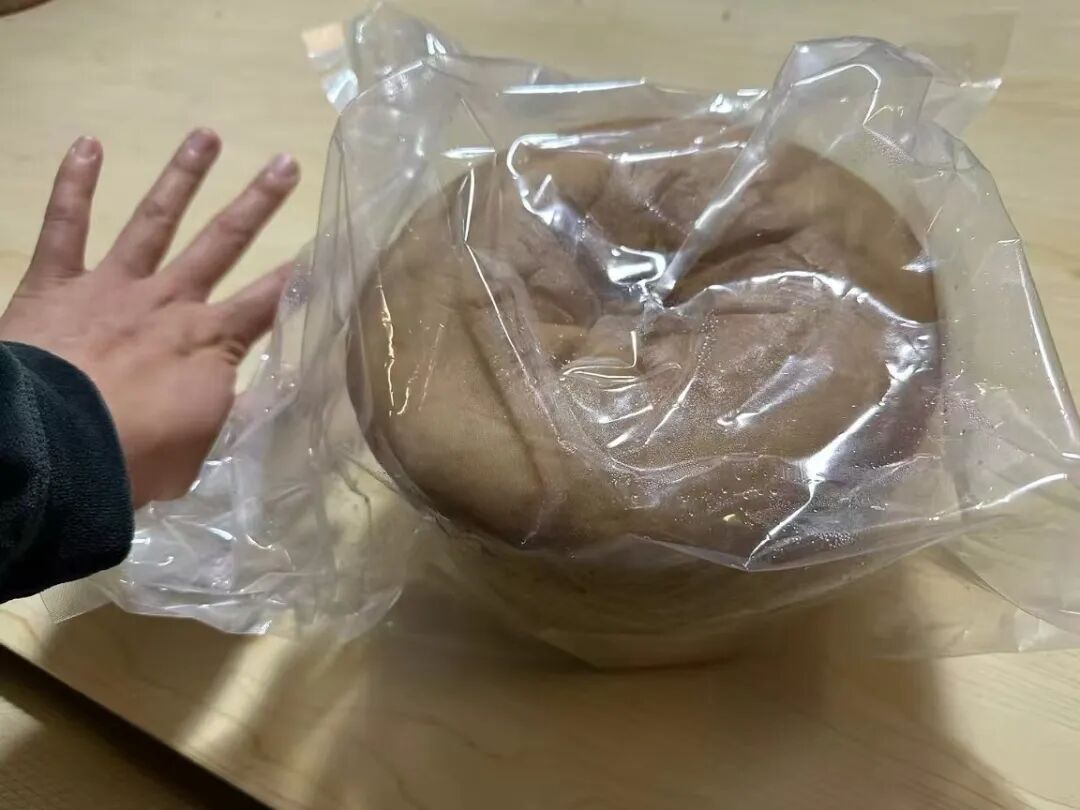
 

◉ “Trumpet tofu” (a local speciality from Kaihua, Zhejiang) sent by Guan Qi. This was his second attempt at sending it to us. The first parcel arrived during a public holiday; with nobody in the office to collect it, the package sat unopened until it had moulded. Reluctant to let us miss out on such a delicacy, Teacher Guan promptly sent over a second block.
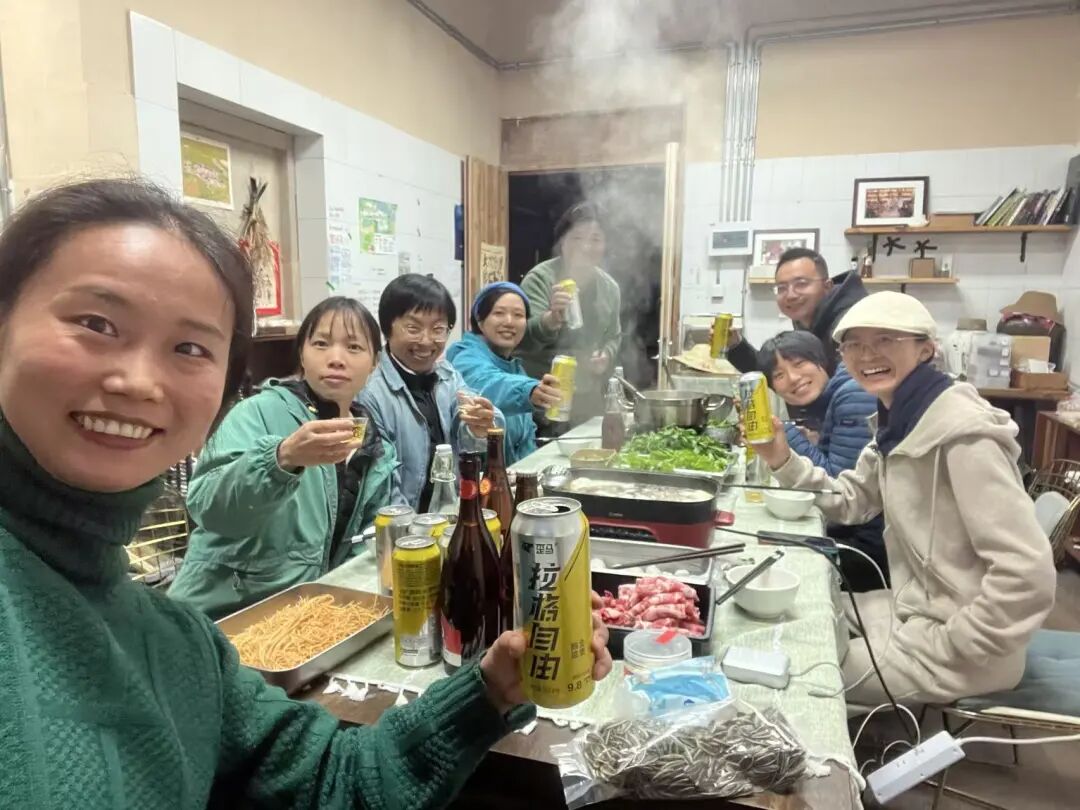
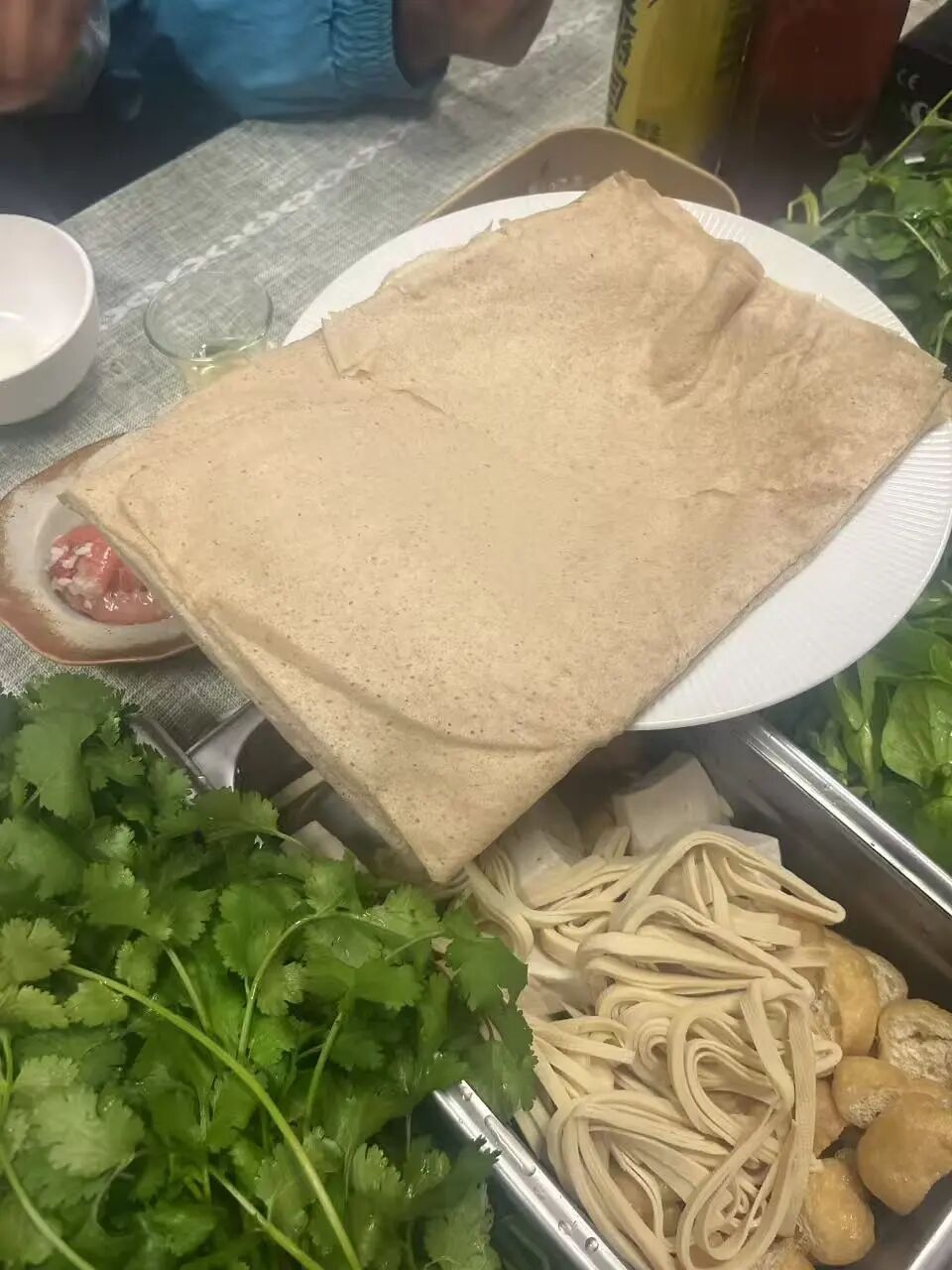
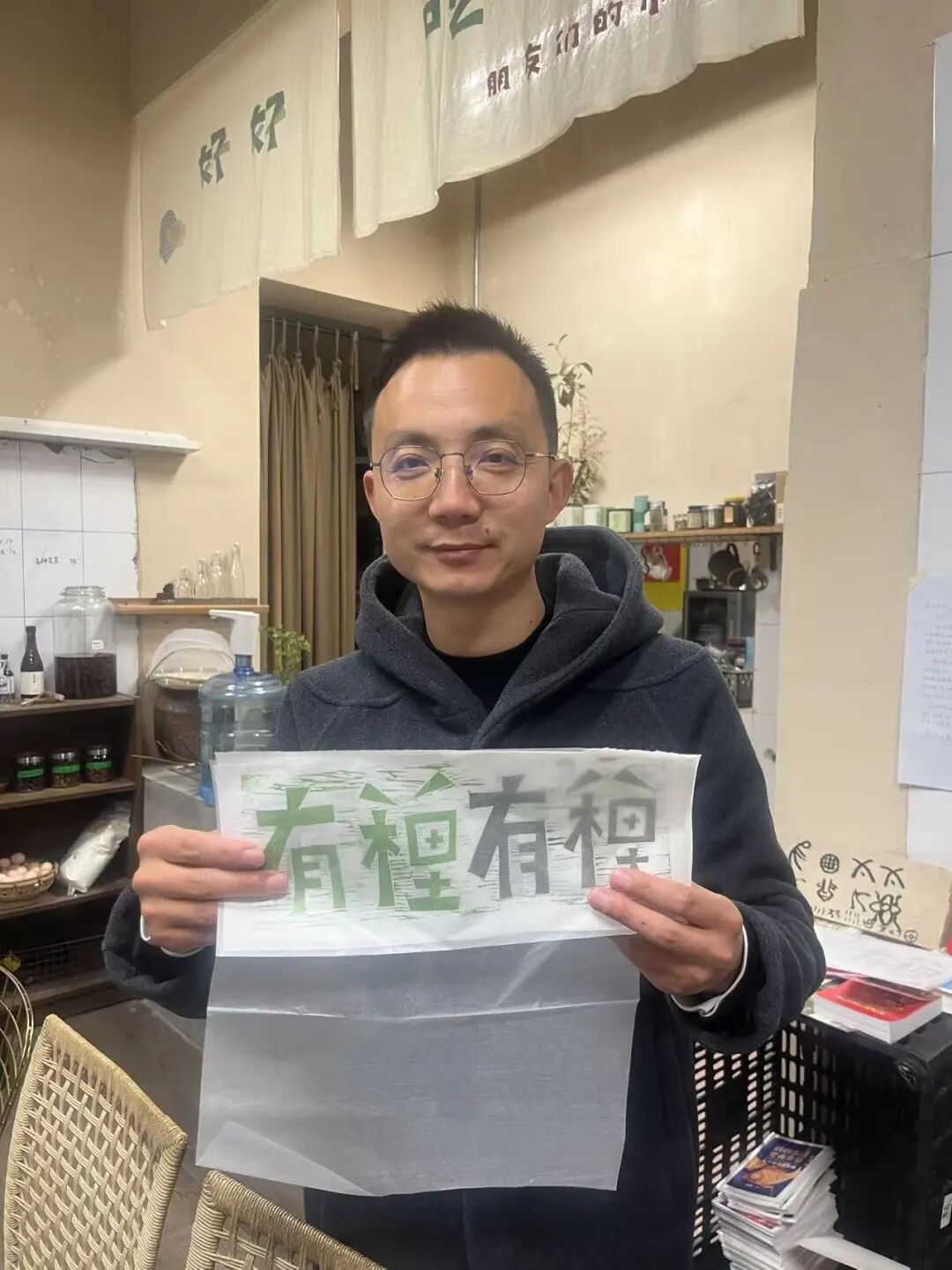
◉ A small gathering of Eastern Network partners on 20 March, enjoying Guan Qi’s favourite lager and sharing the multigrain pancakes he brought back after the New Year. In the bottom right photo, Yu Jiangang is holding a print titled <em>You Have Seeds/Guts</em> (a Chinese pun on the character for both “seed” and “courage”), created by Jiang Ziqi in Guan Qi’s honour.


Since 10 March, news of Guan Qi’s sudden passing while on a business trip to Qinghai has been circulating. His colleagues and friends from Rural Reconstruction, the Qingcheng Initiative, the Farmer Seed Network, and especially the Eastern Farmer Seed Network—which he championed over the past few years—have already shared numerous tributes and memorials on WeChat Moments and official accounts: Finding Guan Qi Farewell, Guan Qi Li Guan Qi: Idealistic, Down-to-Earth, and a Lover of Life Qingming Reflections: In Memory of Guan Qi


On 28 March, he was laid to rest in his hometown of Linyi. We were fortunate enough to meet his family and colleagues from different stages of his career, gaining deeper insight into Guan Qi’s experiences and anecdotes, and coming to better understand his ambitions in both work and life.


Today is the Qingming Festival. Just as we were preparing to publish this piece, Foodthink (id: foodthinkchina) was temporarily silenced for fifteen days. Rather than wait for the right moment, we’ll simply take this opportunity: we are using this interim account to share Guan Qi’s story with Foodthink’s old and new readers, so that more people can come to know the beloved and deeply missed person behind those words and voices. My writing may fall short of capturing all that was wonderful about him, but I hope these words will encourage us to work and savour life as he did—particularly in how he treated his friends and colleagues. If, in an age that makes optimism so hard to come by, this can offer even a little reason for hope and the strength to act, then I believe that is precisely the hope Guan Qi found in peasant seeds.

Swipe up to read

I have known Guan Qi for well over ten years, but our first proper professional interaction was in 2016, during a ten-day trip with a large group. In the crowd, he was incredibly low-key, spoke little, and could barely be said to stand out. My only distinct impression was that he was constantly taking careful notes, and that his English—speaking, listening, reading and writing—was excellent. We crossed paths at various conferences afterwards, and my impression remained much the same; I mistakenly took him for a serious man, so reserved that he seemed rather dull.


As we grew closer over time, I began to see the real Guan Qi. The moment that truly broke the ice and built trust was probably when we discovered our shared passion for food, and our mutual, visceral dislike for people who don’t walk the talk. When it came to venting, we each had our own sharp tongue. One year, just before the Mid-Autumn Festival, we happened to be working in Nanning at the same time and agreed to spend the holiday together. He led us on a food hunt across the city, and I can still picture him striding ahead to hail a taxi.


In recent years, whenever we happened to be in the same city, we would always arrange to eat together. It was never just about discovering great food; it was also a chance to hear all sorts of fresh ideas and amusing anecdotes. When I was travelling for work, I would often ask him for dining recommendations, and he would invariably send over a flurry of links. Not every single one proved reliable, but judging by how effortlessly he could fire them off, they clearly drew from a deep well of accumulated knowledge and experience.


His erudition—spanning not only serious academic subjects but a wide range of popular and obscure trivia—along with his wit and all-round excellent taste, is what cemented our friendship in both work and life. But there were two particular qualities of his that I admired most.


In his work, he was constantly striving to push the boundaries of what the seed network could do. He proactively reached out to botanic gardens, artists, self-publishers, podcasters and the food industry—groups that traditionally fell outside an NGO’s radar—and brought them into the work of helping farmers protect heirloom seeds. He also introduced the concept of the “peasant seed system” to new communities, carving out numerous fresh pathways for our efforts. When we met in Beijing just before the Spring Festival, he quietly announced a new initiative that was already underway, leaving us all deeply excited and eager to see it unfold.


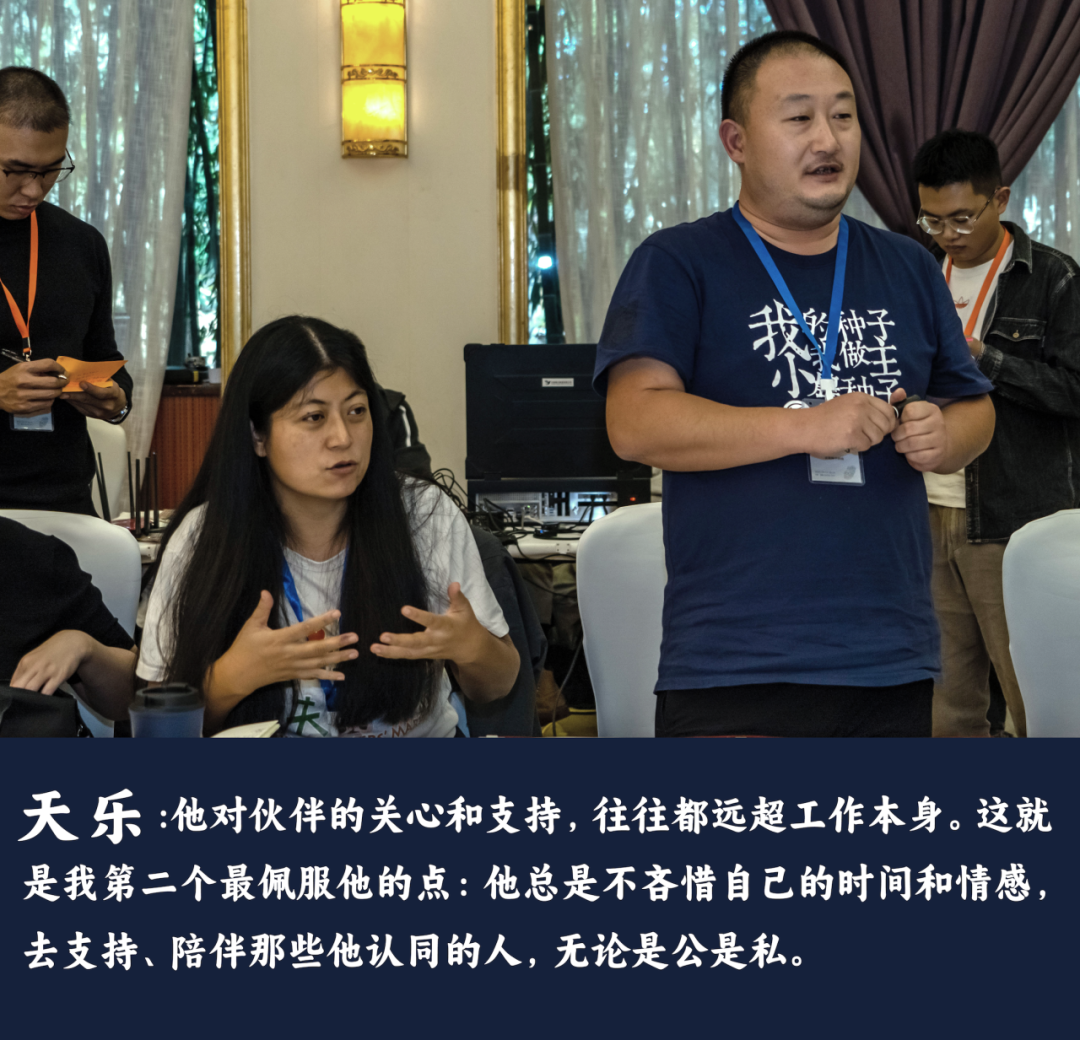
As a colleague in the field, I know only too well how mentally and emotionally draining it is to sustain such a cross-sector informal network, and how his care and support for his partners often extended far beyond the work itself. This was the second quality I admired in him above all: he was never sparing of his time or emotional energy to support and stand by those he resonated with, whether in public or private. This also made his information sources incredibly broad and accurate—we even joked that he was the ‘peasants’ gossip hub’. Yet he held his friends in the utmost respect; sharp-tongued as he was, he would never say a word to belittle them.


In the industry, the first is a rare capability; in wider society, the second is an even harder-to-find quality.


Over the past month, seeing and hearing the stories everyone has shared about Guan Qi has made me realise he truly lived as a seed: one that carries public value.


Swipe up to read
Having read so many tributes to Guan Qi, with quite a few focusing on the period after 2020, I found myself wondering: how closely does the Teacher Guan I knew align with these vivid, recent recollections?


Shortly after Foodthink was founded in 2017, we published an article on crop breeding written by him. He was among the very first contributors to Foodthink. I still recall the thrill of editing that piece: the logic was sharp, the structure elegant, and the information so densely packed it was almost overwhelming. It was professional yet deeply respectful of the general reader, entirely free of the dense, exclusionary tone of academic circles, and it had a clear perspective without any ego. That was the kind of pure joy reserved for a “veteran editor” stumbling upon a brilliant manuscript.


Piqued by curiosity, I quietly looked into Guan Qi’s background. I learned he had thrown himself into the rural reconstruction movement early on, and that he was a graduate student in economics at Renmin University. At the time, I admittedly thought rather snobbishly: here was a young man outside the system with a bright future ahead of him, yet he was plunging straight into the mud to work on rural issues with limited rewards. Wasn’t that a bit of a waste? In retrospect, that was the exact moment his idealism first took hold of me.


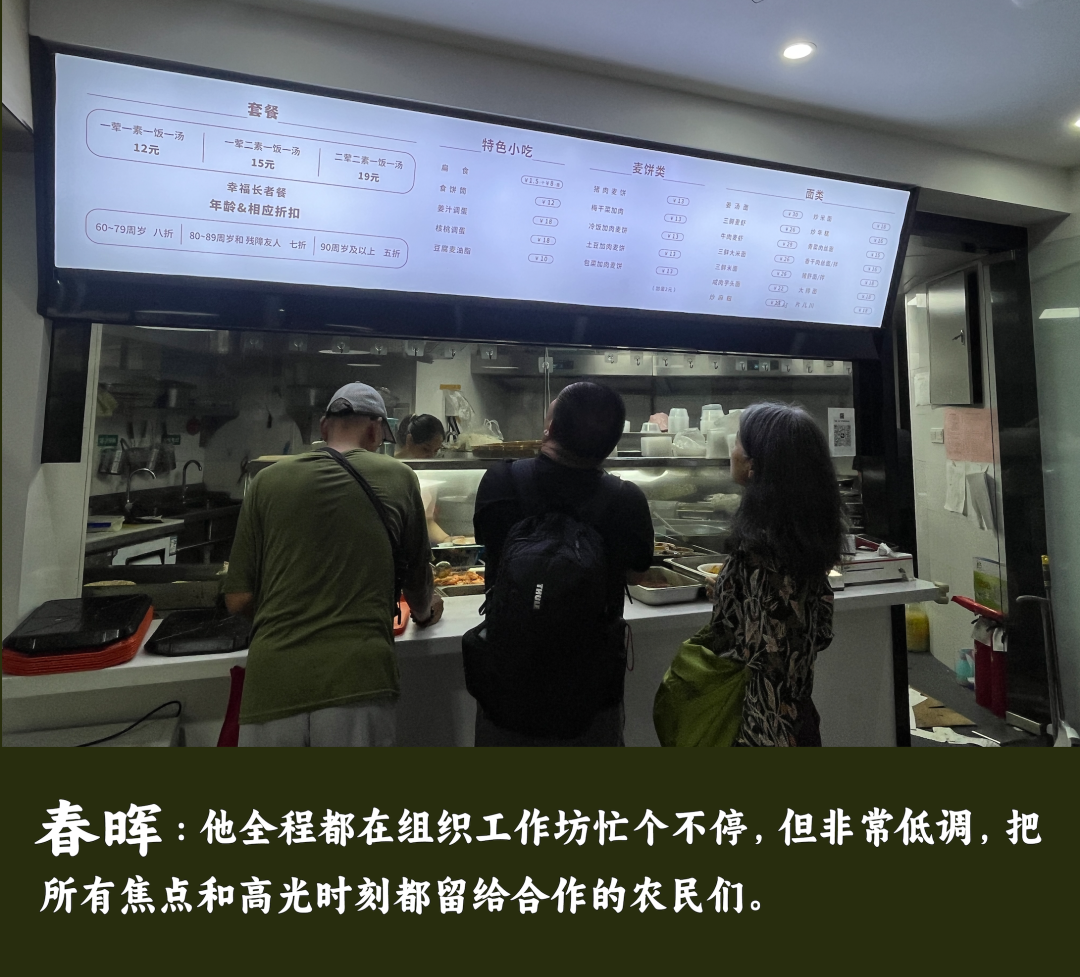
In 2018, I attended an event organised by the Farmer Seed Network and met Guan Qi in person at a workshop. He was busy coordinating the event from start to finish but remained extremely low-key, leaving all the spotlight and high moments to the farmer partners. During that period, whether online or offline, he gave me the impression of someone who spoke little but did much—a quiet individual with real substance.


Our life paths, like many others, crossed and then diverged. After I left Foodthink, our professional interactions became infrequent. When I occasionally needed advice for an article, mindful of his quiet reputation, I would always approach him with careful politeness. At times when I needed ongoing guidance, he was often rushing from one place to another across the country, leaving little time. I had to spend considerable effort to “catch” him, doing whatever it took to “squeeze” out his invaluable suggestions and opinions. Although he was younger than me, to me he was always, in the most literal sense, “Teacher Guan”.


In 2023, while on a business trip to Indonesia to attend an event hosted by my then employer, I happened to meet a Malaysian organisation involved in seed conservation called the Third World Network (TWN). I had since returned to my “old trade” of public health, where cross-pollination between different issues is rare, so encountering them in that setting sparked a familiar, “cross-circle” warmth. During some post-event small talk, I learned they were old friends of the domestic Farmer Seed Network. I immediately mentioned Teacher Song Yiqing and Guan Qi, and naturally, got a positive response. I messaged Guan Qi on WeChat straight away, which seemed to unlock a floodgate; I received an endless stream of messages. He not only sent me various organisational profiles, information pages, and project briefs for TWN, but also neatly mapped out their collaborative network within China. When I asked if he’d like me to pick up some event brochures to take back for him, Guan Qi simply replied, “I already have everything you sent.”


Ah, all of a sudden, Guan Qi no longer seemed like the somewhat quiet person he used to be.


Then came 2024. I had resigned from my job, and this middle-aged man had made his way to Hangzhou to loaf around with his younger friends, where I bumped into Guan Qi again, who was then based in Suzhou for work. Completely removed from any professional context, I could finally tease him affectionately by calling him “Boss Guan”. Those few days, “Boss Guan” was in his element, enthusiastically introducing us to the various culinary delights of Jiangnan. As I listened, I realised his favourite foods still carried the soul of the North—more precisely, his hometown of Shandong: assorted stuffed pastries, hearty cuts of meat, noodles, and rich, heavy sauces. This also let me appreciate how the so-called Jiangnan water town recipes, in fact, retain to a large extent the Northern palate carved by waves of migration and the historical southward shift of China’s political centre. He also raved about craft beer, particularly lagers, and took us on a tour of the remaining late-night brewpubs in Hangzhou, eating street-side skewers and Wenzhou fish balls. I was utterly surprised; it turned out Guan Qi was such a life-loving “refined boy” (in a friend’s words)! I never imagined those scenes would become my final memories of Teacher Guan.


As I pieced together these fragments of memory, I became aware of how Guan Qi’s image had shifted in my mind. Indeed, from the quiet, earnest, fiercely busy, and hard-to-reach Teacher Guan of the past, to the effusive “Boss Guan” who could talk endlessly about work and enjoy a rich, varied life, I truly believed he had entered a new chapter, ready to make his mark in the foreseeable future. I never expected that at precisely this moment, he would be “called away” by fate. He was frozen at a point of vibrant vitality, leaving the sense of loss to those of us still here, and to the entire seed conservation field. If someone like me, who only had a passing acquaintance with him, has so much to say, then how many unspoken words must be choking up in the hearts of his parents, his lifelong friends, his colleagues, and his closest companions in daily life? The sorrow must be immeasurable.


I write this solely to honour Guan Qi, and I hope you will continue to watch over us from above. The next time I travel to Jiangnan, I will carry these final memories and images with me.


Swipe up to read

I first met Guan Qi on 1 August 2019, at a team-building meeting hosted by Foodthink and the Farmer Seed Network. Back then, he still wore glasses. Running a cold that day, I didn’t join the main table and instead asked to sit on a sofa in the corner to listen in. Although I had been working for a year, I still felt like I had stumbled into the food and agriculture sector by mistake, filled with self-doubt and inner turmoil. Later, once we became friends, Guan Qi would often tell me, “You’ve got to value yourself.”


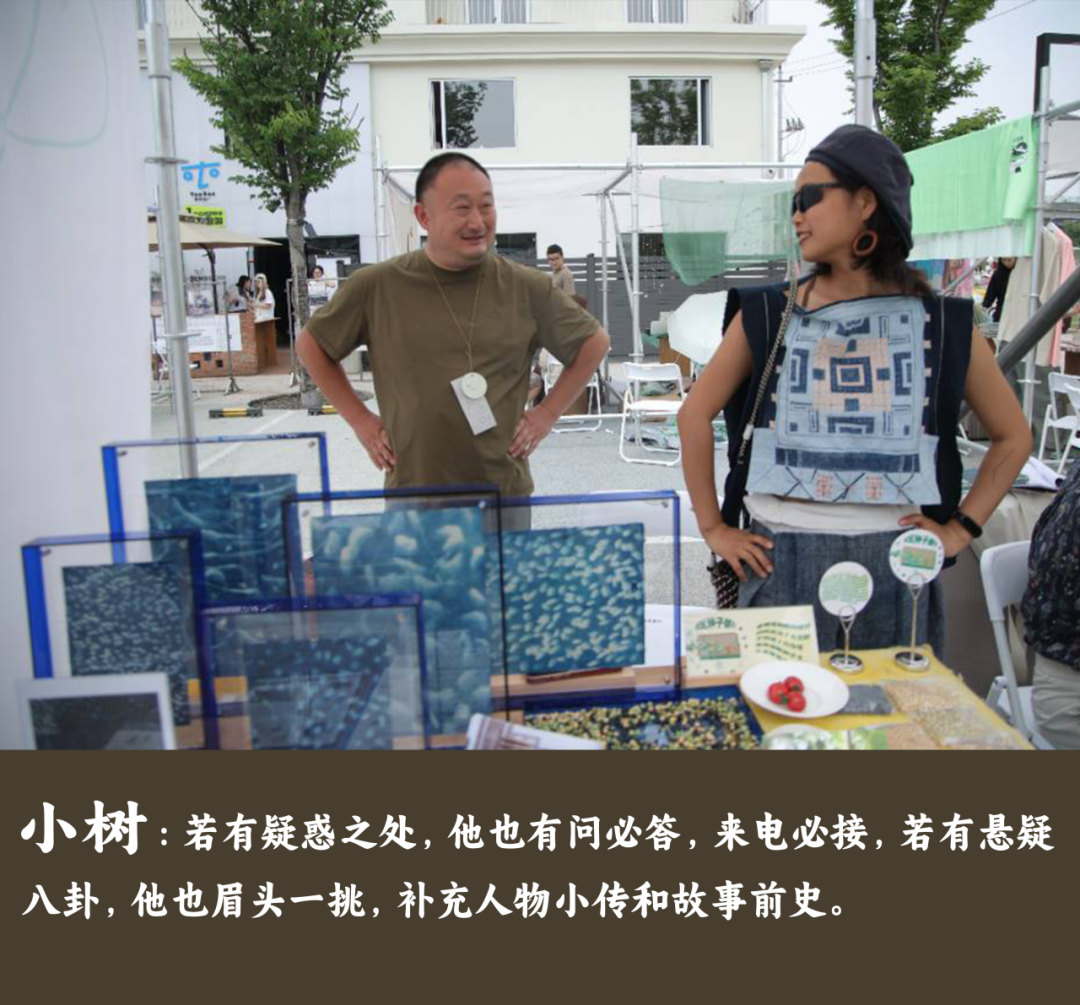
Our familiarity did grow gradually. In 2020, a magazine republished the two-part series “A New Path for Seed Conservation” that Guan Qi had originally released on Foodthink. I acted as the liaison, which led to one-on-one WeChat exchanges with him. Publishing during the pandemic was fraught with difficulties, stretching the project timeline and, consequently, lengthening our conversations. In December 2021, the Farmer Seed Network organised a training workshop at a farm on the outskirts of Chengdu. When a farming colleague asked me how to write a grant proposal, Guan Qi happened to walk by. I casually tossed the question his way, and he actually stopped to teach us how to structure a proposal. Later, after I left my full-time role at Foodthink to conduct field research in Qiandongnan, I applied for funding using the proposal framework he had taught me. Whenever I hit a snag in the field, he answered every question and took every call. If the topic turned to some intriguing piece of gossip, he would simply raise an eyebrow, flesh out the background and backstory, chuckle about how things have changed over the years, but never pass judgment on right or wrong.


By April 2022, he had moved to Suzhou. During the early days of building the Eastern Network, he set up a small chat group called the “Jiangnan Reading Group”. The first book we read together was <em>The General Returns</em>. It was a turbulent spring; in reality, we only gathered online to read that one time, spending most of our moments discussing food and daily life. Though our movements were restricted and we were scattered in isolation, our bond grew closer. Today, <em>The General Returns</em> remains unfinished. The extraordinary man has returned to his homeland and to the earth, and the food and agriculture sector, along with seed conservation, has lost one of its true generals.


Over the past few years, Guan Qi’s professional and personal focus shifted towards the east, and under his steadfast support, the Eastern Network grew increasingly cohesive and active. Alongside his public organising and calls to action in an official capacity, what was indispensable was his behind-the-scenes matchmaking, his generosity in hosting gatherings, and his eagerness to attend them. Just as he had hoped, the Eastern Network gradually evolved into a decentralised, multi-nodal community that welcomed me, a somewhat nomadic individual, into its fold. His sudden departure has left a massive void within this network, but his character and passion have allowed new threads to sprout from the rupture, binding together people and causes that had never intersected before. Beyond the east, Guan Qi was part of countless other networks. Grief resonates deeply across them all; because he was such an extraordinary person, the mourning is equally profound and precious. Because of Guan Qi, no one is left alone.


As a colleague, he welcomed me; as a friend, he caught me countless times. Over the years, he witnessed and took part in my growth. Yet somehow, I never formally thanked him for it.


Swipe up to read

I met Teacher Guan five years ago. I was writing an article about farmers conserving heirloom seeds. The year before that, the General Office of the State Council had issued directives to strengthen the protection and utilisation of agricultural genetic resources. Everyone knows how vital seeds are. It goes far beyond national food security; they are the very cornerstone of human agricultural civilisation. But what is truly the optimal approach to seed conservation? While researching and writing that piece, I was deeply struck by the divide between two distinct approaches. One holds that conservation is the government’s responsibility (establishing seed gene banks), while seed research and development should be left to enterprises (using technologies like hybridisation and genetic modification). The other advocates encouraging farmers to conserve heirloom seeds, achieving in-situ, active preservation. On paper, they seem complementary and mutually beneficial; in reality, however, the conflict between them is fraught with complexity.


Around that time, the central government had just approved the <em>Action Plan for the Revitalisation of the Seed Industry</em>, emphasising the need for self-reliance and controllability in seed sources. I asked an authoritative expert whether this meant a “springtime” was about to dawn for heirloom seed conservation. He laughed out loud, taken aback by my naivety, and replied that it was merely a signal to support the commercial seed industry. To call it a spring for heirloom seeds was, in his view, indulging in self-deception.


Another key interviewee was a representative for the heirloom seed camp: Teacher Guan himself. Editor J helped make the introduction. Teacher Guan kindly answered my endless, novice questions about heirloom seeds. Looking back, answering such superficial queries must have felt like a waste of his time. Throughout our entire exchange, he didn’t use a single superfluous word, nor did he use social lubricants like “haha”, “okay”, or emoji stickers. It felt as though speaking with me was an unavoidable chore he felt duty-bound to complete. Even so, he answered every single question and sent over study materials. When I asked to interview some farming colleagues, he kindly helped make the connections. Occasionally, he wouldn’t reply to messages for a day or two. Editor J simply sighed and said, “That’s just how Guan Qi is.”


Joining Foodthink allowed me to see another side of Guan Qi; he was almost unrecognisable. I heard plenty of amusing stories about Teacher Guan from his close colleagues: tales of him acting as the “study secretary”, his undying love for his hometown, and so on. Through them, I also felt his passion for agricultural issues and his deep care for farmers. We never treated Teacher Guan as an outsider and certainly didn’t hesitate to put him to work. However, I never quite got the chance to collaborate with him directly, so we maintained a polite, somewhat distant professional relationship. That changed one day. After visiting the Xiangtangshan Grottoes, he bumped into me. His small eyes lit up with a sharp glint, and he jokingly complained, “The food in Handan is absolutely terrible!”


In that moment, I finally touched his genuine warmth and felt I had at last found a foothold for a real friendship with Teacher Guan, all after knowing him for several years. I never imagined it would be the last time I would see him.


Swipe up to read

Even as I write these words, a sense of unreality lingers; Teacher Guan is truly gone. Life must go on, and days pass in a blur of busyness. There are moments when I forget the fact of his absence, or rather, my perception of the world remains suspended in the time when he was still here. When certain details blur in my mind and I feel the urge to check our WeChat chat history to confirm them, I always hold myself back. I simply cannot bear to further confirm the fact that the other side will never reply. So I can only rely on the impressions stored in my mind to put these memories down on paper. As for whether certain details are perfectly accurate, I secretly wish Teacher Guan were here to point out my mistakes one more time.


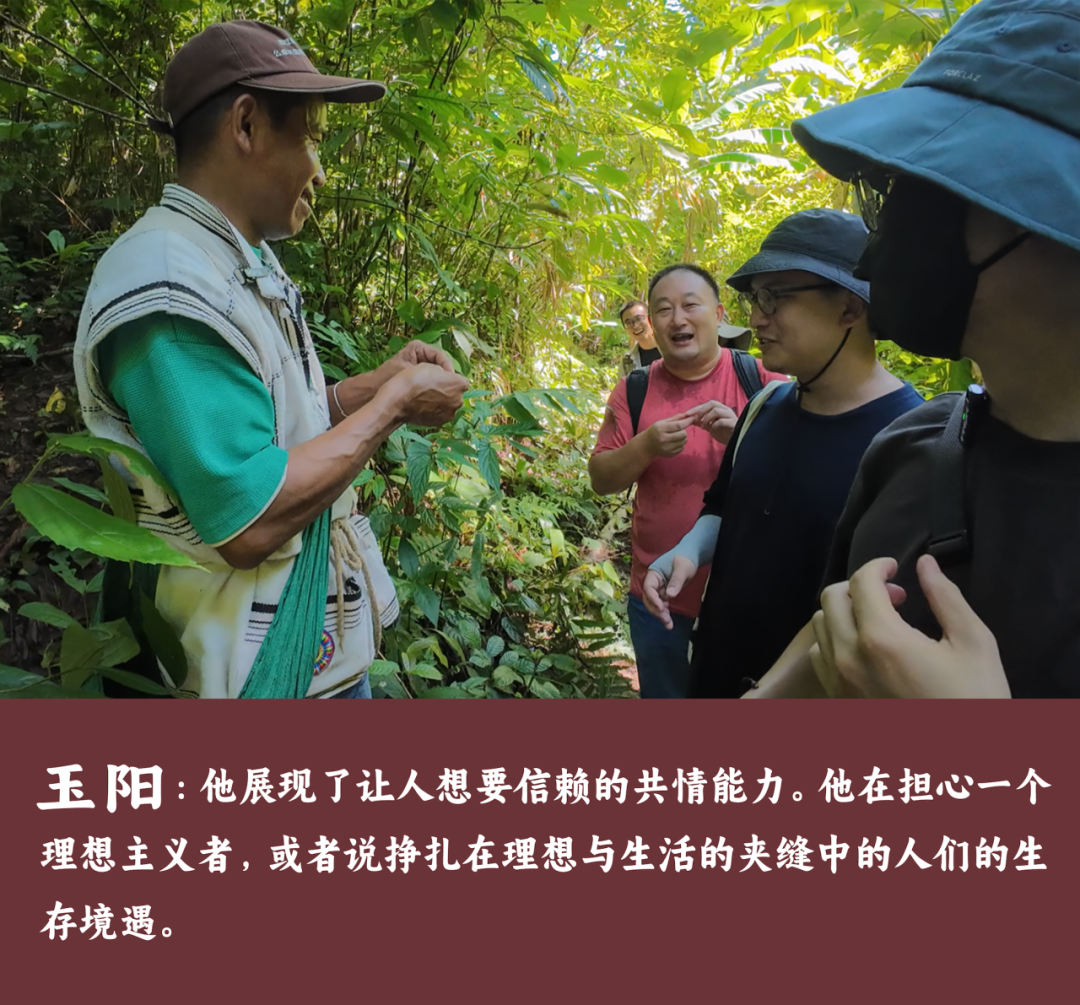
The most memorable thing Teacher Guan ever said to me was about a person I didn’t know at all. It came up like this: we were soaking in a hot spring in Mile, and he asked me about my days delivering food. I answered honestly. He said it reminded him of a friend who had always been deeply concerned about labour rights. A Tsinghua University graduate, the friend had been working as a security guard when Teacher Guan ran into him in Beijing a few years prior. “When I was leaving, I told him to take care, because I was a bit worried about how he was doing,” Teacher Guan said. His tone carried a hint of light teasing, yet I was genuinely warmed by his words. He demonstrated an empathetic capacity that naturally inspired trust. He was worried about an idealist, or rather, about those trapped in the narrow space between their ideals and the realities of survival. I think that for anyone in this day and age, such understanding and goodwill is truly rare. As I listened, I let myself sink a little deeper into the hot spring water, absorbing the warmth.


He was an idealist himself, though of the more optimistic and open-minded variety. He once recounted how, as a young man, he had “gone undercover” at a cola bottle bottling plant to investigate workers’ conditions, only to resign shortly after. Squinting his eyes with a smile, he said, “It wasn’t so much the other reasons; it was mainly that the more I worked, the more efficient I became. Plus, I knew English, so the boss wanted to promote me to shift supervisor. I figured I definitely couldn’t stay.” That day, Teacher Guan shared many stories from his earlier years in the tea room, keeping me chuckling throughout. When we left, the rain was pouring down, and our parting was hurried.


When I saw him again, just two or three months later, he had come to Beijing once more. At the time, I thought that with someone as frequently on the move as Teacher Guan, there would be plenty of chances to meet in the future. On that occasion, I gave him a copy of <em>Cultural Studies 1988</em>. It was not merely a return gift for the book on agrarian capitalism he had given me for my birthday the previous year, but also because he always remembered my interest in the British New Left and cultural studies. I’m not someone who eagerly pushes my own interests onto others, worried about being a nuisance unless a strong sense of trust has been established. Teacher Guan always put me at ease, so I handed over the copy with my own extensive marginalia without a second thought. It turned out to be our last meeting.


In Shitoucheng, Youmi Village, and Lugu Lake in Lijiang, I accompanied Teacher Guan on a stretch of his journey to protect heirloom seeds—a journey that was, in fact, only a small part of his life. His world was so vast, and he had travelled so many paths. He cared deeply about the big issues, yet he always managed to keep so many specific people and specific matters close to his heart. I am fortunate to have been one of them. Losing you fills me with sorrow. I feel that if I had had more time to learn from you, my mentor and friend, my life would have been better for it. Nevertheless, I will carry this regret with me and continue striving towards that better version of myself.


Swipe up to read

We always called him “Teacher Guan”. In truth, Guan was not his surname, nor was he a teacher. People called him this because he knew so much and was exactly the sort of person who could “keep up with anything you threw at him”. Whether the topic was academia, the entertainment industry, or serious matters concerning seeds and agriculture, if you asked him, he would promptly send you a link, an article, or an academic paper. He never liked to lecture people out of the blue, but whenever you sought his input, he would always give a thoughtful reply.


Teacher Guan was calm and highly sociable; I have never met anyone so steady. Once you got to know him, you’d realise he was truly a “treasure of a boy”. Not only was he deeply knowledgeable in his field, but he also knew his way around good food. Everyone loved spending time with him, whether at work or in their personal lives. I still remember our meetings: as soon as they wrapped up, following him would always lead us straight to the best local eateries.


To me, he was also a humble, inclusive, and deeply caring person. When I first joined Foodthink, I knew nothing about agriculture or seeds. Every time I asked him a question, he was infinitely patient, never showing a hint of irritation, and never making me feel foolish for not knowing the basics. Looking back, those questions were rather naive. But it was precisely his patience, kindness, and inclusiveness that made me feel that newcomers in this industry were welcomed, given space to learn and adapt, and gradually able to contribute.


Teacher cared deeply about smallholder farmers and the preservation of heirloom seeds, though he rarely put these concerns into words. Instead, they naturally shone through in his work.


He understood both policy and local development. He travelled to ethnic minority villages and rural areas across the country, explaining to farmers the importance of heirloom seeds and teaching them how to save their own. At the same time, he worked to raise awareness among the public and consumers, championing the social value of seed diversity. He hosted community events in various locations and promoted the traditional varieties grown by farmers at partner project sites at local markets, often bringing along Foodthink’s promotional leaflets.


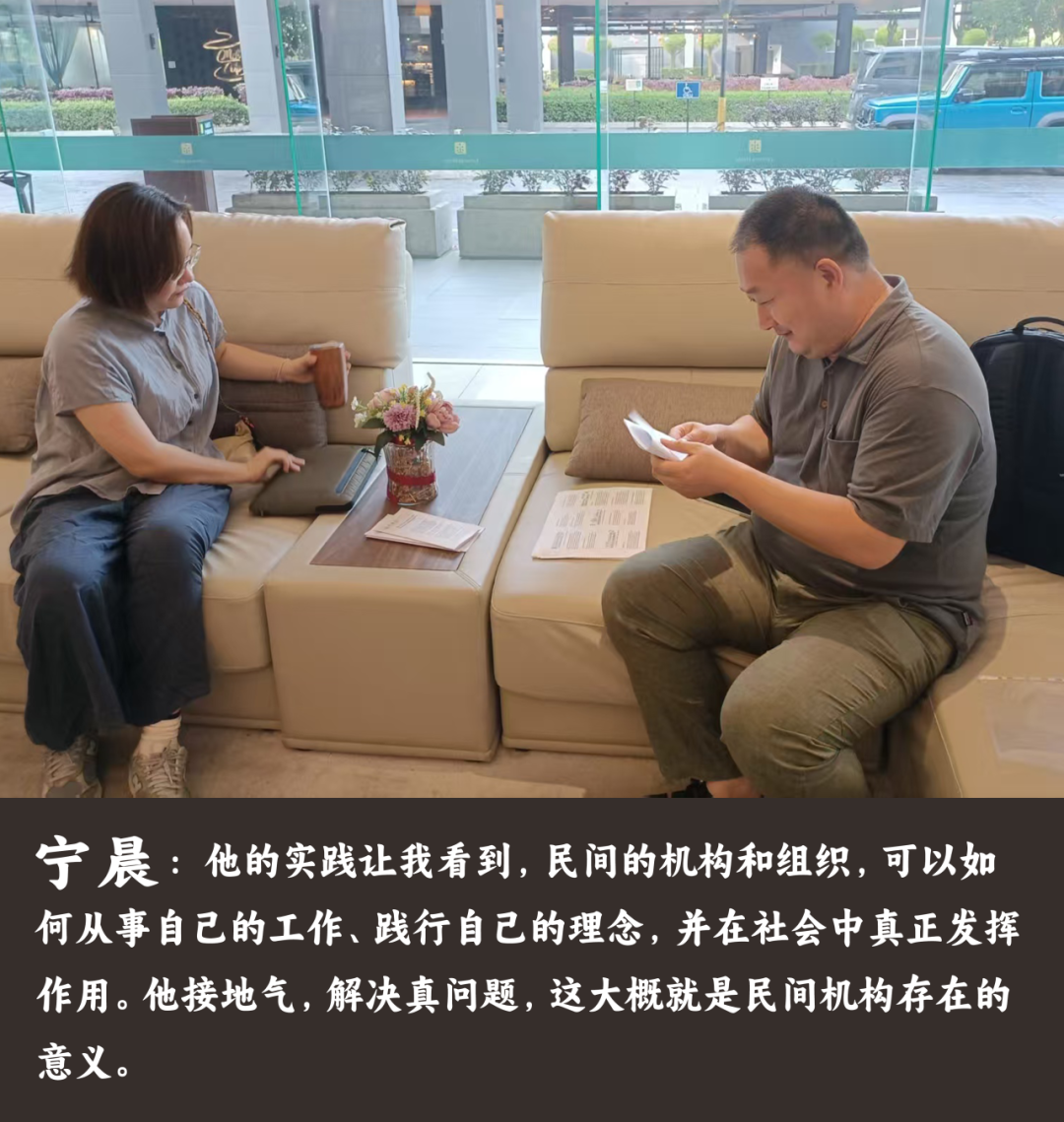
Teacher Guan’s work bridged the land with academia and policy, while steadily expanding the market for grassroots traditional varieties. His practice showed me how independent institutions and organisations can carry out their own work, put their ideals into action, and genuinely make a difference in society. He kept his feet on the ground and tackled real problems; I believe that is precisely the raison d’être of civil society organisations.


This also helped me gradually understand that much of this work must be done bit by bit. Each step may be small, but it is also deeply significant.


Now, we have lost Teacher Guan—a seed specialist, an outstanding professional, and, for me personally, a dear friend with whom I could share meals, drinks, and laughter.


Teacher Guan, we will miss you forever.


Swipe up to read

There are hardly anyone in this world better suited to be a friend than Guan Qi. It is a pity that my friendship with Teacher Guan ended before it could properly begin.


Almost every time I met Teacher Guan, alcohol was involved. We have all witnessed Guan Qi’s beer-tasting prowess. His material life was simple; he could go on a two-week business trip with nothing but a light backpack. Yet over the years, he must have made a significant financial contribution to the craft beer industry. Outside a hotel in Aohan Banner, a few of us sat down for an eagerly anticipated late-night supper, the table nearly being rocked by our energy. Guan Qi, however, seemed surrounded by his own calm bubble. He bought two four-litre cans of craft beer from a kiosk at the gate and ordered chicken gizzards, wheat gluten, lamb skewers, and toasted buns from the barbecue stall. Whether at a table for three or twenty-three, Guan Qi always maintained the same composed demeanour, sipping his beer at a steady, metronomic pace like a precisely calibrated beer-processing unit. Occasionally, he would drop a sensational piece of gossip for us to savour and dissect.


Alongside alcohol and coffee, reading critical theory was Teacher Guan’s other vital sustenance. The more one knows, the less one speaks. Whenever I got tipsy, I would blabber on, flexing my shallow academic knowledge, cringing at myself even as I did it. Guan Qi was not like that. Despite having read extensively, he would never open with “I think…”, but rather “I recommend you look at…”. How rare is that! No wonder everyone loved him; he was always genuinely looking out for others. I often put my face on the line asking Teacher Guan for help, unsure of how to repay him, but telling myself there would always be a chance later, so there was no need to overthink it. I never expected that I would lose the chance to return the favour.


I have always called myself a materialist, but Guan Qi’s passing has led me to believe in another world. I hope he has gone to a better place.


Swipe up to read

Though I only met Teacher Guan twice, I still want to write a few words.


Both times, it was over a meal.


The first meal was also my first with Foodthink, at a Wenzhou-style food stall. I vaguely recall Teacher Guan putting on a drinking-table demonstration, keeping rhythm with his elbow or performing some other kind of kinetic art. He was quite a character.


When we later added each other on WeChat, his very first message was: “I thought we hadn’t split the bill yet…”


Pay attention: this is a refined middle-aged man who uses Jennie memes.

 

◉ Guan Qi had a knack for making unexpectedly expressive faces, which have since been turned into numerous memes.


The second, and last, meal was in Bangkok.


At the time, Teacher Guan was undergoing a retreat in the mountains and had rarely taken a break to come down. Spotting him from afar at the subway station, he really did carry the air of a “recluse descending the mountain”.


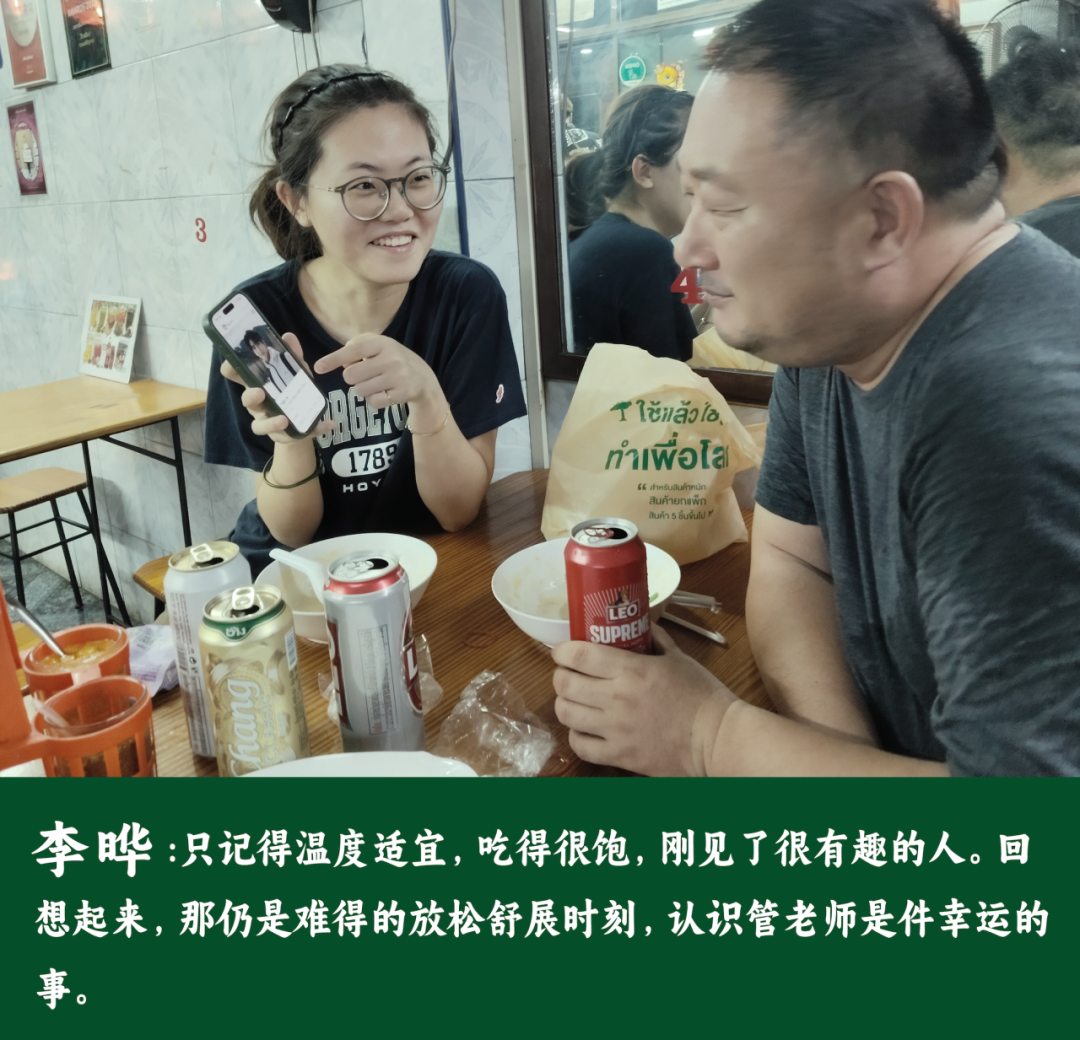
We bought beer at a nearby 7-Eleven, found a small eatery, and ordered a simple bowl of pork congee.


The beer was probably average, and to go with it we added a pack of pork skin, which wasn’t particularly tasty either.


But even if we had wanted something fancier, a pack of pork skin was the limit.


The core of his retreat was “seeing oneself”. Coincidentally, there was a large mirror right next to where he sat—turn your head, and there you are. At the time, I thought how convenient that was; why even go up a mountain for retreat when a glance away was enough? Looking back, perhaps wherever he sat, that place became his temple.


I invited him to go to King Power the next day to look at handsome men. He looked troubled, mimicking the posture of an elderly man on the subway squinting at his phone. But the sincerity in his hesitation, combined with his inherent kindness, made me genuinely believe, for a moment, that he would actually go with me.


After the meal, we walked back towards the hotel. Bangkok’s streets were spotless. I can’t quite remember what we talked about. Maybe it was the forecasted rain for the next day, or which shopping mall we could visit to buy souvenirs in one go, or perhaps a sharp critique of how aggressively Thais market BL (boys’ love) tropes.


After all, it was just an ordinary day. There would be plenty of meals like this to come with him.


I only remember the weather being just right, leaving the table fully satisfied, and having just spent time with a wonderfully interesting person. Looking back, it remains a rare moment of relaxation and ease. Meeting Teacher Guan was a stroke of luck.


That same sense of comfort is exactly what he always inspired in me.


Free and easy, like the wind.


Until we meet again.


◉ Bonus: Teacher Guan’s signature talent—a supple, easygoing nature built upon nimble, flexible limbs! Video credit: Ze En 

 

Date

28 April 2026


Venue

Liangzhu, Hangzhou, Zhejiang


You are warmly invited to a heartfelt gathering

Join us as we

honour the memory of this precious friend

and see our dear Guan Qi off on his final journey


“Everlasting Remembrance: A Memorial Service for Guan Qi”

Forever in our hearts