
Grain Rain: Auspicious for Unsealing

With the arrival of Grain Rain, the showers nourish the myriad crops, and the fields enter their most busy and vibrant season of the year. Following two weeks of quiet, Foodthink embarks on a fresh journey at this solar term. Borrowing the blessing of a good rain, we sow new seeds back into the soil and bring fresh voices to these pages. After a long absence, we take this opportunity to reintroduce ourselves.
Who is Foodthink?
Foodthink is a content platform dedicated to food and farming issues, as well as a community for knowledge, information, and writing centred on sustainable food and agriculture. Through our original content and public events, we aim to present a complex, unvarnished picture of the food and farming system.
Founded in 2017, Foodthink was established by a group of collaborators who have long been engaged in agricultural practice and food-related research. The name can be read either as a “food dispatch agency” or a “society for food literacy”. It brings together individuals from diverse fields and regions who share a commitment to food and farming issues—academics, journalists, alongside frontline growers, agricultural workers, civil society organisations, and consumers alike. Through ongoing documentation and dialogue, we hope to contribute to a fairer, more sustainable food and farming system.
In 2022, to capture the complexities of the food and farming world through a different medium, Foodthink launched the podcast Food Talk. We carried our microphones into the fields, aiming to amplify more voices from the ground. Alongside this, we use our video channels to broadcast live events and share compelling conversations, inviting a wider audience to join public discussions on food and agriculture.
What does Foodthink focus on?
What are the key dimensions of a sustainable, equitable food and farming system? The following are the issues Foodthink has consistently tracked and discussed since its founding.
Livelihoods of smallholder farmers
Since its founding, Foodthink has kept a close watch on the circumstances of smallholder farmers, while working to secure a fairer market and social environment for those practising ecological agriculture. In China, more than 200 million smallholders cultivate 70% of the arable land; the reality of “smallholders in a nation of giants” is a longstanding constant. Viewed globally, smallholder farmers produce roughly a third of the world’s food and play a vital role in adapting to climate change, safeguarding genetic resources, and protecting biodiversity. Yet their contributions have long been undervalued, and their livelihoods steadily squeezed. Over recent years, under the weight of corporate interests, digital platforms, and larger-scale systems, smallholders have gradually lost their agency over land use, production standards, and how they run their farms.
By continuously documenting and sharing the stories of smallholder farmers, Foodthink aims to reveal their realities on the land and foster a deeper understanding of their value and contribution to the wider food system. Beneath the grand narratives of “building an agricultural powerhouse” and “agricultural modernisation”, our concern remains grounded in practical questions: how can every smallholder find buyers for their crops, secure land to cultivate, and have a home to return to?
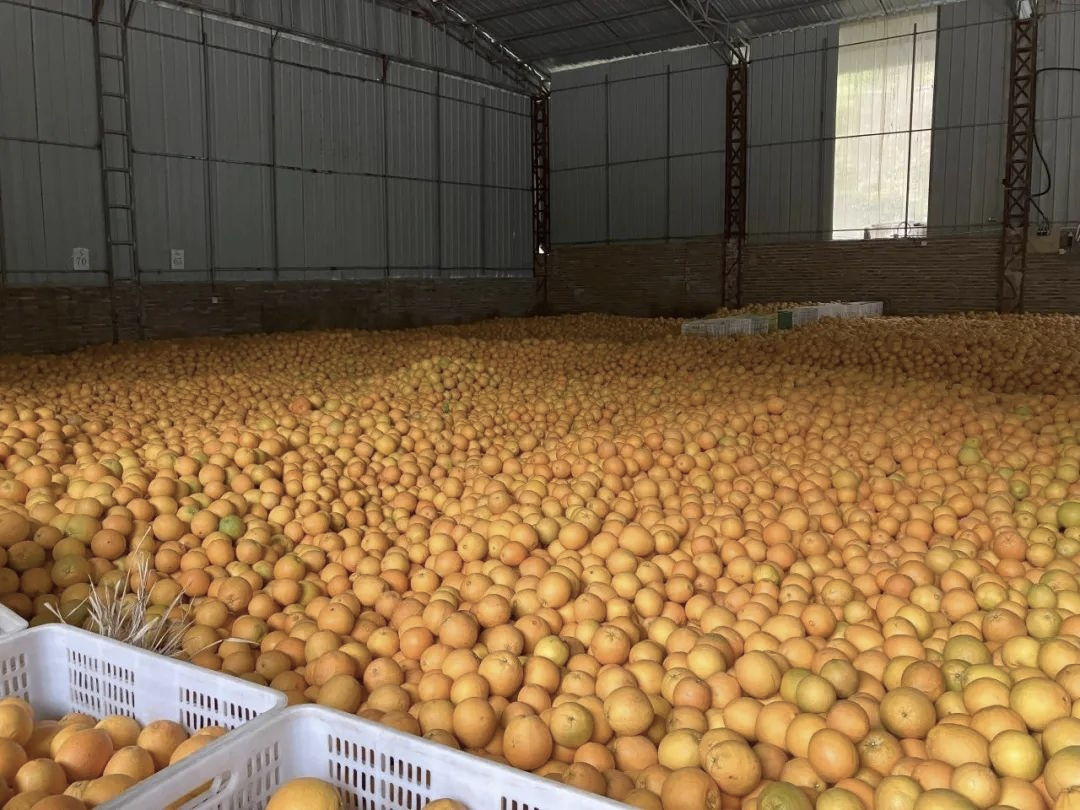
◉ Over the winter of 2023, prices for mid-to-high-end fruit plummeted, while the retail price of ordinary navel oranges repeatedly fell below 6 yuan a jin (half a kilogram). In December 2023, Foodthink travelled to Huichang County in Ganzhou, Jiangxi Province—a major navel orange-growing region—and found dozens of roadside warehouses in Youshui Township stacked high with unsold fruit.
Labourers within the food and farming system
Journeying from the field to our plates are not just crops, but the workers who make up every link in the chain. Behind our daily meals lies the unseen labour of growers, market traders, hospitality staff, warehouse sorters, and delivery riders. Over recent years, Foodthink has tracked how the livelihoods and daily lives of both veteran and emerging food sector workers are being reshaped by external forces such as industrialised food systems and digital capitalism. What pressures do they face? What anxieties, aspirations, and hopes sustain them?
Climate change
Growers have always lived at the mercy of the weather. But when the climate itself is shifting, what are farmers to do? As climate change becomes entangled with wider rural transformation, and the most vulnerable smallholders quietly bear the brunt of both natural and man-made disasters, our reflection on current development models falls painfully short of the crisis at hand. Terms like “1.5 degrees”, “extreme weather events”, and “heatstroke” are entering everyday conversation, sounding a warning: climate change is already disrupting agricultural and food production, and reshaping power dynamics along the way. Will it push the food system towards collapse, or present a lever for meaningful change? That depends on the choices we make right now. But first, we must clearly see the paths branching out before us.
Last year, Foodthink documented farmers in the southwest shifting to drought-resistant upland rice, growers in the north digging drainage ditches, a Beijing farm swept away overnight by catastrophic flooding, and extreme heat in Shaanxi disrupting orchard blooming cycles and sending workers down with heatstroke. By chronicling how climate change disrupts agricultural and food systems, we keep our eyes firmly on the ground, striving to understand the complex relationship between a shifting climate and the land, and to identify solutions that are genuinely equitable and sustainable.
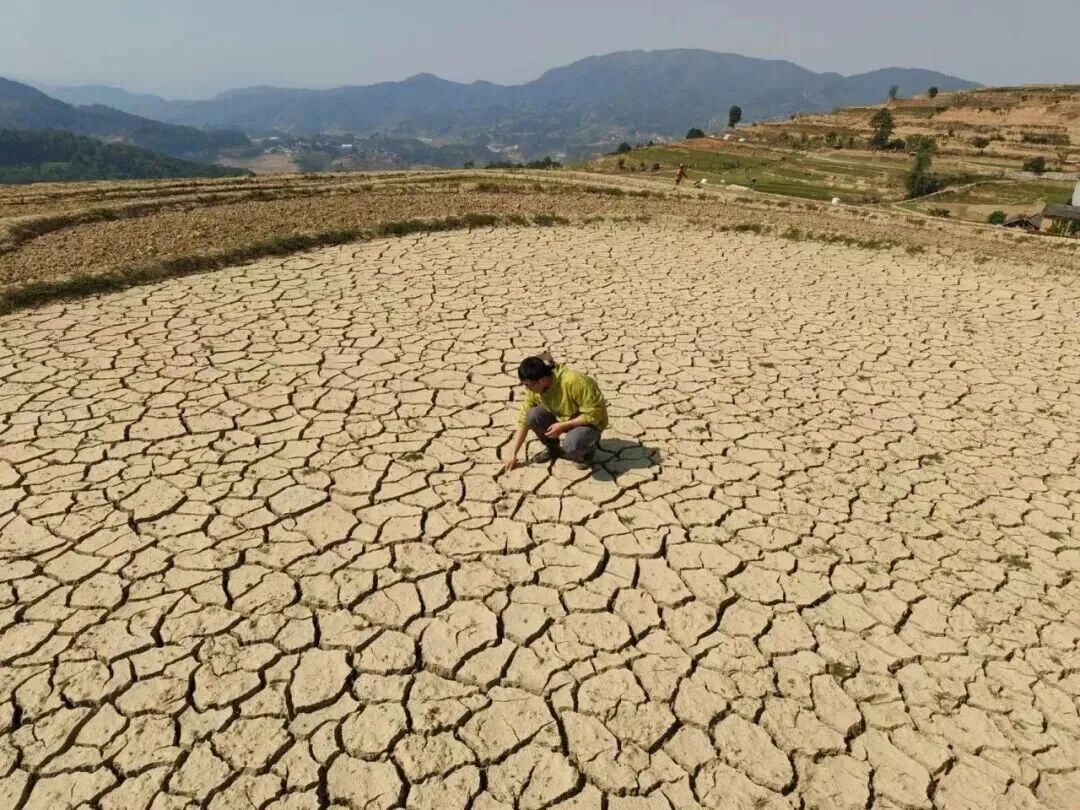
◉ April 2024: severe drought in Yunnan leaves the rice terraces of Mojiang deeply cracked. Image credit: Yunnan Sili Centre
Biodiversity
Agriculture is humanity’s primary mode of interaction with the natural world, yet its impact extends far beyond people—reaching wild flora, fungi, animals, and even microorganisms. From an ecological standpoint, diverse natural systems form the very foundation of human survival. What farming practices undermine biodiversity? How does the push towards uniform commercial crop varieties erode both human dietary diversity and species richness? Why might our everyday habits of buying bubble tea and ordering takeaways inadvertently threaten wild species?
Once we grasp the complex ties between food systems and biodiversity, a more pressing question arises: what kind of agricultural system can nourish humanity whilst also sustaining habitats for other species? Which growers are still dedicated to preserving and sharing heirloom seeds? What policies and measures are needed to ensure the traditional wisdom of “keeping seeds with the people” endures? These are questions Foodthink has been tracking and debating since its inception.
Shifting dynamics within the food and farming system
After decades of rapid development, ensuring a full stomach is no longer a pressing concern in China. Consequently, agriculture has been relegated to a secondary role behind industry, increasingly pushed to the margins. Yet this surge in productivity has spawned new challenges: soil degradation from heavy chemical use, upheaval in rural labour markets due to mechanisation, and farmgate returns that leave growers earning less from an entire mu of land than the cost of a smartphone. Meanwhile, the distribution chain traps farmers in fierce internal competition, stripping them of bargaining power in the market. Such realities compel us to ask: why is it like this? What has happened to farming? To explore these questions, Foodthink examines the livelihoods of female agricultural machinery operators, drone pilots, herders in Qinghai, and sugarcane growers in Guangdong.
Policy
High-standard farmland initiatives, land transfer schemes, the consolidation of small plots, the annual Central Document No. 1… What do these policies mean for different villages? Do they actually align with the needs of smallholders? More importantly, are they effective approaches capable of delivering genuine improvement? Every year, Foodthink visits farming communities to track the on-the-ground impact of these agricultural policies. A policy is more than ink on paper; to craft measures that truly work, we believe the answers lie in the fields and with the farmers themselves.
Eating well
Within the grand narratives of modernisation, the rhythms of everyday life are often overlooked. But when we turn our attention back to the daily routine, we realise that life’s greatest endeavour is simply “eating well”—paying attention to our grains and vegetables, and tending to our bodies, the environment, labour, and dignity through practical, everyday choices. The three meals a day may seem modest, yet they weave together distant fields, intricate supply chains, and our own lifestyles and values.
How can we “use ourselves as the method”? Many are already experimenting with practical ways to live this out. Through stories of everyday activists, Foodthink encourages each of us to find our own path: it might begin with getting your hands in the soil, tending to the living cultures in your daily kimchi or kombucha, growing herbs on a city balcony, or simply turning kitchen scraps into compost.
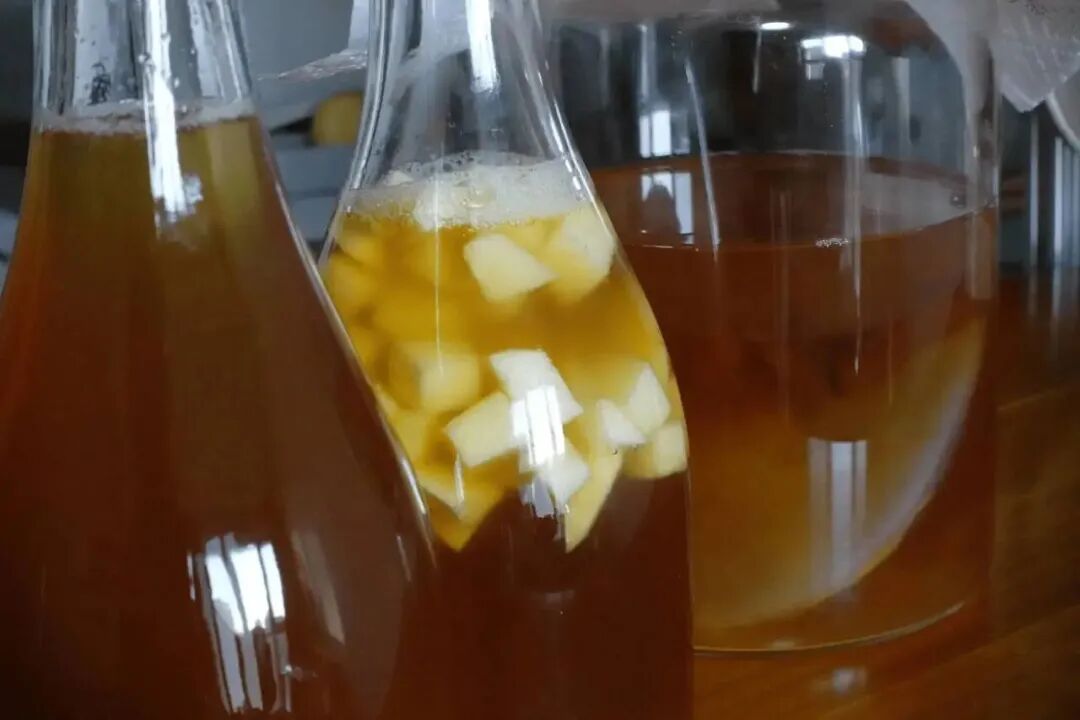
◉ Kombucha brewed by Xiao Fang, a close friend of Foodthink. Source: Xiao Fang
Global developments
Uncertainties in the global landscape are increasingly rippling straight into food and farming systems worldwide. The shocks triggered by conflict are already becoming clear—food insecurity, fertiliser shortages, and disrupted supply chains. These shifts are not only straining agricultural production in developing nations but also reshaping what ends up on plates in wealthier countries. Foodthink continuously monitors international food and farming developments, tracking everything from cutting-edge research and innovative practices to policy shifts and emerging debates. Our goal is to understand how these global currents translate into tangible realities for local communities, land, and production.
Key focuses for this year
International Year of Women in Agriculture
With the UN declaring this the International Year of Women in Agriculture, Foodthink has launched “She & The Land”, a content initiative dedicated to the labour, lived experiences, and circumstances of women in food and farming systems. For generations, women have shouldered the bulk of work sustaining our daily food economy—from field cultivation and market logistics to frontline sales—yet their contributions remain routinely overlooked, often entirely invisible. Through interviews, essays, and workshops, Foodthink will document the women who keep these systems running and tell their stories. We aim to highlight how women’s participation shapes the food we eat, and invite everyone to join the conversation on how to build a fairer, more dignified future for women in agriculture.
International Year of Rangelands and Pastoralists
Our food supply extends far beyond crop farms and arable zones. Rangelands, which sustain the lives and livelihoods of countless pastoralists, are among China’s most vital—yet frequently overlooked—ecological and economic landscapes. Against the backdrop of the UN’s International Year of Rangelands and Pastoralists, Foodthink will focus on several pressing questions: what does rangeland degradation actually look like on the ground in China? How is climate change affecting the resilience of pastoral communities? And how are profits from the livestock market distributed along the value chain, leaving herders to contend with their share?
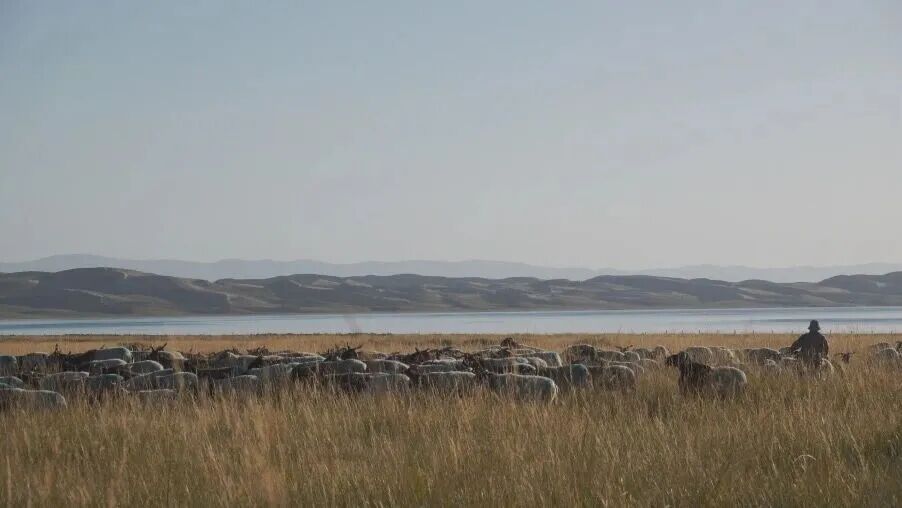
◉ Herders grazing by Qinghai Lake ride motorcycles to herd their sheep back into pens. Photo: Jiao Xiaofang
Climate change
Climate change remains a core focus for Foodthink. This year, we are placing special emphasis on identifying practical solutions—particularly technologies and collaborative models that deliver tangible benefits to smallholders and local communities. We warmly invite all partners working across agriculture and food systems (including fellow growers, village committee members, cooperatives, NGOs, and researchers) to get in touch. Together, we can explore and scale climate-resilient practices that give farming communities the confidence to weather extreme weather, whilst ensuring we all put food on our tables with greater peace of mind. We will also be announcing small grants for frontline practitioners; please keep an eye on our upcoming posts.
Those who feed us
From field workers and rural e-commerce live streamers, to supermarket sorters, delivery riders, market traders, and restaurant owners, Foodthink uses its platform to highlight the stories and living conditions of every person along the chain from farm to plate. Beginning last year, Food Talk launched the “100 People Who Feed Us” series, inviting individuals across the food value chain to share their own experiences. If you play a part in this chain, we’d love to hear from you.
Public events
Alongside our original content, Foodthink collaborates with a wide network of partners to create spaces where those passionate about food and farming issues can meet and exchange ideas. Last year, we hosted more than 30 online and offline events—ranging from talks and reading groups to markets and workshops—bringing pressing, real-world challenges straight from the fields into public conversation. These ranged from the impact of extreme weather on agriculture and discussions on biodiversity conservation inspired by Foods Fading Away, to exploring local wisdom in fermentation traditions, and even featuring interactive board games and collage poetry at the “Hands at Work’ makers” market.
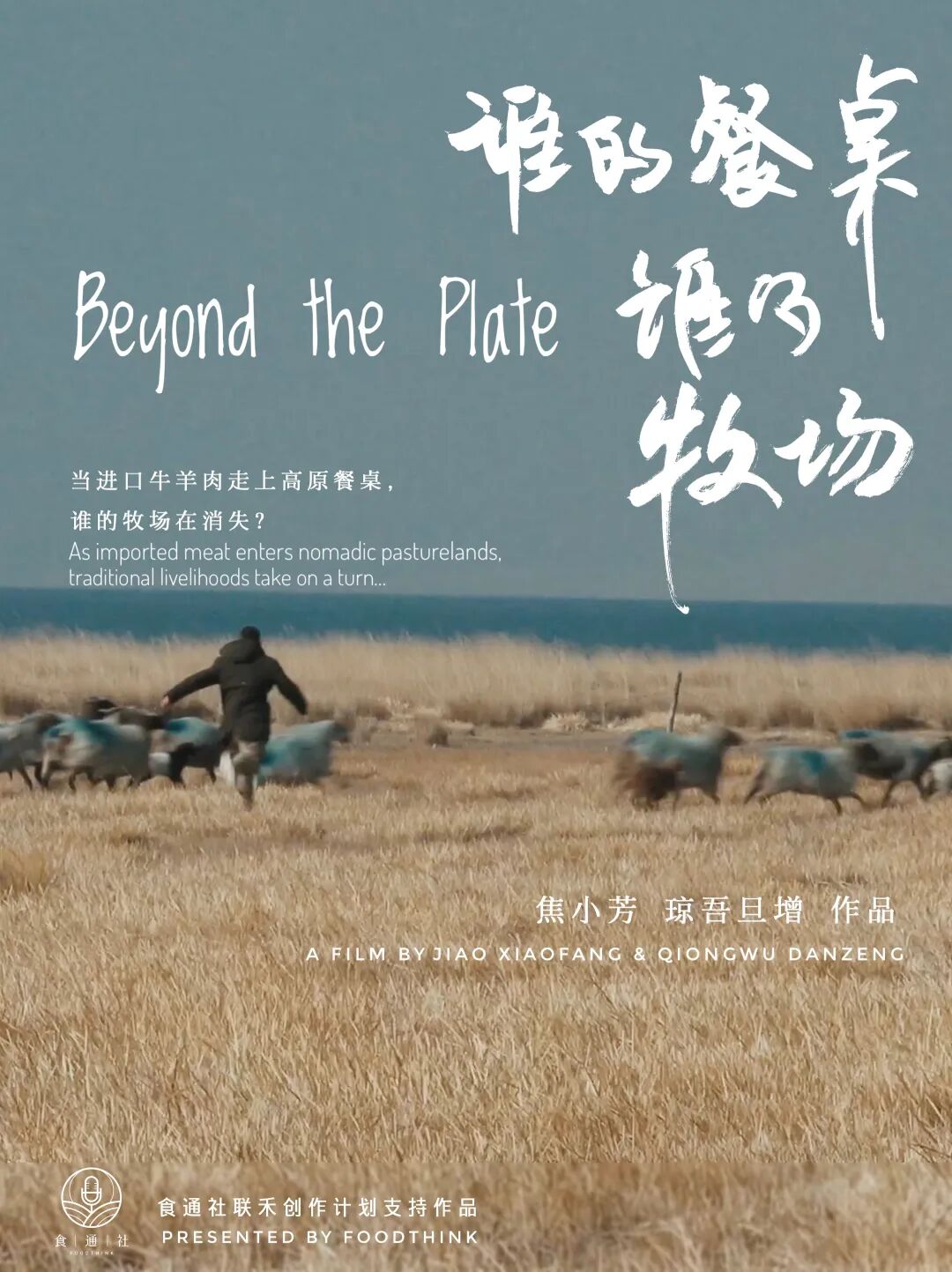
This year, Foodthink will host screenings and discussion events for the documentary <em>Whose Table, Whose Pasture</em>, supported by the Lianhe Creative Project. The film explores how imported beef and mutton affect the livelihoods of local herders around Qinghai Lake, while also inviting us to consider the global flows behind the meat on our plates. If this topic resonates with you and you have a suitable venue or community in mind for a screening and discussion, please get in touch.
What else we do?
United Harvest Creative Project
To understand the current state of food and agriculture, and to encourage more people to explore the complexities behind these issues, Foodthink, together with several charitable and media partners, launched the “United Harvest Creative Project” in 2024 and 2025. The initiative supports creators and researchers in conducting investigations within the food and agriculture sector, providing funding for them to develop public-facing content.
Over the past two years, supported works have been released steadily, sustaining public interest and prompting wider conversation around the issues underlying pastoral areas, farmers, and food systems. While these topics may be overlooked by mainstream media, the Lianhe Creative Programme has allowed previously unseen challenges to gradually come to light, awaiting our collective response.
Ecological Agriculture Internship Programme
Since its founding, Foodthink has supported young people interested in food and agriculture—especially those keen on ecological agriculture—guiding them as they gain a deeper understanding of the field. In 2026, Foodthink will launch the sixth cohort of the Ecological Agriculture Internship Programme. Over the past few years, the programme has enabled nearly 100 young people aspiring to work in ecological agriculture to connect with experienced ecological farms across the country, where they labour and learn alongside farm mentors for three to twelve months.
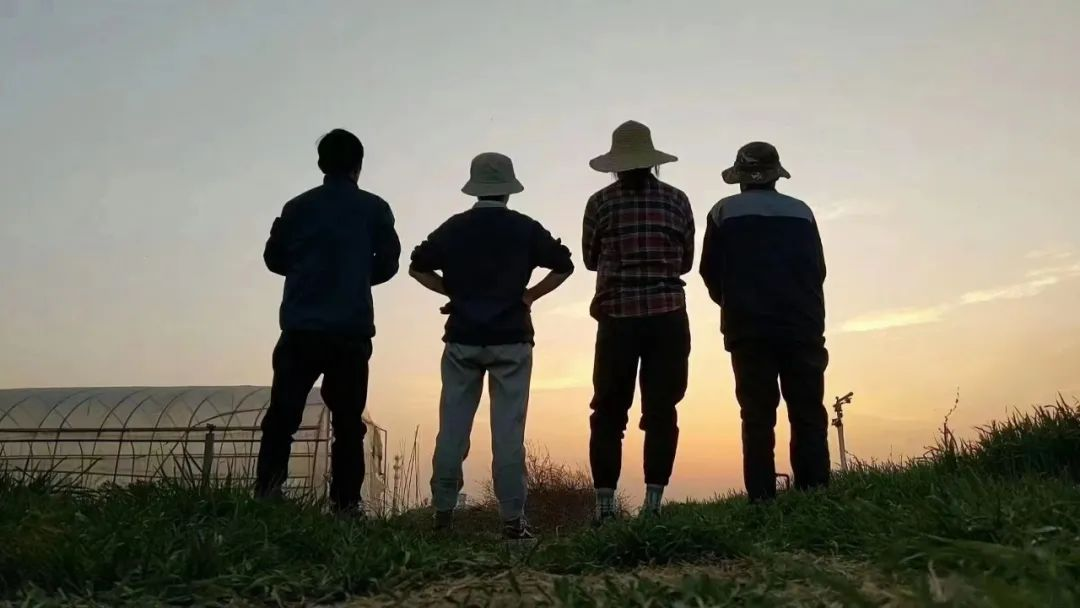
◉ In March 2023, the ecological agriculture interns at Lüwo Farm gathered to watch the sunset together after a day’s work.
Small-Scale Action Grants
Although based in Beijing, we know full well that slogans, research, and concepts alone cannot transform the food and agriculture system. True change comes only from the cumulative effect of small actions by individuals and communities. Change has its costs, and new explorations may fail. We have observed that many activists and communities simply lack a little seed funding to experiment with new ideas and drive new initiatives. Foodthink’s ‘Lianhe Programme’ is designed to support these local food and agriculture initiatives, helping them find suitable working methods. From community seed banks and rural school gardens to market visit groups and surveys on traditional diets, Foodthink has been fortunate to participate in and support these concrete, innovative actions, and we look forward to collaborating with even more activists in the future.
Research and Advocacy
Beyond our daily documentation and discussions, we also carry out focused research and advocacy.
In 2023, alongside countless farming friends, experts, and media partners, we urged the State Administration for Market Regulation to consider the needs of smallholder producers in the revised ‘Measures for the Supervision and Administration of Quality and Safety in the Market Sale of Edible Agricultural Products’, ensuring that farmers’ right to produce and sell their own dried goods is protected.
In 2025, drawing on years of frontline fieldwork and targeted research, we published the report ‘Action Pathways for Rural Social Organisations in Addressing Climate Change’. It documents and analyses how social organisations over the past two decades have navigated climate crises across various sectors, including agricultural livelihoods, energy transition, disaster prevention and mitigation, rural elderly care, gender equality, and health. We found that not only is the climate changing, but rural areas are transforming too; only by understanding these rural shifts can we grasp the underlying logic of climate action. Click ‘Read Full Article’ at the end of this post to download the complete report. Come read it and find your fellow advocates.
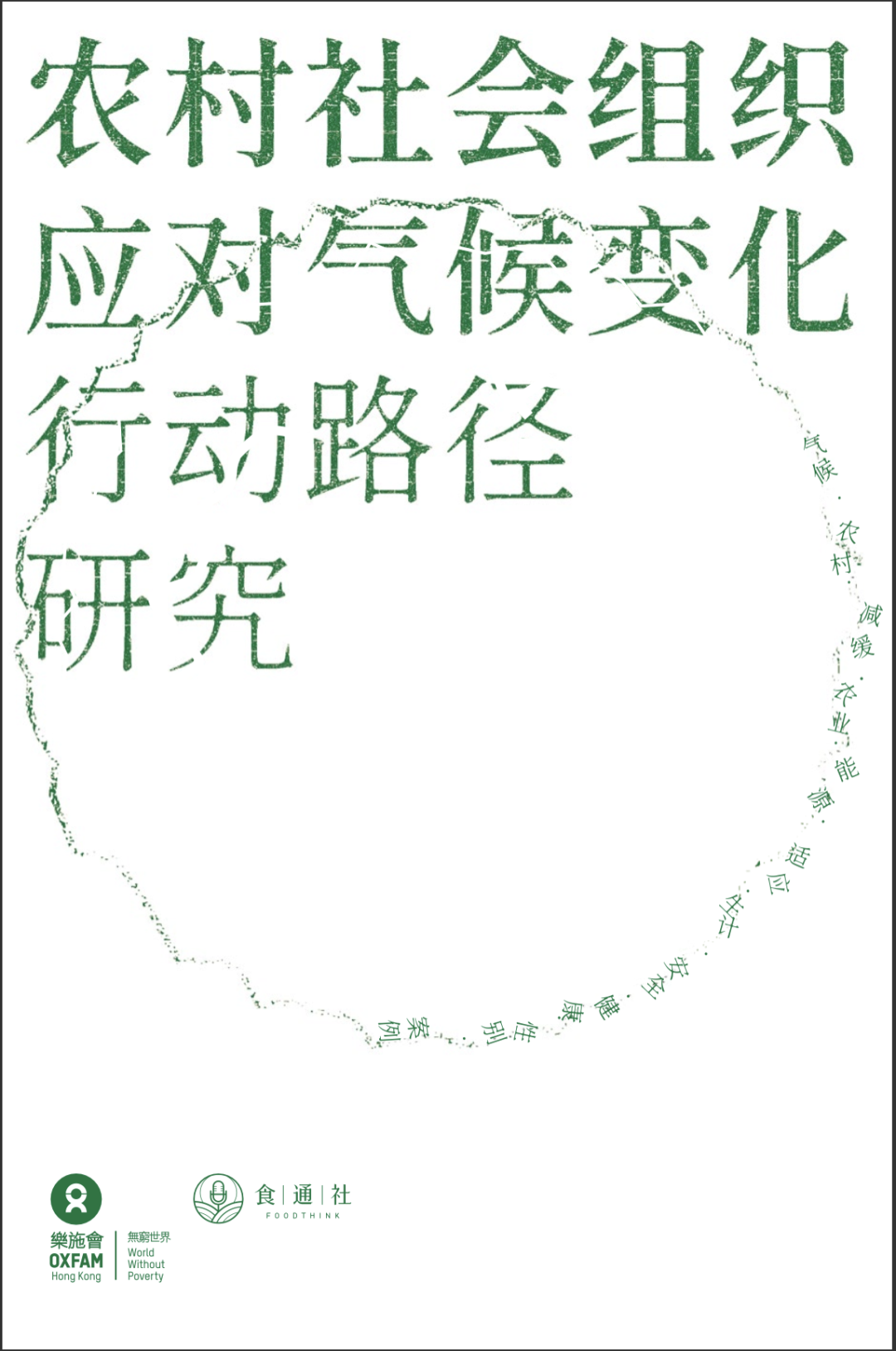
◉ With support from the Beijing office of Oxfam Hong Kong, Foodthink conducted extensive interviews and surveys over the past year on how social organisations can enhance climate resilience in rural areas, culminating in the publication of the report ‘Action Pathways for Rural Social Organisations in Addressing Climate Change’.
Get in Touch
If you have your own observations and insights on agriculture, rural communities, and food, and possess both writing skills and a passion for sharing, we welcome your submissions. Potential contributors beyond the following roles are also welcome to reach out and chat with us—perhaps a conversation will inspire a piece:
-
Ecological smallholder farmers with experiences, ideas, lessons learned, and questions they wish to share with fellow practitioners;
-
Scholars researching agriculture, rural areas, and food issues, who hope their academic work reaches a wider audience and benefits more people;
-
Journalists who have long followed the agricultural and food industries;
-
Professionals working in the agricultural and food sectors;
-
Researchers with a sustained focus on rural issues;
-
Practitioners in non-profits or government departments working on rural development, environmental protection, and related fields.
Currently, Foodthink is particularly focused on the following editorial themes:
-
The relationship between climate change, biodiversity, and the food and agriculture system;
-
Value chains for food and agricultural products;
-
The impact of retail and the food service industry on agricultural production;
-
How new technologies and the platform economy—such as e-commerce, drones, solar photovoltaics, and AI—affect the food and agriculture system;
-
False solutions masquerading as ‘low-carbon’ or ‘green’, versus genuinely effective alternatives;
-
Changes in pastoral livelihoods and grassland ecosystems;
-
Food and agriculture topics that intersect with other public issues, such as the environment, technology, public health, gender, and geopolitics.
Foodthink on Other Platforms
Beyond our WeChat Official Account, we welcome you to follow Foodthink on various other platforms to stay updated on the latest developments and in-depth content in the sustainable food and agriculture space. We look forward to connecting with you across different channels:

Alternative ways to stay in touch
To help you stay connected and avoid getting lost, we’ve provided the following links:
🫱 For submissions, joining our community, networking, collaborations, event updates, or simply to catch a glimpse of Foodthink’s day-to-day operations and work lunches, feel free to add a contact — this is our Foodthink Assistant (ID: Foodthink2), where work and life comfortably coexist. If you’ve already added the assistant, there’s no need to do so again.
🫱 Hope for the best, prepare for the worst — please also follow our backup account “Foodthink”.
🫱 Whether you’re looking for something specific or just passing the time, feel free to track us down across various social media platforms. You might just find yourself suddenly hit by “dormant memories” of Foodthink (just between us, we actually have an official website www.foodthink.cn)
Direct access – see what we’ve accomplished each year
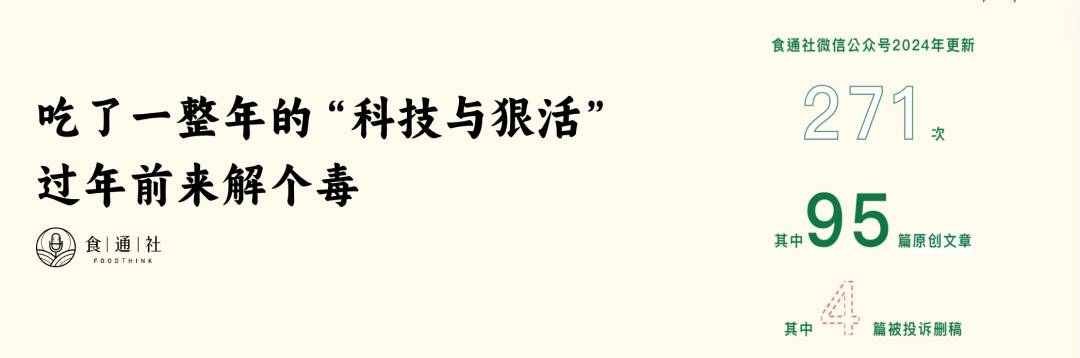
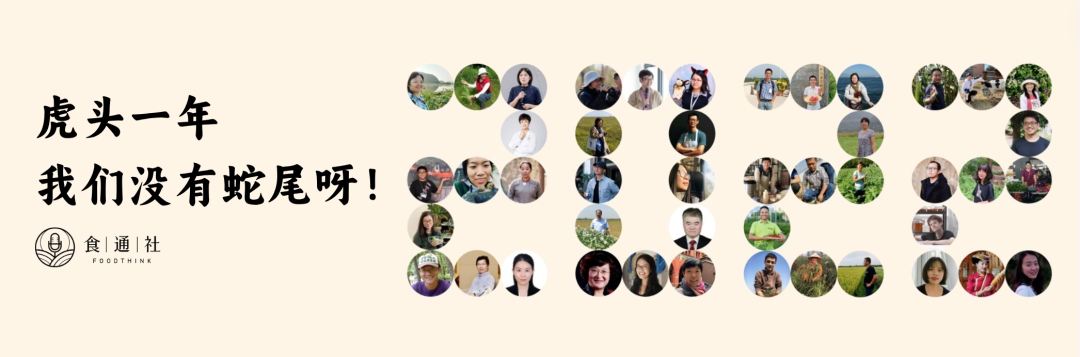
Foodthink Annual Review 2022–2025
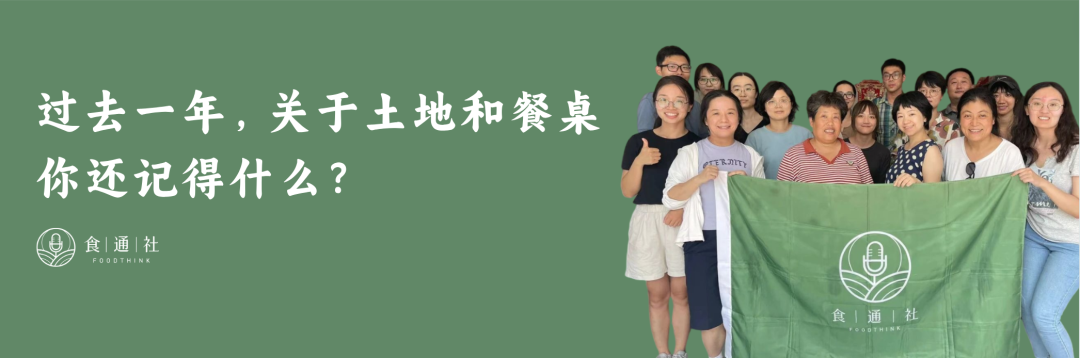
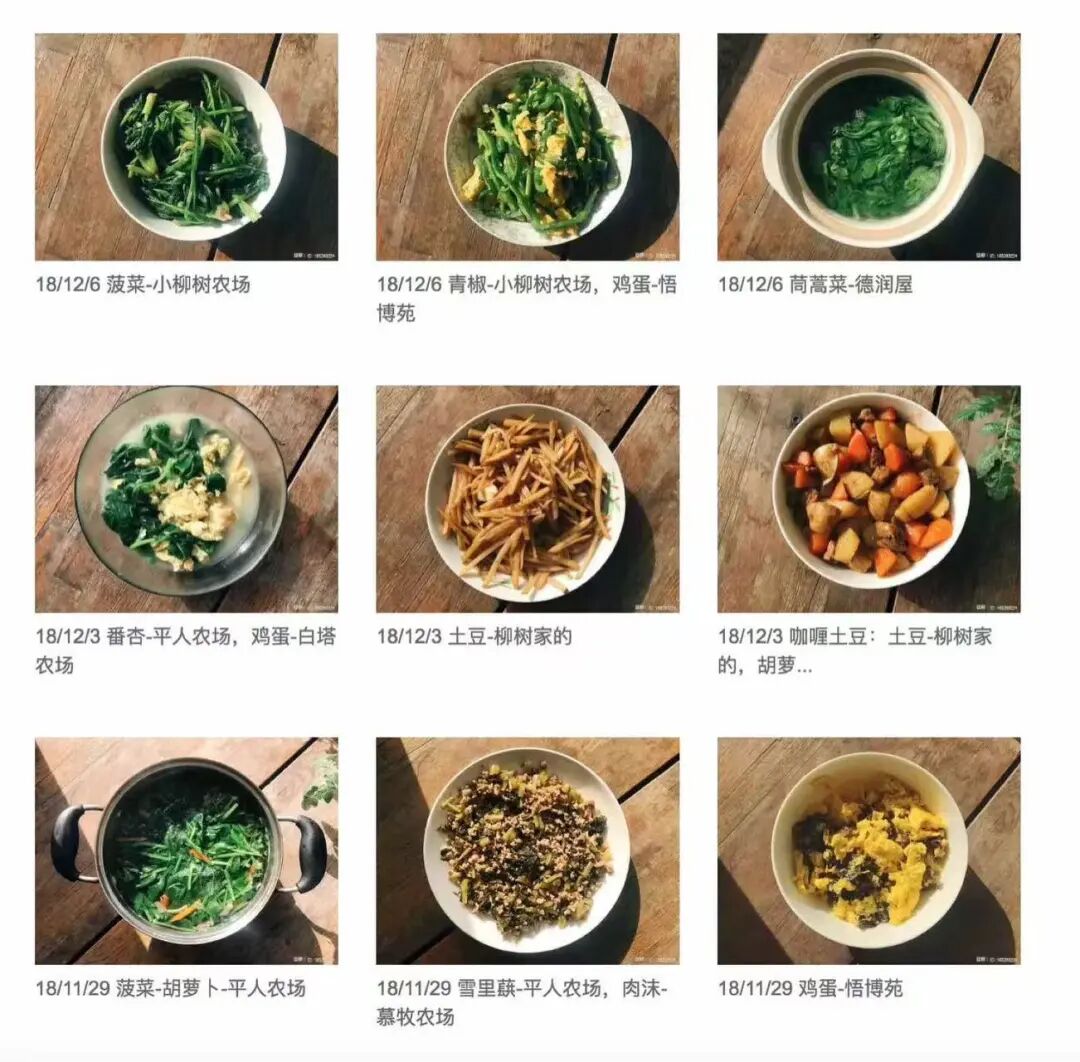
◉ Foodthink’s working lunches.
Feature photo by Ai Qu
Editor: Foodthink
Layout: Xiao Shu