
Protecting the real Shen Xiaobao: starting with ‘farming’? | Food Talk Vol.47

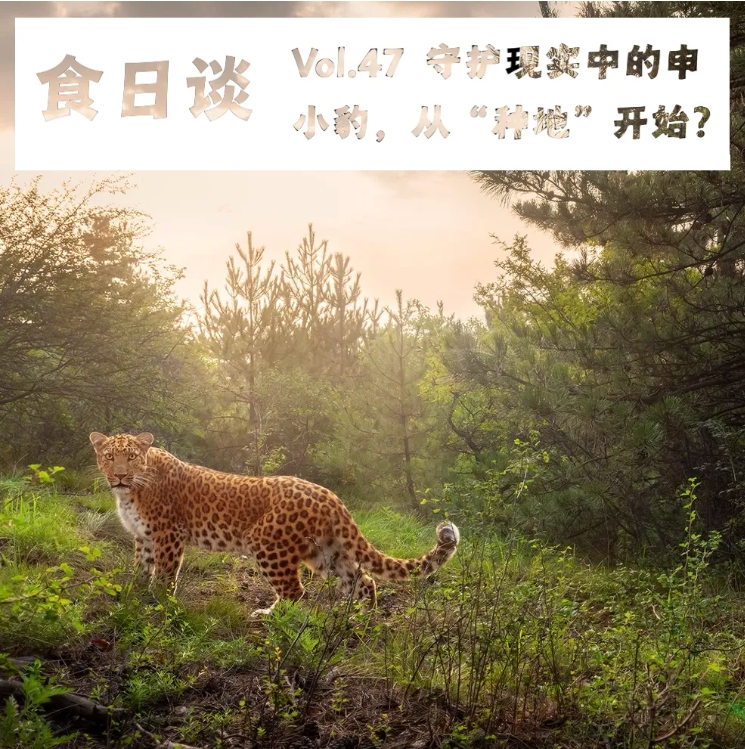
In the 2025 Lunar New Year film *Nezha: The Demon Boy’s Havoc*, the leopard spirit Shen Xiaobao won the hearts of many with his witty and adorable personality.
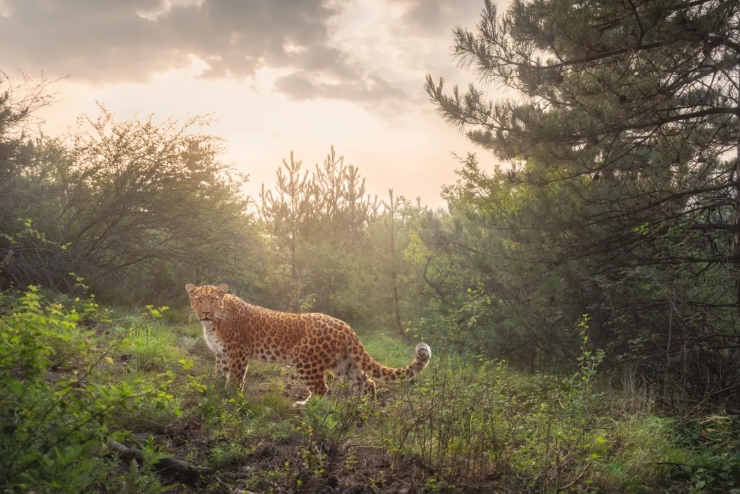
However, his severe injuries and uncertain fate in the film bring to mind the real-world plight of the endangered North China Leopard (*Panthera pardus japonensis*). This leopard subspecies, unique to China, faces grave survival challenges including habitat fragmentation, poaching, and a decline in prey.
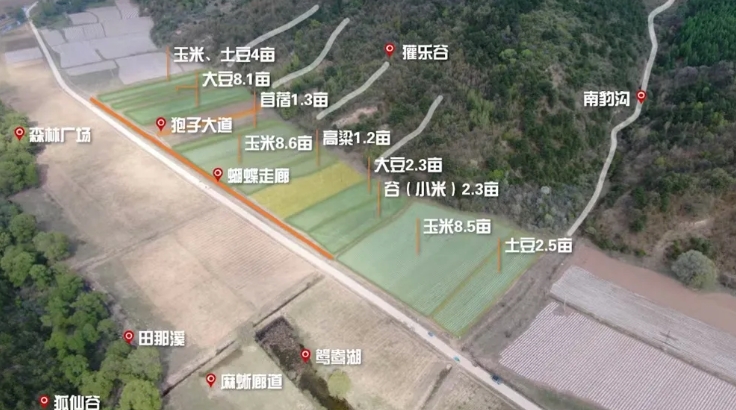
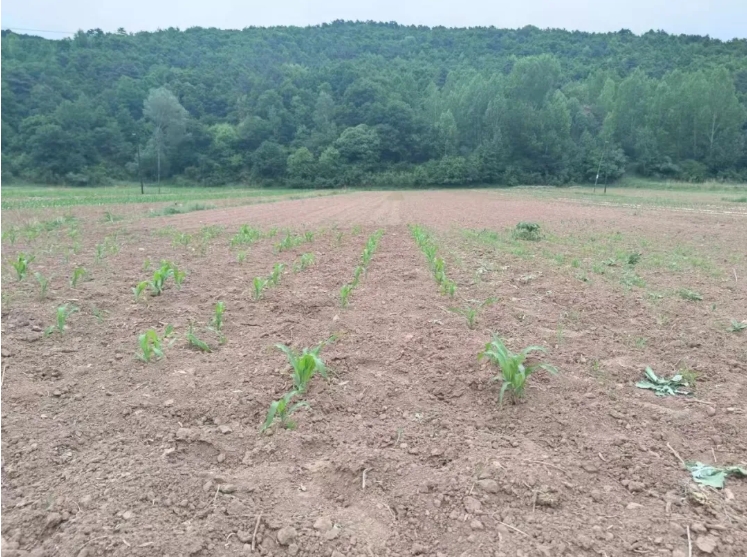
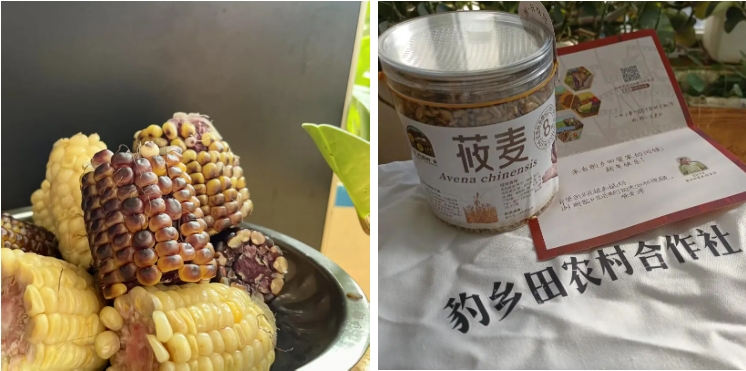
To protect the North China Leopard, the Cat Alliance—an organisation dedicated to protecting China’s wild felids—has spent ten years embedding itself within the rural communities of Heshun County, Shanxi. Over the past two years, the team has launched the “Leopard Home Fields” project, introducing ecological agriculture that eschews chemical fertilisers, pesticides, and plastic mulch, exploring a pioneering approach to conservation.
Last year, our colleagues at Foodthink tasted waxy corn, sautéed oats, and various grains produced by Leopard Home Fields. In this episode of *Food Talk*, we are joined by Hannah, the project manager of Leopard Home Fields, to discuss the connection between protecting the North China Leopard and farming. How does ecological agriculture preserve leopard habitats while coexisting with local communities?
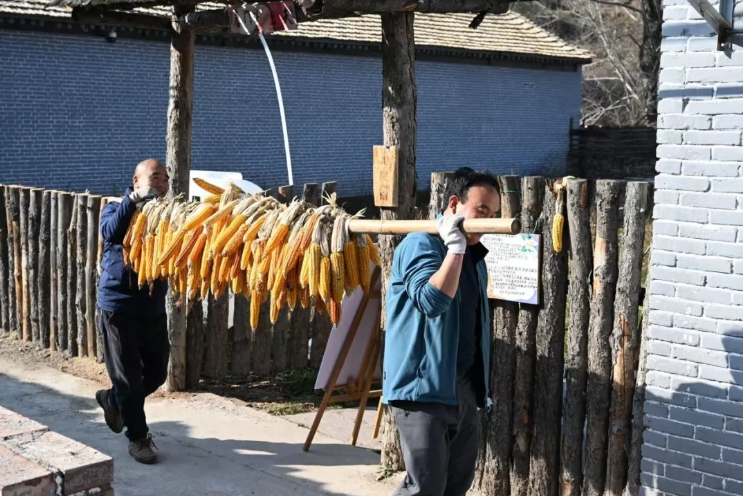
As Hannah tells her story, we discover that a simple cornfield has become a vital link between leopard populations, villagers, and the urban public. From the comedy of errors surrounding stolen corn, to wild boars and roe deer sharing the farmland, and from providing coal subsidies to villagers to reduce deforestation, this experiment—blending conservation, ecological agriculture, and community building—serves as a prime example of “Other Effective area-based Conservation Measures” (OECM) and offers a fresh perspective on biodiversity conservation in China.

Guest / Profile
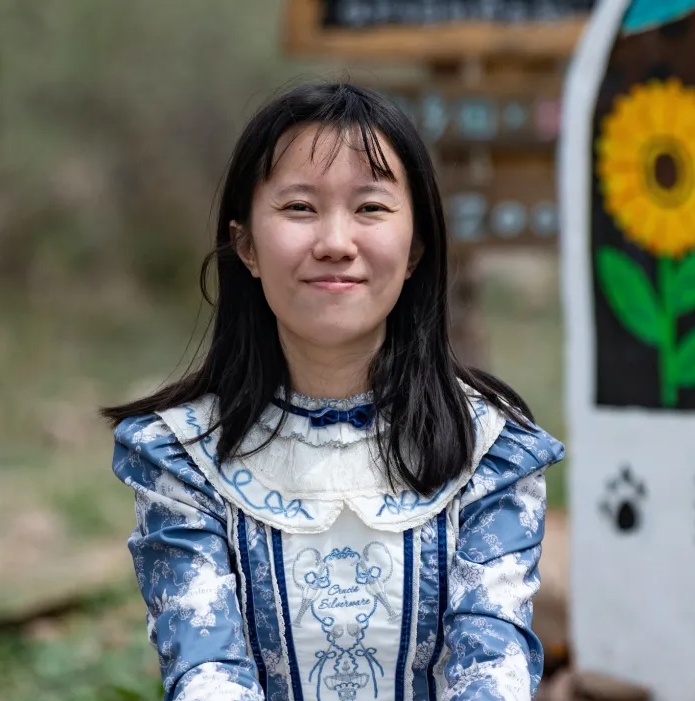
Project Manager of the Cat Alliance’s Leopard Home Fields project, also known as Ergou. Weibo: @天才少女哈亚纳. Proud parent of two cats.
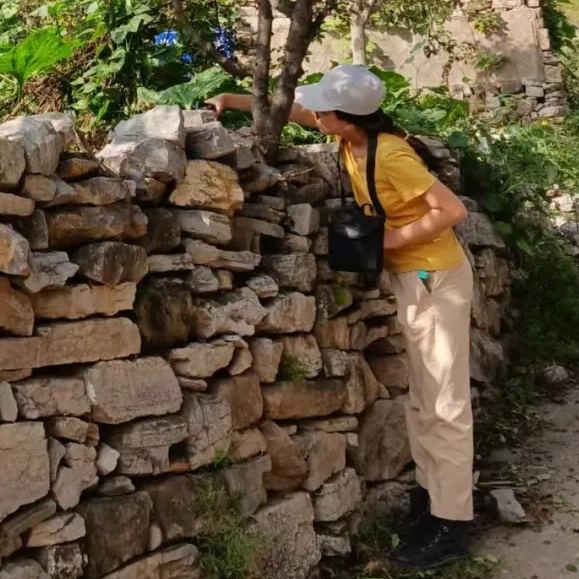 Zeen
Zeen
Editor at Foodthink, a novice nature observer hoping to rediscover a sense of “wonder”, and a monthly donor to the Cat Alliance.
Timeline
03:12 What is the link between ecological agriculture and wildlife conservation? Why did the Cat Alliance start the “Leopard Home Fields” project?
04:46 In the North China region, with a population of 170 million, how can humans and leopards share the same land?
06:44 Is it difficult for a conservation organisation to start ecological agriculture from scratch?
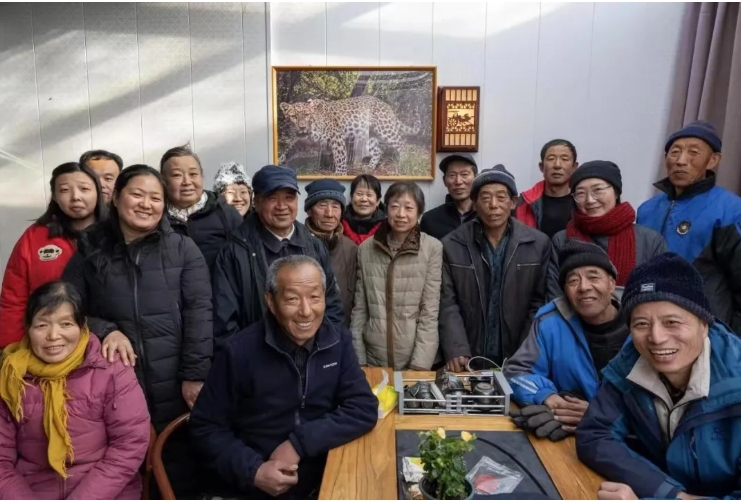
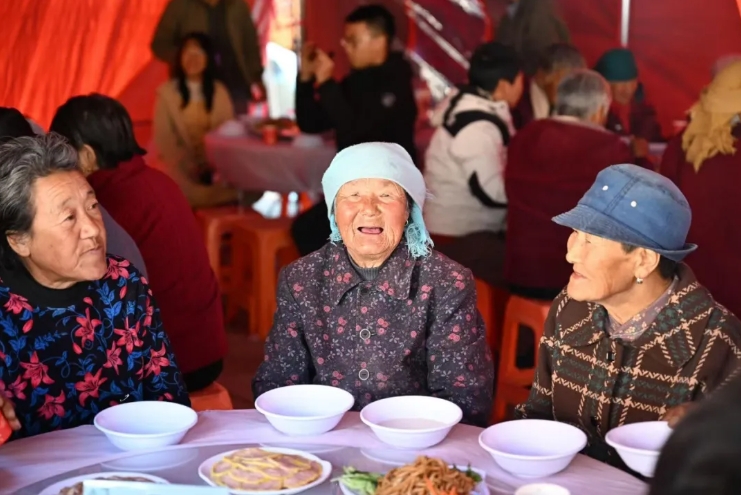
18:00 How do the villagers view Leopard Home Fields? Are they willing to participate in ecological agriculture?
21:25 From the comedy of errors over stolen corn to villagers helping with the harvest—what happened? How have stories of humans and animals turned Leopard Home Fields into a living laboratory?
29:47 Can ecological agriculture balance the conflict between conservation and development? How is the Cat Alliance working with villagers to find solutions?
31:50 The shift in local attitudes: starting with “not killing this snake”.
38:24 How will the Leopard Home Fields project achieve financial sustainability in the future?
50:53 Will we see more projects like Leopard Home Fields in the future? Can this model be replicated in other regions?
51:44 If we visit Leopard Home Fields, can we actually see a leopard?
72:49 If we want to do something for the North China Leopard, where do we start?
– Further Reading –
▼
‹Leopard Fields 2024: Figures You’ll Want to Know›
▼
‹The Generation Most Accepting of Leopards in North China is Growing Old›
▼
Scan to become a monthly donor to the Cat Alliance
▼

Scan the QR code below
On Xiaoyuzhou | Ximalaya | Lizhi | Apple Podcasts
Subscribe to the “Food Talk” podcast

You are welcome to leave comments on any of the podcast platforms; we will reply from time to time.
Scan the QR code below to add Foodthink’s secondary WeChat account. Please include the note “Food Talk” to join the podcast listeners’ group.

Unless otherwise stated, images are provided by the Cat Alliance and volunteers
Music: Binong
Planning/Editing: Zeen
Production: Xiaojing
Contact email: [email protected]