
A Wet Market Grocery: 31 Years Across Three Generations of Women
What exactly is a wet market? For ordinary people living by the natural rhythm of “three meals a day”, it is simply a place to buy groceries, a quiet part of everyday routine. As supermarkets and later e-commerce platforms rose in popularity, opinions about wet markets multiplied. At first, people said supermarkets were cleaner, tidier, and had clearly marked prices that wouldn’t “rip you off”. Then the times changed again, and people began to appreciate the lively, down-to-earth atmosphere of wet markets, with consumers in big cities even turning them into must-visit photo spots.
Unlike these stark, either-or viewpoints, the wet market in my mind is far more vivid and complex.
I. The Office Worker’s Longing for the Wet Market
I grew up in Wuzhou, Guangxi, the region’s eastern gateway. Blending the cultures of Guangxi and Guangdong, it was once home to the Viceroyalty of Liangguang during the Ming dynasty. In this small city, we could enjoy Laoyou noodles, Guilin rice noodles, and Luosifen, as well as white-cut chicken, soy sauce chicken, rice noodle rolls, and Cantonese dim sum. Many of you will have heard of turtle jelly, I’m sure; it is a local Wuzhou speciality!

I love my hometown, but as a small city, it lacked jobs matching my profession. So after graduating from university in 2022, I chose to move to Wuxi, 1,600 kilometres away, to start city life with my partner.
As an ordinary office worker who doesn’t finish until six o’clock or later, evening leisure time is precious. The nearest wet market to our estate requires a several-stop subway ride. Exhausted as we are, we simply lack the energy to wander the markets slowly.
This urban layout is very different from back home.
Wuzhou’s urban structure is compact, with a relatively small old town and concentrated residential areas. To make life convenient for residents, mature wet markets are distributed across every street or community, so you never have to travel far to find one.
Heavily influenced by Cantonese culinary culture, people in Wuzhou place extreme importance on ingredients being “fresh” and “slaughtered-to-order”. Many farmers ride tricycle motorcycles out to sell their fresh produce every day, requiring numerous wet markets to provide space for these sales.
The wet markets in Wuzhou’s old town are incredibly bustling in the early morning. Although most of the young population has moved to Guangdong to work, the elderly who remain still keep the habit of rising early to buy fresh ingredients from the surrounding markets.
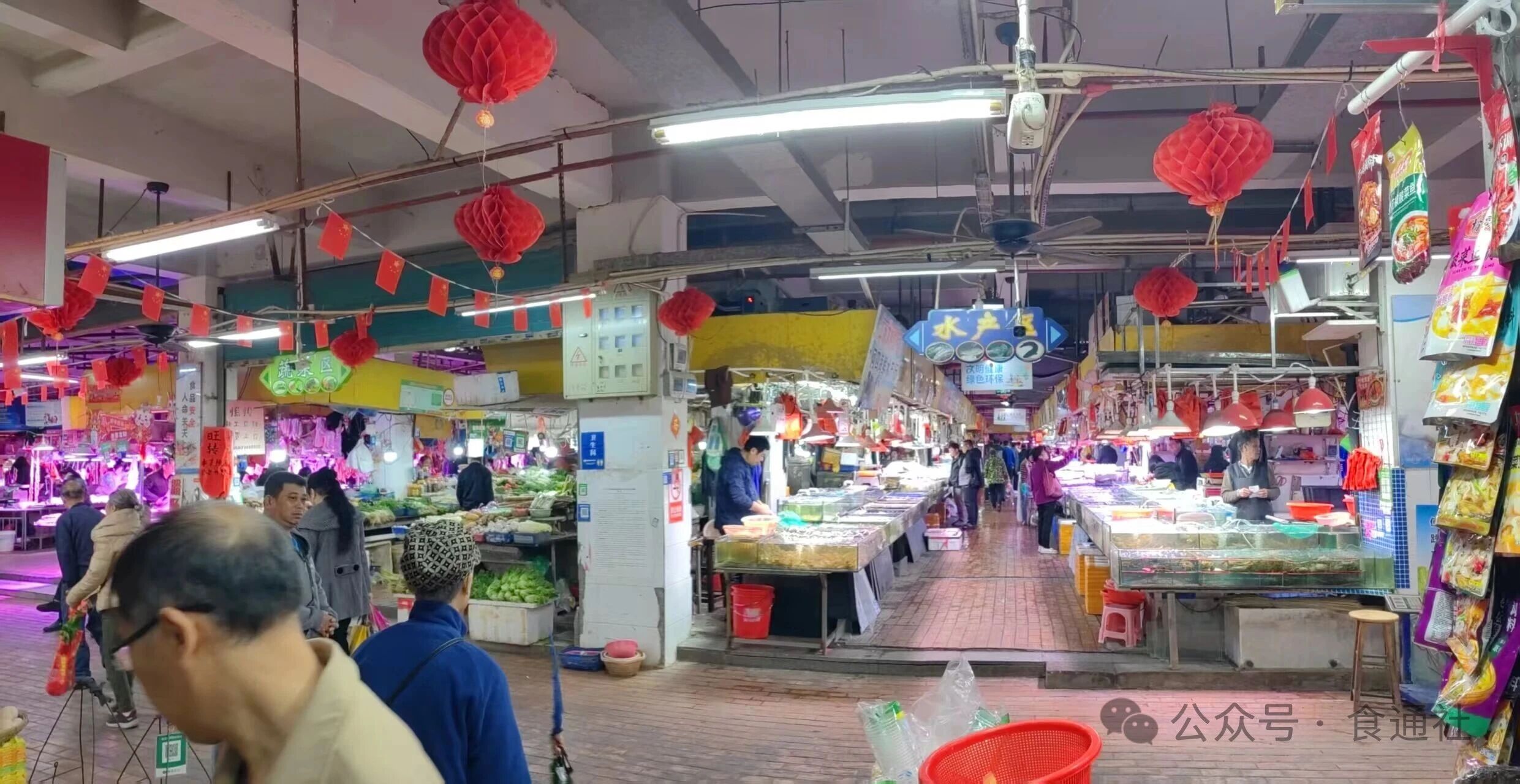
But back in Wuxi, eager to get dinner on the table quickly, I could only squeeze in grocery shopping during work breaks, ordering ahead on e-commerce platforms like Dingdong Maicai (grocery delivery app) or Xiaoxiang Supermarket (Meituan instant retail). It was around that time, when I realised I could no longer just go downstairs to buy poultry slaughtered that day, region-specific seasonings, and fresh sweet potato leaves or choy sum, that I began to miss the vivid, bustling wet markets and their abundant ingredients back home.
II. Three Generations of a Grocery Shop
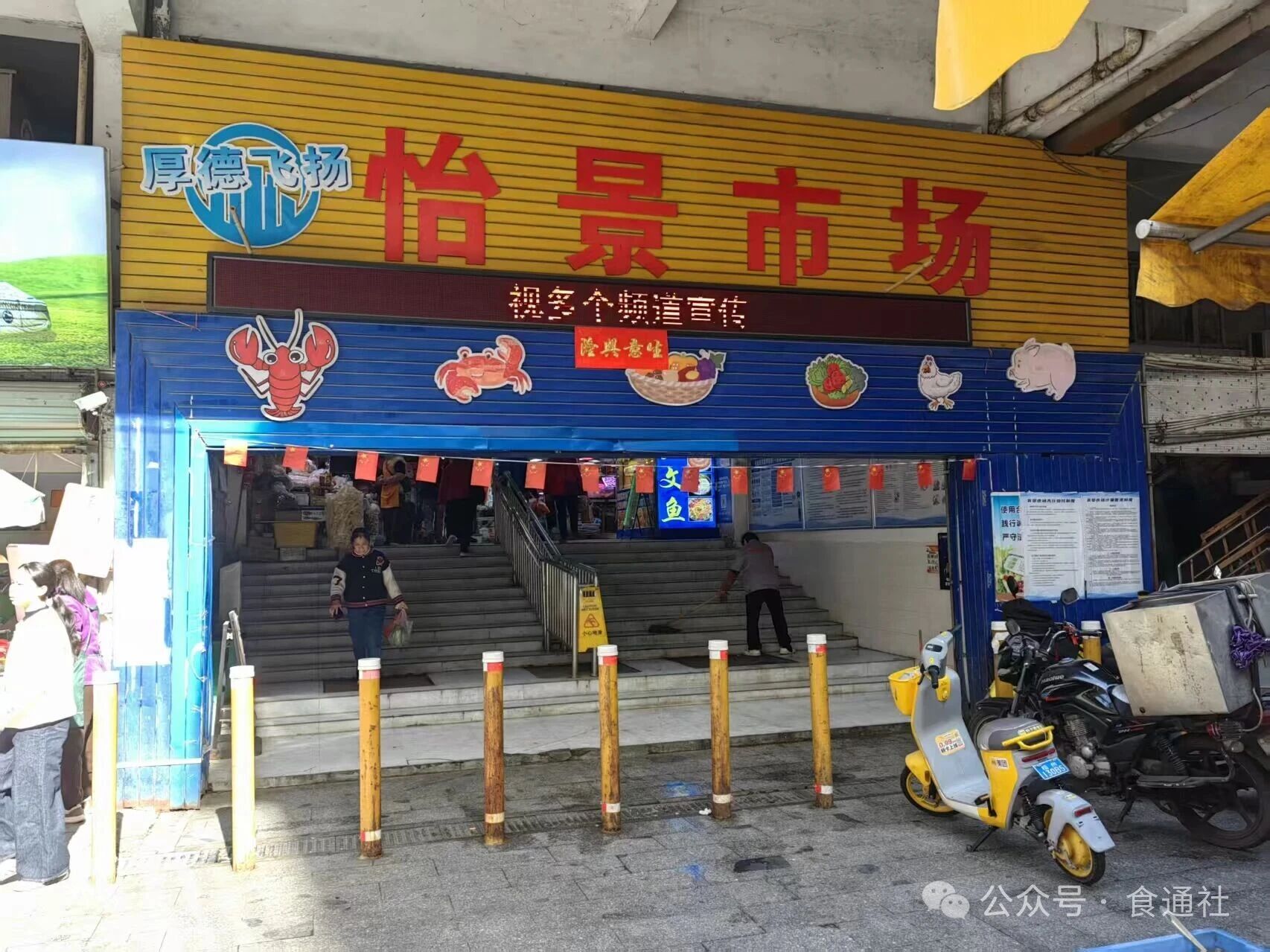
I grew up helping my mother look after the shop in the market. We sold an eclectic mix of items: alongside the basics like oil, salt, soy sauce, and vinegar, we stocked a wide variety of bulk ingredients. Each category came in multiple brands—we had everything, and I could count the inventory for a whole day without finishing. Because of this, the small shop was always busy. Customers would typically come by with bags full of groceries after shopping elsewhere, to pick up supplementary ingredients.
Other stallholders in the market were also frequent visitors. Some would head home for their lunch break, while others would cook right at their stalls. If they ran out of any seasoning, they would pop into our shop to buy more, and around midday, the market would always be filled with the aroma of cooking rice and food.
As I grew older, I would return every Chinese New Year to help out. In my day job, I am a cubicle-bound office worker, but back home for the holidays, I transform into the wet market grocery shop’s “deputy”.
Food is a major concern in life, and seasoning is the key to cooking a good meal. Different customers have different preferences for ingredients and condiments, so shoppers do not just buy things and leave; they ask all sorts of questions: “What kind of flour should I use for this type of pastry?” or “What dishes can I make with yellow bean paste?”, and so on.
“Is your century egg any good? Have you tried it yourself?”
I would muster the courage to reply, “The century eggs we sell are definitely delicious!”
An elderly lady would retort, “Tch, of course you’d say your own are good. Have you actually eaten them, or are you just talking?”
“I, um, well, my mother has eaten them…” I was truly at a loss for words, so eventually my mother would step in to save the situation.
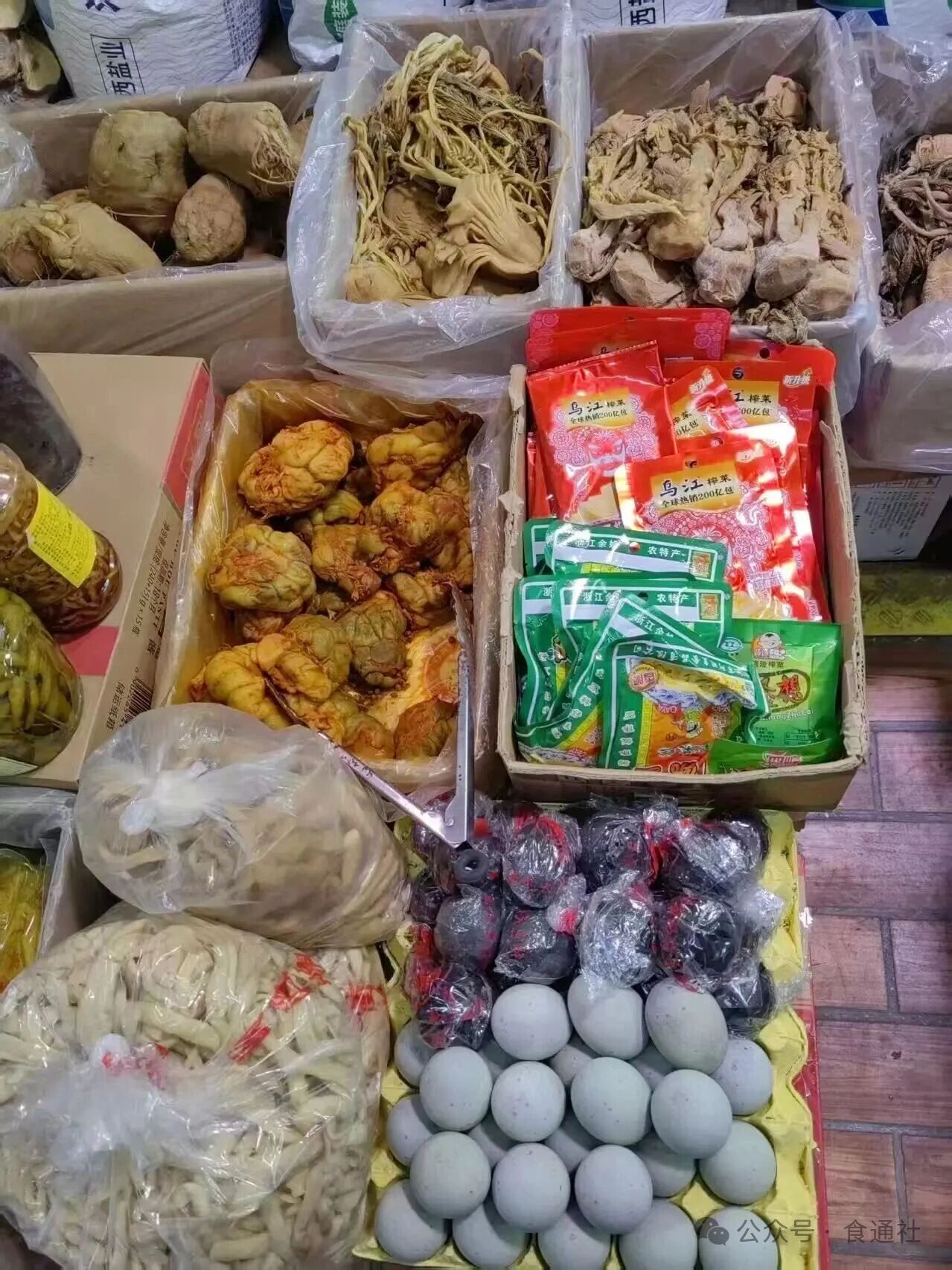
Do not let her current poise and mastery fool you; she used to be little more than an assistant in this shop. The grocery store was originally founded by my grandmother in 1995, opening its doors at the same time as the market itself. In the past, customers recognised my grandmother as the boss and went to her for everything. Back then, many items in the shop were sold in bulk, including soy sauce. There were not as many soy sauce brands available at the time, and soy sauce was still sold loosely by weight. Customers would bring all sorts of empty drink bottles to buy soy sauce in bulk.
Later, as the condiment market evolved, people no longer needed to buy soy sauce in bulk. The market itself also underwent several renovations and shop relocations. Our shop’s space was significantly reduced, shrinking to roughly a third of its original size. As my grandmother reached retirement age, my mother took on the heavy responsibility of running this small grocery shop.
Three: Labour, From Dawn Till Dusk
When my grandmother ran the shop, we would open for business at 6 or 7 a.m. every day. We would unwrap the loose grains and flours, place many items in highly visible spots, and promptly restock anything that had sold out. She said that even opening this early, there would always be people waiting at the door for seasonings who arrived even before her. After my mother took over the shop, the opening time was pushed back by an hour.
From 8 a.m. to 11 a.m. is usually the busiest time in the market, with mostly middle-aged and elderly people coming to shop. The market also reserves a dedicated open space for itinerant stallholders. They only set up their stalls in the morning and sell produce at very low prices; snow peas, for instance, could be as cheap as one yuan per jin (500g).
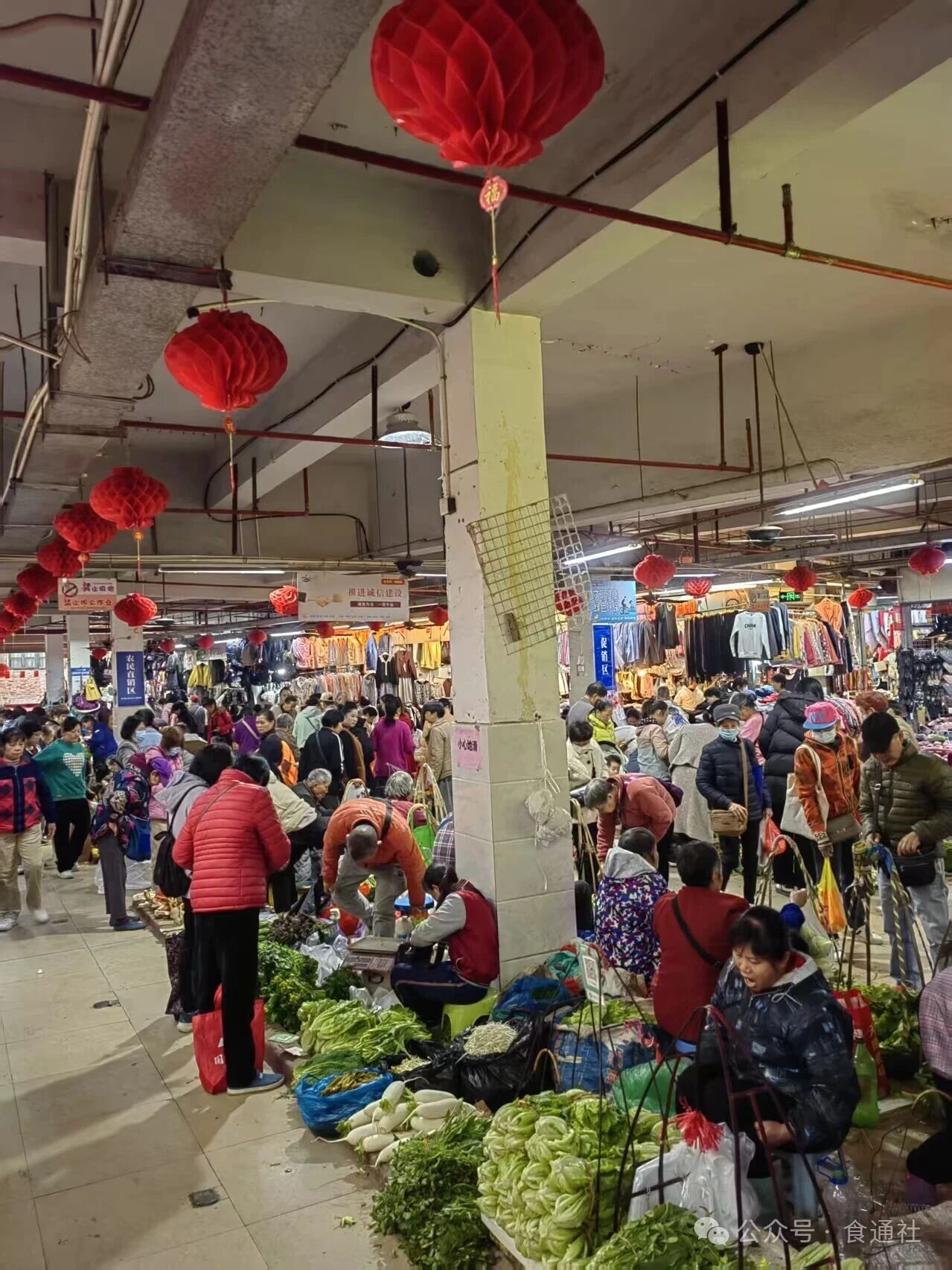
After midday, the market is at its quietest as everyone heads home for lunch and an afternoon rest. Some stallholders take this break too; the cooked food stalls close up again until four in the afternoon. Though there aren’t many customers around midday, we still can’t rest. It’s time to take stock.
With absolutely no room left to store inventory, our shop doesn’t work to a fixed delivery schedule. Whether it’s oil, salt, soy sauce, vinegar, or a massive 25 kg sack of flour, we simply contact the relevant brand’s sales representative whenever something runs low to arrange a delivery. The city is small, so deliveries are usually swift. The representatives also drop by regularly to survey the market, check out the competing products we stock, and pitch their new lines.
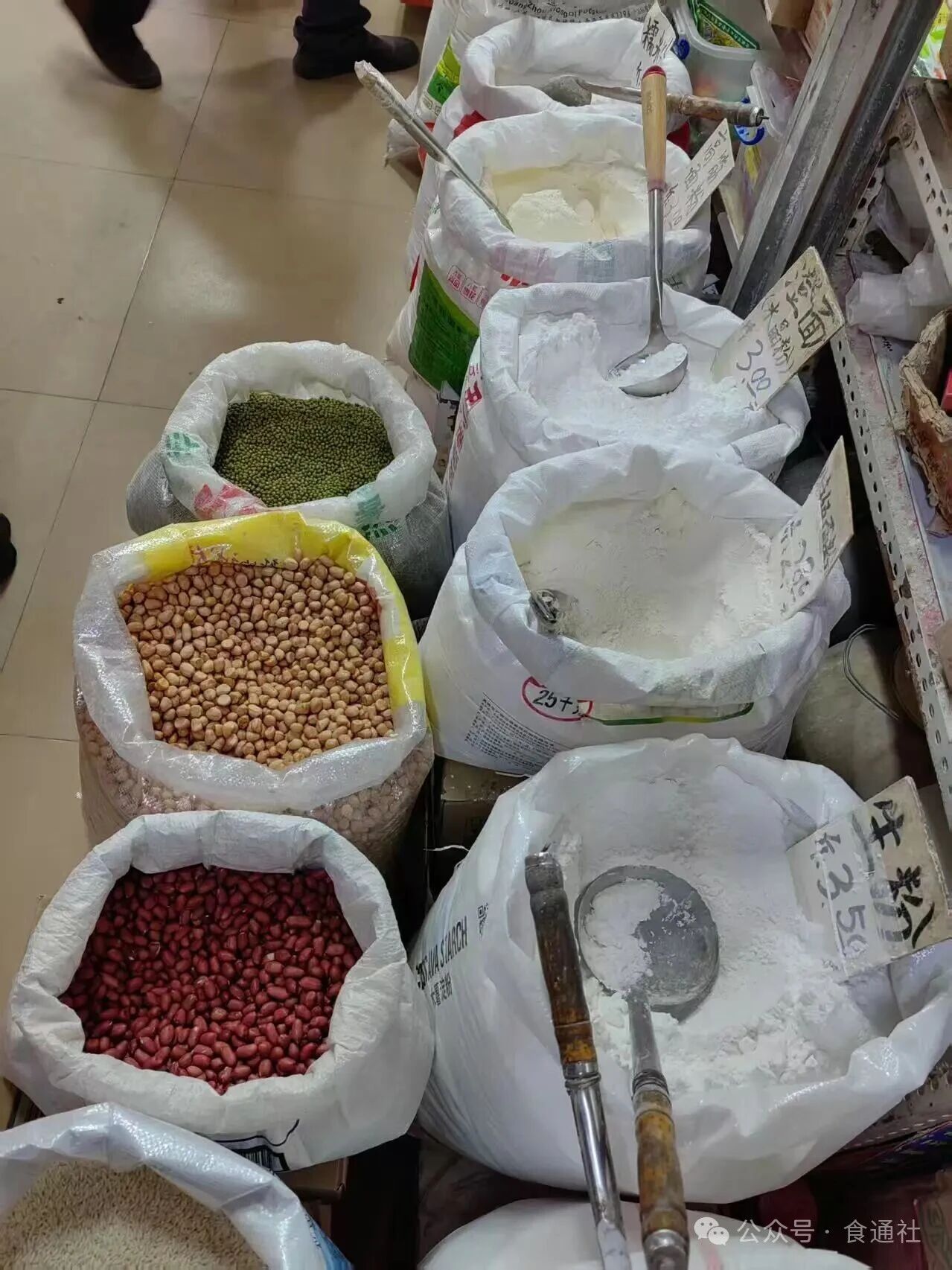
From four in the afternoon onwards, another wave of customers rolls in, lasting until six. Only then do we get a moment to slowly tidy up and prepare to close. Even during the closing process, a steady stream of shoppers still drift in. It’s always someone rushing over just as we’re about to shut up shop, urgently needing a particular seasoning, and my mother will always patiently unpack the goods she’s already put away to help them. It’s usually around seven or eight in the evening, well past dinner time, before we can finally pack up and head home.
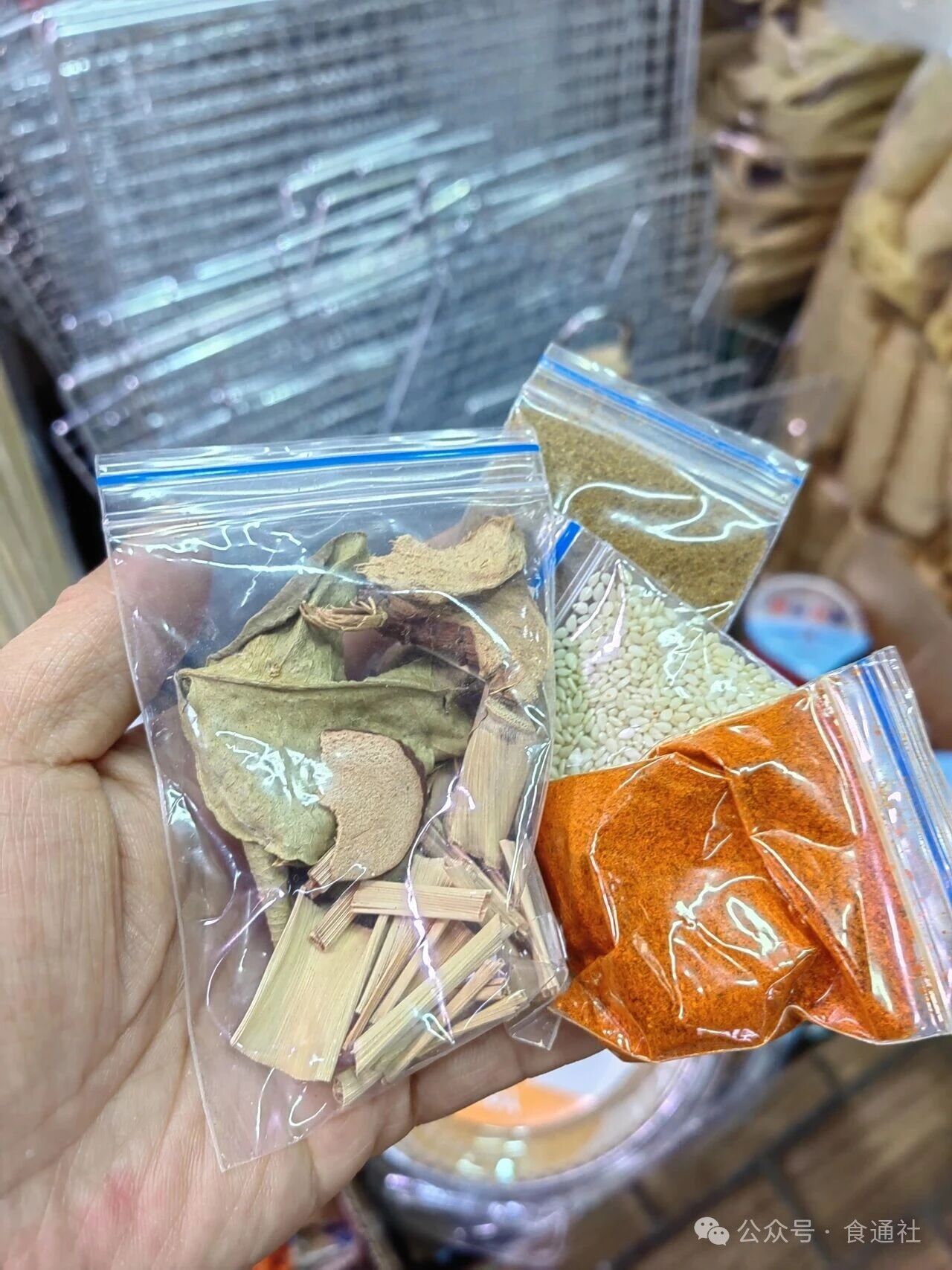
Don’t imagine that heading home means we can finally rest. In our grocery shop, pretty much everything can be broken down and sold in its smallest unit. Tonight we’ll be portioning out white sesame seeds, tomorrow night it’s tom yum spice mix, and the night after that, custard powder. So, after a grueling twelve-hour day, we still have more preparation to do in the evening. We don’t typically get to unwind until after ten o’clock. Then, upon waking at half past seven the next day, the cycle of busyness begins anew.
IV. “Recommended for You”: More Than an Algorithm
Many e-commerce grocery platforms feature a “Recommended for you” function, guessing what dishes you might cook and what ingredients you still need based on your purchase history. In truth, my mother had already mastered this long ago, but with a far warmer, human touch.
She remembers what regular customers usually buy. Before they even speak, she has already placed the items in front of them.
“Still sticking with this brand of soy sauce, right?”
“Exactly! I love cooking with it. You really have a good memory.”
Who wouldn’t appreciate feeling remembered like that? This sense of being remembered, of truly being cared for, is something no algorithm’s “Recommended for you” can ever provide.
She also knows a great deal about baking and making pastries. If you buy peeled mung beans, she knows you’re making large pork-filled sticky rice dumplings (zongzi), and will point out that the shop also stocks five-spice powder, zongzi leaves, and glutinous rice. If you buy glutinous rice flour for glutinous rice balls (tangyuan), she’ll tell you she has sesame paste, red bean filling, and lotus seed paste, and casually add that mixing in some sticky rice flour will give them a nicer chew.
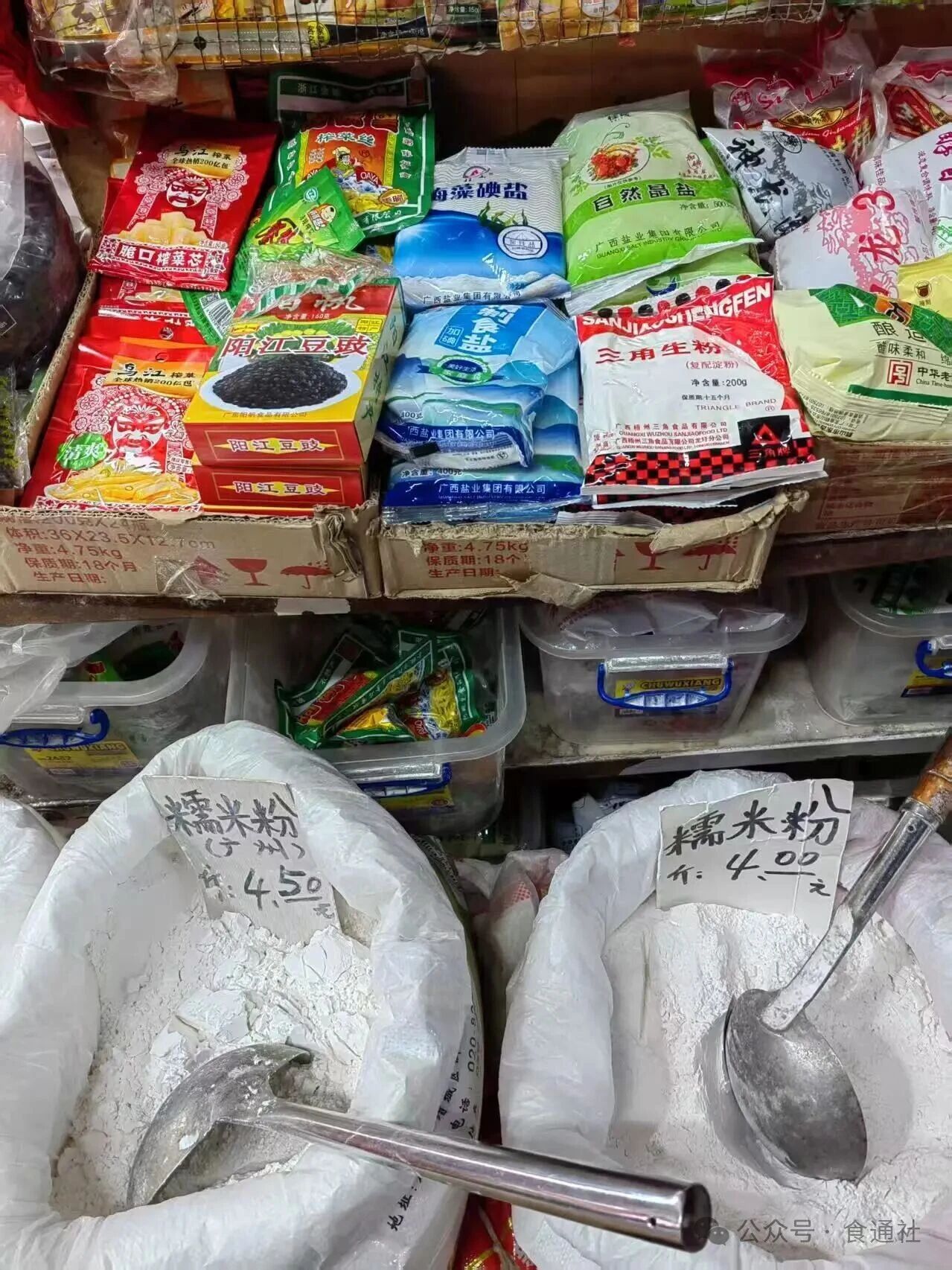
These sincere exchanges might contradict the negative stereotypes many hold about wet markets, such as short-weighting or price gouging. I cannot speak for markets elsewhere, but from my experience, wet market trade relies on repeat customers, not one-off deals. You simply would not do anything to lose a customer’s goodwill.
V. Holding Fast to the Wet Market and Grocery Shop
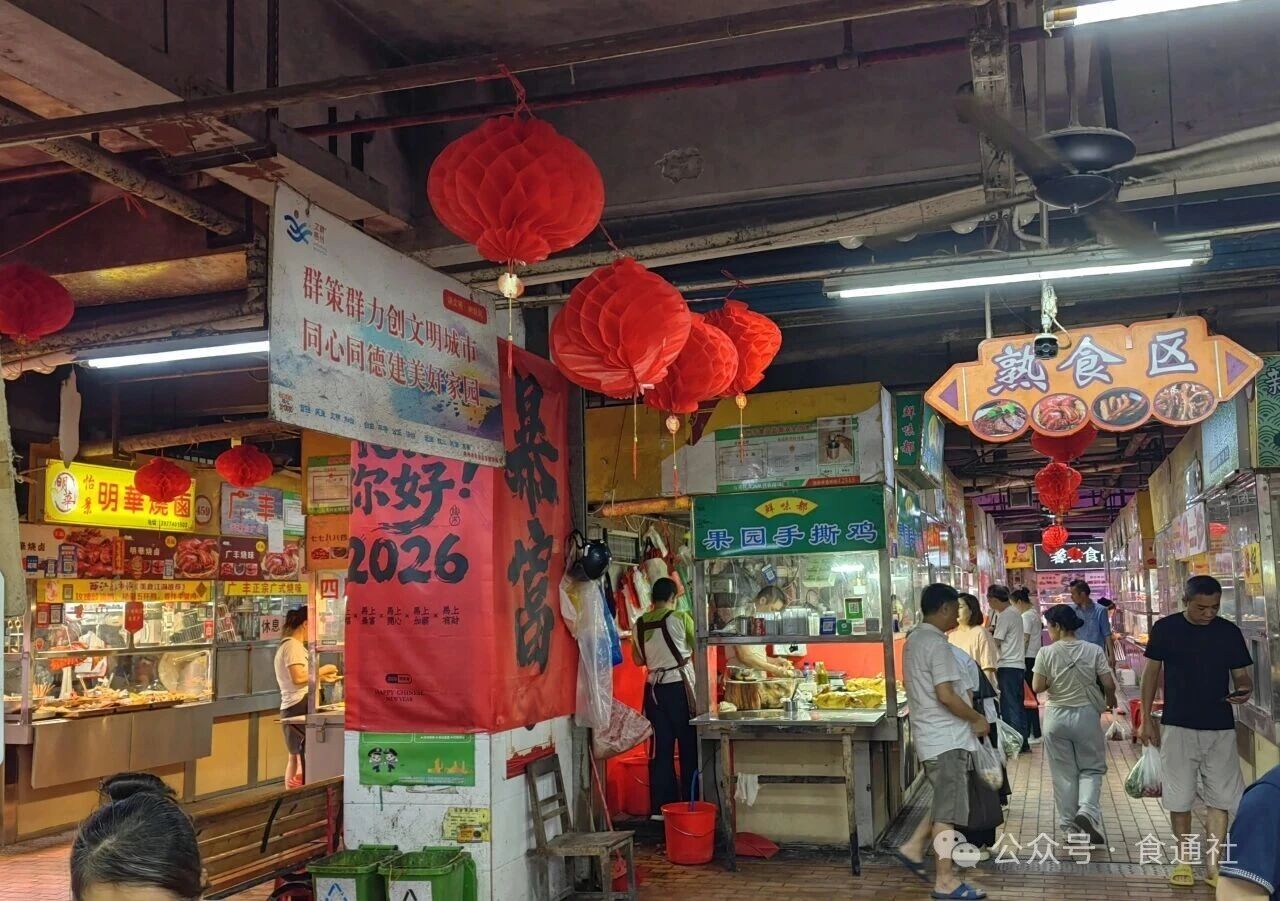
They no longer recognised me, though. It was only when I was helping out behind the counter that they would realise, “Oh? Who’s this newcomer?” or “Is that your daughter?” These exchanges have happened many times over, followed by mutual sighs about how we have all been holding our ground in this market for so many years.
Counting from when my grandmother first started the business to my occasional trips to help out today, this grocery shop that has woven through three generations of our family’s lives is now 31 years old. As for its future? We have never discussed it in depth. Although I plan to return to the Liangguang region to live, it is unlikely I will ever go back to my hometown to take over the shop. When my mother grows old, this grocery shop will likely come to the end of its journey.
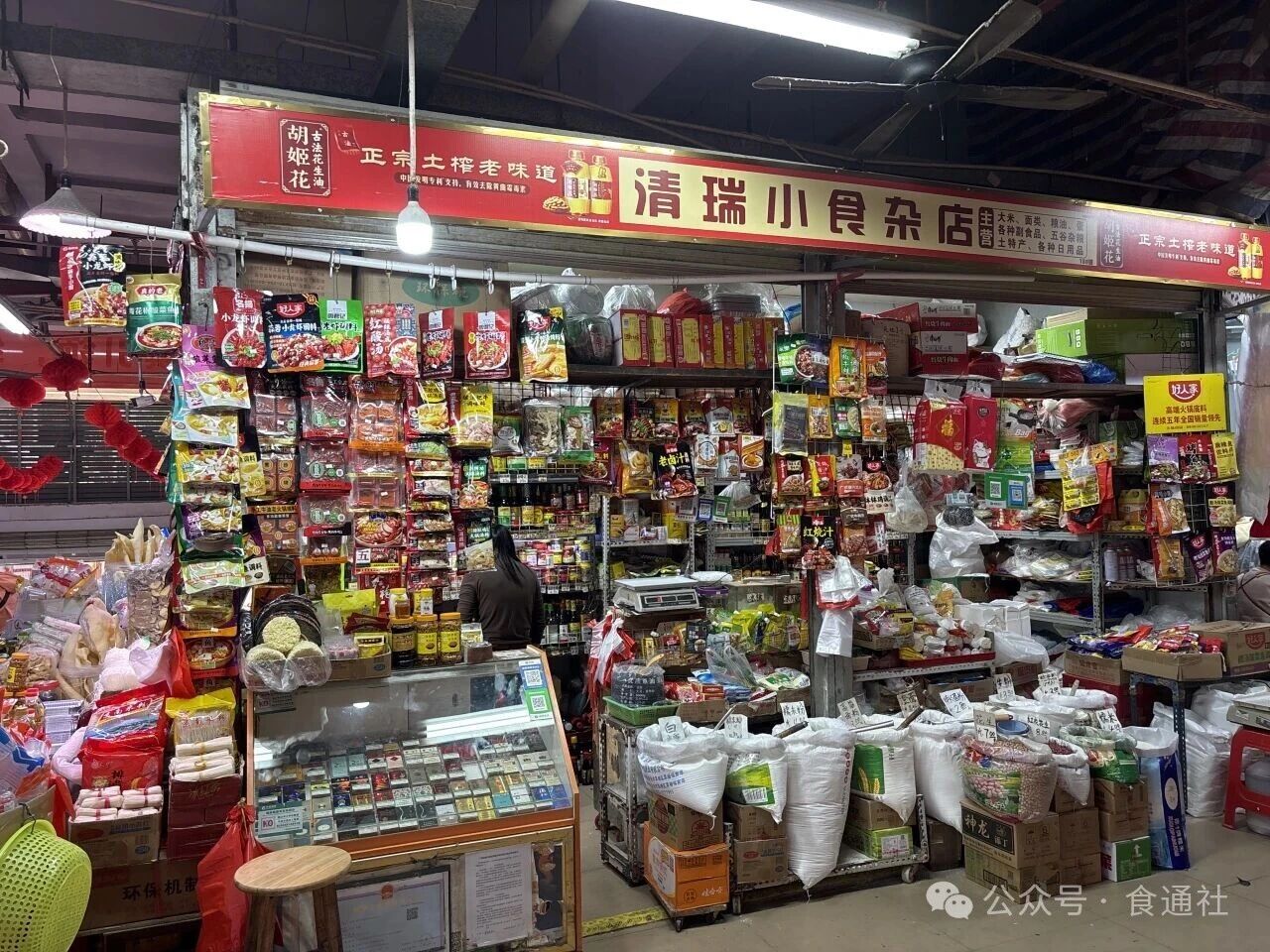
In reality, business at the wet markets in Wuzhou is nowhere near what it used to be. One market saw the residential area next to it redeveloped into a tourist attraction; with so many residents leaving, the market steadily shrank. The seafood section was demolished and remains vacant to this day, while some of the independent stallholders have migrated to busier markets elsewhere. Consequently, the variety of goods inside has dwindled, and local residents now prefer to drive to larger, more comprehensive markets further afield.

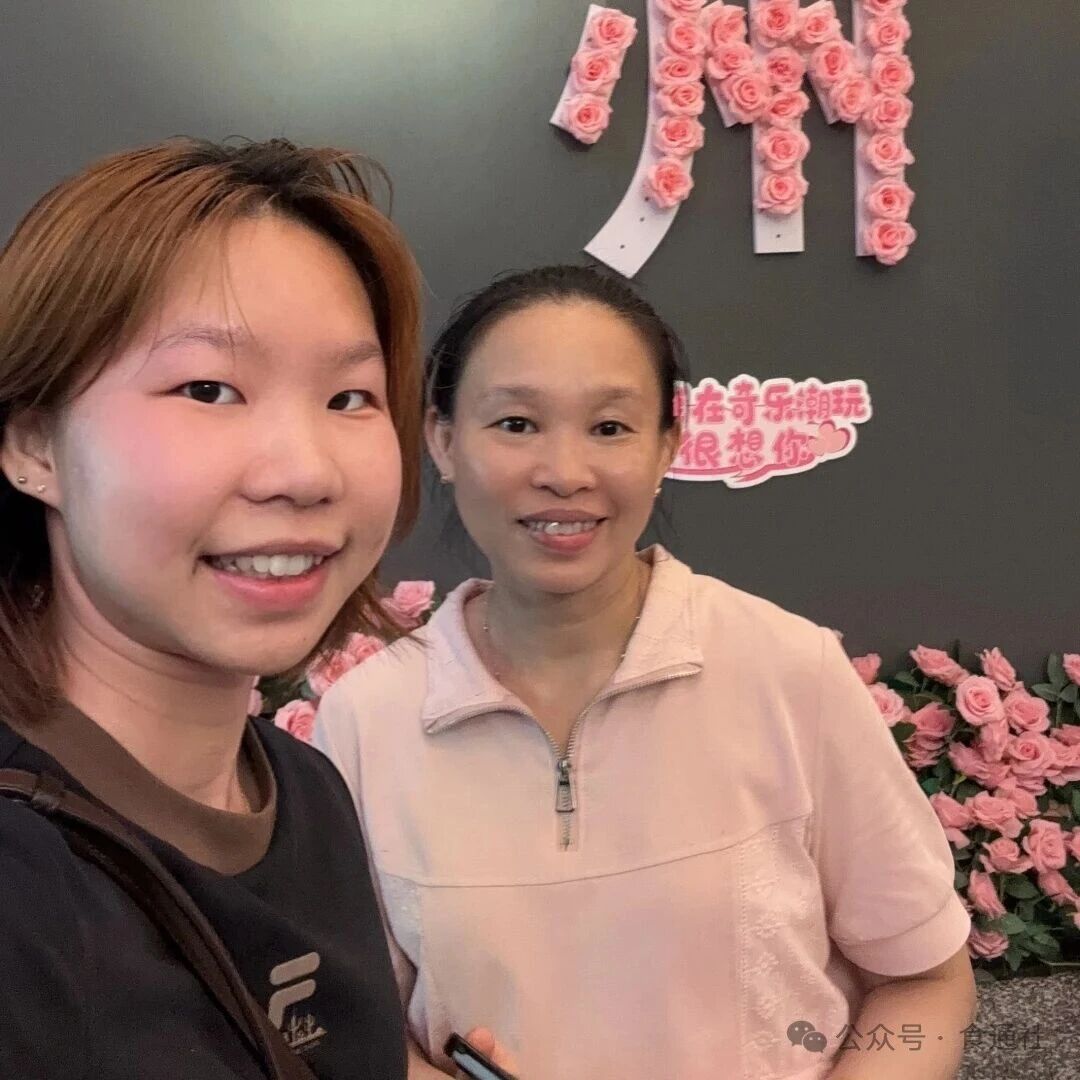
All photographs in this article are provided by the author.
Editor: Yuyang