
Yes to art, no to life: what kind of market do we actually need?
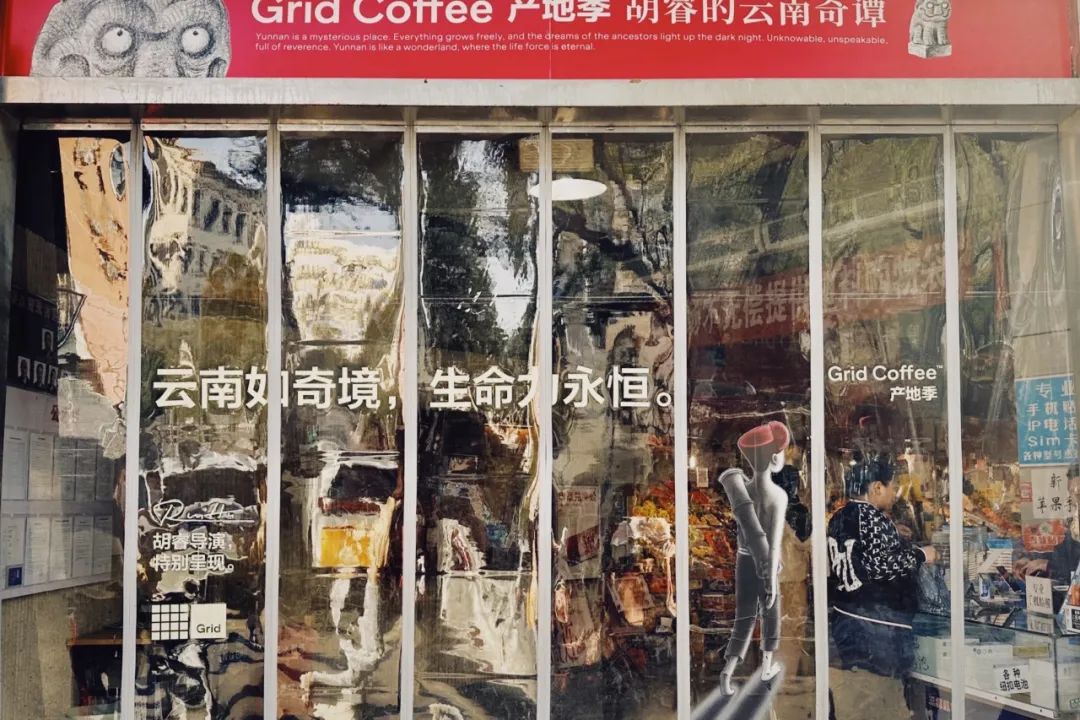
In 2016, I had a few failed attempts at grocery shopping at Sanyuanli Market. I only returned recently to visit an exhibition and found that the market had long since found its true calling: as an art installation.
Returning after seven years, Sanyuanli has become polished and glamorous. To promote a new store, a certain coffee brand is currently hosting the “Yunnan Tales” exhibition—a seasonal showcase of Yunnan coffee origins created in collaboration with Hu Rui, who gained widespread fame through the “Chinese Fantasies” animation series.
I must admit, when I saw the phrase “Yunnan is a wonderland; vitality is eternal” on the wind-proof curtain, my heart fluttered. It felt as though stepping through that curtain would lead me to a Yunnan adventure. Indeed, Yunnan is a land of culinary miracles.
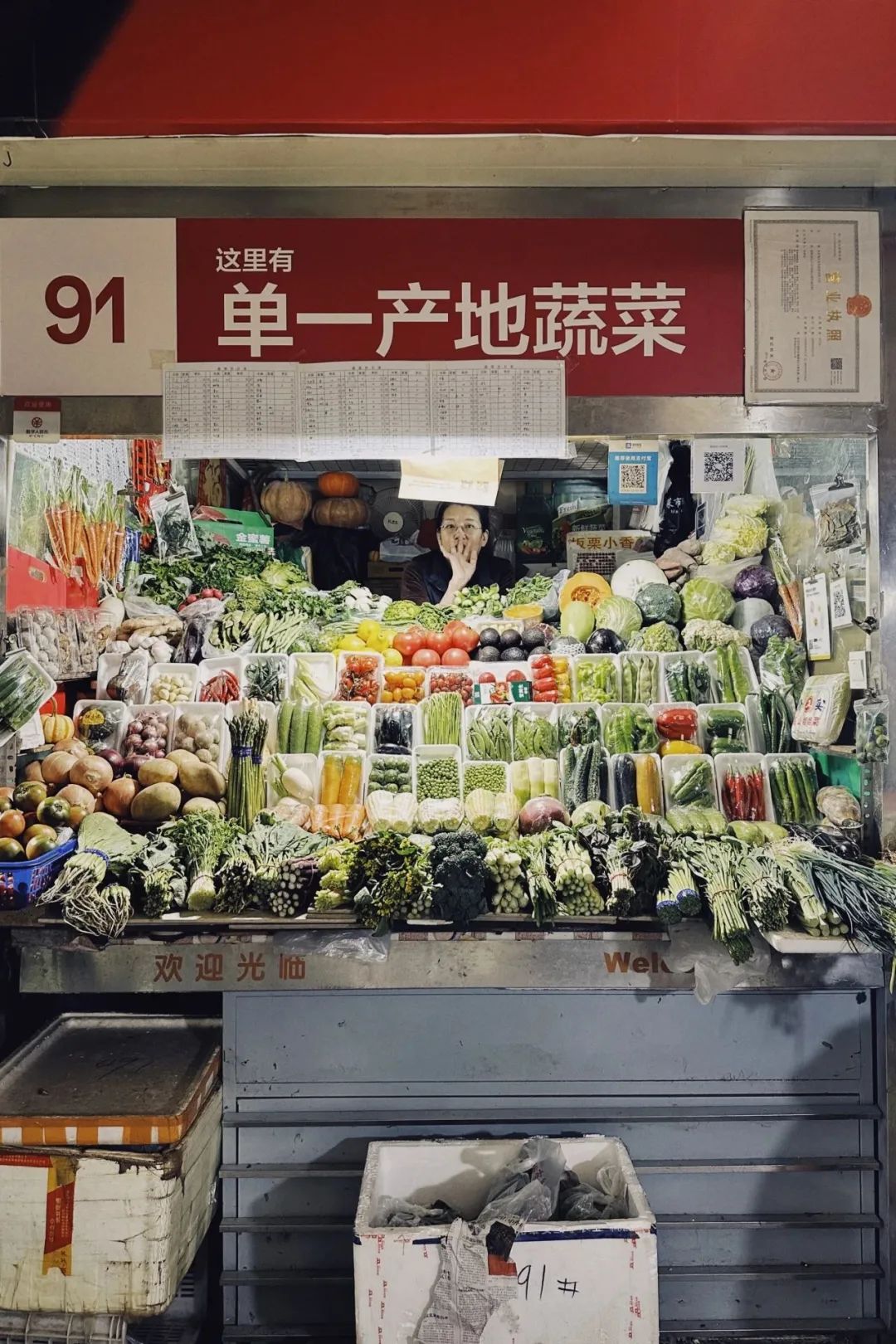
The market stalls are a feast for the eyes. Various herbs, edible flowers, fungi, fruits, and seafood are arranged in a spectrum of red, orange, yellow, green, blue, indigo, and violet, making one wonder if the owners have studied window display design.
However, I suspect the organisers have no idea which ingredients on the stalls actually come from Yunnan. But that doesn’t stop them from packaging the vegetable stalls using the concept of “single origin”—a term usually reserved for high-value cash crops like specialty coffee.
Anyone with a bit of common sense knows that most vegetables from small vendors pass through numerous layers of distribution; how could they possibly come from a single origin? Especially in a place like Sanyuanli, which prides itself on the diversity of its ingredients.
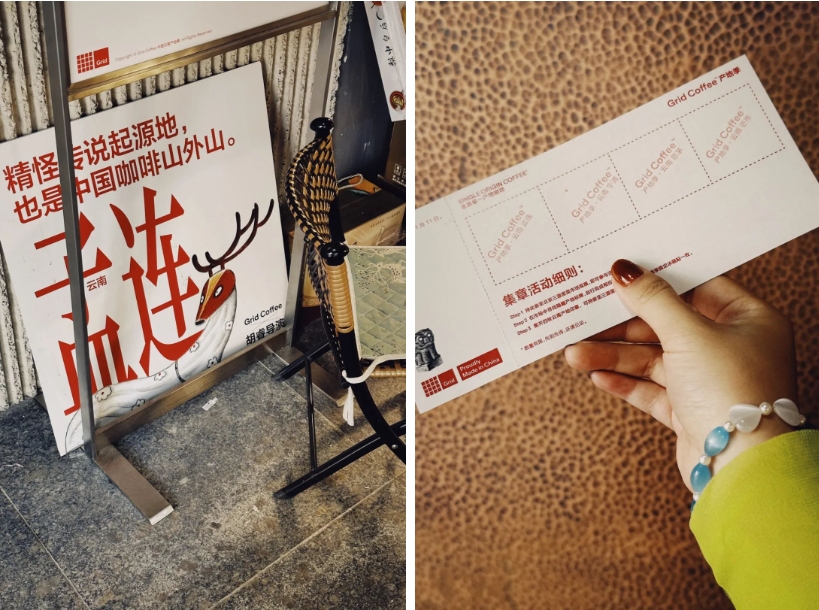
Sanyuanli is Beijing’s international culinary showcase, a gold standard for urban regeneration, and a trendy art installation for social media. Yet, it is the one thing it is not: a wet market where ordinary people can get their daily groceries. It does little to inspire my passion for life or cooking; instead, the unpleasant memories of shopping there seven years ago came flooding back.
I. International Sanyuanli: Where Good Taro is Nowhere to be Found
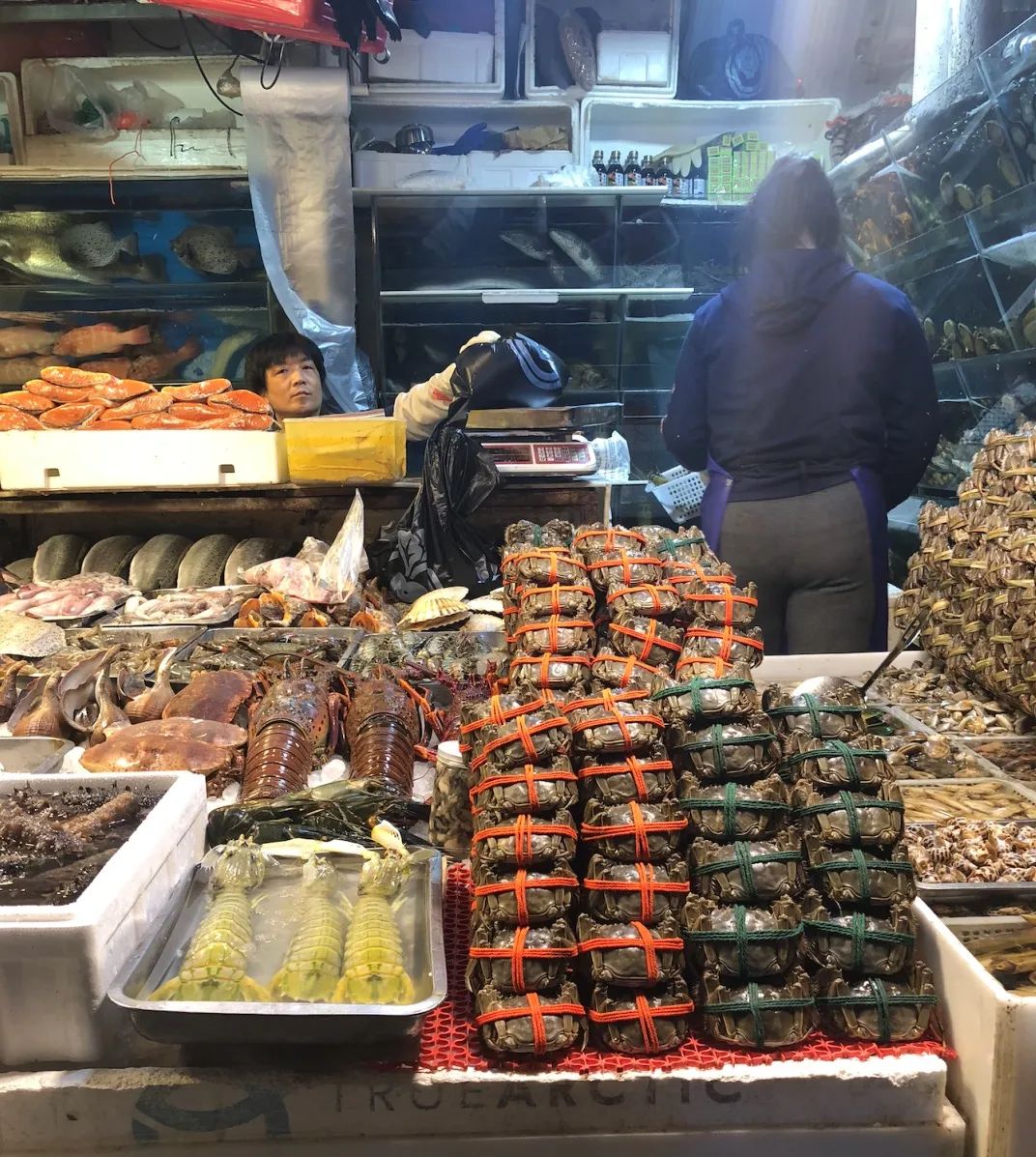
At the time, there was likely no other market like Sanyuanli where one could so easily find specialty ingredients from all corners of the globe.
However, when she tried to recreate the taro dessert of her childhood, she suffered a total taro debacle.
Dejected after tasting the hard, waxy taro she had cooked, she asked me, “Why can’t you find any good taro in Beijing? The taro at our home was grown in the yard; once cooked, it was fluffy and fragrant.” After tasting two pieces of the unpleasant, waxy taro, we decided to go to Sanyuanli to pick out a good one ourselves.
We found a stall with a comprehensive selection of vegetables and told the owner we wanted Guangxi Lipu taro, and it had to be the starchy kind. The owner guaranteed it would be fluffy and handed us a large taro still covered in soil. We carried it home, feeling its satisfying weight, only to cut it open and find it was rotten. A box of okra we’d picked up on a whim, wrapped in cling film, was mouldy on the bottom layer.
Clutching the rotten taro and mouldy okra, we struggled to find the once-enthusiastic owner among a row of nearly identical stalls, only for him to tell us that those vegetables weren’t from his shop and he wasn’t responsible.
Helpless, we bought another taro and took it home. After cutting and cooking it, it was still hard and waxy. We gave up completely.
II. From Southwest Hunan to Beijing: The Indispensable Wet Market
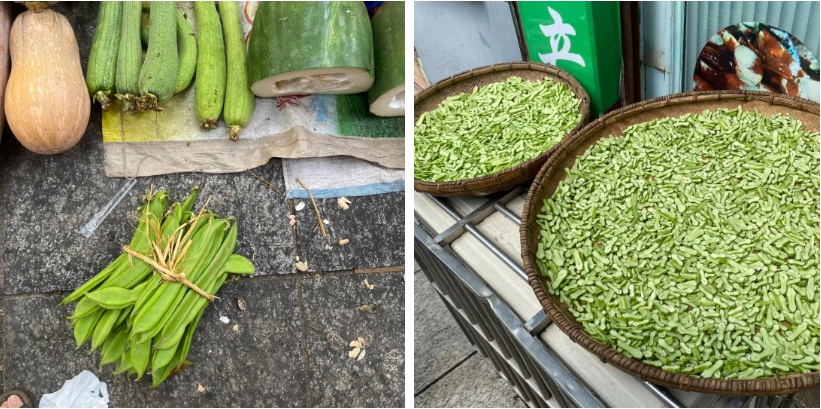
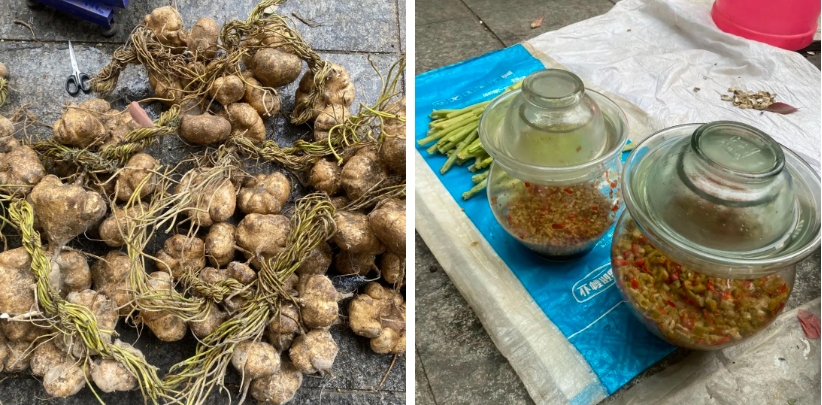
These vegetable stalls, using woven bamboo baskets and nylon sacks as display platforms, extend loosely and freely from the bustling heart of the city—the central farmers’ market. The older women who are on good terms set up close to one another to make chatting easier, and they’ll casually call out to anyone passing by: “Little sister, want to buy some veg?”
Since most of the vegetables are locally grown, only a few seasonal varieties are available at any one time, yet this simplicity actually reveals a deeper richness.
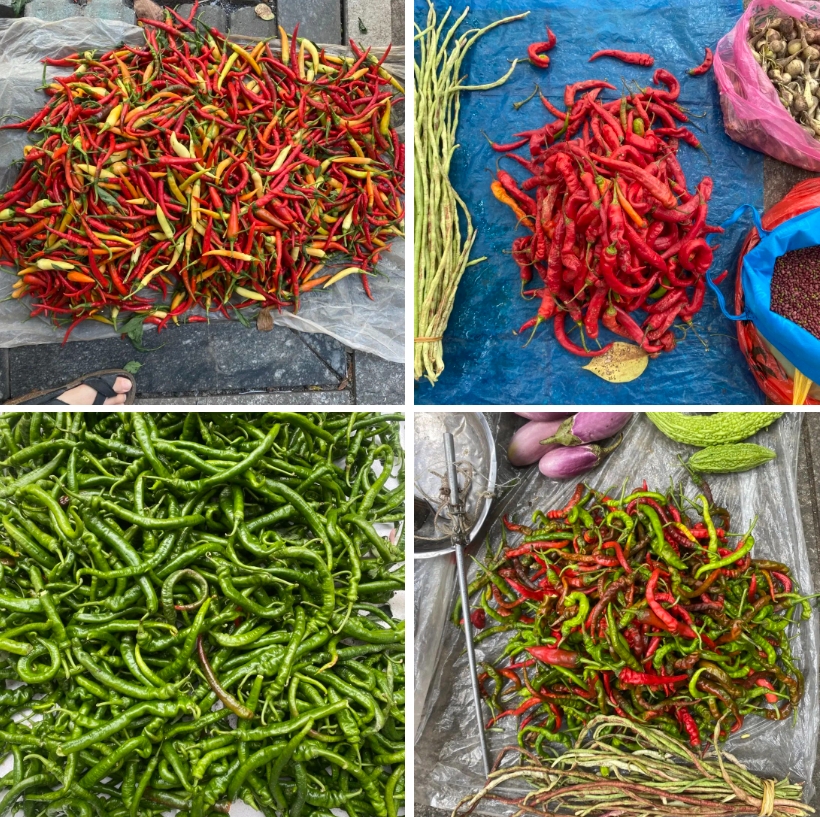
Take chillies, for example: there are red, yellow, green, and purple ones; long, short, round, pointed, curled, or straight. When you factor in the varying degrees of spice—mild, medium, and hot—the variety becomes almost impossible to distinguish.
It’s not that there are no vegetables from other regions, but the difference is obvious at a glance; local loofah is sweeter than the imported kind, and local coriander is more fragrant. My mother prefers buying vegetables from the elderly; sometimes, seeing that an old person’s produce isn’t selling, she will buy the entire lot, meaning we eat the same dish for several days. This is her way of showing care.
As someone who cannot rely on eating out for every meal, the wet market remained an indispensable part of my life during my first few years in Beijing. However, for daily shopping, I mostly use the community convenience stations, only venturing to the further Jingsong Dingsheng Market for a bulk shop on weekends when time permits.
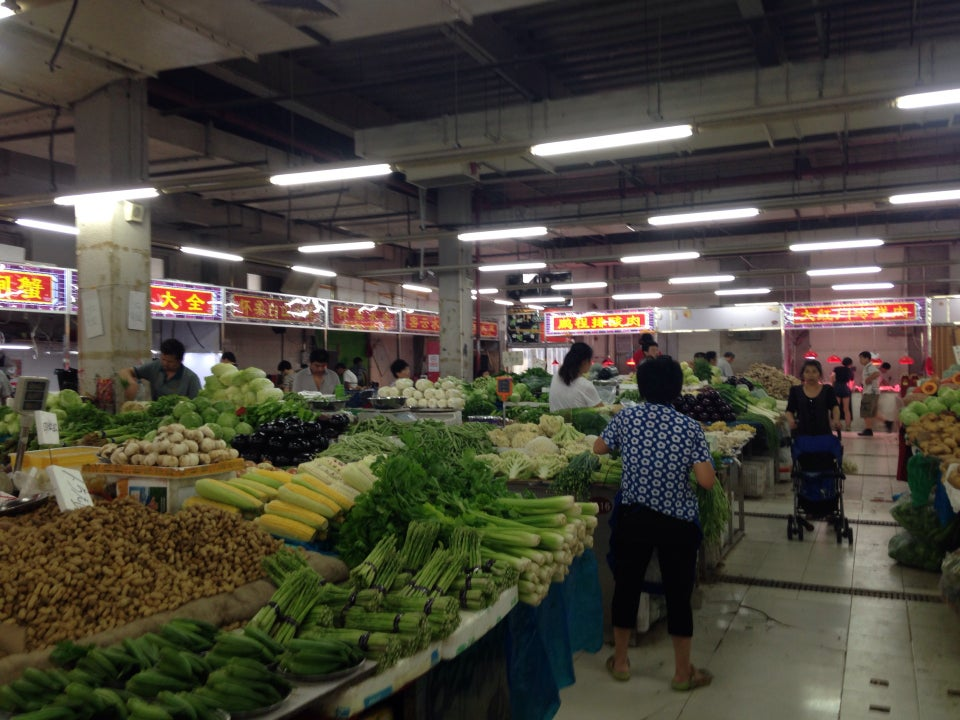
The ravages of avian flu in early 2014 prompted the Beijing municipal government to introduce the *Beijing Municipal Measures for the Administration of Designated Slaughtering of Livestock and Poultry*, which banned the sale of live livestock and poultry in agricultural markets. Half of the market’s vibrancy vanished.
Following the large-scale crackdown on and demolition of unauthorised structures in 2017, the market’s scale was further reduced. While it became clean and bright, the bustle of the past was gone.
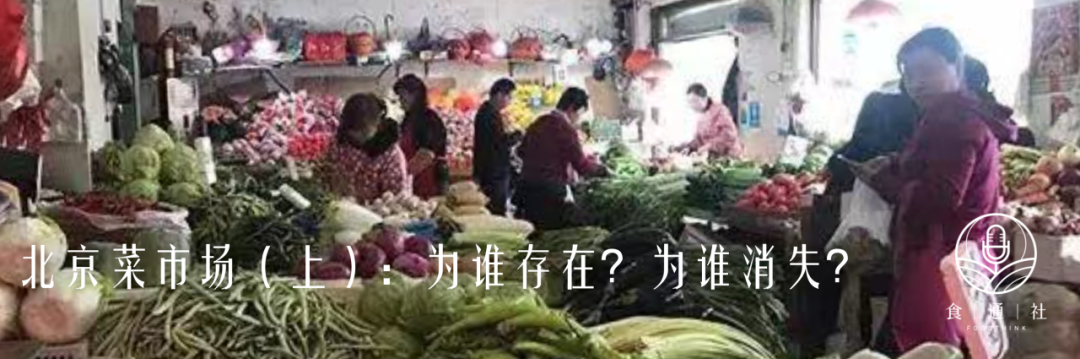
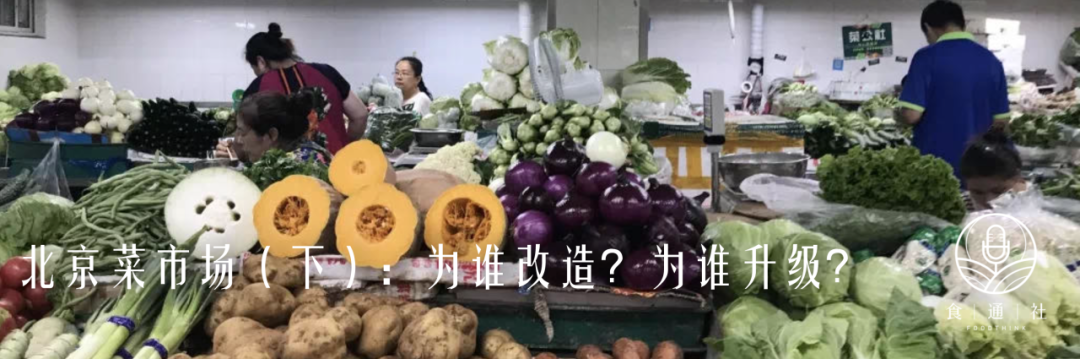
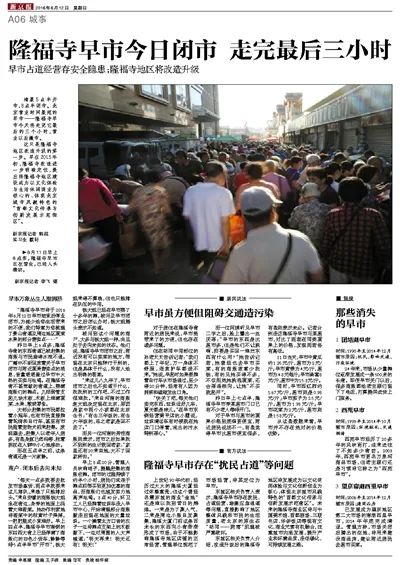
I also briefly witnessed the final prosperity of the Longfu Temple Morning Market. It was the first time I realised such a bustling morning market existed within the Second Ring Road: at six or seven in the morning in winter, before dawn, loads of Chinese yam, Chinese cabbage, sweet potatoes, and spring onions were wheeled in and unloaded, sold right there on the ground for mere pennies per jin. Steamed buns arrived in steaming baskets, alongside seedlings and herbs… Vigorous elderly residents, pulling small trolleys, would march in and soon return home fully loaded.
In June 2016, after more than twenty years, the Longfu Temple Morning Market finally gave way to the development of a new commercial district. It is said that the area is now occupied by international luxury brands—a fitting footnote to the era.
In a Beijing where these markets are steadily fading, the Beijing Organic Farmers Market is, in my eyes, the last beacon of light.
III. The Last Solace for the Market-Lover
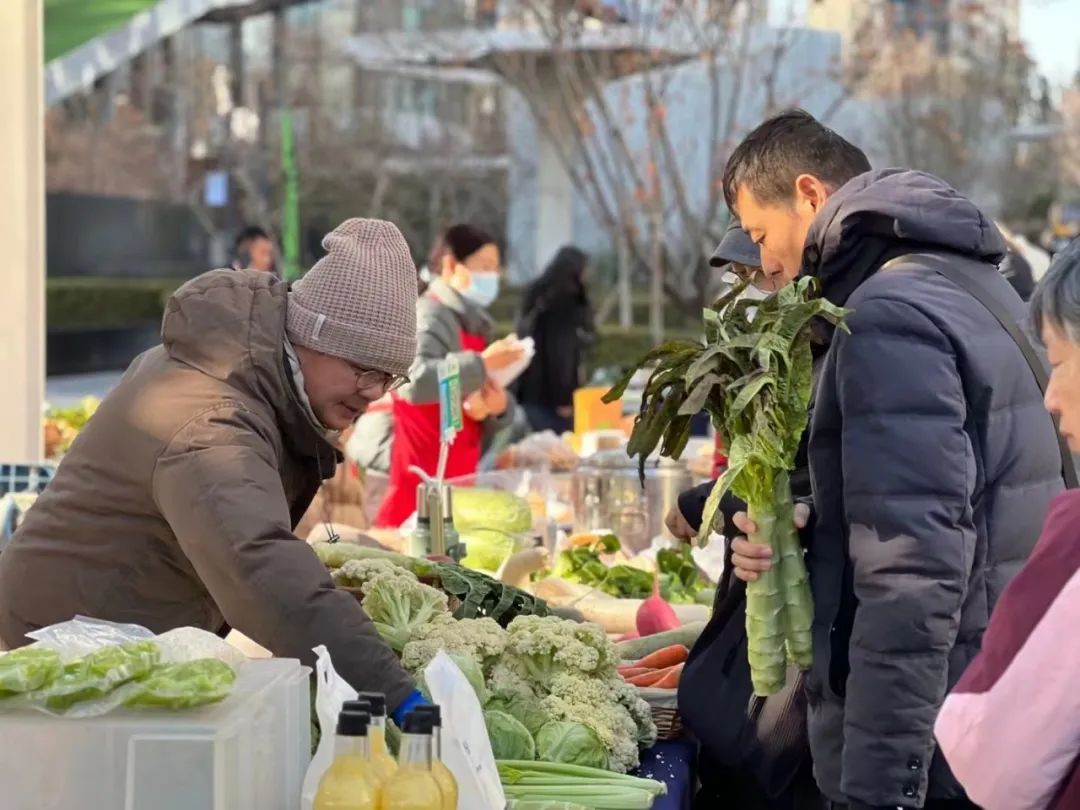
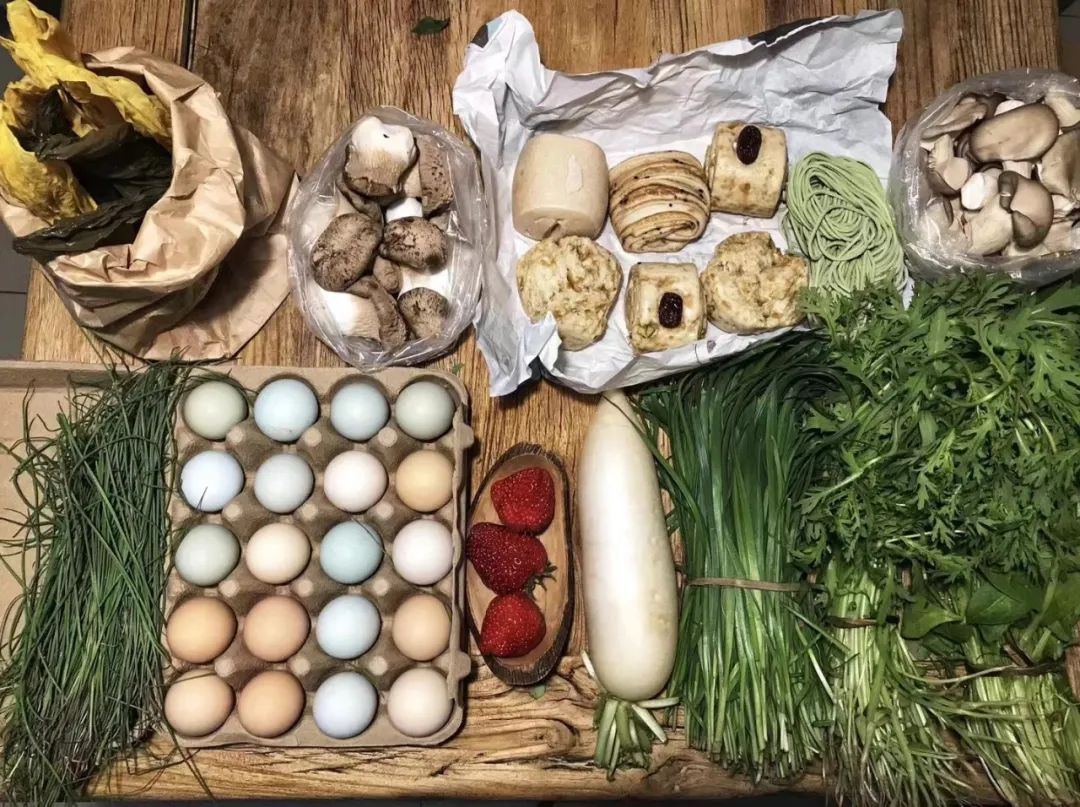
This is no ordinary market; all the fresh produce here comes from ecological small-scale farms around Beijing.
These ecologically grown fruits and vegetables aren’t always pretty—their sizes and shapes vary, bearing the marks of sun-scorch and insect bites. But in this lack of uniformity, they preserve a taste that is honest and bold. If you are lucky, you can find fruit just plucked from the tree, bursting with sweetness and fragrance.
Unlike a standard wet market, you cannot always find exactly what you crave at the Farmers Market. Yet, this makes one appreciate the preciousness of eating in season: the slender but intensely fragrant chives of early spring, the cherries that appear for only a fortnight, and the cabbage that only turns sweet after the first frost.
The vibrancy of shopping here also comes from the farmers themselves; each is as spirited and full of personality as the ingredients on their stalls.
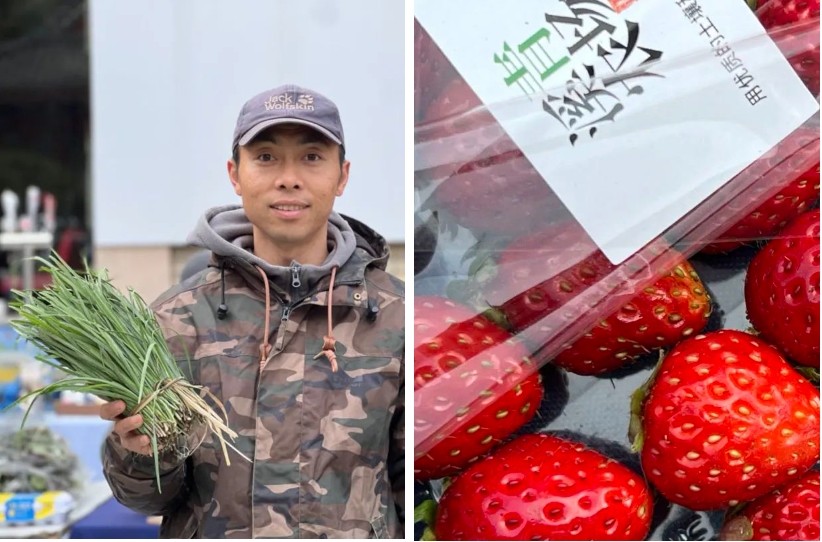
Take, for example, Teacher Wang Xin, who grows strawberries. I use the title ‘Teacher’ out of respect, for his strawberries are an absolute masterpiece. The scent alone is intoxicating, and one bite is enough to make the soul tremble.
Strawberries are demanding; from budding to flowering and fruiting, they require a stable, continuous supply of soil nutrients. Drawing on his professional training in horticulture from Beijing Agricultural University, Teacher Wang removes the surface soil and replaces it entirely with his own custom nutrient mix. Such a disregard for cost is the hallmark of a technical obsessive, and it is precisely why his strawberries command a premium price.
I remember visiting once when he had brought very few strawberries, and they were smaller than usual. As it turned out, some had been stolen—nearby conventional strawberry growers knew he used no pesticides, and some had slipped into his greenhouse to sneak a taste. I told him he should be happy; it was the highest possible compliment from his peers.
In my view, the cultivated mushrooms grown by the ‘Mushroom Man’, Qin Re, possess a freshness that rivals the wild mushrooms of Yunnan.
His grey oyster mushrooms need nothing more than a light sauté in olive oil with a pinch of sea salt to be incomparably savoury. The oyster mushrooms found in ordinary markets may look similar to Qin Re’s, but they are entirely different creatures.
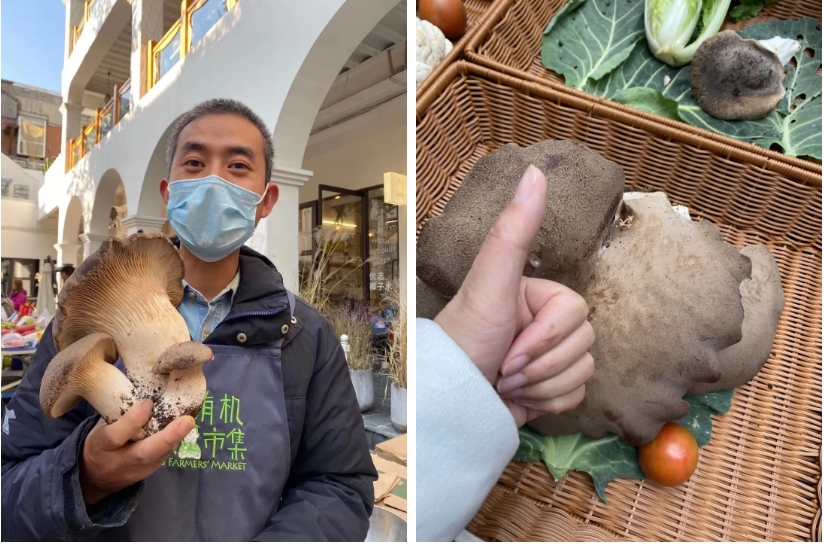
He has completely overturned my stereotypes of common cultivated mushrooms. His enoki mushrooms are not those pale, malnourished stems with barely visible caps, but crisp golden stalks topped with large brown caps, exceptionally sweet and tender. His king oyster mushrooms are not just thick stems; they can open like umbrellas, carry an almond fragrance, and remain crisp and tender even after long simmering.
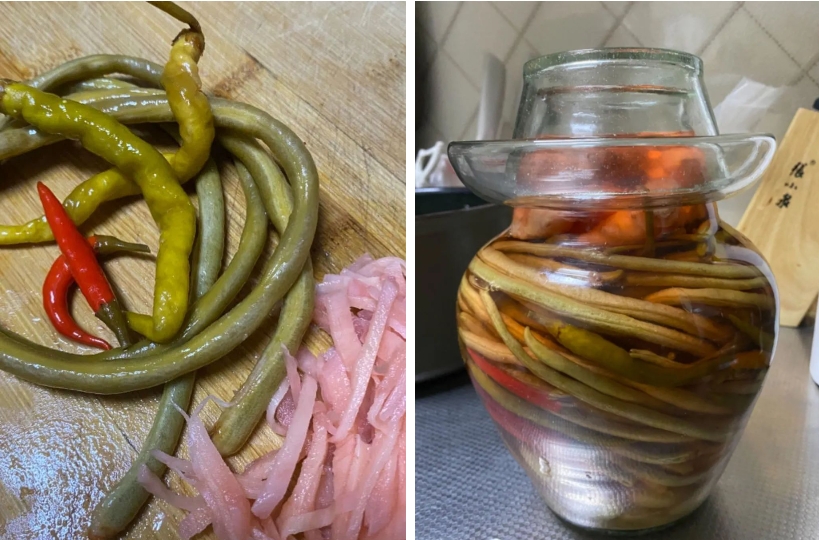
As a native of Hunan, I also love his fermented sour beans. Unfortunately, they are very expensive. After buying them once, I decided to try pickling my own. After a month of fermenting, I tasted them and thought: if I were to sell these, I would charge even more than he does.
There are many other lovely people here: Brother Liu, who always has a vegetable you’ve never seen before; Yingying, whose smile brings out two dimples; Jin Peng, a poet and forest-gatherer who walks through tundra woodlands; and the Hermit of Qingcao Mountain, who is stubbornly dedicated to making malt syrup from authentic ingredients…
The Beijing Organic Farmers Market is a place of warmth. When I buy groceries here, I am purchasing an experience of joy for both body and soul, and a source of inspiration from kitchen to table. I learn how to cook from the farmers, and I have picked up skills like pickling vegetables and fermenting kombucha to enrich my palate—dimensions of life that the rapidly evolving world of food e-commerce can never touch.
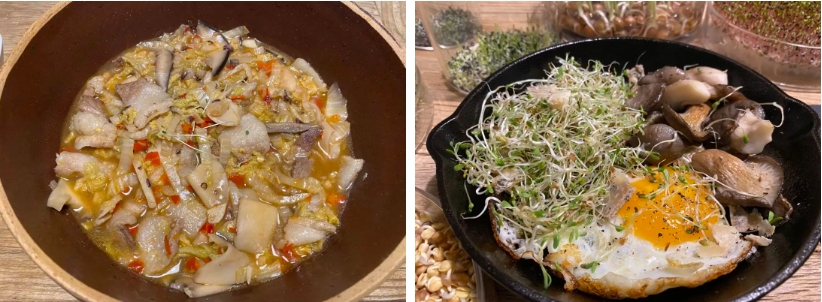
Seven years have passed, and the market has become an anchor for my life in Beijing. It reminds me, amidst the torrent of the times, where I stand and how far I am from the earth.
Buying groceries is a simple yet profound relationship of trust between human beings. When we reclaim agency over what we eat, we reclaim the most grounded part of our lives. A table that shifts with the seasons, a tight connection to the land and the producer—is the simple stability of three meals a day, four seasons a year, not more artistic than art itself?

Editor: Ze En