
Unreliable testing, untraceable origins: can agricultural quality certificates really improve food safety?
In media reports over the last few years, it has been common for street vendors to be fined for selling produce such as chives and celery with pesticide residues exceeding legal limits, with penalties ranging from 5,000 to tens of thousands of yuan.
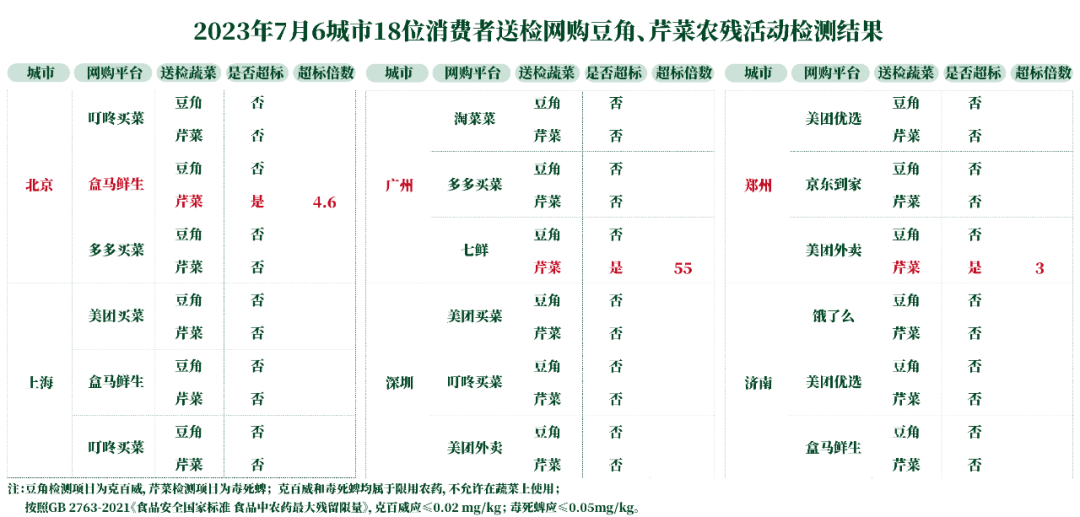
The performance of high-end supermarkets and premium e-commerce platforms—sectors in which the government and the public have placed great trust regarding food safety—appears to be little better than that of ‘low-end’ wet markets. This year, the public interest organisation ‘Nature Field’ coordinated consumers to purchase vegetables from various e-commerce platforms for testing. The results revealed that platforms including JD’s 7Fresh, Alibaba’s Hema, and Meituan Maicai all sold vegetables with pesticide residues exceeding legal limits, with some exceeding the limit by up to 55 times, and others even containing highly toxic pesticides banned by the state.
Naturally, the government is not simply waiting for the public to perish. Since 2008, successive administrations and leaders have repeatedly and emphatically declared that food safety is their primary concern.
How, then, can food safety be guaranteed? How can the baseline of ensuring that pesticide residues do not exceed legal limits be maintained? The latest answer from the Ministry of Agriculture and Rural Affairs is: the ‘Commitment to Compliance Certificate’.
On 27 October this year, the Ministry of Agriculture and Rural Affairs released the ‘Administrative Measures for Agricultural Product Quality and Safety Commitment to Compliance Certificates (Draft for Comment)’. This requires agricultural production enterprises, professional farmers’ cooperatives, and any entities or individuals engaged in the purchase of agricultural produce to issue Commitment to Compliance Certificates in accordance with regulations, guaranteeing that no banned drugs or illegal additives have been used and that residues from conventional pesticides and veterinary medicines remain within permissible limits.
The new regulation also imposes requirements on those purchasing agricultural produce: in addition to verifying the producer’s certificate at the time of purchase, they must issue a new Commitment to Compliance Certificate if the produce is repackaged or blended after acquisition.
The revised Agricultural Product Quality and Safety Law of 2022 has already enshrined the ‘Commitment to Compliance Certificate’ into law; the current release provides the specific implementing rules for that legislation.
But can relying on this certificate actually resolve the issues surrounding the safety of agricultural produce?
I. Unreliable Testing
Beginning in 2016, the Ministry of Agriculture and Rural Affairs spearheaded pilot schemes for these certificates in select regions, which were expanded into a nationwide trial in 2019. Throughout the trial phase, the crux of the Commitment to Compliance Certificate was that the producer’s own declaration served as the basis for issuance. A producer simply had to pledge that they did not use banned pesticides or veterinary medicines, adhered to veterinary drug withdrawal periods, avoided illegal additives, and ensured that residues from conventional pesticides and veterinary medicines remained within legal limits.
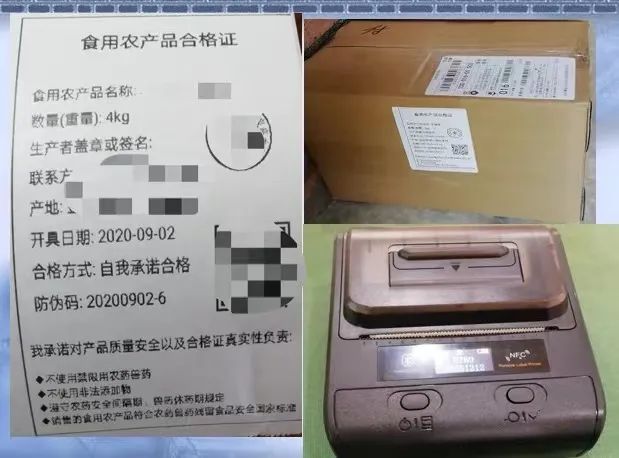
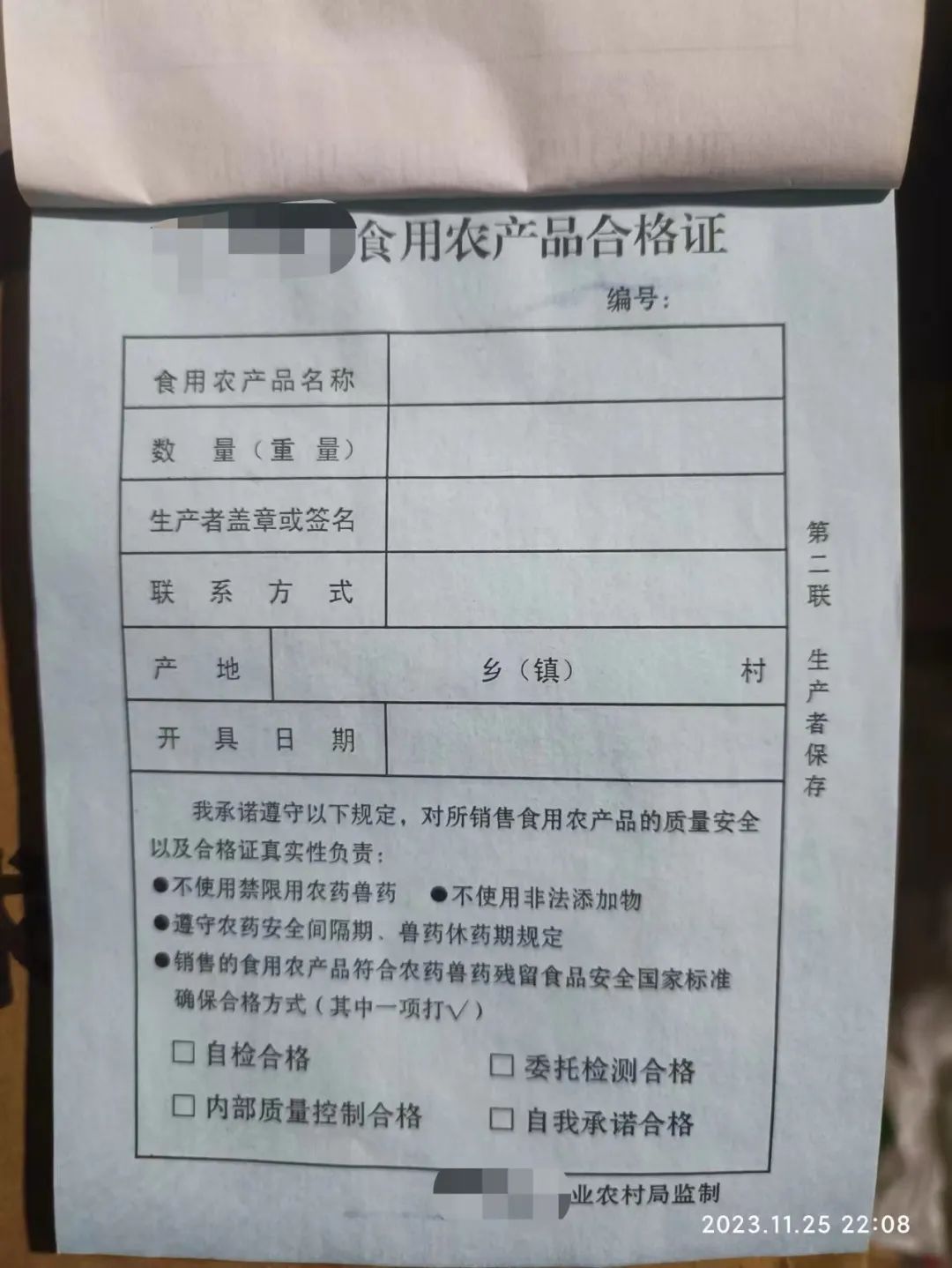
However, in the latest consultation paper, the “self-certification” option has disappeared. According to this draft, if producers or purchasers wish to prove that no prohibited chemicals were used, they must either “meet quality and safety control requirements”, “pass internal testing”, or “pass third-party testing”. In other words, they must either have a set of written internal company policies or undergo continuous testing.
Moving from subjective promises to objective testing results suggests that standards have risen; however, believing that the mere phrase “test passed” guarantees food safety is to clearly underestimate the complexities involved in pesticide residue testing.
The simplest pesticide residue test strips on the market cost less than 1 yuan; these can only detect organophosphate and carbamate pesticides, which are highly toxic but are being gradually phased out of the market under state regulation.
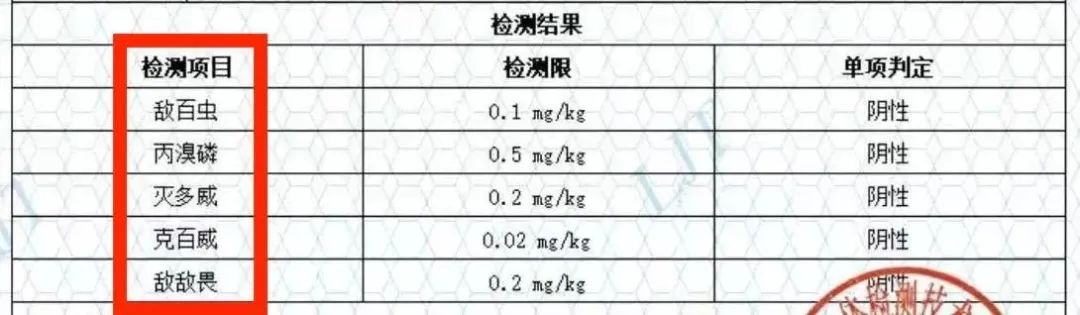
To achieve comprehensive testing, one must either establish a private laboratory staffed by professionals or purchase services from a testing company. Such tests can provide residue data for dozens or even hundreds of different pesticides, but prices range from a few hundred to over a thousand yuan.
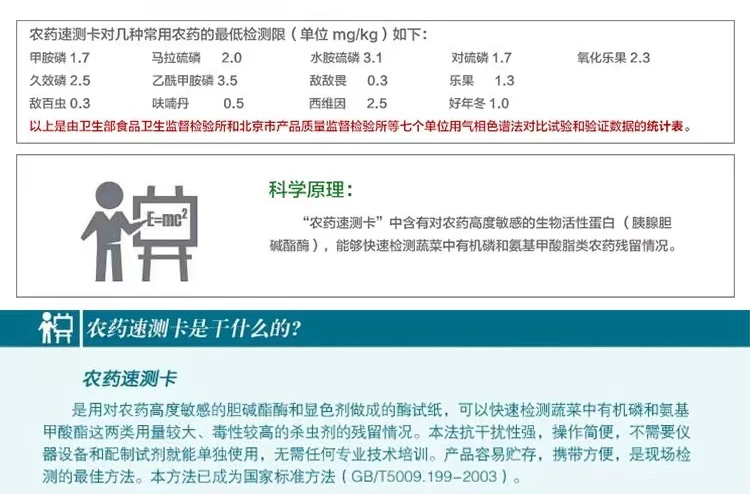
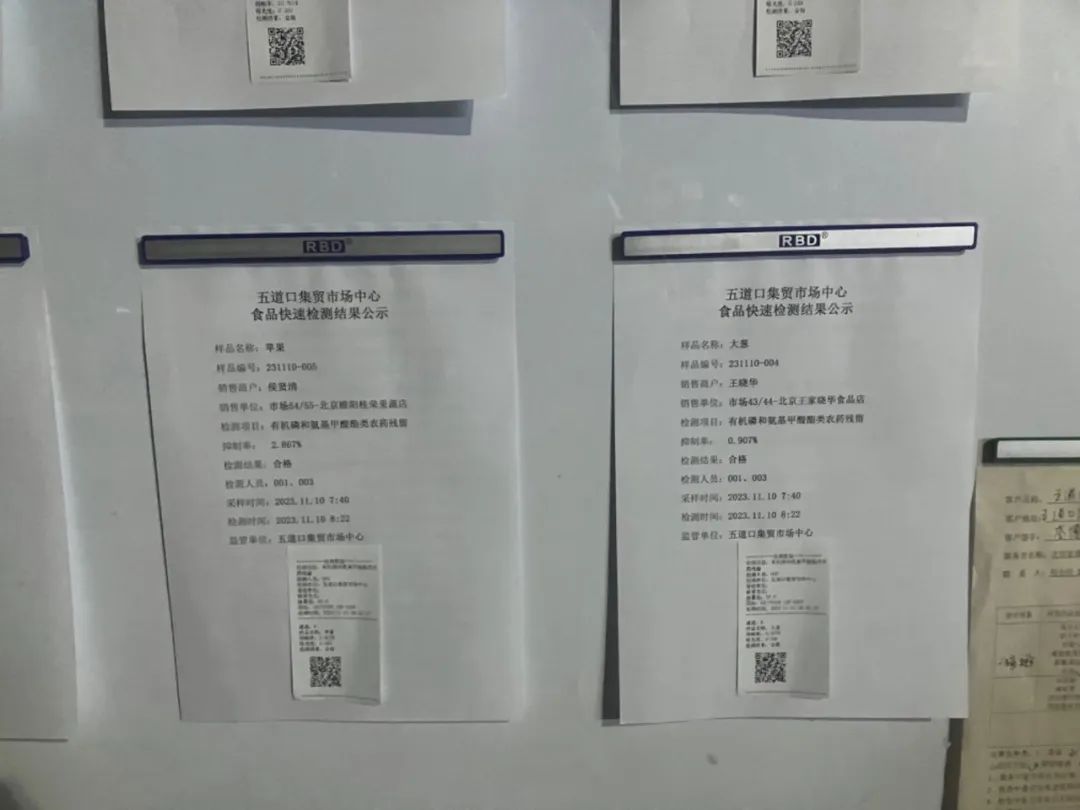
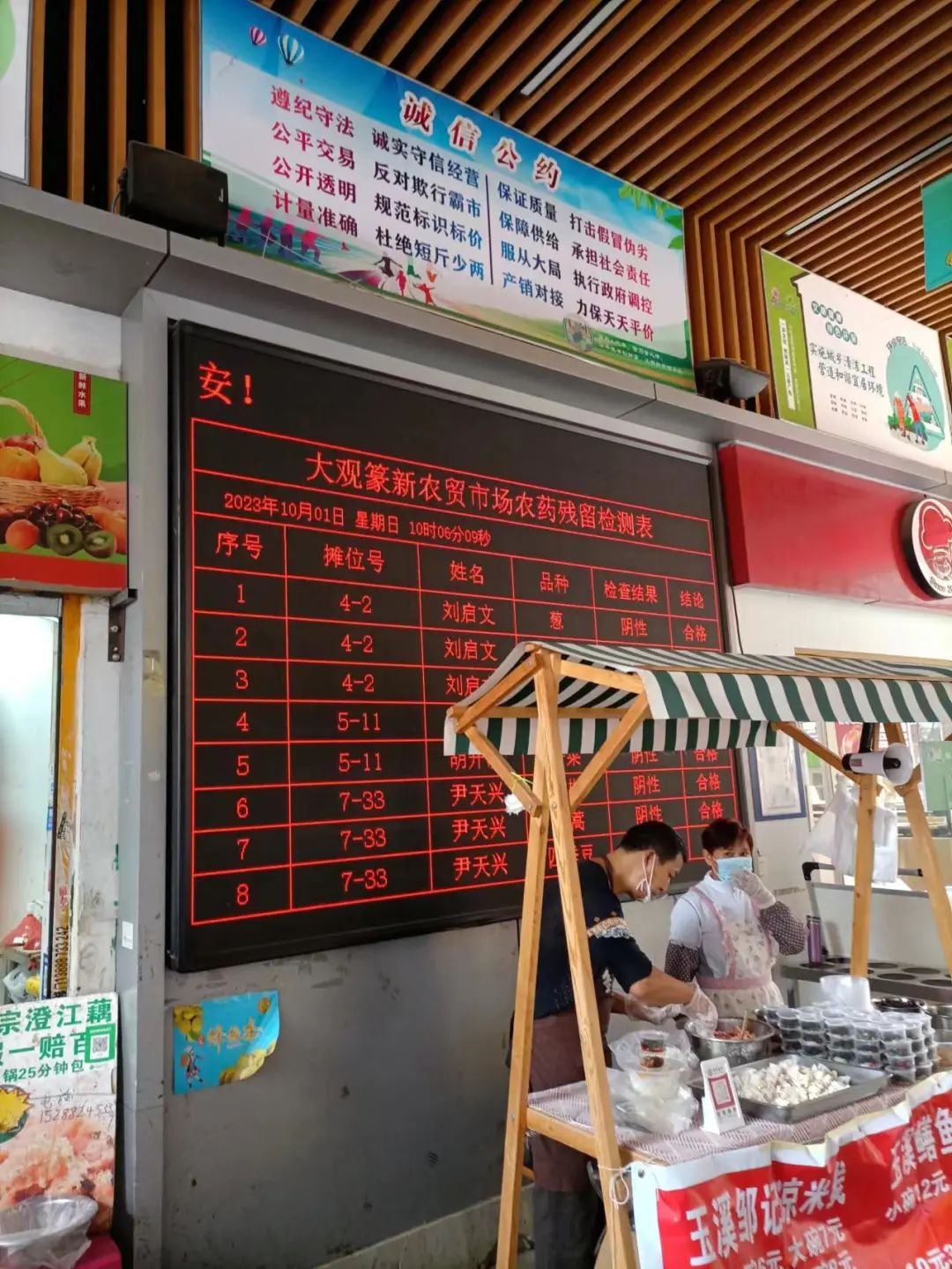
Due to cost constraints, the routine spot checks currently carried out at large wholesale and wet markets are performed on a sample of incoming vegetables. These rely on low-precision rapid testing methods, making it impossible to be comprehensive.
Different agricultural products are prone to different pests and diseases, requiring different pesticides, which have continued to evolve and iterate in recent years. It is also difficult for the average farmer to understand the ingredients of these pesticides, their potential hazards, or how to use them correctly to ensure that pesticide residues remain within legal limits.
Consequently, compared to the vast array of pesticides actually in use, the items covered by current spot checks inevitably leave significant gaps.
Worse still, wherever there are regulations, there are inevitably loopholes. Laypeople, ordinary consumers, and even regulatory bodies can easily be deceived by results manipulated through these technical intricacies.
In July this year, the non-profit organisation Ziran Tian discovered that celery sold by Hema Fresh in Beijing contained chlorpyrifos residues 4.6 times above the legal limit, and reported this to the authorities. However, the Market Supervision Office of Dongsheng Town in Haidian District stated that Hema had provided several documents, including testing reports, and had not violated the Food Safety Law; they subsequently refused to open an investigation. Yet, upon closer inspection, the testing reports provided by Hema did not include chlorpyrifos at all.
It is difficult to say which link in the chain—the supplier, the testing agency, Hema, or the Market Supervision Office—is playing fast and loose with the consumers, given that the celery had already been found to exceed limits for the banned pesticide chlorpyrifos.
II. Untraceable Sources
For many years, the Ministry of Agriculture and Rural Affairs has been committed to establishing a traceability system for agricultural products, with the “commitment-based compliance certificate” serving as a key component. Following the enactment of the *Agricultural Product Quality and Safety Law* last year, the Legislative Affairs Commission of the National People’s Congress stated in response to reporters’ questions that the purpose of establishing the commitment-based compliance certificate system is to ensure that “production records are queryable, product flow is traceable, and responsibility is clear”. In other words, besides relying on testing as a safeguard, another method is to use traceability to assign accountability.
However, the greatest obstacle facing the issue of traceability is the complex distribution network of agricultural products.
While consumers have become accustomed to seeing origin information for agricultural products directly in supermarkets or on e-commerce platforms—sometimes even identifying the specific production base—extending this traceability model to the mainstream wholesale system is unrealistic.
According to data from the Third Agricultural Census, smallholder farmers account for over 98% of agricultural operating entities in China, managing 70% of the total cultivated land. Those who bring the produce of these smallholders to the dinner tables of people across the country are the various tiers of wholesalers and retailers within the wholesale system. These include collectors who buy produce at the farm gate, first-tier wholesalers who transport goods across provinces, and second- and third-tier wholesalers who operate within large wholesale markets.
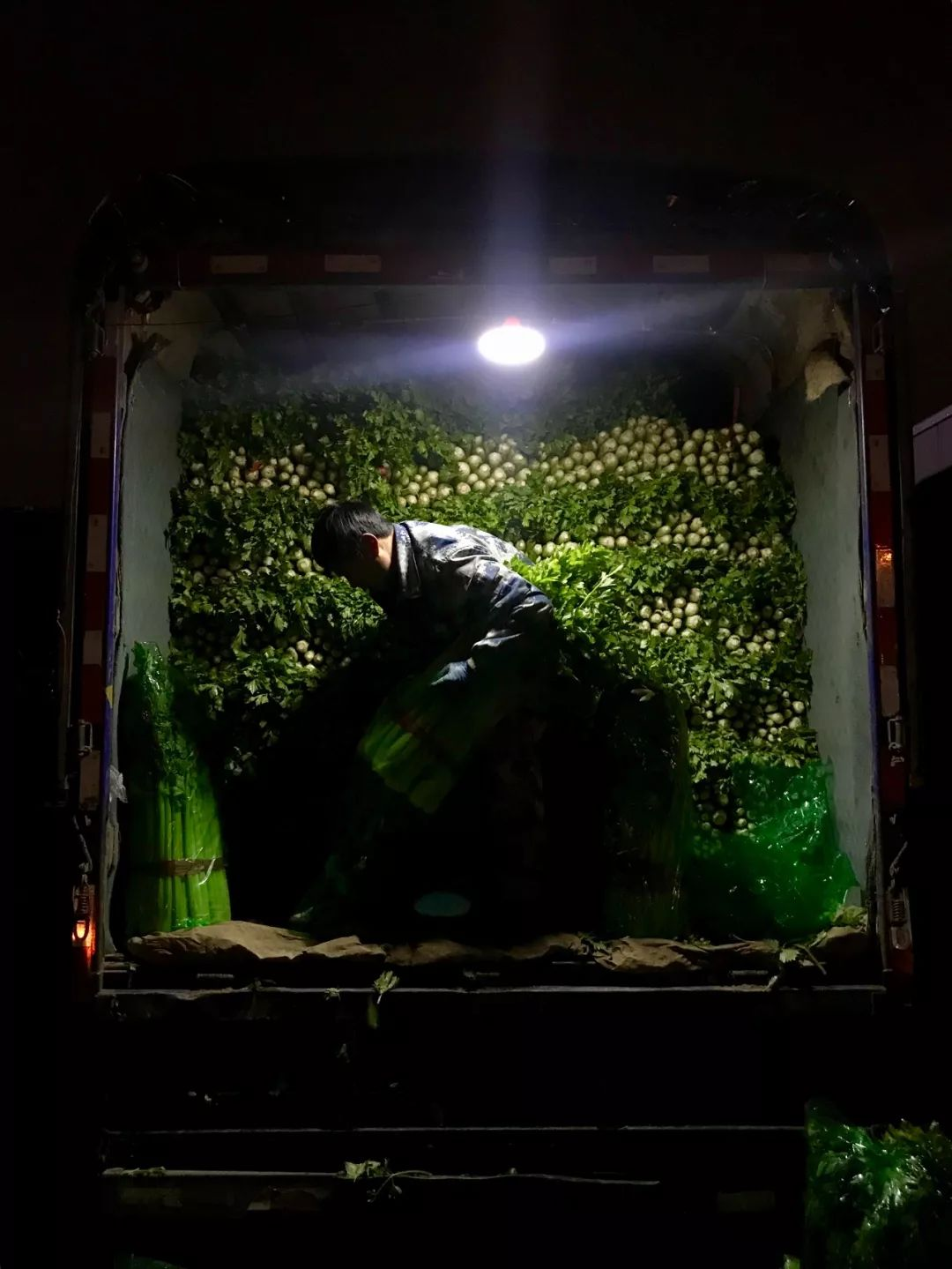
Consequently, the vegetables consumers buy from markets, supermarkets, and e-commerce sites in large cities have likely passed through four or five different hands. During this process, products from different producers are inevitably mixed or repackaged for sale; middlemen involved in vegetable procurement typically buy from dozens of different farms, mix the produce together, and then distribute it through various channels.
Vegetables from a small stall may well come from dozens of different smallholders. The QR code on a supermarket shelf might tell you which production base the vegetables come from, but it is rare to find information on which specific producer grew them.
The new regulations actually recognise the difficulty of tracing products back to small-scale farmers. During pilot phases a few years ago, there was a strong push for family farms to issue compliance certificates, but the results were likely poor. Consequently, in this formal legislation, they have simply been excluded; certificates are now only required from two types of production entities: agricultural production enterprises and professional peasant cooperatives.
Since tracing back to small-scale farmers is so difficult, the new consultation draft decides to shift the burden onto the buyers: “Units and individuals engaged in the on-site procurement of agricultural products must not only check the compliance certificates issued by the producer during procurement, but if the products are repackaged or mixed after procurement, they must issue a new commitment-to-standard compliance certificate.” The basis for issuing these certificates remains the same three criteria: “quality and safety controls meet requirements”, “passed self-testing”, or “passed commissioned testing”.
In other words, for traders who go into the countryside to buy from small-scale farmers to operate legally, they would likely need to carry testing equipment with them and test as they buy. Even if these traders “go to great pains” to test and issue certificates, a certificate issued after mixing batches can only prove who the buyer was—it cannot prove who actually produced every bunch of vegetables.
So, how much does a compliance certificate actually contribute to traceability?
Although certificates of conformity provide little value for traceability, they act as a significant deterrent for middlemen. Article 23 of the latest draft for consultation stipulates that agricultural products accompanied by a ‘guarantee of compliance certificate’ which are found during spot checks to contain banned pesticides or veterinary drugs, discontinued veterinary drugs, illegal additives, or residues exceeding permitted limits, shall be heavily penalised.
The regulation further adds that those who can ‘truthfully disclose their source of purchase or procurement’ may be exempt from penalty. However, for traders who spend their days scouring the fields, distinguishing which vegetable belongs to which farm is virtually impossible. Are farmers expected to leave a thumbprint on every single cabbage in the future?
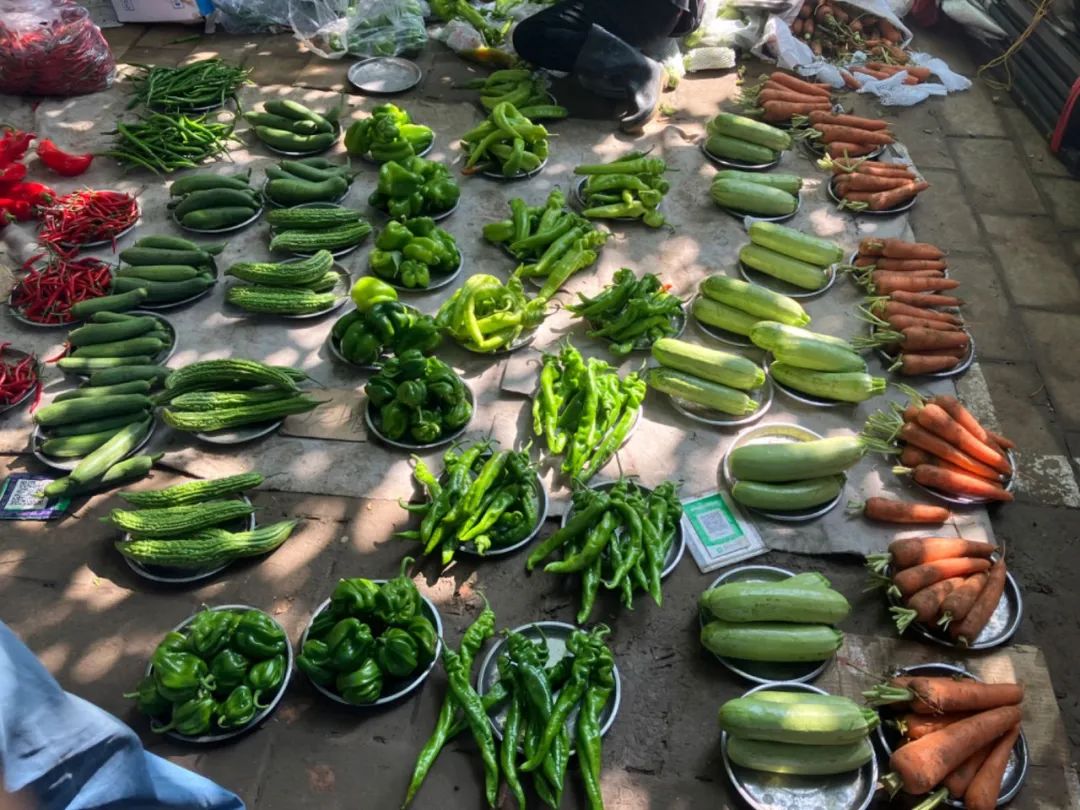
In practical terms, these middlemen, who spend their lives buying produce from smallholders at the farm gate, are under no obligation to act as government regulators, nor can they possibly guarantee the safety of the crops.
If the ultimate aim of these fines is to improve agricultural production, the pressure simply does not trickle down to the producers, making it nearly impossible to curb the overuse of pesticides at the source.
III. Smallholders and Vendors: An Unavoidable Reality
Nevertheless, reality has not deterred policymakers from their vision of “efficient, traceable” systems; they seem unwilling to consider whether such a vision can actually be realised on the ground.
Food safety experts often argue that the prevalence of “small-scale producers” is a primary hurdle for China’s food safety management—as if eradicating smallholders and traditional markets in favour of industrial farms and supermarkets would suddenly make everything manageable. Despite being proven wrong year after year, this mindset persists.
After all, to some, if a Health Code could compel over a billion people to open their mouths for daily swabs, surely “tagging” a motionless vegetable couldn’t be any harder?
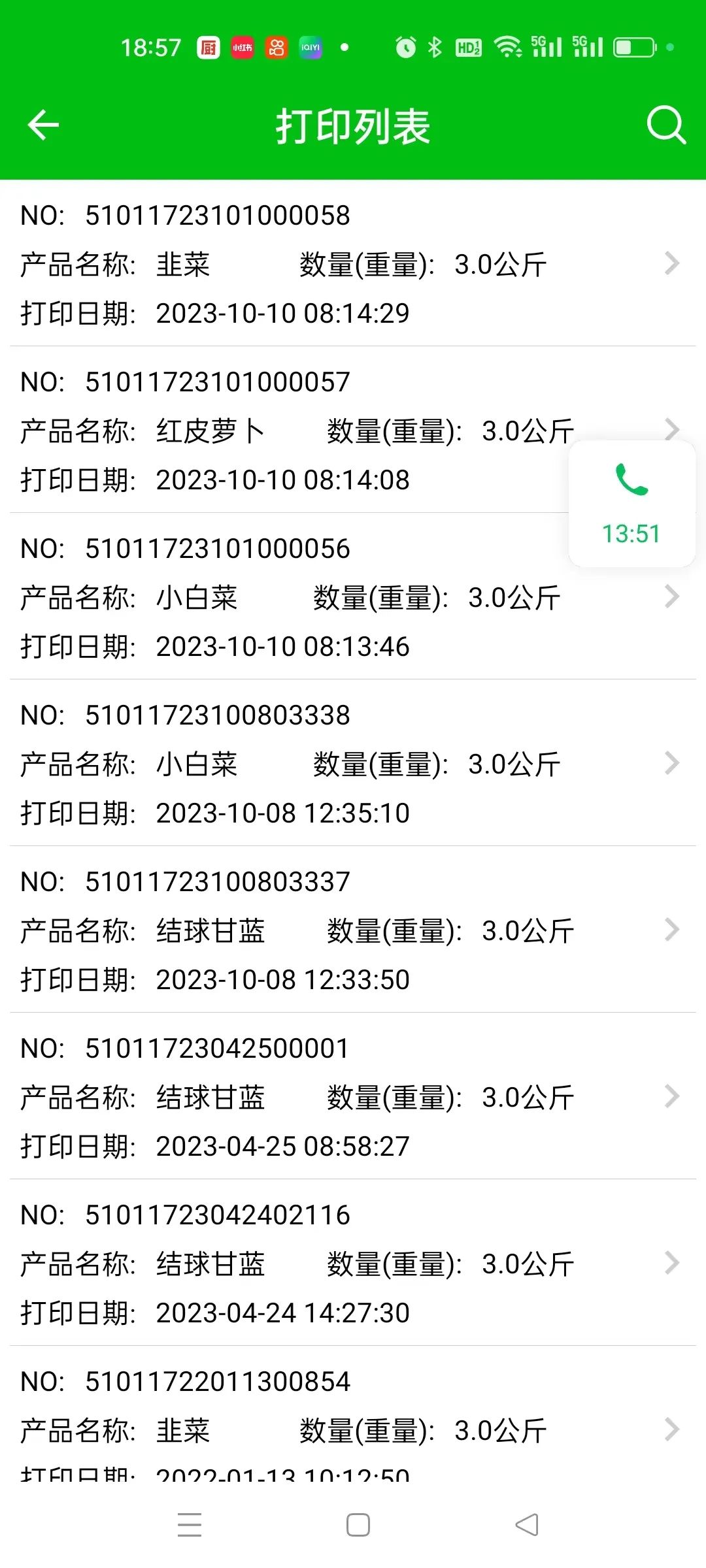
Without smallholders, who will till these fragmented plots of land? Without a multitude of small intermediaries, who will serve these dispersed farmers? Without them, can China’s food supply still be guaranteed? We might solve the issue of food safety, only to create a crisis of food security.
A more likely reality is that as the system relies increasingly on “test reports” and “management protocols” to regulate produce safety, the market will be dominated by companies capable of navigating the bureaucracy and issuing the necessary paperwork. Smallholders and small-scale intermediaries will be forced to either become dependent on these entities or be sidelined, eventually phased out of the formal market altogether.
Online fresh-food platforms operate on this very logic, leveraging their scale and distribution networks to rapidly capture the market. Yet, despite appearing “more professional”, these e-commerce giants are still unable to guarantee food safety—as evidenced by the frequent reports of produce exceeding safety limits.
IV. Rather than obsessing over minutiae, it is time to rethink the regulatory approach
Yasuda later compiled his doctoral research on China’s food safety governance into a book titled *On Feeding the Mass*. He argues that a fundamental conflict exists in the formulation of food safety policy: should limited resources be concentrated on a few model examples, or distributed among all small-scale producers?
Today, the human and material resources the government can deploy far exceed what was available then. In some regions, ‘grid managers’ have even been appointed at the township level to oversee the quality and safety of agricultural products. Yet the problem remains the same: do we want to maintain a system that merely *appears* to function perfectly—where every regulation is executed on paper, while gradually pushing certain people to the fringes until they vanish from the regulators’ sight? Or should we formulate more practical policies tailored to dispersed smallholders and street vendors to raise the baseline of food safety for everyone?
Take pesticide and drug residues—the primary focus of the new certification regulations—as an example. Beyond stricter management and penalties, consider the pork slaughter and quarantine system. Despite being in place for years, has any training been provided to teach farmers how to use medication safely and reduce their reliance on it? Have farmers been trained on how to keep plants healthy by improving soil and environmental conditions, thereby reducing the need for chemicals at the source? In various training sessions for farmers, e-commerce livestreaming and sales tactics are touted to the heavens, and promoters of chemical fertilisers and pesticides hold daily touring lectures. But who actually cares about reducing the use of drugs?
Looking at it from another angle: could the informal market—long looked down upon for being ‘unlicensed’—offer some insights into the complex challenges of food safety governance?
Although pork slaughter and quarantine systems have been implemented in China for many years, unlicensed slaughtering persists in the countryside, with meat sold through the most ‘primitive’ informal channels: among neighbours, door-to-door, or at village fairs.
In small workshops in a culinary hub of Guangdong, beef slaughtered in the morning is processed into the region’s famous beef balls within two hours. Although these workshops lack the various government-mandated licences for slaughter and production, locals do not reject this delicacy simply because it is unlicensed.

Surely this kind of organic, mutual trust is far more reliable than relying on a certificate? Should local governments not also employ their own “local wisdom” to encourage trust-based, short-chain supply models across production, processing, sales, and consumption?
At the very least, this would be far more effective than an invalid certificate of conformity, preventing a culture of self-deception where “paper trails” are obsessively maintained—whether via paper ledgers, spreadsheets, mini-programs, or apps—or where people are driven to falsify records.
Finally, please note that the *Administrative Measures for Agricultural Product Quality and Safety Commitment Conformity Certificates (Draft for Public Comment)* will cease accepting feedback on 27 November. We encourage you to make your voice heard through official channels in these final few hours, or share your suggestions for the Ministry of Agriculture and Rural Affairs in the comments section.
Whole-process people’s democracy begins with each and every one of us.
How to submit your feedback
2. Log on to the Ministry of Agriculture and Rural Affairs website (URL: www.moa.gov.cn), go to the “Interaction” tab and select “Solicitation of Opinions”, then click “Notice of the Ministry of Agriculture and Rural Affairs on Public Solicitation of Opinions on the ‘Administrative Measures for Agricultural Product Quality and Safety Commitment Conformity Certificates (Draft for Public Comment)'” to submit your views.
3. Email: [email protected]
4. Mailing address: Supervision Division, Department of Agricultural Product Quality and Safety Supervision, Ministry of Agriculture and Rural Affairs, No. 11 Nongzhanguan Nanli, Chaoyang District, Beijing, Postcode: 100125
The deadline for feedback is 27 November 2023.
To read the full draft for comment, please click the link to the original text here.
References
https://www.moa.gov.cn/govpublic/ncpzlaq/202310/t20231027_6439161.htm
Hema Exceeds Limits Again! Consumer-tested green beans show excessive levels of Chlorpyrifos, a high-risk restricted pesticide
https://mp.weixin.qq.com/s/cDVYbjh9NlL87IGT_oPLKw
Update on Chlorpyrifos exceedance in celery: Market Supervision Bureaus in two affected areas refuse to file cases
https://mp.weixin.qq.com/s/uqO-xpnugzcBHhByloz12A
Newly revised Agricultural Product Quality and Safety Law passed by vote; Legislative Affairs Commission of the NPC answers reporters’ questions