
Caught Between Agronomy and Agriculture: Growing Amid Uncertainty
A Note from Foodthink
These rich and engaging stories come from the seventh edition of Foodthink’s “Eat Something Good” reader submissions, featuring life experiences shared by four agricultural science students.
For a long time, the only image that came to mind for many people when they thought of agricultural science students was of them working in the fields. But starting last year, this stereotype was shattered, replaced by widespread praise for the vitality of these students. The students themselves have been more than willing to show off their gorgeous crops, generously sharing photos of everything from rice and wheat to melons, pears, and peaches, all nurtured with great effort.
However, some serious questions have consistently taken centre stage in their minds: Why did they choose agricultural science in the first place? Why is there such a disconnect between the agricultural science taught at university and real-world farming? What are the career prospects for agricultural science graduates? How is the pay? Do companies actually need the technologies they are researching?
All four contributors are either recent graduates or soon to graduate, so they naturally have plenty to reflect on these issues. While describing the details of their studies and fieldwork, they invariably radiate passion and energy; yet when discussing their career prospects, a tinge of hesitation and uncertainty creeps in. The contrast is striking. It’s hard not to wonder: will there eventually be a social framework or industrial structure in place that allows the passion for nature and crops they cultivated at university to continue into their post-graduation lives, fueling real-world land management and agricultural development?
This question goes beyond what they can answer. Moreover, as they pointed out, there are still scholars and teams who remain dedicated to research on the front lines out of a deep commitment to agriculture and rural areas, and they are doing a better job than we can. But the very life trajectories of these four agricultural science students are part of the answer themselves.
1. @草莓: A Northern Girl Who Went South to Grow Sugarcane
I am currently a third-year master’s student in agricultural science. I studied landscape architecture for my undergraduate degree. Originally, I switched tracks for my postgraduate studies because it was notoriously difficult to progress to a master’s in landscape architecture. Many of my peers decided to take the entrance exams for agricultural science instead, so I followed the crowd. My chosen supervisor specialised in sugarcane research, so upon arriving here, I started learning how to grow sugarcane. Before that, I had never even seen a stalk of sugarcane.
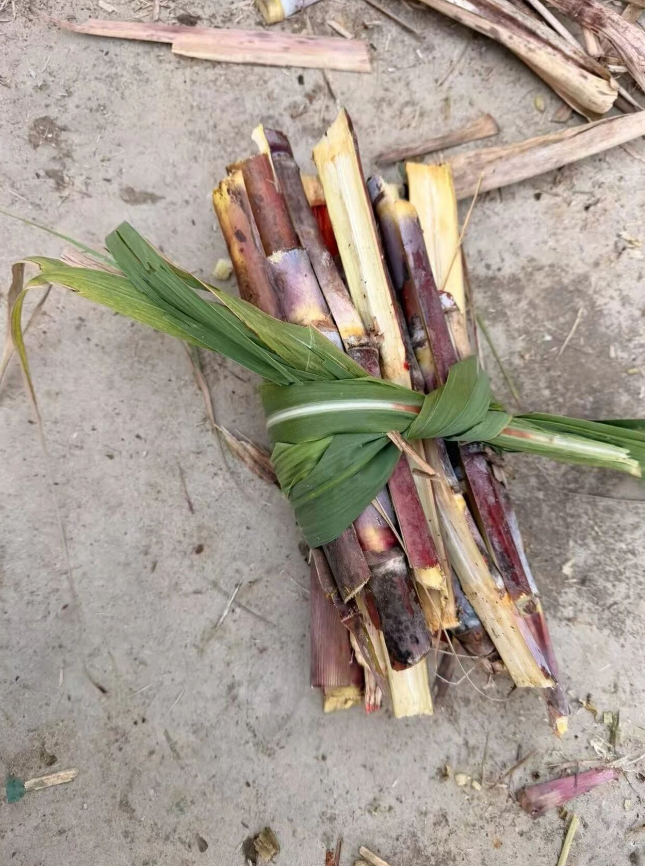
Growing sugarcane has been nothing short of an obstacle course, fraught with unexpected mishaps and frantic scrambling. It has also taught me that while agricultural labour may seem monotonous and dull on the surface, it is actually complex and ever-changing.
I still remember September of my first year as a master’s student. Our group of three was suddenly called upon to prop up fallen sugarcane. A typhoon that year had flattened the entire crop. I was utterly stunned by the sight, but there was no time to dwell on it; I immediately joined everyone else in shovelling soil to reinforce the roots. From that moment on, completely unprepared, I officially began my journey into agricultural science.
Because the university has limited field space, the senior students grew their crops in large open fields, while our sugarcane had to be grown in buckets. I remember my group of three, along with the junior students, digging soil for 300 buckets over just two days. To improve the soil quality, the dug earth had to be spread out to dry in the sun and then crushed. We spent a full two days hammering away at the hardened clumps and stones inside.
There are also situations that you simply cannot anticipate without hands-on experience. For instance, if the ground is uneven, the sugarcane will grow leaning in the same direction as the tilted bucket. It can grow up to two metres tall and is easily snapped by typhoon winds. To save our experimental samples, we devised ways to tie the stalks upright using bamboo poles.
The most tedious task, however, was watering the sugarcane every single day. The plot where we planted our sugarcane was a depression, sitting 60 to 70 cm lower than the surrounding flat ground. When the plants were small at the beginning, it was fine. But as they grew tall with large leaves, the canopy became so dense that you couldn’t see the sky, and the undergrowth was stifling. Worse still, there were snakes and rats in the plot, so every time I had to go down there, I was terrified.
The weather down south is quite hot. Students at the same level in our research group took turns watering the crops once a day, each session lasting about half an hour. Our sun-protective clothing, usually worn in two layers, would be completely soaked through. During holidays, you absolutely cannot go away. If you do, you have to find someone to water the plants and look after your precious sugarcane. If you skip watering, it will definitely skew the indicators we need to measure later when sampling.
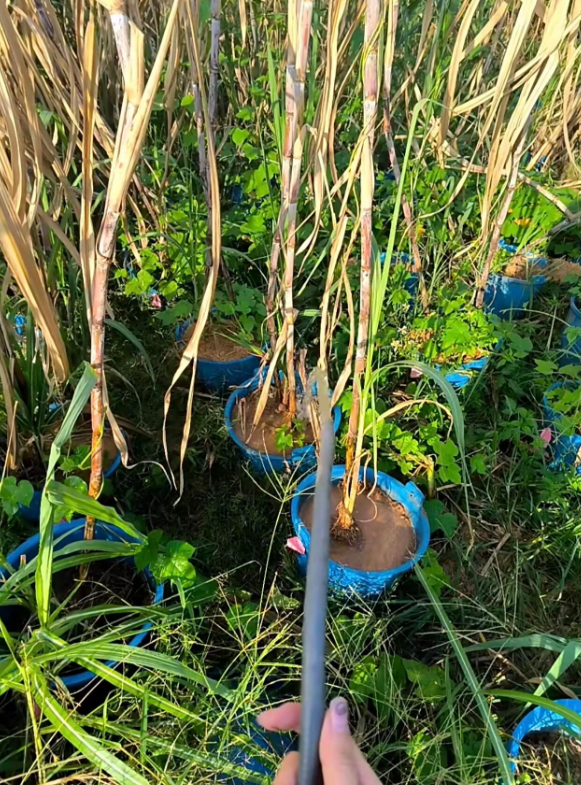
However, this experience has also fostered significant personal growth, helping me appreciate how agricultural science research can benefit real-world farming. Take the microbial fertilisers we studied, for example. They can not only boost crop yields but also stabilise soil ecosystems, reducing the damage caused by chemical fertilisers.
On a personal level, while studying agricultural science has been gruelling, the physical labour has kept me grounded and fulfilled, forging a more resilient character. I still remember the feeling of my first harvest: the sugarcane I grew was so sweet, proving that all that time spent caring for it was worth it. Indeed, the land never lies.
Now, as I near graduation, there are very few jobs on the market that truly align with my research. I am unsure whether I will continue working in the agricultural sector, but these memories and the knowledge I’ve gained are precious.
In a way, it feels as though I stumbled into the field of agricultural science by accident, rather than out of a deep passion for the discipline. Yet, over the past three years of cultivating and tending to crops, those seemingly trivial and tedious details have become etched into my body and senses. Whether there’s thunder and rain or a clear blue sky, I always seem to sense these shifts in nature more acutely than most people, or at least more than my former self, because my sugarcane is still out there in the fields.
2. @小熊: The Misunderstood Agricultural Science Student
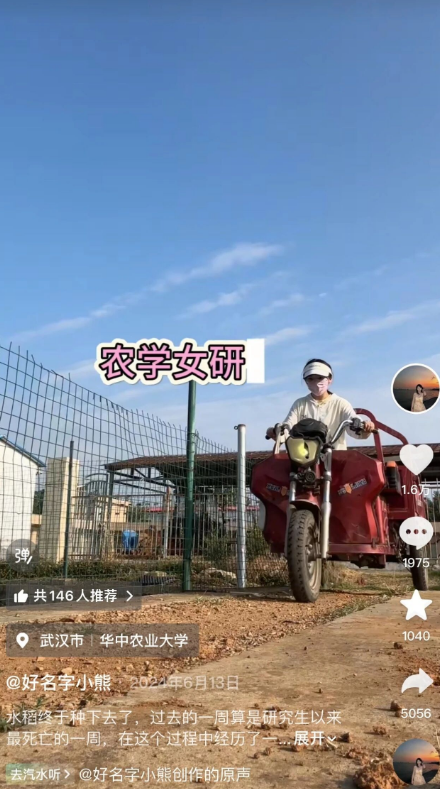
When people mention agricultural science students, they might assume we’re just out farming. In reality, agricultural science covers many branches, and the academic and lifestyle vibes of different students vary greatly.
My major is Crop Cultivation and Farming Systems, with a specific research focus on low-carbon agriculture and sustainable farming. Simply put, this involves adjusting variables such as fertiliser application rates and planting density to reduce greenhouse gas emissions during rice cultivation.
As an agricultural science student conducting field experiments, my daily routine involves a demanding combination of both mental and physical labour.
I have a plot of trial land measuring one mu (approximately 0.16 hectares). During the summer holidays when running experiments, we’d be up and ready to head to the fields by 5 a. m., just as the sky began to lighten. This wasn’t strictly an experimental requirement; rather, Wuhan is notoriously a furnace of a city, and if you couldn’t leave the paddy fields before 9 a. m., there was a high chance of suffering heatstroke.
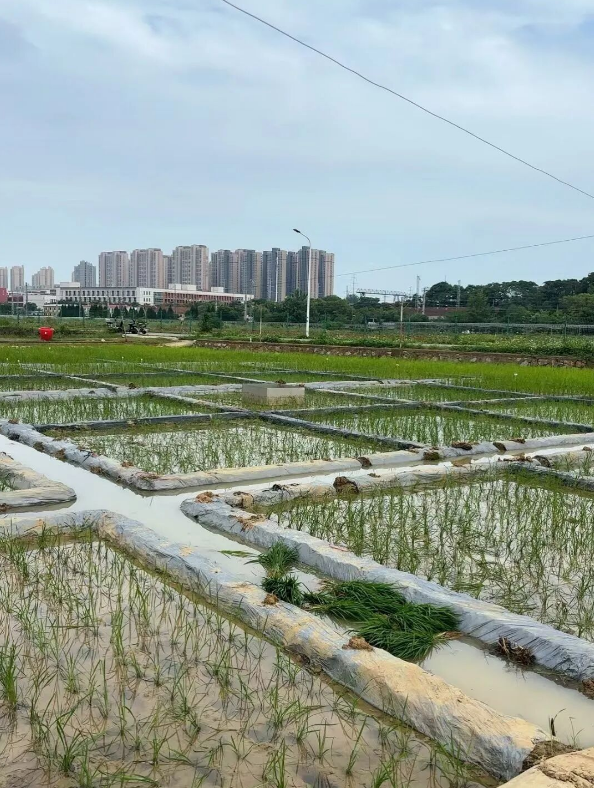
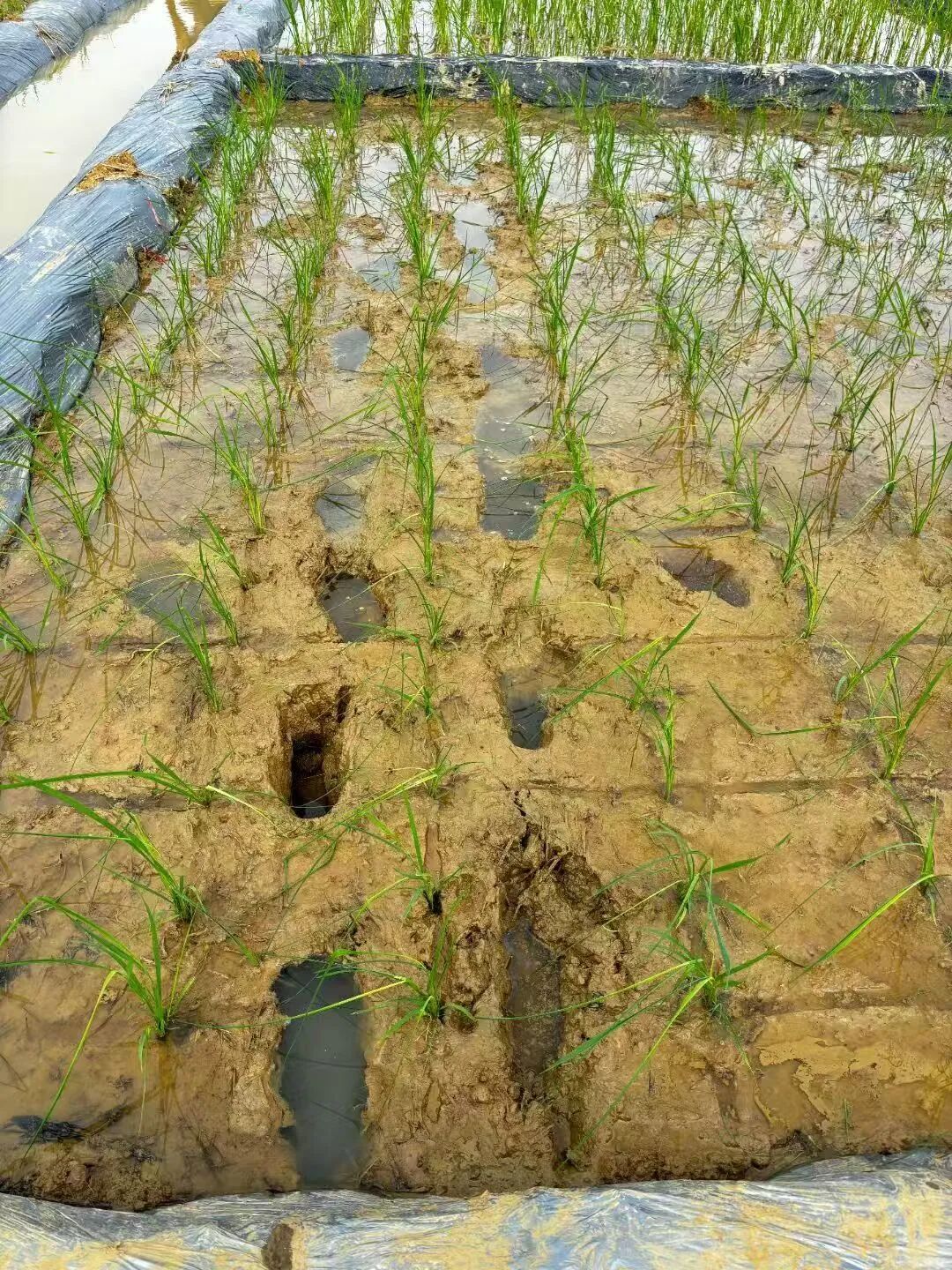
I wonder how many people have actually stepped into a paddy field. Simply walking steadily is difficult enough; waders often sink into the mud, and it’s safe to say no first-year student goes to the fields without falling over at least once. What made it even more of a headache was that my one-mu plot was divided into 24 small zones, each requiring a different fertiliser concentration, meaning I had to visit all 24 areas. While doing this physical labour, I was practically soaked through with water and sweat, yet I had to constantly remind myself not to record the wrong data or mix up samples, otherwise all that sweat would be in vain.
I remember my first time collecting soil samples on a summer evening; it took a full two hours. The sky was gradually darkening, but it remained stiflingly hot. Looking around, I realised I was completely alone. Staring at the campus buildings several kilometres away, then looking down at my mud-caked clothes, I couldn’t help but think: how did my life end up like this? But my face was plastered with sweat, so when I cried, I couldn’t tell where the perspiration ended and the tears began.
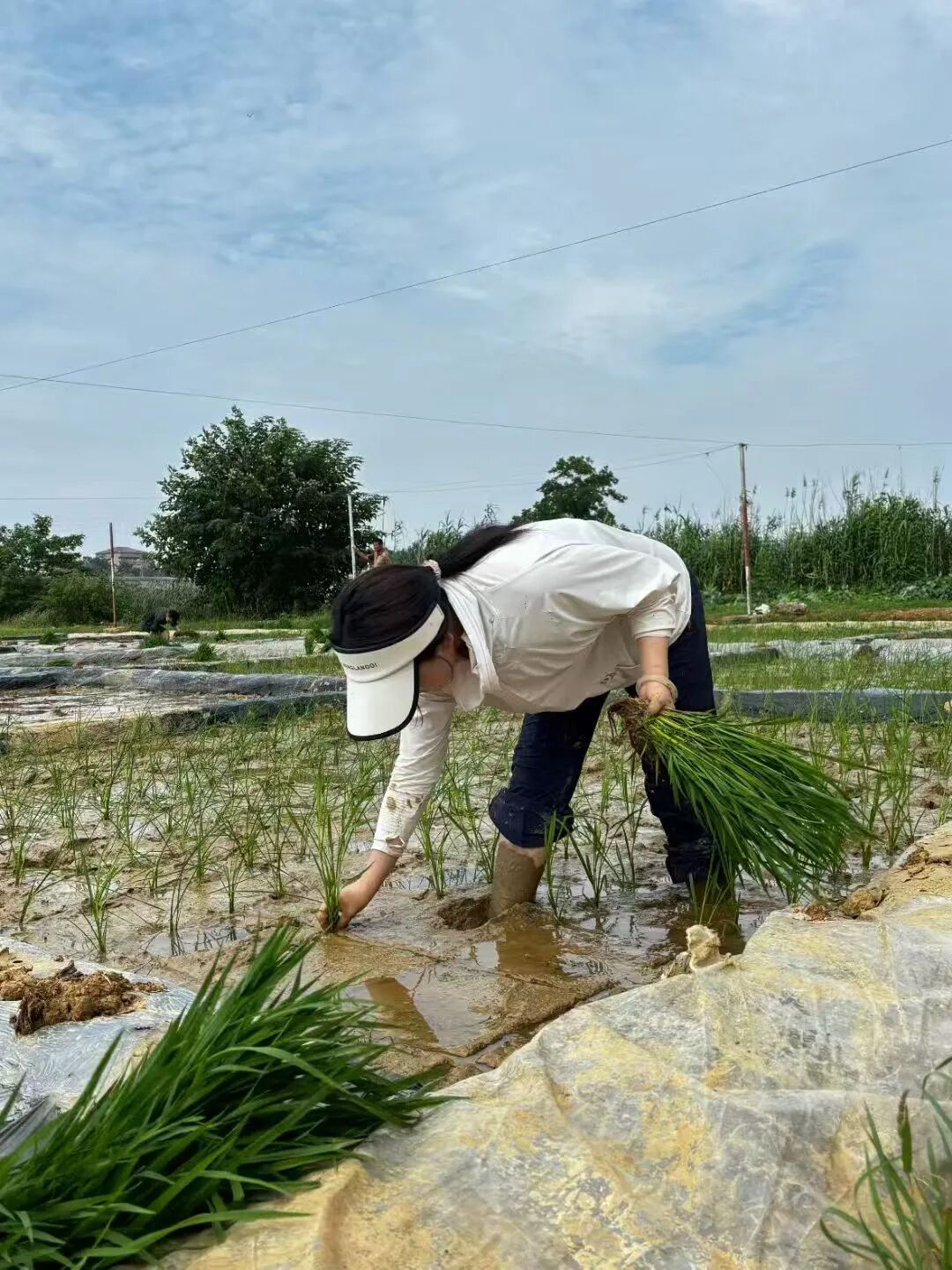
However, over time, I gradually developed an appreciation for physical labour. Physical work is incredibly straightforward. After each session in the fields, I felt a strong sense of accomplishment and satisfaction, because the results of your labour feed back to you immediately. Unlike mental work in an office or laboratory, the feedback isn’t as direct.
Sometimes, while running experiments in the fields, if the weather wasn’t overly sweltering and things were going smoothly, I’d slowly lose track of time and slip into a state of flow.
During the two months with the heaviest experimental workload, I woke up between five and six every morning. Standing in the fields watching the sun slowly rise, I felt like a rice plant myself, absorbing the essence of heaven and earth. This wasn’t merely a metaphor; it was a very visceral feeling that comes from being close to nature.
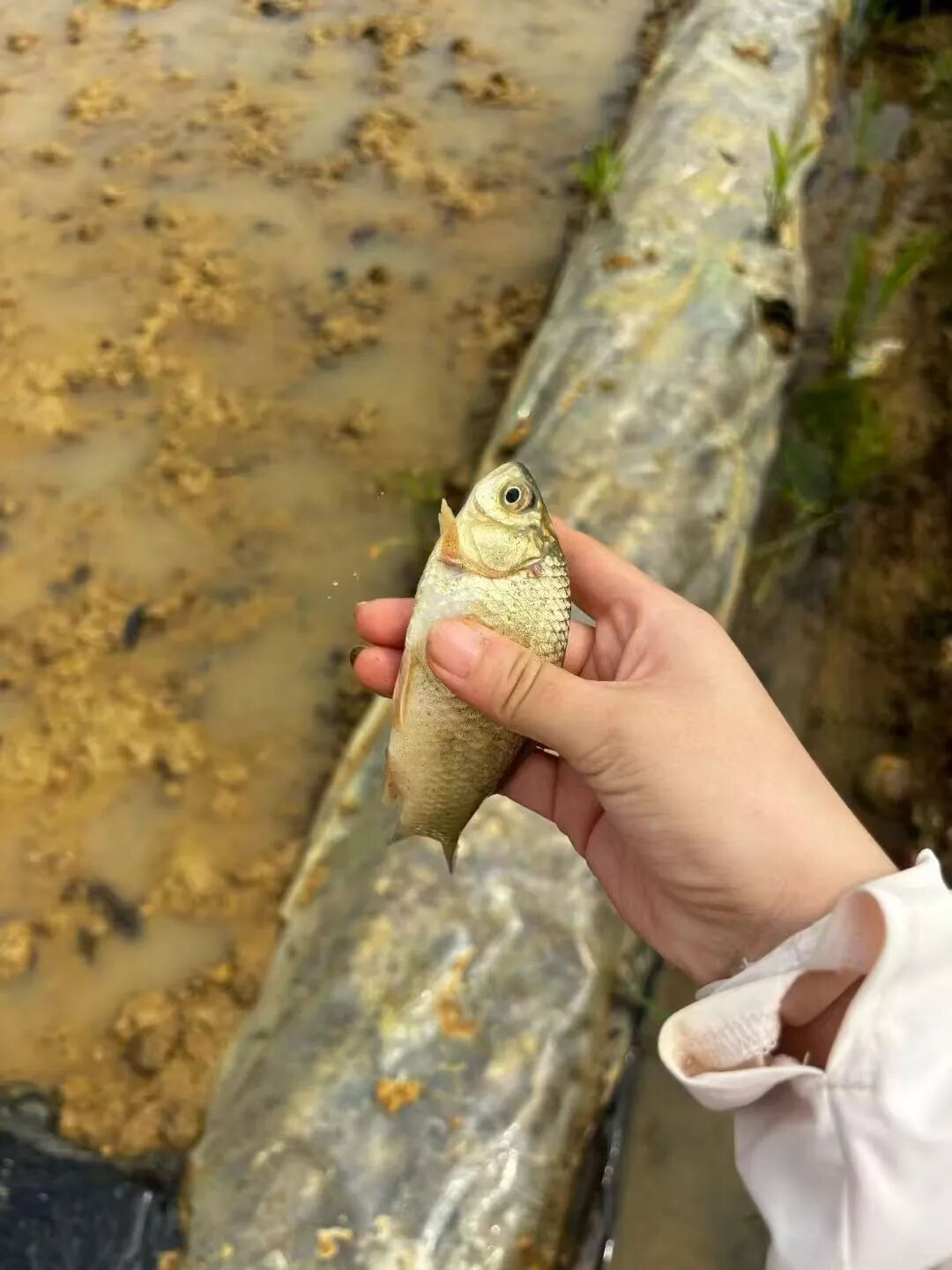
I suppose this is why so many people online find agricultural science students to look so full of energy and vitality. Moreover, while working and conducting research in the fields alongside my peers in the research group, we have formed bonds that are truly unforgettable. These are memories I know we will often look back on fondly.
However, beyond physical labour, our ultimate goal is to complete our scientific research. So, in addition to the hard graft, agricultural science students must also have a firm grasp of their trial plots. We need to know exactly how to design experiments and how to collect and analyse data—these are all essential mental tasks. That’s why I feel quite helpless whenever genuine farmers leave comments under my videos criticising my techniques for being poor or yielding low harvests. The experiment design simply dictates that I cannot apply fertiliser!
To be honest, this is quite an awkward situation. At times, while conducting field experiments, I’m also acutely aware that these skills won’t be much use in my future career, because I could never out-farm a seasoned farmer. The results of my research aim to reduce carbon emissions, offering no boost to yield at all. Even for classmates whose research is focused on increasing yield, agricultural companies are unlikely to adopt these technologies in the short term. The most jobs we’ll find in the market are still in sales, heading out to sell agricultural inputs like seeds, pesticides, and fertilisers.
Given these realities, I am firmly set on taking the civil service exams after graduation. That said, there are many agricultural science professionals, including my professors and senior students, who are deeply passionate and dedicated to the nation’s agricultural development, continuing to fight on the frontlines of research. I have great respect for them. I also hope that in the future, more enterprises and institutions will emerge, providing greater opportunities for our research directions to find practical application.
III. @yoyo: “Why study farming after going to university?”
Speaking of which, I am naturally proud and find the discipline fascinating: from a seed planted in the soil to a cup of clear tea in someone’s hands, the process is both natural and deeply cultural.
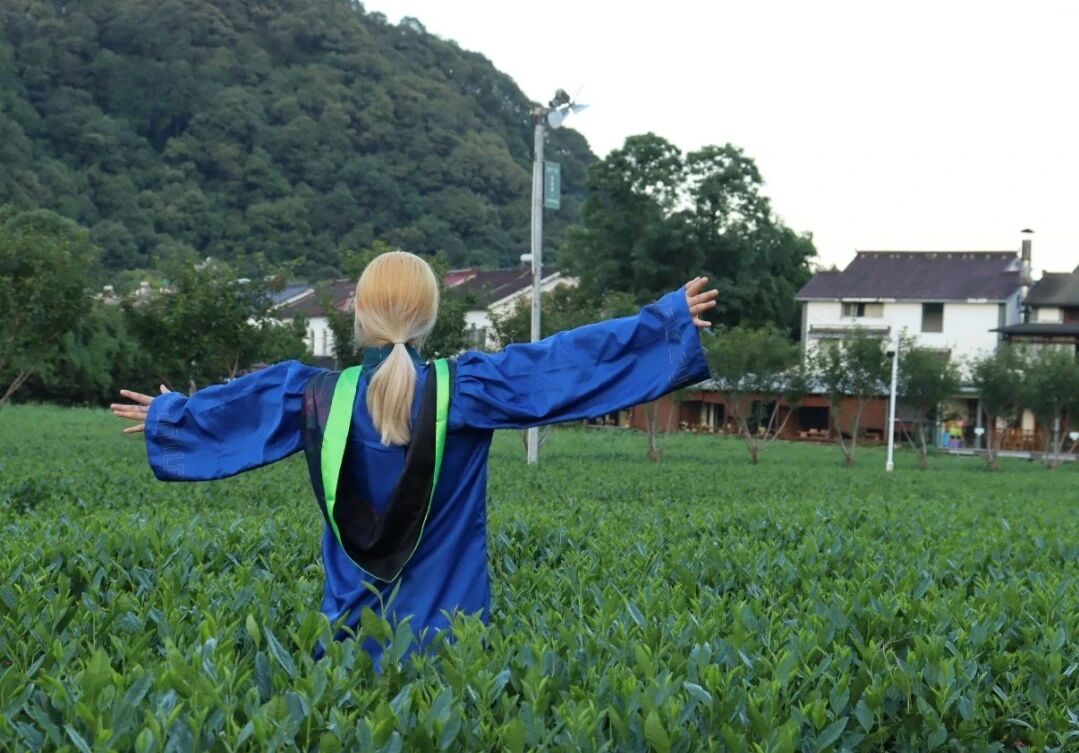
A lesser-known fact is that not every tea science student gets to plant tea trees themselves. As a perennial woody plant, it takes years for a tea tree to mature—by which time several cohorts of master’s and doctoral students have already graduated. Usually, we graduate students simply take up the baton passed down by those before us, continuing to care for and document each tree.
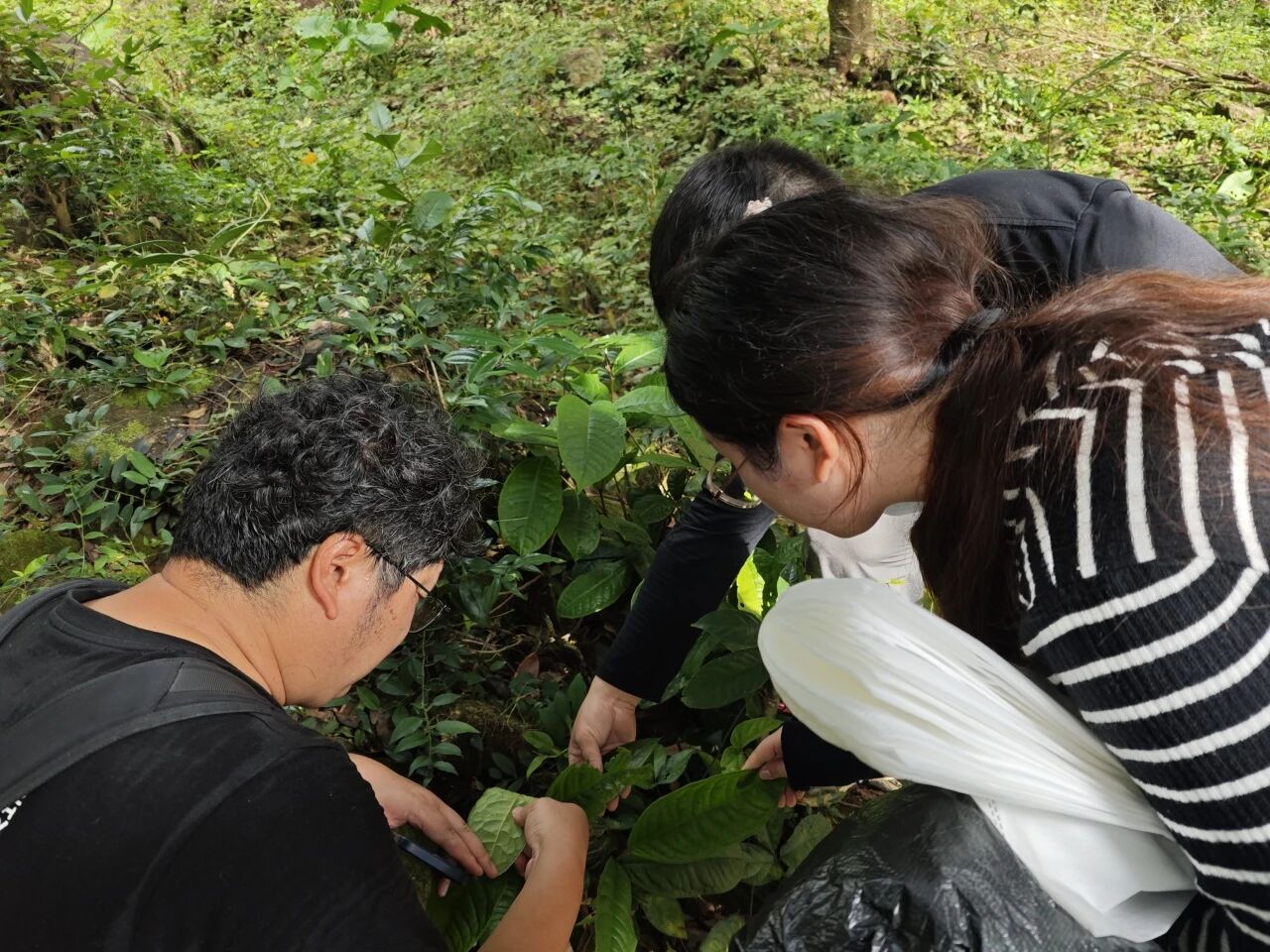
Field surveys are exhausting; our constant companions are the blazing sun, tiny insects, and the occasional snake. Yet, whenever I recall my lab mates heading into the fields together, sweating under the sun, cheering each other on, taking cheerful photos and sharing ice creams after a long day, or falling into deep sleep on the car ride back from field trips, I feel that no matter how grueling it was, these moments have become unforgettable memories. The effort is well worth it. Only by overcoming these hardships can we accurately record the data for each individual tea plant, ensuring that our subsequent analysis yields reliable results.
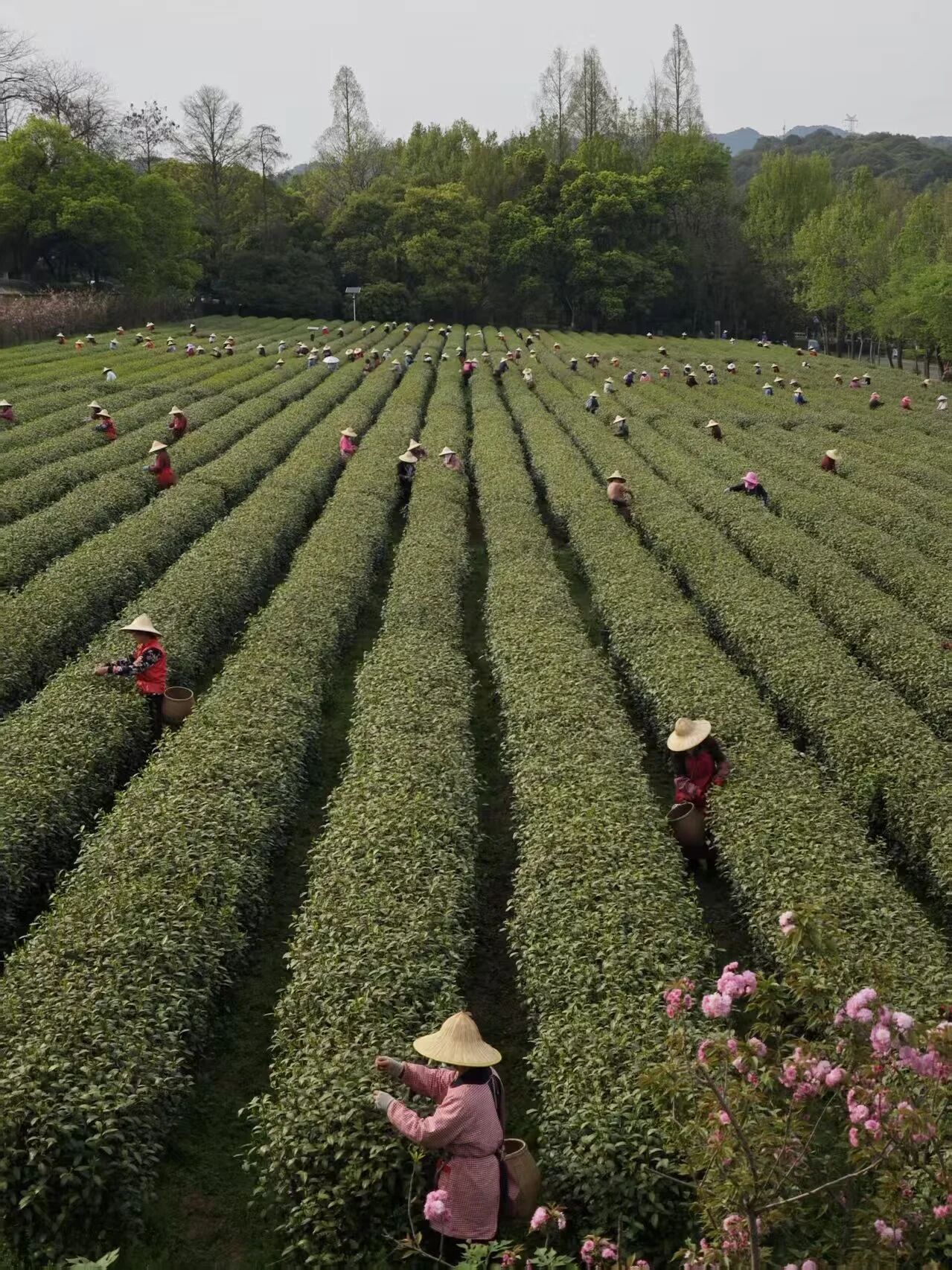
As the seasons turn and time flows on, the spring tea harvest is the busiest period for tea farmers, and consequently for our team. Almost every professor and student can be found bustling about the tea fields and processing workshops. This is when our identity as tea science students shines brightest: we personally pick and pan-fry the tea, surrounded by shades of green and the rich aroma of tea. It was during this time that I learned to pan-fry Longjing tea by hand.
These are the beautiful aspects of life as an agricultural science student. However, there was a time when I was reluctant to mention my major to others, always feeling it came off as less prestigious, and the job prospects weren’t as favourable as in other disciplines. Relatives would often question me: “Why study farming after going to university?”
That changed recently when I stumbled upon a post praising agricultural science students. The comments below were mostly variations of the viral phrase: “I don’t know, but my cotton/wheat/chicks/ducklings… are thriving.” I picked up my phone and added my own comment in the Bilibili thread: “My tea plants are thriving too.” To my surprise, it received over 2,800 likes.
Only upon feeling this external validation and appreciation for agricultural science students did I suddenly realise how profoundly seven years of this life had shaped me. Having spent most of those seven years living and working in green spaces, I now feel an instant sense of familiarity whenever I see plants or soil. I’ve even developed a keen perceptual ability, subconsciously noting the presence or absence of vegetation in my surroundings.
IV. @超博: The Disconnect Between Agricultural Science and Agriculture
I studied at a university in southern China, majoring in agricultural entomology and pest control. I graduated with my PhD last year and now work in a local agriculture and rural affairs department.
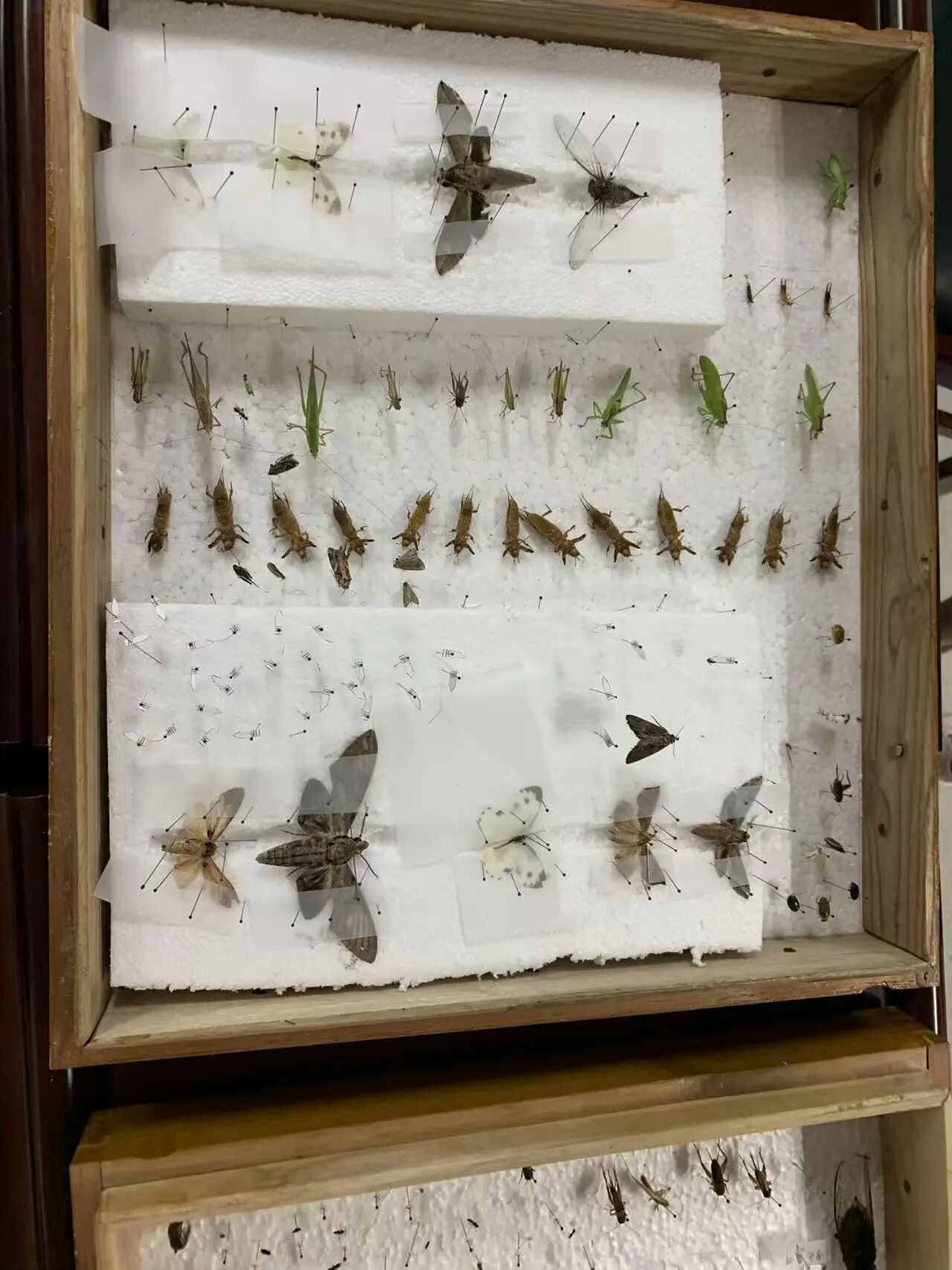
My primary research subject is the brown planthopper, a major pest of rice. A typical day in the lab involves dissecting the testes and ovaries of these tiny insects, as well as the eggs they lay inside rice stems.
As ectotherms, brown planthoppers are highly sensitive to temperature, which significantly affects their reproductive capacity. Previous studies have shown that rising temperatures drive their breeding cycles and population outbreaks. My work therefore examines how reproduction changes across different temperatures, aiming to pinpoint the key genes through which temperature influences their reproductive processes.
Relatives and friends often assume I must be an agricultural expert. They’ll ask me what’s wrong with their houseplants, how to deal with specific pests, or which chemicals to use when certain symptoms appear in the fields. Back in my hometown, I sometimes talk with the few older generations who still work the land, but most have little conceptual knowledge of pests and diseases. They rarely identify the specific issue; they just reach for the sprayer. In these cases, I honestly can’t offer much practical advice.
In reality, there is a significant disconnect between the agricultural science taught in universities and the realities of farming. Contemporary agricultural science leans heavily towards biology. The curriculum is overwhelmingly theoretical, covering topics such as the functions of various plant hormones or how to distinguish between different pest and disease symptoms. By the end of it, students are left with textbook knowledge but little intuitive, hands-on understanding.
Many younger academics are well-versed in biology but lack a grounding in farming. Conversely, some of the older professors—particularly those who conduct field-based research and spend time on farms—retain a much clearer grasp of on-the-ground conditions.
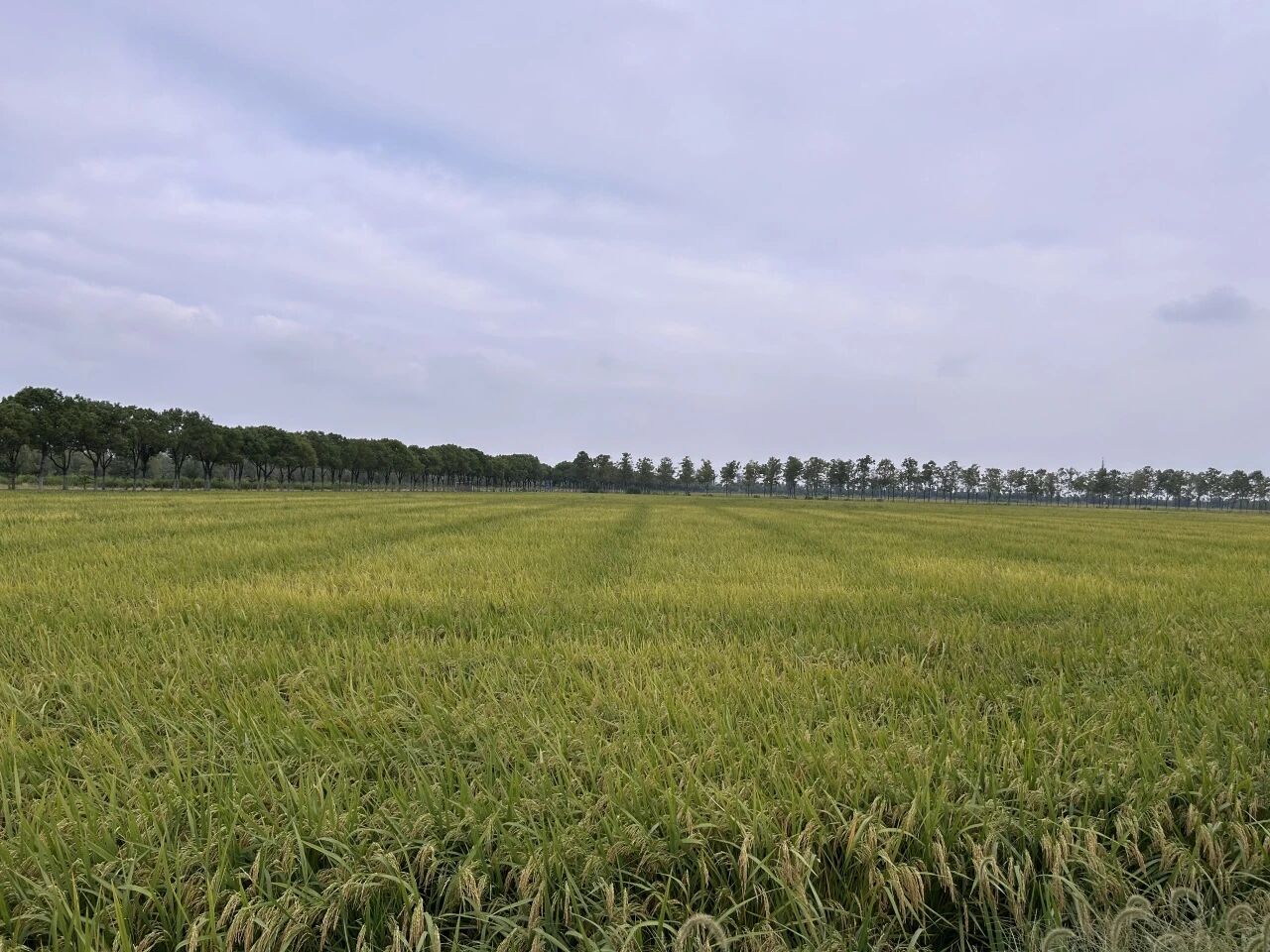
Field-based research has become a thankless endeavour: it demands significant labour, spans long durations, and yields relatively few tangible outputs. Take a study on how planting specific flowers along field bunds affects neighbouring crops, for instance. Such work typically requires several growing seasons to produce scientifically robust data. Yet a single year of drought or torrential rain can wipe out the entire dataset, rendering years of effort pointless.
By contrast, a molecular biology experiment can yield a publication in a matter of months. If a trial fails today, you can simply run it again tomorrow.
Admittedly, many cutting-edge questions do require explanation at a molecular level. However, truly valuable research should begin by observing a phenomenon in the field before dissecting it at the molecular level. The problem is that identifying novel field phenomena is incredibly difficult, and parsing them takes considerable time. Driven by the need to publish quickly, secure project completion, or graduate on schedule, most researchers opt for the safer route: switching to a different crop and continuing down the same well-trodden research path.
That said, my time as an agricultural science student has undeniably deepened my attention to and reflection on the ‘Three Rural Issues’. Previously, my relationship with food, the land, and rural communities was akin to how we relate to air and water—taken for granted and barely registered. Through studying organic farming and food safety, and increasingly engaging with the multifaceted realities of rural life in my professional work, I have gradually come to appreciate the profound importance of food and its intricate ties to agriculture.
Planning: Li Ye, Yu Yang