As extreme heat becomes the norm, these farmers choose a different way of life (Part 2)
Foodthink’s Take
Modern agricultural systems, dependent on fossil fuels, have both accelerated climate change and marginalised small-scale farmers. As farmers struggle to eke out a living under the combined pressure of natural disasters, soaring costs of agricultural inputs, and stagnant grain prices, it is time to ask: is the current agricultural system truly benefiting the farmers? What kind of life do farmers actually want?
Some non-profit organisations rooted in the countryside are working to change this reality. They hope that agriculture can become both a solution to climate change and a source of well-being for farmers, rather than a burden. The story about Home Action published by Foodthink yesterday is one such example. How can climate resilience be built for farmers through sustainable livelihoods? What is the underlying logic behind the actions of such NGOs? Let us hear from Hu Xiaoping, the head of Home Action.
Recently, heat warnings have been frequent in Sichuan, with temperatures exceeding 40°C in many places. How has this affected the villages where you work?
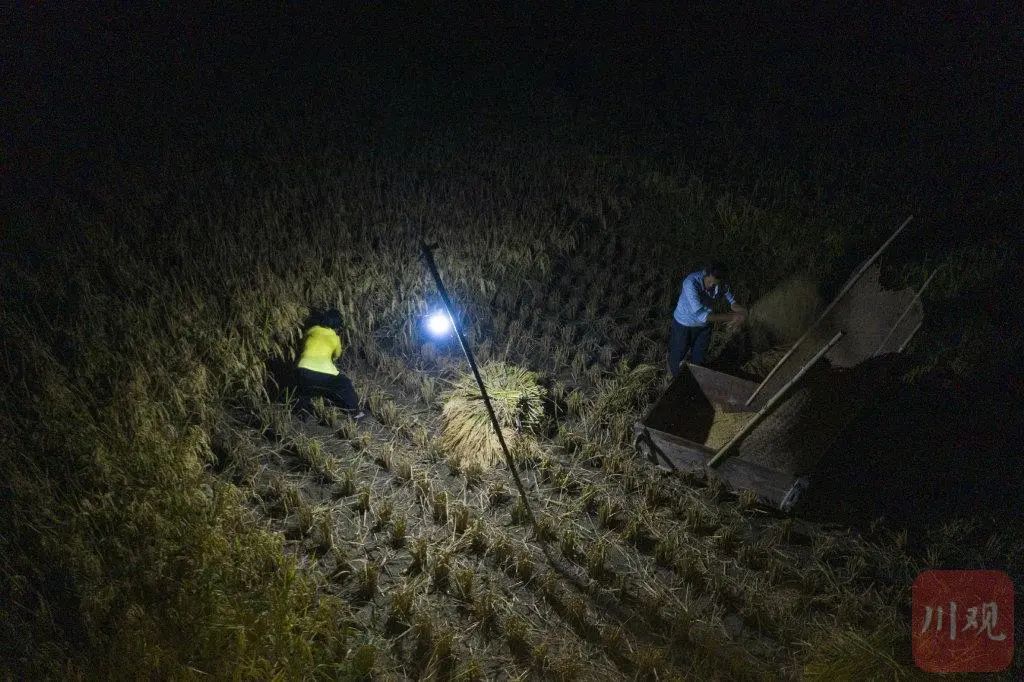
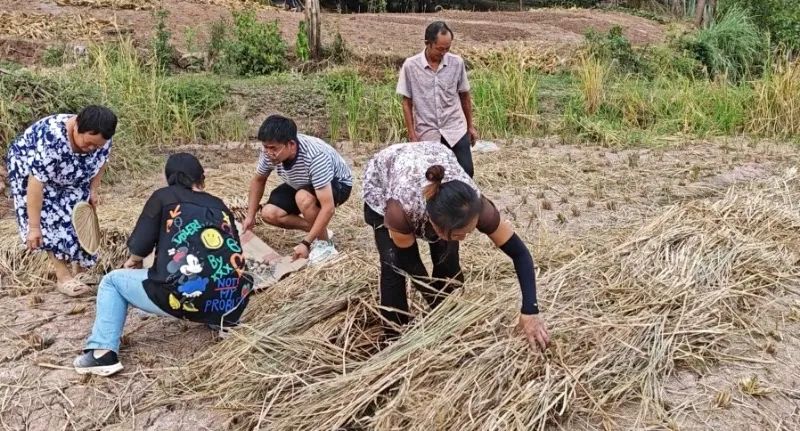
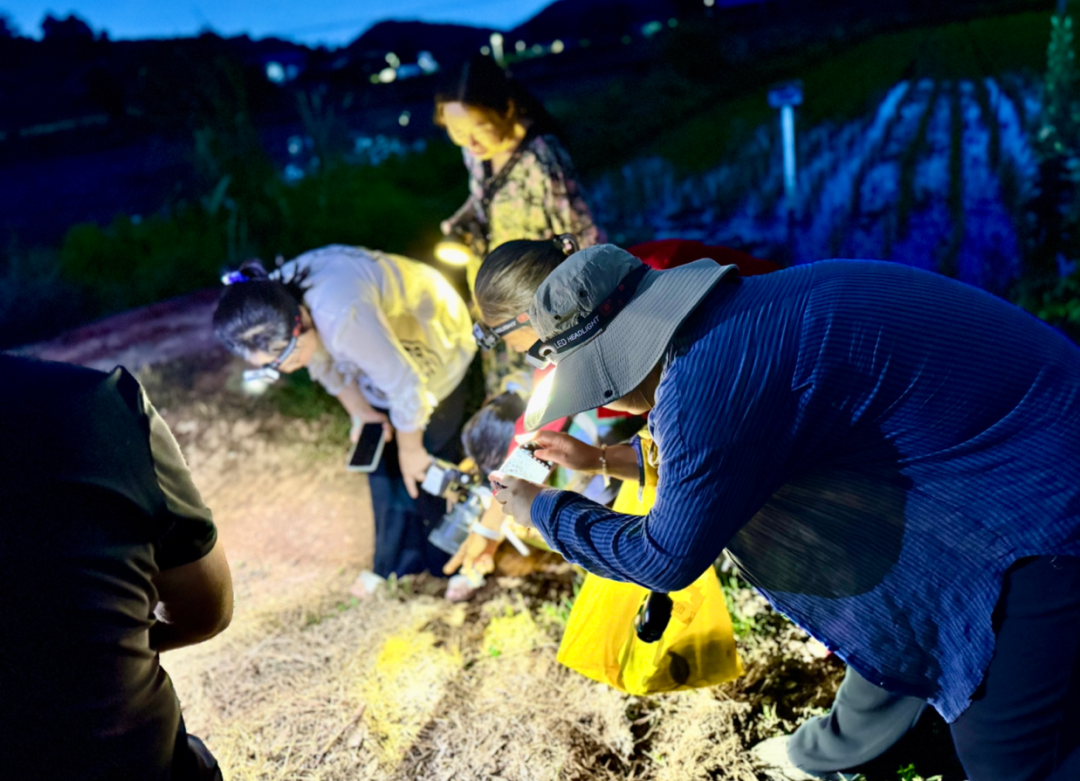
Last summer, the Jianyang and Ziyang areas also experienced prolonged periods of extreme heat, making it impossible for farmers to work in the fields during the day. However, when the rice ripened, it had to be harvested. They had no choice but to head out at 10 pm with lamps, working until five or six in the morning before returning home to sleep.
Our project village in Ya’an is a natural ‘summer retreat’ due to its unique topography; air conditioning isn’t a necessity for survival, and people even need extra layers in the mornings and evenings. Yet, recently, temperatures climbed to 36°C. While this might seem ‘tolerable’ for a place like Jianyang, which frequently tops the national temperature charts, for the local villagers in Ya’an, it was an unprecedented heat experience in their lives.
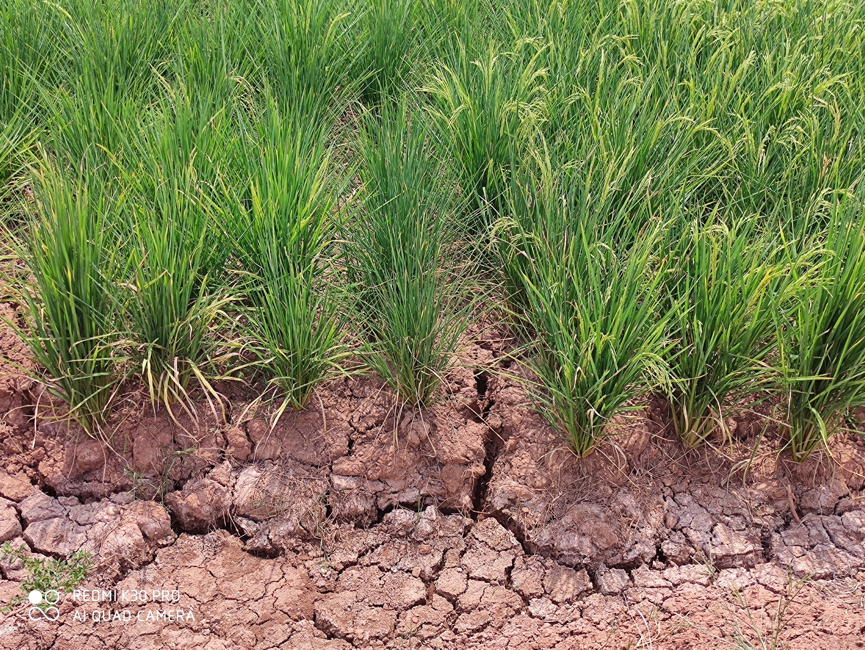
The impact of climate change on farmers’ production and livelihoods is often all-encompassing. What other ‘new normals’ in the lives of Sichuan’s farmers have you observed as a result of climate change?
Climatic anomalies are not limited to heat and drought. In March and April of this year, Sichuan suffered a severe temperature drop. There is a saying: ‘Peach blossoms in March, snow on the ground, a disaster unfolds’. Two consecutive heavy snowfalls hit the villages in Panzhihua; the large green peas (the local staple crop) had just sprouted when they were frozen to death, with nearly half of the village’s crop damaged to varying degrees. In Ya’an, frost prevented the first-flush tea (the most expensive grade) from sprouting on time. Although temperatures later warmed up, the window for the most valuable harvest had already passed, severely impacting the livelihoods of local villagers.
What can the farmers do? Have they adopted any spontaneous coping mechanisms?
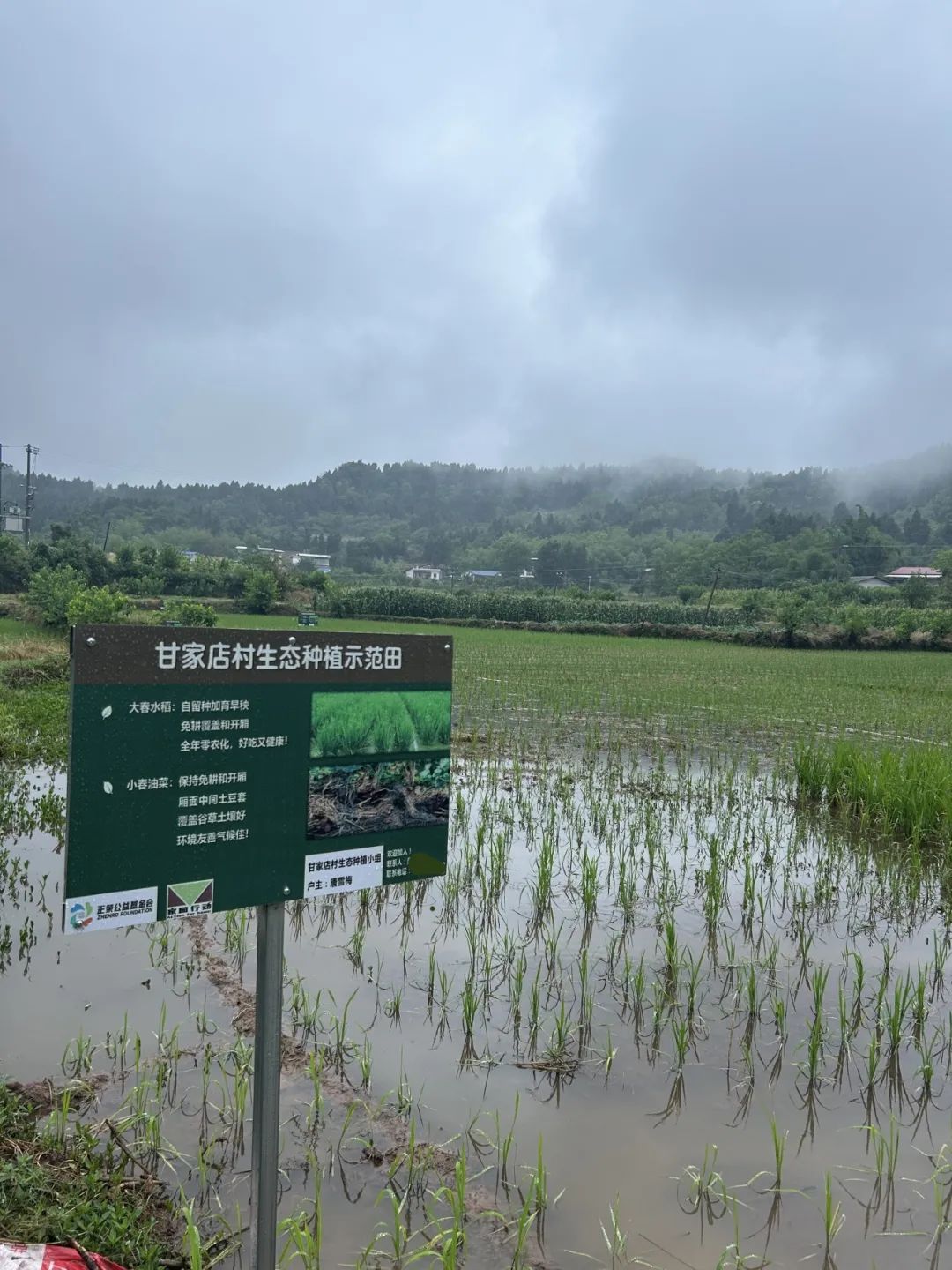
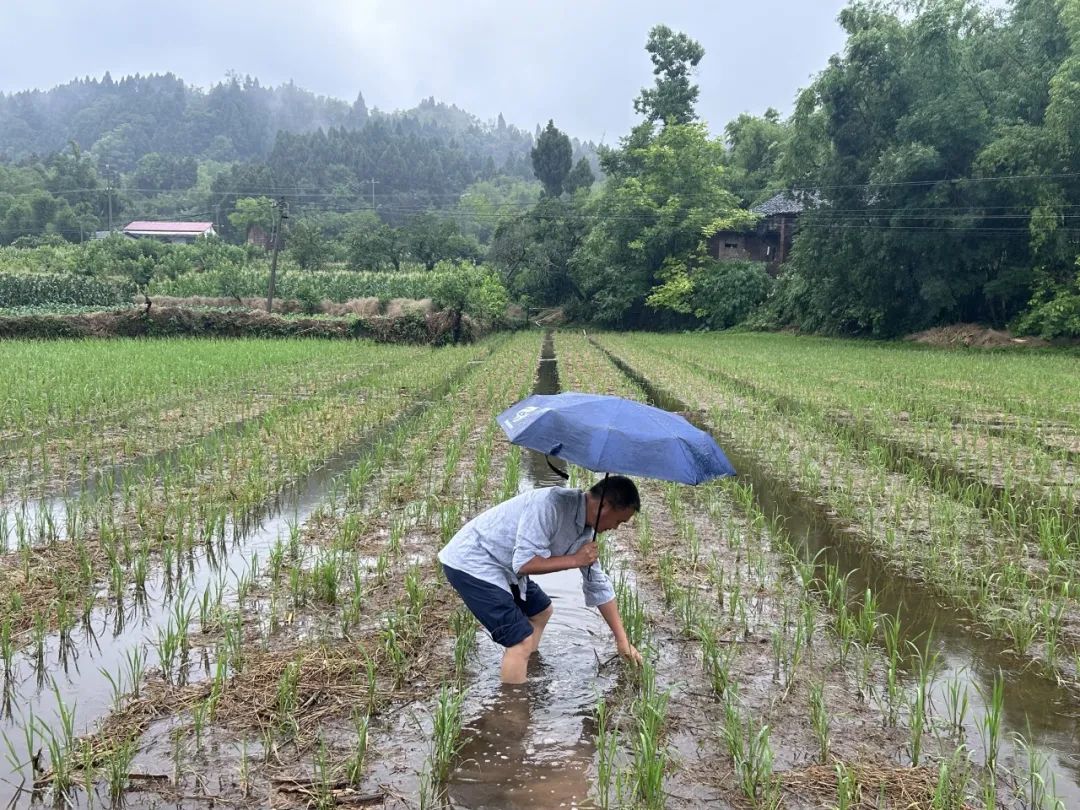
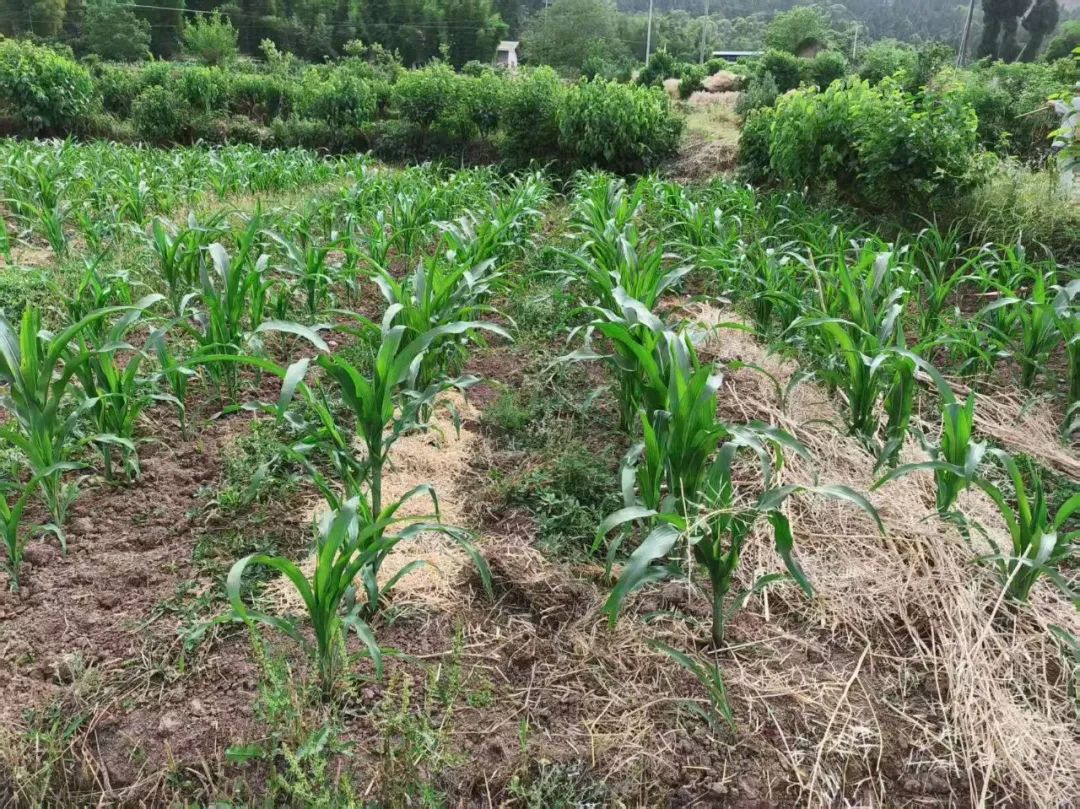
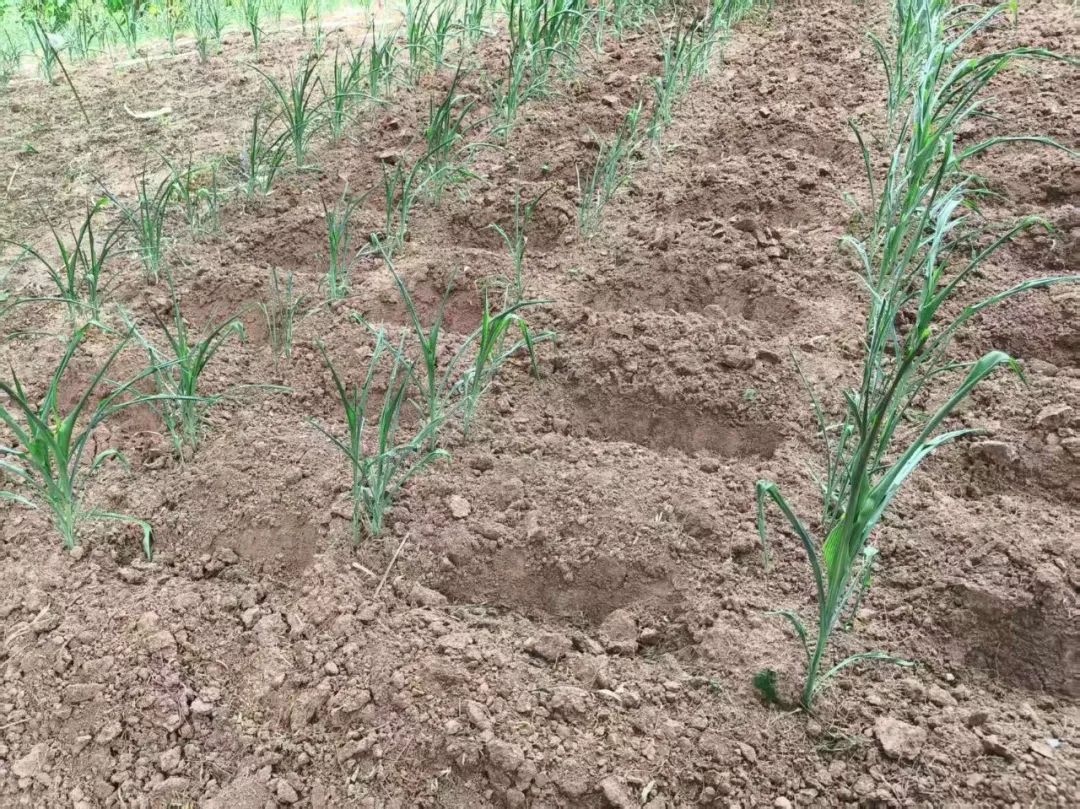
The year before last, our project in Lezhi originally planned to plant climate-friendly rice. The method primarily involved furrowing and ridging to reduce the time the rice spent submerged in water, which lowers methane emissions during cultivation—a key measure for reducing greenhouse gas emissions in agriculture. Doing so also reduces water consumption, which is particularly vital for farmers now that Sichuan is becoming increasingly arid.
It sounded ideal, and we thought we could save water, but it turned out there was simply no water at all. There was no rain for the first year; the fields were bone dry, and the rice could not be established. The land could not be left fallow, so to minimise losses, farmers rushed to plant soybeans in the paddy fields in July. I suppose that counts as a coping mechanism.
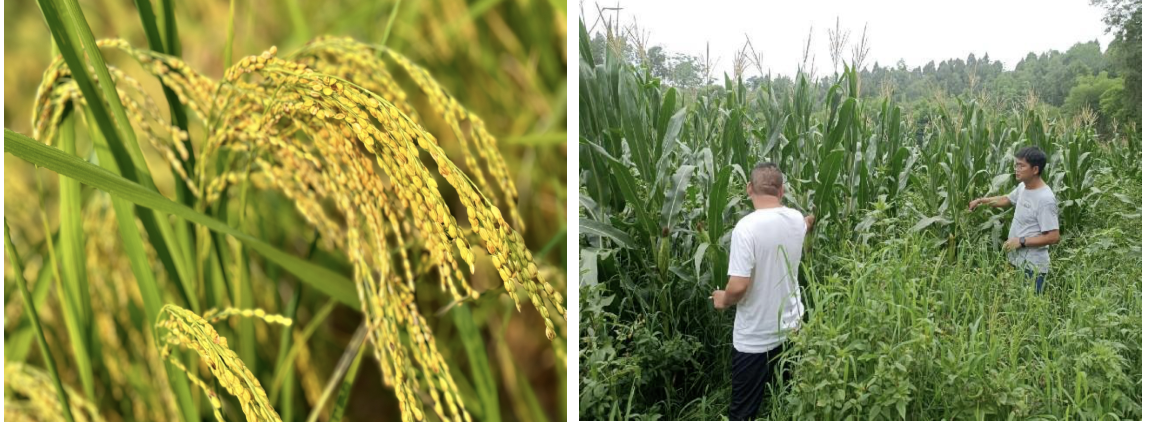
Against the backdrop of climate change, we are now paying special attention to heirloom varieties. Compared to hybrids, some old varieties have stronger adaptability and resistance, performing more stably under extreme weather. We are observing the different performances of heirloom versus hybrid varieties under the same climatic conditions across various villages to summarise our findings.
Furthermore, heirloom varieties grant farmers more autonomy. Due to its unique geography and climate, the choice of hybrid rice varieties in the Ya’an villages is very limited. A certain hybrid variety planted for over a decade suddenly became unavailable these past two years. Because local demand is small—unlike the large-scale planting in the basin areas—seed companies stopped selling it.
Farmers are then left with two choices: either try various other hybrids, or recover the heirloom varieties. The snowfall event in Panzhihua in April further demonstrates the importance of seed autonomy. When the first batch of green peas froze, they needed to be replanted immediately, and farmers rushed to the town to buy seeds. However, the stock in the town’s agricultural stores was limited, leading to an immediate shortage and skyrocketing seed prices. Those who arrived late could not buy seeds even at two or three times the price. Farmers are discovering that seeds they can save themselves, which are adapted to the local climate, are the only sustainable choice for the future.
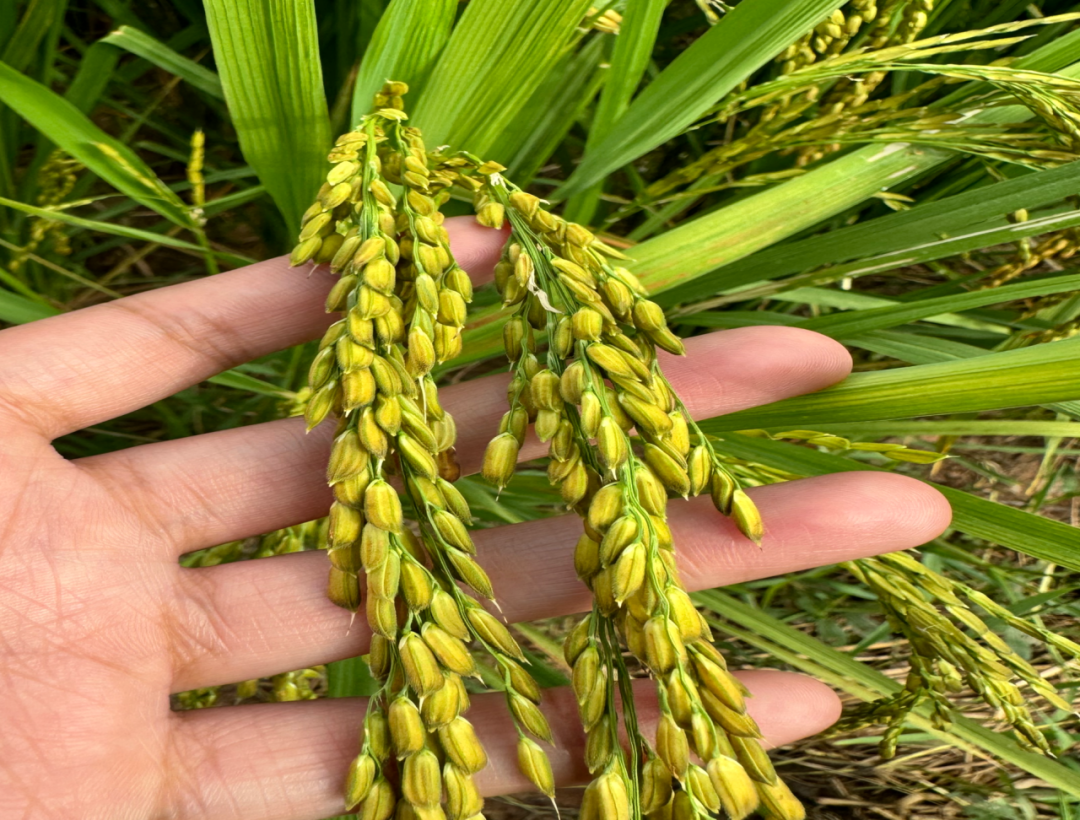
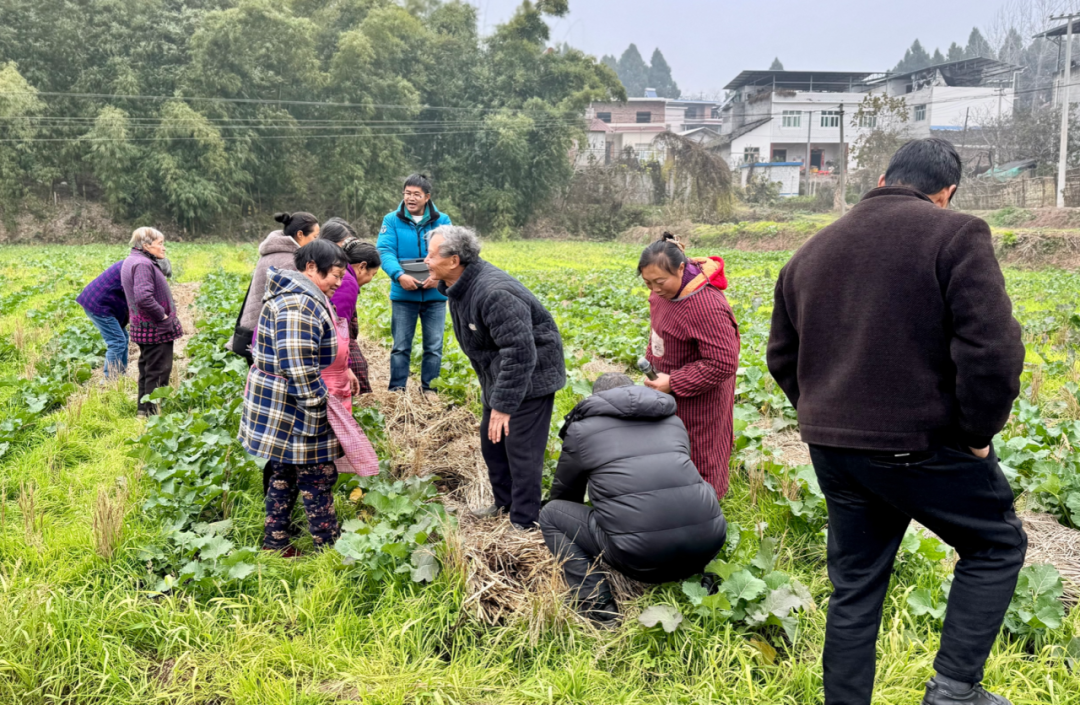
It is not just Sichuan; research shows a trend of increasing heatwaves and drought across the entire Southwest. Some farmers are starting to adopt techniques such as using heirloom seeds, composting, and diversified planting to cope with climate change by building more stable and resilient farm ecosystems. Many NGOs are helping farmers master these techniques, and Home Action is one of them. Foodthink has also been promoting the principles of agroecology. But from what you’ve seen, is this approach sufficient?
When I visited this village over a decade ago, they relied primarily on reservoirs, and wells were rare. If you did dig a well, you would hit water within a few dozen metres. At the time, the village grew cured tobacco on a large scale. To cure the leaves, vast numbers of trees were felled for fuel, which naturally destroyed the soil’s ability to conserve water. We also discussed with the villagers whether it might be possible to try and restore the vegetation.
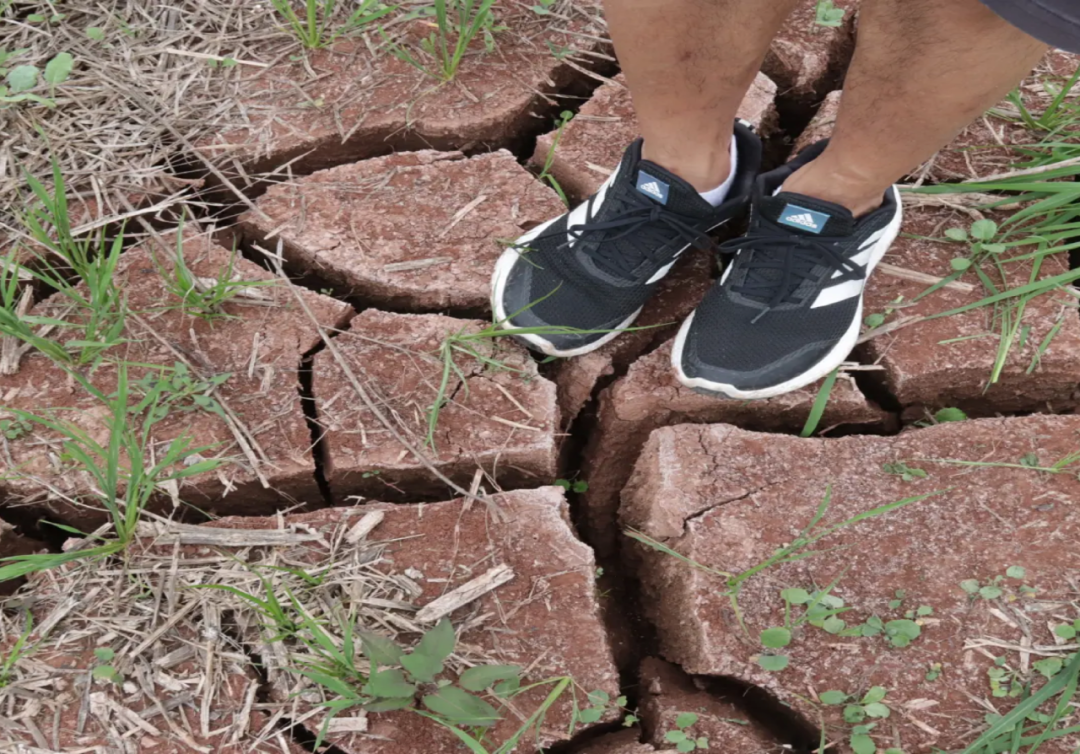
In recent years, there has been a shift towards large-scale vegetable farming. Both cured tobacco and vegetables are water-intensive crops. Now, every field has a drip irrigation system, yet water resources are still being depleted rapidly, and sometimes there is no water at all. This is further compounded by climate change, which has intensified seasonal droughts. Last year, just as the beans had been planted and required significant watering, the reservoirs had dried up so completely that the beds were cracking.
Of course, geological changes also play a part. Villagers mentioned that before the Wenchuan earthquake, the mountain gullies held plenty of water, but since the earthquake, the mountain springs have diminished, leading to a decrease in local water volume.
Therefore, to address these problems, technology alone is not enough. Only when a community develops a deeper understanding and analysis of these issues can more possibilities for response emerge, creating a stronger intrinsic motivation within the community to take action and effect change.
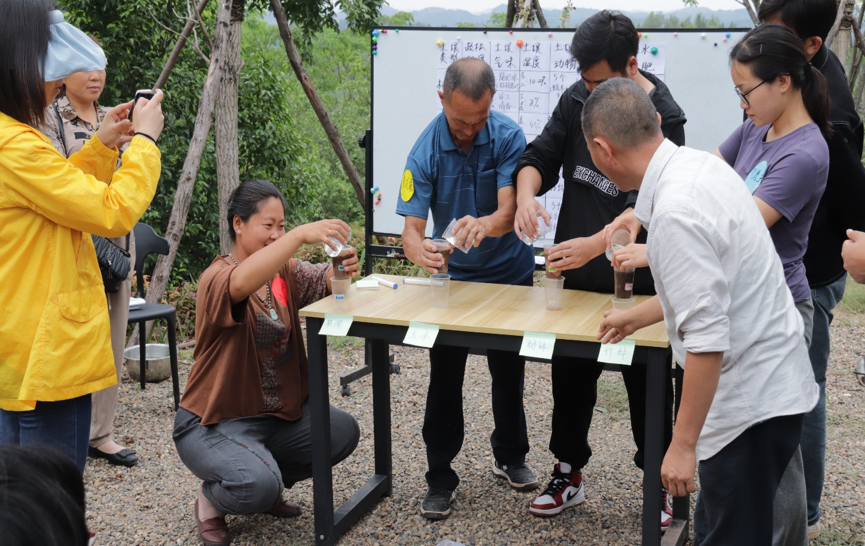
This was also a key finding in our work this year: climate change acts as an amplifier for agricultural production and other issues, but it is not necessarily the primary cause. It is more like ‘frost on snow’—the existing rural problems are the snow, and climate change is the frost that settles upon it, compounding and exposing those original issues. In such a complex situation where multiple problems are intertwined, what is your strategy?
What specifically do you mean by the ‘mainstream’?
What does agriculture actually mean for smallholders? What is the underlying logic? What we see is that agriculture is being defined by technology and the market. The economic function of agriculture is magnified infinitely, while other functions seem insignificant.
If we look at the essence of agriculture, its primary role is undoubtedly providing a livelihood, but there are many other functions: ecological, social, and cultural. If we fail to see these and focus solely on the single economic function, it becomes very difficult to find space for meaningful work.
Focusing on production, life, and ecology sounds wonderful. But beyond feeding themselves, farmers certainly hope to earn a dignified living, send their children to better schools, and be able to afford hospital care for sick family members. The reality is that smallholders are currently being systematically excluded by our agricultural policies and market systems; for example, subsidies, land policies, and even some ‘advanced’ tech-driven agricultural aid all encourage large-scale farming. This creates a situation where production costs per unit of land are relatively higher for smallholders. So we wonder: is ‘ecological agriculture’ today an unattainable niche for smallholders, or is it a viable way out given that they cannot compete with industrial agriculture?
We go to the villages and talk to the people. We ask: if there are no pesticides, chemical fertilisers, or hybrid seeds, can you still farm? The farmers say they cannot. And the result? From machinery to buying seeds, pesticides, and plastic mulch—the whole package means that in a good year they barely break even, and in a bad year, they lose money. What does this mean for the smallholder? High costs, low returns; high dependence, low autonomy.
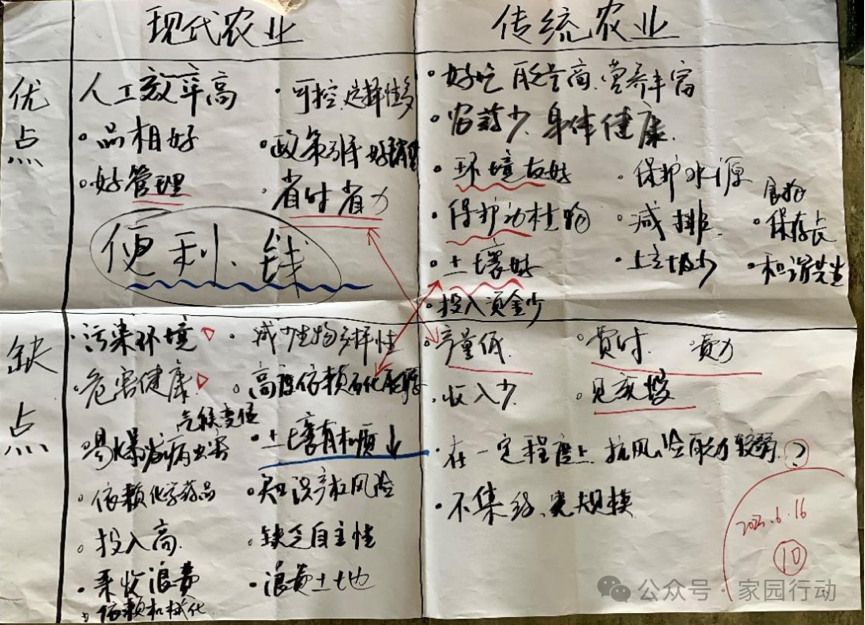
Recently, some veteran rural development workers have shared a view that coincides with yours: rather than just thinking about how to sell ecological produce at a premium, it is more important to see how ecological agriculture can reduce costs. Especially now, with the prices of chemical fertilisers, pesticides, and seeds so high, conventional agriculture isn’t profitable either. Moreover, farmers are held hostage by the market; there is no guarantee they can sell their crop. When extreme weather hits and everyone suffers a total crop failure, ecological agriculture’s low inputs mean they lose less.
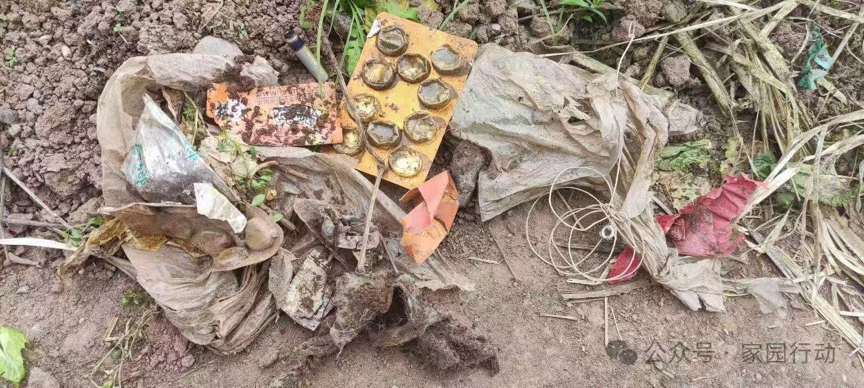
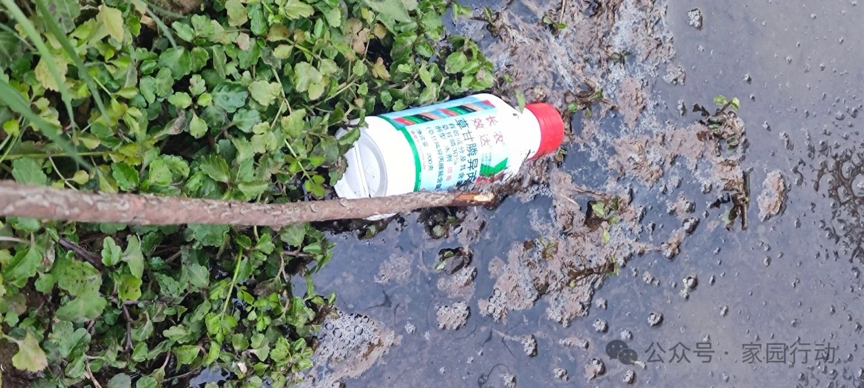
We often discuss soil degradation, water pollution, agricultural waste, species loss, the energy crisis, and climate change… these are all very grand terms, and health is one of them. But within the current agricultural production system, for the ordinary person, these manifest as a series of very concrete, individual problems.
To what extent do farmers and local governments embrace the path of ecological agriculture?
Initially, the government paid little attention to ecological agriculture, so there was little in the way of resources or policy support. This wasn’t necessarily a bad thing, as it meant there was no significant interference. However, we have seen in the last two years that ecological agriculture trials in various villages are beginning to show results, and some local governments are gradually starting to take notice and provide publicity for various reasons.
If the government takes this seriously, it helps the process in two ways: first, the people gain more confidence, as recognition from the local government is very important to them. Second, the process of scaling—from one village to another, and then to many more—becomes smoother.
Additionally, for some villagers, establishing external sales channels is crucial. However, this is not our forte; connecting with external markets is a significant challenge. For instance, in the villages of Panzhihua, where agricultural produce is the primary livelihood, there is a real need to consider how to sell the products. In the Jianyang village, the volume of ecological produce from the collective economy is also quite large, but we find it difficult to support their entry into the market. To some extent, this influences their planting choices. Currently, ecological products from Jianyang are mainly sold through social circles, and because it is a collective economy, there is also procurement support from the local government.
Over a decade ago, while working with Community Partners, I began working on CSA (Community Supported Agriculture), urban-rural interaction, urban farming, and markets, and I discovered how difficult it is. The market is a perennial challenge; connecting with external markets requires a wide range of capabilities. This includes not just the market itself, but also quality control, customer service, packaging, and promotion. These are areas where we lack expertise, and we have no intention of developing these capabilities ourselves. Because these issues require collaborative solutions, we are looking for other resources to handle this part, hoping to provide capacity-building support for the villages. The role of a platform is essential here.
Do the villagers lose heart?
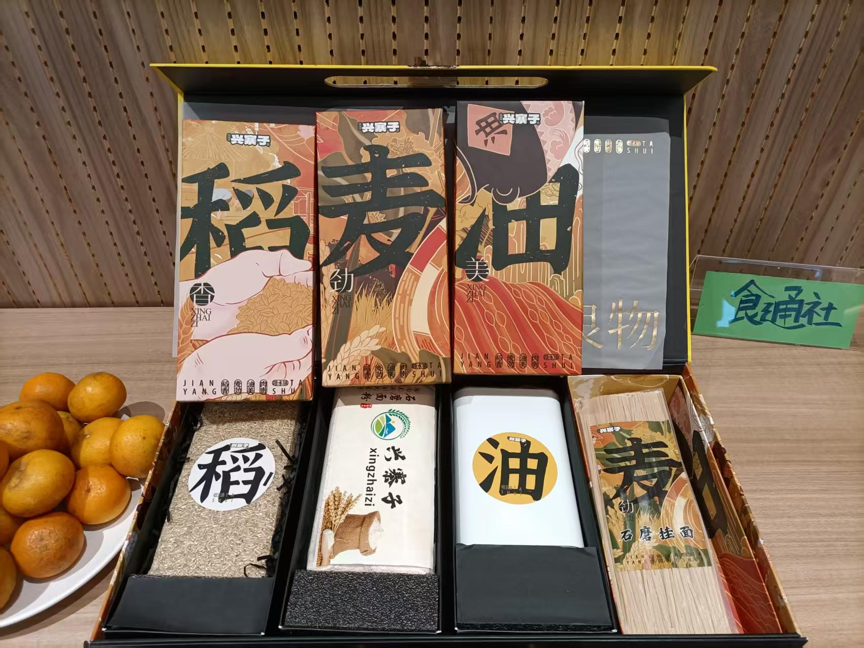
They care not only for their own health but for that of their families. This year, someone from an ecological food sales platform asked if they could visit the project villages to speak with the farmers and buy their ecological rice. Last year in Sichuan, the price of our paddy was roughly 2.7 to 3 yuan per kilogram. That person offered 6 yuan per kilogram. The villagers refused to sell. Even when the offer was increased to 8 yuan, they still refused. They said that having worked so hard to grow such healthy, high-quality rice, they must keep it for their own families and give it to relatives, friends, and their children working in the city. At the same time, there is a prevailing sentiment among the farmers that with current climate change, while they can grow this rice this year, it is a question mark whether they can do so next year; therefore, they must stockpile it. They are thinking about the future.
In Panzhihua, there are more young people in the village; they are the primary labour force and the ones making production decisions. Although they face sales pressure, they are mindful of the market. Seeing the preference for “native” products, they also want to preserve old varieties. Although old rice varieties are difficult to push into the market, they think: what if an opportunity arises later? In the future, these old varieties may have greater commercial value, but once lost, they can never be recovered. Even if they are hard to sell now, by growing them for their own consumption, they ensure that the seeds are at least still there when needed.
We recently held a reading group for *Vanishing Foods*. One of the protagonists in the book is a Sichuan farmer, Sun Wenxiang, who grows an old variety called “Red-beak glutinous rice” on his family ecological farm in Meishan; it has a very unique taste. Thanks to the reading group, we were able to taste this rice. Many people heard about it and asked us for a purchase link. But in reality, Uncle Sun doesn’t need to sell it this way. Most of his grains, vegetables, and meat are sold through his own social circles; if you don’t know him, you can only buy them at the Chengdu Life Market, which happens once a month. Because so many people have recently wanted to buy the Red-beak glutinous rice, I asked Uncle Sun, and he said they have to wait for the new autumn harvest.
We have also found that many organisations invest a great deal of effort into creating livelihood conditions in an attempt to attract young people back to the village. In reality, the challenge is immense; it is far more realistic to cultivate a core team of people in their fifties. Our current work focuses primarily on the elderly, and we must recognise their characteristics: they have less livelihood pressure, a deep affection for the village, and a wealth of indigenous wisdom.
I look at it from another perspective: how those who remain in the village can live well and care for their community. For those working away, it ensures that when they wish to return, they can, and that the good things in the village have been preserved.
Moreover, the elderly continue to farm not only to provide healthy ingredients for their families but also to uphold the calling of the farmer. This is why we believe we should not rush into a model of total land transfer where everyone becomes a wage labourer for large-scale landowners. Setting aside the economic arguments, we must first provide supportive conditions for those who, for whatever reason, are still willing to farm, so they can tend the land with peace of mind and maintain their dignity as workers. Farmers have professional dignity, and this is a point that is often overlooked.
As a social organisation partnering with villagers, our value proposition is simple: farm well, eat well, live well.
Unless otherwise noted, images are provided by Home Action
Compiled by: Ling Yu, Xiao Qi, Yu Yang