
100 reasons the city drives young people away: which one is yours?
Foodthink’s Agroecology Internship Programme was originally conceived to connect young people aspiring to return to their roots in agroecology with seasoned mentors who possess a wealth of practical experience. The aim was to foster a relationship of mutual learning and collaboration, helping a new generation of farmers minimise the cost of trial and error when starting out.
Surprisingly, among the nearly hundred applications received, the majority of applicants had backgrounds entirely unrelated to agriculture. Many were already well on the path to becoming ‘urban elites’—some had earned master’s degrees from prestigious universities abroad, others had spent years working for major corporations, and some brought intriguing entrepreneurial experience. Of course, there were also ordinary city workers and students struggling through their academic journeys.
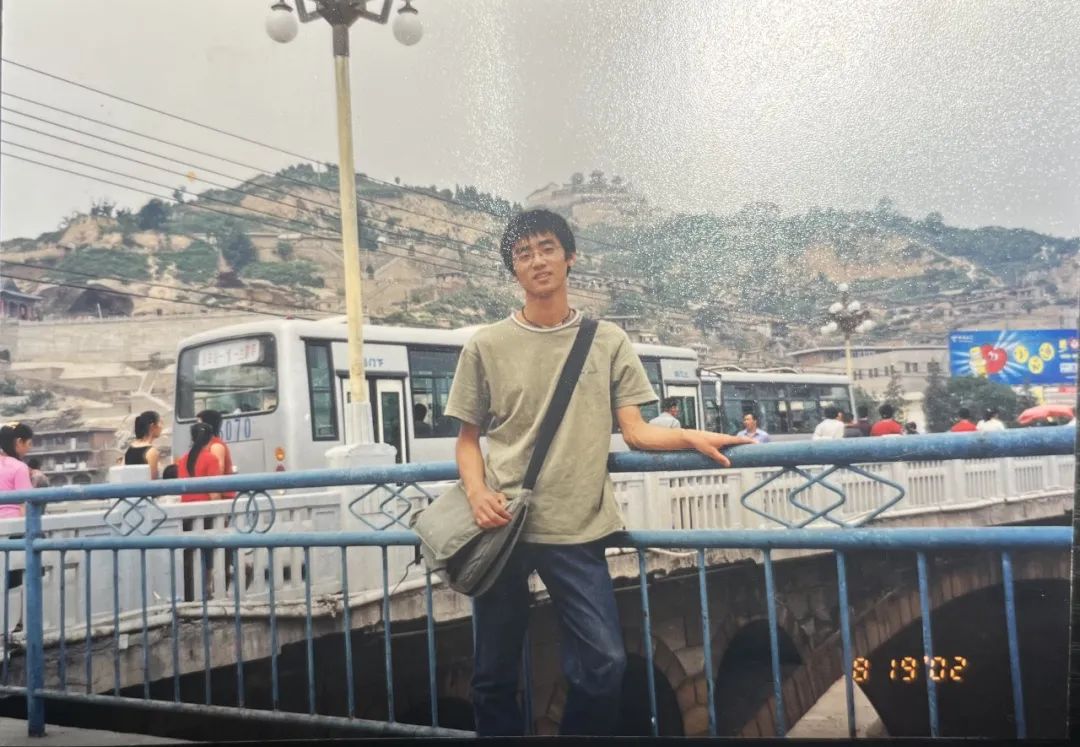
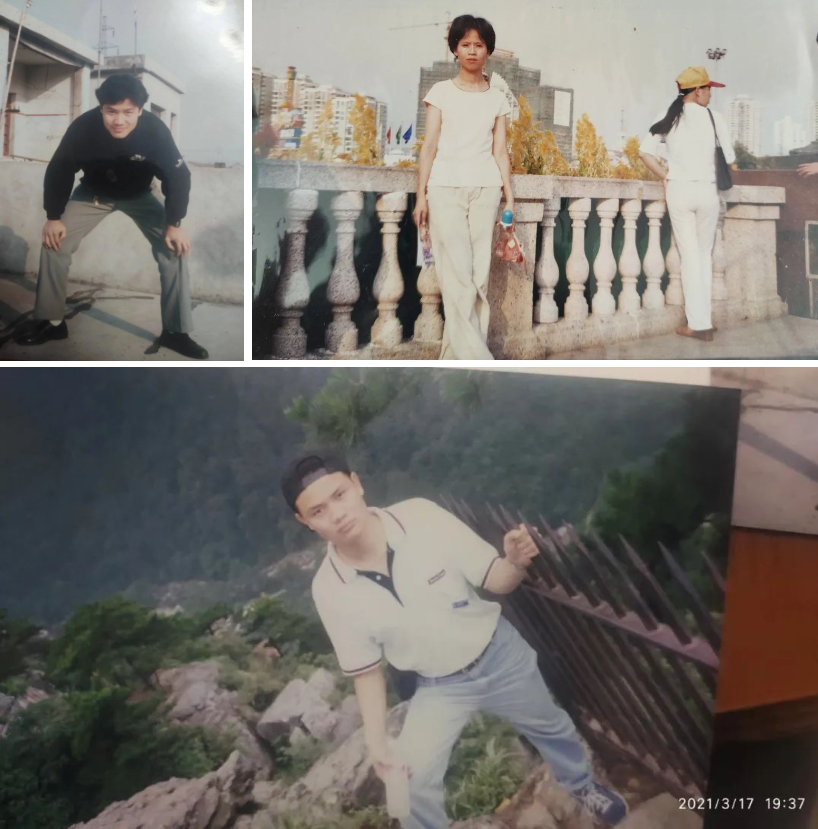
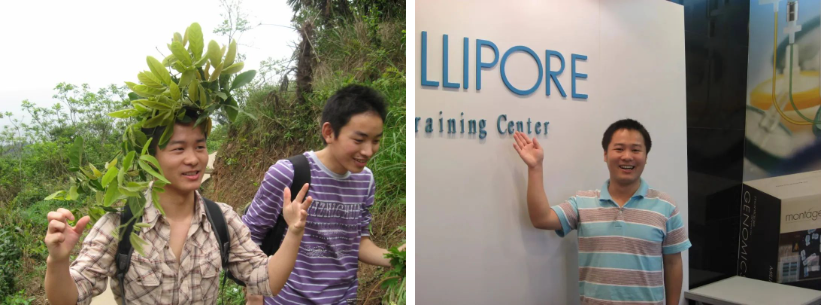
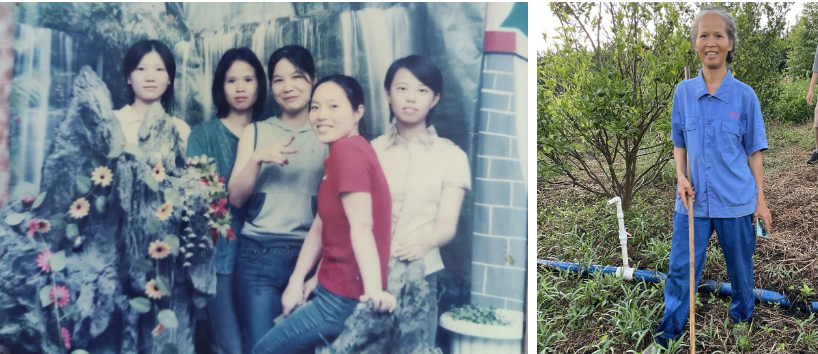
When asked why they left their previous jobs, this is what they had to say.
Female, 28, BA in Finance, MA in Taxation. Worked in accounting and auditing for two years after graduating, resigned
Female, 26. After graduating with an undergraduate degree in Sociology in Europe, she was accepted into a Master’s programme in Sociology/Anthropology at a prestigious US university and is currently taking a gap year.
This superficial and rushed approach to writing and thinking felt as though it were suffocating my desires. Just as I tried to break free from authority, I found myself once again under its judgement. With my body and mind in a state of constant resistance, I had no choice but to stop.
Female, 27. With a diploma in Western Culinary Arts, she previously worked in the pastry sections of five-star hotels and international cruise ships. In 2019, she started her own business, dedicated to nature and environmental education in her hometown.
At the same time, I feel I haven’t found my life’s mission yet and lack a certain sense of conviction. That’s why I want to experiment more, hoping for new discoveries.
Male, 25. After graduating from a vocational college in marketing, he worked as an insurance agent and a pharmaceutical representative. He has since left his job.
Female, 26. After graduating from university in the UK with a degree in Environment and Sustainability, she returned to China and worked at two non-profit organisations related to the environment and agriculture. She is about to leave her current role.
I want these three elements to be fundamentally balanced. However, from what I have observed over the past few months, my current job (the one I am about to leave) does not achieve this balance.
Female, 32. BA and MA in History. Worked in HR after graduation; her department is due to be disbanded.
But due to historical factors, such as shifts in the corporate structure, I have been gradually marginalised over the last two years, and it has become difficult for the company to recognise my competence and contributions. When my department was disbanded at the end of 2023, it coincided with my own FIRE plan (Financial Independence, Retire Early); I decided to treat this ‘optimisation’ as an opportunity to enter a new phase of my life.
Female, 26. BSc and MSc in Chemistry from the UK. Now left her role.
I realised that I was better suited to a hands-on approach—experimenting and discovering solutions for myself—than to teaching. This led me to join a startup that operated a global platform for bulk waste recycling. While the company’s mission was to find the best matches for waste materials, it didn’t address the root causes: the sheer volume of waste produced and the culture of consumerism. I found that my ideals couldn’t be fulfilled there; I wasn’t content with simply improving international trade. I wanted a more fundamental solution, one that tackled the problem at its source.
Looking back, although my previous roles were all within the environmental sector, they all focused on “end-of-pipe” solutions. It wasn’t until I rediscovered the principles of Permaculture—which had been sown in my mind years prior—that I found a new direction. I wanted to create a self-sustaining cycle that could eliminate waste and wastewater at the source; a system where “waste” simply doesn’t exist because every material is cycled back into nature.
On a personal level, after more than a decade spent glued to a computer screen, studying and working relentlessly, I felt that life shouldn’t be lived this way. After taking courses in natural building and permaculture design here in China, I became certain that I am happiest in nature—even if that means getting my hands dirty in the soil. The pandemic heightened my sense of urgency regarding the fragility of our society, the environment, and my own life. I believe we need to build our resilience to crises and learn how to produce healthy, safe food for ourselves.
Female, 31. Degree in German. Formerly a chef in high-end restaurants in Beijing and Canada; returned to her hometown to rest after leaving her job.
- Why should fresh ingredients sourced from small farms become a burden that the kitchen cannot absorb?
- Why are talented colleagues unable to utilise their strengths in their work?
- Why is the immense passion I once had for food and cooking seemingly fading day by day?
So, I decided to leave my job and return home for a while to be with my family, and to pursue the things I wanted to experience while I was still young—such as volunteering for environmental and children’s projects, and this internship at an eco-farm.
- Physical and mental struggles with high-intensity, repetitive, and low-paid work;
- A desire for a change of scenery;
- Their heart simply wasn’t in it;
- Having a vague goal and currently using a process of elimination to find their way;
- Clashes of opinion with management;
- A desire to gain knowledge through practical experience in other roles;
- An inability to achieve a healthy work-life balance;
- Finding commercial logic uninspiring—particularly within FMCG brands—and feeling there was little left to learn, leading them to resign and pursue further studies;
- Having been quite unwell for a few days, which was a miserable experience. During that time, I realised that although I was generally satisfied with my life, there was nothing more for me there; I felt it was time to start exploring something new.
- Limited room for personal growth, and a growing realisation through work of what they didn’t want to do.
- My previous job was in a field I loved and excelled in, and it had always been remote. However, when they required me to work from the office—a 1.5-hour commute each way—it felt like such a waste of time that I decided to quit immediately.
Female, 30, Master’s in Clinical Medicine. She spent a year volunteering at a temple.
Over the past two years, as I’ve started cooking for myself and shopping for groceries more often, I’ve become acutely aware of food safety issues. I felt that rather than spending my time on meaningless work for a paycheck, only to leave my health and safety in the hands of others, it would be better to create things with my own hands.
If the experiences of these young people resonate with you, we invite you to leave a comment and share your thoughts.
And why exactly did they decide to spend three months, or even a whole year, interning as farmers on small-scale ecological farms? More on that in the next instalment.
Programme Coordinator: Ma Xiaochao
Editor: Tianle
Exit series images: Zhang Xiaoshu