
Living Off the Sea: Their New Livelihood Strategy
Foodthink Says
By establishing community conservation areas, Thai fishers have gained a voice, enabling them to decide how to use the sea and mangroves themselves, and even embedding co-management rules within the broader national park legal framework. But what comes next? This article explores the various sustainable livelihood strategies devised by local fishers.
I. A Natural Pantry on Our Doorstep
For those of us who have spent our lives on dry land, it was hard to believe at first that fishers simply walk straight into the mangroves to gather shellfish. Even when we looked out from a boat at sea, the arched roots plunging into the water made the mangroves seem impassable. We kept asking ourselves: do they really just ‘walk’ into the mangroves to collect crabs and shellfish?
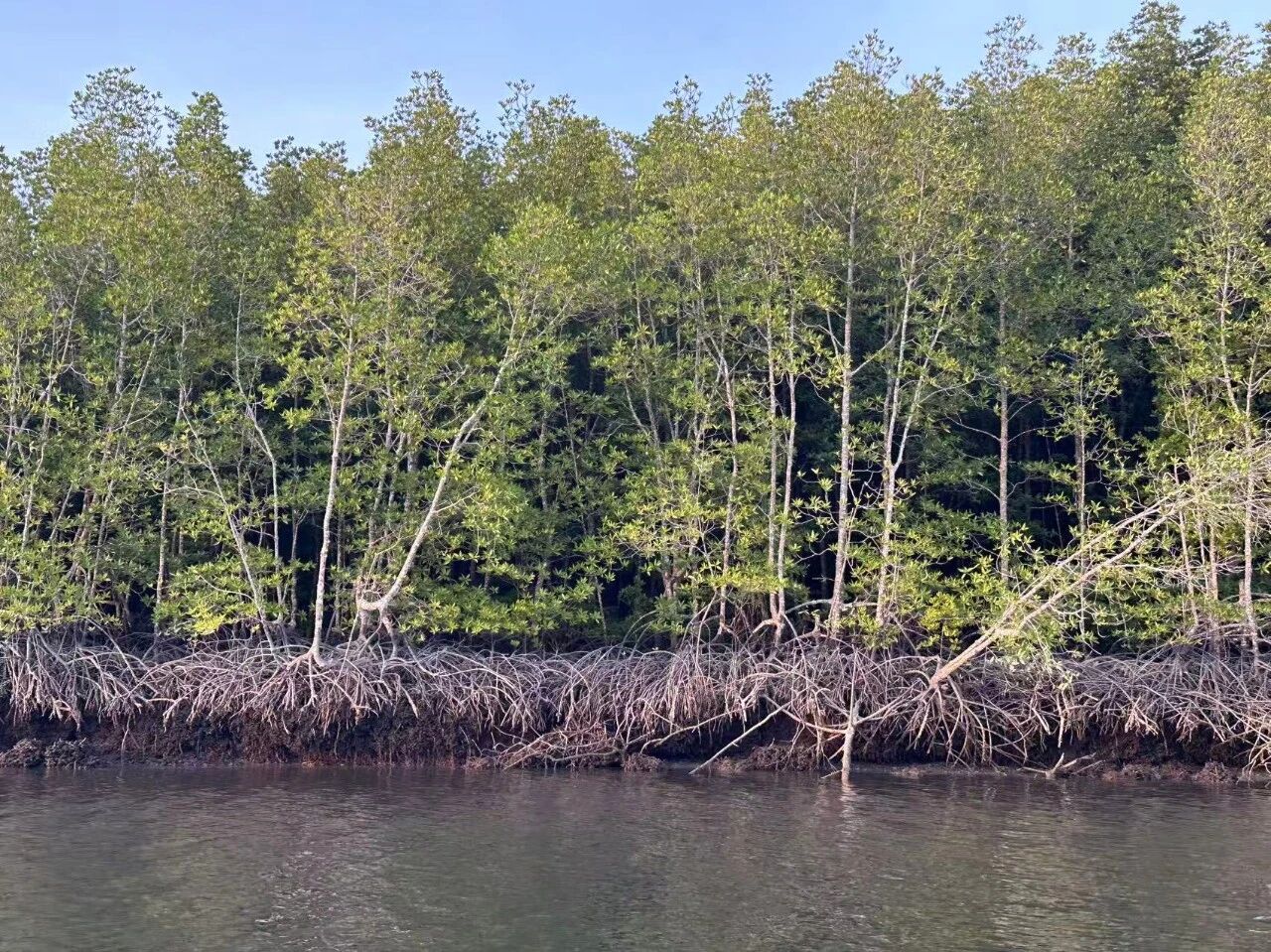
Bending down to inspect the mud path underfoot reveals countless tiny holes—crab burrows. Lean in closer, face nearly touching the ground, and you’ll see neat rows of small, round pellets: the undigested shells crabs spit out after feeding… While a fisher casually points out a tree and explains its uses, I’m still concentrating on navigating the uneven roots to keep from tripping.
Perhaps this is the most fundamental reason why local communities must be ‘developed’ by locals themselves: in their eyes, the mangroves are orderly and boundless, a natural pantry that never runs dry. To me, it appeared chaotic, tangled, and muddy. They speak of this ‘ATM’ as incredibly abundant, but I lack the PIN. It would take considerable time and deliberate practice before my eyes could truly adjust to it all.
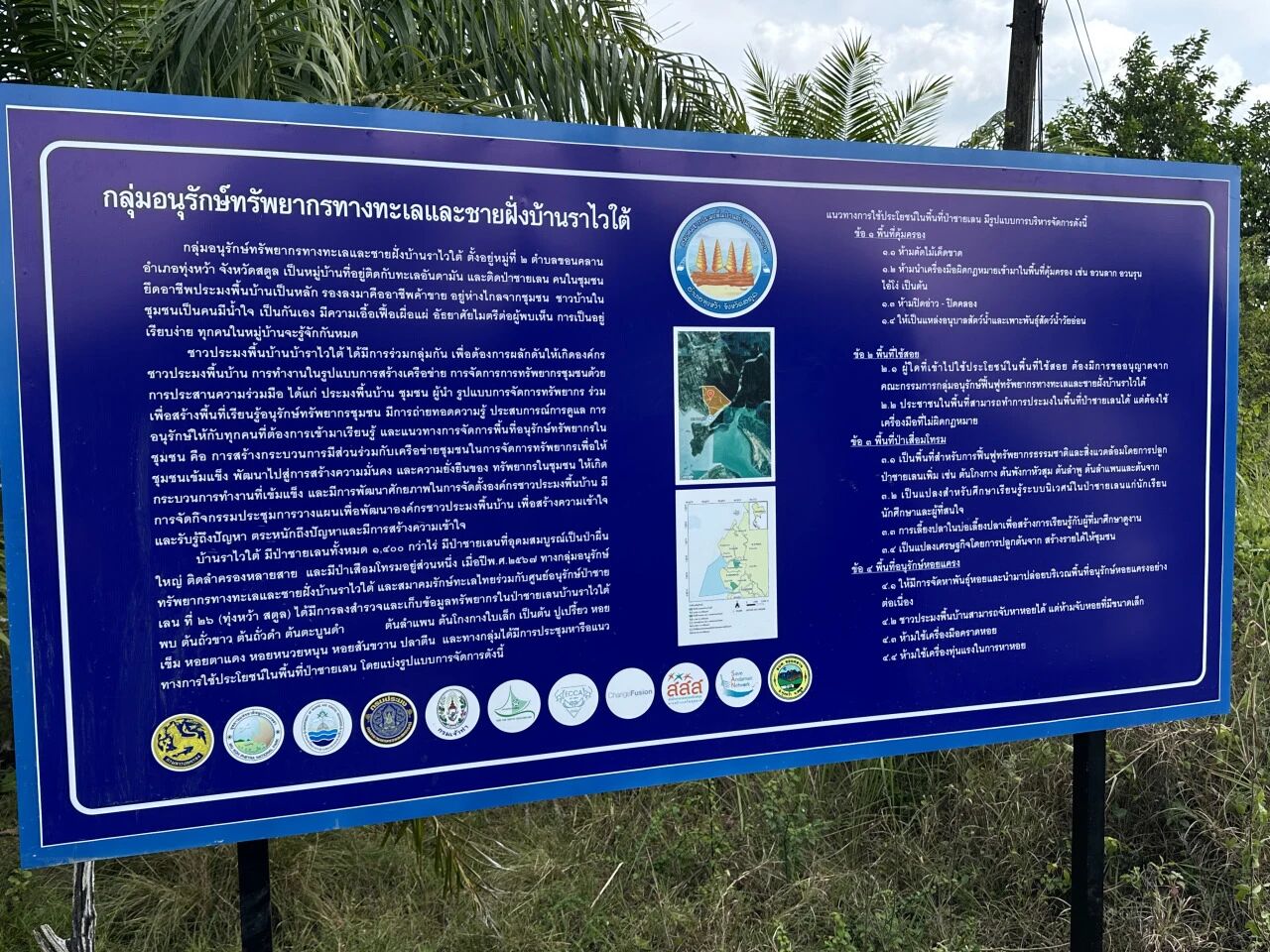
Beside the community centre stands a brand-new blue signboard. It outlines the community’s code of conduct, clearly spelling out what members may and may not do within the area: logging and blocking waterways are strictly forbidden, as is the use of destructive fishing gear such as trawl nets, push nets, foldable traps, or mechanically powered equipment. Only with permission from the community conservation area committee may local residents use legal, non-mechanical traditional tools to catch fish and shellfish that meet size requirements. Additionally, income is generated through nipa palm cultivation and pilot aquaculture projects, which also provide learning and research opportunities for students and interested visitors.
From a bamboo raft, we could observe the mangroves in close detail. In the Suso community in Trang province, a company logged the mangroves for over twenty years under a concession agreement. Villagers say that ever since the concession ended and they began conservation efforts, the mangroves have gradually recovered. They have their own visible indicators of recovery, such as the return of monkeys. We even spotted an otter darting from the water onto the bank from our raft, like a sleek, wet flash of lightning.

Villagers secured funding from the relevant government department, the Department of Marine and Coastal Resources (DMCR), to conduct mangrove species monitoring twice a month; they also place nets at the channel mouths where they meet the sea, allowing them to catch floating debris as the tide flows in and out… The most routine task is planting mangroves. While villagers may cut down mangrove trees for building materials, anyone who fells one tree must plant ten saplings in return.
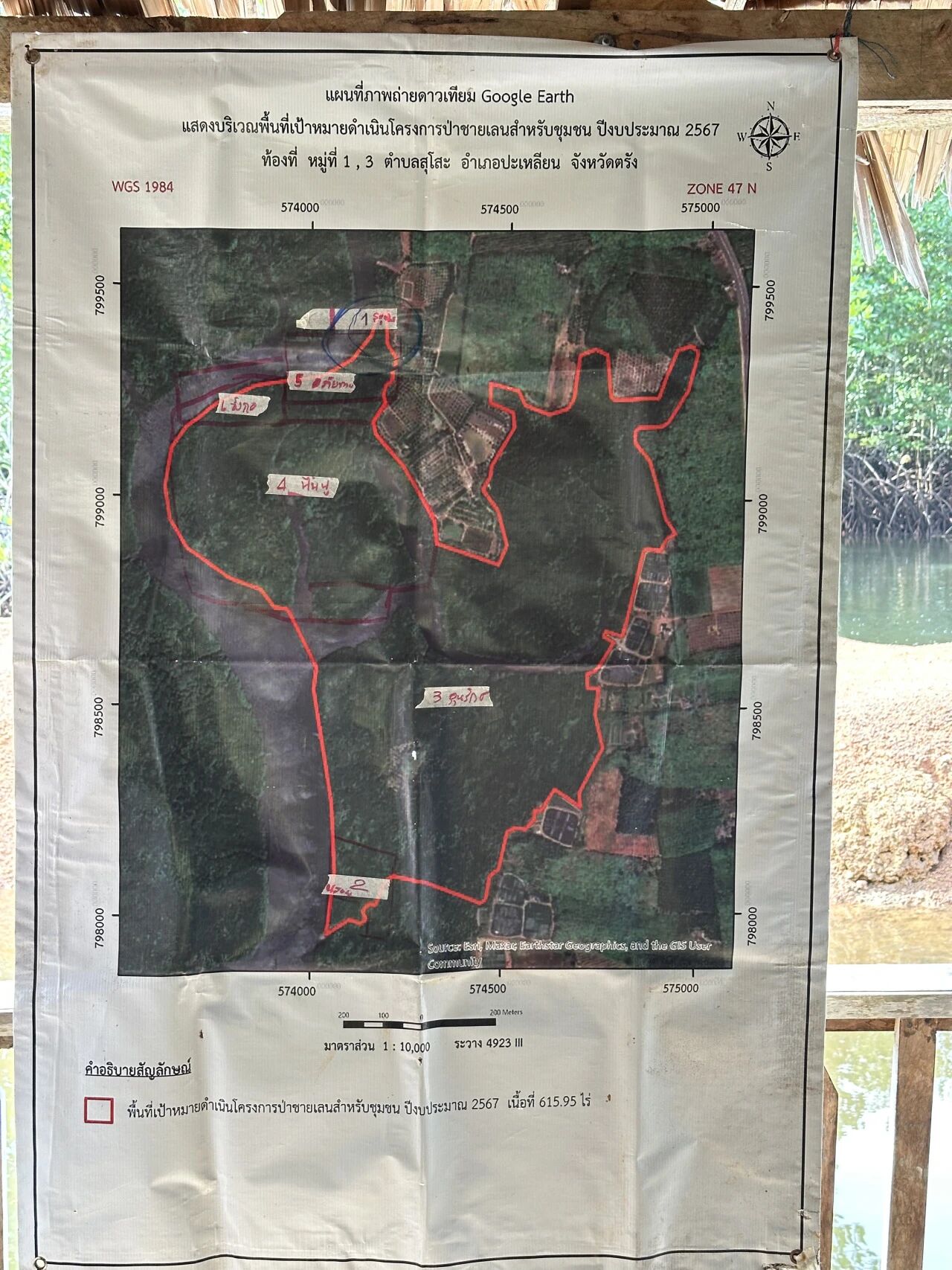
Much like government-run nature reserves, villagers also zone the community conservation area for management. Zone 3 on the map is strictly protected and closed to development. In local terms, it is ‘reserved for animals’; in religious phrasing, it means ‘leave life alone’. Zone 4 is dedicated to ecological restoration.
Activities like the bamboo raft tours we joined are part of a revenue-generating ecotourism initiative, run by a dedicated village group. They help visitors understand the community’s conservation story while providing a steady income.
They also believe that fish stocks have become more abundant. Where they once struggled to catch fish out at sea, they can now simply walk into the mangroves or along the beach to gather shellfish. Some even keep chickens in cages within the mangroves to supplement their household income.
Key catches in the area include white seabass, Pacific white shrimp, black tiger shrimp, and mud crabs. What they cannot consume themselves is sold off; there’s no need to visit markets, as buyers come directly to the harbour to purchase the catch. Veteran fishers note that the waters also host a slender, high-value fish that is mostly exported to China.
During the low tide after sunset, when the water barely reaches the calves, you can catch white shrimp about the length of a finger. At times, you might witness a spectacle of over a hundred people bent over the beach, gathering shellfish. Occasionally, outsiders come to gather shellfish along the shore, too. Local fishers admit they cannot really control this, remarking, ‘As long as they don’t use destructive gear, it’s fine.’
Villagers’ primary income comes from foraging and fishing. Foraging can earn around 500 Thai baht (approximately 100 Chinese yuan) in half a day; for day trips using a small, single-operator boat, the catch might be worth 2,000–5,000 baht (400–1,000 yuan); larger boats crewed by two or three people often stay out overnight, yielding roughly 5,000–10,000 baht (1,000–2,000 yuan), though these voyages also remain close to the coast.
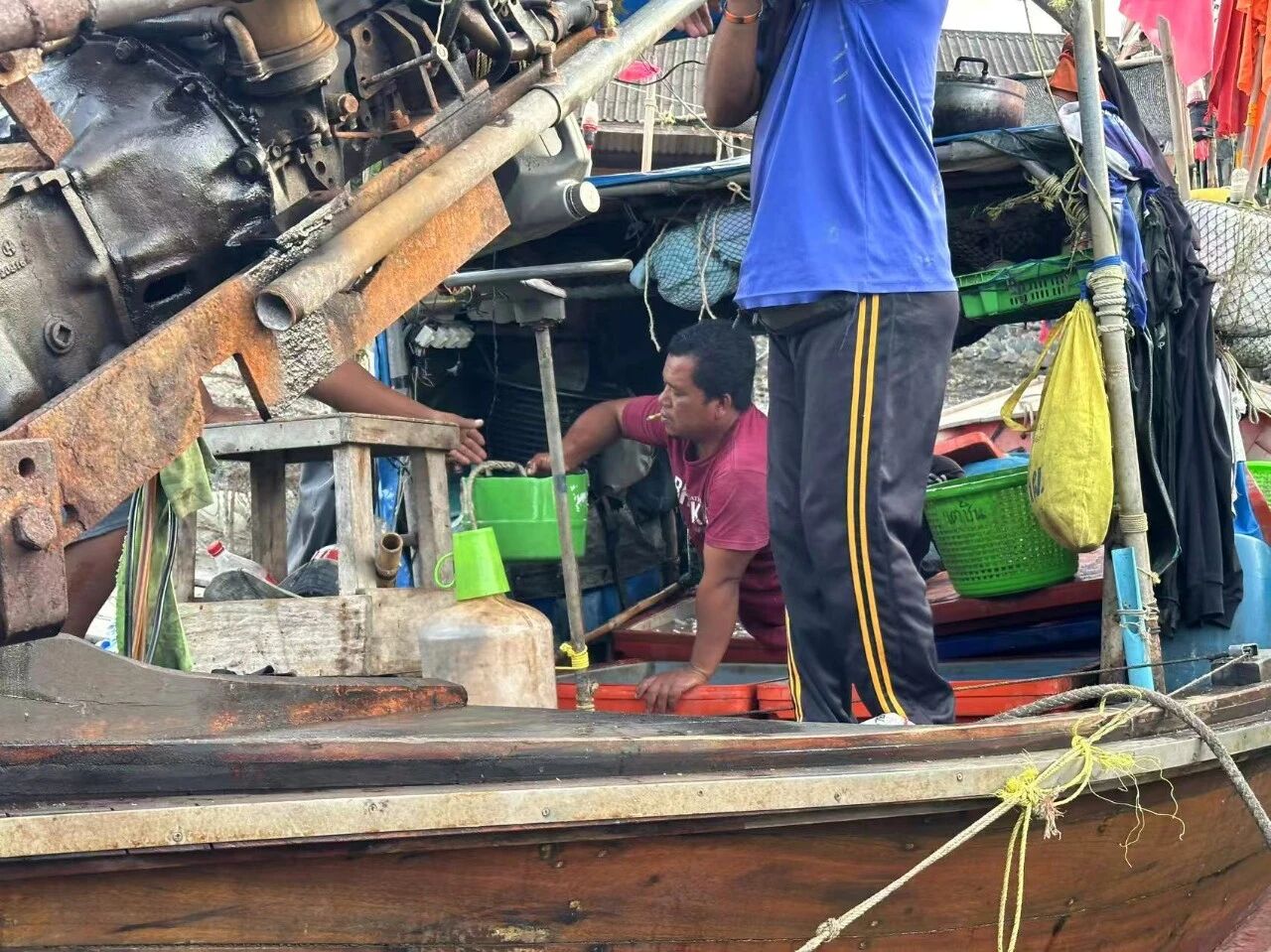
Which is more profitable: venturing far out to sea to fish, or sticking with this current livelihood model? When we posed this question, a look of confusion crossed their faces. They admitted they weren’t sure what the catch would be like further out, but knew for certain that the costs for diesel, labour, and equipment would be significantly higher. In their view, this mangrove forest already provides more than enough to eat and drink. Why go to such trouble when everything is right here?
II. How Fishers Rebuild Their Own Food Systems
In October 2013, in response to the Landbridge project in southern Thailand, civil society leader Tab, head of the Thai Sea Watch Association (hereafter Sea Watch), led protesters on a week-long, 200-kilometre march. Sea Watch also played a key role in guiding several fishing communities to establish community conservation areas within national parks (For more on Tab, see Part One).
The project aims to create a logistics corridor connecting the Andaman Sea and the Gulf of Thailand. This would allow goods to cross the southern Thai peninsula by land, bypassing the busy and lengthy route through the Strait of Malacca, thereby reducing transport times. The project’s accompanying eastern and western ports are located in Songkhla and Satun, respectively.
This has sparked intense social conflict within Thailand, meeting fierce resistance from local communities, fishers’ organisations, and environmental groups. Opponents point out that the project will cause massive and irreversible damage to the marine ecosystems of both seas (the Andaman Sea and the Gulf of Thailand), threatening the livelihoods of coastal small-scale fishers.
Satun province is Tab’s hometown. He returned there over a decade ago to protest the project. He says it will affect more than 200 villages, forcing many people to relocate.
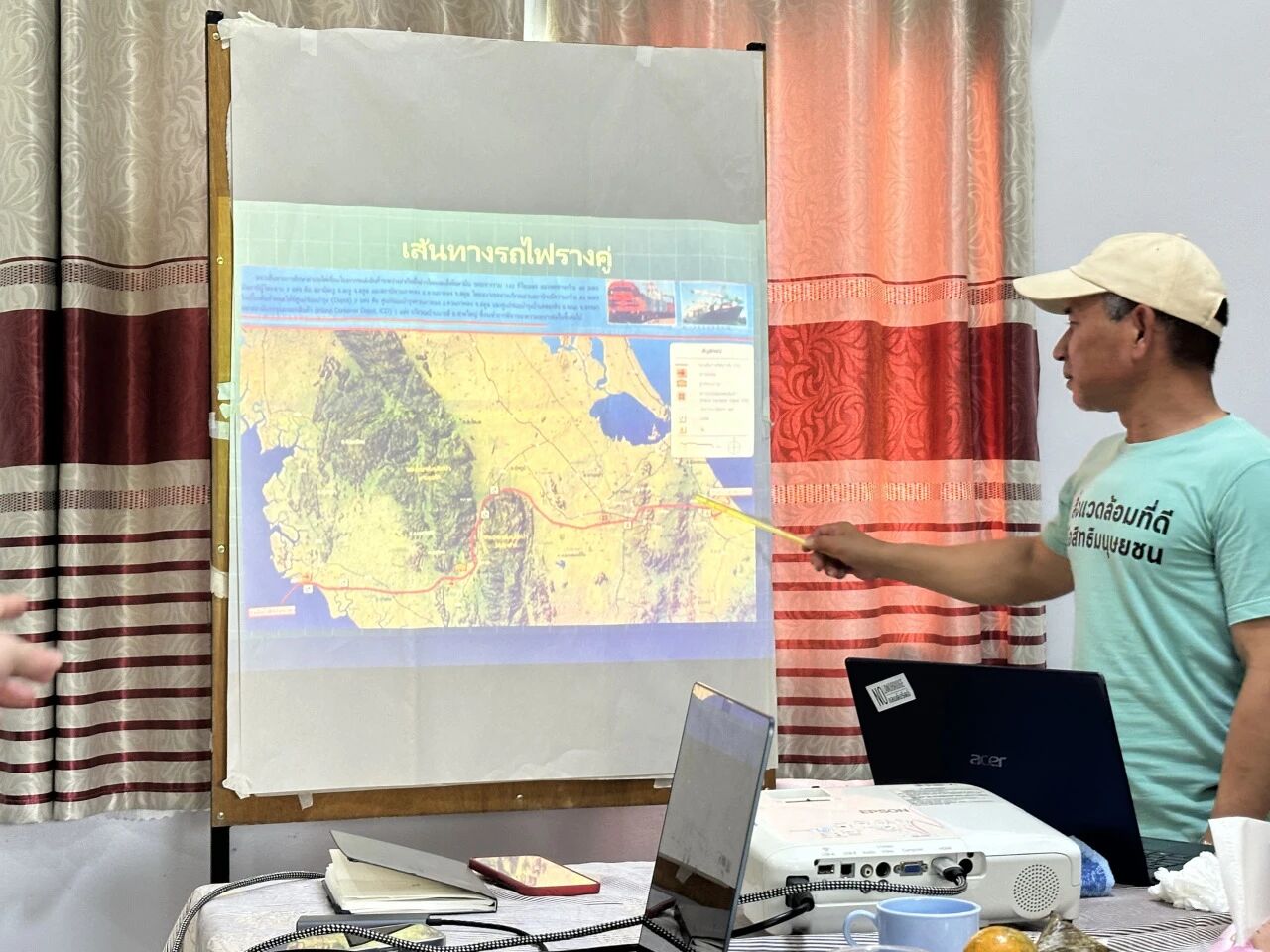
Nine participants in the protests were arrested. For various reasons, the government eventually suspended the mega-project.
Opinions on large-scale engineering projects are divided within the fisher community. One NGO leader’s view echoes the sentiments of many fishers: ‘We have a good climate, the sea, and beautiful beaches. We own these resources and can manage them well; we do not need alternative development plans.’
Yet, after the project was temporarily shelved, some fishers posed a question to Tab and his colleagues: With the large-scale projects stalled, what other development plans do we have?
At that moment, Tab realised how vital this sea, which they had long been dedicated to protecting, truly was. How exactly can we utilise this marine environment so that fishers can live well?
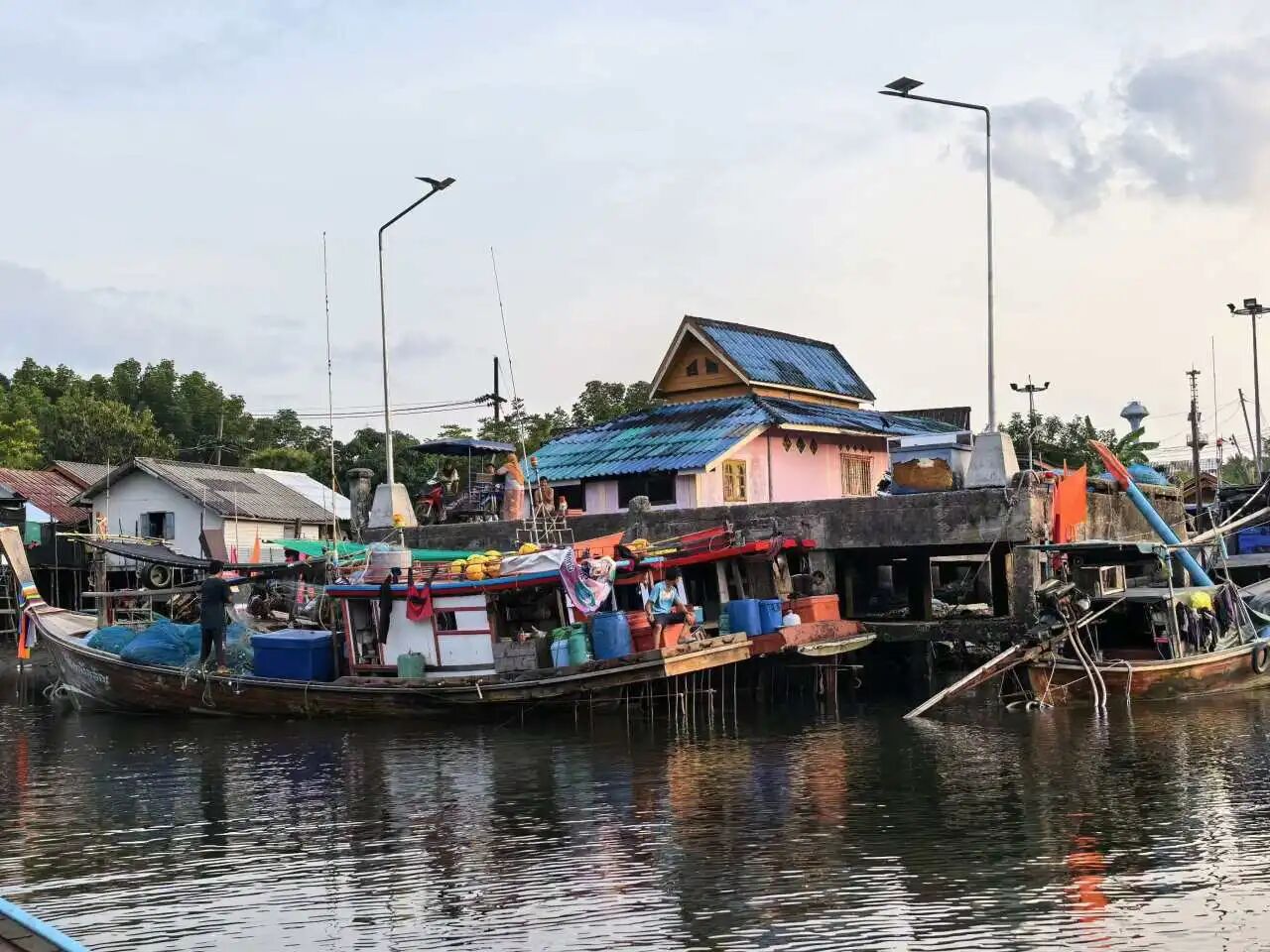
As an NGO, Sea Watch believes that small-scale fishers are the most motivated to protect marine resources, as they rely on a healthy ocean for sustainable catches. In contrast, industrial fishing implies a destructive ‘take-all’ approach.
Therefore, Sea Watch hopes to support conservation by backing consumer markets that provide a decent livelihood for small-scale fishers. As he spoke, I realised this aligns perfectly with the core principles of the ecological agricultural value chains championed by Foodthink. The two sectors—agriculture and fisheries—are mirrors of each other: when we choose to support a particular conservation pathway, we are also supporting the food producers within it.
Ecological smallholders also require healthy soil and agricultural biodiversity to maintain a well-functioning farm, whereas decades of industrial agricultural practice have proven to be a short-sighted exercise in depleting the soil and taking more than it gives. This parallels the conflict between small-scale fishers and industrial fishing remarkably well.
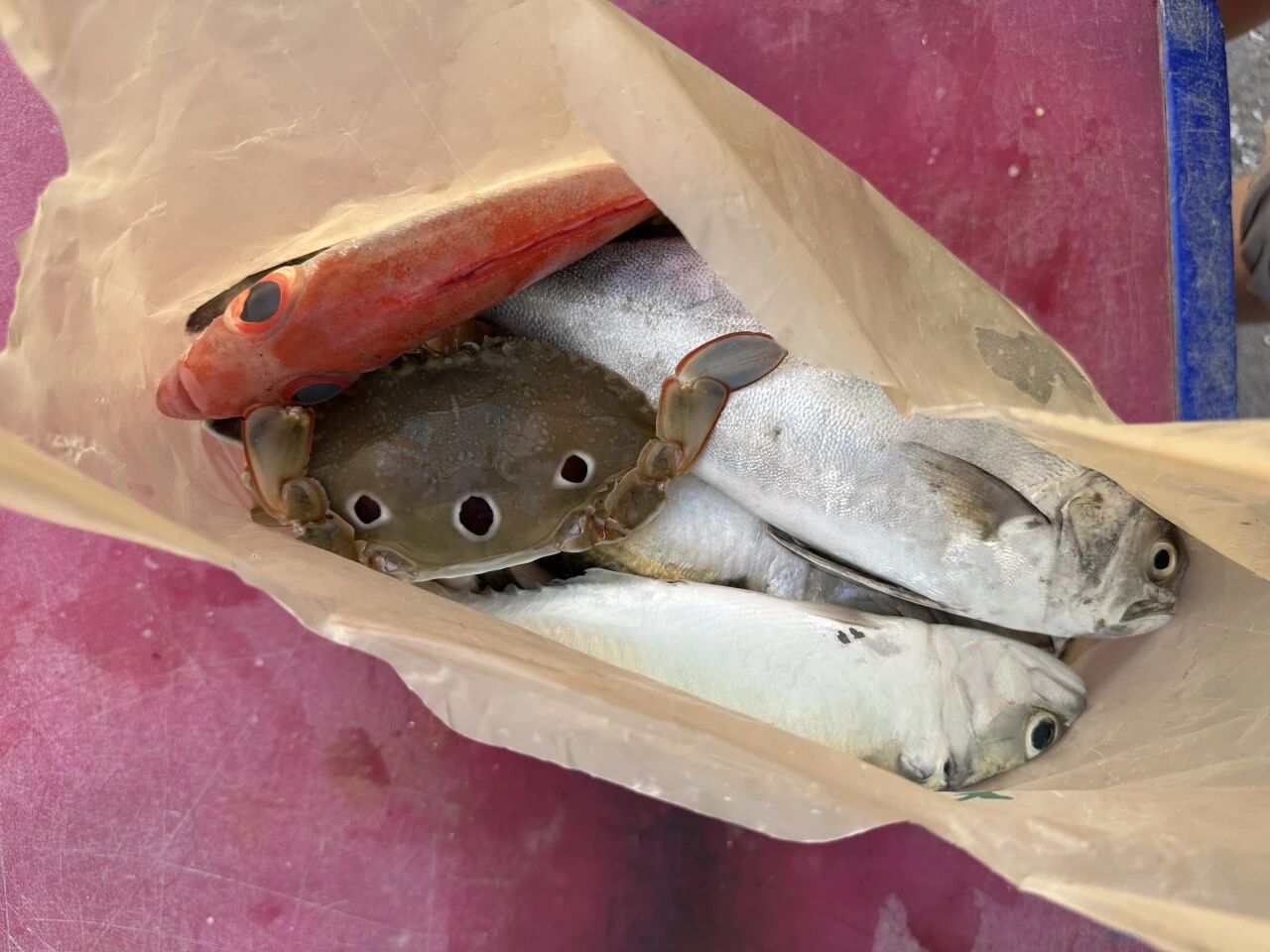
While small-scale fishers may not match large vessels in terms of catch volume and efficiency, they have their own advantages: mature fish, freshness, and, when supplied over short distances, no chemical preservatives. Gourmets are willing to pay a fair price for such high-quality seafood. But how do fishers actually get to earn that money?
The key, therefore, lies in creating new retail markets and giving fishers a say in the supply chain.
III. Healthier Oceans, Healthier Seafood
“Using traditional gear for sustainable fishing, with identifiable origins. Consumers know which bay their food comes from, and the fishermen take pride in their trade.” These were the words used in the citation for Tab as an Ashoka Fellow. He also collaborated with organic certification experts to design a quality certification system for sustainably caught seafood. The certification committee includes small-scale fishermen, consumer representatives, scholars, and NGOs working in coastal communities.
As mentioned at the start of the first field report, when we visited in late January 2026, we had the chance to dine at a restaurant run by the fishermen themselves. When it comes to the idea of fishermen running a business, Tab seemed to have many hard-earned lessons, and he spoke at length about the hardships of the business—
Being both “food producers and businesspeople” is a dual identity that, while an avenue they hope to explore, proves only when attempted just how difficult it is. After making several missteps over the years, they found that fishermen are not naturally skilled at sales, and because profit margins were so thin, members eventually drifted away from the cooperative.
So Tab emphasised: this is not volunteer work; it requires income to sustain the business. The fishermen’s restaurant we dined at was started with funding from a local fishers’ association, a modest grant of just 3,000 Thai baht (around 650 Chinese yuan). They issued 1,800 shares, each sold for 100 baht. Members are required to buy shares upon joining, but not more than 100 each. There are currently 98 members (shareholders).
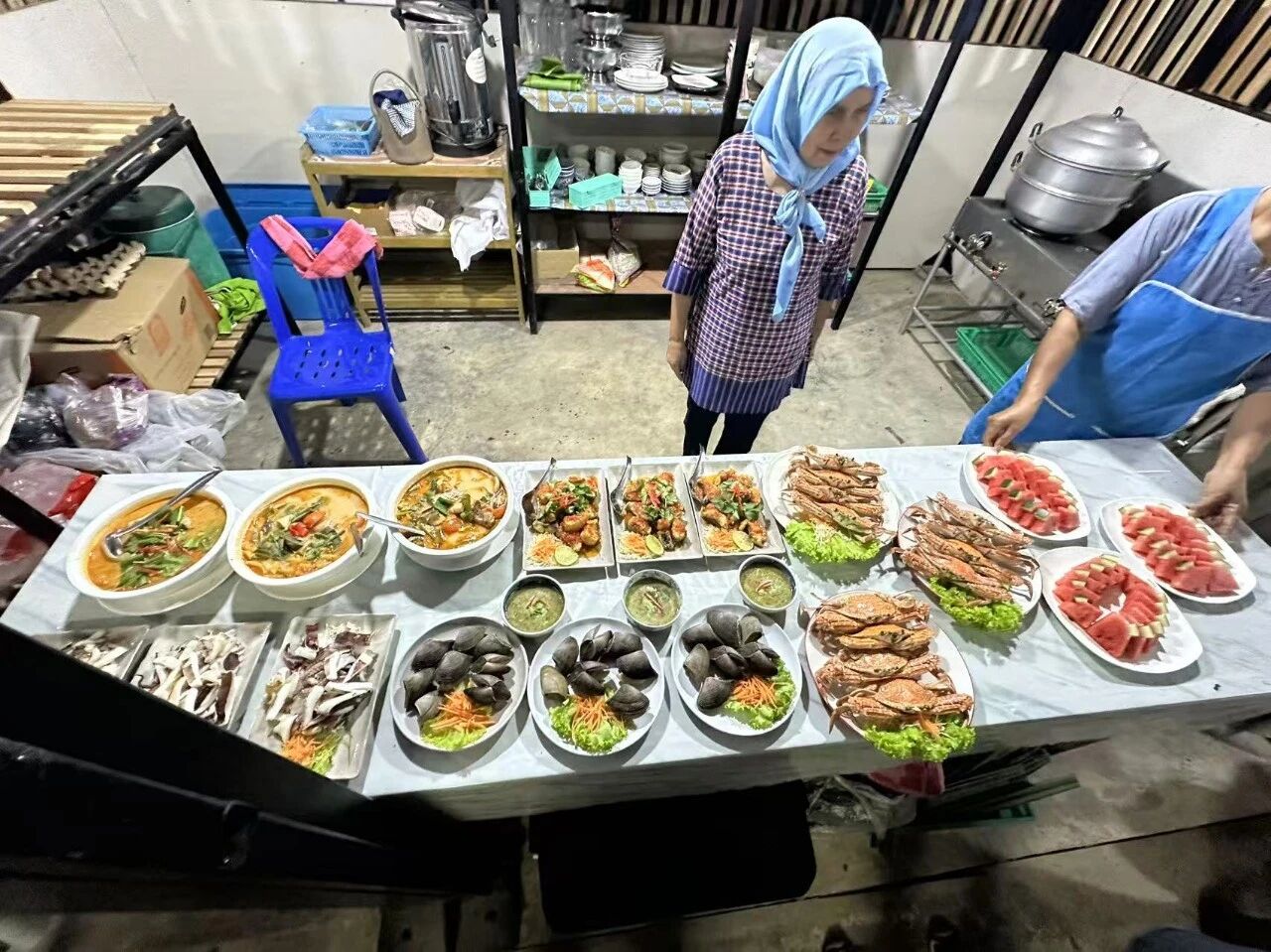
The restaurant only opened last year, yet it already has 500,000 baht in its accounts, comprising both profits and the share capital from the 98 shareholders. They have decided to reinvest 50% of the profits into the restaurant’s operations, distribute 30% as dividends to shareholders, and allocate the remaining 20% to community marine conservation and donations to temples.
I hope that the next time I visit Satun, I can return to this restaurant, which truly belongs to the local fishermen, for another meal.
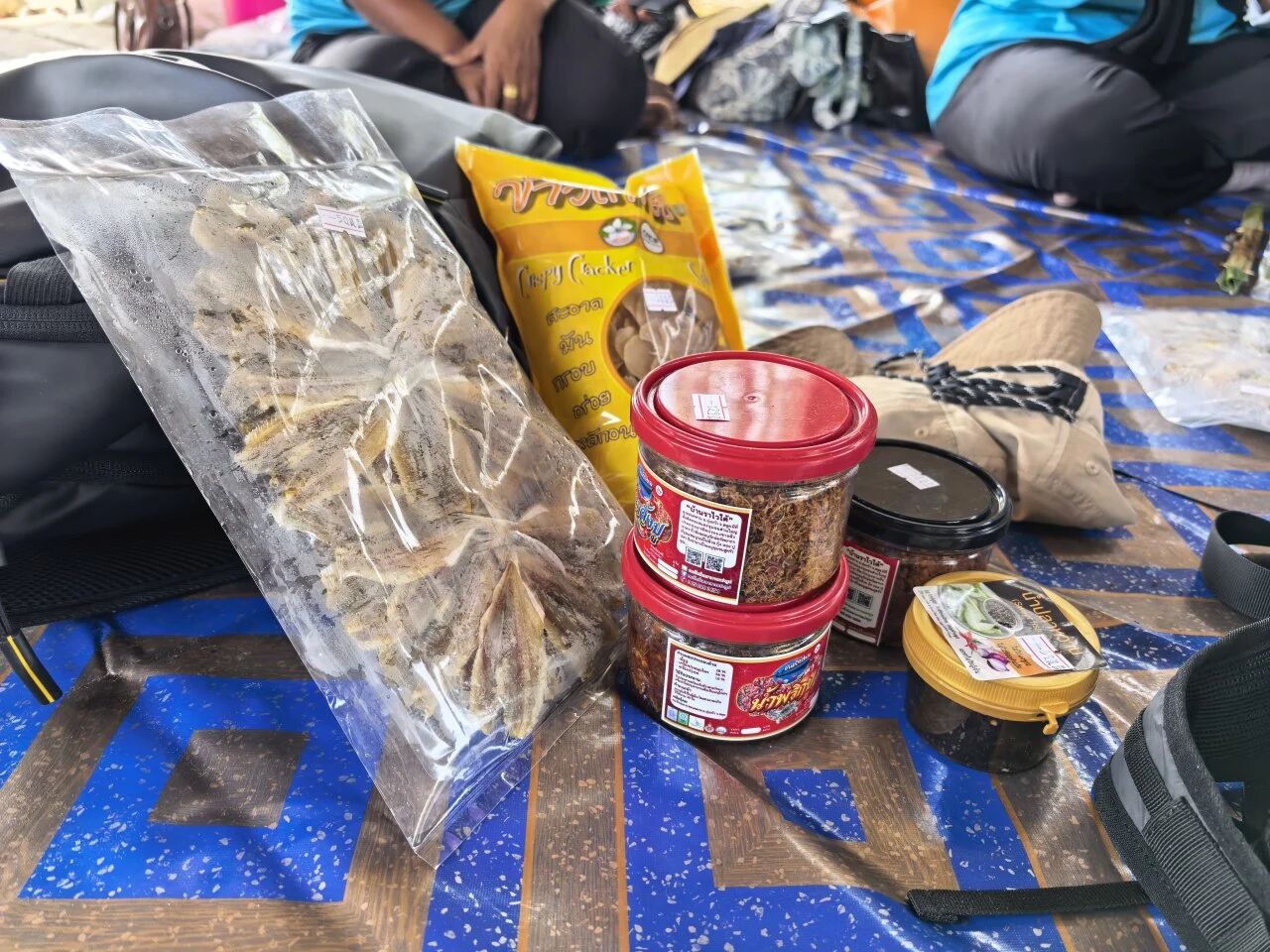
To further diversify their income, female fishers in Lawai Noi village, Satun, have also formed a processing group to make products such as chilli sauce and dried crab slices, adding value to their catch and addressing seafood preservation. They registered as a social enterprise and received a 5,000-baht grant from Sea Watch (just over 1,000 Chinese yuan), along with solar panels donated by the government’s energy department to power their food dehydrators—this is the only external support they have received. The group currently has 32 members but is still in its infancy and has yet to achieve stable profitability.
IV. From Voluntary Conservation to Sustainable Livelihoods
As Tab long ago realised, this generation of community action, like Duck, believes that conservation efforts that do not improve fishermen’s livelihoods are unsustainable. This stands in contrast to volunteer work that “talks only of conservation and ignores profit.” Over the past decade, Duck and his peers have begun exploring ways to generate income from their efforts.
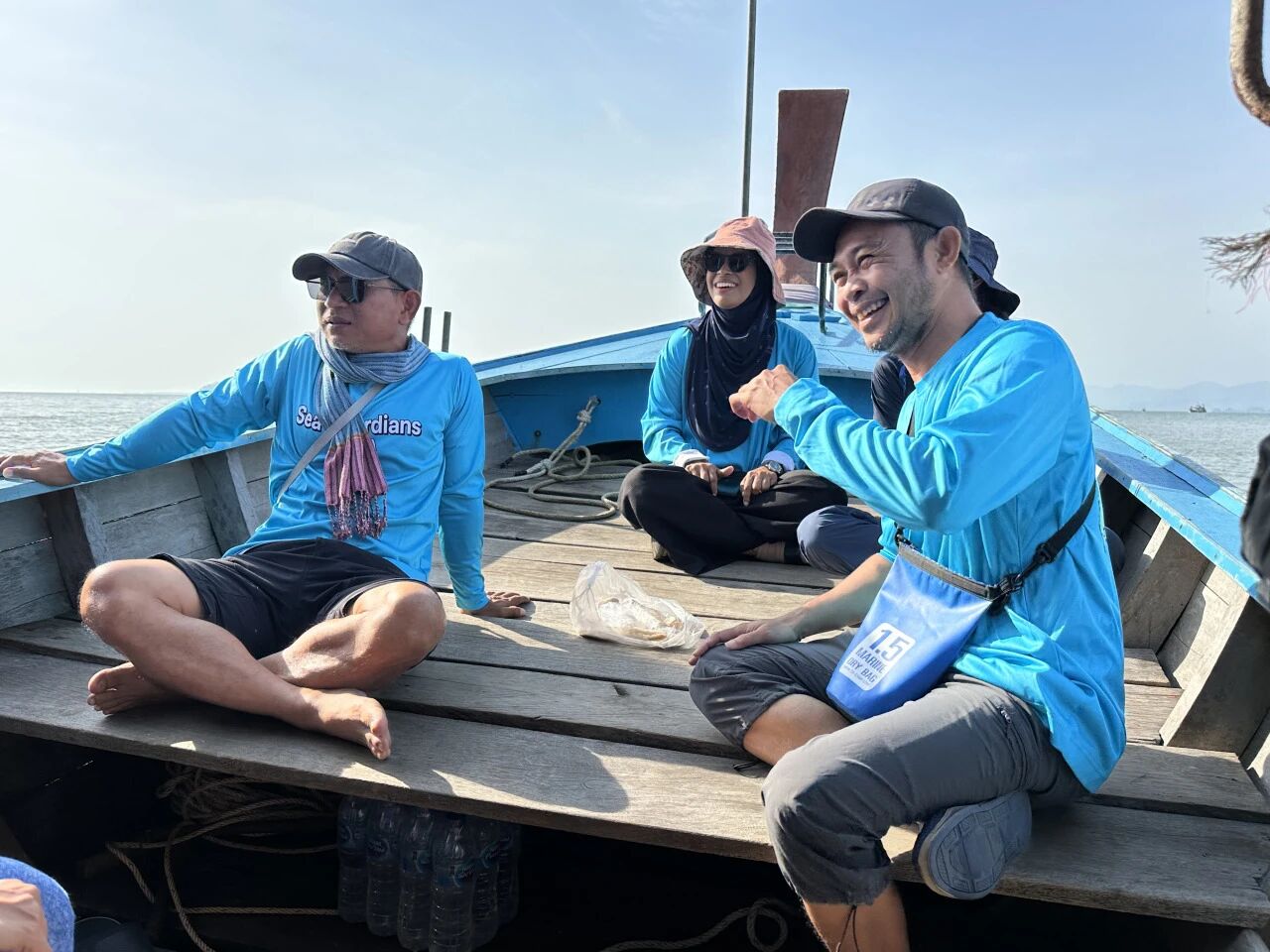
Remember the Sisyphean efforts of the fishermen releasing crab larvae and restoring seagrass beds to protect dugongs, as mentioned in our second field report? There is another side to the story—”living off the sea” by earning income through tourism. At Mu Ko Phetra National Park, a well-known park in Satun, lush seagrass beds surround the small islands, and a boardwalk leads from the pier to the island, allowing visitors to see geological wonders such as fossils and unusual rock formations. The fishermen also highlight the presence of the clownfish “Nemo.” All of these are attractions that draw visitors.
Here, fishermen from the ecotourism group can work as guides without having to pay extra fees to the national park, effectively allowing them to utilise the park’s tourism resources for free. The national park has also licensed ten fishermen to run ferry services, and the fishermen have retained their own pier.
Under Duck’s guidance, we spent half a day experiencing the national park’s ecotourism.
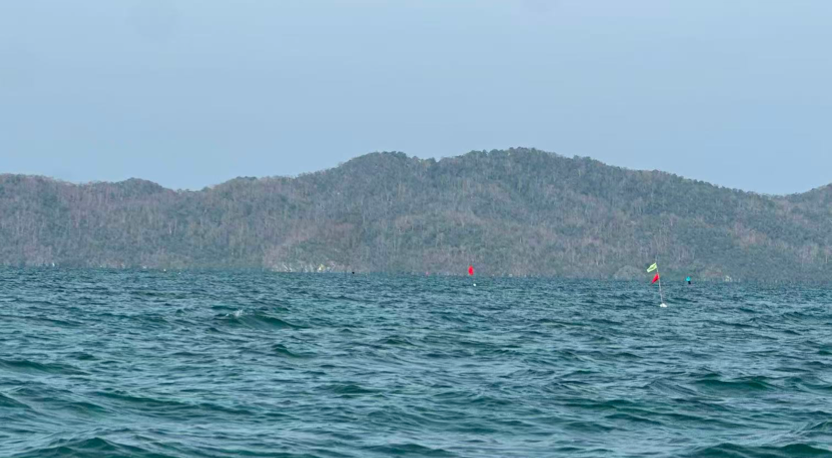
Without his commentary, we would never have known how many stories unfold beneath the waves. Take, for example, a cluster of plastic barrels floating on the surface, each adorned with brightly coloured flags. Duck explained that beneath every barrel lies a fishing net used to catch shrimp and crabs. These are individual efforts by local fishermen, and the colour of the flag indicates who owns which trap. The fact that fishermen can fish so openly within the national park is precisely because they successfully established a community conservation area here (see the second field report for details).
Further on, we spotted another cluster of blue plastic barrels, their upper halves stained white by seagull droppings. These are the marine habitats created by the fishermen themselves, which they call “fish havens.” The boat’s engine cut out, and the world suddenly fell silent. Duck launched into his familiar, skillful explanation: they have been building fish havens for ten years. The idea originally came from the fishermen themselves, who noticed that underwater traps attracted fish to live within them—so why not replicate this to create protected spaces for the fish? However, it took a long time to convince government departments and outsiders to accept the concept.
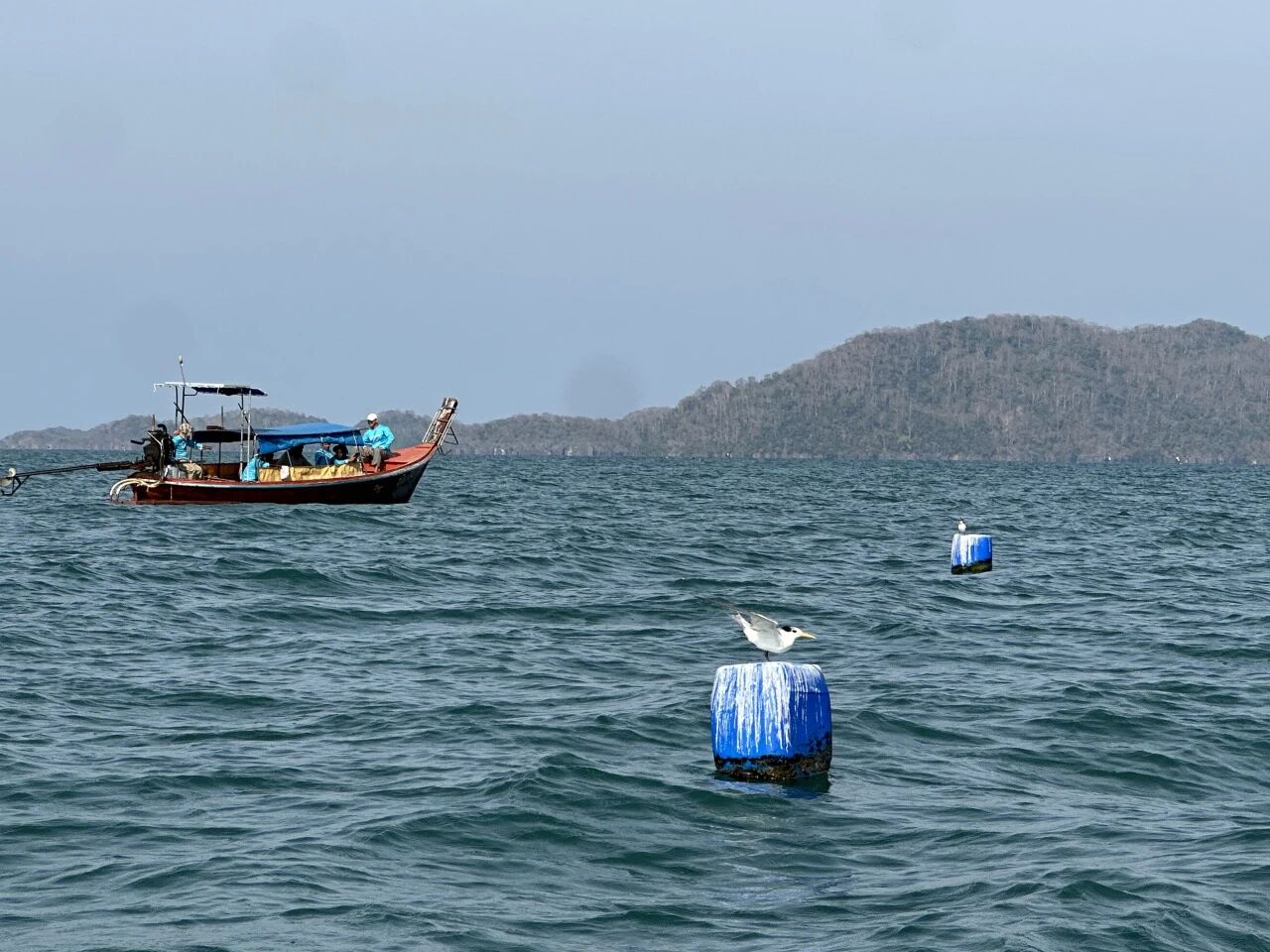
These “fish havens” consist of bamboo poles used to secure numerous coconut fronds to the seabed, functioning like artificial coral reefs that provide shelter for fish. “They feel safe living amongst them,” Duck said. The coconut fronds decay after soaking in seawater for six or seven months and need to be replaced with fresh ones.
Some fishermen were initially sceptical, only concerned with catching more fish. But in the fifth year, with coordination from Sea Watch, the fishermen began monitoring the area and discovered that fish stocks were indeed increasing. The data not only helped the fishermen understand the progress and significance of their work, but also facilitated communication with the outside world. “Although the fishermen feel that the fish havens help restore fish stocks, their testimony alone is not enough to convince outsiders; scientific research is needed to prove it,” Tab said. They have only recently begun collecting data, with fishermen diving to record species and aiming to compile a fish catalogue. However, the frequency of monitoring remains constrained by their budget.
He hopes to invite scientists to provide guidance and establish a baseline dataset. But all of this also means a greater need for funding.
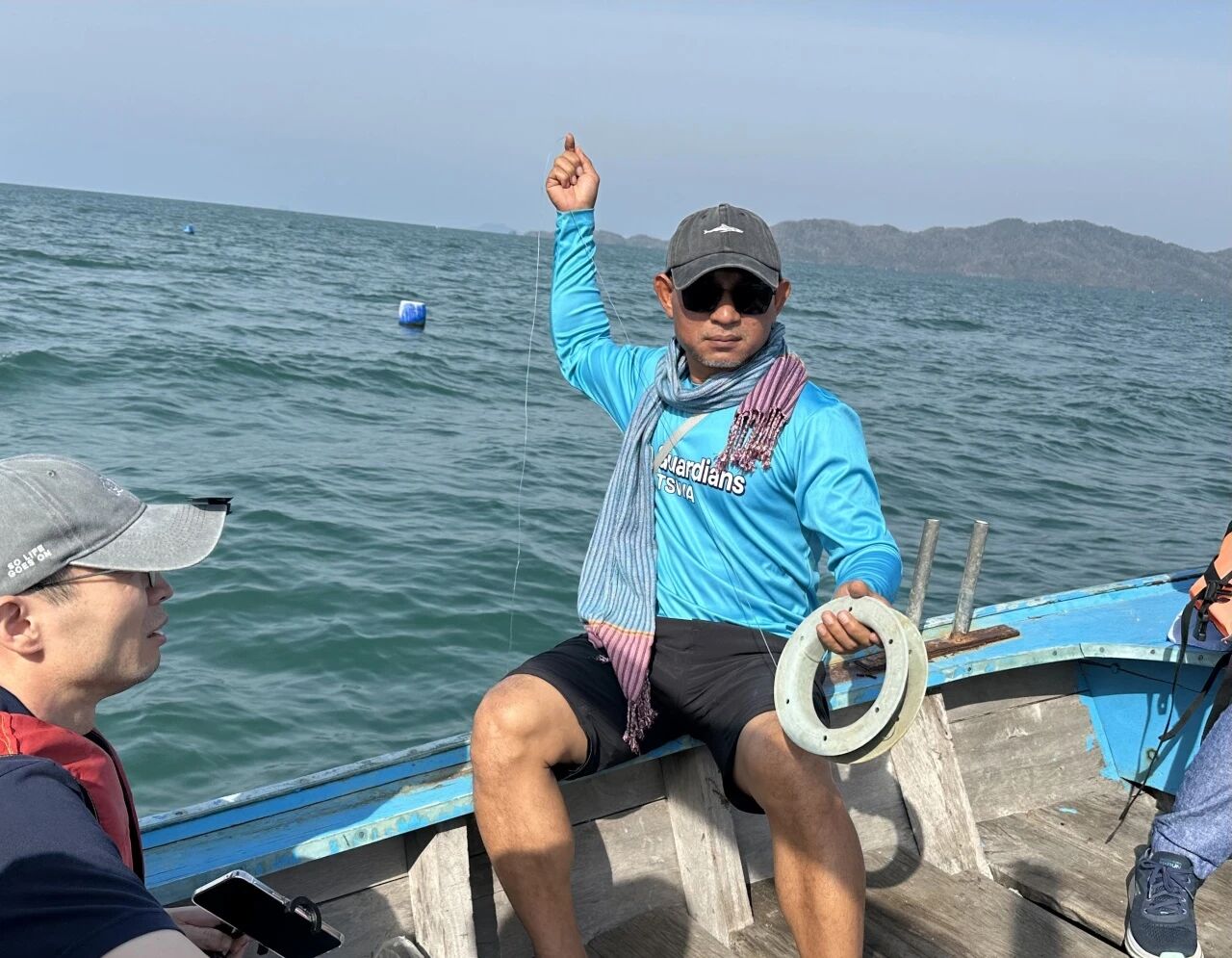
On the journey from this island back to the mainland, we spotted another fish haven, marked by a small cluster of bamboo poles poking out of the water. If Duck had not pointed it out, we would likely have missed it amid the vast, sun-glaring swells.
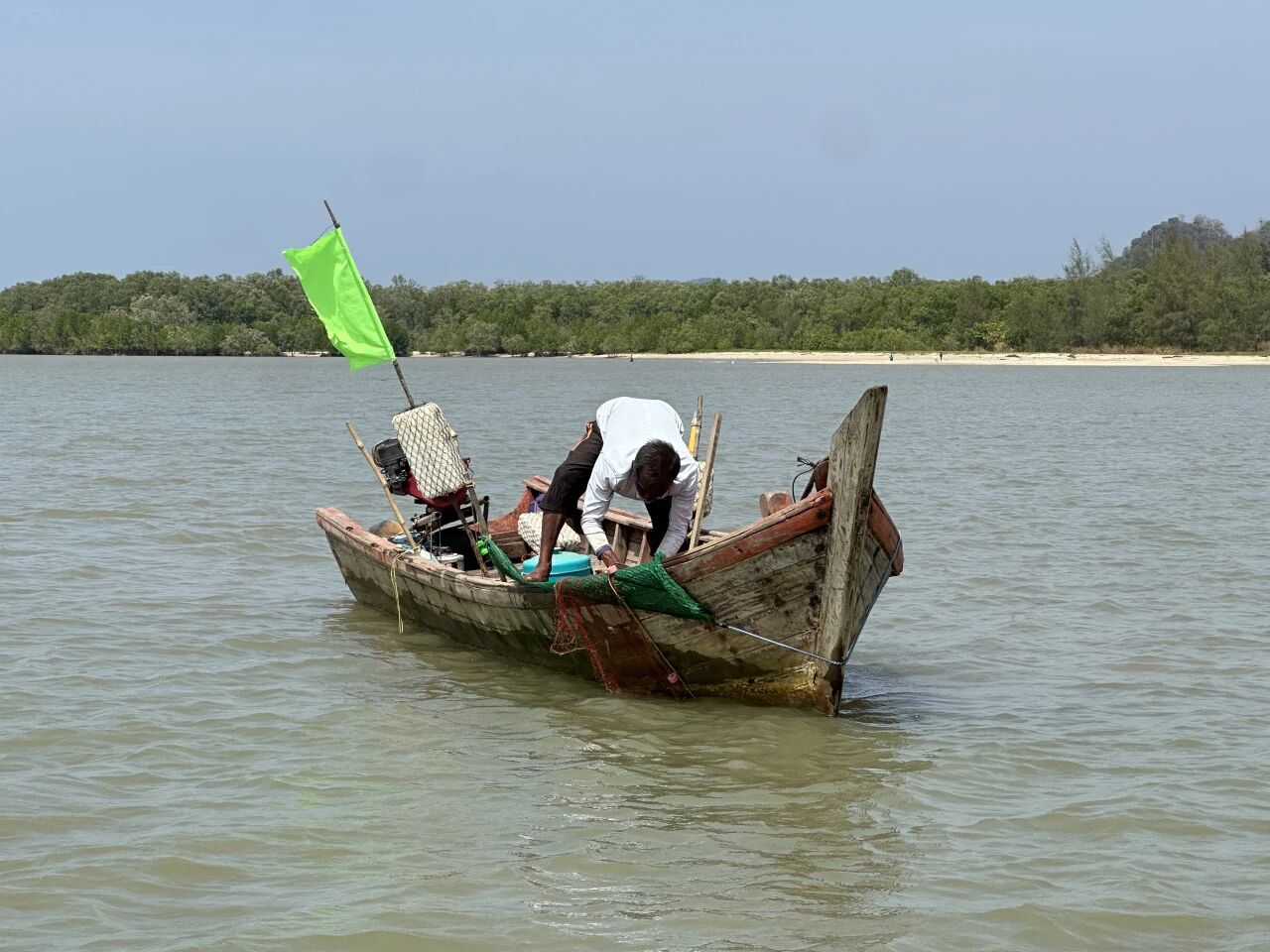
As we neared the jetty, an elderly man appeared on the water in a small boat, fishing with a gillnet. The fishermen suddenly burst into laughter and steered over to greet him. It turned out to be Duck’s father, who was in the prime of life thirty years ago when he first threw himself into the marine conservation movement. His life has witnessed the rise of industrial fishing, the sharp decline of fish stocks, the displacement of fishermen by the national park, their fierce resistance to trawlers, and finally securing the community conservation area from the park’s domain… Now in his twilight years, seeing the fruits of his pioneering efforts, and even having a group of Chinese visitors travel thousands of miles to see it all, what might be passing through his mind?

Unless otherwise noted, all photos are by the author.
Edited by: Pei Dan