
Beijing Migrants Unable to Return Home Bring Their Pickling Jars to the Capital
It is only recently that I came to realise this. For many years, fermentation was nothing more than a strange scientific term in my mind. Later, I gradually understood that the commonplace customs I loved as a child—making soybean paste, pickling cabbage, wrapping sticky rice dumplings—all belonged to the realm of fermentation culture.
Pickled cabbage is my absolute favourite food, bar none. Yet I did not start my first batch until last winter. This shift had been brewing for a long time, and the direct catalyst was the book *Fermented Foods*.
I initially wanted to write a proper book review, but then I thought of its greatest significance to me: it confirmed that my state of life is indeed connected to fermentation. Fearing that my true feelings might be obscured by sprawling history and academic concepts, I decided to lay bare my own little story within it.
I. A Place One Cannot Return To
For the people of this place, the metaphor of the “Northeast Mother River” falls short of capturing their full impression and emotional bond with the Songhua River. Standing on the dike on a clear, cloudless day and looking out over the water, one sees a golden ribbon in summer and a silver one in winter. Confronted with such a view, the heart naturally expands and the mind clears, prompting lavish praise. But if one catches it during a rainy season with thick, dark clouds, they will feel the river’s wrath. Towering floodwaters swallow everything—maize, soybeans, chickens, ducks, cattle, sheep, and even the lives of flood-fighters. The dike, encircling dozens of houses and vegetable plots, was built specifically to hold back the floods and was gradually raised and reinforced after 1998.
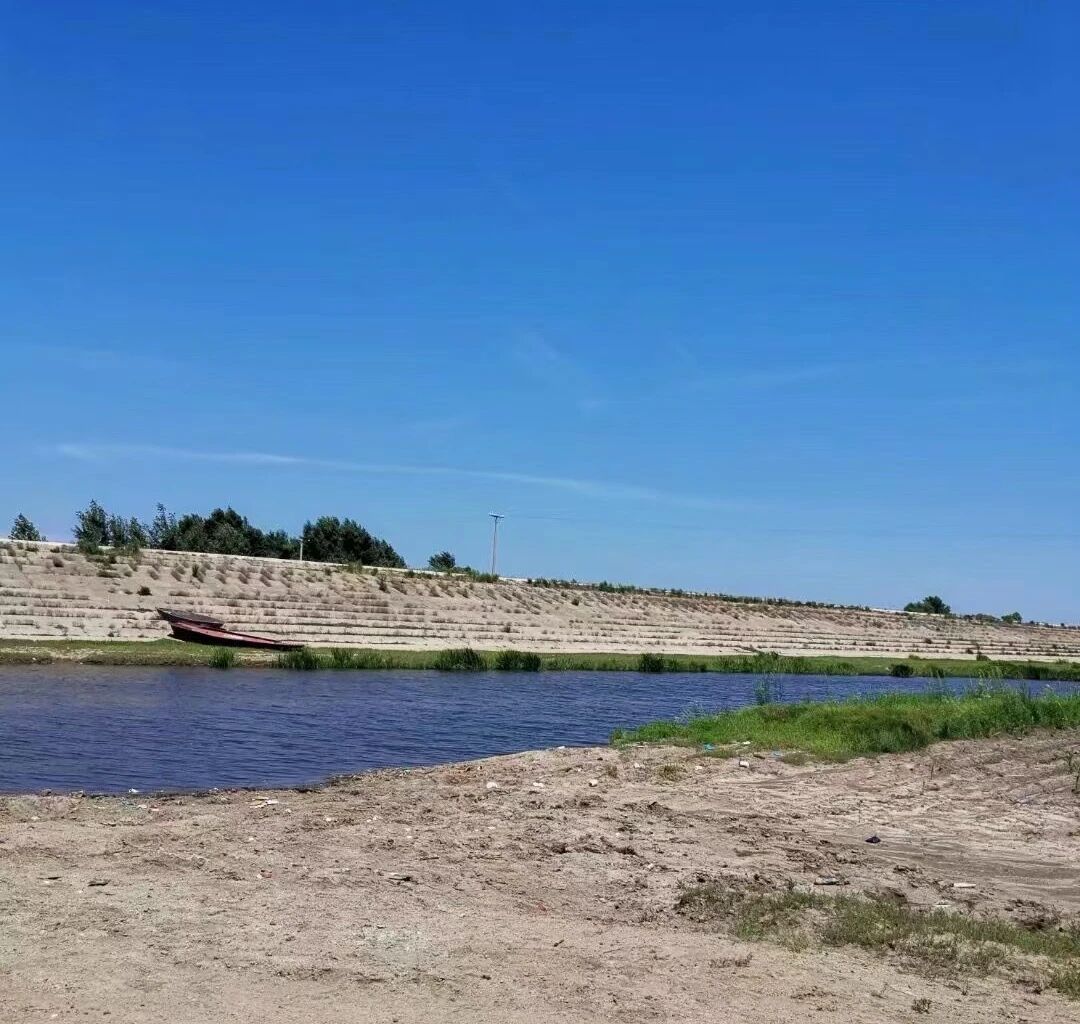
One advantage of this terrain is that it makes the journey into the village unforgettable, for visitors must navigate a brutally steep slope down from the dike, rattling and bumping while terrified of overturning. Whether on foot or by vehicle, this steep incline is the only way in or out. In the early years of the new century, the village’s soybean and maize crops yielded little profit—not due to flood damage, but because bumper crops fetched poor prices. During those years, that steep slope welcomed a few travellers from afar, but more often, it bid farewell to the local children leaving for distant lands.
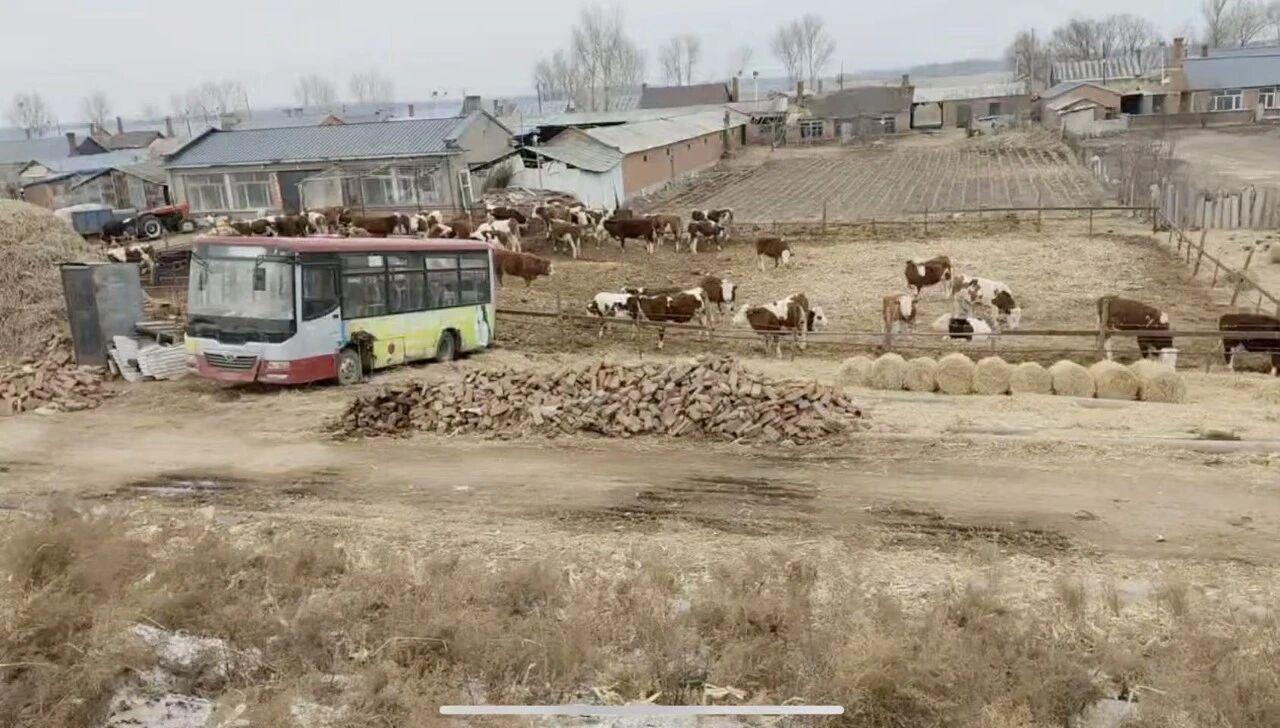
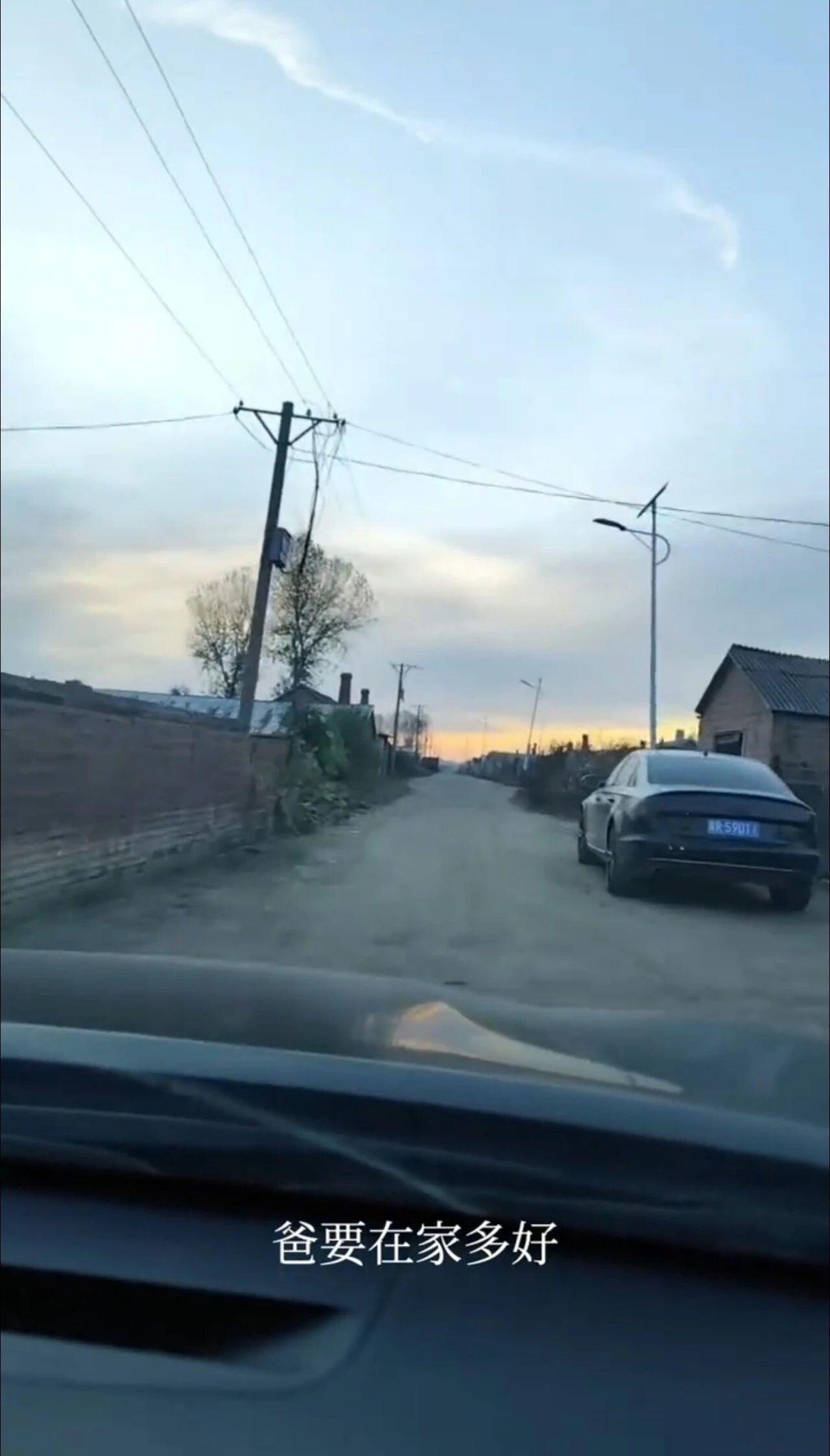
The car continued its smooth journey forward over what used to be a potholed dirt road, now paved with cement. My mother sat in the car taking in the changes; at first, she found them novel. But as the car rolled down the empty streets, and she spotted her family’s rusted iron gate choked with weeds, her chest tightened. A wave of excitement mixed with grievance welled up, and her throat constricted with a dull ache.
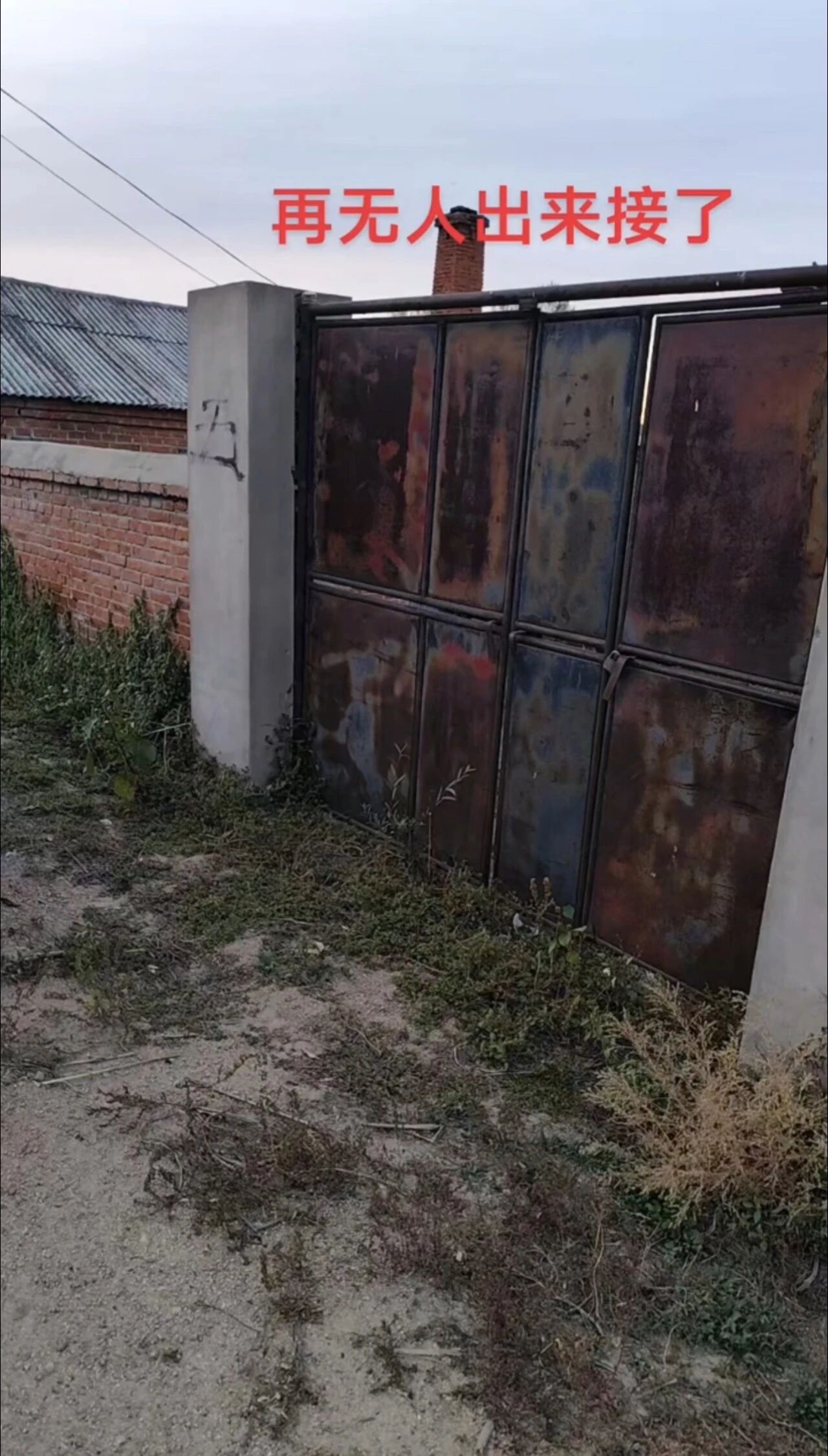
Pushing open the iron gate and stepping into the yard, the old house—uninhabited for over a decade—was dim and desolate, light filtering in where the back wall had collapsed. My mother leaned against the window peering inside. It seemed as though the house were still intact, sheltering a family going about their daily meals and routines, while she was merely a visitor who had slipped through time. It was only upon spotting the incredibly familiar blue bowl rack, along with the nearby well and pickled-cabbage jar, that tears fell. The tightness in her throat finally eased.
What followed was a deep sense of loss, for she realised she could no longer spend the night under the sky of her youth. The familiar relatives and neighbours had all moved away, just like her—to Harbin, Daqing, to Beijing, or a bit further south to Hubei, Guangzhou, and Shenzhen. In short, they were gone. During those years of striving in the big cities, the anxiety of being unable to return home lay dormant yet ever-present in their hearts. Now, this generation of wanderers could no longer pretend not to see the reality: this village was fading.
II. A Pickled-Cabbage Jar That Can Be Taken Away
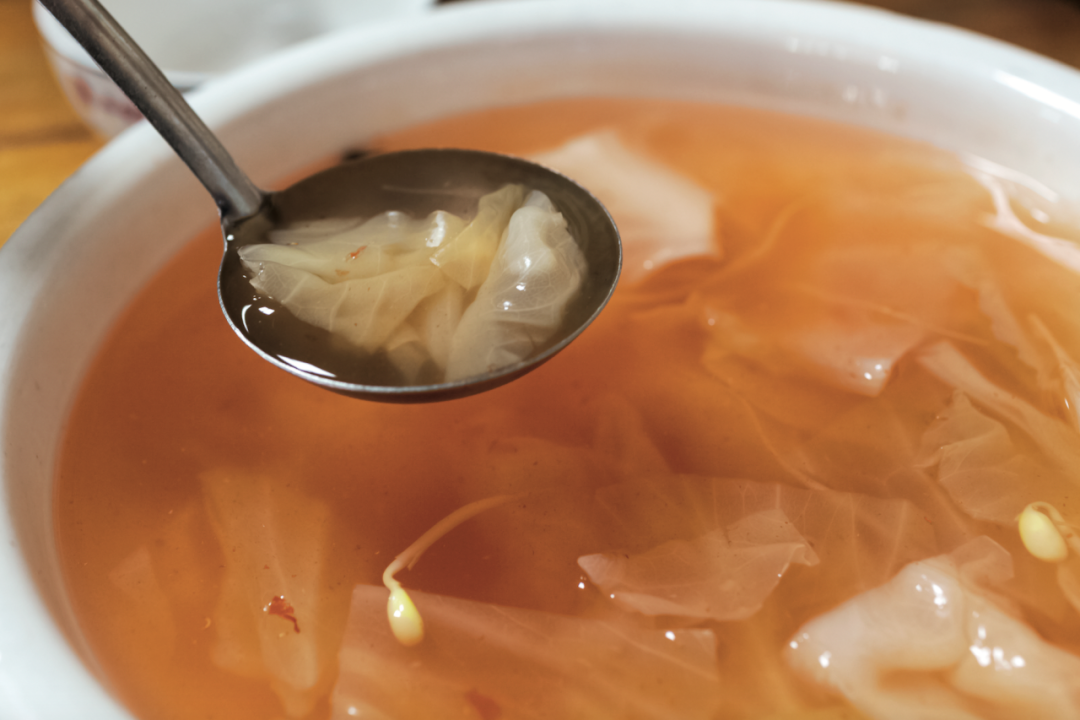
Some things, in truth, have never truly disappeared. Take that pickled-cabbage jar from the old house, for example: it is something that can be “taken away”. Whether at my own home, or at those of my grandmother, third aunt, or second aunt, each household in their respective cities possesses a pickled-cabbage jar. It is as though winter awakens some dormant gene within these elders, compelling them to pickle cabbage the moment the season arrives. Even when they moved into apartments where pickling cabbage is less than ideal, those jars simply sprang up naturally.
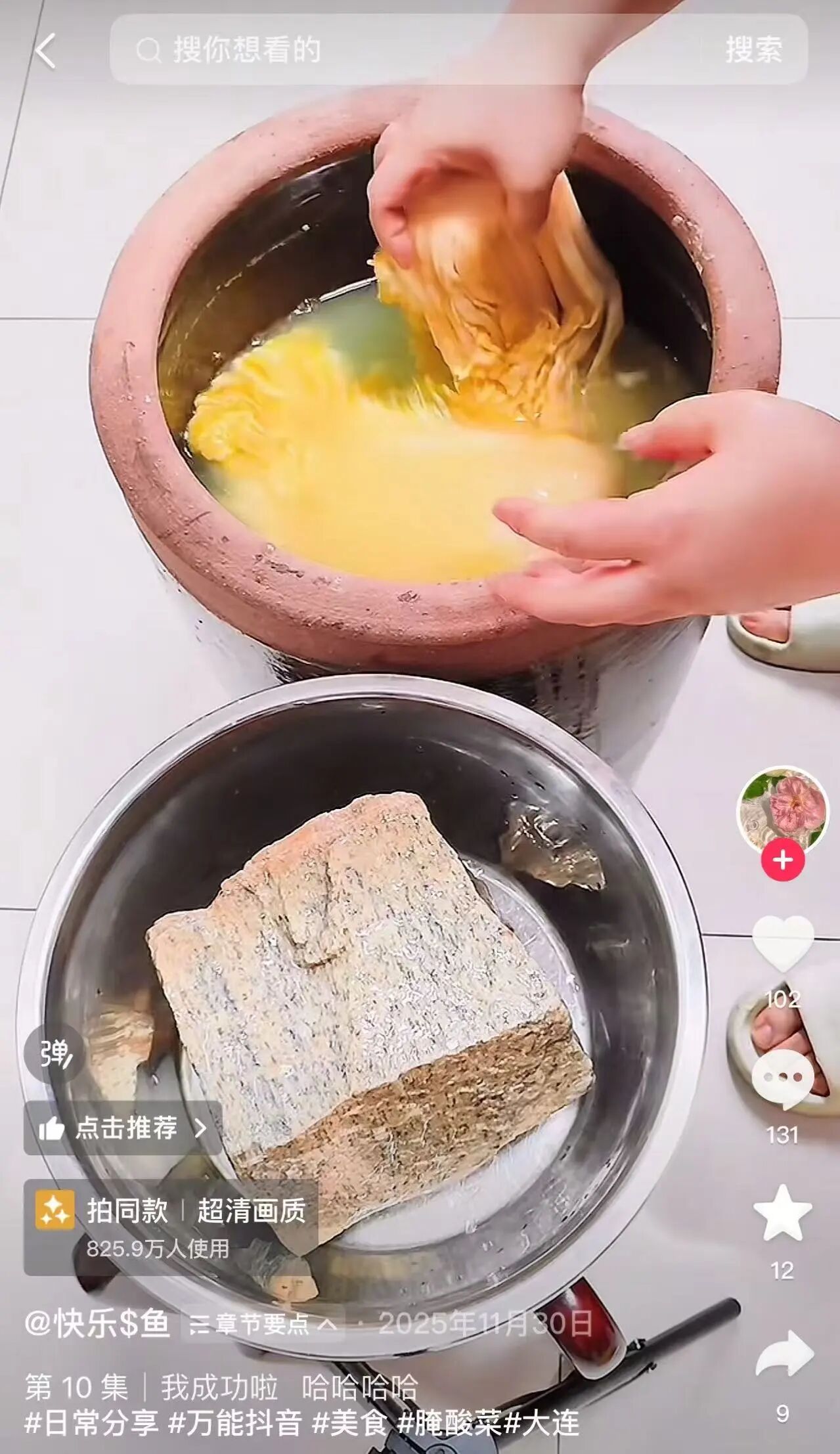
There are plenty of reasons, large and small. A friend once complained to me that in a clean, tidy city like Beijing, finding a large stone suitable for weighing down the cabbage is an exhausting chore. As for me, I found the strong smell of pickling cabbage too much, since city apartments lack the openness of rural homes and courtyards.
Besides, for a long time I relied on takeaway for every meal—why would I bother with a troublesome chore like pickling cabbage?
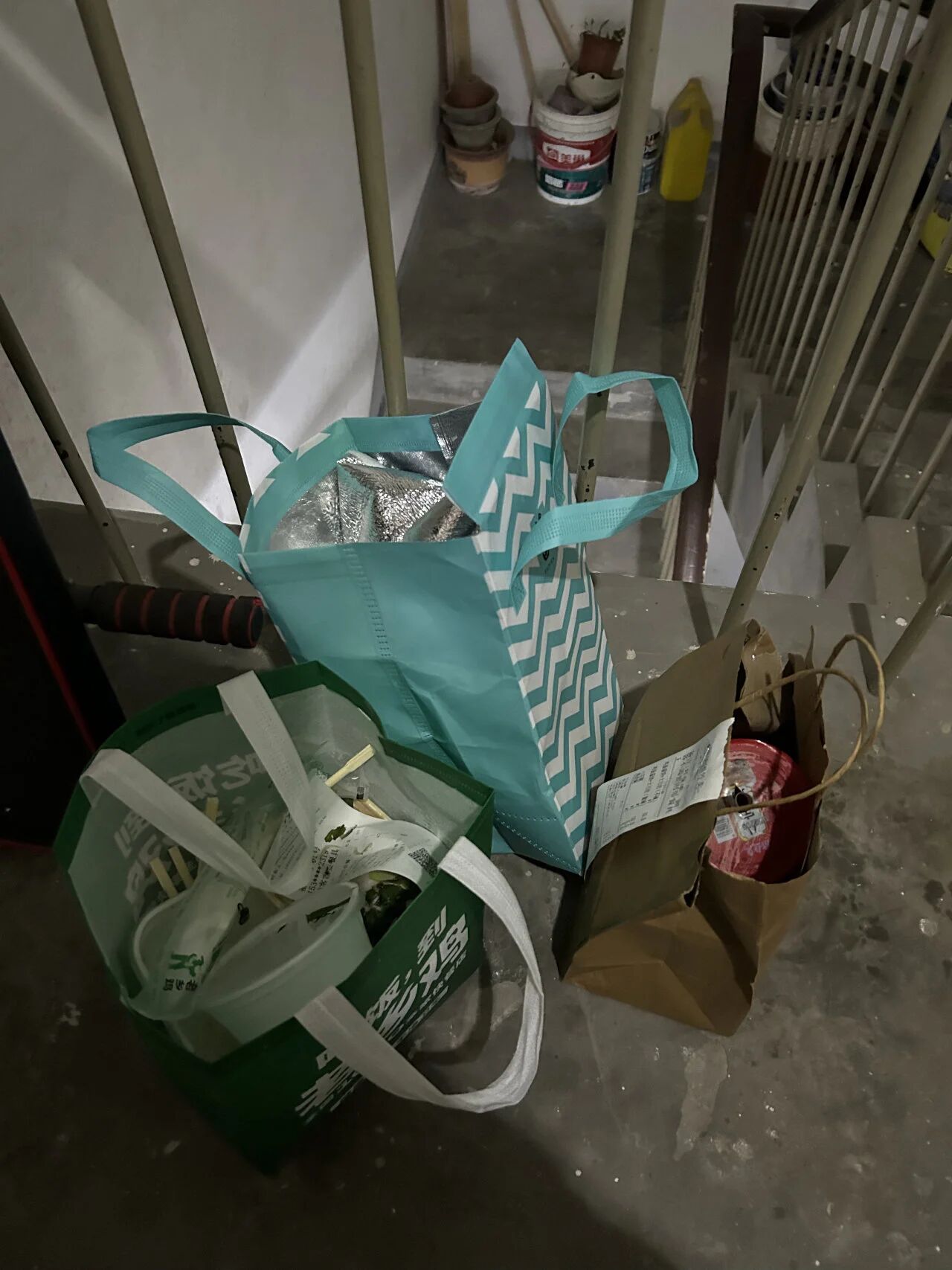
A more significant reason might be that in the fast-paced, high-pressure rhythm of city life, work drains so much of my energy and vitality that I’ve come to rely excessively on commercial consumption to meet daily needs, rather than fulfilling them through domestic labour as our elders did.
Since graduating and starting work three years ago, my life has gradually become a simple duet of work and consumption. This state of affairs has robbed me of some basic awareness of and ability to manage material things. Alongside this loss went my capacity to bear the weight of everyday life. I only wanted to focus on the few things I genuinely wished to do, so the “intrusions” of family and friends—which originally carried much positive emotional exchange—became a burden to me. In such a lifestyle, moments of oppressive tension sometimes left me feeling on the brink of crumbling.
III. A Book on the History of Fermentation
Yet back then, I hadn’t yet regarded fermentation as an important element of life, until I read Sarah Baumgartner’s *Fermented Food: A History*. If Sandor Katz’s *The Art of Fermentation* focuses more on the food and craft of fermentation itself, this book delves into the cultural and technological history of fermented foods.
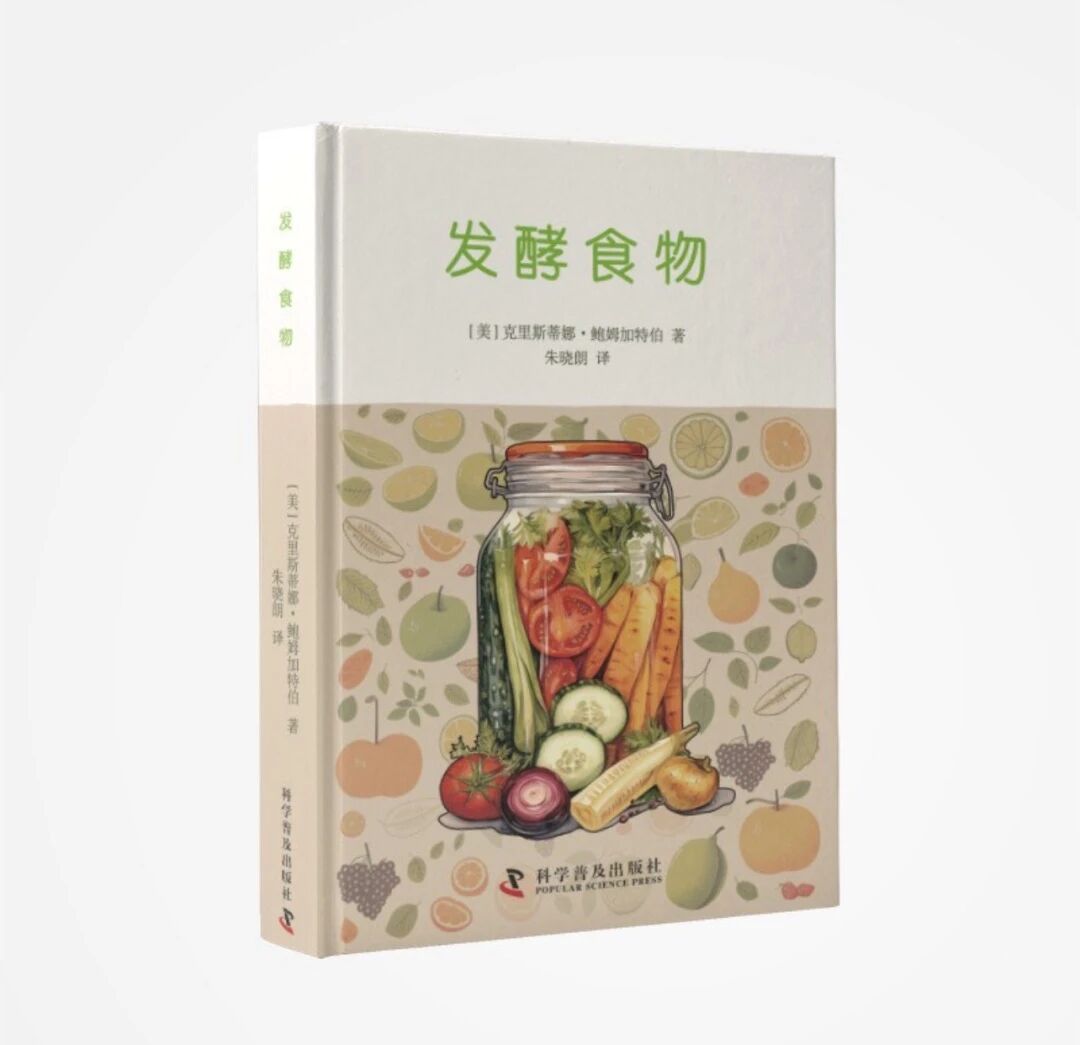
From this book, one can see that while humanity has many traditional methods of preparing food, the relationship between fermentation and the modern food system may be the most contradictory and complex of them all.
When I was young, I always imagined a mysterious world inside the soy sauce jars in the vegetable garden and the pickling jars in the kitchen, because unlike ordinary inanimate objects, their surfaces were always bubbling away. I could hold my breath and stare at them for ages, until my grandmother would call out from a short distance away, “Be careful, don’t fall in!” Only then would I bolt away.
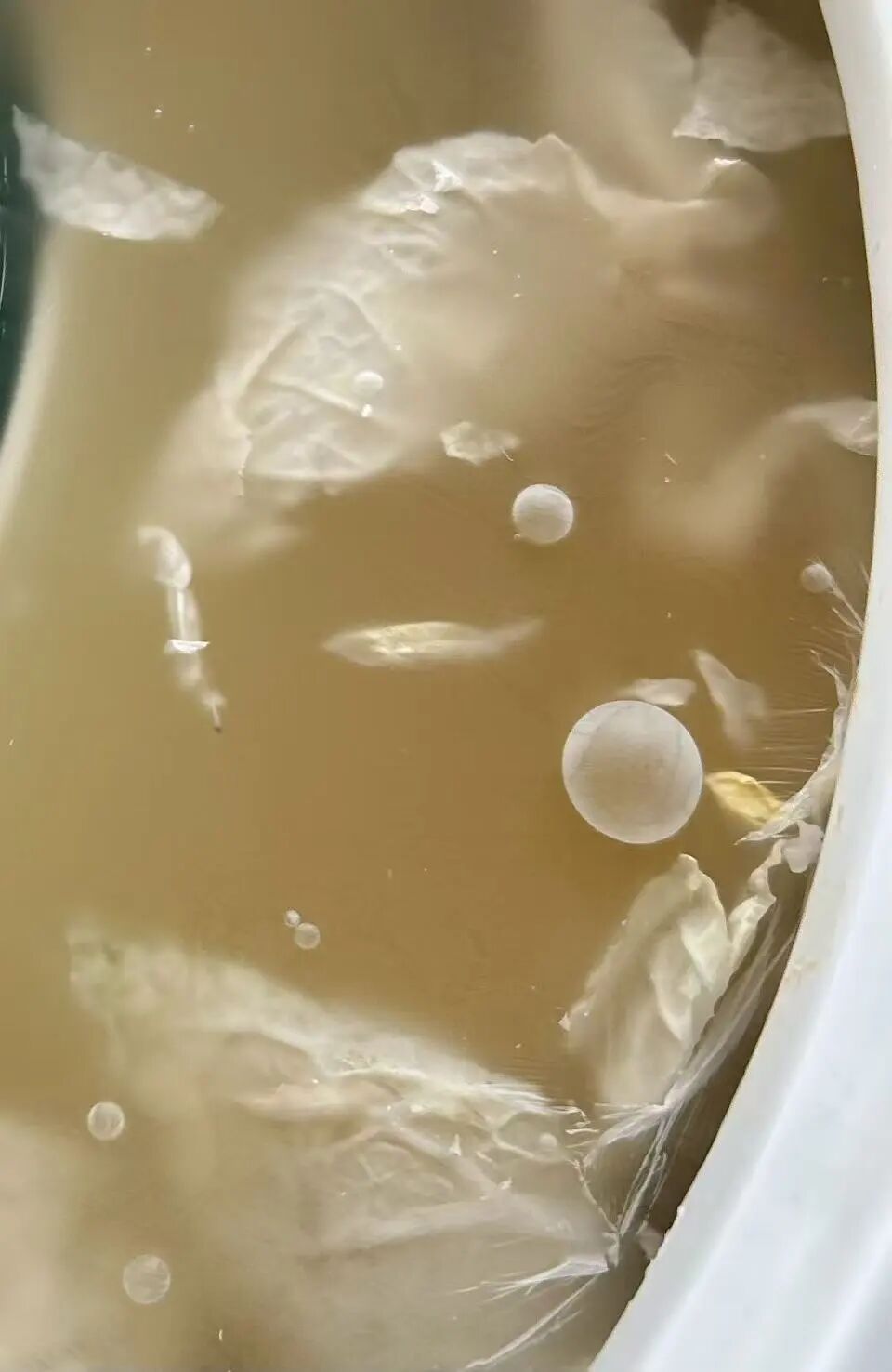
Now we understand that those bubbles are carbon dioxide produced by microorganisms like yeast during aerobic respiration in the early stages of fermentation. Only afterwards can the main actors, lactic acid bacteria, undertake “anaerobic metabolism”.
Humanity has long turned fermentation from a natural phenomenon into a masterable craft, but before the 19th century, the biological mechanisms of fermentation remained a mystery. Many people tended to view a vat of bubbling beer or souring vegetables as a product of decay, carrying connotations of “death”. Even the chemist Justus von Liebig believed fermentation was merely a chemical reaction, not a biological activity.
It was not until the 1860s, in an effort to find out why some fermented wines also turned sour, that the scientist Pasteur finally discovered the omnipresent world of microorganisms hiding beneath the surface of everyday life.

The other day, hearing the pickling jar in my house suddenly make a noise surprised even me, someone with a fairly poor perception of nature and material things: “How did lactic acid bacteria just end up there? So microorganisms really are everywhere!” Each bubble sounded like a fragment of memory, like a poem connecting the past with the present, bringing an unexplainable sense of joy and grounding to me as I worked from home alone. In that moment, scientific discovery did not diminish but rather heightened my awareness of nature; fermentation is an interface through which one can interact with invisible microorganisms.
Any modern person educated in public health is aware of the existence of bacteria. Tracing its origins, bacterial science began to take root in the minds of most people during the public health revolution in Europe and the United States in the late 19th century. Sanitary precautions against bacteria and viruses, along with the development of related vaccines, gave humanity the means to combat diseases such as rabies, anthrax, tuberculosis, and typhoid.
This is undoubtedly a monumental social advancement. But there are other facts that deserve to be remembered:
- Our bodies naturally host around 39 trillion microorganisms, many of which play beneficial roles such as boosting the immune system, regulating blood sugar, improving digestion, and more, contributing to our health and wellbeing.
- Bacteria have existed long before, but the complex environments of the industrial food system—such as cramped, unsanitary cow sheds, meat processing plants, and cold-chain logistics—have fostered the breeding and spread of many pathogenic bacteria, including *Mycobacterium tuberculosis*, *Escherichia coli*, and *Listeria*.
- Another application of germ theory, “pasteurisation”, reduced the risk of microbial contamination during complex processing and transportation stages, thereby cementing the industrial food system’s place in human society. Yet new foodborne pathogens continue to emerge.
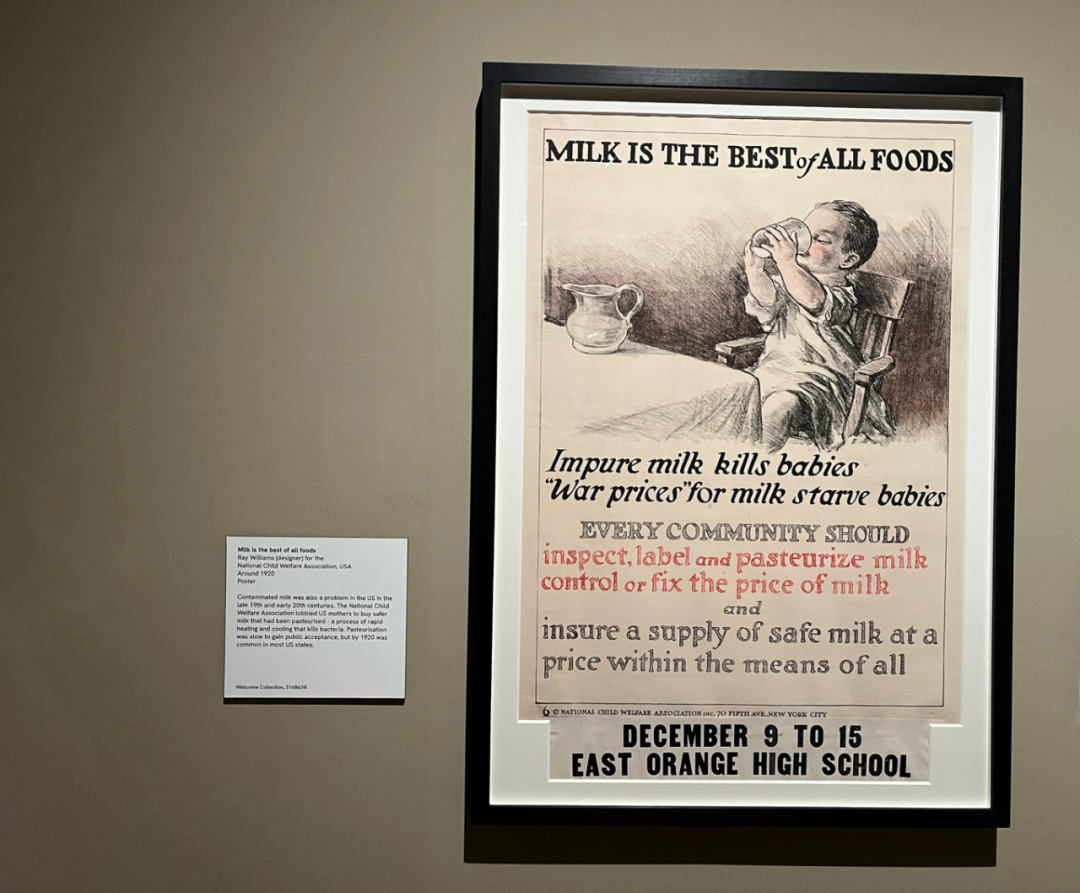
We cannot say that the triumph of the industrial food system was solely determined by bacteria and hygiene concerns; the actual history is far more complex. Yet the germ theory and its related applications, which originated from fermented foods, undoubtedly played a crucial role in the industrial food system’s erosion of home fermentation traditions.
IV. A life within your grasp
Imagine this: had the countryside not declined when humanity mastered microbial science, had people possessed ample time and passion for cooking, and had they not needed to rely on packaged foods for the sake of saving time or convenience, how would fermentation have been treated? Would we have a greater variety of pickled cabbages, fermented rice wines, pickled bamboo shoots, breads, and cheeses? Would we lead more humane and creative lives? Answering that might require a work of science fiction.
I often find myself wondering: where do I stand in history right now? What direction will these myriad changes, material and emotional, lead me?
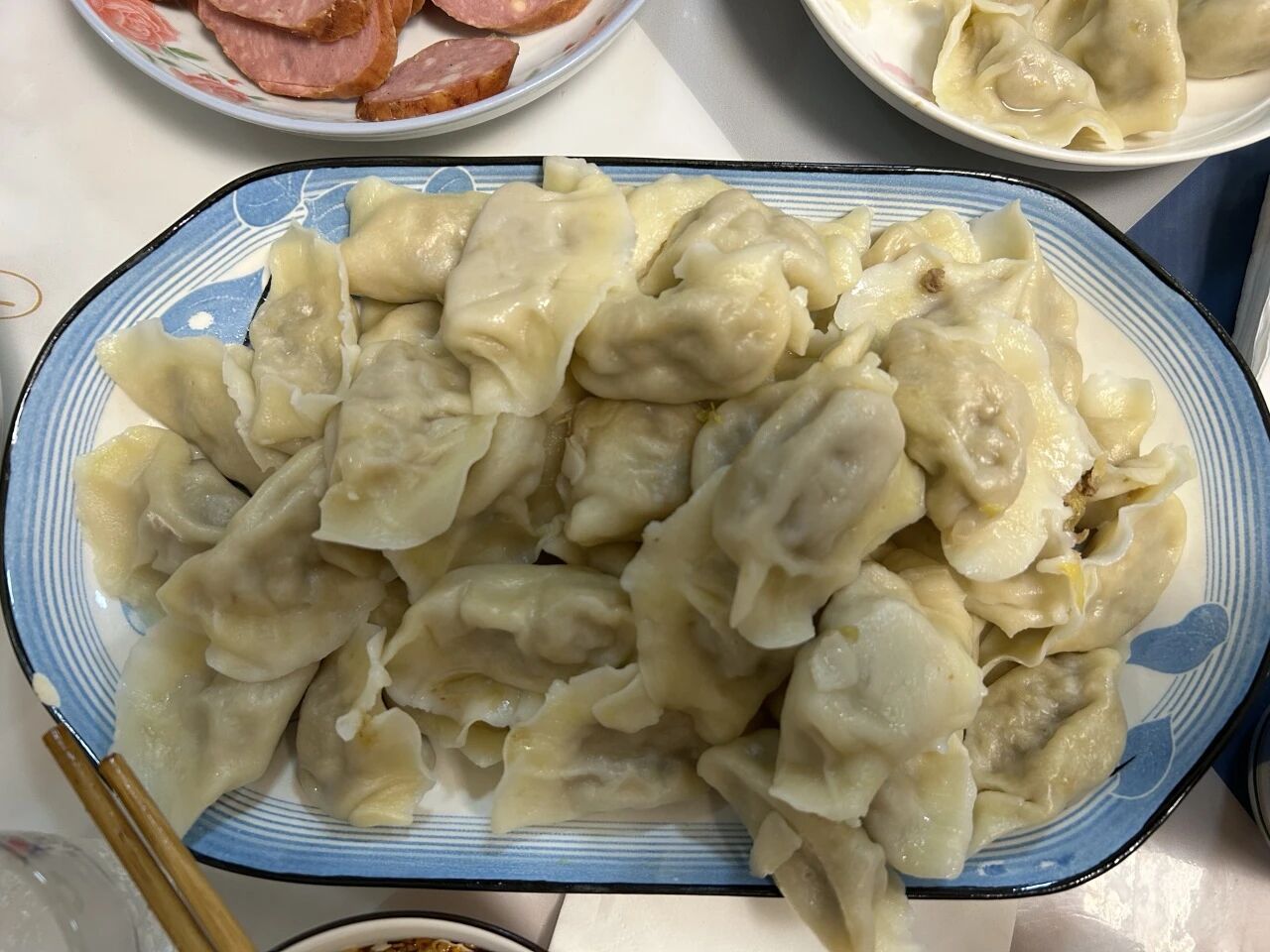
I can be certain of one thing: although my family members gradually migrated from the countryside to the cities during the rapid urbanisation of the late 1990s and early 2000s, the fact that the elders still retained their own land kept the bonds between us very tight. Just last National Day holiday, I tasted the maize and raw vegetables with dipping sauce that my aunt brought to me after travelling hundreds of kilometres, as well as the pickled cabbage dumplings my maternal grandmother made for the Spring Festival.
These are positive, beautiful things that must be remembered. Yet I must also admit that for my generation, the oppression and alienation bred by life in megacities have truly taken hold. Drifting in a big city, I lead a contradictory existence: at times brimming with the vitality that comes from constant movement, at other times weighed down by the despondency of loneliness.
When my mother returned home and said, “everything is an illusion,” she was not merely longing for the past. She was also lamenting how life today has become less reliable, trustworthy, comprehensible, and graspable—and that her former self was once another factor that slipped beyond her control.
To her, the past is worth cherishing because the dams, mulberry trees, old houses, crockery cupboards, and pickling vats of her hometown, along with the people and emotions woven around them, were once things she could be one hundred per cent certain of owning and belonging to. They were the most profound proof on Earth that she had existed uniquely and irrevocably—things that no one could ever steal or buy away.
Even when she reads Jude the Obscure and *Sons and Lovers*, it is not the core plotlines but the detailed descriptions of English countryside landscapes and cultural customs that consistently bring her genuine joy.
I have a faint sense that rebuilding a life she can feel grounded in depends not only on reliable, trustworthy emotional bonds, but also on the material world and on nature itself. Before I started making pickled cabbage, I asked my maternal grandmother for advice on fermentation, and later sparked a discussion in our family group chat about why the pickled cabbage in Beijing always turns out so “watery” and limp. These casual chats have forged a new shared language and a new shared life between us. Our emotional exchanges, tethered by material things and nature, are like a small brazier, keeping me warmly wrapped in its glow as I sit beside it.
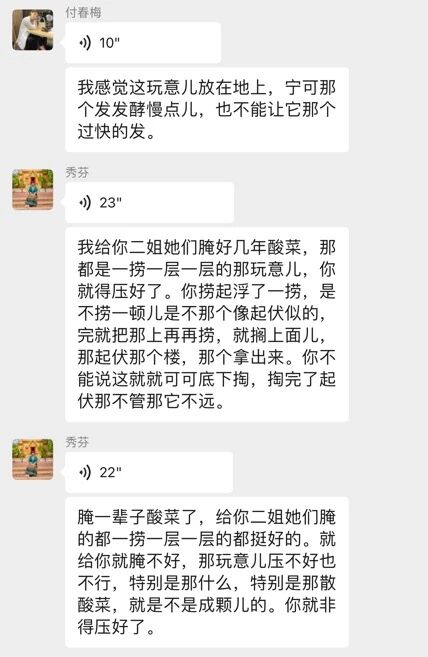
I don’t know whether it’s the classic case of joy turned to sorrow, but although I had a wonderful time returning home for the Spring Festival last year, my very first batch of pickled cabbage went mouldy just two weeks after I got back. The sight was akin to a gourd breeding venomous insects. It broke my heart, and I found myself sighing over the mouldy vat whenever I had a spare moment. A friend experienced in fermentation said it was because the plastic bucket I used harboured hidden grime, which fostered the mould. I, on the other hand, suspected that the cabbage hadn’t been pressed down firmly enough, leaving the exposed portion above the brine to become a breeding ground for mould.
Nevertheless, I have obediently swapped it for a ceramic crock. Spring has arrived in Beijing, making it no longer suitable for pickling cabbage, so I plan to use this crock for something else in the meantime. When winter comes around this year, I will find a more suitable stone weight to place it on.