
From the State Sector to Grassroots NGO: An Idealist in Yunnan
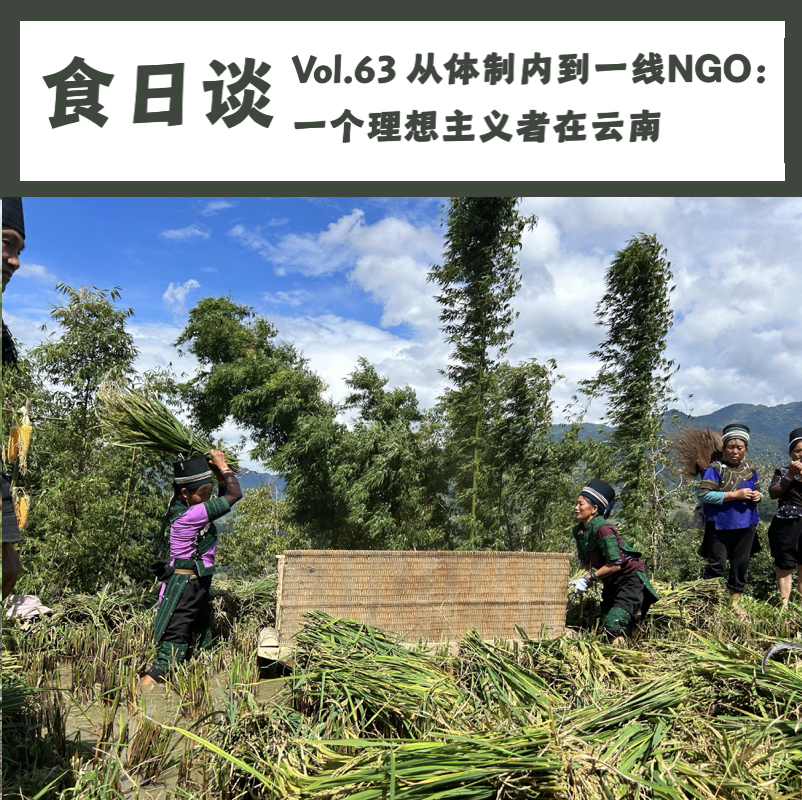
How did an organisation focused on insect ecology come to care about farmers’ livelihoods? And how did an organisation focused on farmers’ livelihoods end up composing ‘The Fly Song‘ for flies?
How did a man from Shanxi become a village ‘male women’s director’ (a humorous term for a man holding a traditionally female post) in Yunnan? Why is a top graduate in genetic engineering out in the fields urging farmers to grow crops without pesticides or chemical fertilisers?
How did these seemingly unrelated people and events magically intertwine?
In this episode, we welcome Zuo Zhi, Executive Director of the Yunnan Sili Centre for Ecological Alternative Technologies. Born in the mid-1980s and originally from Shanxi, he moved to rural Yunnan and, after graduating from university, left the state sector to join an NGO called ‘Sili’. There, out in the fields, he took on a role that is hard to sum up: teaching farmers to use fewer pesticides and cultivate heritage rice varieties, while trying to build a bridge between government officials, farming households, and agricultural technology.
You will hear some rather counterintuitive details: flies turn out to be the ultimate ‘matchmakers’ in mango orchards, and the first step to promoting ecological agriculture involves sharing a drink with the farmer. From the Rice Transplanting Festival in Dali to the yield assessment sites in the Hani rice terraces, Zuo Zhi takes us through the complex dynamics among agricultural supply stores, extension stations, and grassroots organisations, breaking down what exactly ‘climate-friendly rice’ entails – a method that maintains yields while reducing emissions.
In this episode, alongside Zuo Zhi, we trace how an idealist uses plain language to connect with the land and the people who work it. This is more than just a primer on climate-friendly rice; it is a true account of how small changes, made within real-world constraints, can build trust and help sustain rural communities.
Episode Guest
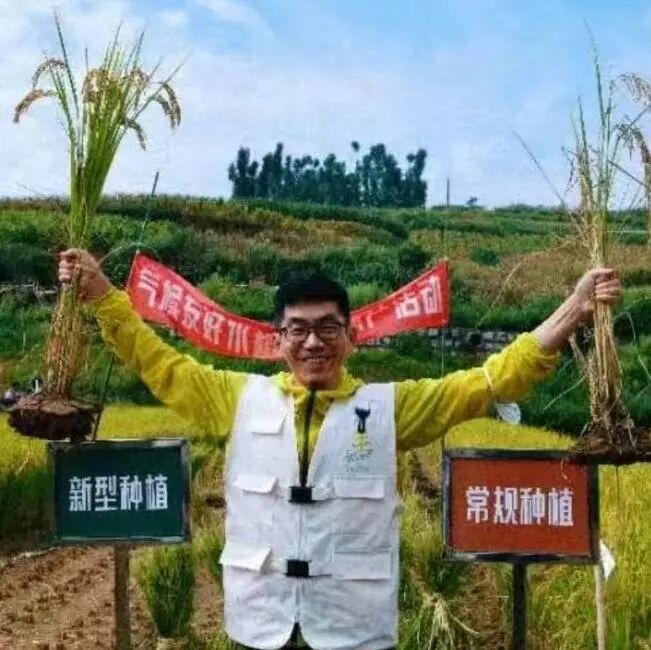 Zuo Zhi
Executive Director of the Yunnan Sili Centre for Ecological Alternative Technologies. His current work centres on research, extension services, and practical projects involving climate-friendly paddy management strategies and technology screening and integration, with the aim of advancing a practice network for climate-friendly agriculture.
Hosts
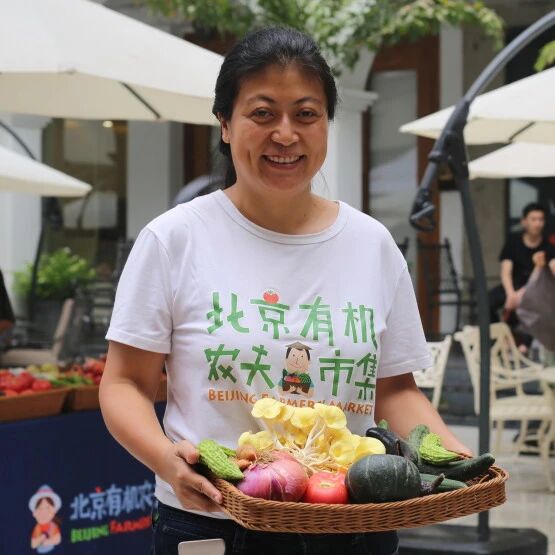 Tianle
Founding editor at Foodthink and convenor of the Beijing Organic Farmers’ Market.
 Pei Dan
A writer who has found her footing again, focusing on the real people affected by climate change, ecological shifts, and societal transformation.
Timeline
07:13 From state-sector security to grassroots NGO work: why make the leap?
12:20 In the village, trust comes first; technology is secondary
23:47 Sharing a drink and speaking plainly: informal methods for connecting with farmers
27:09 Reviving an heirloom variety, and a festival along with it
30:21 Government, supply shops, and NGOs: who really shapes how farmers grow crops?
38:50 Climate-friendly rice: more than just farming, it’s working in sync with the weather
44:18 When salespeople offer training, it’s expected; when they don’t, that’s what’s odd
49:15 Yunnan’s droughts are more than just a lack of rainfall
58:22 Yield assessments, control plots, and an elder’s wisdom: keeping technology grounded
68:46 If you’d also like to get a little closer to the land
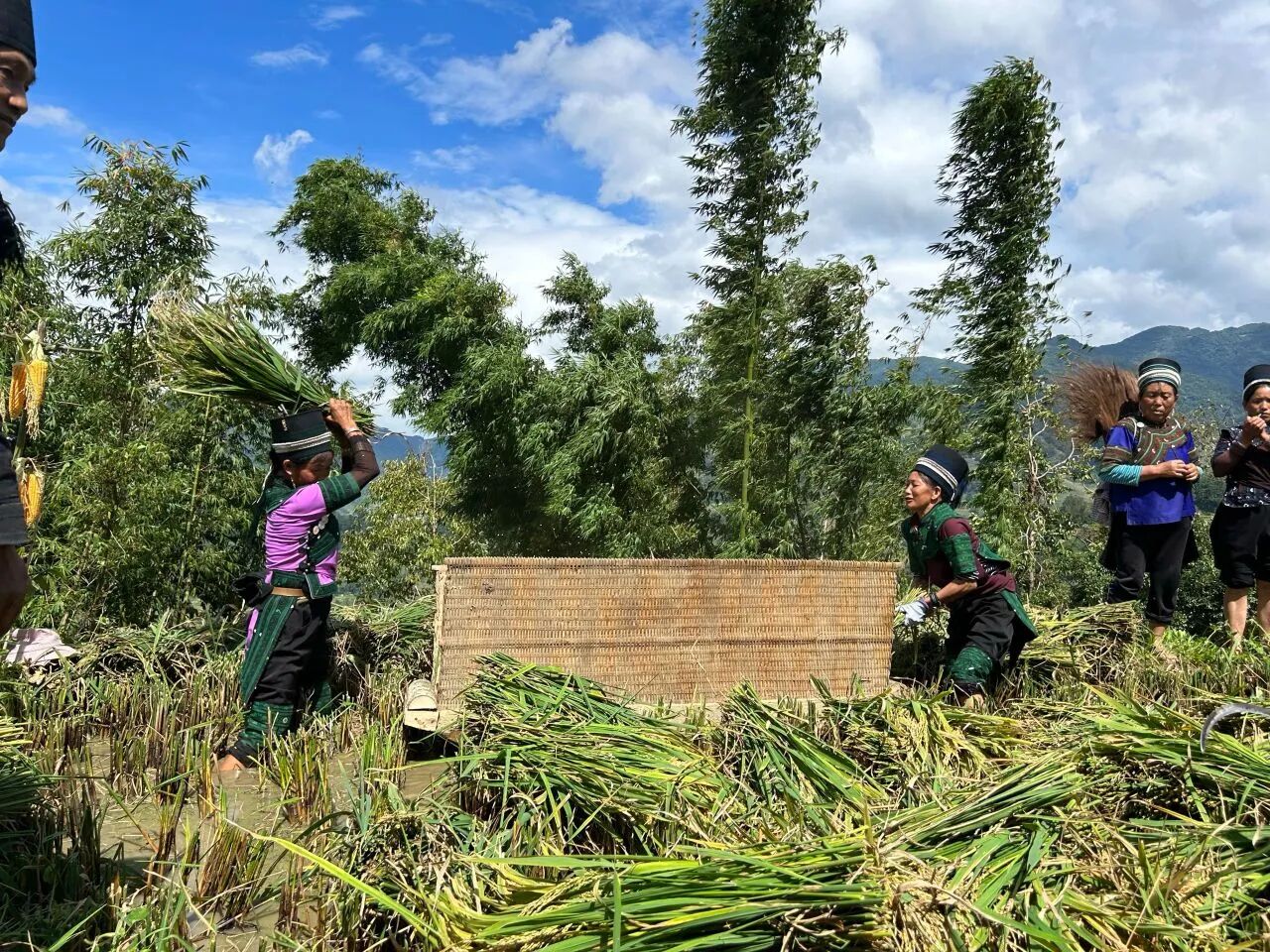
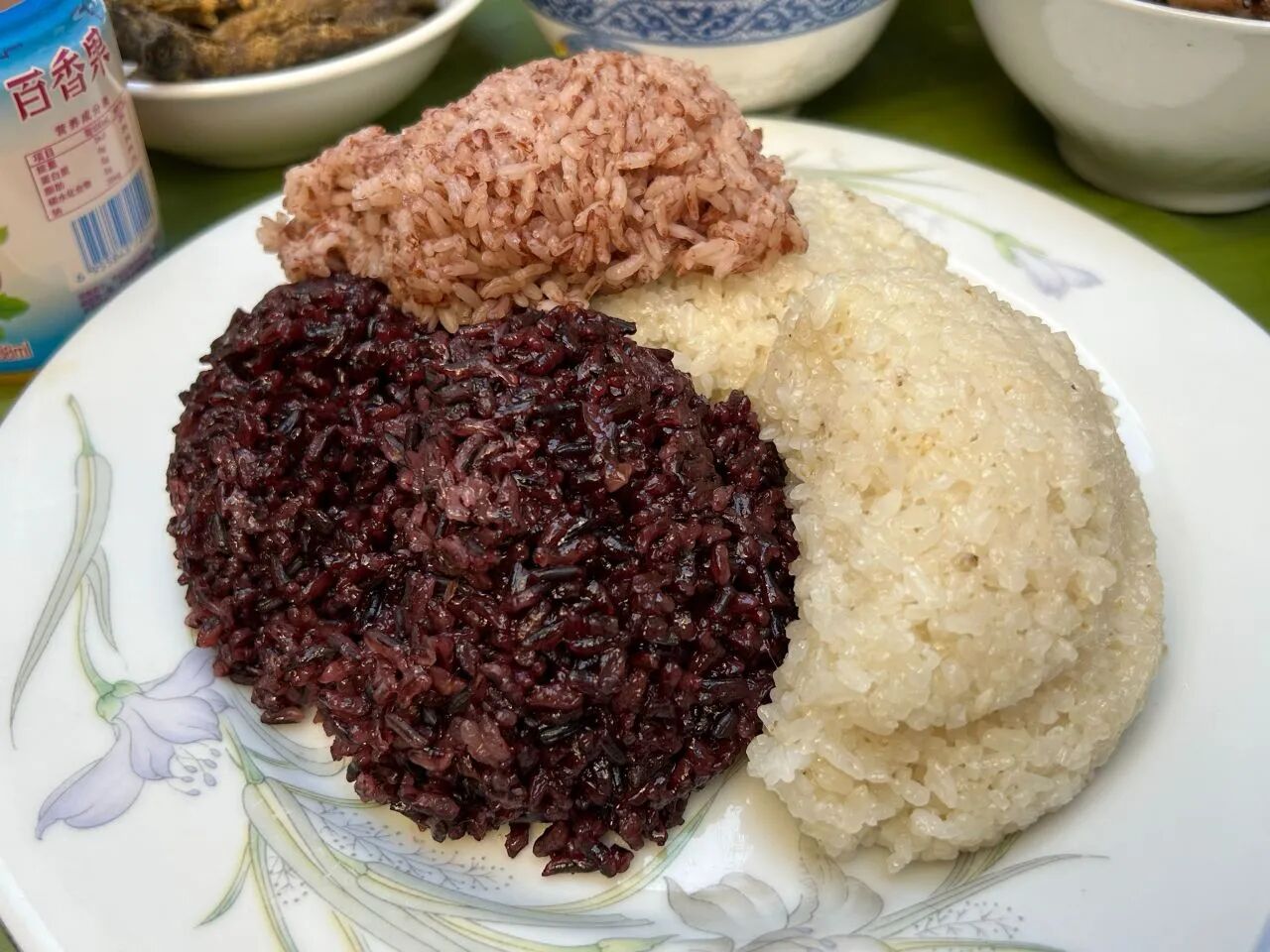
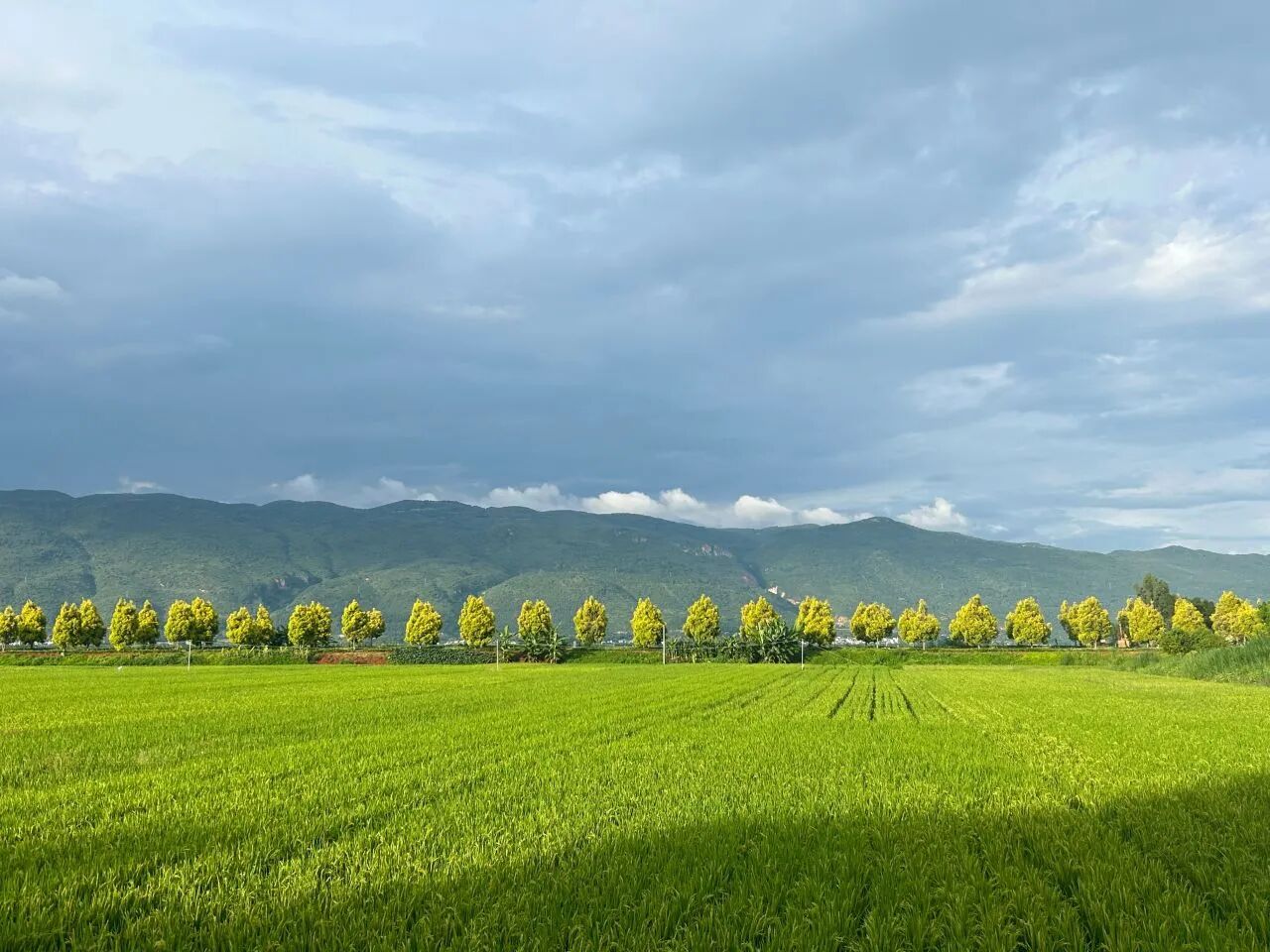
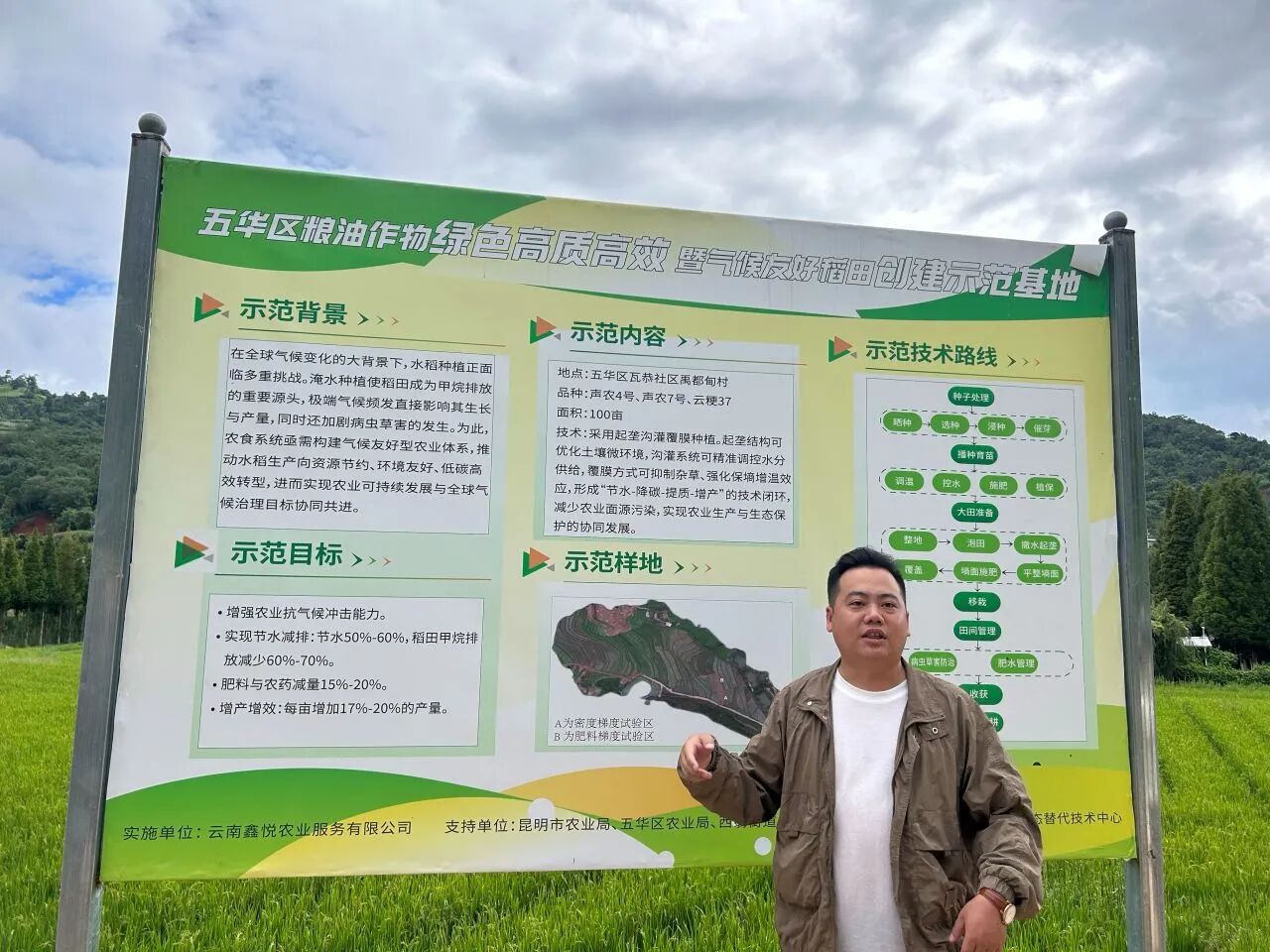
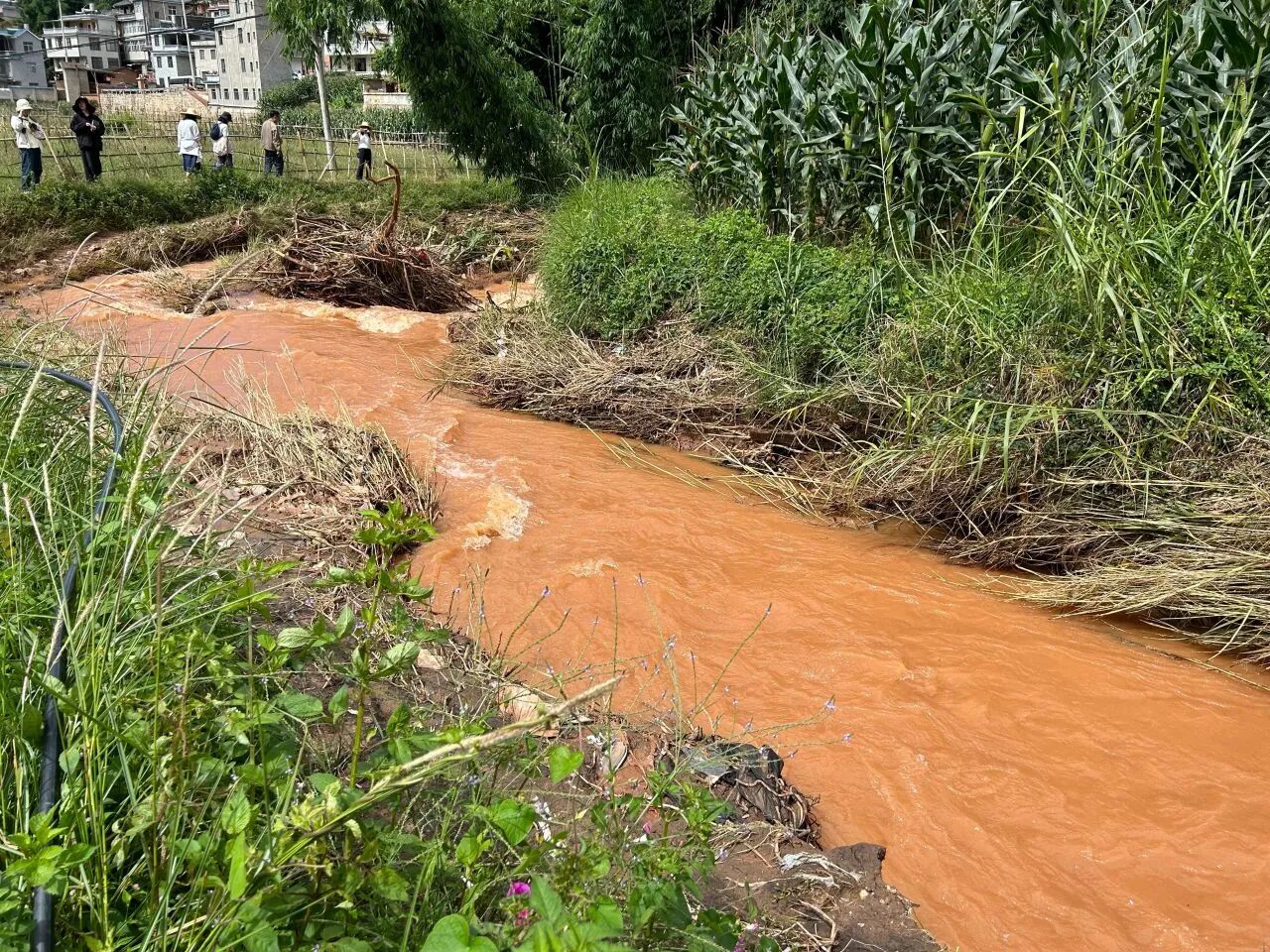
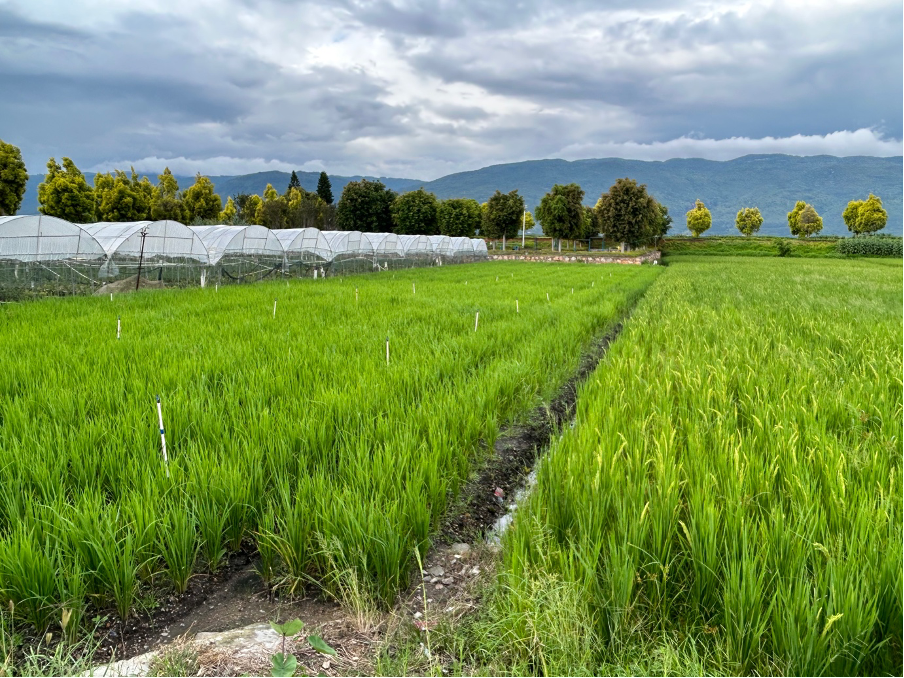
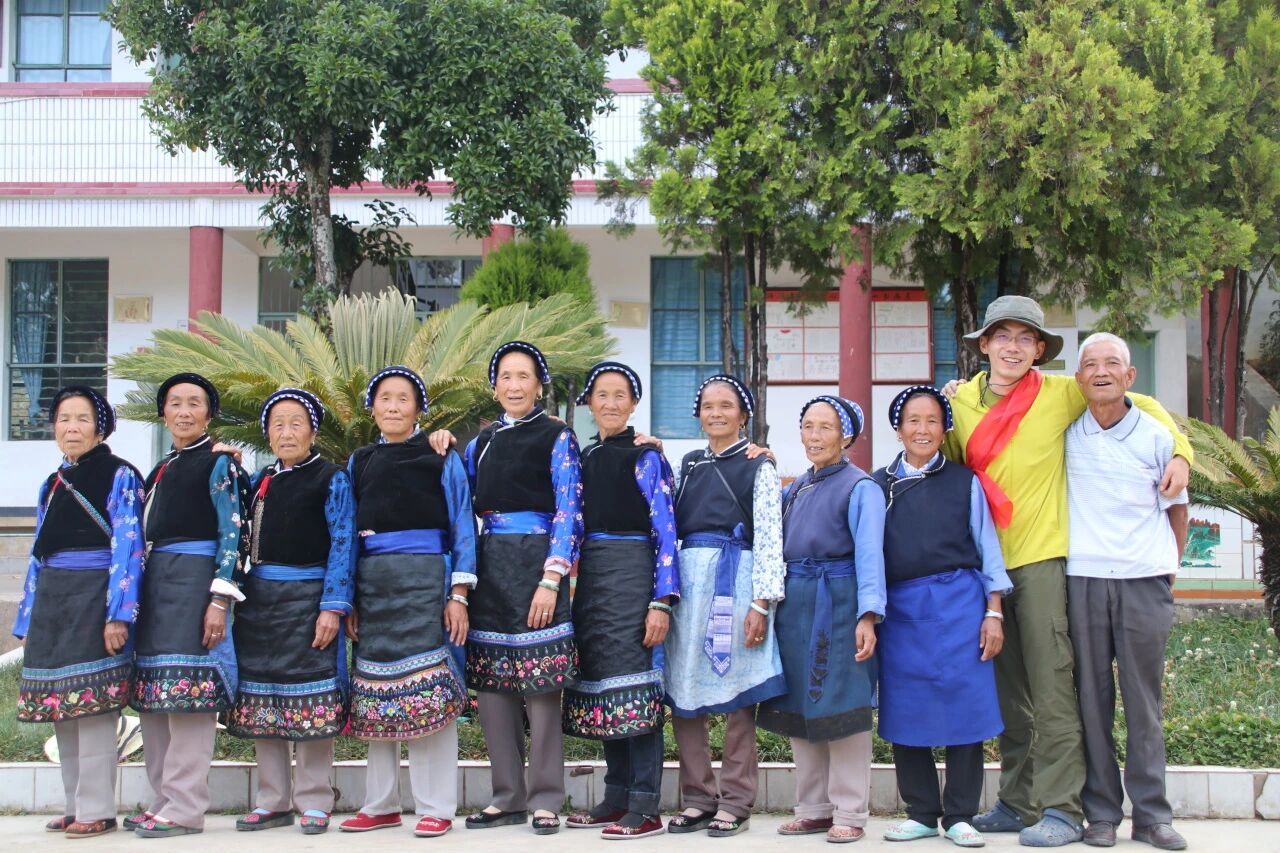
Yunnan Sili Centre for Ecological Alternative Technologies (hereafter the Sili Centre), established in 2002, focuses on sustainable agricultural development. It undertakes community pesticide risk management, research and extension of ecological and climate-friendly application technologies, agricultural biodiversity conservation, and public science education. The Centre works to advance the synergistic enhancement of pollution reduction and carbon mitigation in agriculture, fostering socially and economically sustainable practices.
Further reading ▼
With drying conditions, how can rice still be grown?
People are leaving, water is dwindling: who is growing rice?
Human food security is surprisingly in the hands of insects
Understand rural fundamentals before discussing climate action
Scan the QR code below
on Xiaoyuzhou | Ximalaya | Lizhi | Apple Podcasts
to subscribe to the Food Talk podcast

Feel free to leave comments on any podcast platform, and we will reply periodically. Scan the QR code below to add the Foodthink WeChat contact, noting Food Talk, to join our podcast listener group.

Unless stated otherwise, images are provided by this episode’s guest.
Podcast music: Banong
Production: Xiaojing
Planning: Tianle, Pei Dan
Editing: Yuyang
Contact email: [email protected]