
Remembering a Friend We All Cherished
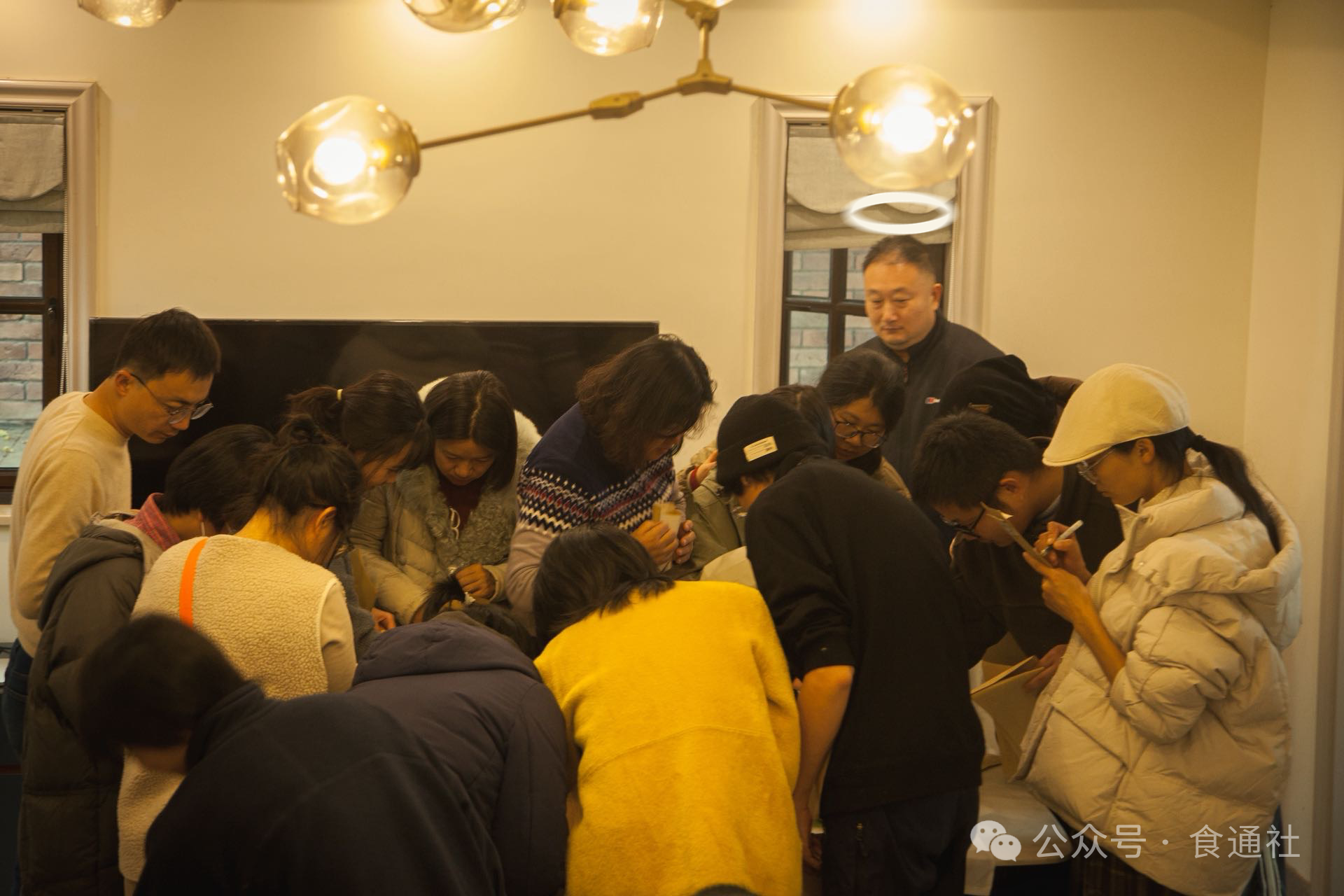
Friends are divided on whether Guan Qi was more of an introvert or an extrovert. Several of us asked him directly and received different answers each time. After he passed away, we gathered and realised it was a mystery that could never be definitively resolved. Whenever we think back to his signature mischievous smirk, the catchphrase of the crosstalk master Ma Sanli, whom he admired, echoes in our heads: ‘Just kidding.’
Perhaps it was a foolish question to begin with. Guan Qi was not someone who liked labelling people, nor was he interested in black-and-white narratives. He was also someone who defied categorisation, embodying a blend of roles and qualities that might otherwise seem irreconcilable. Since he left us, we have found it quite difficult to explain to someone who did not know him well what kind of person he was. It is even harder to summarise in a few sentences why so many friends who seemed to know him only professionally miss him so deeply. In fact, the very act of putting words to his memory often brings the storyteller to tears once again.
After he passed away, a friend shared his Instagram account, which appeared to have been registered many years ago. His bio read: Seeking a stance of neither servility nor arrogance in the countryside. Whether he meant discovering this quality in others or finding his own footing, he undoubtedly achieved what he had set out to do all those years ago.

Since Foodthink was founded in 2017, Guan Qi has felt like an honorary member of our team. As a core figure in the Farmers’ Seed Network, he was our go-to expert whenever we needed advice on seeds or agricultural biodiversity. That same year, he wrote two long-form articles for us, A New Path for Seed Protection: Breaking Free from Corporate Consolidation and Reigniting Public Value (Part I) (Part II), explaining to readers why the farmer seed system matters and how we should protect and support the practices and rights of farmers saving and breeding their own seeds. Over the years, he also grew increasingly involved in our online and offline events.
Remarkable Writings by an Extraordinary Mind ▼
A Discussion on Whether to Order Food Delivery in Heavy Rain
Implementation of the New Seed Law: Can Legislation Protect Farmers’ Breeding Rights?
Does the Loss of Food Flavours Begin with Seeds?
Small Seeds, Big Wisdom | Food Studies Society Course Preview
Amid Commercial Hybrids, Why Do Farmers Still Need to ‘Have Seeds’?
From the Dining Table: Rethinking Scientific Discourse in the Public Sphere
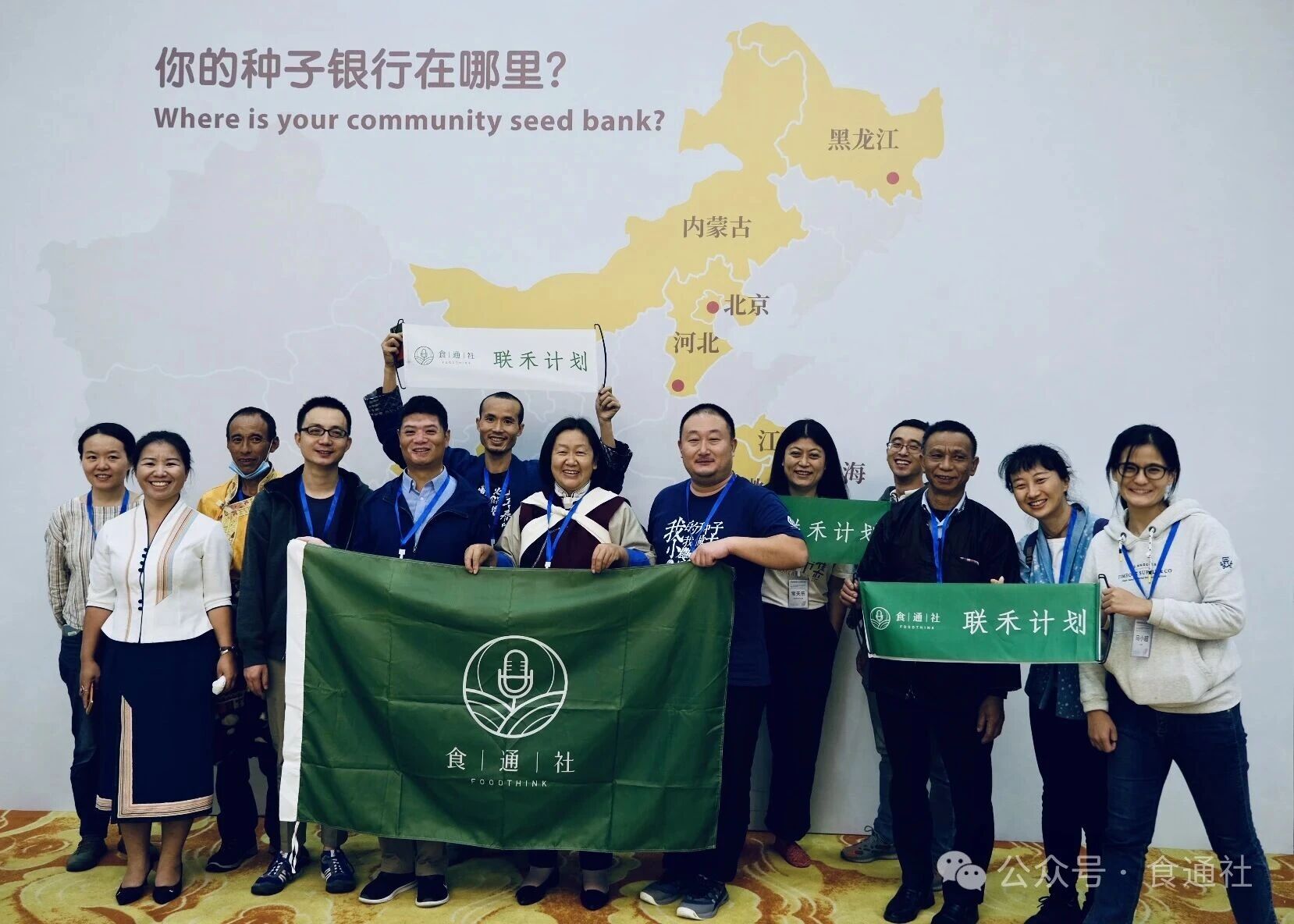
The Foodthink team has grown from two or three people to a small group of nearly ten, with almost twenty full-time colleagues having passed through over the years. Almost everyone has had interactions with Guan Qi, ranging from casual to close. “Teacher Guan” is likely the name most frequently mentioned in our editorial office. Because we’ve travelled on business with him in various combinations, we’re also often in the same group chats with him, meaning we could almost always spot him popping up in one chat or another each day.
Aside from formal work discussions or trading food photos, what Guan Qi did most often was unexpectedly drop documents into the group chats. These were usually newly published or important English reports, academic papers, or book introductions, and sometimes even e-book versions. We jokingly called him our “study rep”, often asking each other: “Have you read the paper Teacher Guan just shared?”
If we had a specific question for Teacher Guan, he would patiently provide a concise, precise answer, thoughtfully attaching related research. If he didn’t know the answer, he would almost certainly return a few days later with a link or paper, sharing his latest findings.
When faced with questions that genuinely hadn’t been studied before, Teacher Guan would simply say, “How about we look into it together?” That collaborative spirit gave us It Turns Out China’s Smallholders Have Done So Much to Combat Climate Change. At the time, some colleagues worried the data lacked authority. He then pulled out books by Huang Zongzhi, explaining that Huang used similar methods to gather his data. A year later, that same research methodology was expanded globally, resulting in New Research: With a Two-Trillion-Yuan Annual Investment, Smallholders Worldwide Are the Unsung Heroes of Climate Action. Guan Qi himself was the “unsung hero” behind both these studies and grassroots seed-saving efforts.
These are all the visible, public, reportable achievements that go into project proposals and final evaluations. But for all the friends who miss him deeply, it was those informal exchanges and interactions that truly made Guan Qi who he was.
For instance, the most vivid memory almost everyone has of him is his love for good food and drink. If you travelled or went on business trips with him, you’d almost certainly be dragged along to explore new restaurants and drink craft beer. These outings inevitably spawned countless jokes, witty remarks, original memes, and stickers that circulated endlessly, both in his presence and after he’d left.
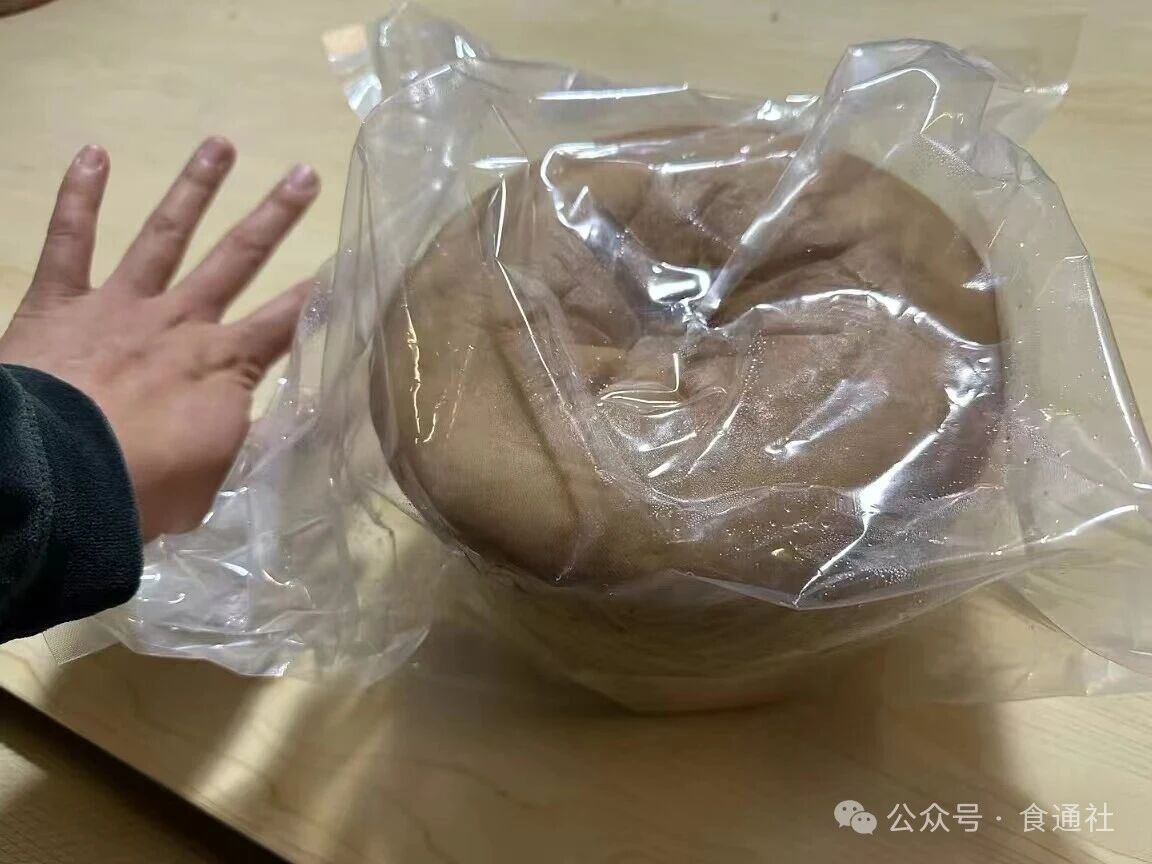
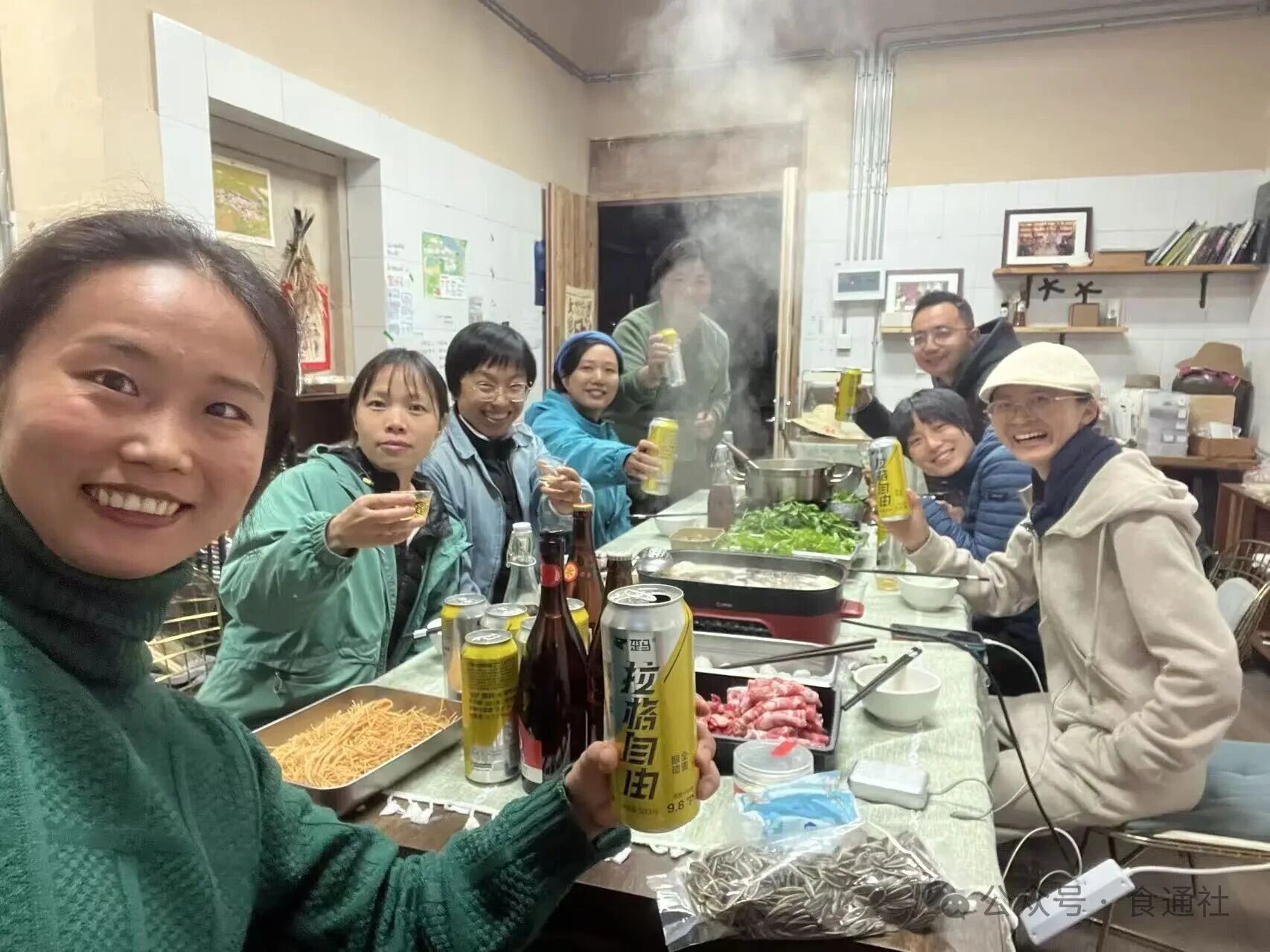
Even when we weren’t out with him as often, our editorial team would receive his food parcels a few times a year. They were always highly regional ingredients, opening our eyes and delighting our palates here in Beijing, which we often joke is a culinary desert. He wasn’t just sharing food this way; he was also doing his utmost to support local workshops and farming friends who still produce dishes carrying local culture, history, and terroir. Over the past four weeks, friends across the country have dug out the regional specialties Guan Qi had sent them that they still hadn’t finished. Partners in Hangzhou even organised a dinner party!
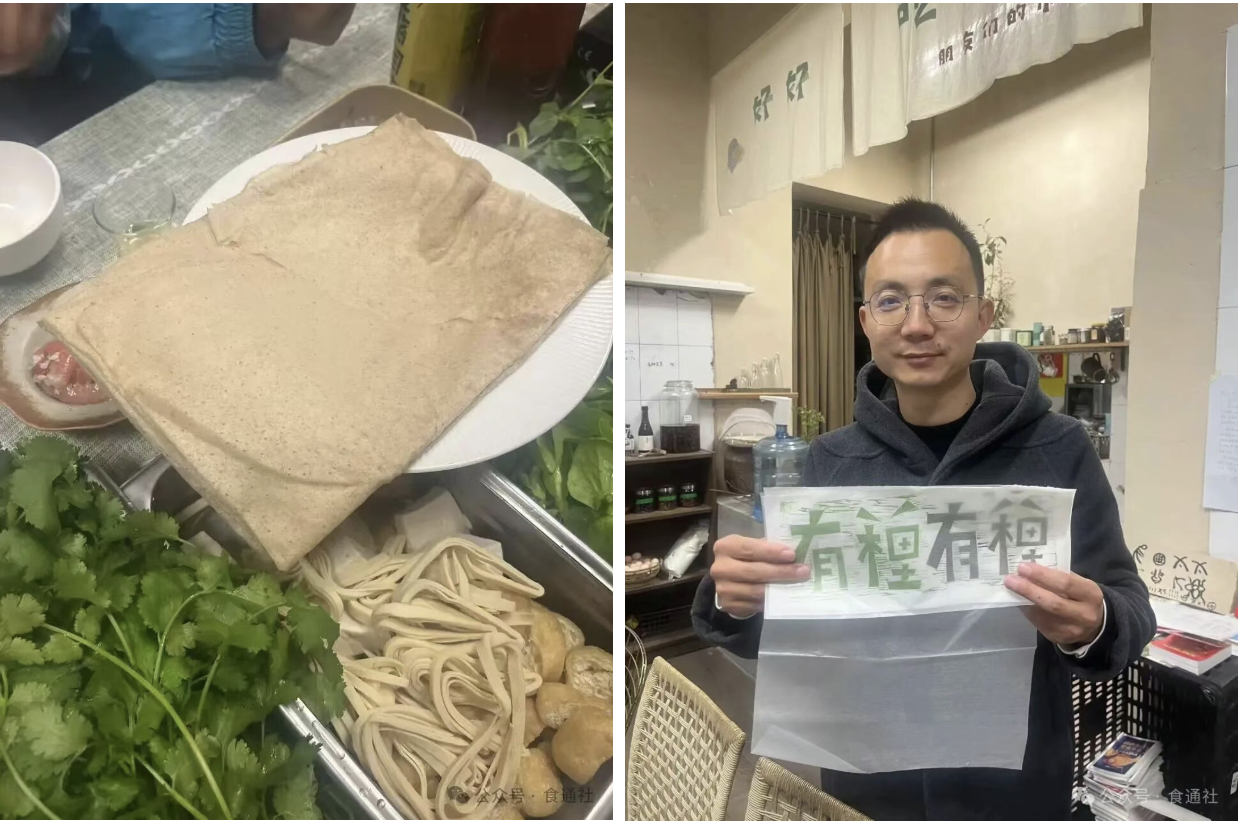

I have known Guan Qi for well over ten years, though our first proper collaboration came in 2016, during a journey of more than ten days with a large group. Amidst the crowd, he was remarkably low-key, spoke little, and hardly registered anyone’s attention. My only distinct memory was of him diligently taking notes, and it was clear his English was excellent in every way. We crossed paths at various conferences thereafter, and my impression remained much the same; I mistakenly assumed he was a serious, if somewhat quiet, person.
Only as we grew closer did I meet the real Guan Qi. The true “ice-breaking” moment, and the foundation of our trust, likely came when we discovered our shared passion for food, coupled with a mutual disdain for insincerity. When it came to venting our frustrations, we each had our own sharp tongue. Before one Mid-Autumn Festival, while on a trip to Nanning, we arranged to spend the holiday together. He led us on a culinary tour across the city, and I can still picture him walking ahead, hailing a taxi.
In recent years, whenever we happened to be in the same city, we would always meet for a meal. Not only did we discover new delicacies, but we also exchanged fresh ideas and lively anecdotes. I’d often ask him for food recommendations while travelling, and he would swiftly send over a batch of links. Though not every recommendation proved reliable, the sheer speed at which he shared them spoke to a deep well of accumulated knowledge.
His erudition (covering not just serious academic topics, but all manner of niche and popular knowledge), his humour, and his impeccable taste across the board made him a cherished friend in both work and life. Yet, two qualities stood out above all others.
Professionally, he consistently pushed the boundaries of seed network initiatives. He proactively engaged with botanical gardens, artists, independent publishers, podcasters, and the restaurant industry—groups traditionally outside the NGO sphere—inviting them to join farmers in preserving heritage seeds. In doing so, he introduced the concept of the “farmer seed system” to new communities, forging numerous novel pathways. When we met in Beijing before the Spring Festival, he quietly announced a new project already underway, leaving us thrilled and eager to see it develop.
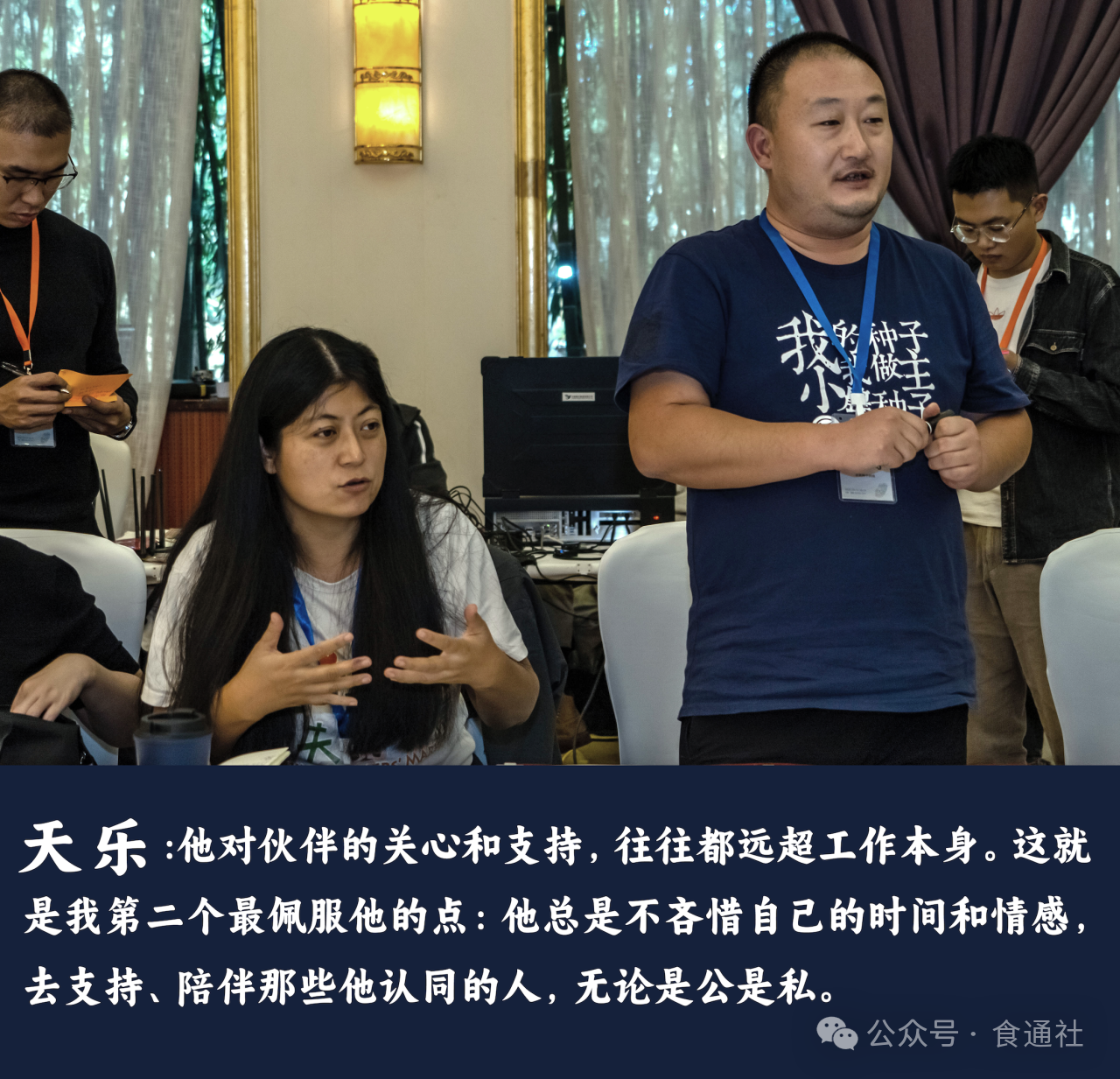
As a colleague, I know firsthand how mentally and emotionally draining it is to sustain such cross-sector informal networks. Moreover, his care and support for his partners often far exceeded professional obligations. This brings me to the second quality I admire most: his unwavering generosity with his time and emotions. He consistently supported and stood by those he believed in, regardless of whether the context was professional or personal. This also made his information network remarkably broad and reliable; we even joked that he was the “farmer gossip hub”. Yet he held his friends in immense respect. Sharp-tongued as he could be, he never spoke a word to belittle anyone.
Within our field, the first quality is a rare capability; in wider society, the second is an even rarer virtue.
Over the past month, reading and hearing the stories people have shared about Guan Qi has made me realise that he truly lived his life like a seed: one that holds public value.
Having read many tributes to Guan Qi, I noticed that most focus on the period from 2020 onwards. It struck me: to what extent does the Guan Qi I knew align with these vivid, recent recollections?
Shortly after Foodthink was founded in 2017, we published an article on breeding written by Guan Qi. He was among our earliest contributors. I still recall the thrill of editing his piece: the logic was razor-sharp, the structure elegant and spacious, the information content almost overflowing. It was a professional piece that nonetheless respected the lay reader, lacking the impenetrable, exclusionary tone of academic writing. It carried its own perspective without ego—a truly happy moment for a veteran editor stumbling upon a brilliant manuscript.
Driven by curiosity, I quietly looked into his background. I learned he had long been involved in rural development and held a master’s degree in economics from Peking University. At the time, I rather selfishly wondered whether it was a pity that a young man outside the state system, seemingly poised for a bright future, had instead plunged into the mud to tackle rural issues with modest rewards. Looking back, I realise that was the very moment his idealism first took hold of me.
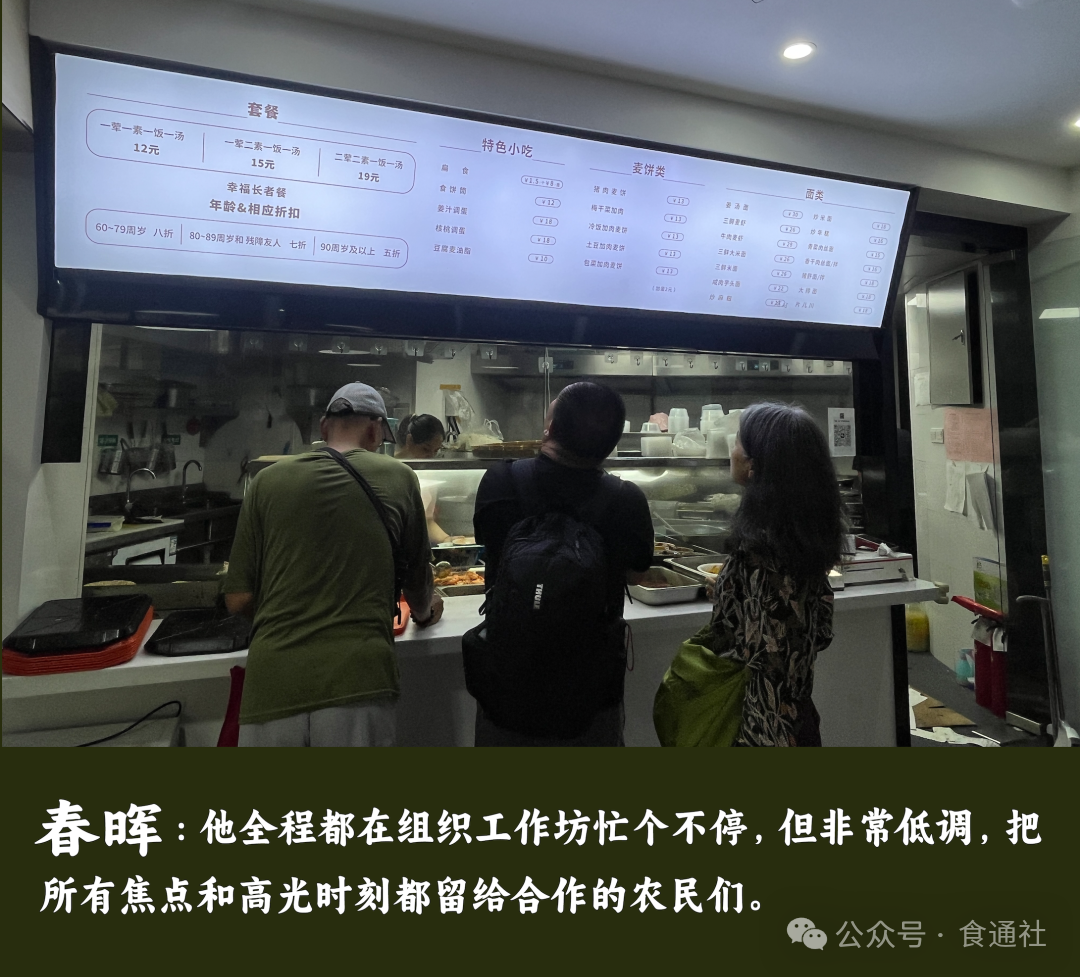
In 2018, I attended an event hosted by the Farmers’ Seed Network and met Guan Qi in person for the first time. He was busy organising the workshop from start to finish, yet remained remarkably low-key, deliberately leaving all the spotlight and high moments for the collaborating farmers. During that period, whether online or offline, he struck me more as a doer than a talker—a man of substance who was nevertheless quite reserved.
Life paths inevitably cross and diverge. When I later left Foodthink, our professional interactions naturally dwindled. On the rare occasions I needed advice for an article, mindful of his “reserved” nature, I would approach him with careful politeness. When guidance required a longer timeline, he was constantly shuttling across the country, leaving little time. I had to expend considerable effort to “catch” him, finding every way to “squeeze” out his precious insights. Though younger than me, he was always, in the truest sense, “Teacher Guan Qi” to me.
In 2023, I travelled to Indonesia for work and attended an event organised by my then-institution, where I happened to meet a Malaysian organisation active in seed preservation: “Third World Network” (TWN). I had since returned to my “original field” of public health, and intersections between different sectors were rare; encountering them felt like a refreshing sense of “breaking out of one’s circle”. During casual post-event chats, I discovered they were long-time friends of the domestic Farmers’ Seed Network. I immediately mentioned Teachers Song Yiqing and Guan Qi, which naturally elicited a warm response. I messaged Guan Qi on WeChat at once, which seemed to unlock a floodgate. I received a torrent of messages. He not only sent over organisational profiles, information pages, and project briefs for TWN, but also mapped out their collaborative history domestically. When I asked if he would like me to bring back some of the event brochures, Guan Qi simply replied: “I already have everything you’re sending.”
Oh, suddenly, Guan Qi no longer seemed like the somewhat reserved figure of the past.
Then came 2024. I had resigned by then, moving to Hangzhou to spend time with younger friends, and crossed paths once again with Guan Qi, who was then based in Suzhou. Completely removed from a professional setting, I could playfully refer to him as “Boss Guan”. Those few days, “Boss Guan” held court, recommending an array of Jiangnan delicacies. Listening closely, I noticed his favourites still carried a Northern soul—specifically, that of his native Shandong: various stuffed pastries, generous cuts of meat, noodles, and rich, savoury sauces. This also gave me a side lesson: so-called Jiangnan water-town cuisine actually retains a profound Northern flavour, carved by historical migrations, movement of populations, and the southward shift of political power. He was also passionate about craft beer, particularly lagers, leading us on a sweep through Hangzhou’s remaining nightlife spots—craft bars, street skewers, and Wenzhou fish balls. I was utterly amazed; I had no idea Guan Qi was such a life-loving “refined lad” (as a friend once put it)! Unbeknownst to me, these scenes would become my final memories of Teacher Guan Qi.
Sifting through these fragments of memory, I became aware of how Guan Qi’s image had shifted in my mind. Indeed, from the quiet, intensely busy, hard-to-reach “Teacher Guan Qi” of yesteryear, to the articulate “Boss Guan” who spoke passionately about work and enjoyed a rich, refined lifestyle, I suppose he had truly entered a new chapter, opening fresh prospects, and was poised to make a significant impact in the foreseeable future. Fate, however, called him away at just that moment. He remains frozen in a time full of vitality; the regret is left to those of us still living, and to the entire seed preservation field. Given that someone like me, who knew him only on a surface level, has so much to say, one can only imagine how much unspoken grief must weigh on his parents, his lifelong friends, colleagues, and those closest to him in daily life.
I write this simply to remember Guan Qi. May you continue to watch over us from above. The next time I travel to Jiangnan, I will bring these final memories and images with me.
I first met Guan Qi on 1 August 2019, at a team-building event for Foodthink and the Farmers’ Seed Network. He was still wearing glasses back then. Having caught a cold, I did not join the dinner table that day and asked to sit on a sofa in the corner to listen in. Although I had already been working there for a year, I still felt like an imposter who had accidentally stumbled into the food and agriculture sector, riddled with self-doubt and inner turmoil. Later, once we became friends, Guan Qi would often tell me, “You’ve got to value yourself.”
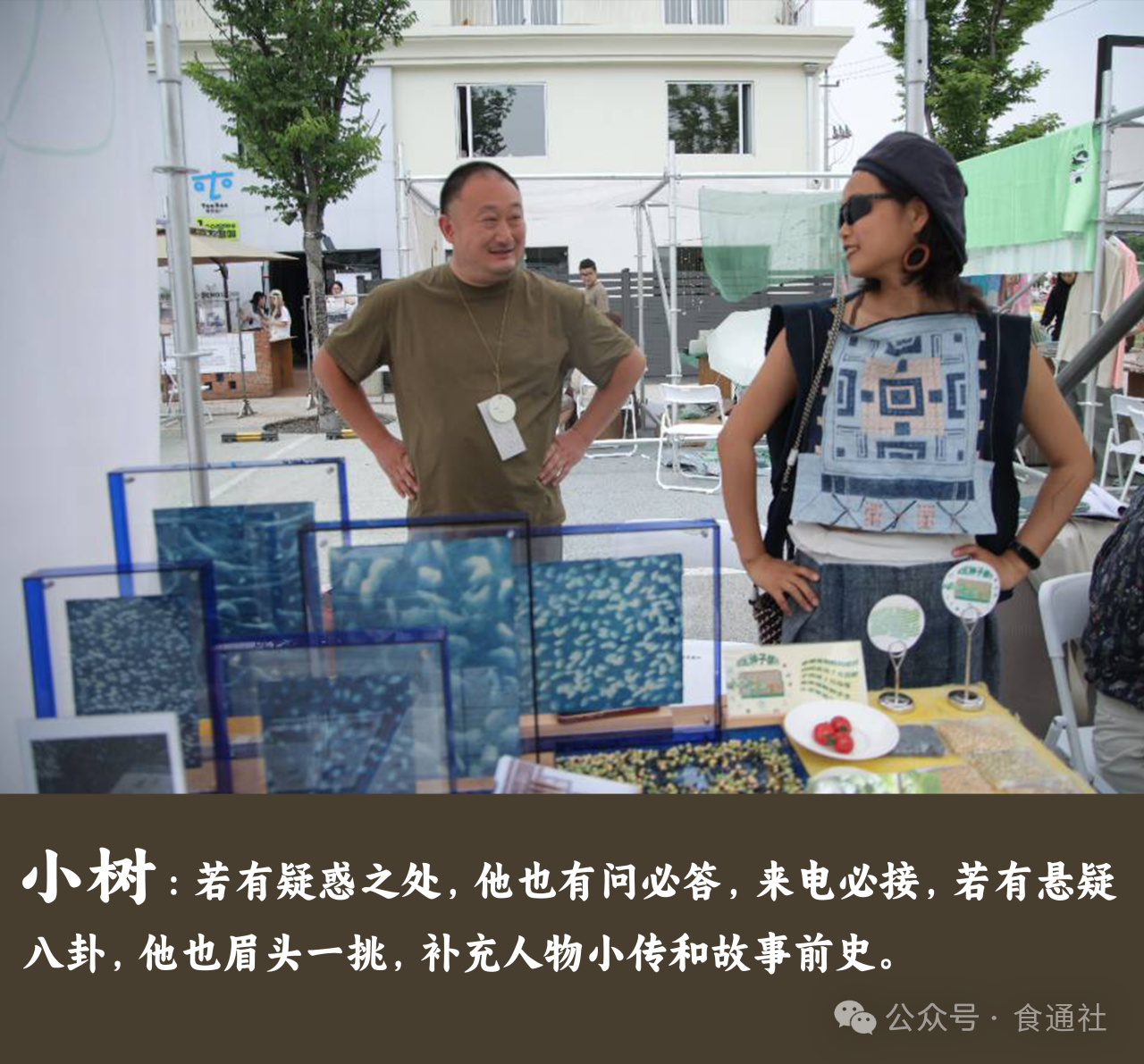
We did grow to know each other gradually. In 2020, a magazine reprinted his two-part article on Foodthink, “A New Path for Seed Conservation”. I was the point of contact for the reprint, which led to direct WeChat exchanges between us. Publication during the pandemic was fraught with challenges, extending the project timeline and, consequently, our conversations. In December 2021, the Farmers’ Seed Network held a training workshop at a farm on the outskirts of Chengdu. When a farming partner asked me how to write a project proposal, Guan Qi happened to walk by. I casually threw the question at him, but he actually stopped and taught us how to structure a proposal. Later, when I left my full-time role at Foodthink to conduct field research in Qiandongnan, I used the proposal framework he had taught me to apply for funding. Whenever I had doubts in the field, he was always ready to answer and never missed a call. If there was a mystery or piece of gossip, he would raise an eyebrow, fill in the character details and backstory, laugh and sigh over how times had changed, but never pass judgment.
By April 2022, he had moved to Suzhou. In the early days of building the Eastern Network, he started a small WeChat group called “Jiangnan Reading Group”. The first book we read together was *The Hero’s Return*. That was a chaotic spring. In reality, we only managed one online reading session; most of our time was spent discussing food and life. Though everyone’s movement was restricted and we were scattered in different places, our bond grew closer. Today, The Hero’s Return remains unfinished. The extraordinary man has returned to Shandong and to the earth, and the food and agriculture sector has lost a vital figure in seed conservation.
Over the past few years, Guan Qi’s professional and personal focus shifted to the eastern region. Under his support, the Eastern Network indeed grew increasingly cohesive and active. Beyond his public coordination and calls to action in his official capacity, his behind-the-scenes networking, generous hosting of gatherings, and enthusiastic attendance were indispensable. As he had hoped, the Eastern Network gradually blossomed into a decentralised, multi-nodal community, and I, as a loosely connected individual, was welcomed in. His sudden departure left a tremendous void in this network. Yet, his character and passion have sparked new threads from the fractures, bringing together people and causes that had never previously intersected, all because of him. Beyond the east, Guan Qi was woven into many other networks. Grief resonates across them all. Because he was truly remarkable, the mourning is equally profound and precious. Because of Guan Qi, no one is alone.
As a colleague, he welcomed me; as a friend, he had my back time and again. Over the years, he witnessed and took part in my growth. Yet somehow, I never formally thanked him.
I met Teacher Guan five years ago. I was writing an article about farmers conserving traditional seeds. The year before, the State Council General Office had issued guidelines strengthening the protection and utilisation of agricultural germplasm resources. Everyone knows how important seeds are. They are not merely a matter of national food security but the bedrock of human agricultural civilisation. But what is the optimal approach to seed conservation? While researching this article, I was struck by the divide between two divergent approaches. One held that “conservation is the government’s job (establishing seed gene banks), while seed development relies on corporations (technologies like hybridisation and genetic modification)”. The other advocated encouraging farmers to conserve traditional seeds, achieving local, living preservation. They seemed complementary, capable of achieving the best of both worlds, yet in reality, the conflict was fraught with complications.
At the time, the central government had just passed the Action Plan for Revitalising the Seed Industry, emphasising the need to achieve autonomous and controllable seed sources. I asked an authoritative expert whether this meant the spring for traditional seed conservation was about to arrive. He chuckled, surprised by my naivety, and said, “That is a signal to support the industry. To call it spring for traditional seeds is just indulging in wishful thinking.”
Another key interviewee was Teacher Guan, representing the traditional seed camp. Editor J helped to arrange the connection. Teacher Guan kindly answered my endless, rookie questions about traditional seeds. Looking back, answering such superficial queries must have been a waste of his time. Throughout our communication, Teacher Guan did not waste a single word. There were no “hahas”, “okay”, or emoji-style social lubricants. Conversing with him seemed like an unavoidable, yet necessary, task. Nevertheless, he answered every question and sent over study materials. When I asked to interview fellow farmers, he helped make the introductions. Sometimes he would not reply to messages for a day or two. Teacher J helplessly remarked, “That is just Guan Qi.”
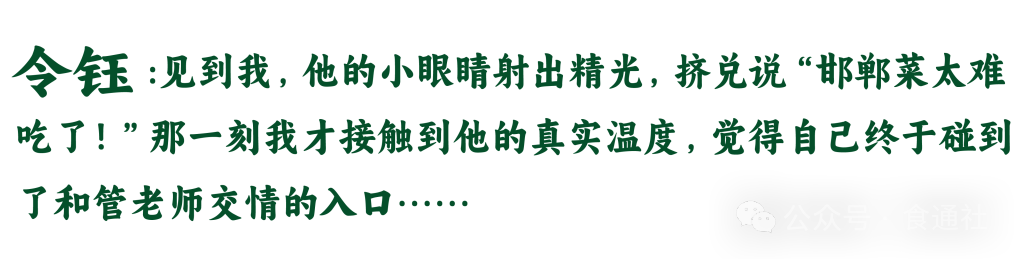
At Foodthink, I saw another side of Guan Qi, almost like a different person. From his close colleagues, I heard many amusing anecdotes about Teacher Guan. Stories about him being the “study rep” or a “proud local”, and through them, I felt his passion for agricultural issues and care for farmers. We never treated him as an outsider and frequently called on him for help with tasks. However, I never had the chance to collaborate with him directly, so we maintained a faint, professional relationship at a comfortable distance. Until one time, after visiting the Xiangtangshan Grottoes, he saw me, his eyes twinkling with mischief, and teased, “The food in Handan is absolutely terrible!”
In that moment, I finally felt his genuine warmth and believed I had finally found an entry point to a friendship with Teacher Guan, after knowing him for several years. I never expected it would be the last time I saw him.
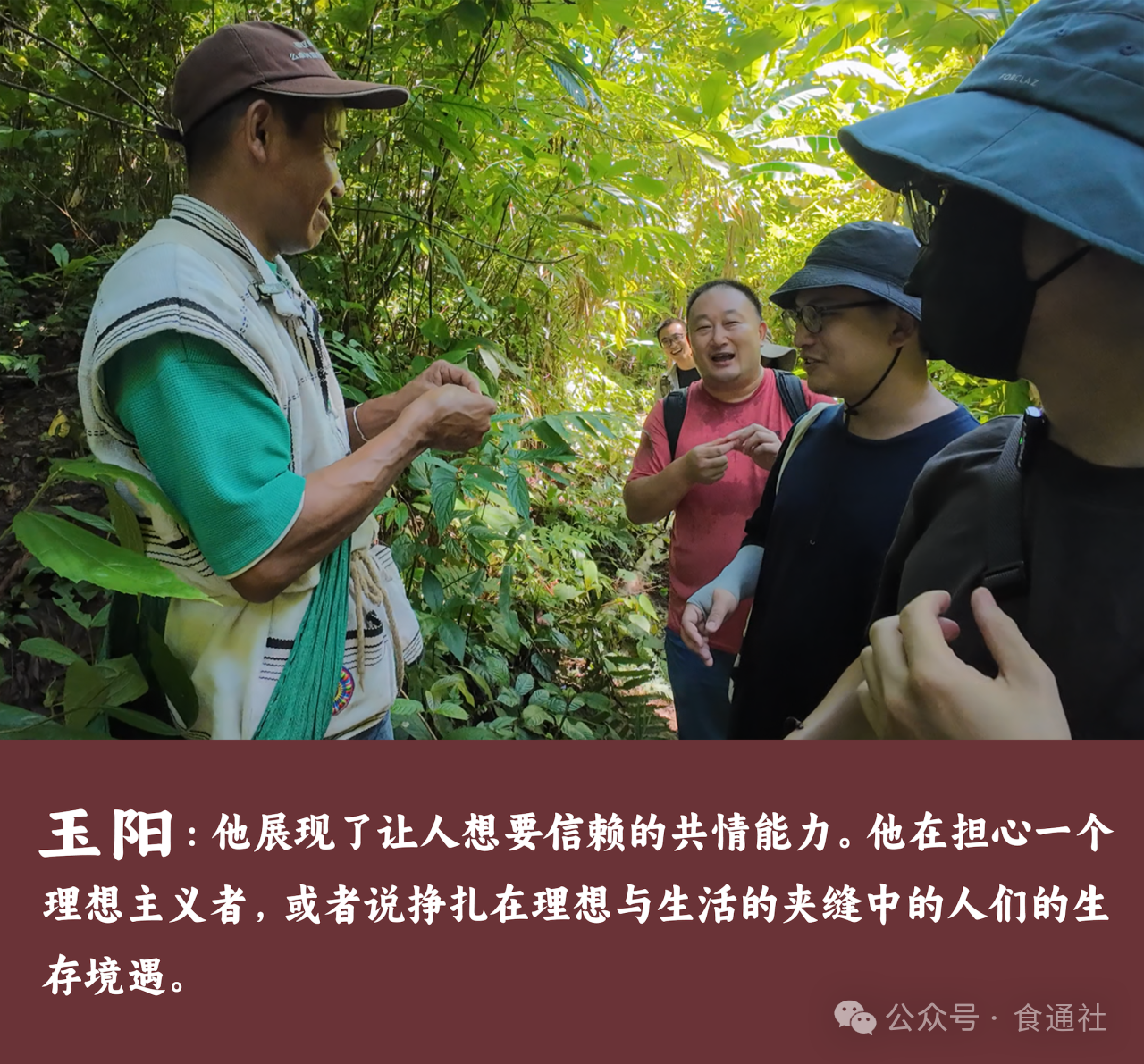
Even as I write these words, I still feel a sense of unreality; Teacher Guan is truly gone. Life must go on, and days pass in their usual busy rhythm, to the point that at times I forget the fact of his absence. Or perhaps my perception of the world has simply remained frozen in the time he was here. When certain details grow fuzzy and I want to check our WeChat chat history for confirmation, I ultimately hold back. I am unwilling to further confirm the reality that no one will ever reply to me from the other side, so I can only write down these memories relying solely on my mental impressions. As for whether certain details are entirely accurate, I actually hope Teacher Guan might one day point out my mistakes again.
The most profound thing Teacher Guan left with me was a remark about someone I did not know at all. It came up like this: while we were soaking in the hot springs in Mile, he asked me about my early days working as a food delivery rider. I answered honestly. He said it reminded him of a friend who had always cared deeply about workers’ rights—a Tsinghua University graduate whom he had met a few years earlier in Beijing, only to find him working as a security guard. Teacher Guan said, “When I was leaving, I told him to take care, because I was a bit worried about his state of mind.” His tone carried a slight tease, but I was still warmed by his words, for they revealed an empathetic ability that inspired trust. He was worried about the plight of an idealist, or rather, the survival conditions of those squeezed between ideals and the realities of daily life. I believe that for anyone in this era, such understanding and kindness are rare. Hearing him speak like that, I sank a little deeper into the hot spring, soaking in the warmth.
Yet he himself was an idealist, just a more optimistic and open-minded one. He once mentioned that in his youth, he had “gone undercover” at a cola bottle processing plant to investigate working conditions, only to resign shortly after. With his eyes crinkling, he said, “It was not really for any other reason; I just kept getting more efficient at the job, plus I knew English, so the boss wanted to promote me to group leader. I thought to myself, I definitely could not keep doing this.” That day, Teacher Guan shared many experiences from his earlier years in the tea room, keeping me chuckling the whole time. When we left, the rain was pouring down, and our parting was rushed.
I saw him again just two or three months later when he came to Beijing once more. At the time, I thought that someone like Teacher Guan, who was always flying around, would have plenty of opportunities to meet in the future. On that occasion, I gave him a copy of Cultural Studies 1988. It was not just to return the gift from the previous year—a book he had given me for my birthday about agrarian capitalism—but more because he always remembered my interest in the British New Left and cultural studies. I am not the type to enthusiastically recommend things I like, fearing it might inconvenience others, unless I have built sufficient trust. Teacher Guan always made me feel at ease, so I handed him the copy of Cultural Studies 1988 without a second thought, its margins still filled with my notes. That was the last time we met.
In Shitoucheng (Stone City), Youmi Village, and Lugu Lake in Lijiang, I accompanied Teacher Guan on a part of his journey to protect traditional seeds, which was merely a small chapter in his life. His world was so vast; he had travelled many paths. He cared about the grand issues, yet he always managed to keep so many specific people and specific events close to his heart. I was fortunate to be one of them. Losing you makes me deeply sad. I feel that if I had more time to learn from a mentor and friend like you, my life would have been better, but I will carry this regret forward, striving towards that better version of myself.
We always called him “Teacher Guan”. In truth, he neither bore the surname Guan nor worked as a teacher. People used the title because of his vast knowledge and because he was the sort of person who could gracefully catch any topic you threw his way. Whether it was academia, entertainment, or serious matters concerning seeds and agriculture, he would always send you a link, an article, or a paper if you asked. He never lectured people out of the blue, but whenever you had a question, he answered it with genuine care.
Teacher Guan was calm and conversational. I have never met anyone so steady. Getting to know him, I realised he was truly a real gem. Not only was he deeply knowledgeable in his field, but he also knew how to eat and truly appreciated food. Everyone loved spending time with him, whether at work or in life. I still remember our meetings: as soon as they wrapped up, following him always led us straight to the best local eateries.
To me, he was also a humble, open-minded man with a generous heart. When I first joined Foodthink, I knew nothing about agriculture or seeds. Every time I asked him a question, he was incredibly patient. He never showed irritation or made me feel foolish for not knowing the basics. Looking back, those questions were quite naive. But his patience, kindness, and openness made me feel that newcomers in this industry were welcome, given space to learn and adapt, and gradually find their place.
Teacher Guan cared deeply about smallholder farmers and the preservation of heritage seeds, yet he rarely made a show of it; his commitment simply shone through in his work.
He understood both policy and local development. He visited ethnic minority villages and rural communities across the country, explaining to farmers why heritage seeds mattered and teaching them how to save their own seed. At the same time, he worked to raise public and consumer awareness about heritage varieties, championing the social value of seed diversity. At public events in various towns and at local markets, he always promoted the old varieties grown by farmers in his partner projects, often bringing along Foodthink’s promotional leaflets.
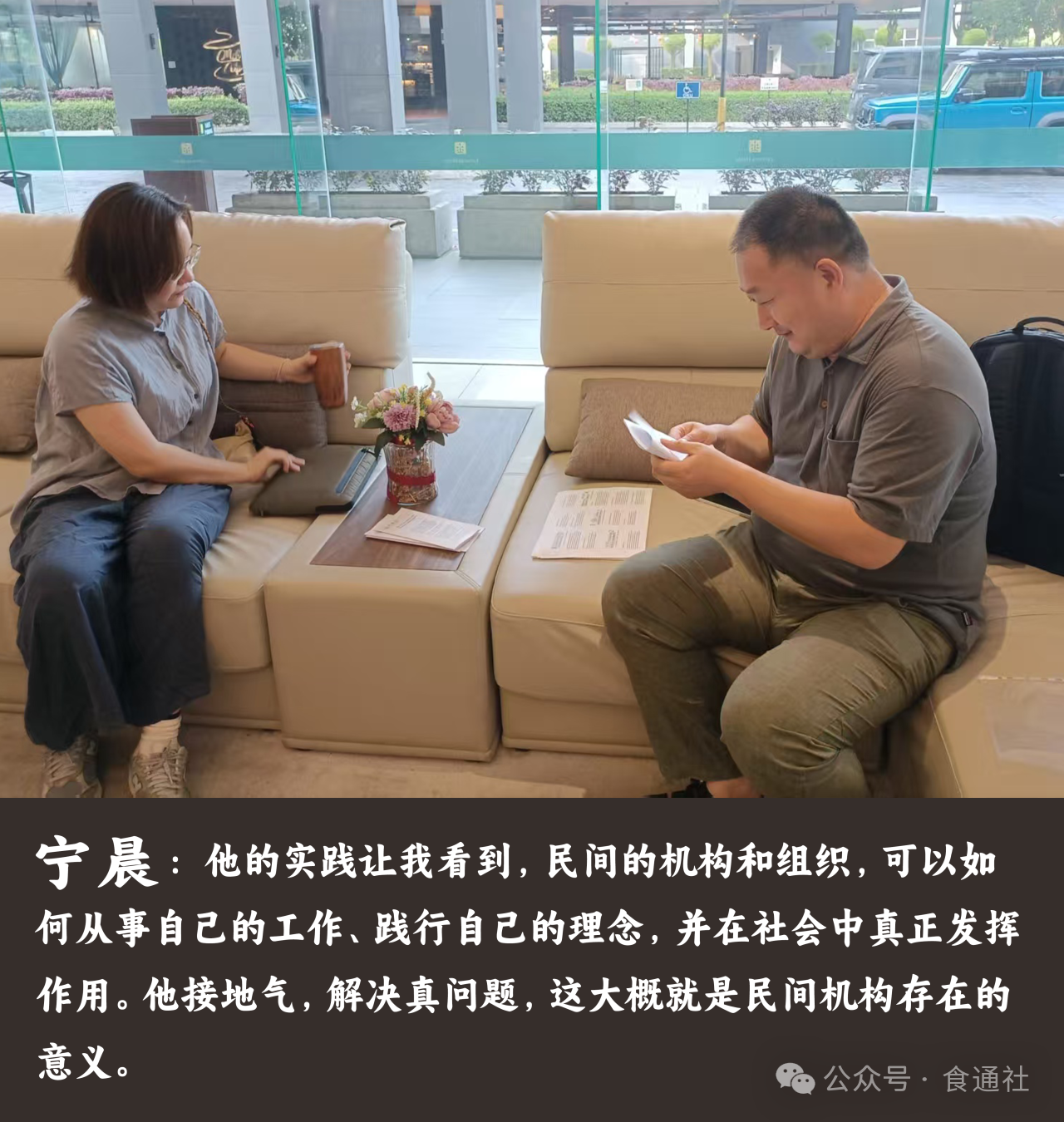
Teacher Guan’s work bridged the land, academia, and policy, while steadily expanding the market for grassroots heritage varieties. His practice showed me how civil society organisations can pursue their own missions, put their values into action, and make a genuine impact in society. He was grounded, tackled real problems, and embodied, I think, the very purpose of such grassroots initiatives.
This also helped me slowly understand that much of this work must be done incrementally. Each step may seem small, but every single one is vital.
Now, we have lost Teacher Guan—a seed expert, an outstanding colleague, and, on a personal level, a wonderful friend with whom I could share work, meals, laughter, and life.
Teacher Guan, we will miss you forever!
There are hardly many people in this world better suited to be a friend than Guan Qi. Sadly, our friendship never got a proper start before it had to end.
Every one of our few encounters revolved around drinks. Guan Qi’s art of beer appreciation was something we all bore witness to. His material lifestyle was simple—he could travel for two weeks with just a light backpack—yet over the years, he must have contributed significantly to the craft beer industry’s revenue. Outside a hotel in Aohan Banner, a few of us sat down for an eagerly anticipated late-night meal, ready to raise the roof. Yet around Guan Qi, a calm seemed to settle. He bought two four-litre cans of craft beer from a convenience store at the entrance, then ordered gizzards, gluten strips, lamb skewers, and grilled mantou at the barbecue stall. Whether at a table of three or twenty-three, Guan Qi maintained the same unruffled composure, sipping his beer at a steady, measured pace like a precisely calibrated beer-processing machine. Occasionally, he would drop a juicy piece of gossip for us all to savour.
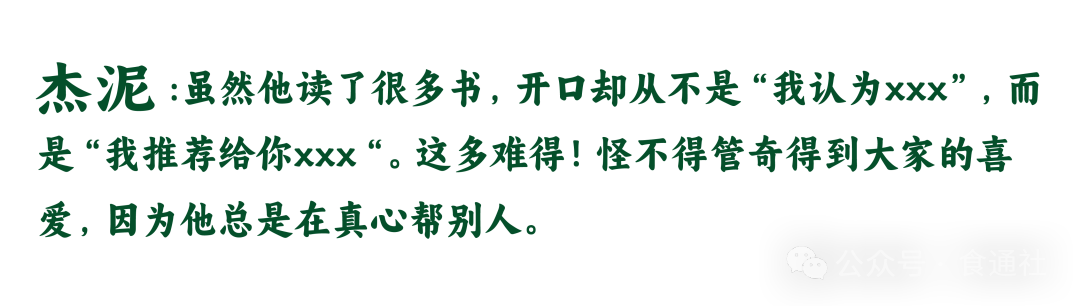
Alongside beer and coffee, reading critical theory was Teacher Guan’s other great sustenance. The more one knows, the less one speaks. When I drink too much, I tend to ramble on about my shallow academic knowledge, cringing at my own words. Guan Qi was nothing like that. Despite reading widely, he would never open with “In my opinion…”, but rather “I’d recommend you look into…”. How rare is that! No wonder everyone cherished Guan Qi; he was always genuinely trying to help. I often had the nerve to ask Teacher Guan for assistance, unsure of how to repay him, but always figuring there would be a chance later to return the favour. I never imagined I’d lose that chance.
I have always considered myself a materialist, but Guan Qi’s passing has made me believe in another world. I hope he has gone to a better place.
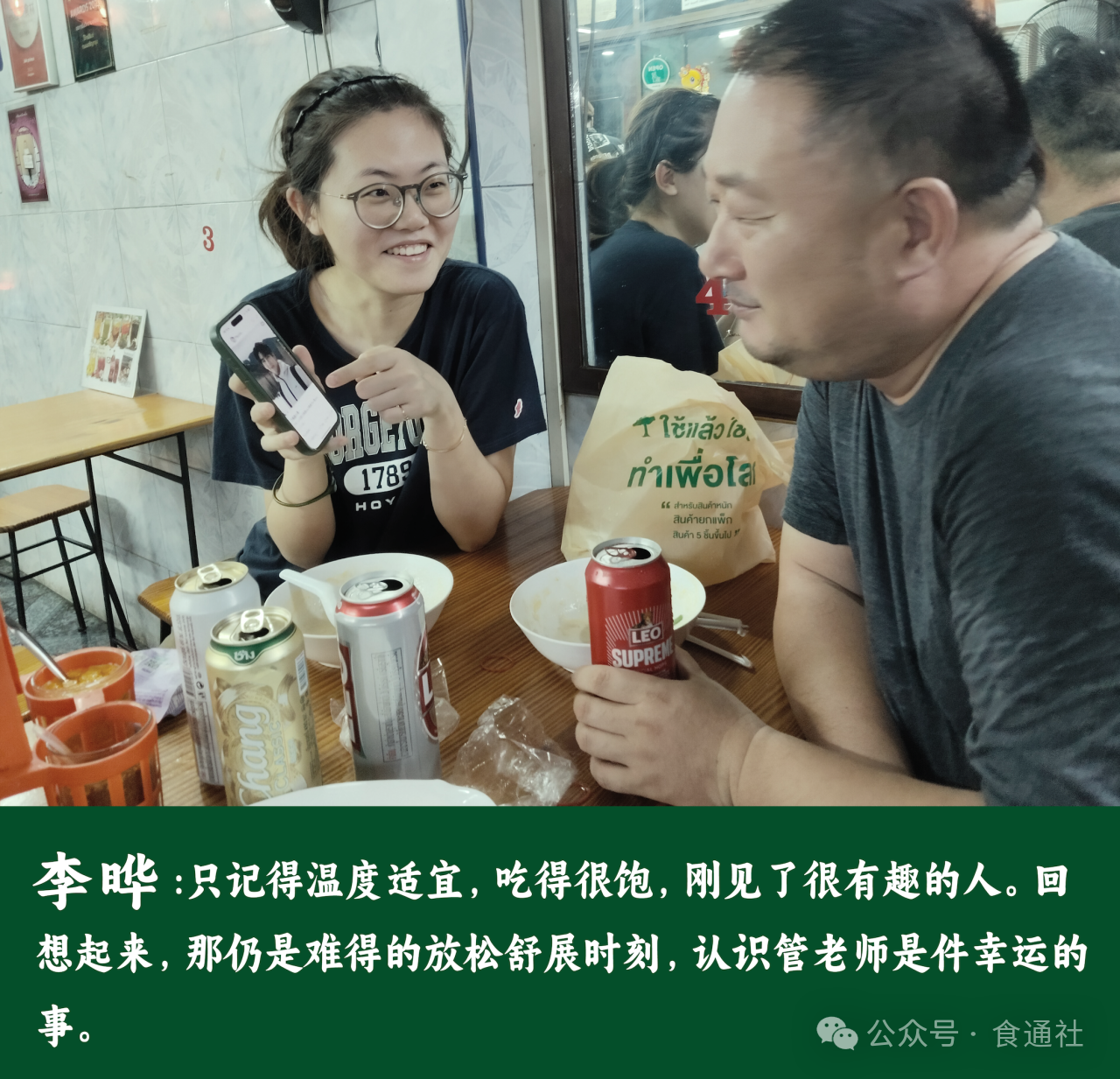
Though I only met Teacher Guan twice, I still felt compelled to write a few words.
Both of those meetings were over meals.
The first dinner was also my first with Foodthink, at a Wenzhou-style roadside eatery. I faintly recall him performing a tableside trick, drumming out a beat with his elbows or engaging in some other delightful physical improvisation. He was a truly remarkable character.
When we added each other on WeChat later, his opening message was: “Thought we hadn’t split the bill yet…”
Take a closer look: this is a refreshingly unpretentious middle-aged man who uses Jennie memes.

The second and final meal was in Bangkok.
Teacher Guan had been on a retreat in the mountains, rarely taking a break to come down. Spotting him from afar at the subway station, he genuinely carried the air of a “master descending from the hills”.
We bought beer from a nearby 7-Eleven, found a small shop, and ordered a simple bowl of pork congee.
The beer was likely average, so we added a packet of pork skin as a snack, though the pork skin wasn’t particularly delicious either.
But no matter how lavish the spread, all we could really add was a packet of pork skin.
The core of this retreat was “seeing oneself”. It just so happened that his seat was next to a large mirror—turn his head, and he could see himself. At the time, I thought how convenient: why retreat to the mountains when self-reflection is just a glance away? Looking back now, perhaps wherever he sat, that place became his sanctuary.
I invited him to go see the handsome actors at King Power the next day. He looked puzzled, striking the familiar pose of an elderly commuter glued to his phone. Yet his earnest bewilderment, combined with his inherent kindness, made me genuinely believe for a moment that he would actually come along.
After dinner, we walked back towards our hotel. The streets of Bangkok were clean. I can’t quite remember what we talked about. Perhaps it was about tomorrow’s rain, or which mall to visit for a one-stop souvenir shopping trip, or maybe a sharp critique of how heavily the Thai entertainment industry leans into the boys’ love narrative…
After all, it was just an ordinary day. We would surely share many more meals like this in the future.
I only remember the pleasant weather, feeling thoroughly satisfied, and having just met a wonderfully interesting person. In retrospect, it was a rare moment of complete relaxation and ease. Meeting Teacher Guan was a stroke of luck.
That sense of ease is exactly how he made me feel.
Free and easy, like the wind.
When will we meet again?


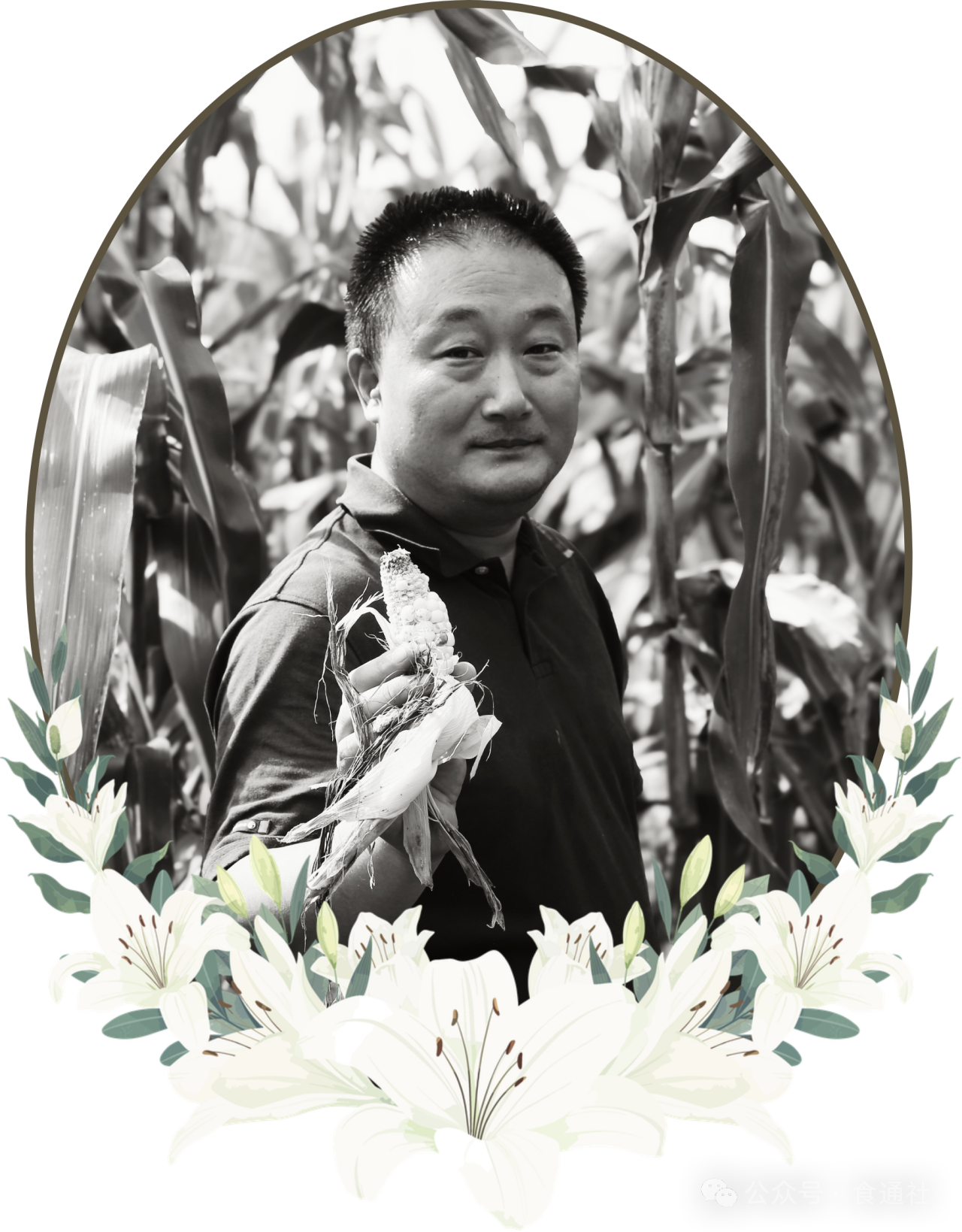
Date
28 April 2026
Location
Liangzhu, Hangzhou, Zhejiang
You are warmly invited to a gathering of remembrance
Join us to
honour and remember this cherished friend
and say a final farewell to our Guan Qi
To attend, please complete the registration form