
As extreme heat becomes the norm, these farmers choose a different way of life (Part 2)

Foodthink’s Take

This summer, extreme heatwaves have frequently hit Sichuan. Climate change is making the Southwest region hotter and drier. Those living in the countryside understand the implications all too well: when the weather becomes too oppressive, farmers are not only forced to shift their working hours and daily routines, but they also face a higher risk of heatstroke while working the land. High temperatures and water shortages can lead to reduced crop yields or even total failure. In some areas, there is not even enough water for drinking, leaving villagers dependent on the village committee or charitable donors to truck in water to sustain their lives.

Modern agricultural systems, dependent on fossil fuels, have both accelerated climate change and marginalised small-scale farmers. As farmers struggle to eke out a living under the combined pressure of natural disasters, soaring costs of agricultural inputs, and stagnant grain prices, it is time to ask: is the current agricultural system truly benefiting the farmers? What kind of life do farmers actually want?

Some non-profit organisations rooted in the countryside are working to change this reality. They hope that agriculture can become both a solution to climate change and a source of well-being for farmers, rather than a burden. The story about Home Action published by Foodthink yesterday is one such example. How can climate resilience be built for farmers through sustainable livelihoods? What is the underlying logic behind the actions of such NGOs? Let us hear from Hu Xiaoping, the head of Home Action.

Recently, heat warnings have been frequent in Sichuan, with temperatures exceeding 40°C in many places. How has this affected the villages where you work?

Coincidentally, there isn’t much farm work to do right now, so everyone is resting at home. If field management is required, they rush to the land very early in the morning. Uncovered soil without cover crops dries into a hard crust, and the few scattered weeds that manage to grow are scorched to death. Many conventionally grown crops have been damaged to varying degrees; for instance, maize has been repeatedly scorched or dried out, and farmers’ efforts to replant two or three times have been futile.

Last summer, the Jianyang and Ziyang areas also experienced prolonged periods of extreme heat, making it impossible for farmers to work in the fields during the day. However, when the rice ripened, it had to be harvested. They had no choice but to head out at 10 pm with lamps, working until five or six in the morning before returning home to sleep.

Our project village in Ya’an is a natural ‘summer retreat’ due to its unique topography; air conditioning isn’t a necessity for survival, and people even need extra layers in the mornings and evenings. Yet, recently, temperatures climbed to 36°C. While this might seem ‘tolerable’ for a place like Jianyang, which frequently tops the national temperature charts, for the local villagers in Ya’an, it was an unprecedented heat experience in their lives.
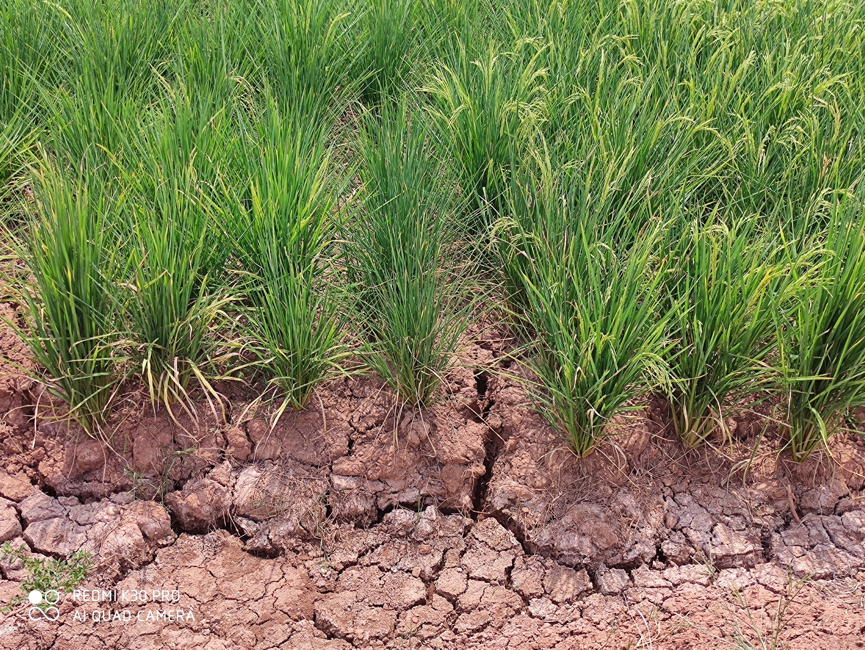
◉ Summer 2023: extreme heat and drought caused paddy fields in Jianyang, Sichuan, to crack.

The impact of climate change on farmers’ production and livelihoods is often all-encompassing. What other ‘new normals’ in the lives of Sichuan’s farmers have you observed as a result of climate change?

The villagers themselves can feel the climatic shifts of recent years. Some used to sow seedlings based on when the wild cherries bloomed on the mountains; others planted maize when the cuckoos began to call, and some knew snow was coming just by a certain scent in the air. In a village in Ya’an, there is an auntie with great experience in making fermented bean curd. Temperatures in the twelfth lunar month are usually ideal for fermentation, preventing the tofu from becoming too sour or spoiling. Last year, following her usual experience, the fermentation was not as successful as in previous years. She found it baffling, but upon reflection, it was likely because temperatures during that period were higher than usual. As the climate becomes abnormal, phenology changes, and much of the ancestral experience becomes unreliable.

Climatic anomalies are not limited to heat and drought. In March and April of this year, Sichuan suffered a severe temperature drop. There is a saying: ‘Peach blossoms in March, snow on the ground, a disaster unfolds’. Two consecutive heavy snowfalls hit the villages in Panzhihua; the large green peas (the local staple crop) had just sprouted when they were frozen to death, with nearly half of the village’s crop damaged to varying degrees. In Ya’an, frost prevented the first-flush tea (the most expensive grade) from sprouting on time. Although temperatures later warmed up, the window for the most valuable harvest had already passed, severely impacting the livelihoods of local villagers.

What can the farmers do? Have they adopted any spontaneous coping mechanisms?

They certainly have to find a way in terms of agriculture—for example, by replanting, converting paddy fields to dry fields to grow drought-resistant crops, or organising village efforts to repair water reservoirs. Some villages have continuously dug deeper wells, reaching depths of over 200 metres just to extract water. But are these methods effective in the long term, or are they merely short-term fixes that worsen the problem? This needs to be identified together with the community.

The year before last, our project in Lezhi originally planned to plant climate-friendly rice. The method primarily involved furrowing and ridging to reduce the time the rice spent submerged in water, which lowers methane emissions during cultivation—a key measure for reducing greenhouse gas emissions in agriculture. Doing so also reduces water consumption, which is particularly vital for farmers now that Sichuan is becoming increasingly arid.

It sounded ideal, and we thought we could save water, but it turned out there was simply no water at all. There was no rain for the first year; the fields were bone dry, and the rice could not be established. The land could not be left fallow, so to minimise losses, farmers rushed to plant soybeans in the paddy fields in July. I suppose that counts as a coping mechanism.
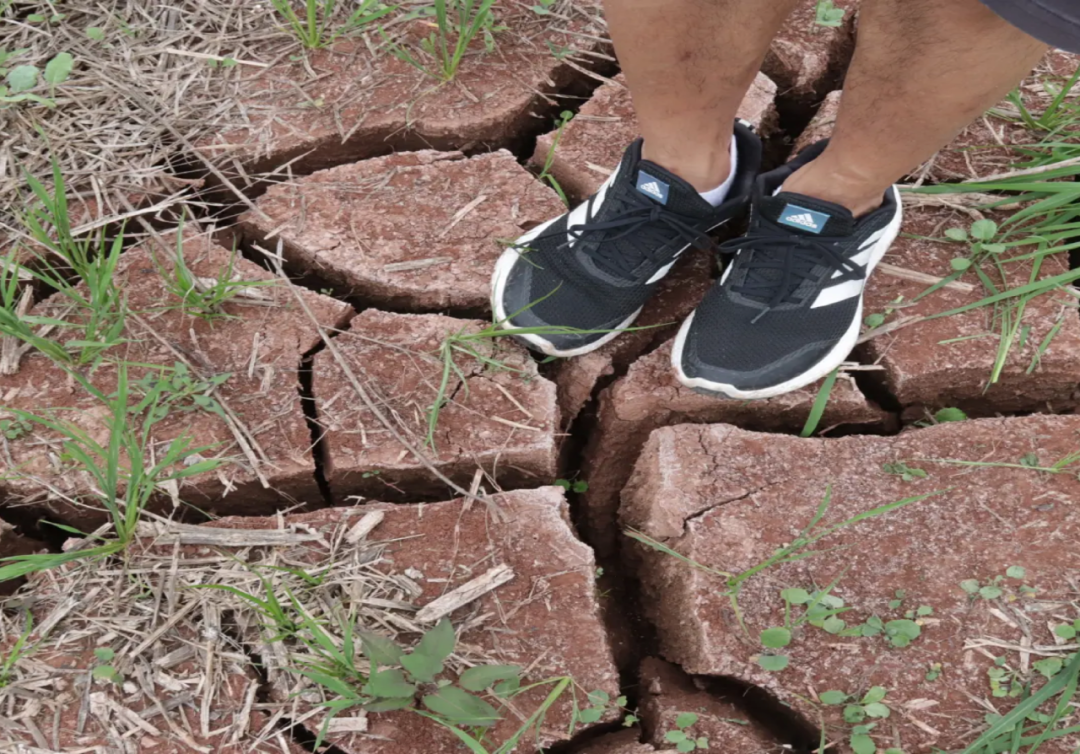
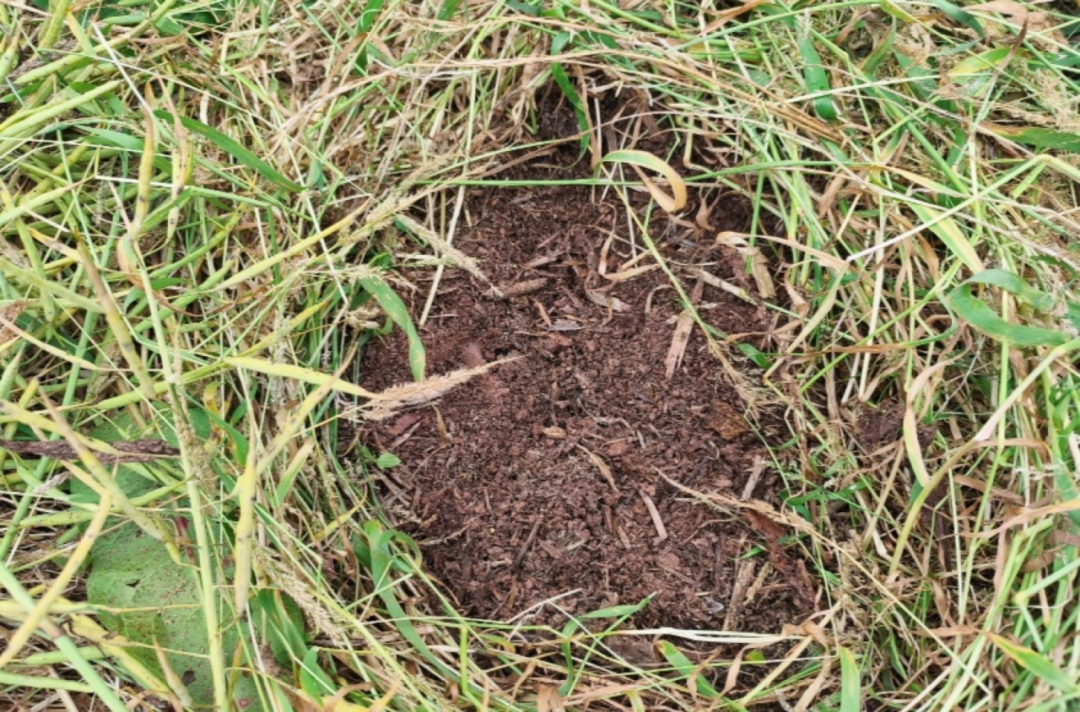
◉ The ecological no-till farming promoted by Home Action in rural Sichuan shows clearer advantages as heat and drought intensify. A comparison of the same plot in 2023 and 2025: previously compacted and impoverished (top image), after two years of ecological planting with no-till cover, it has become fertile and loose (bottom image).

Against the backdrop of climate change, we are now paying special attention to heirloom varieties. Compared to hybrids, some old varieties have stronger adaptability and resistance, performing more stably under extreme weather. We are observing the different performances of heirloom versus hybrid varieties under the same climatic conditions across various villages to summarise our findings.

Furthermore, heirloom varieties grant farmers more autonomy. Due to its unique geography and climate, the choice of hybrid rice varieties in the Ya’an villages is very limited. A certain hybrid variety planted for over a decade suddenly became unavailable these past two years. Because local demand is small—unlike the large-scale planting in the basin areas—seed companies stopped selling it.

Farmers are then left with two choices: either try various other hybrids, or recover the heirloom varieties. The snowfall event in Panzhihua in April further demonstrates the importance of seed autonomy. When the first batch of green peas froze, they needed to be replanted immediately, and farmers rushed to the town to buy seeds. However, the stock in the town’s agricultural stores was limited, leading to an immediate shortage and skyrocketing seed prices. Those who arrived late could not buy seeds even at two or three times the price. Farmers are discovering that seeds they can save themselves, which are adapted to the local climate, are the only sustainable choice for the future.
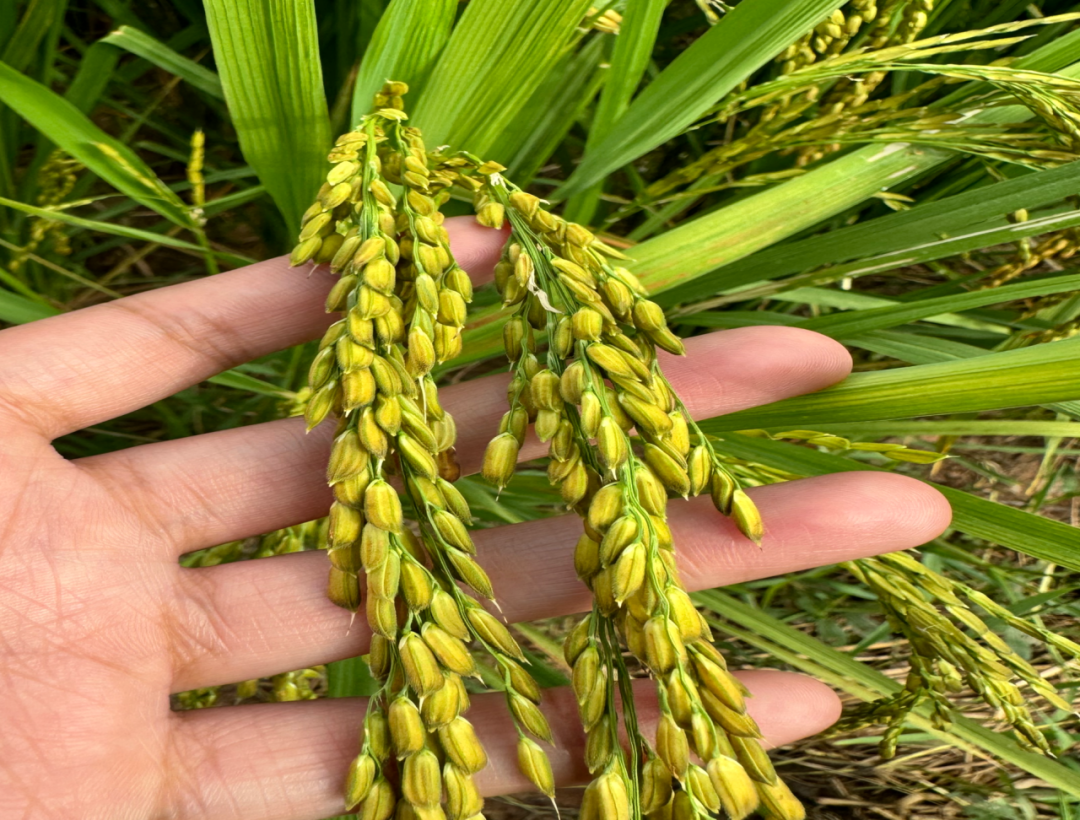
◉ Heirloom rice varieties in a Home Action project village.

It is not just Sichuan; research shows a trend of increasing heatwaves and drought across the entire Southwest. Some farmers are starting to adopt techniques such as using heirloom seeds, composting, and diversified planting to cope with climate change by building more stable and resilient farm ecosystems. Many NGOs are helping farmers master these techniques, and Home Action is one of them. Foodthink has also been promoting the principles of agroecology. But from what you’ve seen, is this approach sufficient?

First, it is important to recognise that for many of the issues facing agriculture and rural communities, climate change is only one of several causes. Take drought, for example. In the village in Panzhihua, the arable land is vast, with an average of twenty to forty mu per household, and some owning as many as seventy or eighty. Fortunately, this means most of the village’s young people have the opportunity to farm locally rather than migrate for work; unfortunately, large-scale monoculture has depleted the water sources.

When I visited this village over a decade ago, they relied primarily on reservoirs, and wells were rare. If you did dig a well, you would hit water within a few dozen metres. At the time, the village grew cured tobacco on a large scale. To cure the leaves, vast numbers of trees were felled for fuel, which naturally destroyed the soil’s ability to conserve water. We also discussed with the villagers whether it might be possible to try and restore the vegetation.

In recent years, there has been a shift towards large-scale vegetable farming. Both cured tobacco and vegetables are water-intensive crops. Now, every field has a drip irrigation system, yet water resources are still being depleted rapidly, and sometimes there is no water at all. This is further compounded by climate change, which has intensified seasonal droughts. Last year, just as the beans had been planted and required significant watering, the reservoirs had dried up so completely that the beds were cracking.

Of course, geological changes also play a part. Villagers mentioned that before the Wenchuan earthquake, the mountain gullies held plenty of water, but since the earthquake, the mountain springs have diminished, leading to a decrease in local water volume.

Therefore, to address these problems, technology alone is not enough. Only when a community develops a deeper understanding and analysis of these issues can more possibilities for response emerge, creating a stronger intrinsic motivation within the community to take action and effect change.
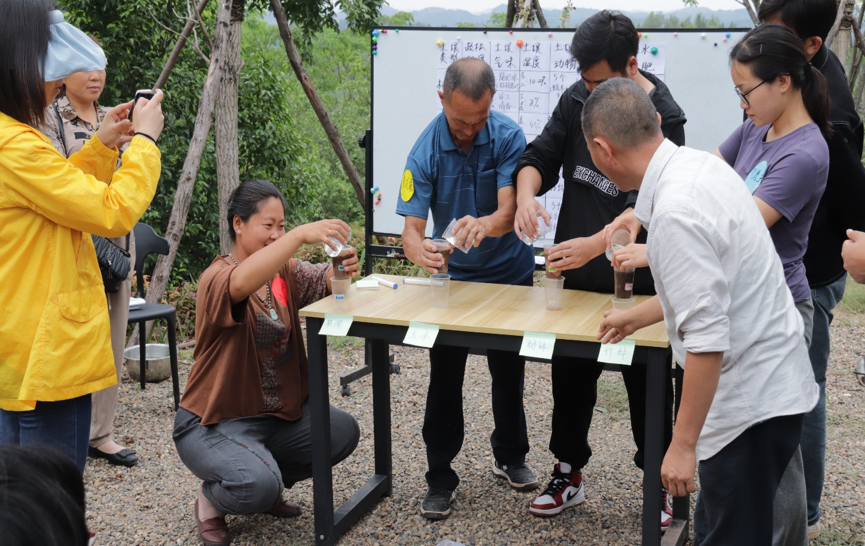
◉ Yuan Yong, a senior agronomist and technical advisor for Home Action, conducts soil comparison experiments in the field with the local farmers.

This was also a key finding in our work this year: climate change acts as an amplifier for agricultural production and other issues, but it is not necessarily the primary cause. It is more like ‘frost on snow’—the existing rural problems are the snow, and climate change is the frost that settles upon it, compounding and exposing those original issues. In such a complex situation where multiple problems are intertwined, what is your strategy?

We position ourselves as helping communities establish their own visions and capacities for sustainable development. By ‘vision’, we mean having their own philosophy regarding a sustainable life. Within the current mainstream context, every village follows the same direction when discussing future development. This direction is not based on the village’s history, environment, or specific resources, but on a mainstream definition of what ‘development’ is. That is why we place special emphasis on discussing development based on the unique characteristics of each village, rather than blindly following the mainstream. Furthermore, the question is whether you possess the actual capacity for action to support your own vision of development.

What specifically do you mean by the ‘mainstream’?

When we talk to farmers about agriculture, regardless of the method or technology, the first thing everyone asks about is yield. If a mu of land produces 400kg, the farmer wonders if it’s possible to get 500kg, 600kg, or even 1,000kg. There is no ceiling, only a higher target, as if production can be increased indefinitely. But does higher yield automatically mean higher income?

What does agriculture actually mean for smallholders? What is the underlying logic? What we see is that agriculture is being defined by technology and the market. The economic function of agriculture is magnified infinitely, while other functions seem insignificant.

If we look at the essence of agriculture, its primary role is undoubtedly providing a livelihood, but there are many other functions: ecological, social, and cultural. If we fail to see these and focus solely on the single economic function, it becomes very difficult to find space for meaningful work.

Focusing on production, life, and ecology sounds wonderful. But beyond feeding themselves, farmers certainly hope to earn a dignified living, send their children to better schools, and be able to afford hospital care for sick family members. The reality is that smallholders are currently being systematically excluded by our agricultural policies and market systems; for example, subsidies, land policies, and even some ‘advanced’ tech-driven agricultural aid all encourage large-scale farming. This creates a situation where production costs per unit of land are relatively higher for smallholders. So we wonder: is ‘ecological agriculture’ today an unattainable niche for smallholders, or is it a viable way out given that they cannot compete with industrial agriculture?

Firstly, the costs of ecological agriculture may actually be lower. Whenever ecological agriculture is mentioned, many people ask: if you don’t use pesticides, chemical fertilisers, or herbicides, then what do you use? It becomes a binary choice of ‘using this’ or ‘not using that’.

We go to the villages and talk to the people. We ask: if there are no pesticides, chemical fertilisers, or hybrid seeds, can you still farm? The farmers say they cannot. And the result? From machinery to buying seeds, pesticides, and plastic mulch—the whole package means that in a good year they barely break even, and in a bad year, they lose money. What does this mean for the smallholder? High costs, low returns; high dependence, low autonomy.
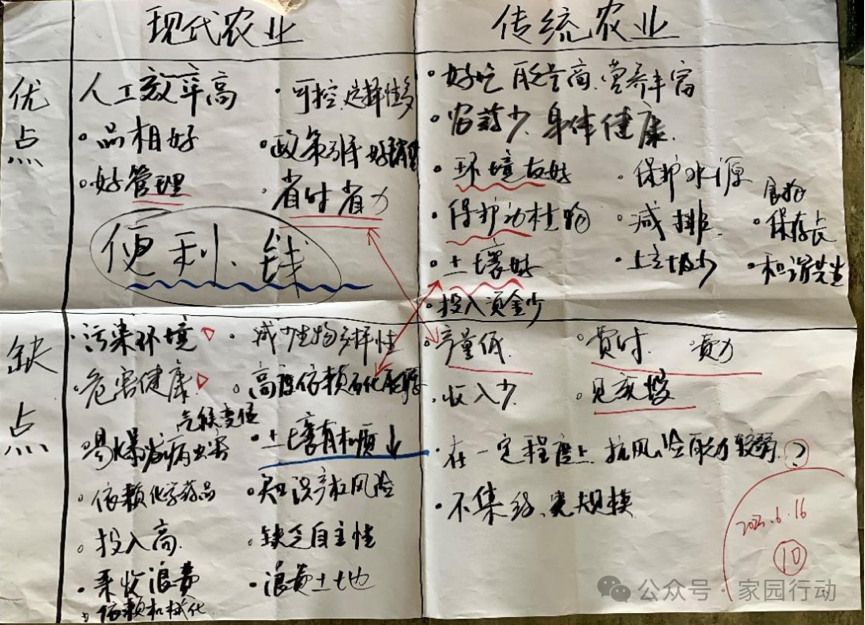
◉ Through participatory workshops, Home Action works with villagers to identify the advantages and disadvantages of different agricultural models.

Recently, some veteran rural development workers have shared a view that coincides with yours: rather than just thinking about how to sell ecological produce at a premium, it is more important to see how ecological agriculture can reduce costs. Especially now, with the prices of chemical fertilisers, pesticides, and seeds so high, conventional agriculture isn’t profitable either. Moreover, farmers are held hostage by the market; there is no guarantee they can sell their crop. When extreme weather hits and everyone suffers a total crop failure, ecological agriculture’s low inputs mean they lose less.

Exactly. Moreover, some of the values of ecological produce are difficult to quantify. Health, for instance. When people talk about farmers applying pesticides, it seems as though the consumers—those who eat the food—are the ones paying the price. But that isn’t entirely true; the first victims are often the villagers themselves. When we visit the villages, we frequently see skin diseases, vomiting, nausea, insomnia, and other common symptoms of pesticide poisoning. For the farmers, this means high pollution, low health; high risk, low resilience.

We often discuss soil degradation, water pollution, agricultural waste, species loss, the energy crisis, and climate change… these are all very grand terms, and health is one of them. But within the current agricultural production system, for the ordinary person, these manifest as a series of very concrete, individual problems.
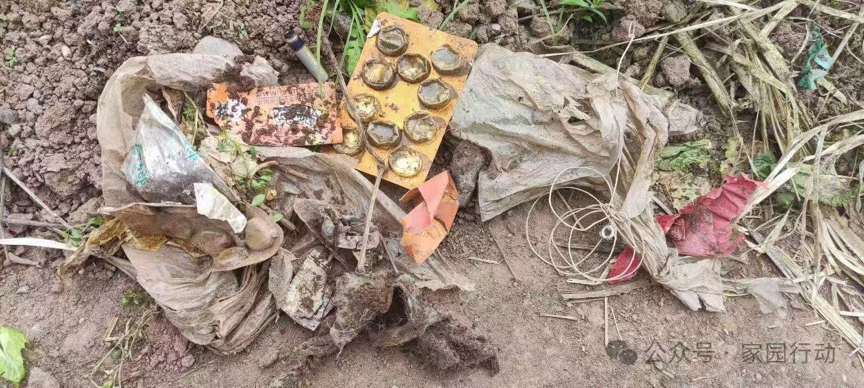
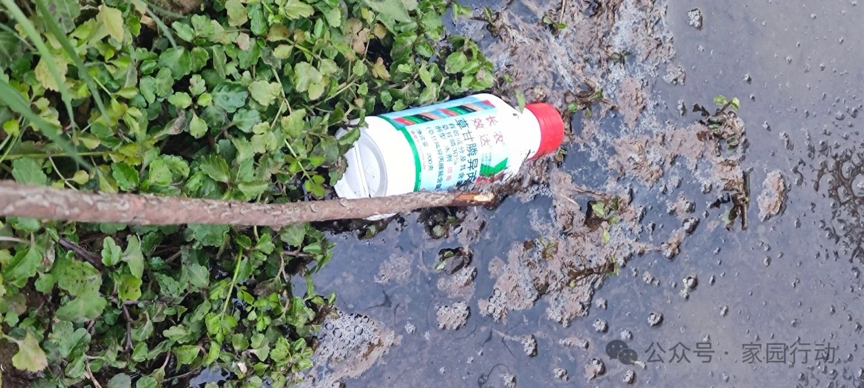
◉ Plastic waste and discarded pesticide packaging are visible everywhere throughout the village.

To what extent do farmers and local governments embrace the path of ecological agriculture?

We place great value on the villagers’ own pace; if they feel they must use chemical fertilisers, we are fine with that. We don’t refuse to collaborate just because someone is using fertilisers at this stage. Our focus is on the construction and development of the village as a whole, rather than just discussing agriculture in isolation.

Initially, the government paid little attention to ecological agriculture, so there was little in the way of resources or policy support. This wasn’t necessarily a bad thing, as it meant there was no significant interference. However, we have seen in the last two years that ecological agriculture trials in various villages are beginning to show results, and some local governments are gradually starting to take notice and provide publicity for various reasons.

If the government takes this seriously, it helps the process in two ways: first, the people gain more confidence, as recognition from the local government is very important to them. Second, the process of scaling—from one village to another, and then to many more—becomes smoother.

Additionally, for some villagers, establishing external sales channels is crucial. However, this is not our forte; connecting with external markets is a significant challenge. For instance, in the villages of Panzhihua, where agricultural produce is the primary livelihood, there is a real need to consider how to sell the products. In the Jianyang village, the volume of ecological produce from the collective economy is also quite large, but we find it difficult to support their entry into the market. To some extent, this influences their planting choices. Currently, ecological products from Jianyang are mainly sold through social circles, and because it is a collective economy, there is also procurement support from the local government.

Over a decade ago, while working with Community Partners, I began working on CSA (Community Supported Agriculture), urban-rural interaction, urban farming, and markets, and I discovered how difficult it is. The market is a perennial challenge; connecting with external markets requires a wide range of capabilities. This includes not just the market itself, but also quality control, customer service, packaging, and promotion. These are areas where we lack expertise, and we have no intention of developing these capabilities ourselves. Because these issues require collaborative solutions, we are looking for other resources to handle this part, hoping to provide capacity-building support for the villages. The role of a platform is essential here.
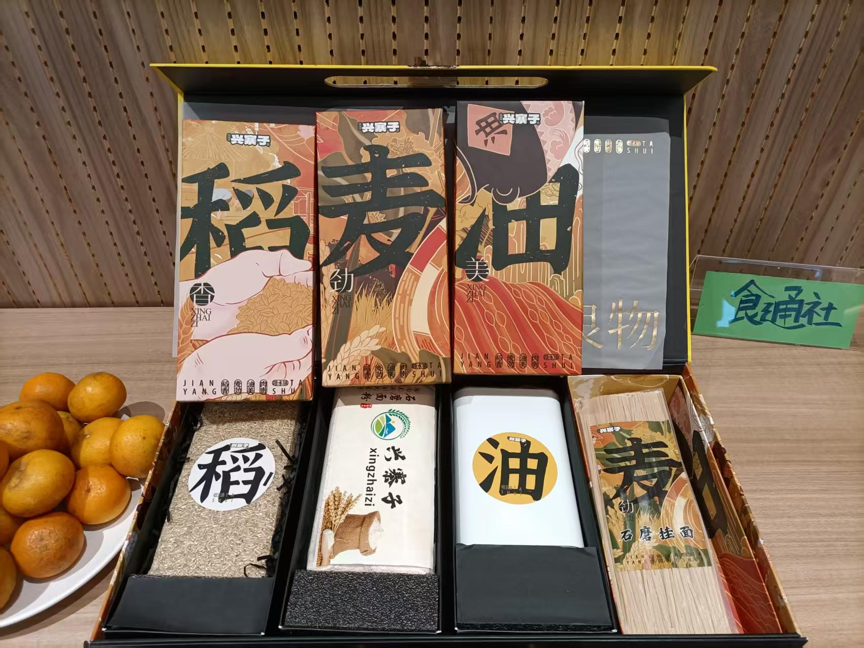
◉ The project village in Jianyang processes and packages ecological produce in an attempt to open up new sales channels.

Do the villagers lose heart?

It depends on whether they are farming for production or for a way of life. In fact, with the exception of Panzhihua, the other project villages consist mainly of left-behind elderly residents, whose primary desire is to eat healthily. For example, Uncle Luo in Ya’an is in his 70s and still tends to over two mu of paddy fields and over two mu of dry land. He finds it distressing to stop. This generation has a deep emotional connection to the land; they cannot bear to see it go waste, and their own dietary needs can be met. For this group, farming often serves first to satisfy their own needs, which is also a way of reducing external dependence and achieving community autonomy.

They care not only for their own health but for that of their families. This year, someone from an ecological food sales platform asked if they could visit the project villages to speak with the farmers and buy their ecological rice. Last year in Sichuan, the price of our paddy was roughly 2.7 to 3 yuan per kilogram. That person offered 6 yuan per kilogram. The villagers refused to sell. Even when the offer was increased to 8 yuan, they still refused. They said that having worked so hard to grow such healthy, high-quality rice, they must keep it for their own families and give it to relatives, friends, and their children working in the city. At the same time, there is a prevailing sentiment among the farmers that with current climate change, while they can grow this rice this year, it is a question mark whether they can do so next year; therefore, they must stockpile it. They are thinking about the future.

In Panzhihua, there are more young people in the village; they are the primary labour force and the ones making production decisions. Although they face sales pressure, they are mindful of the market. Seeing the preference for “native” products, they also want to preserve old varieties. Although old rice varieties are difficult to push into the market, they think: what if an opportunity arises later? In the future, these old varieties may have greater commercial value, but once lost, they can never be recovered. Even if they are hard to sell now, by growing them for their own consumption, they ensure that the seeds are at least still there when needed.

We recently held a reading group for *Vanishing Foods*. One of the protagonists in the book is a Sichuan farmer, Sun Wenxiang, who grows an old variety called “Red-beak glutinous rice” on his family ecological farm in Meishan; it has a very unique taste. Thanks to the reading group, we were able to taste this rice. Many people heard about it and asked us for a purchase link. But in reality, Uncle Sun doesn’t need to sell it this way. Most of his grains, vegetables, and meat are sold through his own social circles; if you don’t know him, you can only buy them at the Chengdu Life Market, which happens once a month. Because so many people have recently wanted to buy the Red-beak glutinous rice, I asked Uncle Sun, and he said they have to wait for the new autumn harvest.

This is a very successful example of an ecological farmer.

We have also found that many organisations invest a great deal of effort into creating livelihood conditions in an attempt to attract young people back to the village. In reality, the challenge is immense; it is far more realistic to cultivate a core team of people in their fifties. Our current work focuses primarily on the elderly, and we must recognise their characteristics: they have less livelihood pressure, a deep affection for the village, and a wealth of indigenous wisdom.

I look at it from another perspective: how those who remain in the village can live well and care for their community. For those working away, it ensures that when they wish to return, they can, and that the good things in the village have been preserved.
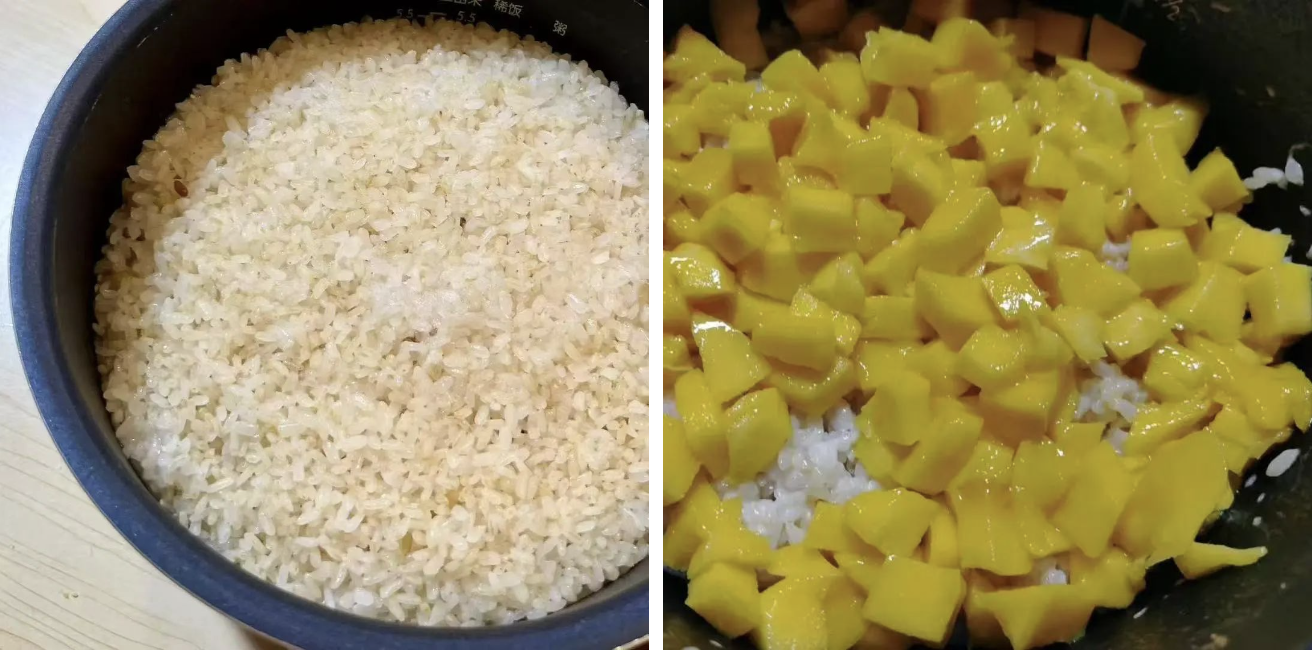
◉ Last month, Foodthink’s staff meal featured the precious old variety “Red-beak glutinous rice” preserved by Sichuan ecological farmer Sun Wenxiang. The remaining rice was paired with wild Guangxi mangoes and coconut milk to create a mango rice dish with an exquisite taste. Image source: Foodthink

Moreover, the elderly continue to farm not only to provide healthy ingredients for their families but also to uphold the calling of the farmer. This is why we believe we should not rush into a model of total land transfer where everyone becomes a wage labourer for large-scale landowners. Setting aside the economic arguments, we must first provide supportive conditions for those who, for whatever reason, are still willing to farm, so they can tend the land with peace of mind and maintain their dignity as workers. Farmers have professional dignity, and this is a point that is often overlooked.

This is why emphasising agency and an internal perspective is a core principle of our work. Our approach is as follows: First, break away from the mindset of modern agriculture and broaden the understanding of agriculture’s diverse values, rather than limiting them to yield and income; otherwise, we only narrow our own path. Second, the villagers themselves are the primary agents of change. We often hear about ageing, hollowing out, and atomisation, where everyone only looks after their own interests. Therefore, we must restore community customs and create diverse spaces for villagers to participate—not just in the planting process, but in local life. Farming culture is a local way of living. Third, tap into local traditional wisdom and resources, seeing the potential within the community rather than just the problems. Fourth, carry out organisational building to enhance the community’s awareness and capacity for collective action. I personally find this crucial—addressing rural environmental issues as part of the overall sustainable development of the village, rather than treating symptoms piecemeal.

As a social organisation partnering with villagers, our value proposition is simple: farm well, eat well, live well.

Unless otherwise noted, images are provided by Home Action

Compiled by: Ling Yu, Xiao Qi, Yu Yang

As Extreme Heat Becomes the Norm, These Farmers Choose a Different Way of Life (Part 1)

I. Climate change through the eyes of small-scale farmers: spring droughts, soil, and food storage

With only three days until the summer solstice, Yang Xiuyou finally saw the arrival of heavy rain.

The downpour began on the evening of 17 June, falling in intermittent bursts until the following afternoon. “After the Spring Festival, we had a few rains, and then it stayed dry until now.” Over the past two months, there had been almost no meaningful rainfall in Ganjiaodian Village, Ziyang, Sichuan, where he lives. The curling leaves on the maize stalks served as a silent signal to any visitor of the drought that had gripped this spring.

Just the day before the rain started, the local forecast had recorded a temperature of 39°C.

For Yang Xiuyou, who returned to his home village seven or eight years ago, the spring droughts have been the most tangible manifestation of climate change. In his memory, droughts this severe and prolonged had not occurred since the 1970s.

After lunch, Yuan Yong asked Yang for a pair of wellies, preparing to head out to his fields. Yuan is a senior agronomist at the Dongxi Street Agricultural Comprehensive Service Centre in Jianyang, and a technical advisor for agricultural projects at the non-profit organisation “Home Action” (Chengdu Home Action Public Welfare Service Centre). He had come to Yang’s home primarily to check on the recent progress of the ecological rice.

◉ An ecological rice demonstration field in Ganjiaodian Village, run by Home Action in collaboration with local villagers.

Stepping into Yang Xiuyou’s paddy field, Yuan Yong reported the data from the soil tester to his Home Action colleagues: “pH 5.6, temperature 26°C, soil depth approximately 10 centimetres.” Deeper into the field, he measured a pH of 6.4 at 26°C. In an adjacent plot, Yuan recorded a pH of 5.1 and a temperature of 25°C. This belonged to another villager who had only started adopting ecological farming this year.

For rice, slightly acidic to neutral soil is most suitable for the absorption and utilisation of various nutrients, typically within a pH range of 5.5 to 6.5. In conventionally farmed fields, the soil pH often falls below 5.5 due to the use of acidic substances such as pesticides and chemical fertilisers. However, after three years of ecological farming, the soil pH on Yang Xiuyou’s land has undergone a marked change.

“The natural restoration process of the soil is actually quite fast. Look, in just two or three years on your land, it’s already moved up to six-point-something. With these baseline figures, you should have confidence now, right?” Yang Xiuyou stood on the ridge of the field, listening silently to Yuan’s analysis.

◉ Yuan Yong testing soil data in the rice fields in the rain.

This is the third year he has adopted the climate-friendly rice cultivation techniques promoted by Home Action.

Unlike traditional flood irrigation, this method involves planting seedlings on raised beds with ditches; water only needs to be maintained in the ditches to reduce the total amount of irrigation required. This ecological approach also emphasises the use of traditional local varieties and the implementation of no-till farming and straw mulching. This means avoiding manual or mechanical tilling of the soil as much as possible and covering the fields with straw after transplanting to control weeds, increase fertility, regulate soil temperature, and maintain moisture.

The strict prohibition of chemical fertilisers, pesticides, and herbicides sounds almost “counter-intuitive”. However, Yang Xiuyou was drawn to the method because it saves water, withstands drought, and reduces the cost of agricultural inputs—even though the first year of trials was not smooth.

Due to the spring drought of 2023, the first crop of rice could not be planted. To mitigate losses, Yang converted two mu of his land to soybeans in July, applying the same no-till and mulching ecological principles. That year, most of the village’s soybeans suffered from powdery mildew, leading to reduced yields, but Yang had a bumper harvest. He eventually sold his ecological soybeans at 4 yuan per jin, while conventional soybeans fetched 3 yuan per jin on the market.

“At first, I planned to sell them for 5 yuan a jin, but then I thought, never mind.”

“Everyone else thinks about selling higher, but he thinks about selling lower,” Yuan Yong teased from the side.

“My only cost was the seeds,” Yang laughed.

Last year, the two mu of ecological rice finally yielded a harvest, with the first crop producing about 700 jin per mu. After this, by regrowing seedlings and ears from the existing rice stumps, he harvested another 100-plus jin of ratoon rice in the autumn. In addition, he grew some maize, which is more drought-tolerant than rice.

◉ In another Home Action project site in Zai-zi Village, Jianyang, ecological rice yielded about 900 jin per mu, and ecological maize yielded about 970 jin per mu.

The harvested grains were sealed by Yang in plastic bags and stored in iron grain drums for his family’s yearly consumption—except for the 100-plus jin of ratoon rice, which had been mostly eaten by birds while drying on his roof.

“It’s not just one place; we’ve encountered many villages where residents store grain this way,” said Hu Xiaoping, head of Home Action. He noted that one of the villagers’ reasons for not selling their grain is linked to climate change. Affected by extreme weather, villagers worry that land which produces good rice this year might not do so next year. Hu Xiaoping observed that some of the villagers he worked with stored enough grain to meet their family’s needs for three or four years.

These fears are not unfounded. With climate change, drought and extreme heat events in Southwest China are increasing significantly. In Yang Xiuyou’s village, the rice was too dry to be planted the spring before last. Last year, it was planted, but they almost couldn’t harvest it—following the Start of Autumn, Eastern Sichuan suffered several consecutive days of extreme heat. It was impossible to work the land during the day, leaving many farmers with no choice but to harvest their rice at 10 pm by torchlight. They said they had never encountered such heat before.

◉ In the early hours of August 2022, a couple in Nanchong City could only harvest their rice by torchlight to avoid the extreme heat. Source: Sichuan Observer

II. We cannot respond to climate change in ways that exacerbate it

Twenty years ago, many still believed that climate change did not exist, dismissing it as a conspiracy played out by politicians. Ten years ago, governments negotiated the landmark Paris Agreement, hoping to limit the global temperature increase to no more than 1.5°C by the end of the century. Yet, in the past two years, every year has been the “hottest on record”—with temperatures rising more than 1.45°C above pre-industrial levels. The future has arrived. This year, everyone’s question has become: “What should we do?”

Particularly the farmers, who are at the mercy of nature and provide food for all of humanity—what should they do?

Hu Xiaoping graduated from China Agricultural University with a degree in Rural Regional Development and possesses deep experience in rural community development, ecological agriculture, and local economies. In 2017, he founded Home Action, focusing on agriculture, community governance, and the protection of local culture. As the head of an NGO, Xiaoping’s life is split between two linguistic worlds that run in parallel and occasionally intersect: when fundraising or discussing projects externally, he speaks Mandarin, and sometimes English, constantly responding to the recurring concerns of domestic and international climate philanthropists—how China is reducing greenhouse gas emissions, and what innovative paths rural areas can take to adapt to climate change.

When he returns to the village, he speaks the local dialect, chatting with the aunties about the taste of traditional food varieties and the problem of pesticide bags being discarded haphazardly. The ability to translate between these two discourse systems—the external and the internal—is a fundamental skill for rural workers. In recent years, more and more NGOs have taken root in the countryside, attempting to solve the troubles brought by climate change. For the increasingly hot and dry provinces of the Southwest, everything from installing fans in village activity rooms to building micro-reservoirs has its use.

But in Xiaoping’s view, the key to facing climate change is not the translation and transmission of discourse (i.e., simply making farmers aware that “climate change” exists), but rather dismantling the agricultural systems that trap farmers in a climate crisis, allowing them to find a way of life that coexists harmoniously with nature while providing enough return to sustain their dignity as workers.

◉Xiaoping makes frequent trips to the countryside to discuss the practical implementation of ecological farming with the villagers.

They are currently rolling out this ‘experiment’ across several villages in Sichuan. Yuan Yong, who spends most of his time embedded in these villages providing technical training to farmers, puts it incisively: ‘We cannot counter climate change through short-sighted methods that only exacerbate it.’

Ultimately, Home Action’s logic operates on two levels. First, the promotion of ecological farming techniques, the core of which is rebuilding healthy soil through no-till cover; extensive scientific research has confirmed that soil acts as a vital buffer for agriculture in the face of climate change. Second, an emphasis on farmer autonomy, reducing their reliance on external inputs and strengthening the cohesion of community self-organisation. These two goals are two sides of the same coin: ecological techniques free farmers from the grip of fertiliser, pesticide, and seed distributors, while the daily acts of observing one another’s methods and exchanging seeds deepen the bonds between the left-behind elderly. To some extent, this also functions as a form of ‘social elderly care’.

◉In May this year, the key difference between maize grown using ecological methods (above) and conventional methods (below) in Jianyang lay in no-till versus ploughing, rational grass retention and straw cover versus bare soil, and organic fertilisers versus chemical ones.

Last year in Zhaizi Village, Jianyang, I attended a training session hosted by Yuan Yong on no-till bedding techniques for ecological rice. He didn’t start the session in the role of an agronomist; instead, he began by chatting with the crowd about health and the spring droughts. Yuan Yong invited Uncle Zhong, a farmer who had started using no-till bedding for his rice the previous year, to share his experience.

At first, Uncle Zhong was a bit hesitant, but as soon as the conversation turned to the current use of pesticides, he opened up. ‘You absolutely must not use pesticides!’ he exclaimed. As the session ended, he laughed while seeing everyone off: ‘People in the city have to pay for gym memberships to exercise, but I don’t need that! Working in the fields every day keeps every muscle in my body toned.’

Yuan Yong noted that physical and mental health was the most frequently mentioned need during discussions with the villagers. During their baseline survey, they had interviewed villagers to understand their needs, expecting income to be the primary concern. To their surprise, health ranked first.

‘Second was care for those left behind, then how to improve parent-child education, while increasing the guarantee of basic living supplies ranked eighth.’ From the villages they visited, the pressure on livelihoods was actually not as great as expected.

This observation is also linked to how Home Action selects its project sites.

Xiaoping explained that when choosing locations, they prefer villages where most of the land is still owned by the villagers. ‘In these cases, the variety of crops is much richer, which basically meets the villagers’ seasonal needs for food. A core reason for this is that the residents of such villages do not rely entirely on the land for their economic income.’

These villages also tend to face severe ageing and ‘hollowing out’. Those who remain place a higher value on their emotional connection to the village, yet they often lack self-organised community structures in their daily lives. Given this reality, whenever Home Action enters a new village, they do not rush to promote ecological farming techniques. Instead, they organise activities and engage in dialogue with the villagers to jointly explore the most suitable entry points for climate adaptation locally.

◉Exchanging ideas on ecological agronomy in the fields has also become a vital social opportunity for the left-behind elderly.
In Weita Village in Ya’an, for example, the primary focus over the past two years has been organising community activities. Drawing on the existing, well-established senior citizens’ association, they used the sudden unavailability of hybrid rice seeds—which had been grown locally for years—as a catalyst. They organised association discussions to map out the timeline of changes in local heirloom rice varieties, exploring the reasons for these shifts and their impact on the community. They also formed health and farming groups to discuss and learn about the relationships between heirloom varieties, agricultural practices, health, and the environment.

Through these activities and exchanges, the villagers began to develop a tangible, first-hand sense of climate change and a way to express it. For instance, during one community discussion, a villager noted that abnormal temperatures the previous year had caused the flavour of that season’s fermented bean curd to be consistently off.

At the Songping community project site in Panzhihua, frequent communication with the villagers revealed a key entry point for addressing climate change: the protection of heirloom varieties.

“At first, when we went to the village and asked if people had any local heirloom varieties at home, everyone said they didn’t,” Hu Xiaoping recalled. However, further contact with the villagers soon proved otherwise.

When they visited villagers’ homes for a chat, facing the sunflower seeds, peanuts, and dishes offered to them, they would ask where the seeds for that food had been bought. This immediately prompted a different version of the story: “These are our local peanuts; they’re a bit smaller, but they taste wonderful. This vegetable is a local heirloom variety; you can plant it once and eat it for years.” Based on the heirloom varieties identified through this research, Home Action launched a ‘Vegetable Garden Project’ in the village, encouraging 30 households to convert their small private plots to ecological farming methods.

Additionally, they supported a local ecological arts troupe in managing agricultural waste. This case was included in a presentation Yuan Yong used during a lecture in another village: “When the locals take the initiative to engage in these environmental governance activities, other community members who aren’t participating see it and realise, ‘They are people from our own village, not outsiders,’ and they become far more conscious about not littering.”

III. Improving the lives of those who stay

In terms of scale, most of the farmers partnering with Home Action operate on a small scale. Aside from Zhaizi Village, where they collaborated with the village committees to implement ecological planting schemes across more than 1,000 mu of collective land, the plots provided by other willing villagers range from a few square metres to a few mu.

“Whether it’s ‘conservation tillage’ or ‘climate-friendly rice cultivation’, these are external terms and techniques. We don’t want the villagers to simply learn a set of techniques from us; we want them to learn how to observe and analyse their own current problems, find experience within their own traditions, and establish their own understanding, techniques, and methods of action,” said Hu Xiaoping.

This transformation does not happen overnight; it is a process where the changes made by a few gradually influence many more. In Zhaizi and Ganjiadian villages, I met elderly farmers willing to experiment; they are men of few words, but they speak with endless passion when discussing their planting experiences.

◉ Yang Xiuyou, a villager from Zhaizi Village in Jianyang, tried ecological dry seedling raising. Despite the drought, the use of no-till cover techniques ensured excellent soil moisture retention. With only two applications of biogas slurry and two waterings, the growth by late May is shown in the image, with tillers in the seedbed already reaching eight.

These individuals are what Hu Xiaoping calls the ‘community pillars’. Cultivating such key figures is a primary goal for Home Action at this stage. “The issues we are discussing align with the needs of these pillars. For example, on the issue of soil degradation, Uncle Zhong from Zhaizi Village noticed it himself, so when we discuss these problems, he doesn’t think we’re talking nonsense.”

In Ganjiadian village, Yang Xiuyou is one of their key partners.

This year, the number of villagers willing to try this method has increased to four. While Yuan Yong was testing the soil in Yang Xiuyou’s paddy field, Sister Tang, who also uses ecological planting, arrived. Due to the compaction of the soil and this spring’s extreme drought, she repeatedly told Yuan Yong that under the no-till method, the seedlings were difficult and painful to plant by hand.

Listening to this, Yang Xiuyou whispered from the side, “Planting seedlings is a bit hard this year, but they don’t understand. Usually, we have a bit of grass covering the surface; you just push the grass aside, poke a hole in the soil with your thumb to let the seedling stand, and that’s it. It’s not entirely the same as planting in water.” Once back at home, he spoke about the fertiliser and pesticide formulas he had learned online over the past two years. The field fertiliser is made from brown sugar, white vinegar, and beer; “you can also soak chillies in white vinegar for half a month, and it’s very effective against stem borers.”

This year, Yang Xiuyou applied this no-till cover ecological planting philosophy to more of his land. In addition to continuing the grass-covered maize fields, he experimented with dry rice planting on a small plot using the Mo-jiang purple glutinous rice, an heirloom variety provided by Home Action. In autumn, he plans to plant potatoes in the rice fields immediately after threshing. Following Yuan Yong’s advice, he will use the straw covering the ground, digging ‘seed nests’ in the grass to place the seeds before covering them again. “It’s convenient; when it’s time to harvest, you just push the grass aside.”

◉ In fields where rapeseed and potatoes are intercropped, harvesting the potatoes only requires pushing the grass aside.

Not long ago, Home Action organised a night observation and biodiversity survey in Zhaizi Village, about 50 kilometres away. The ecological fields saw an increase in frogs, insects, and birds. After the activity, birdwatching became the favourite pastime of the village’s older women.

“Facing the problem of rural hollowing, we haven’t tried to attract young people back to the village through specific jobs. Instead, we look at it from another angle—how those who stay can live a better life,” said Hu Xiaoping.

◉ Villagers observing insects and amphibians in the fields at night; species diversity in ecological fields has improved significantly. For many, this was the first time they truly looked at the animals on the land they have farmed for years.

Foodthink Author

Zhu Ruomiao

Interested in both business and agriculture, and an enthusiast of the Mongolian plateau and the Matouqin.


Unless otherwise noted, images are provided by Home Action

Editor: Ling Yu