
The Voices 404’d Over the Past Year
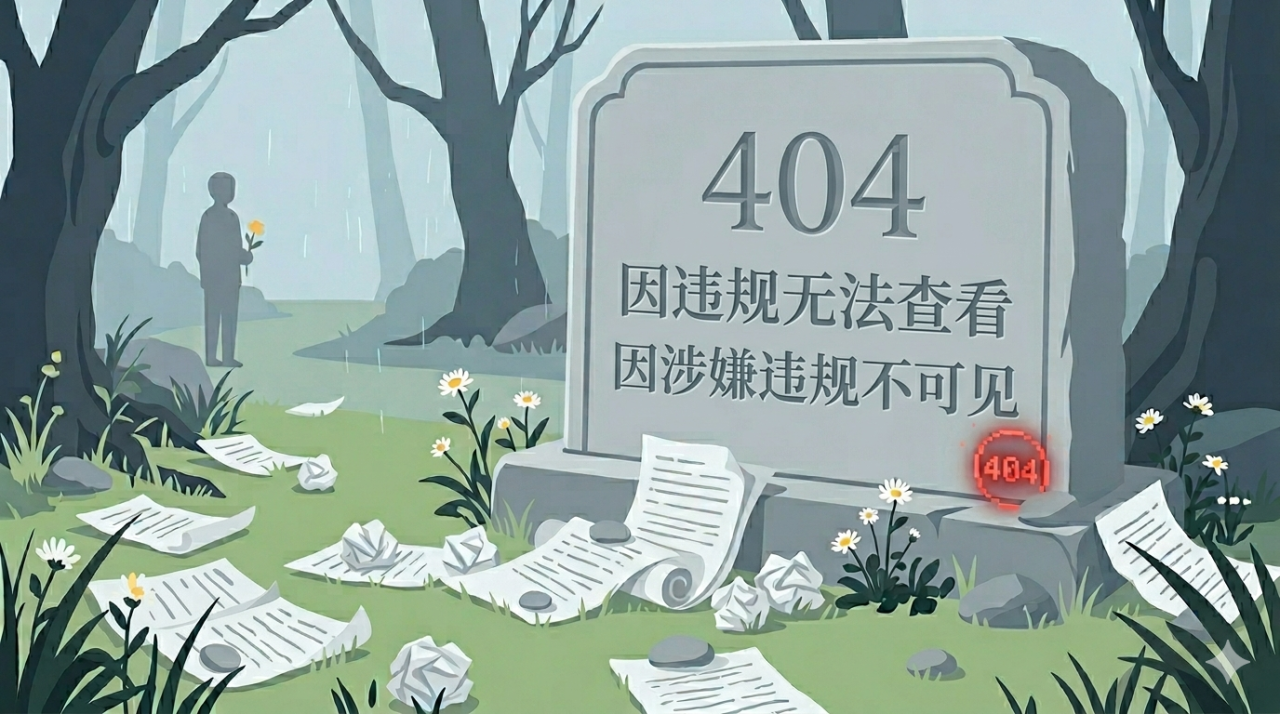
On 4 April last year, Foodthink published a “compilation of deleted articles”. Since then, whenever an article is removed, colleagues have relied on a wry internal joke for solace: “We already have another entry for next year’s 404 compilation.”
But the articles 404’d over these two years are not entirely the same. In 2024, most of Foodthink’s deleted pieces were not topics of intense public discussion or traditionally “sensitive”. For instance, one reviewed reporting, research, and creative works by domestic media and academia on food delivery and e-commerce platforms in 2024, while another outlined the social security measures Singapore introduced for platform workers. Consequently, every time an article was deleted, the editorial team was taken aback, unable to fathom the logic or motivation behind the takedown.
However, among the articles deleted over the past year, two addressed pressing social issues or long-standing concerns that were also covered by institutional media and independent creators. Yet at a certain point, everyone fell silent.
To ensure food security, we have a permanent red line for the protection of basic farmland; to protect the environment, we have an ecological conservation red line. Yet in the public sphere, we cannot see such a clear boundary. All we see is the message: “This content cannot be viewed due to a violation of regulations.” What remains can only be surmised by piecing together each 404’d article.
Below are the articles 404’d in 2025. You can access the available portions by sending the keyword prompts.
404 Not Found NO. 1

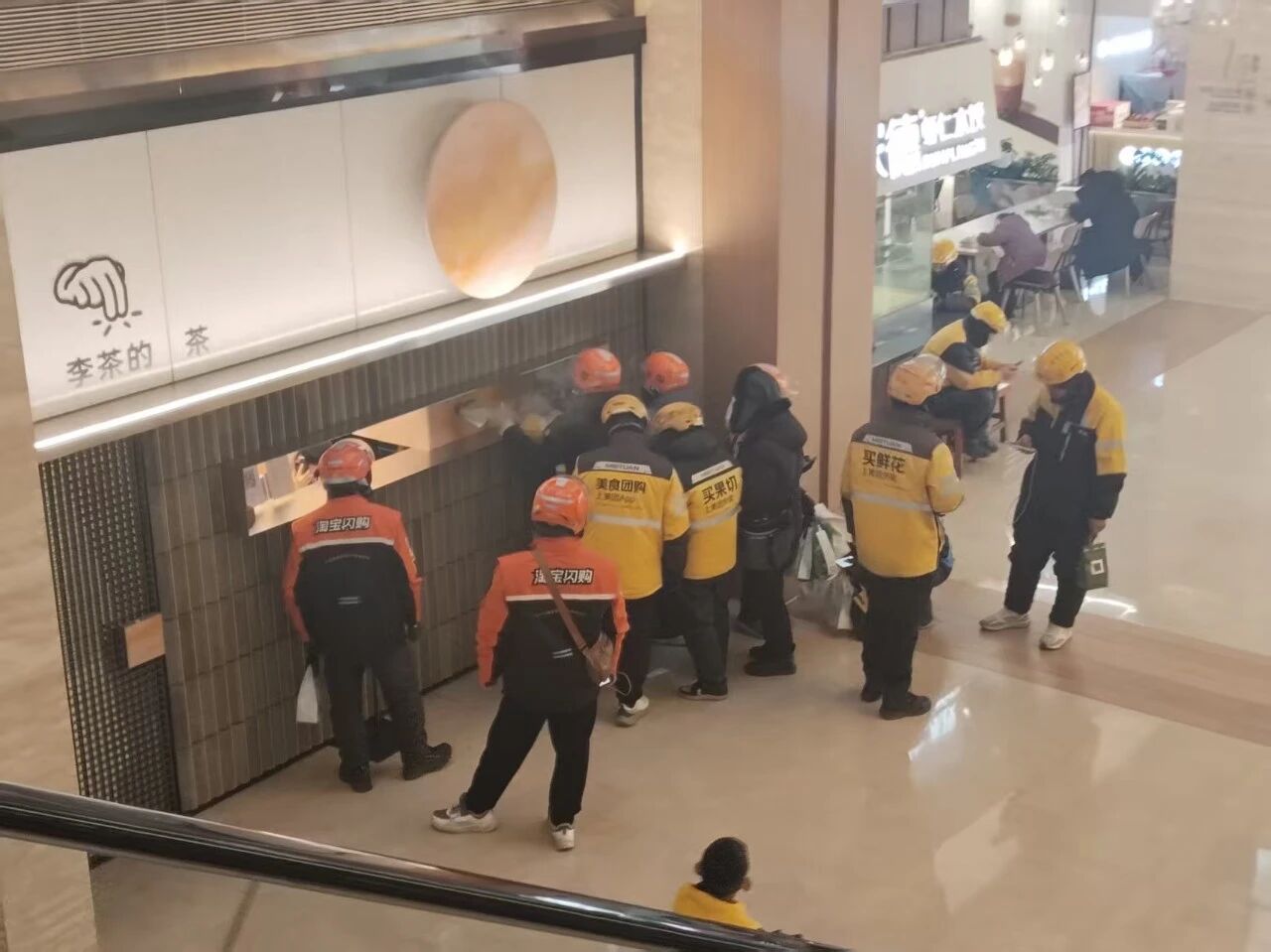
This is actually a response to a book published that year, Transition Labour, which examines food delivery work. Writing from a nutritional standpoint as a doctoral researcher in nutrition who studies how socio-economic relations affect public health, the author explores whether working as a delivery rider might genuinely shorten their lifespans. She emphasises that overwork is not exclusive to delivery couriers; many in modern society also contend with irregular meals, gruelling workloads, and income insecurity—a form of employment that, like food delivery, is instrumental rather than value-creating. The author hopes readers will use the riders’ circumstances to consider a broader question: why have food security and economic growth failed to make proper meals any easier to access?
Reply with “丑团” (chǒu tuán) to the Foodthink Official Account to read the full article 🙏
404 Not Found NO. 2
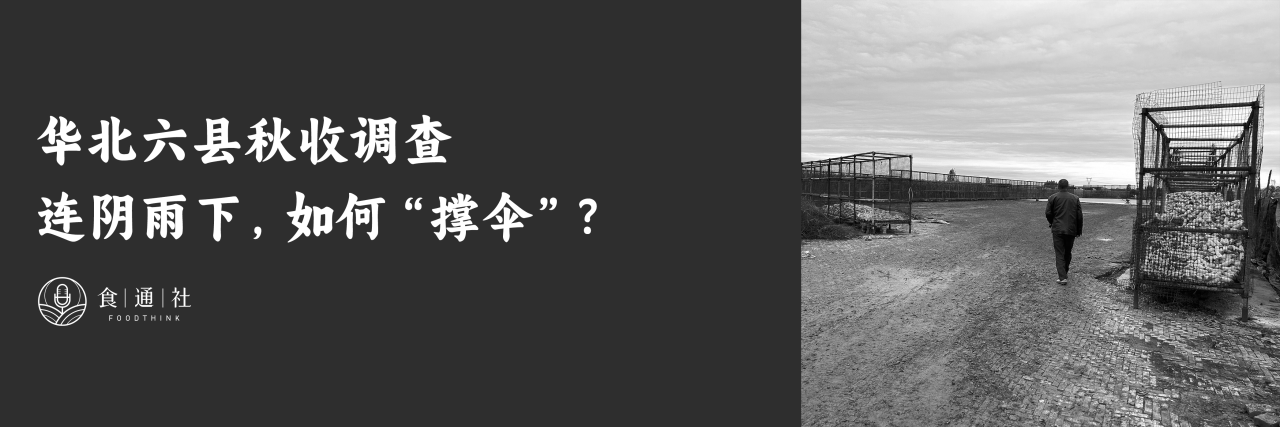
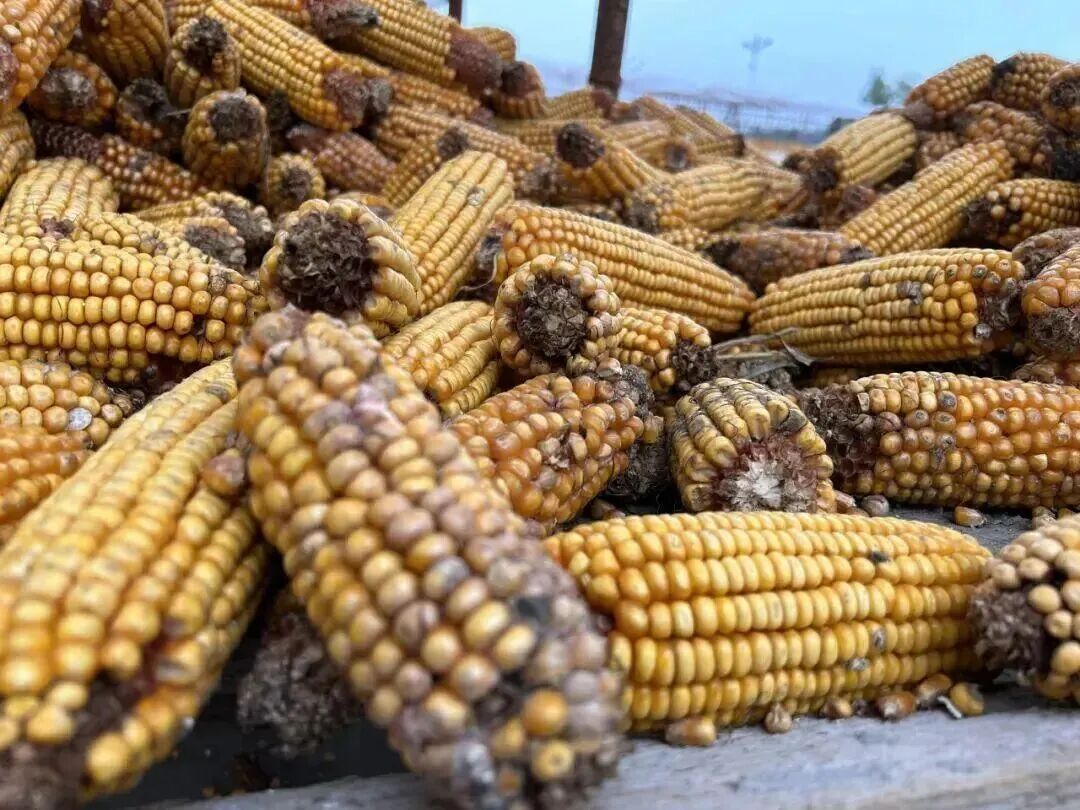
In 2025, months of continuous rain during the autumn harvest in North China prevented corn from being harvested, leading to widespread mould. The topic “North China’s persistent autumn rains” trended on social media, with various platforms reporting on it in succession. Foodthink visited six agricultural counties across Henan and Hebei provinces, finding that at every stage of the corn supply chain—from planting to sales—farmers, buyers, and local governments exhausted every option to cope. Yet, regardless of farm size, resources, or equipment, virtually all corn growers were ultimately forced to accept the losses brought by reduced yields, falling prices, and crop spoilage.
Send the keyword “撑伞” (hold an umbrella) to the Foodthink Official Account to read the full article 🙏
404 Not Found NO. 3
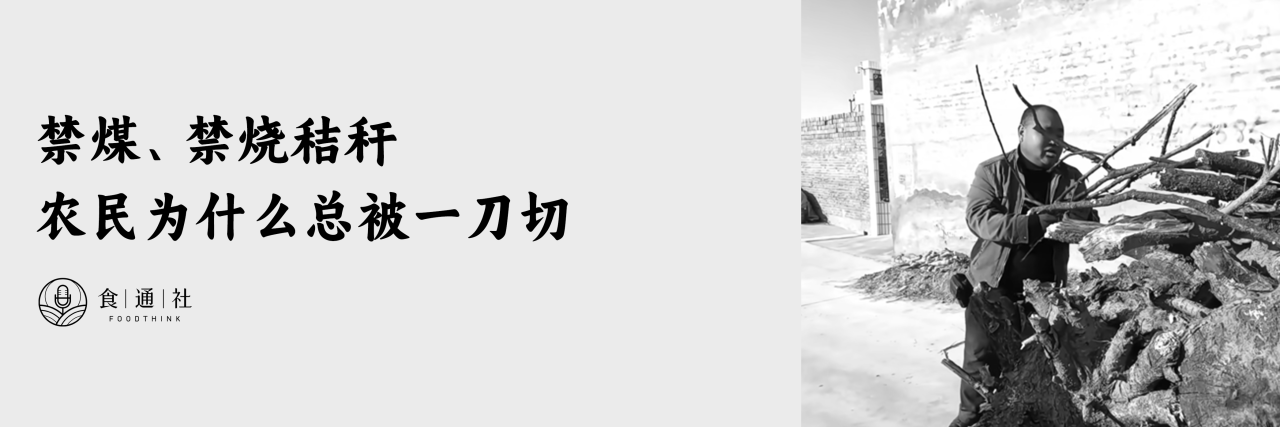
Much like the persistent autumn rains across North China, the issue of rural heating in Hebei emerged as another major rural focus this past winter.
On 5 January, the Farmers’ Daily WeChat official account published an article titled The Issue of Rural Heating in Hebei Can No Longer Be Delayed, noting that on Minor Cold—the coldest day of the year—many residents in some rural areas of Hebei would rather endure the freezing cold than dare to turn on their heating.
Foodthink soon followed with a commentary. The author, a native of Hebei and a former environmental journalist, had witnessed the series of stringent measures the government implemented to combat Beijing’s smog. This included the 2013 rollout of the “Air Ten Measures” to tackle air pollution, which triggered widespread coal-to-gas and coal-to-electricity conversions across the Beijing-Tianjin-Hebei region. Back then, rural heating difficulties already surfaced in Hebei, largely attributed at the time to an insufficient supply of natural gas.
Twelve years on, the natural gas supply issue has ostensibly been resolved, but prices have climbed. Farmers with limited incomes, particularly those elderly left behind in rural areas, are still unable to afford adequate warmth.
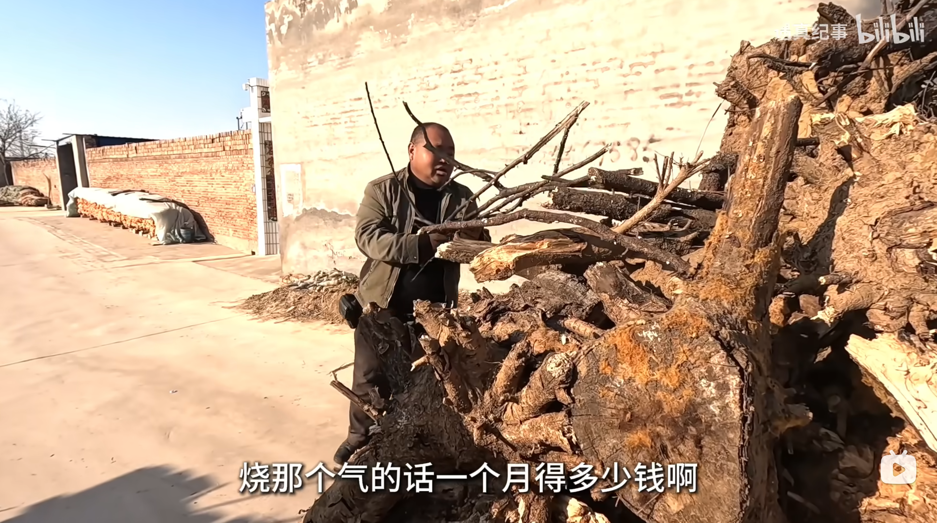
The article was published on 9 January this year and deleted on 18 January. It survived for eight days longer than the Farmers’ Daily piece, The Issue of Rural Heating in Hebei Can No Longer Be Delayed. While farmers freeze in body, we feel a chill in our hearts.
Leave a comment with “one-size-fits-all” on the “Foodthink” WeChat Official Account to read the full article 🙏
404 not found NO. 4
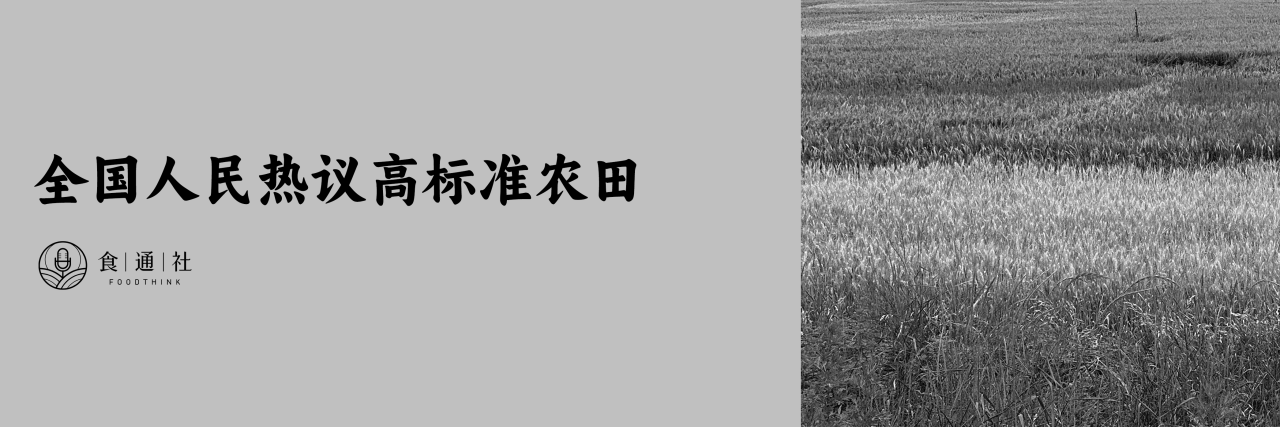
Based on research conducted across several provinces last year, Foodthink published an original article in early 2026, Who is Lowering the “Standard” of High-Standard Farmland?, which attracted comments from agricultural and engineering professionals and researchers across the country. They shared their observations on local high-standard agricultural construction and usage, confirming that the issue of substandard “standards” for high-standard farmland mentioned in the piece is present in villages across southwestern, northwestern, and central China.
Foodthink compiled the information provided by readers and published “Nationwide Discussion on High-Standard Farmland” on 21 January.
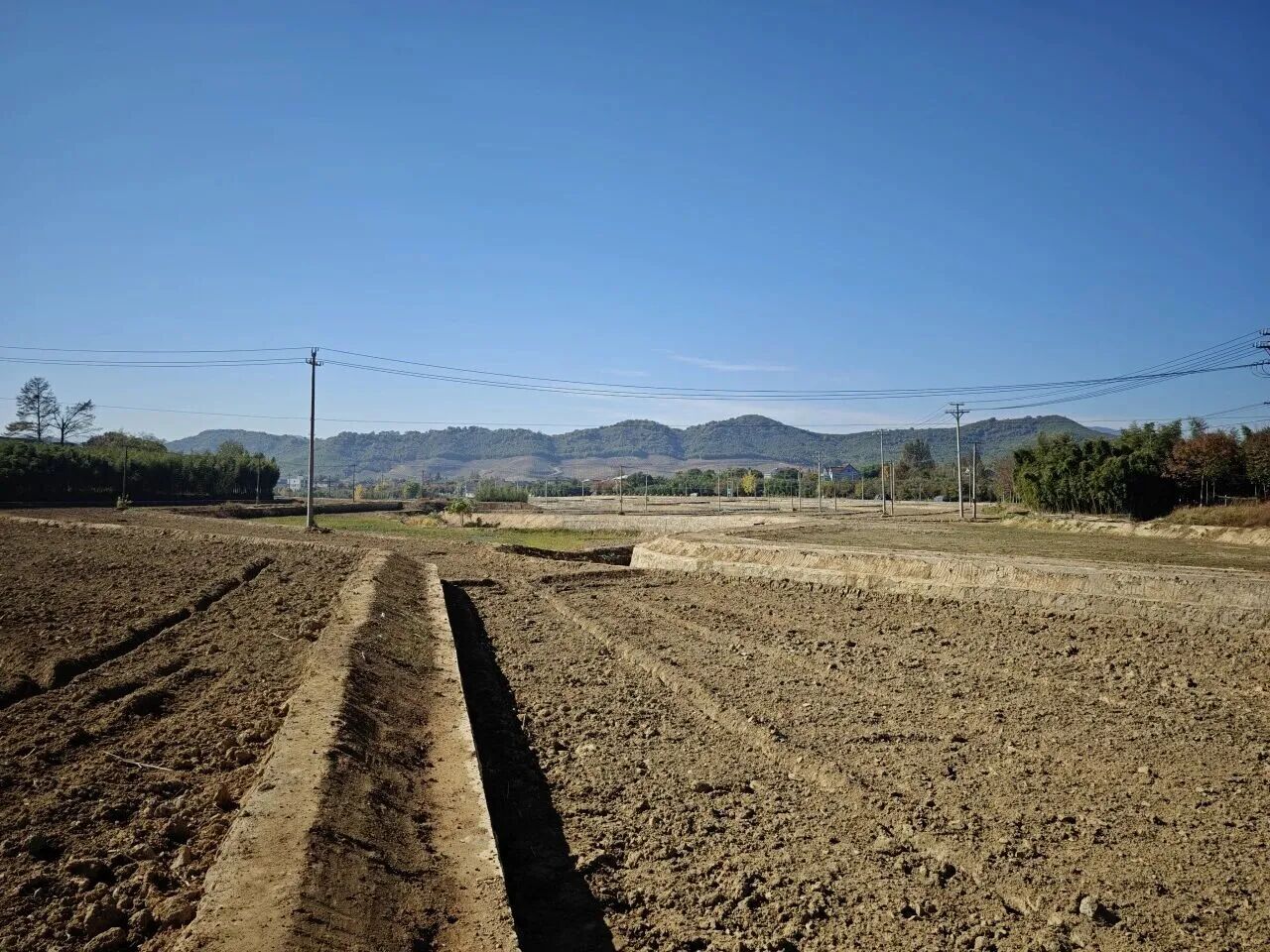
For Foodthink, every article is not just about “getting it published”, but more importantly, about serving as an entry point where stakeholders with different perspectives can exchange information and engage in deeper discussion. Often, the most valuable part is the interaction in the comments section, but these voices too are becoming fewer after being repeatedly 404ed.
Over the past year, we have noticed that comments on official account articles are being blocked increasingly quickly. Sometimes readers leave carefully considered thoughts, only to have them deleted swiftly before we even get a chance to read them, leaving us to see only the backend notice: “Comment hidden due to suspected violation”.

Over time, some stop commenting and cease trying to express themselves. Gradually, voices fade, and silence becomes the norm.
All we can perhaps do is speak as freely as still permitted, holding on to the space that has not yet vanished. As for the voices that go unseen, they should not be treated as though they never existed. We certainly do not wish to pay our respects at a future Qingming festival to the passing of the “public sphere”.
Edited by: Tian Le