
Chronicles of the Fungus Pavilion: Fermenting in Berlin
I. Establishing the Microbial Cabinet
Two years ago, my partner and I decided to move in together, and I finally had the opportunity to arrange my room as I had always imagined, leaving a dedicated space for fermenting food. At the same time, having transitioned to freelance work, I was no longer bound by the nine-to-five grind. Life suddenly resurfaced, and a flood of free time rushed towards me from all directions. I dove headfirst back into the world of microorganisms and began cultivating my own fermented foods.
This time, I was driven by appetite and cravings—it was a pursuit of pure gastronomic satisfaction. A friend entrusted me with a sourdough starter, so I began baking bread; to beat the summer heat, water kefir took up residence in my kitchen; after returning to my hometown, I enthusiastically started making pickles… and so, the kitchen became a revolving door of bottles and jars—some establishing long-term residency, others staying for a single season before hurrying away.
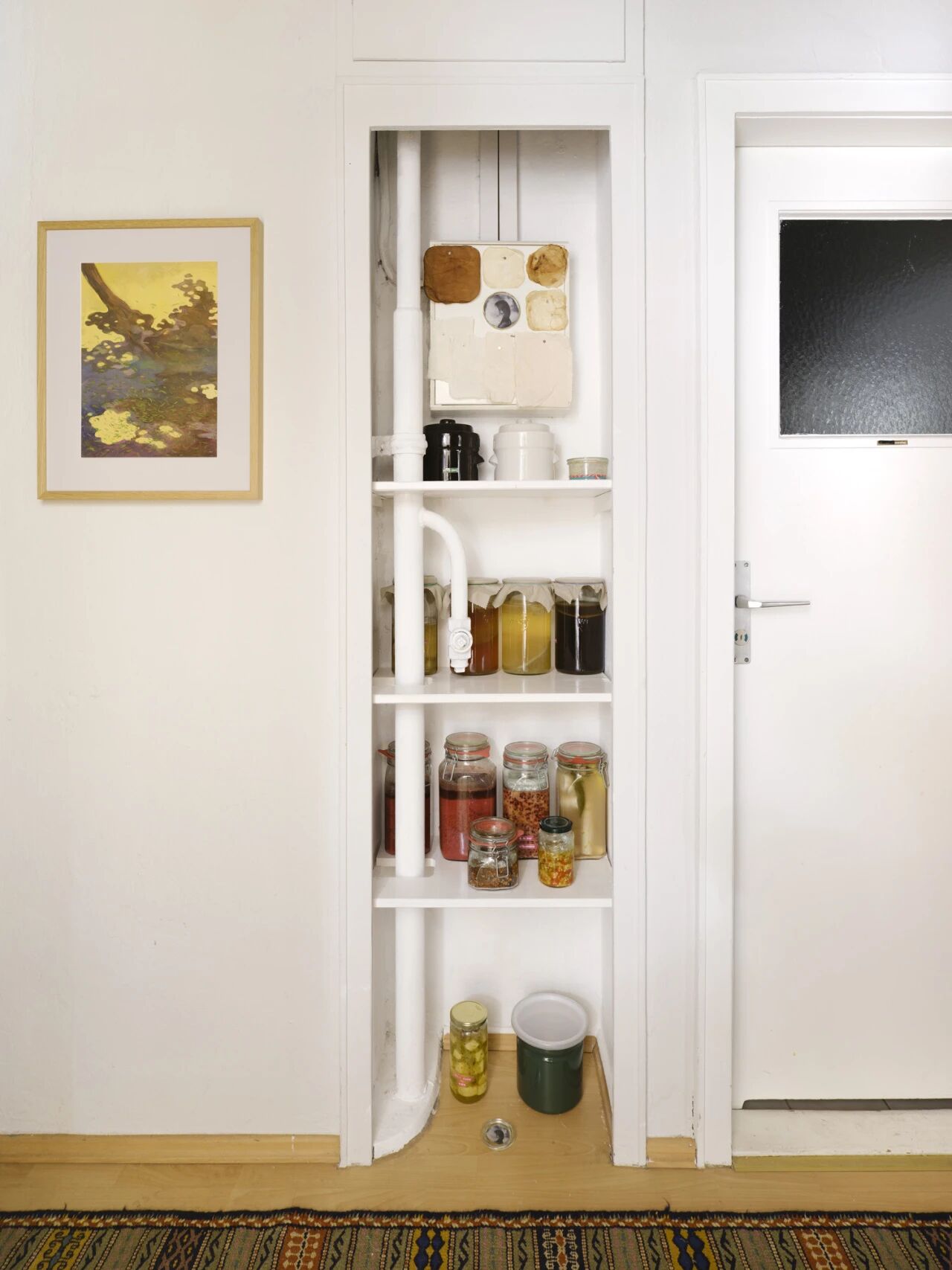
II. The Permanent Residents of the Microbial Cabinet
Once you recognise the presence of microorganisms and understand which microbial groups dominate different fermentation foods at various stages—lactic acid bacteria, acetic acid bacteria, yeast, and various types of mould—it becomes difficult to fail, provided you treat them like pets and offer them a suitable living environment.
Lactic Acid Bacteria
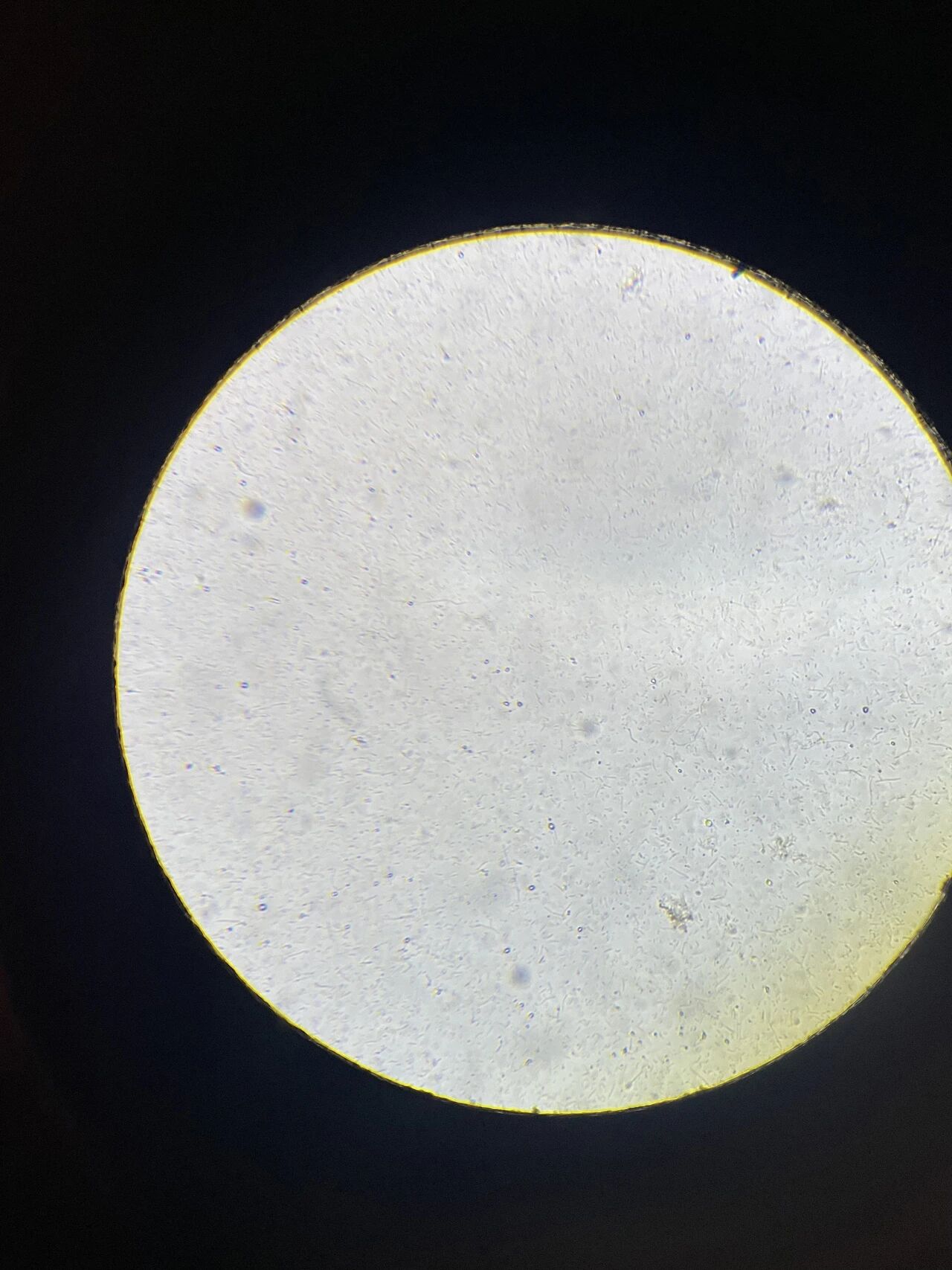
Pickles, preserves, and yoghurt are all produced using lactic acid bacteria, which convert the sugars in vegetables and the lactose in milk into lactic acid. However, the lactic acid bacteria strains in pickles can perform heterofermentative processes in addition to this homofermentative base, producing other mixed products such as acetic acid, formic acid, ethanol, or carbon dioxide.
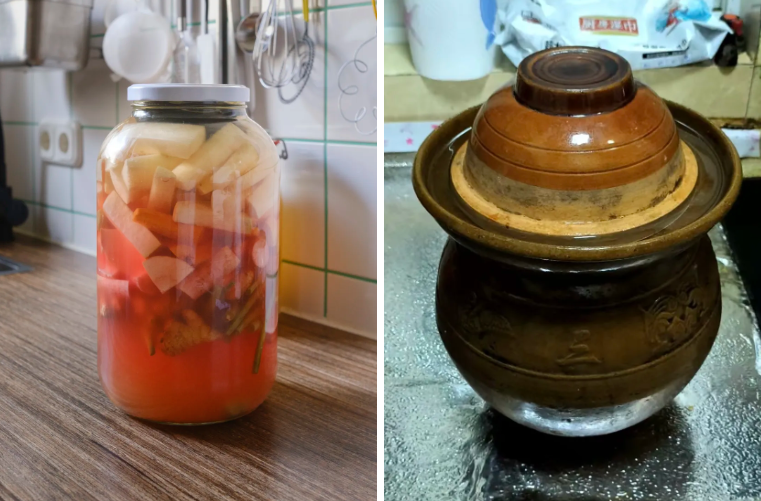
The lactic acid bacteria in pickles are anaerobic, salt-tolerant, and acid-tolerant. In a sealed crock, isolated from air and with sufficient salt, they quickly overpower other impurities to become the dominant strain, making them the most effortless residents of my fermentation cupboard.
In my hometown, these pickling crocks are known as “sour jars”.
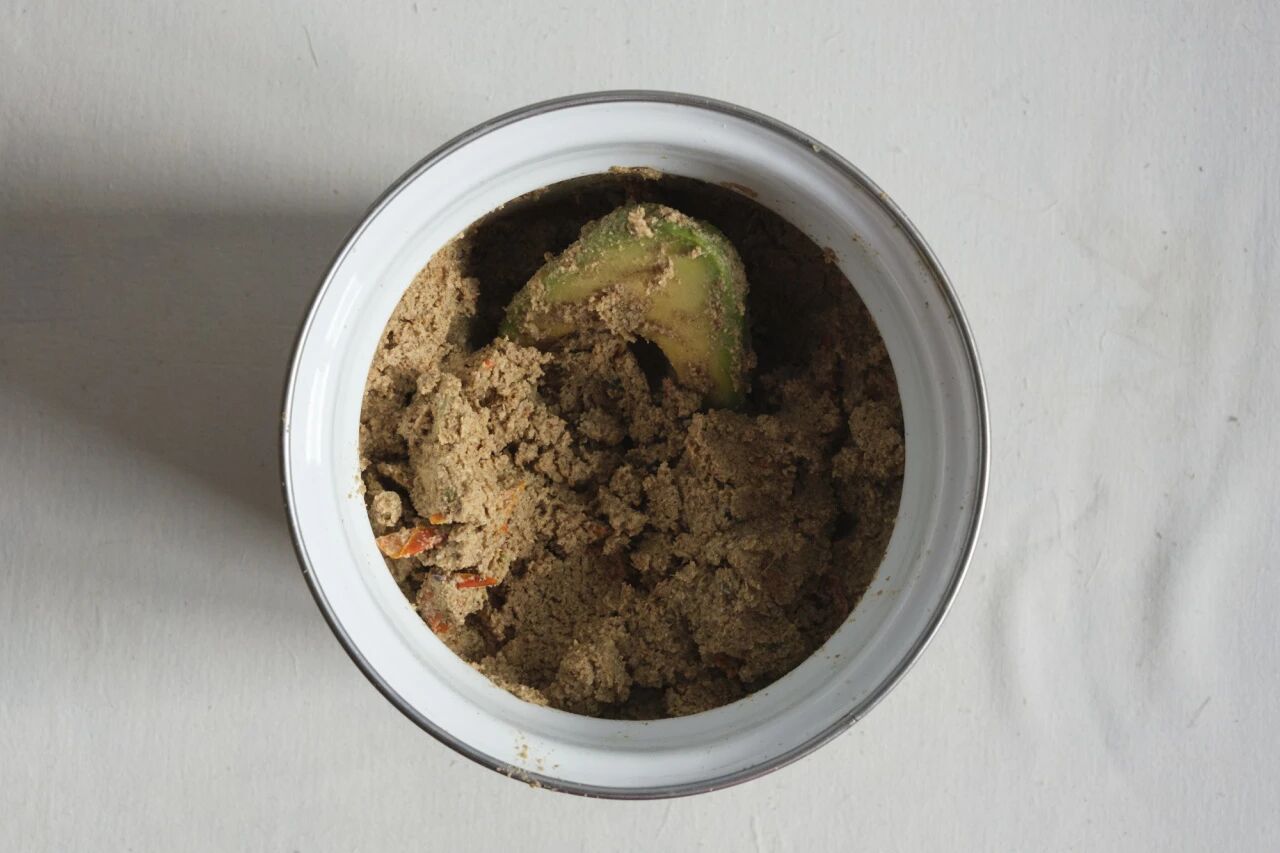
During a visit home this year, I obtained a bottle of “old jar water” (starter brine) from a friend of my *Gǔ-sǎo* (a Hunan dialect term of respect for an elderly woman, typically a grandmother). Upon returning to Germany, I immediately poured it into my pickling crock, extending its life by twenty years. The lactic acid bacteria, accustomed to garlic, shallots, long beans, and white radish in Changsha, have developed a taste for European parsnips, fennel, kohlrabi, and cherry radishes in Berlin. The more diversified the diet of the jar, the more fragrant it becomes, and the easier it is to maintain.
This scoop of brine has also become a tether for my conversations with *Gǔ-sǎo*; amidst our daily exchanges of care and warmth, I always find myself reporting on the state of the jar. I feel as though I have been entrusted with a precious life, a friendship, and a particular flavour.
Yeast
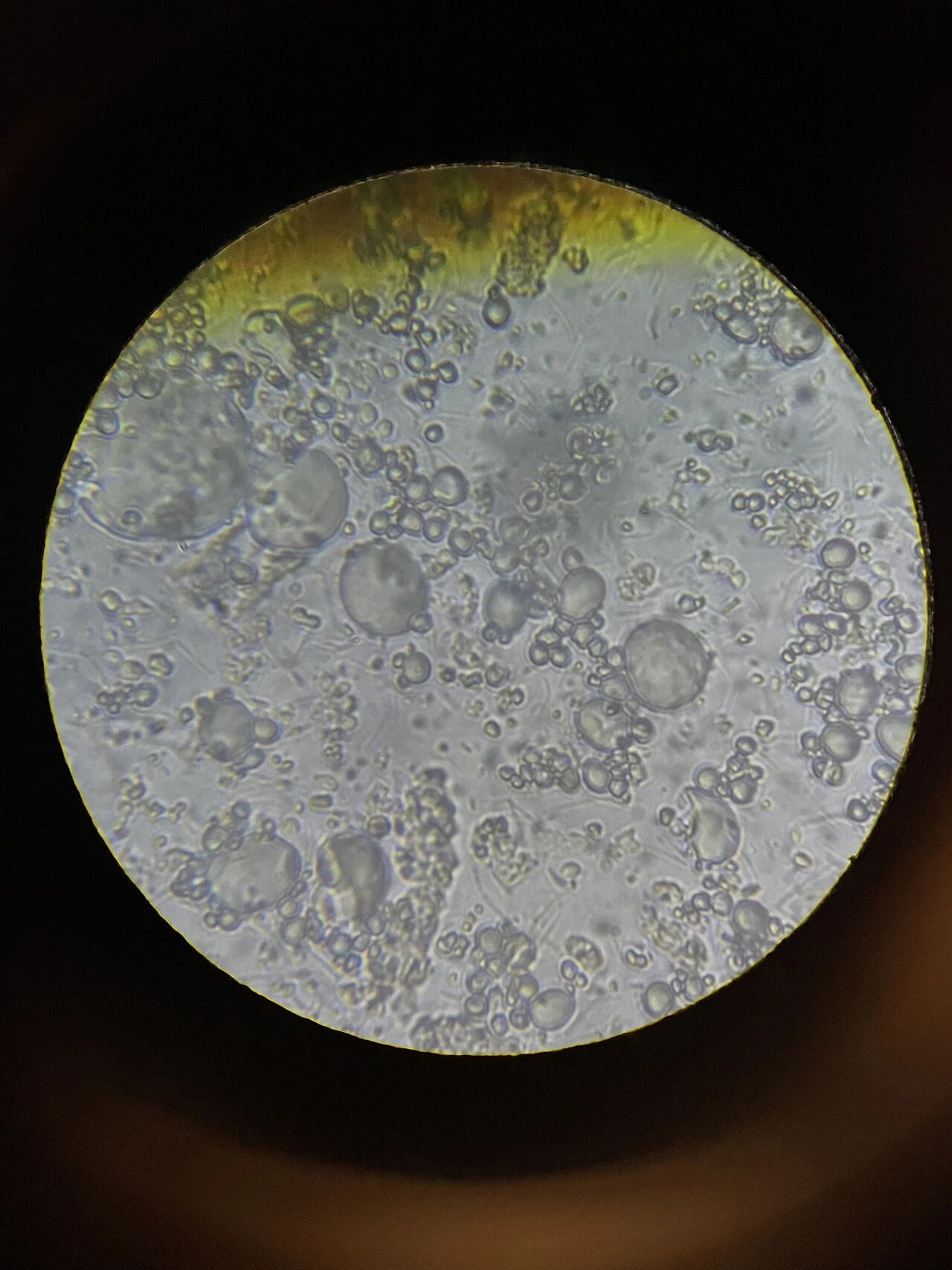
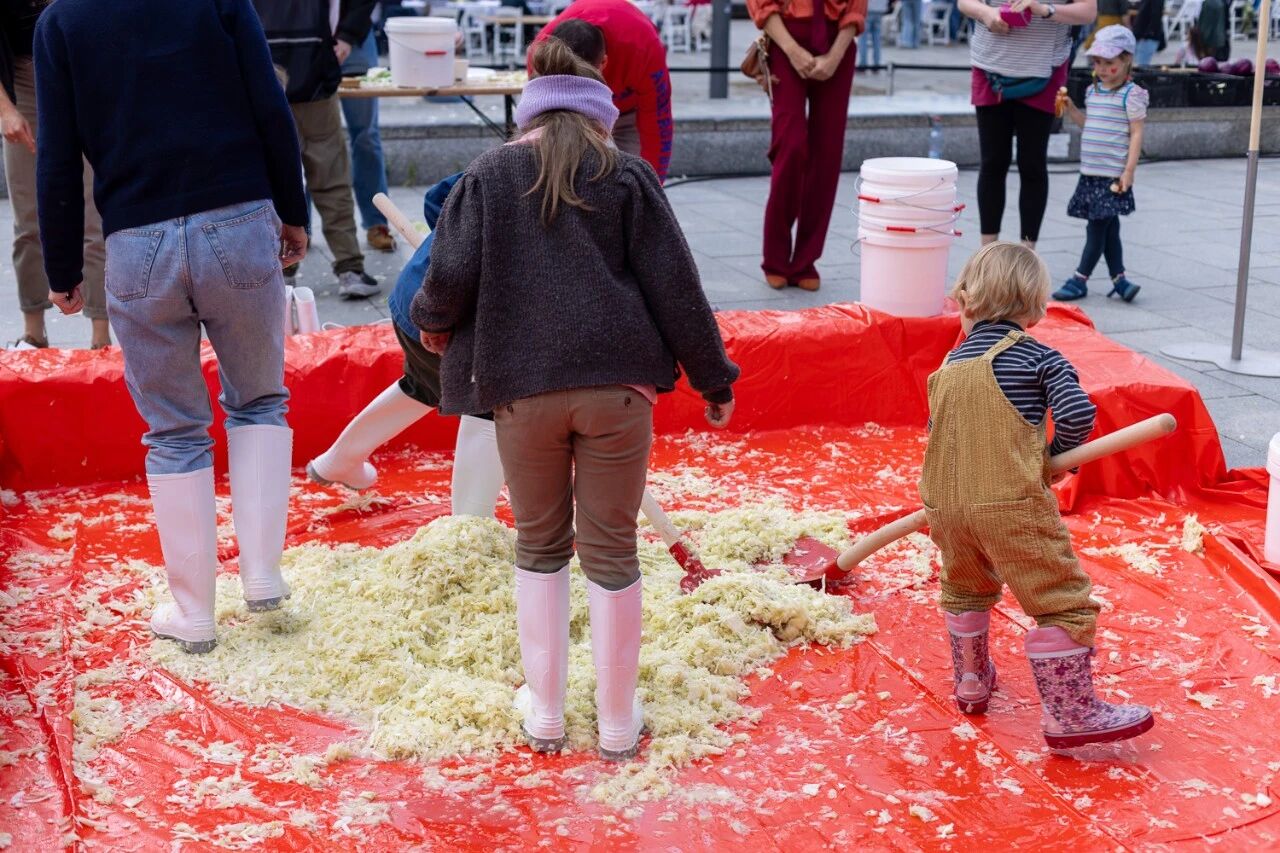
Yeast breaks down sugars into CO2 and alcohol; it is used to brew alcohol and in baking to make dough rise and become airy.
I cannot drink alcohol and have little interest in brewing. Yet, over the last few years, nursing a sourdough starter and baking bread has become a daily passion of mine.
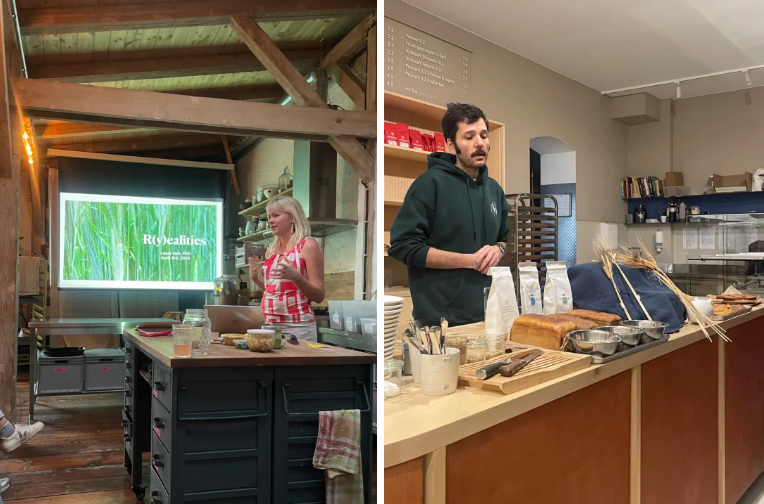
The yeast for my bread came from a friend. An elder in his family opened an organic shop in the early 1990s, selling bread made with their own natural yeast. For over thirty years, this sourdough starter passed through several generations of his family before finally reaching him through a relative’s visit a couple of years ago.
As my friend began baking, he shared the yeast with other bakers in Berlin. Entrusted with 100g of this starter, I began to nurture it with great care.
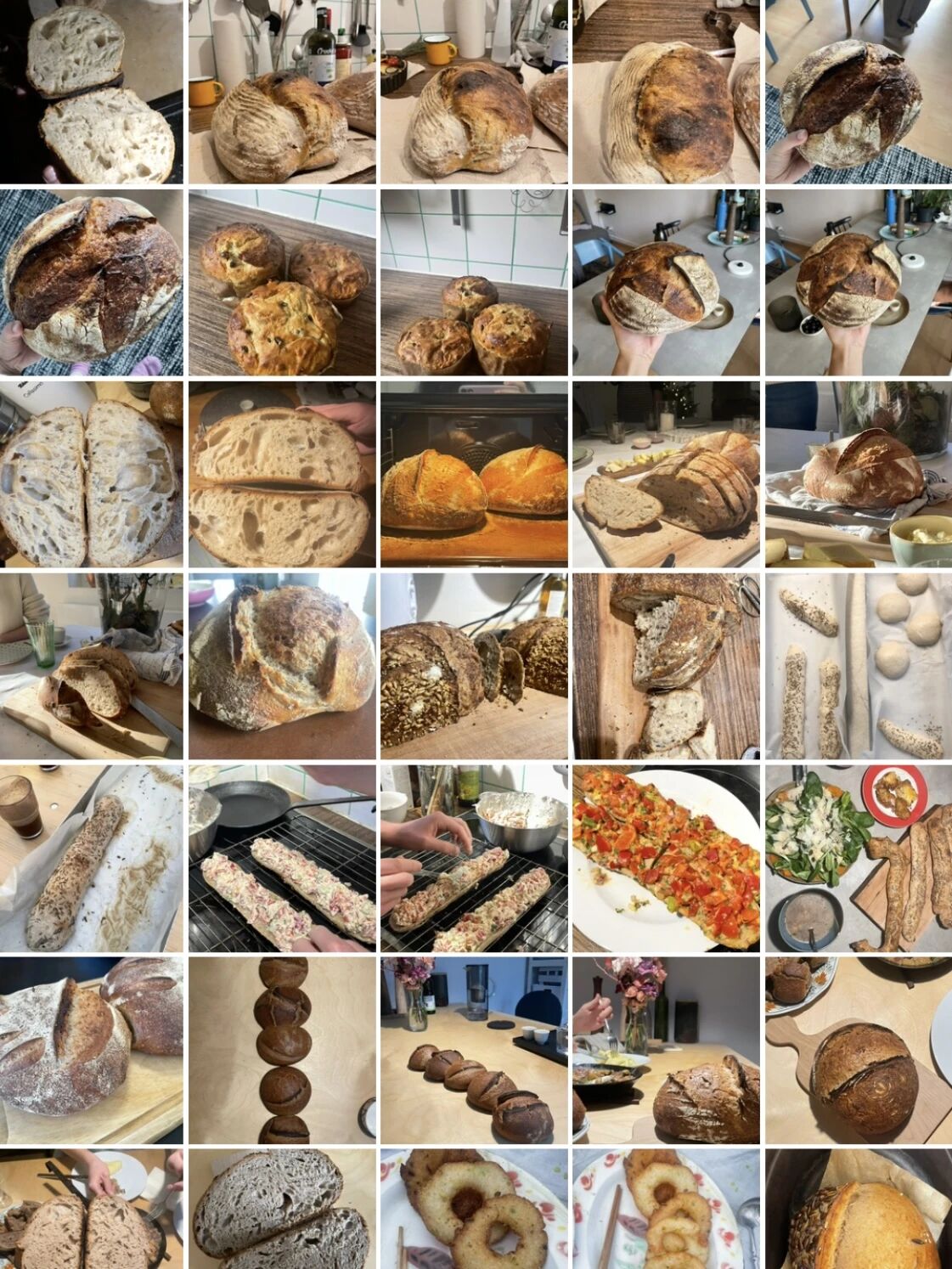
Over the past two years, while baking, I have continued to share the yeast with friends, who in turn passed it on. It has reached the point where, while visiting different homes, I occasionally encounter complete strangers who exclaim: “So you’re the owner of the yeast!”
I feel as though, without even trying, I’ve founded a vast organisation.
Acetic Acid Bacteria
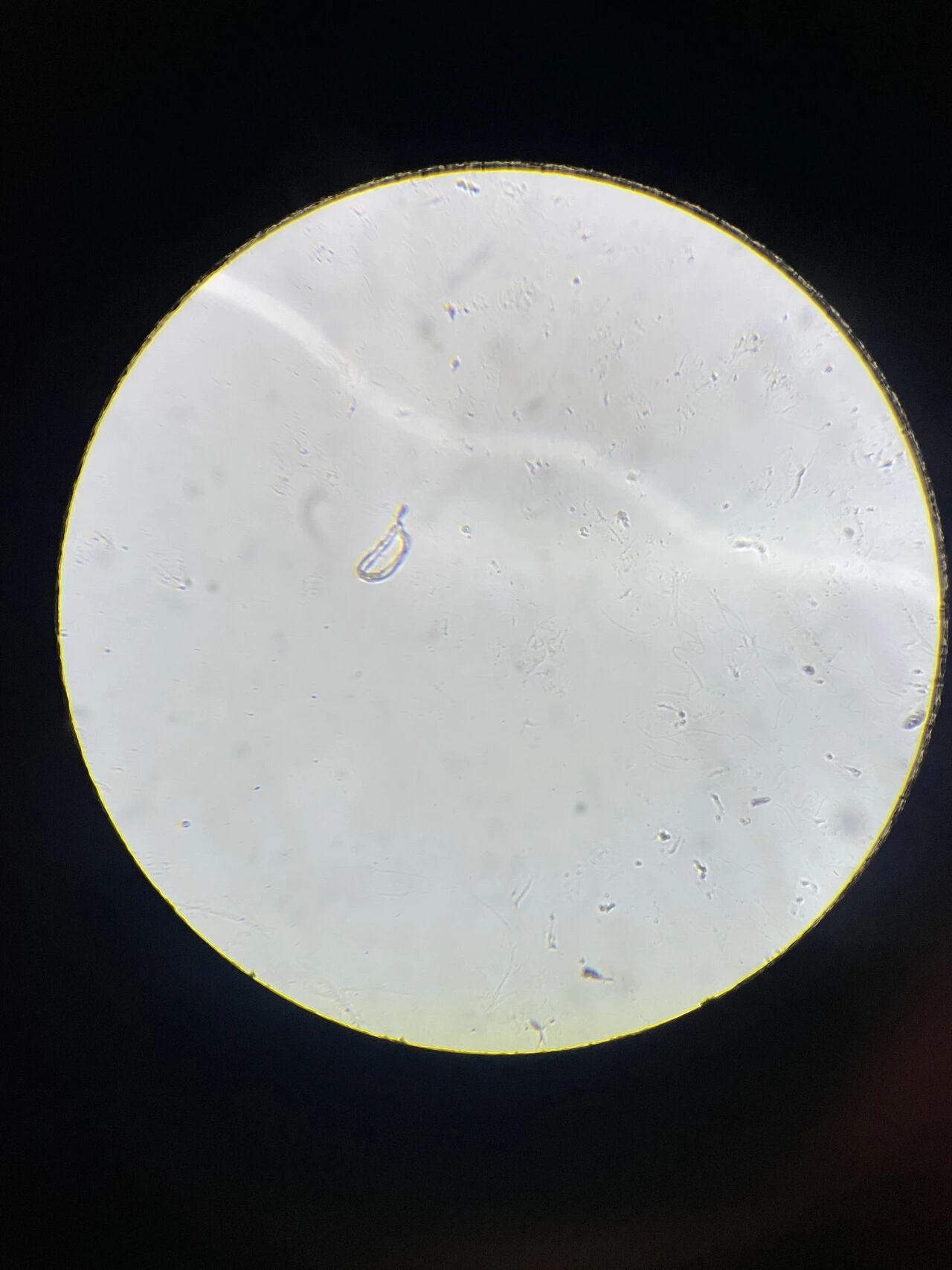
Acetic acid bacteria are aerobic; they convert alcohol into acetic acid. This is why it is often said that wine and vinegar share the same origin—there must be wine before there can be vinegar.
Vinegar establishes the fundamental source of acidity and reflects the crops and culinary preferences of a region. In the rice-growing areas of southern China, rice vinegar prevails, while the north favours grain vinegars made from sorghum or wheat bran. In Europe, fruit vinegars dominate the shelves: wine vinegar derived from wine, and apple cider vinegar from cider.
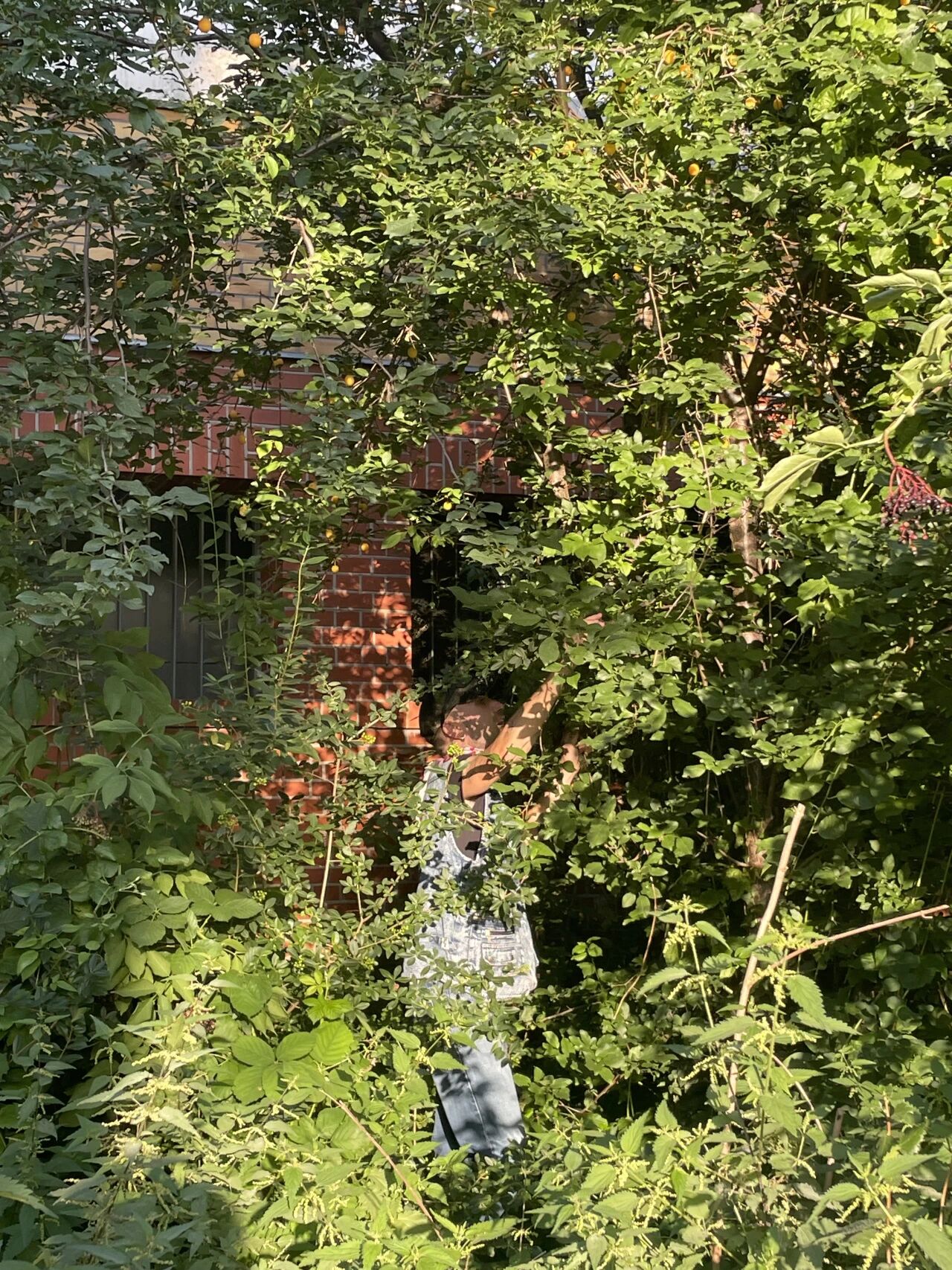
Whenever I spot seasonal fruit or vegetables on sale, lactic acid fermentation and vinegar brewing are the first methods that come to mind for preserving those flavours long-term.
Mould
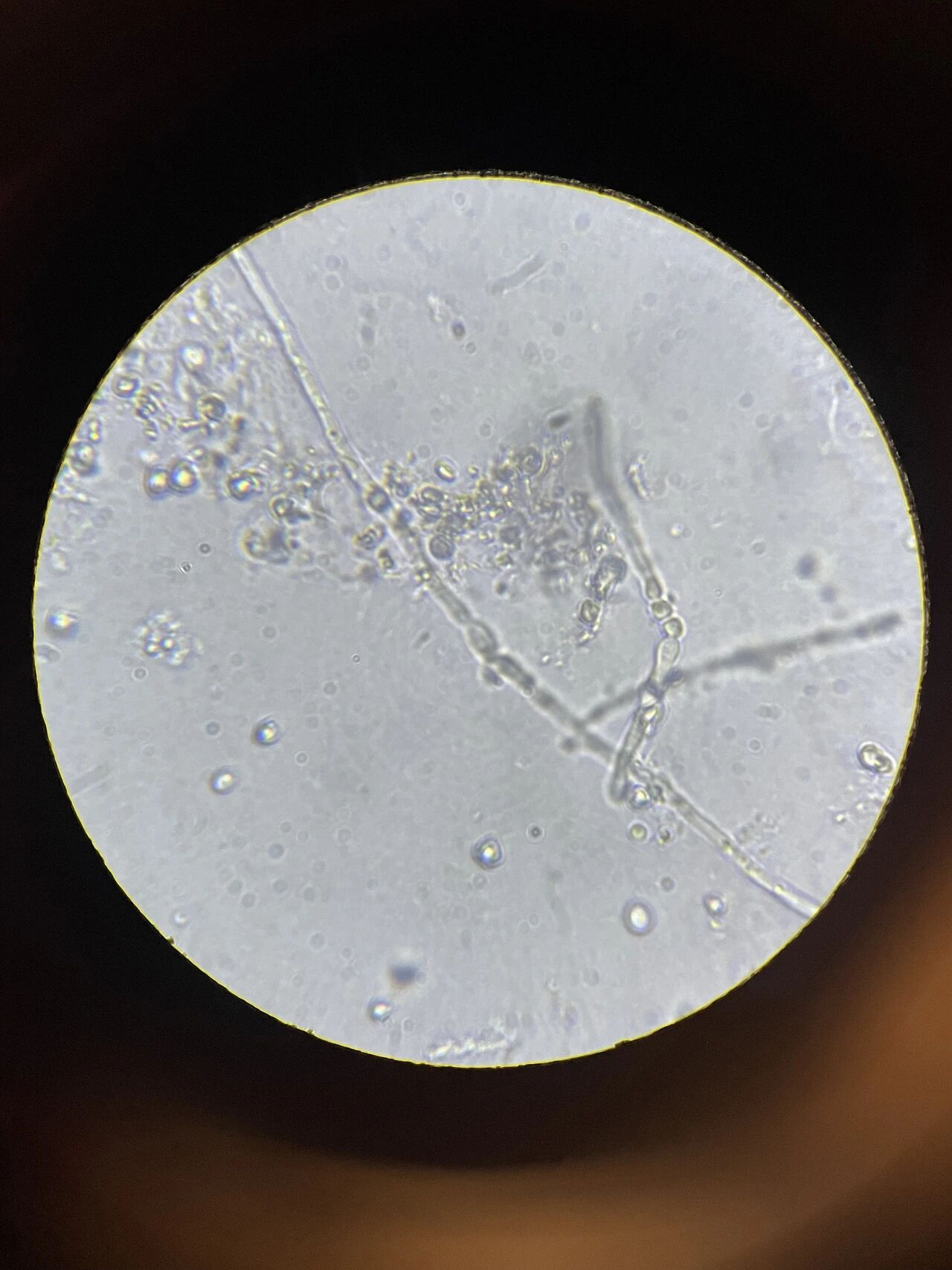
One of the hallmarks of East Asian fermented foods is the use of pastes crafted from various moulds.
Between common names and commercial branding, navigating my native tongue and foreign languages often leaves me feeling bewildered. I have made a habit of compiling my own classification tables, listing the Latin names of different strains to help me understand the various mould families and their respective strengths.
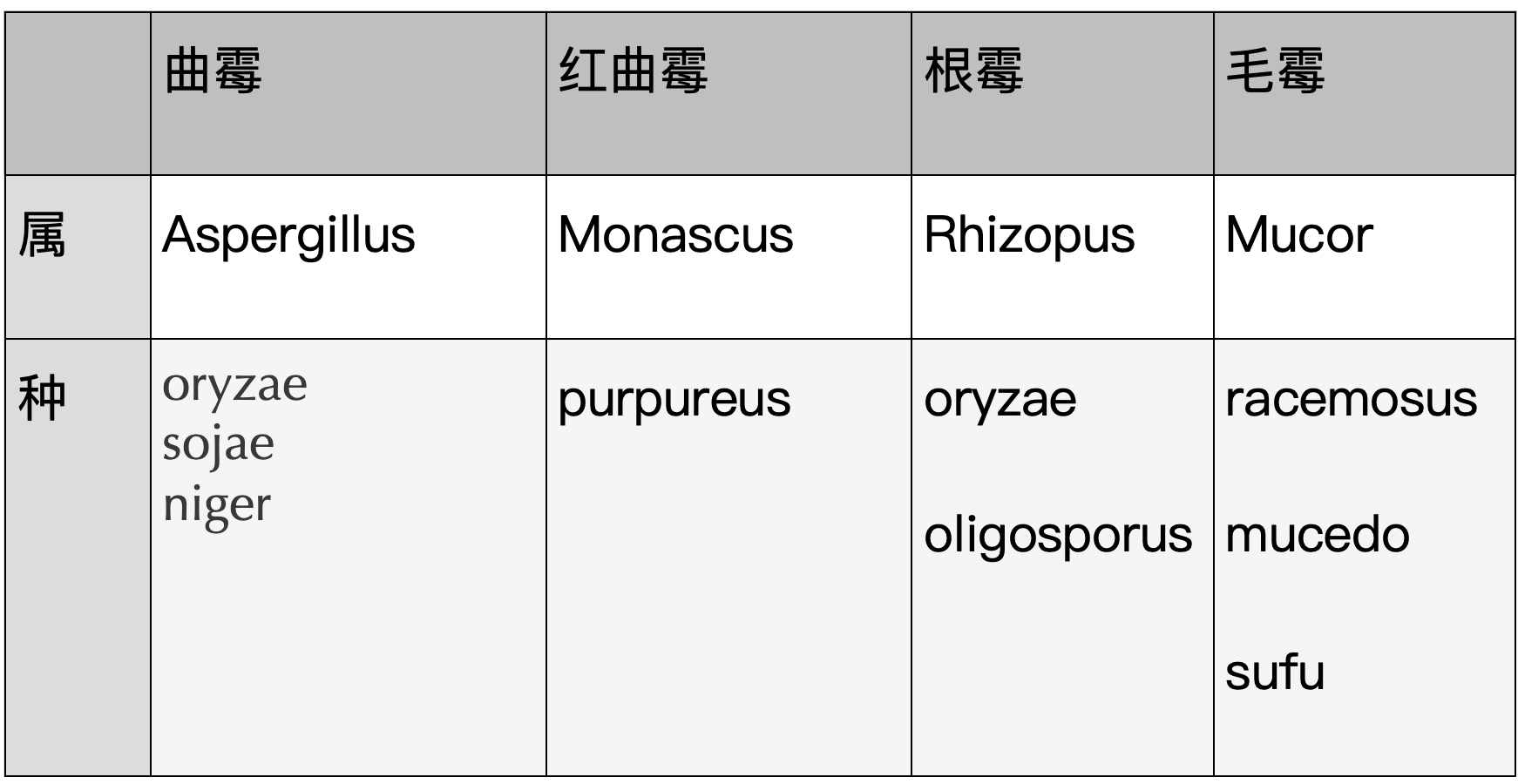
Different strains of the Rhizopus genus are the primary fungi used in making tempeh, while Rhizopus oryzae is also used in brewing alcohol; meanwhile, various species under Mucor are frequently used to produce fermented bean curd.
Aspergillus oryzae is commonly known as Japanese koji mould, or yellow mould, whereas Aspergillus sojae is the soy sauce mould, also called rice mould. ‘Black mould’ refers to Aspergillus niger, and red yeast rice mould belongs to a completely different genus, Monascus.
When discussing moulds, one cannot overlook ‘Qu’. Qu refers to a starter culture: a microbial consortium—primarily moulds such as the Aspergillus, Rhizopus, and Mucor mentioned above—inoculated into or naturally enriched on a grain base (such as rice, wheat, barley, peas, or oats), which is then used for a subsequent round of fermented food production (such as alcohol, soy sauce, vinegar, or douchi).
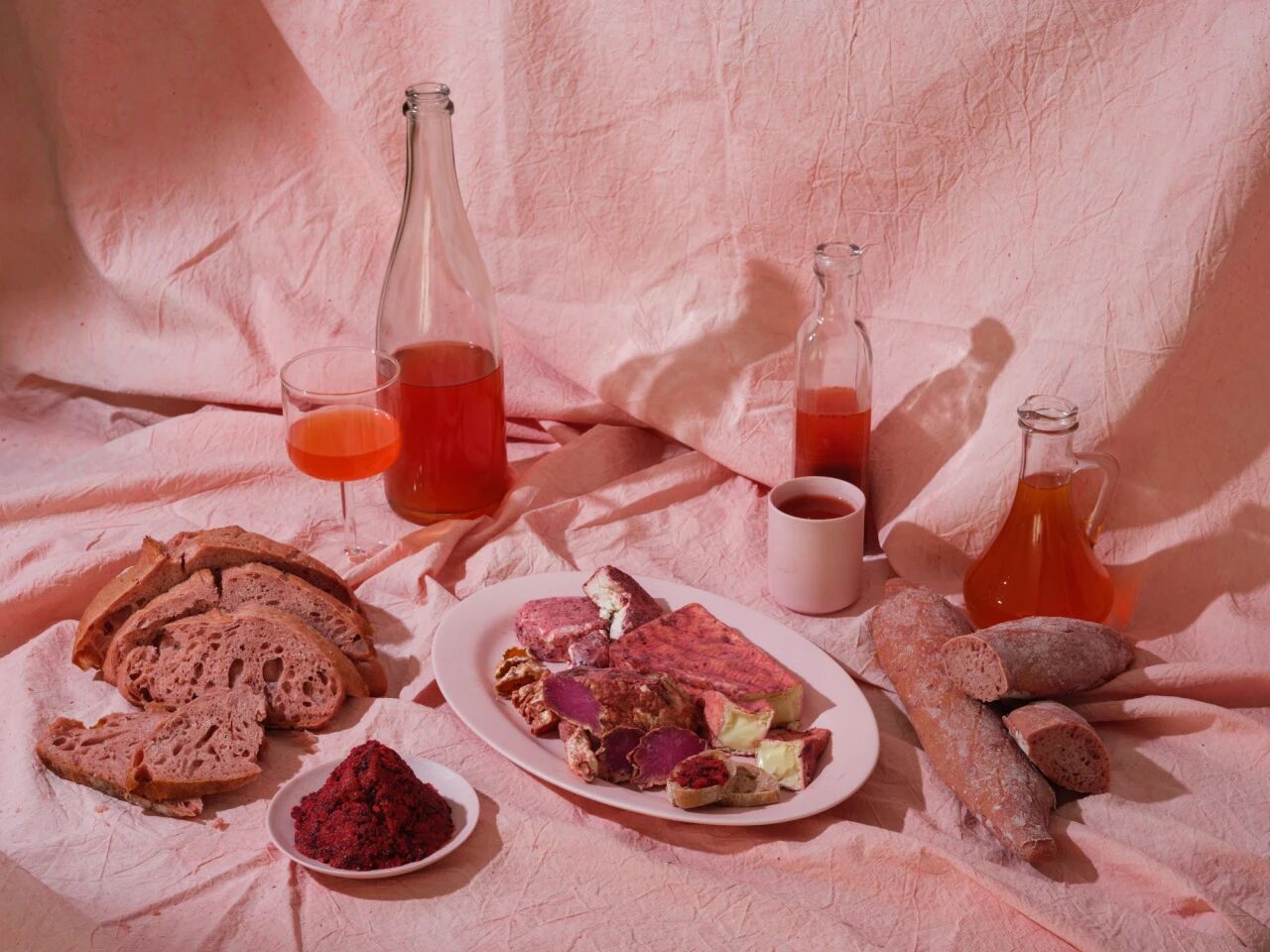
For example, inoculating rice flour with Rhizopus and Saccharomyces cerevisiae creates *xiaoqu*, used for rice wine and jiuniang. Inoculating fava beans with Aspergillus oryzae produces the mouldy beans used for *doubanjiang* (broad bean paste). Inoculating glutinous rice with Monascus and Aspergillus niger results in *Wuyi Hongqu*, used for red yeast rice wine and rose vinegar. And the world-renowned Japanese *koji* is rice inoculated with Aspergillus oryzae, which the Japanese and the modern culinary world have developed endless uses for: soy sauce, shio koji, miso, and so on.
In my home fermentation experiments, mould-based fermentation is the only category where I rely on fermentation chambers and commercial strains. Traditionally, people inoculated grains by covering them with straw or leaves, allowing microorganisms naturally present in the air and soil to ferment. However, this natural method is intimately tied to the temperature and humidity of a specific location and season, making it difficult to replicate in an urban environment with entirely different climates and microbial populations. By using industrially purified single strains, every step can be quantified, which significantly lowers the barrier to learning mould fermentation. This is likely why Japanese koji has become a global phenomenon.
Mixed Culture Fermentation
III. I Nurture the Fungi, and the Fungi Nurture Me
As someone who both follows and observes these trends, I cannot help but feel a certain irony: guided by consumerist social media, when we first dive into a particular food, we often become obsessed with the tools and techniques of production. Tea drinkers love to collect and display teaware; coffee enthusiasts design set after set of expensive, sophisticated stainless-steel apparatus. As for fermentation, it manifests as a quest for the perfect open-crumb structure in bread or the densest bubbles in kombucha—after all, these are the most eye-catching elements when communicated through visual media.
However, I secretly hope that the pursuit of diverse flavours will eventually lead people to explore the varieties, genetics, and terroir associated with agriculture and crops. If the fermentation trend does not stop at a superficial aesthetic of flavour, but instead encourages those living urban lives to gain a deeper understanding of the varieties and origins of their ingredients, that would be a wonderful thing.
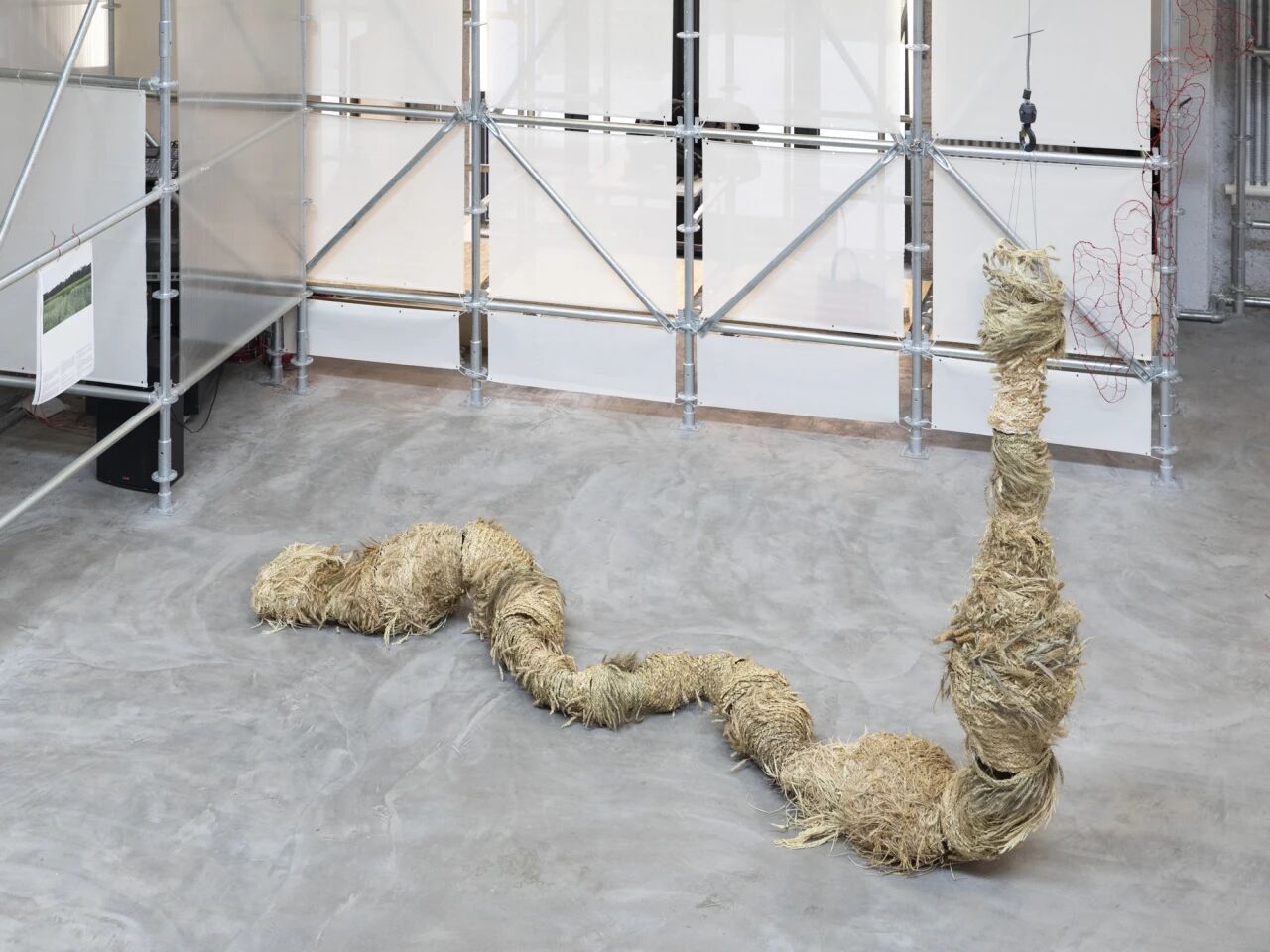
For me, exploring fermented foods has allowed me to reconnect with the changing seasons and to more deeply cherish regional characteristics.
Practising fermentation has provided anchors for my life cycle: tending to yeast and cultivating bran beds on a daily basis; refreshing kombucha weekly; and allowing vinegar, miso, and other pastes to mature over months or even years… Within these rhythmic cycles, I have found a pace that suits me, aligning the steps of my life with those of the microorganisms.
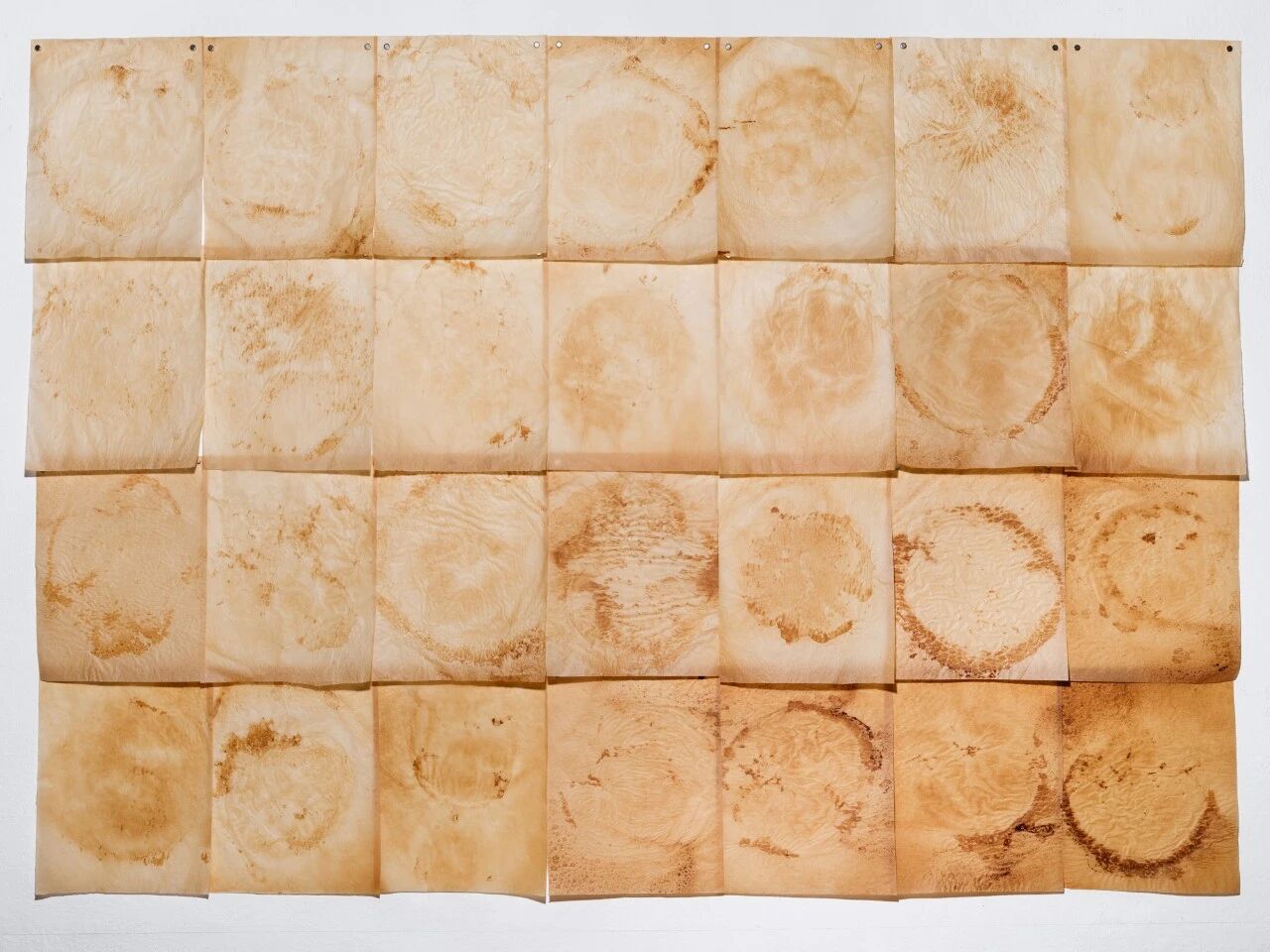
Through selecting ingredients and providing environments for microorganisms, I have gradually learned that fermentation should follow the seasons and adapt to the local environment: moulding fermented bean curd in winter, brewing wine in the first lunar month, making sauces and drying white chillies during the height of summer, pickling vegetables with rice bran in late summer, and utilising the abundance of fresh fruits and vegetables in spring and autumn as a constant source of inspiration and material for lactic and acetic acid fermentation.
In the late summer of this year, a friend in Hangzhou and I cultivated cultures simultaneously in our respective locations. In temperatures exceeding 30°C, she fed her sourdough starter, but the starter remained sluggish; however, making fermented sweet rice was effortless for her. Meanwhile, in my 23°C indoor environment, my fermentation starters either soured or dried out and cracked, yet my haphazardly tended sourdough starter flourished, providing me with many delicious loaves of bread.
The seasonal nature of fermentation has renewed my awareness of the shifting seasons and their respective produce, making me more sensitive to temperature changes. At the same time, comparative fermentation experiments with friends in different locations have made me more appreciative of regional distinctiveness. Furthermore, discovering how similar fermentation techniques have evolved into different paths and aesthetic flavours across various cultures is a unique joy of cross-cultural fermentation practice.
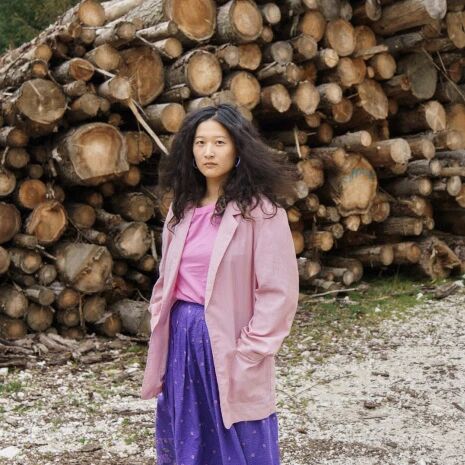
All images provided by the author
Editor: Xiao Dan