
Can humanity break free from its toxic relationship with plastic?
I. Plastic: The Skeleton of Modern Life
In short, “plastic has become the skeleton, connective tissue, and smooth veneer of modern life.”
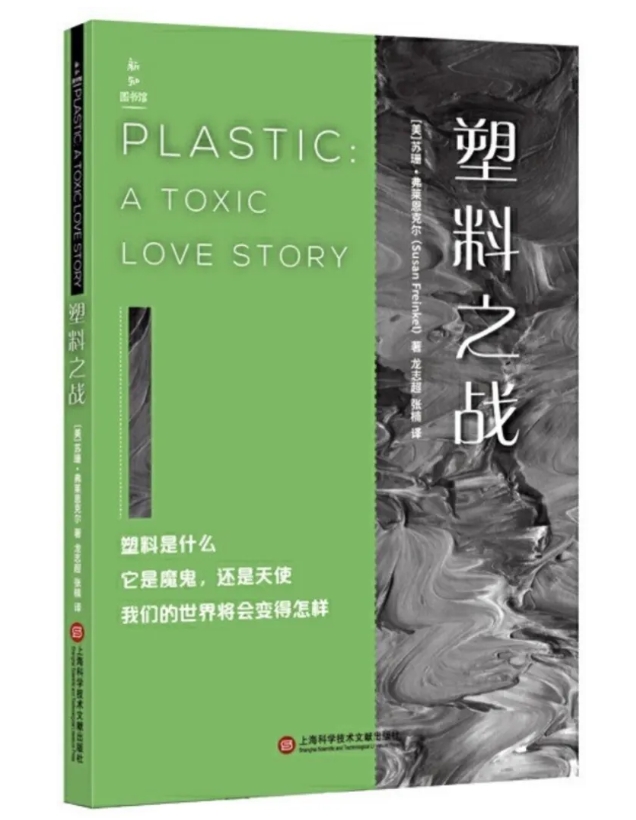
From this realisation, Susan Freynkiel began a sustained observation of plastic, which she detailed in her work on its culture and history, Plastic: A Toxic Love Story. The title is literal: she believes that the relationship between humans and plastic should be as healthy and beautiful as love; however, once it descends into an unhealthy dependency, it becomes a toxic relationship. In her book, she explores how the entanglement between humanity and plastic has been shaped by technology, culture, and capital into a distorted, toxic bond, and how we must change our perceptions and take action to coexist more safely and sustainably with a material that we have come to resent yet seem unable to fully abandon.
II. The History of Plastic
China is the world’s largest consumer of plastic by total volume, with an annual consumption of 80 million tonnes, averaging about 50kg per person. However, the US has the highest per capita usage, averaging 216kg per person per year. How did this happen?
Tracing the development of the plastics industry may help explain this historical process.
Although humans had mastered the technology to produce plastic as early as 1907, the rise of the plastics industry is largely “thanks to” the American “Military-Industrial Complex.”
In 1941, shortly after the attack on Pearl Harbor, the US military official responsible for equipment procurement suggested replacing aluminium, brass, and other strategic metals with plastic products wherever possible. Most of the primary plastic materials we know today—polyethylene, nylon, acrylic, and polystyrene—were mass-produced during the Second World War.
As most raw materials for plastic are actually by-products of petroleum refining, the plastics industry, as part of the petrochemical industry, sought new uses for these wartime products after the war ended, replacing traditional materials such as steel, paper, glass, and wood.
It can be said that the rapid proliferation of plastic in human society was a by-product of the oil-based foundation of the US economy. Specifically, the plastic bags, drink bottles, disposable plates, takeaway containers, and matryoshka-style pastry packaging that saturate our daily food consumption—phenomena we have grown accustomed to or even weary of—were not the result of a carefully considered decision.
At the same time, an unexpected consequence is that without the downstream plastics industry utilising refinery by-products and thereby lowering the price of oil, humanity might not have produced so many of the greenhouse gases causing global warming.
However, the author of the book does not crudely describe plastic as an inherently evil material; instead, she acknowledges the legitimate human need for it. The unique advantage of plastic lies in its extreme plasticity and extensibility, and the ease with which it can be hardened into a final product. This characteristic not only freed humanity from the constraints of natural materials and enhanced manufacturing capabilities, but even led people to feel that modern society itself possessed an endless plasticity, much like the material itself.

Freynkiel noted: “Patents from the 19th century were full of composite inventions including cork, sawdust, rubber, viscose, and even blood and milk proteins; all these designs aimed to produce some of the qualities we now associate with plastic.” In other words, before the word “plastic” even existed, humanity already had the intention and desire to explore and create this kind of material technology.
So how did plastic become something that environmentally and health-conscious groups now dread and shun?
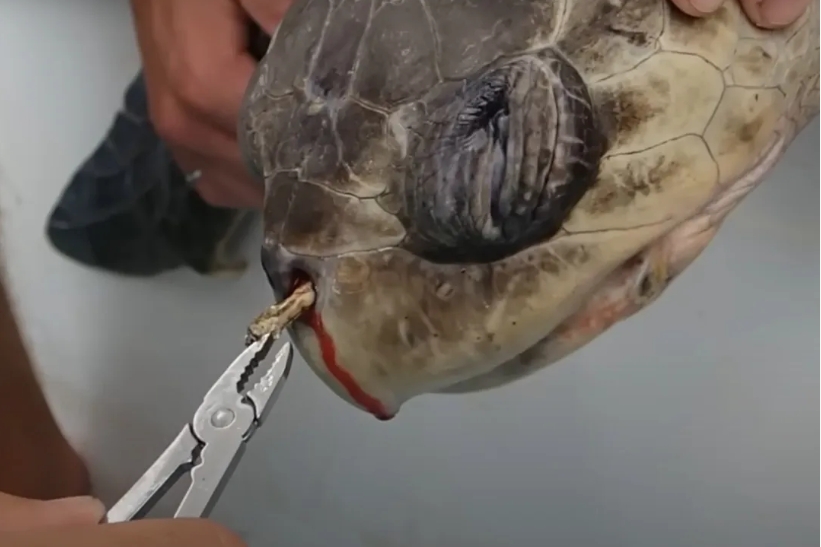
This stems from the specific nature of plastic: its production requires extracting limited petroleum resources from nature, but when treated as waste, its lightweight and thin texture allows it to drift and spread easily under external forces like wind and water, causing widespread environmental pollution. Worse still, nature has not yet evolved microorganisms capable of decomposing these giant, complex long-chain molecules.
Is this the fault of the plastic itself? Looking at it from another angle, this characteristic actually means that people should view plastic as a precious material and use it with greater caution and appreciation. In fact, when plastic first appeared, scientists valued its durability and high plasticity far more than its cheapness and convenience. In the first few years after the war, the actual use of plastic followed the technical path of the wartime era, primarily used to create durable goods. However, under the pressures of market supply and demand, the plastics industry soon realised that disposability was the key to sustained growth, and began encouraging a disposable consumer culture.
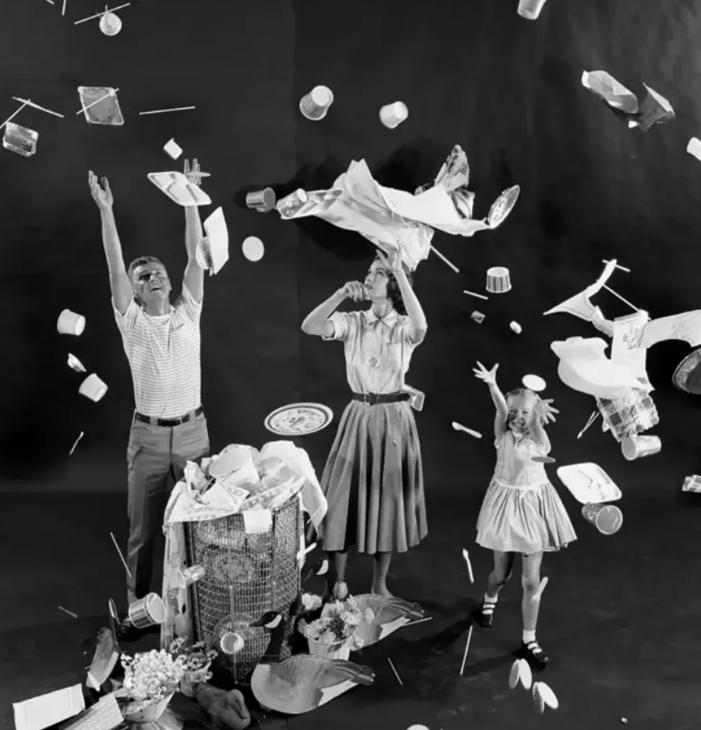
Consequently, plastic products became increasingly intertwined with a “throwaway” consumer culture. We have even come to use the word “plastic” to describe interpersonal relationships that cannot withstand the test of time, or those that are fragile and easily discarded—such as “plastic friendships” or “plastic relatives.”
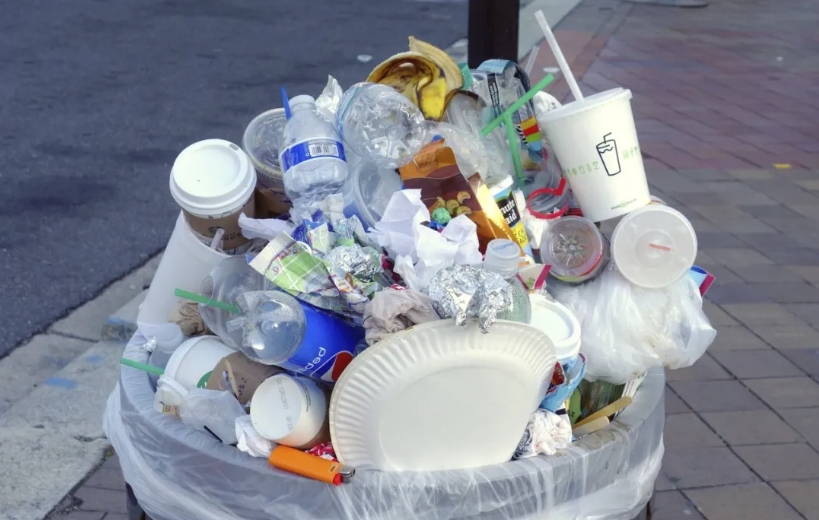
According to data from the “Research Report on the Sustainable Development of Plastic Packaging in China”, approximately 414 million tonnes of plastic were produced globally in 2023, two-thirds of which became waste after brief use, with about 42% of plastic raw materials used for packaging. A related study on plastic waste in Suzhou, China, found that soft plastics accounted for over 60% of the waste. Shopping bags were the largest source of soft plastic waste at 43%, followed by food packaging (20%) and courier packaging (17%).
III. Plastic: A Metaphor for Contemporary Life
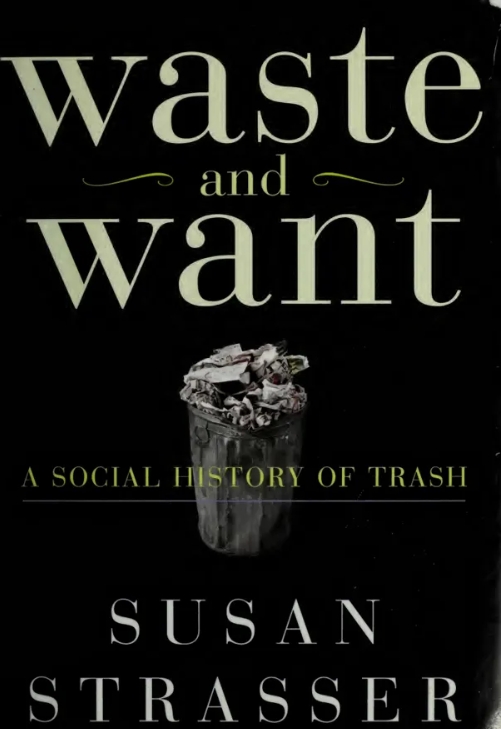
In traditional communities and households, reuse was a habit deeply ingrained in daily life: leftovers were used as animal fodder; human waste was used for composting; old clothes were sewn into new garments or used as raw materials for rugs; and damaged items were repaired or stripped for parts to be used later.
A community or a household could be understood as a self-sufficient circular system, in which items, once used, were not defined as waste but as raw materials to be reused.
However, by the mid-to-late 19th century, this way of life began to disintegrate. An increasing flood of consumer goods entered the home, and the capacity for domestic production and handcrafting gradually withered. With the development of capitalist metropolises, many young people living in apartments simply lacked the time and space their parents had to accumulate and store materials.
Furthermore, as the British Marxist Raymond Williams observed, a striking hallmark of modern society is “mobile privatisation“—the flow of materials and information through systems of electricity, water, gas, and communication pipes, which connect the private home to the public world. These public systems eliminated the domestic labour of lighting fires, cleaning lamps, and hauling wood, coal, and water. This shift meant that people were no longer accustomed to the “clutter” of tools and raw materials in their living spaces, leading to an era of extreme tidiness.
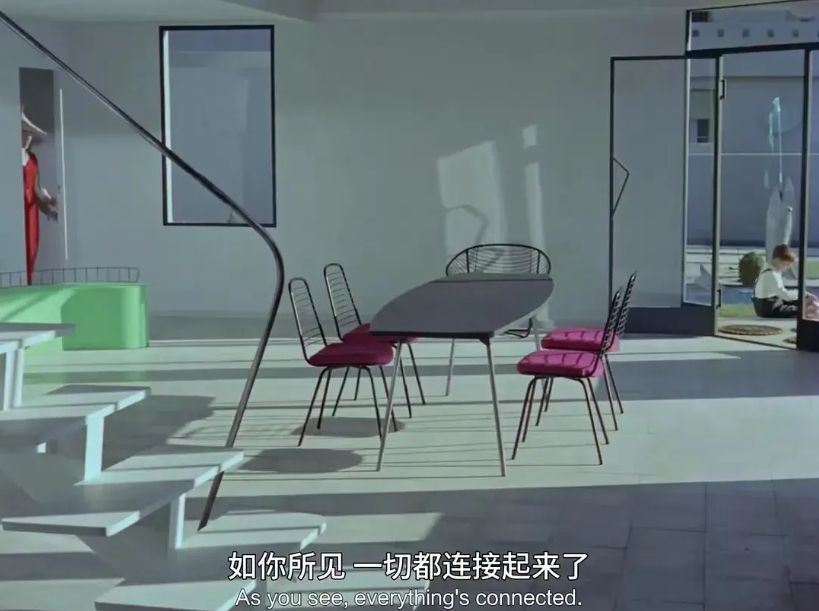
This shift in lifestyle is also mirrored in modernist aesthetics. In the 1958 film *Mon Oncle*, French director Jacques Tati satirised this modernist spatial aesthetic—composed of empty living rooms, monochromatic colours, straight lines, and spotless technological products. Yet, this aesthetic has effectively become the dominant consciousness of modern daily life and continues to this day.
Modern waste has only one destination: the bin. Ironically, modern society’s approach to waste disposal has once again adopted a method of “fluid concealment of the private”: people simply need to remove the waste from their private domestic space. As for what happens after the empty bottles and food packaging are poured into the public waste system—whether they flow into mountains and oceans, or are buried in the lands of the poor—modern humans remain exceptionally ignorant and indifferent.
IV. An Uncertain Future for Plastic
We cannot, of course, hope to solve this problem by simply regressing to a pre-modern society. In the modern world, there is no shortage of solutions for dealing with modern waste. However, we need to scrutinise these solutions carefully. As early as the counter-culture movement in the United States in the 1960s, some radical environmentalists began advocating for a lifestyle and philosophy of waste recycling, and some artists even treated the collage and reconstruction of waste as a form of artistic creation. Subsequently, these ideas were absorbed into mainstream social values, and governments established municipal-level recycling systems. However, these centralised recycling systems further accelerated the disappearance of the “informal” recycling systems that were originally rooted in traditional ways of living.
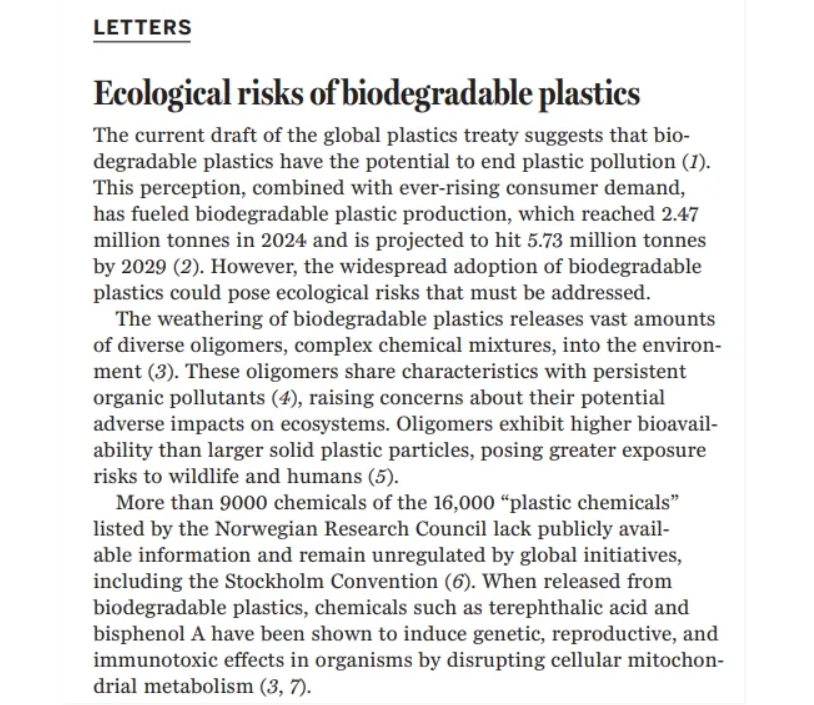
There are, of course, technical solutions: polyester bottles that can be processed into raw materials for artificial wool, plastic coding for easier sorting and recycling, and the research and development of biodegradable bioplastics. However, the latest research by Chinese scientists suggests that the hazards of biodegradable plastics to the environment and human health still persist.
We cannot deny these efforts of the modern era, but whether it is the “alternative” lifestyles of a minority, government-led centralised recycling, or the technical innovations of tech companies, none can change the distorted relationship between the daily lives of most people in modern society and their surrounding material environment. Our future with plastic remains fraught with crisis and uncertainty: cumulative global plastic waste has reached 9.2 billion tonnes, of which only 9% can be recycled, 12% are incinerated, and 79% are buried or accumulated in the natural environment.
Where exactly did it go wrong? If we follow the unique inspiration provided by Freinkel in this book, should we strive to rebalance this distorted relationship while remaining on the material foundation of modern society? Otherwise, humanity will only continue to generate new, unhealthy demands and dependencies on plastic—takeaway food is a prime example. When people outsource their eating to delivery services, it generates a massive amount of plastic waste. Research reports show that orders from China’s leading takeaway platforms grew from 1.7 billion in 2015 to 17.12 billion in 2020, with plastic consumption increasing from 57,000 tonnes in 2015 to 574,000 tonnes in 2020—a ten-fold increase in five years.
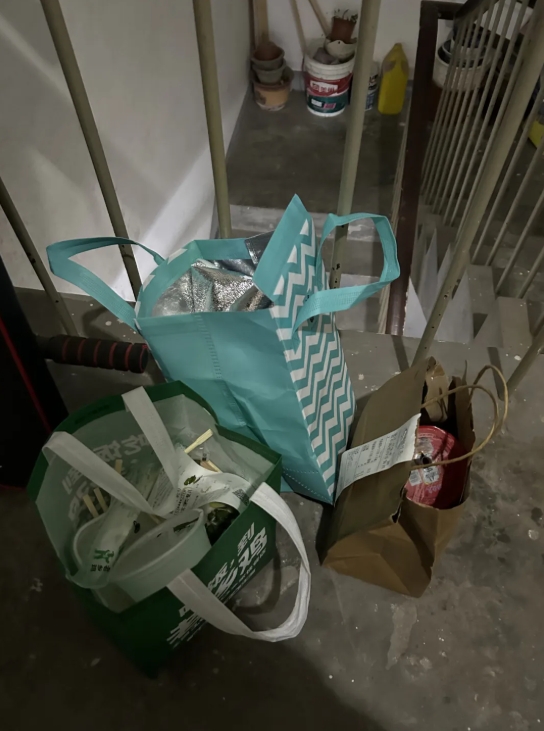
Perhaps in the future, human society will produce new phenomena like takeaway services that further increase the demand for plastic. Freinkel believes the true way out lies in breaking this unhealthy dependency and establishing a new relationship with plastic. In other words, we should not consider plastic itself, but rather what types of products are most suitable for design and manufacture using plastic, and how people should use plastic products so as not to produce vast amounts of non-recyclable waste that destroys the Earth’s ecological environment.
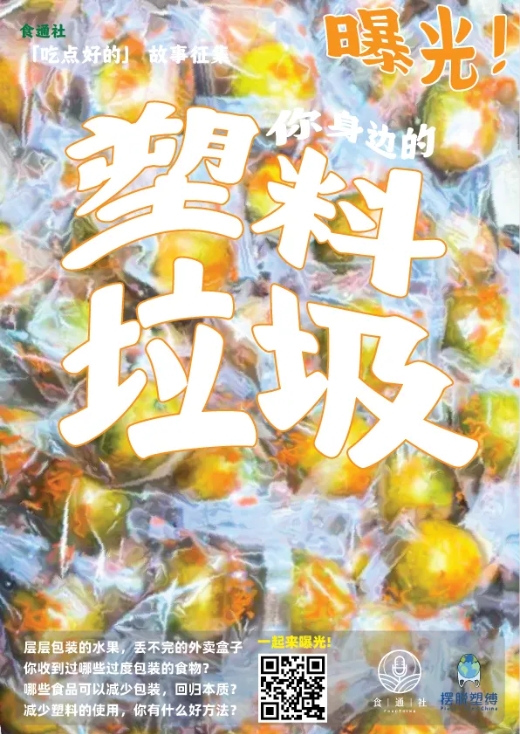
Is it really necessary to have layers upon layers of plastic packaging and single-use plastic cutlery?
Besides takeaways, in which other life scenarios have you encountered excessive plastic packaging?
Do you have any good ideas for reducing the production of plastic waste?
Scan the QR code on the poster to tell us what you think
If you would like to learn more about solutions for escaping a single-use plastic life, you are welcome to join this fun, plastic-reducing “Eco-Reuse Day” market! Here, you can experience green living ideas such as circular coffee cups, professional sports gear repair, refill-style shopping, and second-hand exchanges. Join numerous vendors in finding a sustainable lifestyle that suits you.

Editor: Tianle