
The Chayote Seedling Breakthrough: Climate, Seeds, and the County-Town Crop Wave
I. The Seed Bottleneck
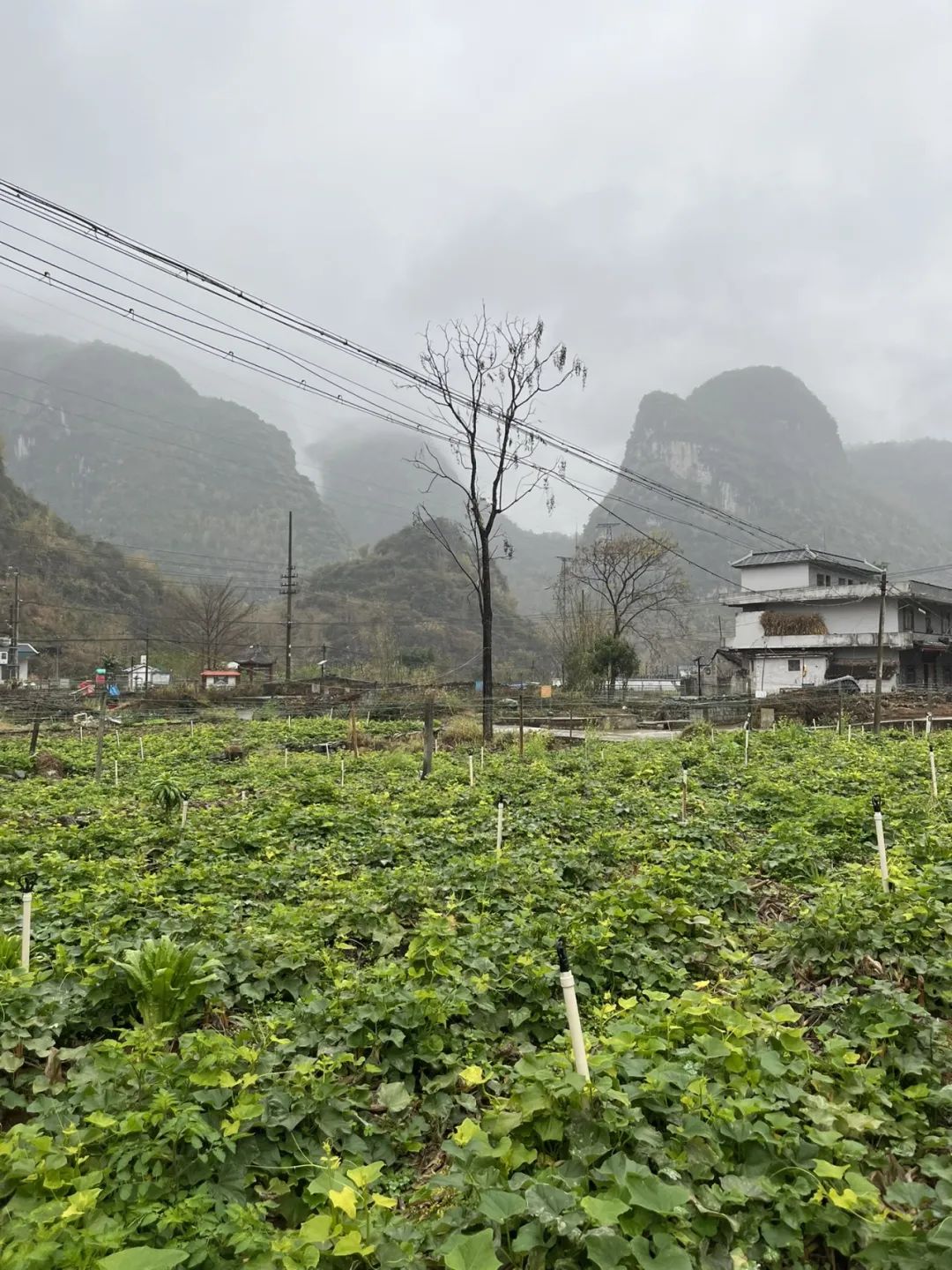
Guangxi experienced several bouts of extreme rainfall in 2024. In Mashan specifically, incessant rain led to severe flooding in the first half of the year, rotting the chayote. Once the rainy season ended, farmers rushed to buy seeds from other regions, only to be hit by a severe drought in the second half of the year. Not a drop of rain fell between last year’s National Day and this year’s Spring Festival. Because seedlings require significant amounts of water, most of the expensive seeds they had purchased simply withered in the fields.
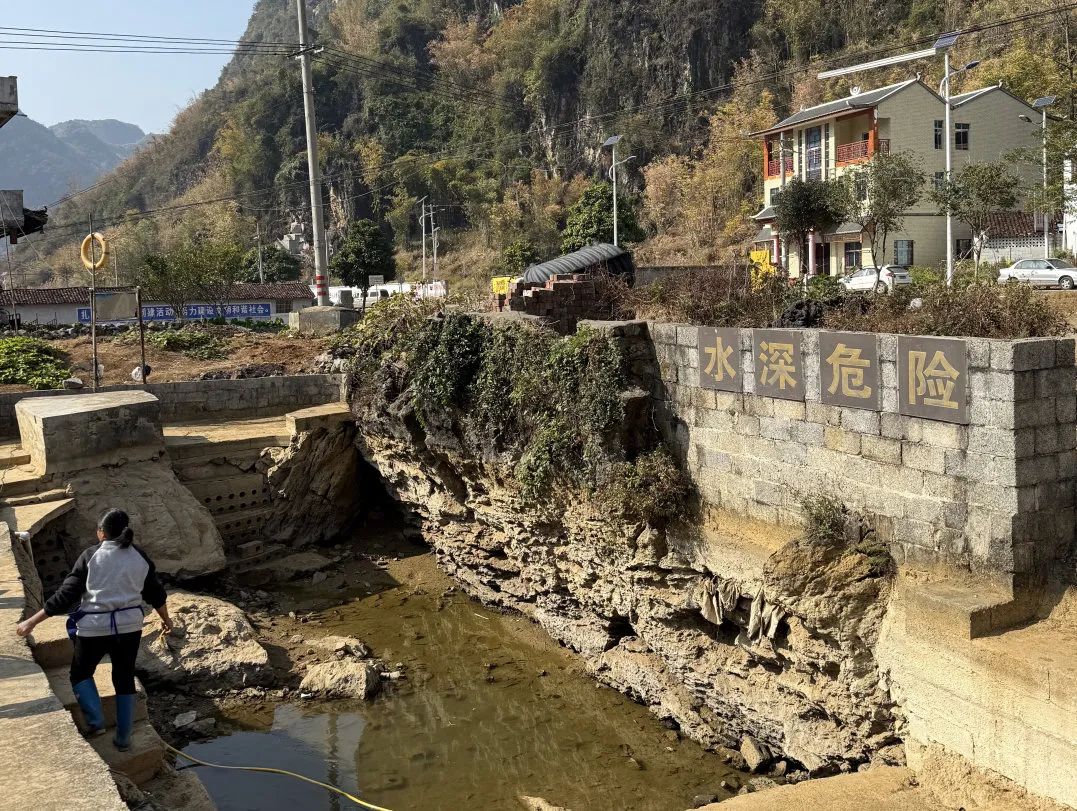
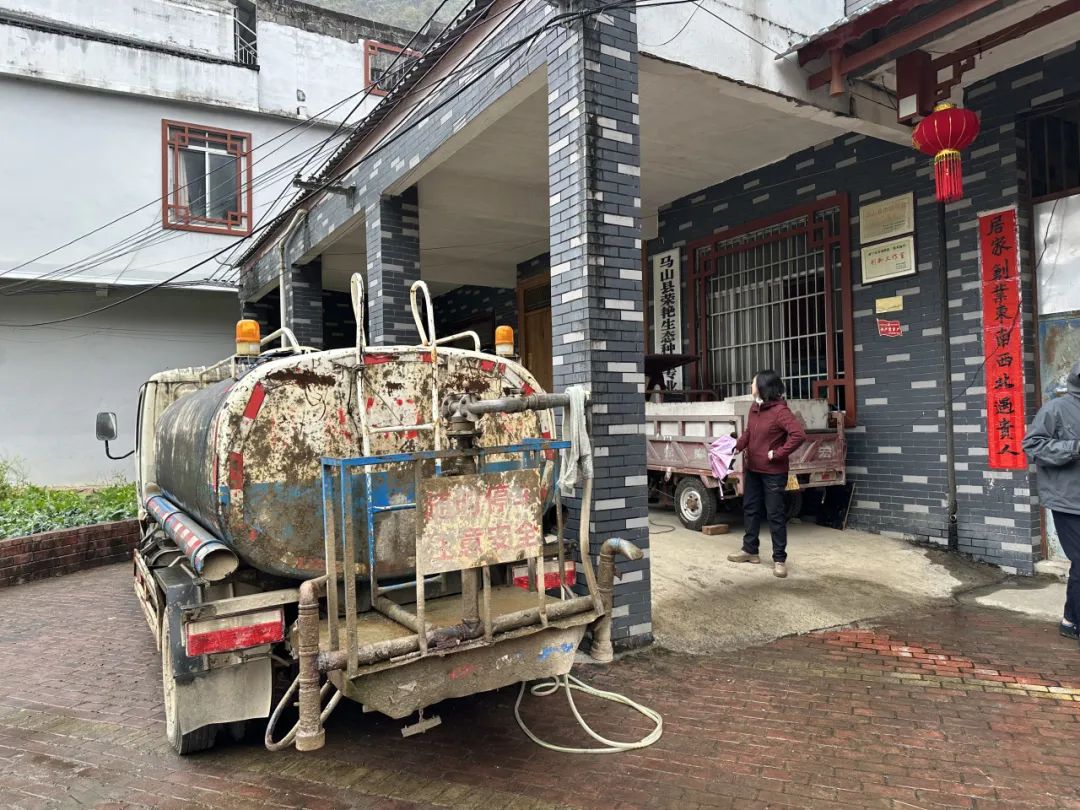
It was not just the crops; even drinking water became an issue. For the first time in 40 years, the public swimming pool in Shanggula Village, Guzhai, Mashan, ran dry. The government dispatched fire engines to deliver water to the villagers. During the Spring Festival, people could not even take a bath. Falling groundwater levels caused house foundations to sink, leaving walls cracked.
The ancient village of Mashan is located about a two-hour drive north of Nanning, where the climate has always leaned towards the arid. Farmers typically cover the ridges with maize stalks to retain soil moisture, which eventually decay into fertiliser. However, last year’s drought was so severe that even the stalks failed to decompose.
An agricultural proverb says, “Drought brings pests, dampness brings disease.” The widely grown maize also suffered from unusually aggressive pests and diseases; locals remarked that the insects had “eaten everything but the stalks.”
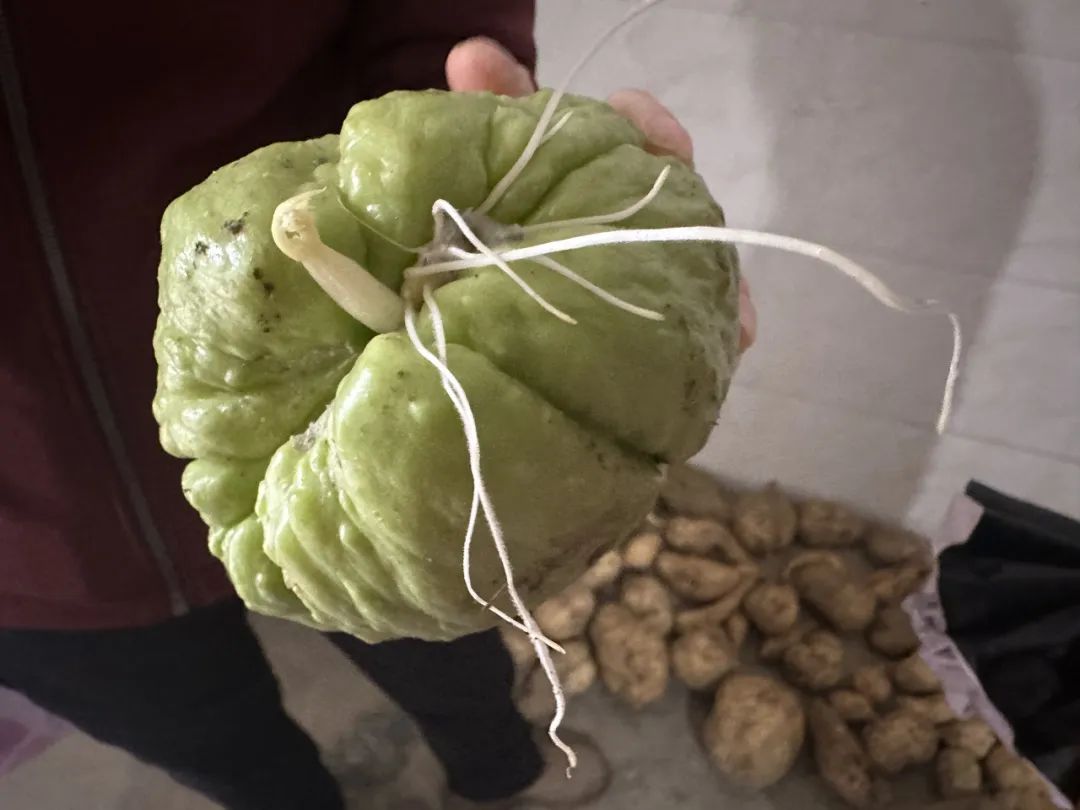
In late February, we visited Shanggula Village in Mashan. Lu Rongyan, head of the Rongyan Ecological Breeding and Cultivation Professional Cooperative in Mashan County, frowned at the mention of chayote. Growing chayote seedlings differs from other vegetables; they must be planted using fresh fruit. If a crop fails completely, farmers have no choice but to buy from the market. “The latest batch of chayote was ordered from Guizhou on 9 February, but as of 20 February, it still hasn’t been shipped. There is nothing we can do but wait.”
Based on planting 1,000 fruits per mu, a healthy seed-fruit often weighs over 500g. With the price of chayote now rising to 1.2 yuan per 500g, the cost of the seed-fruits alone for one mu reaches 1,200 to 1,500 yuan.
Rong Yan was among the first in Mashan to cultivate and sell chayote shoots, and she witnessed first-hand how local farmers were gradually held in a stranglehold by outside businessmen. When they first bought seeds from Yunnan and Guizhou, prices were relatively affordable and based on a deposit system. Now, however, seeds are in high demand, and the Guizhou suppliers Rong Yan deals with demand full payment in advance.
In October 2024, perhaps due to insufficient maturity, half of the seeds purchased from outside the region arrived rotten. In January 2025, the seeds were affected by low temperatures, resulting in a very low germination rate. The farmers were helpless; they had no choice but to keep buying from the Guizhou suppliers and endure the steadily rising prices.
II. How Chayote Shoots Emerged
In the 1990s, Dr Song Yiqing from the Centre for Agricultural Policy Research at the Chinese Academy of Sciences discovered during a maize germplasm resource assessment project that the promotion of commercial maize varieties had led to the degradation and disappearance of local maize varieties in four southwestern provinces, including Guangxi. Consequently, she encouraged researchers and farmers to collaborate on selective breeding, working together in the fields to collect, purify, rejuvenate, and preserve indigenous varieties.
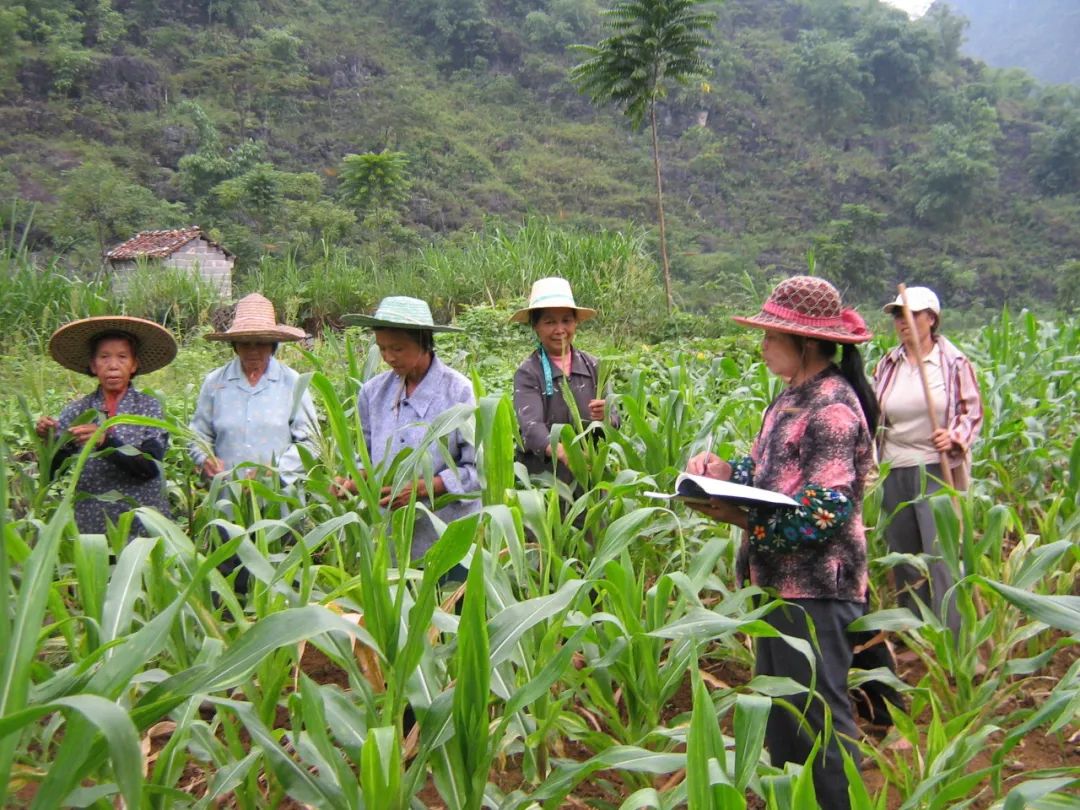
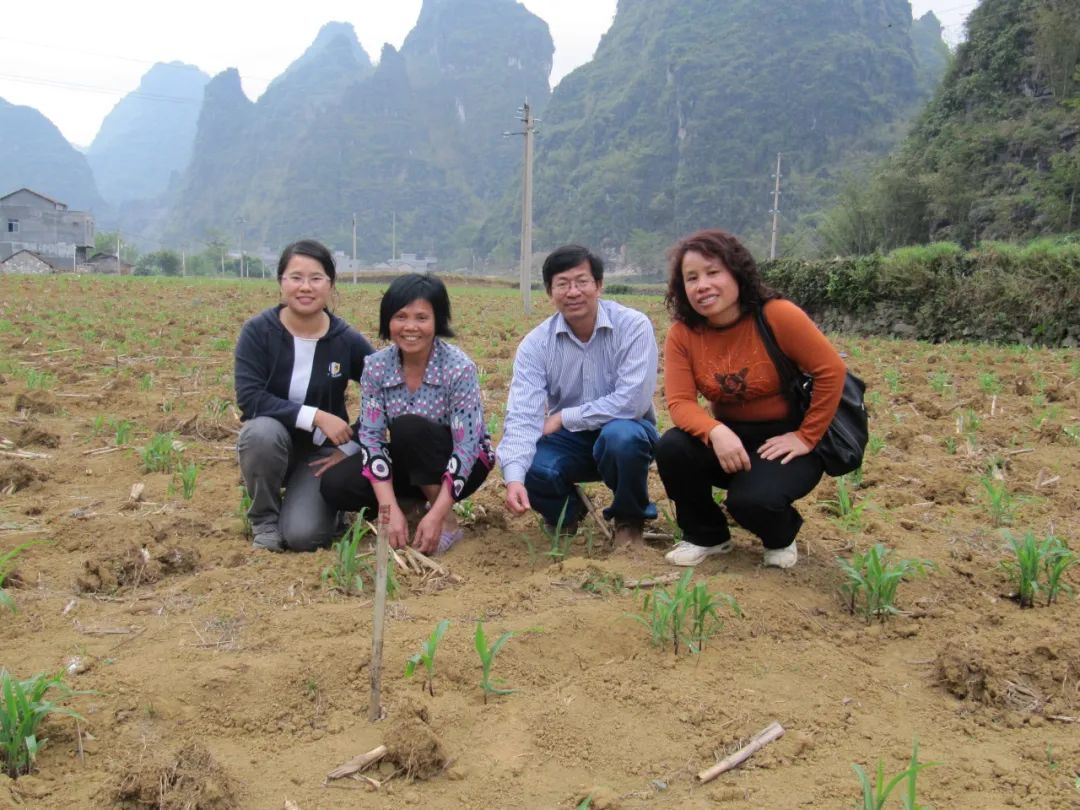
While scientists were noticing the rapid loss of farm-saved seeds, Rong Yan discovered the same issue during her own farming: in pursuit of higher yields, villagers were replacing local heirloom varieties with hybrids. However, this brought a dependency on chemical fertilisers, pesticides, and agricultural supply companies, while excessive chemical inputs led to soil degradation and unstable varieties.
In contrast, although the taller local varieties were harder to manage and produced lower yields, they tasted better and were more resistant to pests and diseases.
From 2000, Rong Yan—then just in her early thirties—partnered with experts from the Chinese Academy of Sciences and the Guangxi Academy of Agricultural Sciences. She led ten farmers to form a participatory breeding group to start breeding and saving the disappearing local maize and vegetable seeds, and established a community seed bank.
They found that using farm-saved seeds reduced the cost of purchasing seeds, fertilisers, and pesticides, while benefiting soil health and food safety. At the same time, the culinary and cultural memories attached to the seeds were preserved. This also revitalised community organisation; amidst the great tide of young and able-bodied labourers leaving for city work, it allowed the elderly and women left behind to rebuild their emotional connection to and confidence in rural life.
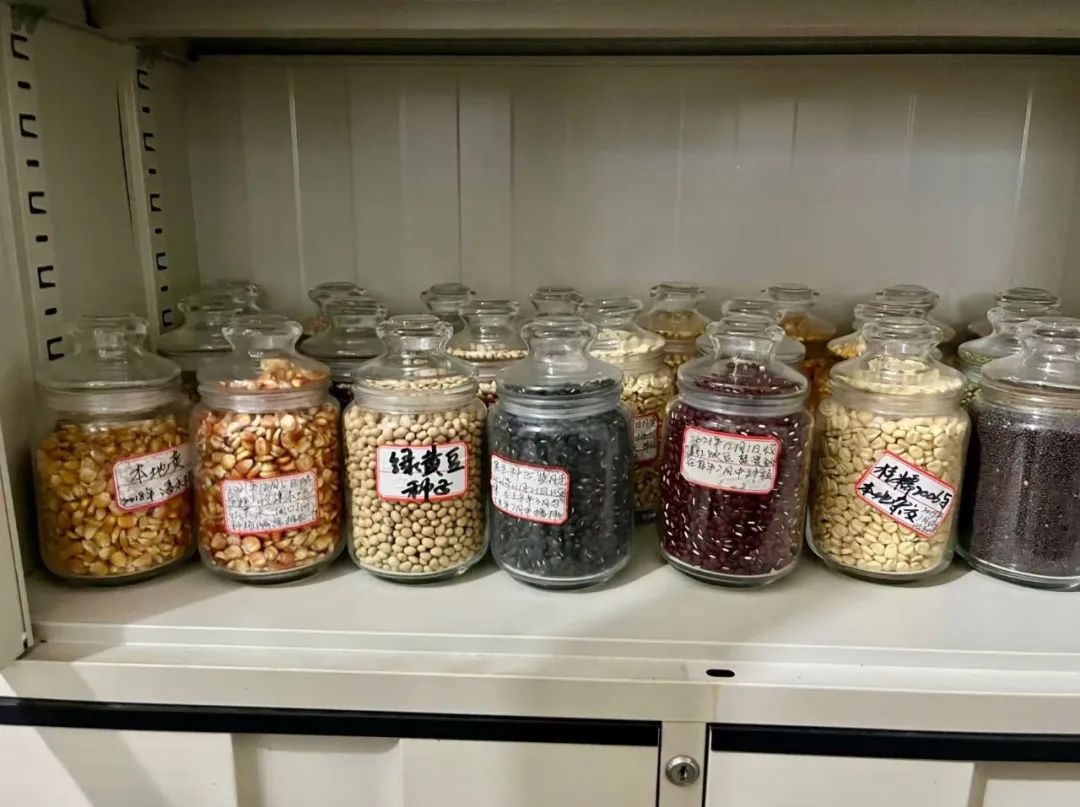
This community seed bank was not an isolated case. In 2013, Dr Song Yiqing founded the non-profit organisation “Farmers’ Seed Network” to support numerous rural communities across the country in selectively breeding farm-saved seeds and preserving them within the community.
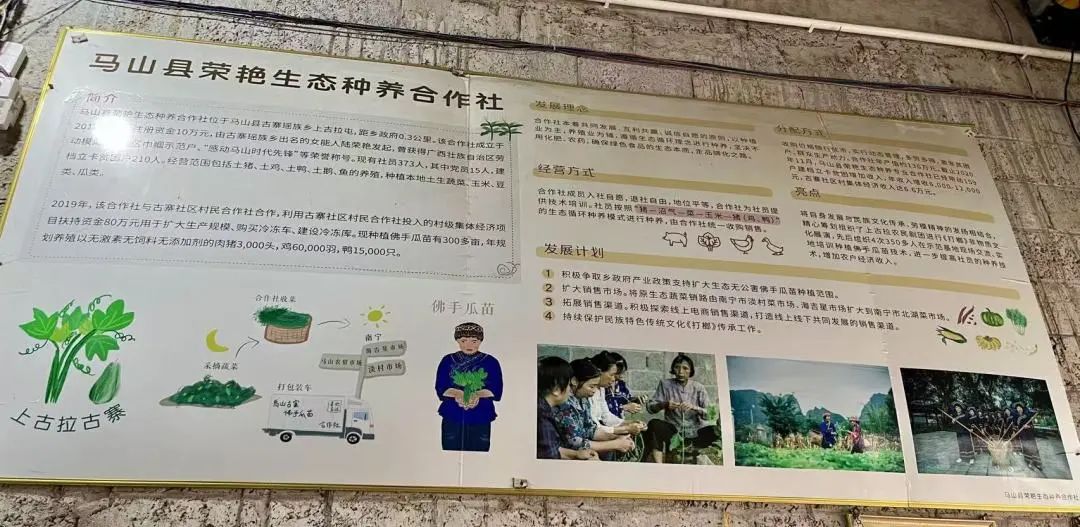
With a rich local germplasm resource library as a foundation, Rong Yan took a significant step forward, leading 27 elderly people and women to establish the Rong Yan Ecological Breeding Professional Cooperative to pursue ecological farming and livestock rearing. To produce safe and healthy food, the cooperative avoids pesticides and chemical fertilisers, and their indigenous pigs and chickens are raised without additive-laden feed.
But who would buy the produce? During those years, Tusheng Liangpin had just opened in Nanning, one of China’s earliest “Community Supported Agriculture” (CSA) restaurants. Tusheng Liangpin purchased ingredients from nearby ecological smallholders, including Rong Yan.

Supplying a restaurant required guaranteed stability of supply, which was entirely different from selling vegetables from a shoulder pole at a stall.
To meet the restaurant’s demands, the cooperative worked hard to expand the variety and quantity of vegetables and meats. They established a five-mu breeding base to grow local varieties, while conducting comparative trials between mountain and plain soil and climates to control quality.
Just as things were looking up, the Nanning branch of Tusheng Liangpin closed due to a lack of business. Rong Yan learned another lesson: relying on a single sales channel is risky.
She began exploring ecological agricultural sales channels around Mashan County—the Nanning Urban Farmers’ Market, mothers’ group-buy chats, and more. To break into the market, the cooperative tried many promising varieties, such as the juicy, sweet-and-sour “Mao Xiucai” tomato and luffa. The Farmers’ Seed Network also supported them in domesticating wild vegetables, such as *一点红* (Little Red) and wolfberry leaves, but sales were poor.
Fortunately, they had continued their work in heirloom variety conservation—if one variety failed, they tried another. This process eventually led them to chayote shoots.
There is no historical record of when chayote was first introduced to Mashan. In Rong Yan’s memory, however, chayote has always been a local variety. In the past, villagers ate the fruit but not the shoots; it was only in 2013 that they began harvesting the shoots for consumption. In Guangxi, chayote shoots are also known as “Dragon’s Whisker vegetable,” named for the tender, curly vines that resemble a dragon’s whiskers. They have a fresh, crisp taste and can be stir-fried, served as a cold salad, or added to hotpot.
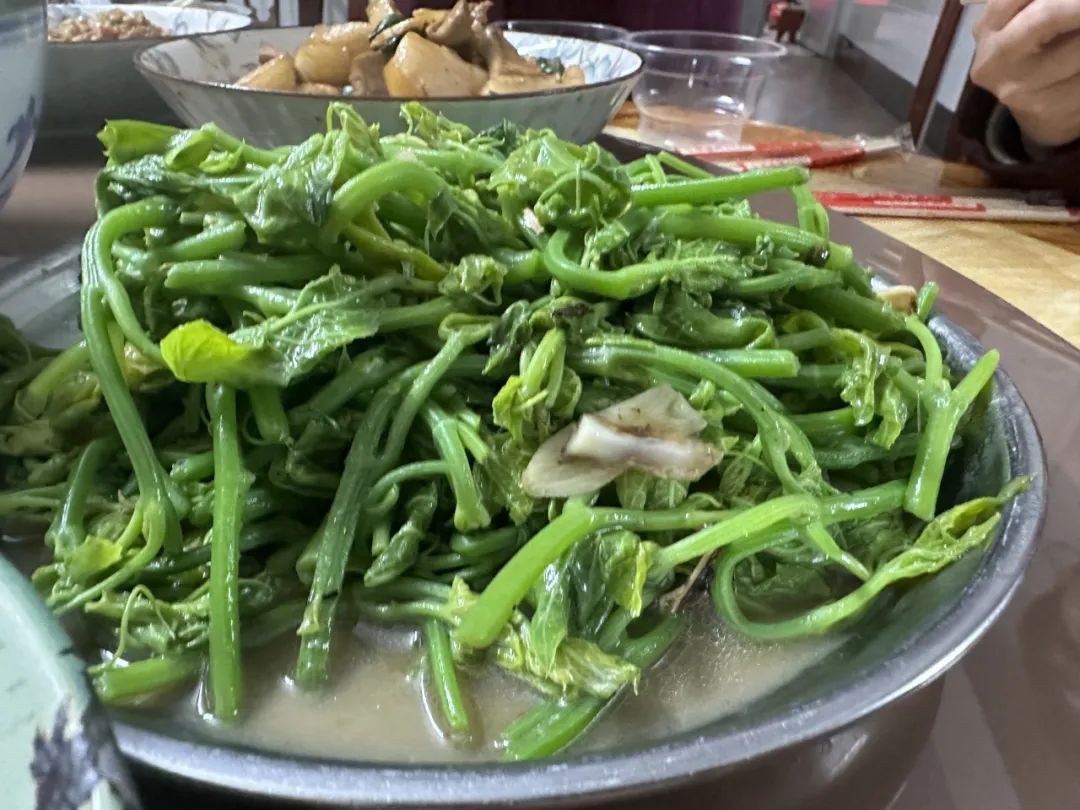
Rong Yan likes chayote because it thrives on farmyard manure; using chemical fertilisers actually causes the roots to rot. It is also largely free from pests and diseases—the most common pest is the snail, which can be controlled using tea seed cake. In short, chayote is perfectly suited for ecological cultivation, aligning with Rong Yan’s production philosophy.
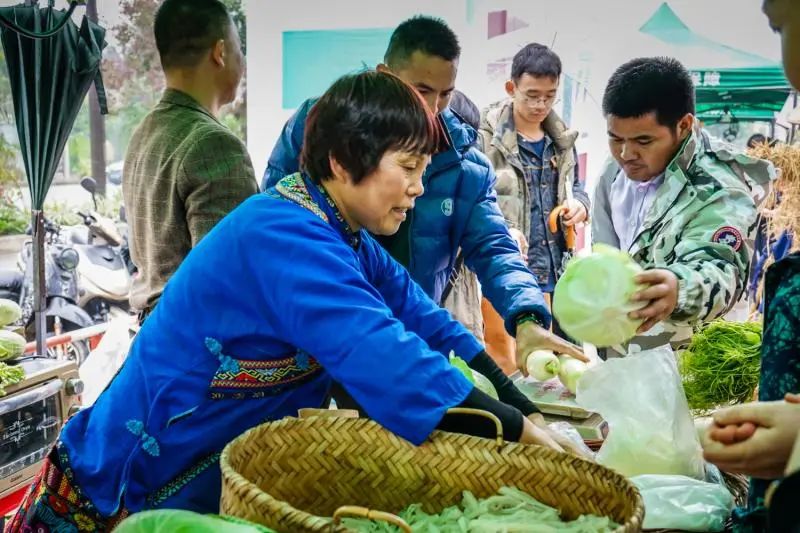
Between 2014 and 2015, to break into the market, Rong Yan mobilised actors from the village’s farmers’ theatre troupe and cooperative managers to promote the produce monthly at the Nanning Urban Farmers’ Market and mothers’ group-buy events. They attracted customers by performing “Da Lang,” a non-material cultural heritage ethnic dance, and set up stalls in various Nanning agricultural markets, giving away free shoots to some vendors to help with promotion.
Gradually, chayote shoots gained a foothold in the Nanning market, becoming the cooperative’s star product.
III. Chayote Shoots Revitalising the Countryside
Before 2017, the local planting area for chayote was small and easy to manage. Chayote can survive for three to five consecutive years; if water and fertiliser are managed correctly, 50 jin of shoots can be harvested per mu every one or two days. With a field purchase price of 2 yuan per jin, this equates to an income of 100 yuan. Harvesting is possible from February to November every year, and the investment is low, as it does not rely on machinery, pesticides, or chemical fertilisers. Spending the day picking shoots in the field and carrying them in bamboo baskets to the cooperative to be weighed and paid for on the spot makes this work particularly suitable for the elderly and women who cannot easily leave the village for work.
Mashan County is characterised by typical karst topography, where the surface cannot retain water, earning it the reputation of having “nine parts rock and one part soil”. For a long time, farmers relied on planting maize in the crevices of rocks to survive. Most of the young and able-bodied labour force leaves to work in cities. During the agricultural off-season, the elderly sit under the eaves of houses facing the street, making handmade flower hair ornaments. At most, they earn ten to twenty yuan a day.
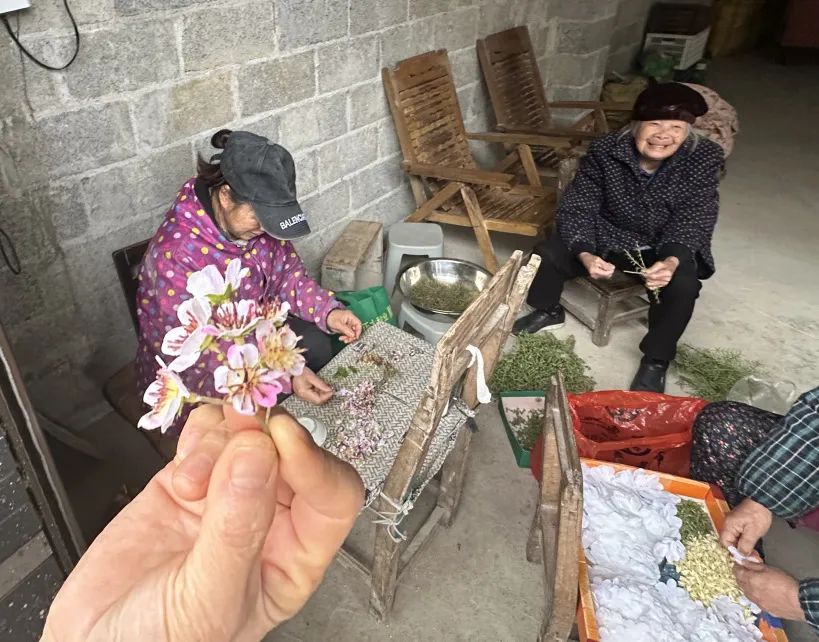
In contrast, growing chayote sprouts requires low investment and offers high returns with minimal risk. This is why the “aunties” were the first to take it up. For most of their lives, they had no spending money of their own; now, by growing and harvesting sprouts, they get paid immediately. This small amount of disposable income has given them an unprecedented sense of autonomy.
Freshness is everything for the sprouts. They must be transported to the market as soon as they are picked to fetch a good price. To catch the first bus to the county town at 7 am, farmers must be in the fields by three or four in the morning, when they often encounter snakes.
In 2019, the cooperative secured a government loan to build cold storage and purchase refrigerated trucks. This eased the pressure on production. Farmers can now harvest after moonrise, the cooperative loads the trucks by midnight, and the produce is delivered to the vegetable logistics centre early the next morning.
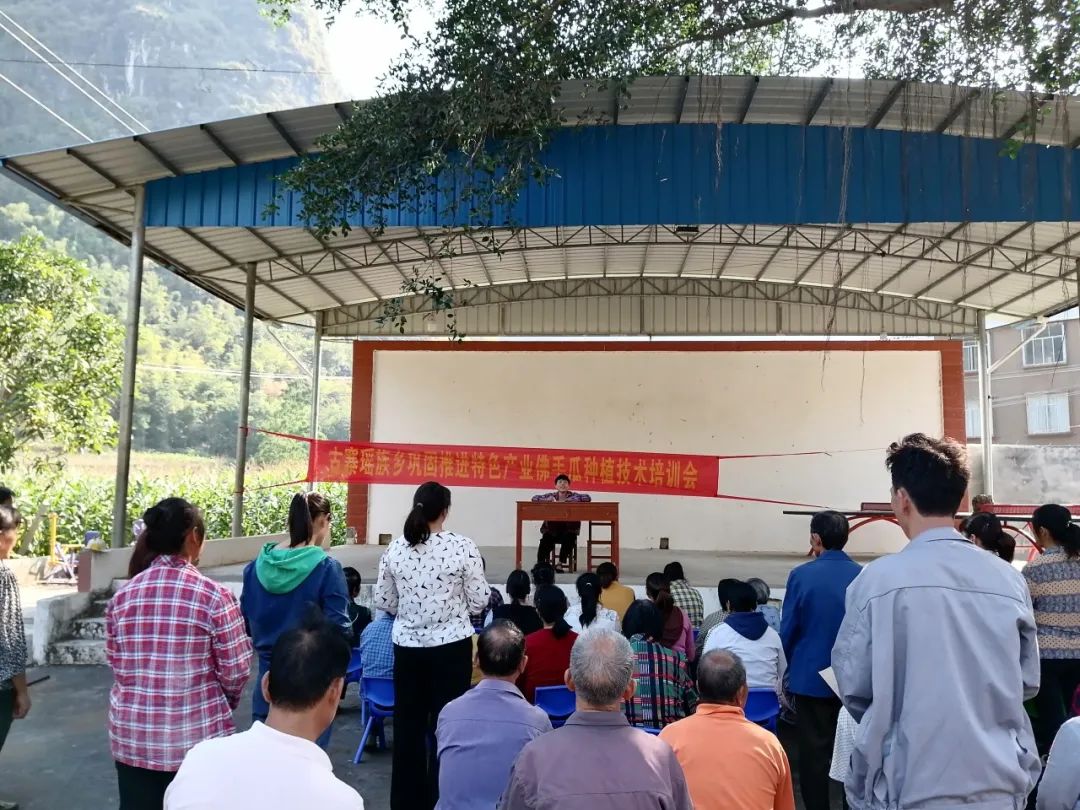
Farmers in neighbouring towns and villages began to follow suit. The township government adopted this as a key vehicle for rural revitalisation, introducing incentive policies and organising training classes to stimulate public enthusiasm for growing the sprouts.
In just five years, the area planted with chayote across the township expanded from 300 to 2,000 mu. The sprouts created one success story after another. According to local media, in the neighbouring Gujin Village—
Villager B, who stays home to look after her grandchildren, planted her entire two-mu plot with chayote sprouts. This year, she earned over 10,000 yuan just from harvesting the sprouts. One day, her personal income reached 359 yuan, a record high for the village.
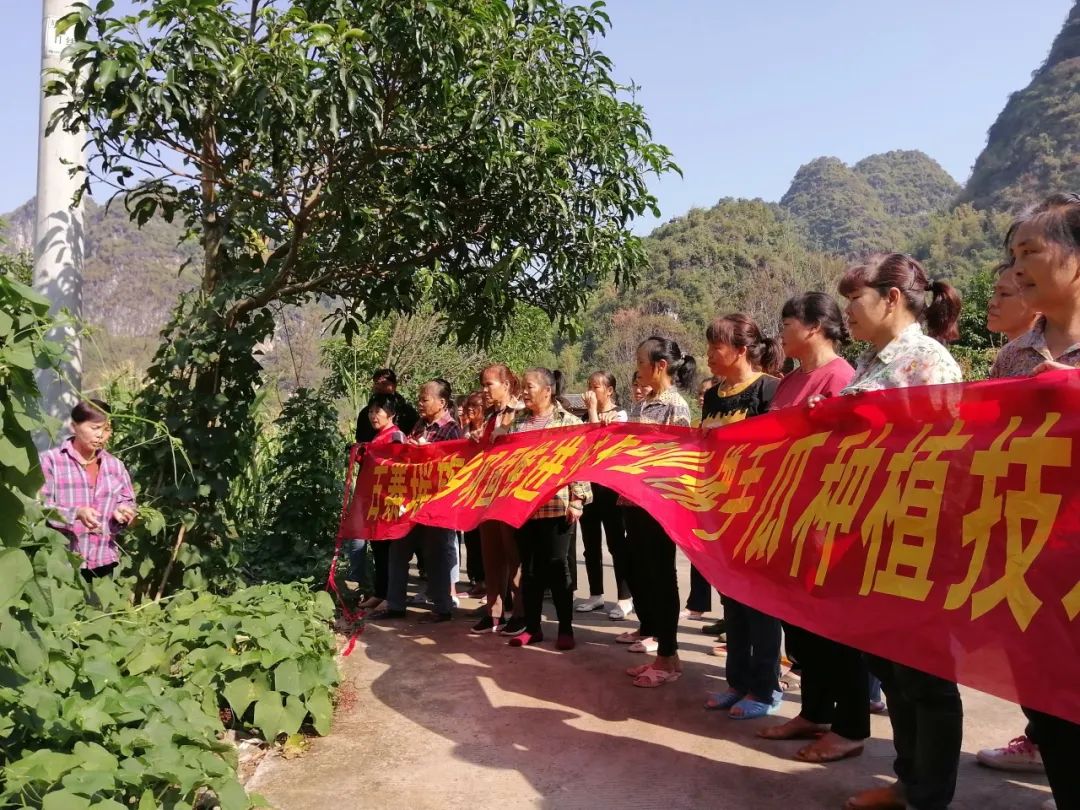
By October 2023, according to the Guangxi News Network, all nine villages in the township were growing chayote sprouts, with a total output value of 7 million yuan. On average, each mu brought in over 5,000 yuan per year. The township’s chayote sprouts captured 80% of the market share for similar vegetable varieties in Nanning’s “Vegetable Basket”.
Today, Guzhai Yao Ethnic Township alone has five professional chayote cooperatives. It is said that the newcomers follow Rong Yan’s delivery trucks into the city to see which customers are buying the sprouts, then rush back to the fields to intercept the farmers, insisting they sell to them instead.
“There are too many ‘bosses’ these days,” Rong Yan says. By “bosses”, she refers to these newly established cooperatives. While farmers are nominally members of these cooperatives, there seem to be no clear rights or obligations. “They sell to whoever pays more or whoever they are closer with. But they don’t want to offend anyone, so they give a little bit to every boss.”
Competition has forced the “bosses” to improve efficiency. As of October 2022, Guzhai Yao Ethnic Township had built six industrial cold stores with a capacity exceeding 400 cubic metres and equipped two refrigerated trucks. Surrounding towns are also establishing their own cooperatives, with officials from township to village level pushing the chayote sprouts. According to the Nanning News Network, the First Secretary of Dalu Village in Mashan County raised funds in 2024 to provide a 40% subsidy for each sprout, “subsidising more than 20,000 chayote seedlings in total”.
After the Nanning market became oversaturated, Rong Yan began selling the sprouts to Foshan and Shenzhen. Guangdong customers prioritise appearance; the sprouts must be lush and green. For every 10 jin of sprouts the cooperative collects, 4 jin must be discarded, and they must pay workers 10 yuan per hour to sort through them.
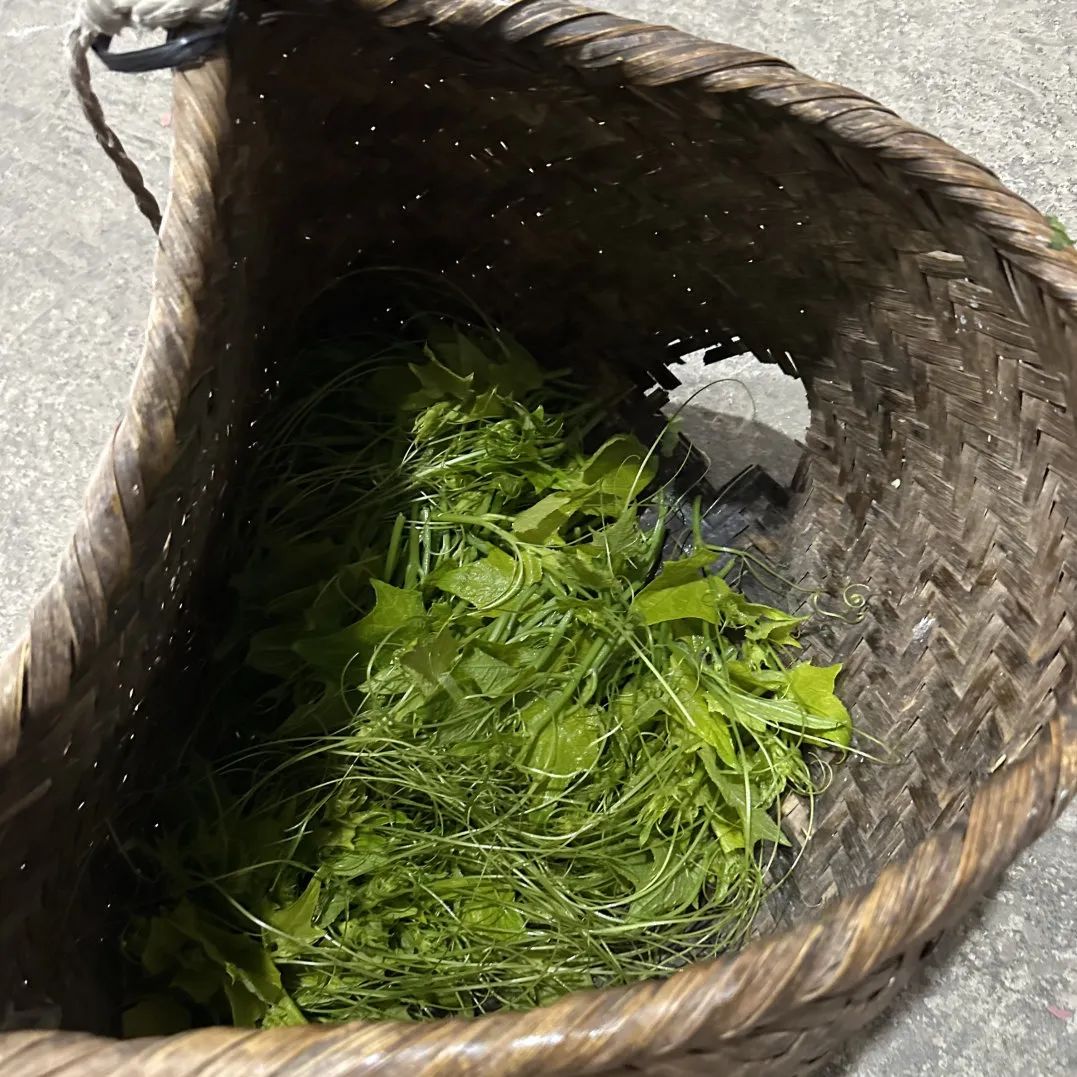
Rong Yan is not alone in this thinking; all the “bosses” are desperately buying up sprouts.
Last year’s reduced harvest led to a supply shortage, and the field purchase price of the sprouts once rose to 3 yuan per jin. However, some of the young people who had stayed behind to grow chayote became disheartened after experiencing severe floods and droughts, and returned to the cities for work. Even Rong Yan’s eldest son gave up on chayote sprouts to seek employment elsewhere.
IV. Seed Preservation or Seed Replacement?
Although the villagers have become proficient in seed preservation and breeding with the help of farmer seed networks, they have not yet prepared a seed-saving plan for chayote, a vegetable variety with a unique breeding method.
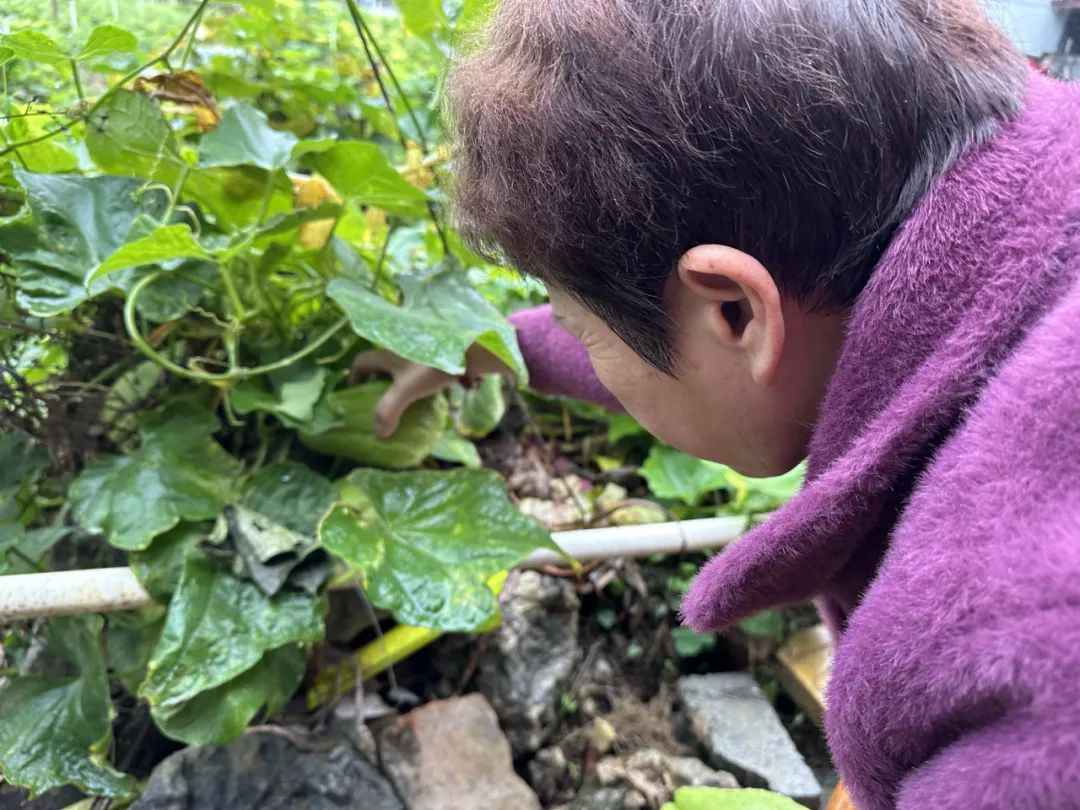
“If a natural disaster strikes, seeds will inevitably become more expensive the following year, so it is essential to be prepared,” warned Li Wenjia, a researcher at the Vegetable Research Institute of the Guangxi Academy of Agricultural Sciences.
Li Wenjia joined the visit at the invitation of the Farmer Seed Network. Her advice on how to save chayote seeds was simple—almost common sense: farmers must have a disaster-preparedness mindset and save enough seeds for the coming year.
As for how to do it, it is a simple matter of mathematics: if 1,000 plants are grown per mu, and each vine produces at least 10 fruits, then a small patch of land—about a hundredth of a mu—can be dedicated to seed saving. On this patch, 100 plants can have their seedlings harvested and sold in the early stages, while the vines are left to fruit in the later stages for next year’s planting. This ensures a seed source for the following year and prevents farmers from being held to ransom by external suppliers.
In the event of a disaster like the one in 2024, the optimal strategy for a farmer is to use their limited water supply to preserve the seeds. As long as they can survive the dry season, production can resume as normal the following year provided the climate conditions stabilise. Some local farmers have already adopted this approach. After surviving a disastrous year, they were even able to sell surplus seeds to their neighbours.
The Farmer Seed Network supports the establishment of seed banks in various rural communities across the country, allowing them to exchange seeds and expand the genetic pool of farm-saved seeds. At the end of last year, upon learning of the hardships facing the chayote growers in Mashan, Shitoucheng Village in Lijiang, Yunnan, provided urgent aid in the form of a batch of chayote seeds. However, due to the long distance, many of the small sprouts emerging from the base of the chayote had dried out by the time they reached Mashan, resulting in a low seedling success rate.
Having learned the hard way, it is clear that self-reliance is the only way.
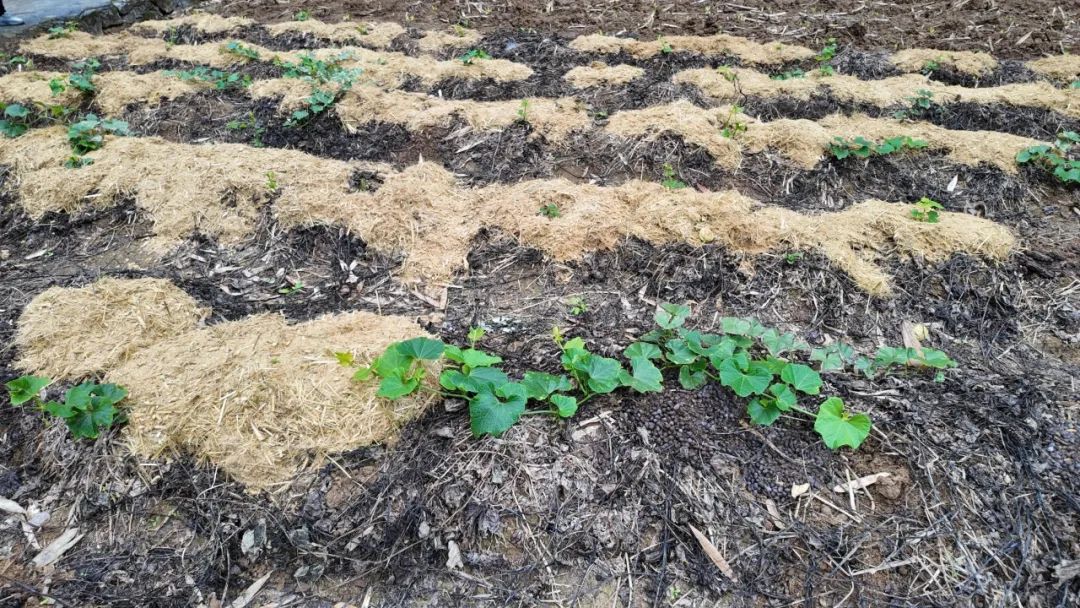
Rong Yan tried using vine cuttings to cultivate seedlings, but the results were poor; the roots either rotted or the resulting seedlings were far too weak. In short, no better method than using seeds has been found yet.
This year, Rong Yan leased another 60 mu of land in the neighbouring village to serve as a breeding base for chayote. She chose the neighbouring village because it is deeper in the mountains and has slightly better water conditions. Finding such a plot is no easy task; it must be protected from drought and flooding, as well as from animals. Macaques frequently steal corn and are known to hold grudges; the villagers are reluctant to provoke them, so they often simply accept the loss when the monkeys eat their crops.
Even if the farmers of Mashan successfully save their own seeds and break their dependency, what happens if they face another flood or drought?
This is no idle worry. Earlier this year, the World Meteorological Organization confirmed that 2024 was the hottest year on record, with global temperatures 1.55°C above pre-industrial levels—surpassing the 1.5°C critical threshold. This means the impacts of climate change are becoming increasingly apparent, with a higher risk of disasters such as floods, droughts, pests, and extreme heat. Ultimately, all of this falls on the farmers.
If droughts and floods become more frequent in the future, could they switch to varieties with greater climate resilience?
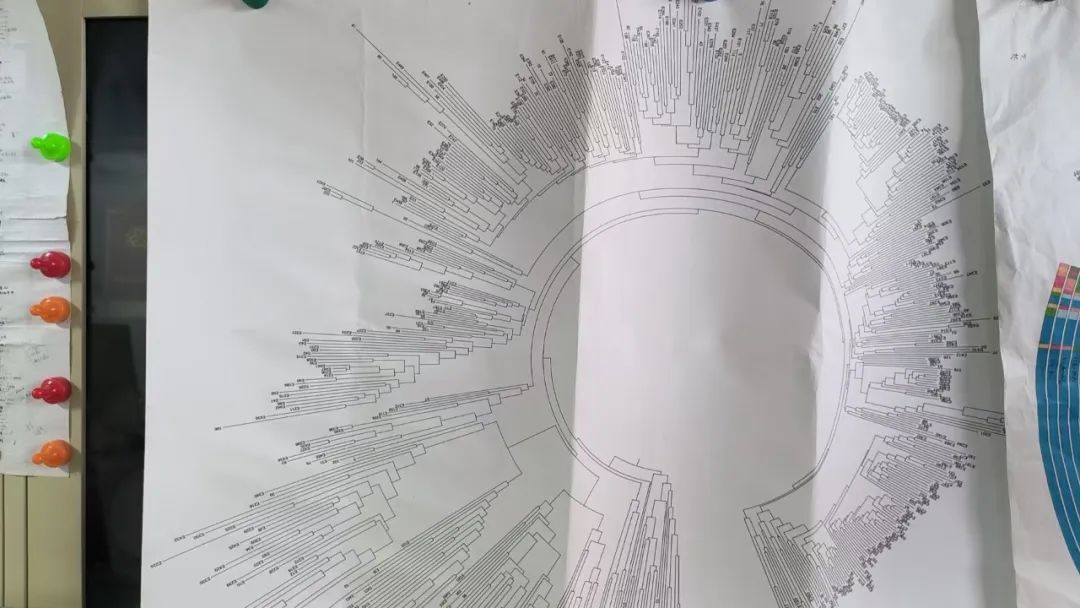
On the bookshelves in Researcher Li Wenjia’s office are two enormous phylogenetic charts of eggplant species. Starting from the root node, layers of classification from phylum to genus radiate outwards, bringing hundreds of eggplant species from around the world onto the paper. Studying common vegetables like eggplants and tomatoes has been her life’s work.
Before the chayote emerged as a sensation, Rong Yan had experimented with various vegetables. As a grassroots expert, her experience in knowing which vegetables taste best, are easiest to grow, and sell most readily is not necessarily inferior to that of a professional vegetable specialist. Rong Yan remains resolute in her decision to focus on chayote seedlings; she believes that only by growing this crop can “farmers actually make money.”
V. Way Out: Restoring Diversified Planting?
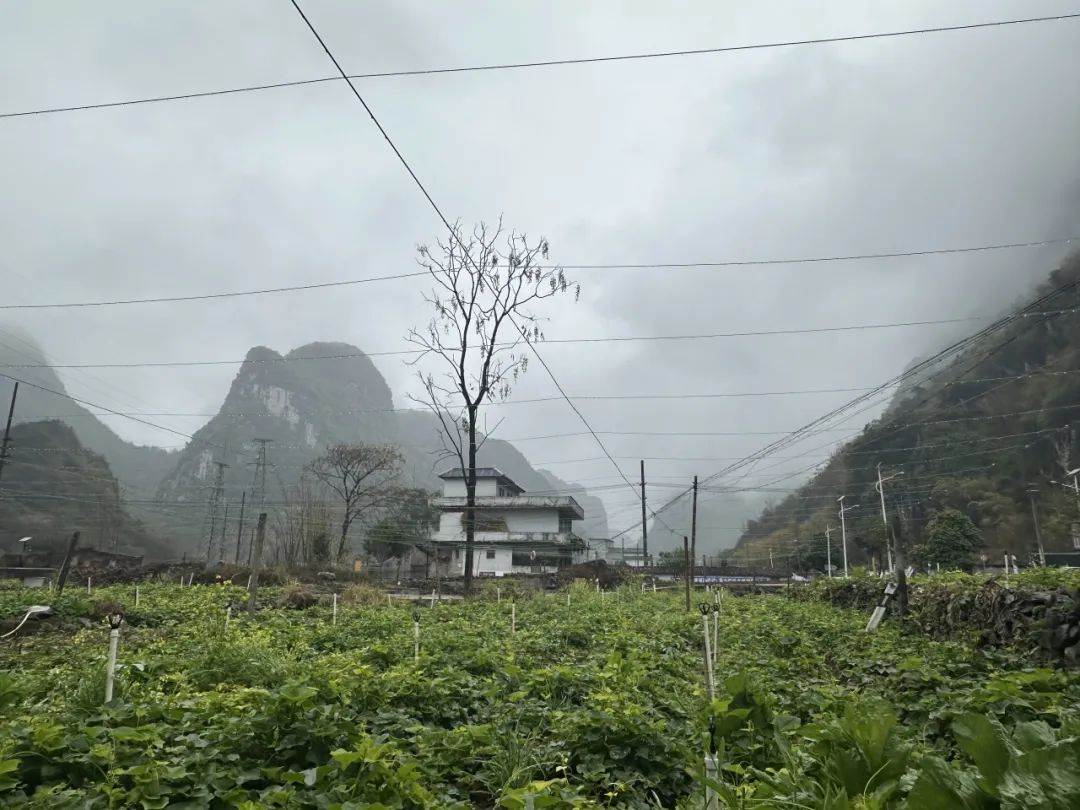
Chayote requires a significant amount of water. To improve efficiency, some of the village’s youth have installed sprinkler and drip irrigation systems in the fields. However, no one can answer exactly how large a seedling industry the local water conditions can actually sustain.
On the day we visited the village, there was a light drizzle. But this rain was only enough to dampen the surface of the soil; it was of little use for farming. Rong Yan mentioned that the Spring Equinox is a month away, and it will soon be time to plant corn; she worried whether the crops would take. The farmers are all waiting for the rain.
Too much rain is also a problem. Some farmers have strung thin ropes over their chayote fields; if it rains for too long, they put up rain shelters. Of course, this only works up to a certain threshold of rainfall. When the flooding lasted so long in the first half of last year, nothing they did mattered.
These experiments will be carried out this year at Rong Yan’s breeding base. Shanggula Tun has moved from the diversified planting of its early years to the current situation dominated by a single crop, while the Farmer Seed Network has always believed that agricultural resilience is rooted in the diversity of germplasm resources.
Therefore, Song Xin, the coordinator of the Farmer Seed Network’s Guangxi office, said that they will work with farmers to rebuild local planting diversity through diversified cropping. While preserving the chayote, they will introduce more stress-resistant varieties.
They hope this approach will bring other benefits, such as the nitrogen-fixing effects of legumes, or pairing crops with different root depths—such as intercropping chayote with sweet potatoes—to disperse the risk of rodent pests.
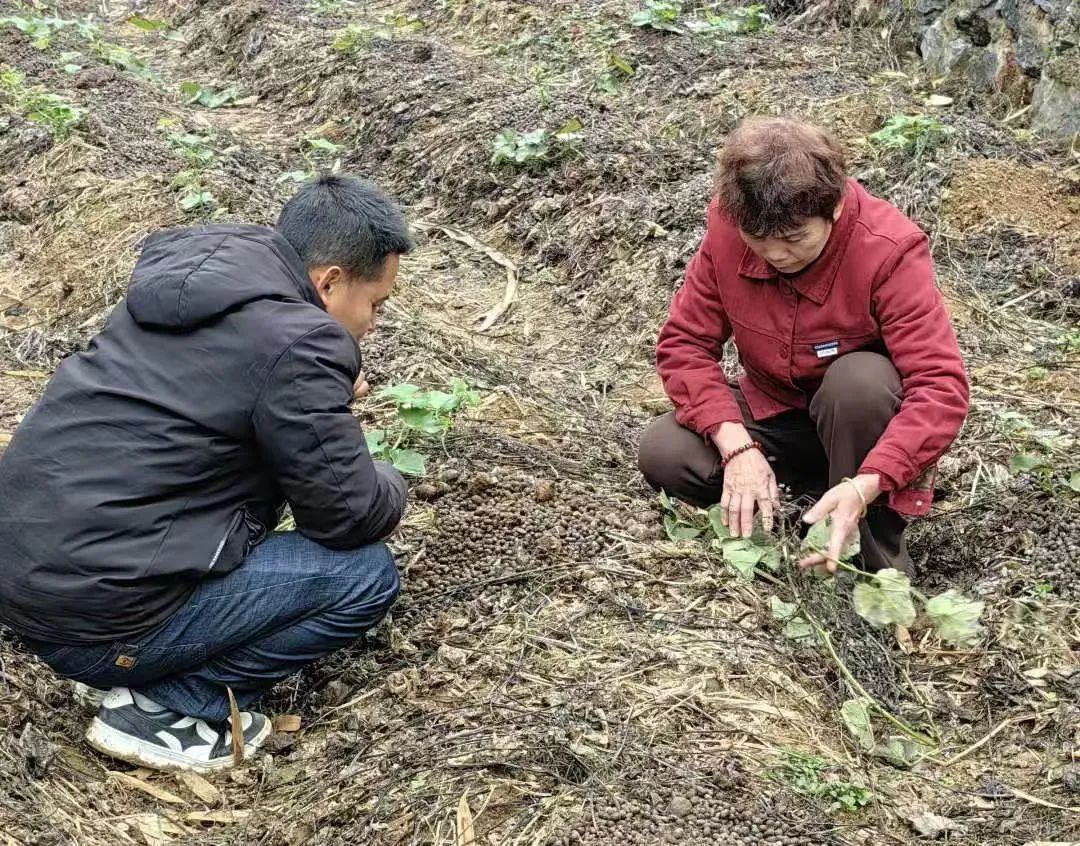
In early March, the Farmer Seed Network invited scientists, farmers from other regions, and NGOs to Shanggula Tun for a field exchange. Wei Chang, an ecological farmer from Fuzhou, offered several suggestions regarding pest management in corn and vegetable fields, which other Guangxi farmers found very practical. Song Xin believes that regular exchange mechanisms should be supported between “grassroots experts,” allowing communities to share experiences and inspire one another.
The collaborative model of farmers, NGOs, and scientists continues. Yet, the now 60-year-old Rong Yan has something weighing on her mind; she feels she is getting old and wants to hand the ecological cooperative over to the younger generation. Over the past few years, as the momentum for chayote seedlings grew, young people rushed back to seize the business, only to leave for migrant work again after the natural disasters struck.
The heavens, the earth, the gourds, and the people—what can one truly rely on?

Unless otherwise stated, all images in this article were taken by Foodthink
Editor: Ze En