Mountain Life in the Naxi Stone City (Part 1): Old Seeds on the Wind

Editor’s Note
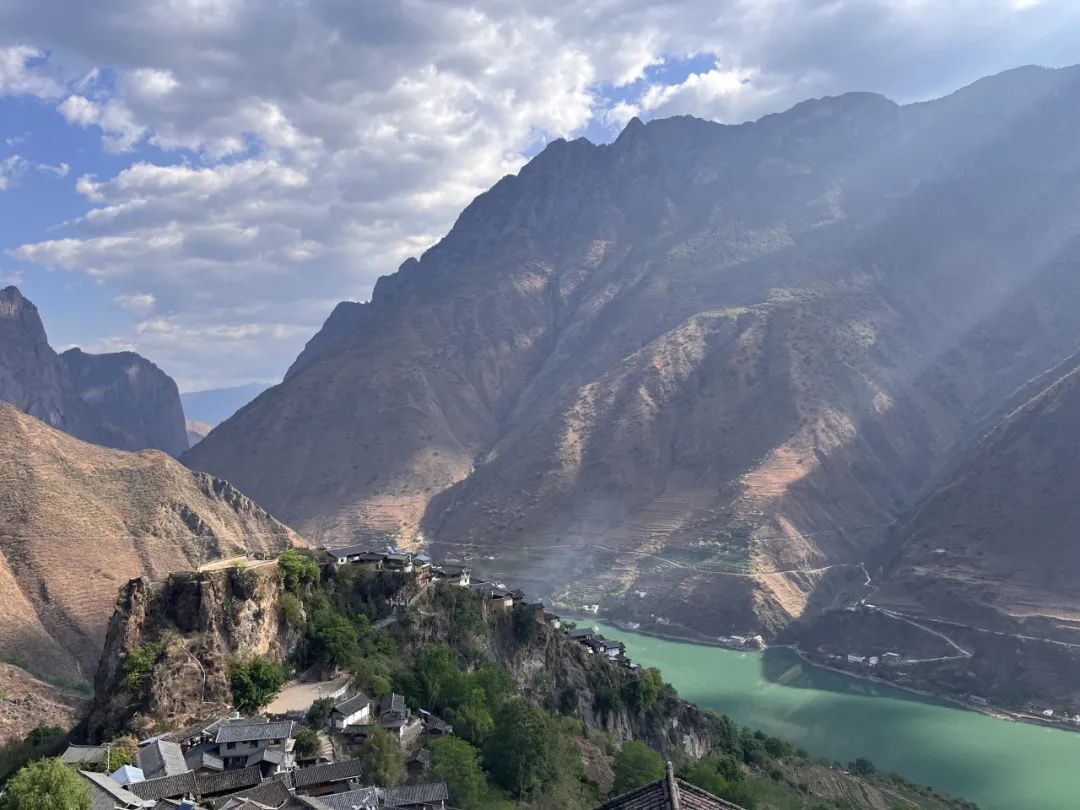
I first met Jiang Ziqi at a book fair in Hangzhou in 2023. She had invited the Farmer Seed Network to give a talk on seed saving during the event; at the time, I knew that she and several of her partners in Hangzhou tended their own small vegetable gardens and shared a keen interest in seeds. Later, I learned that Ziqi had applied for Foodthink’s Ecological Agriculture Internship Programme. As the Farmer Seed Network was recruiting village-resident interns for Stone City through this programme, we coordinated and Ziqi chose Stone City as her placement. This led to the observations, stories, and reflections recorded in this article. In August this year, Ziqi “bid farewell” to Stone City to pursue her studies in Hong Kong. But as she puts it, her experience in Stone City “will not fade away in the river of time”. We welcome more partners who, like her, are interested in community ecological culture to come to Stone City to live, experience, and intern.
— Farmer Seed Network
In early April this year, I had the privilege of joining Foodthink’s “Ecological Agriculture Internship Programme”, arriving at the Farmer Seed Network’s “Yunnan Lijiang Stone City and the Naxi-Mosuo Three Villages Network” project site. Travelling from Lijiang city to the village required passing through Jade Dragon Snow Mountain, followed by a further four-hour drive along winding mountain roads. The villages in this valley are settlements of the Naxi people, who have a history of over 1,300 years of transitioning from a nomadic to a sedentary farming lifestyle. The Farmer Seed Network has also carried out community work in this village for over a decade, encouraging local villagers to participate in farm-level seed conservation, providing training in seed selection and breeding, establishing community seed banks, and running village night schools; they have also worked with the villagers to systematically survey and document the local ecological and cultural environment. Arriving with my own questions, I gradually entered this field—entirely foreign to me—through the process of concrete labour, observation, and learning from the local people.
Two weeks after arriving, I began to adapt to the arid environment. My first impression was of the weather. This area has the dry-hot valley climate of the Jinsha River; the mountains on either bank seem to block external air currents, creating a microclimate within the valley. The weather in the mountains is entirely different from that of the plains; in this dry-hot valley, the rain and shine data in weather forecasts are completely useless. From late May to mid-June, before the rainy season arrives, is the hottest period. On sunny days, if you head to the fields in the morning, the heat becomes unbearable by noon. Yet, once a rain arrives, it immediately cools down. I began to rely more on my own physical sensations and experience rather than using modern technology for information. The wind felt against the skin, the leaves blown from the trees, the ever-shifting forms of the clouds—these all became intuitive perceptions for reading the weather.

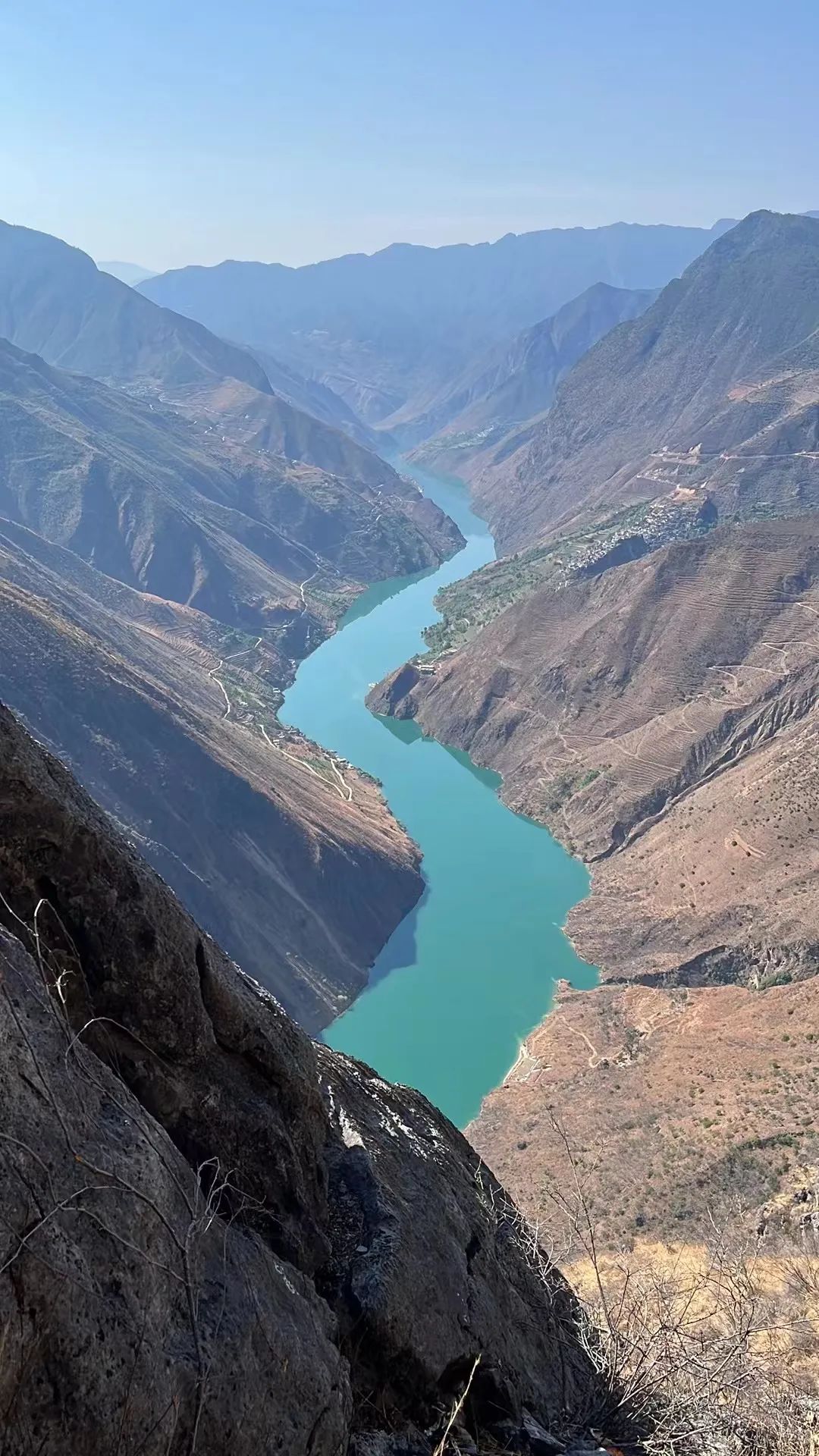
● Arriving in Stone City in early April, the mountains on both banks were bare, and the waters of the Jinsha River remained a brilliant azure.

I. Wind

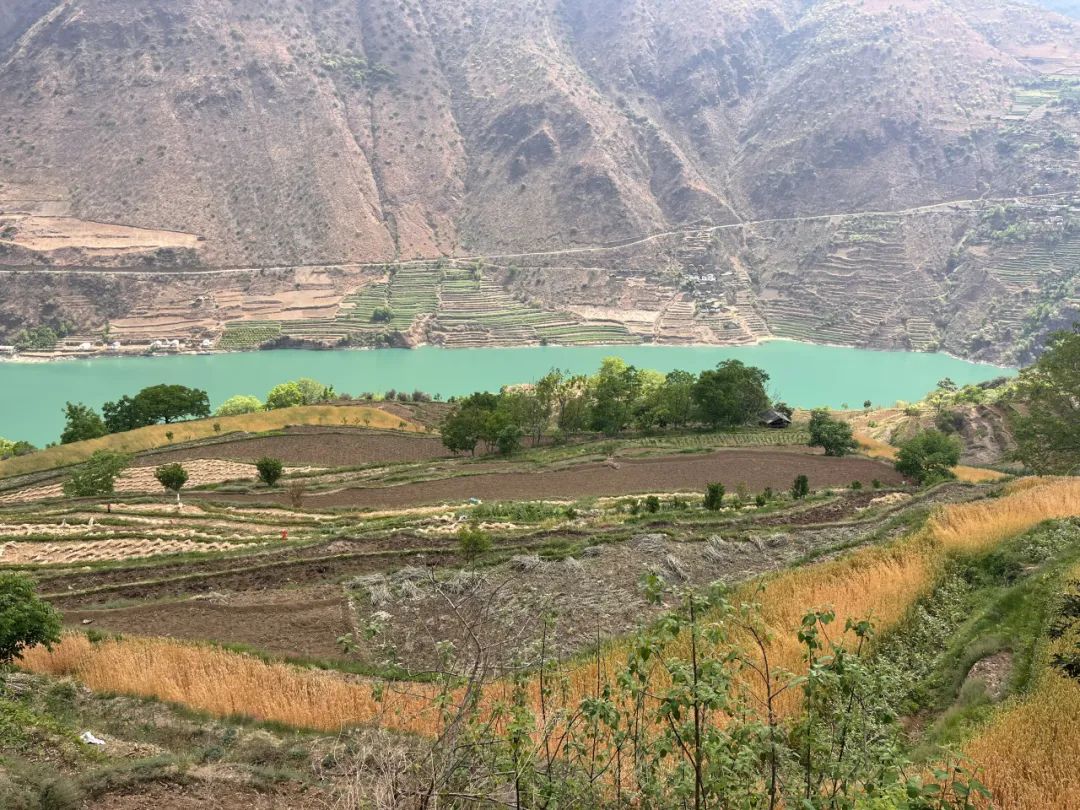
Based on the farming calendar, the year here is divided into two seasons: the Small Spring, from the tenth to the fourth lunar month, primarily for wheat; and the Large Spring, from the fifth to the ninth lunar month, primarily for maize. In late April, as the wheat ripens, farmers in the terraces begin to work intensively. Squatting low, they use sickles to cut the wheat, dry it in the field, thresh the ears, and winnow the grains, before hiring mules to carry the bags home. Once the husks and stalks are cleared, the land is flooded and ploughed once more to plant maize. The golden waves of wheat gradually give way to deep brown soil, until the tender green shoots of maize emerge. The land begins another cycle. Wheat is grown during the dry season, requiring irrigation every 15 to 20 days. The local old variety, “Tonmai”, has relatively low yields, and fewer villagers plant it now; some plots remain fallow during the Small Spring. However, almost every household still plants maize during the Large Spring to feed their pigs and chickens.

● Terraces with ripe wheat in April.

Throughout the cultivation process, apart from the use of rotary tillers for ploughing, all work in the terraces is done by hand (though some still use oxen). Without experiencing it firsthand, the hardship of growing grain on mountain terraces is almost inconceivable. I also noticed that every moment of the smallholders’ labour is inextricably linked to the weather. After the heavy winds of mid-April passed, May brought unpredictable weather. One day would be sunny, the next overcast, sometimes interrupted by short, sharp bursts of rain. Such conditions are detrimental to the wheat harvest; if the grain cannot dry, it is difficult to thresh. Once, while helping Sister Ruizhen thresh the grain, I noticed some of the stalks were bent and hard to process. She explained that strong winds during the final irrigation had caused them to lodge. While the wind was a hindrance then, it becomes essential for the final step: winnowing the grain.
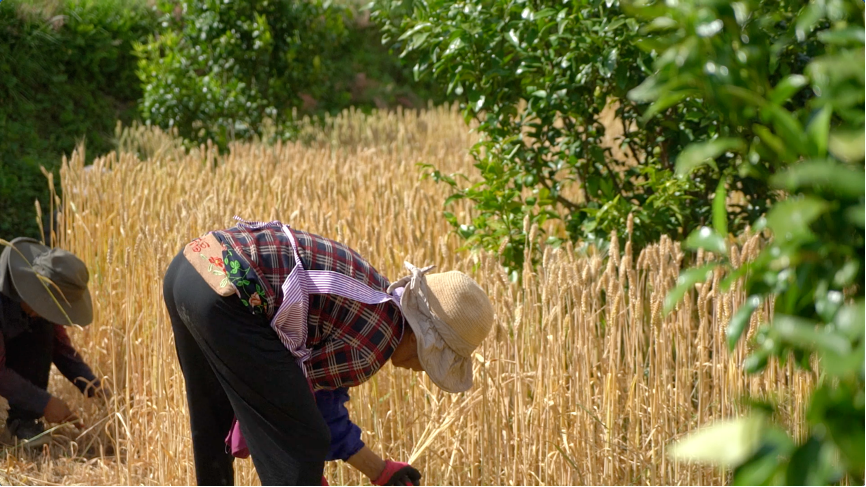
● Harvesting wheat.

Once the threshing is complete, the next task is to sift the grains from the husks and stalks—a job that can only be done when there is a breeze. The threshed grain, mixed with chaff and stalks, is piled into a small mound. A basketful is lifted high and slowly poured out in the direction of the wind, allowing the breeze to blow away the light husks and straws, while the heavier grains fall straight down, clean. In the Naxi language, this action is called “po”, meaning “letting the wind blow”, and winnowing wheat is “ze po” (where “ze” means wheat). It is a labour of patience; first, one must wait for the wind, and here, the wind is called upon by whistling. One morning, as Sister Ruizhen and I went to the fields, the sky was unnervingly still. We whistled continuously as Sister Ruizhen carried a basket of grain, wandering in search of a breeze. But the wind did not come; instead, the rain arrived. Labour, too, must obey the heavens. After a while, a bank of clouds rolled in, and finally, a breeze picked up. Once the wind arrived, the work progressed quickly. The heavy grains fell, the husks were swept away, and the golden and pale yellow grains split into two cascading curves as they descended. In that moment, by catching the wind, the hard-won harvest was finally secured.
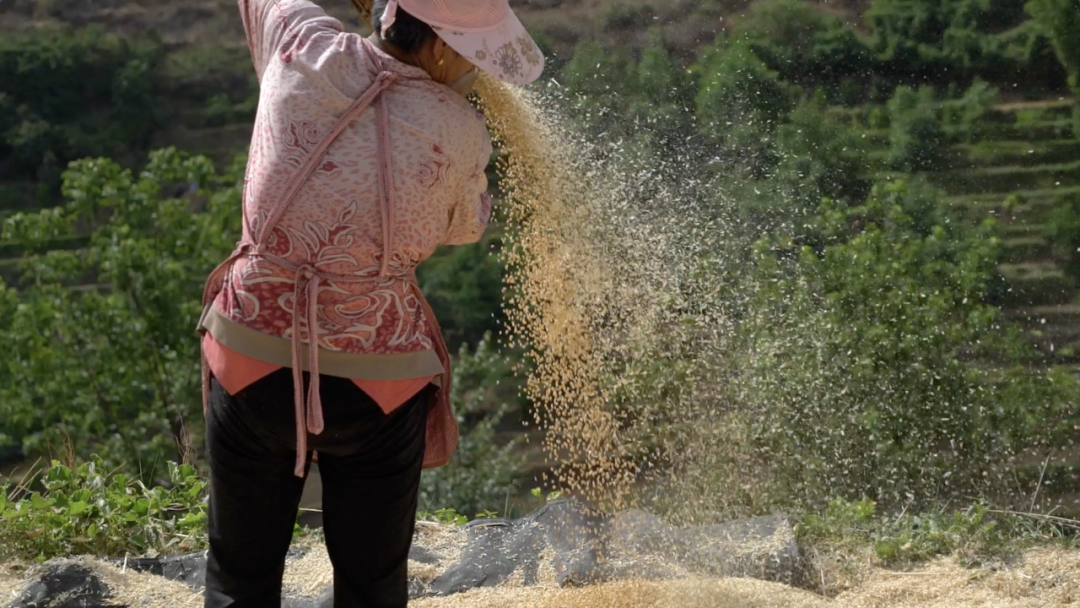
● Sister Ruizhen winnowing wheat.

II. Water

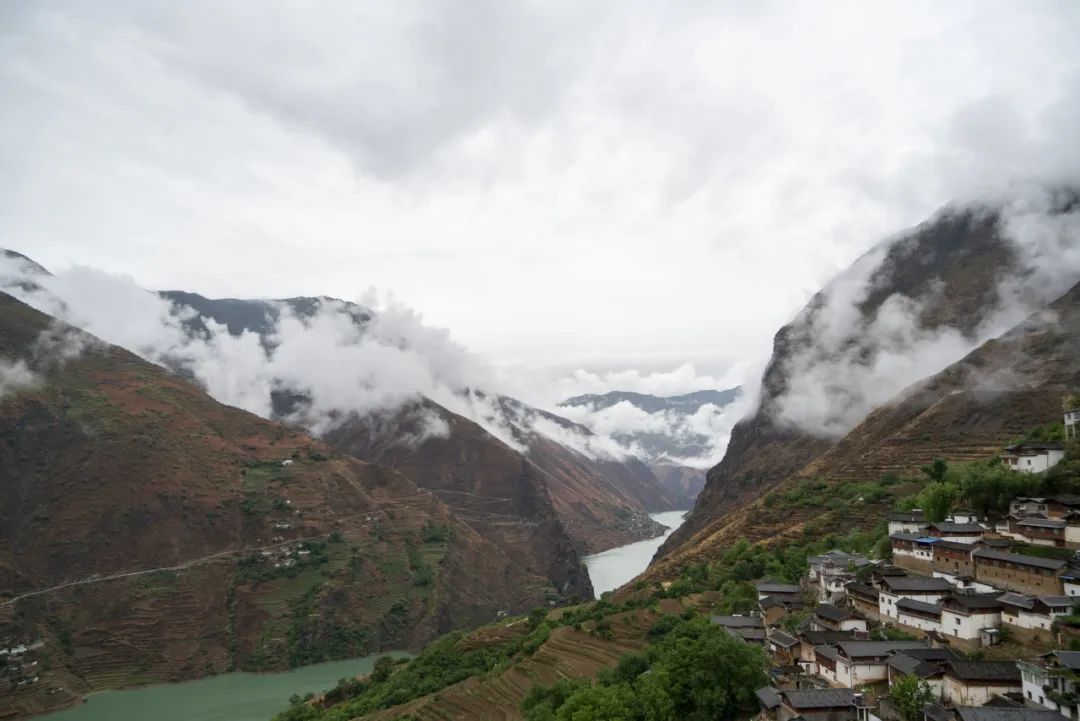
On 20 May, the day of Xiao Man, the first rain of the year finally fell on Stone City. It was the first time in over a month since my arrival that I had not seen the sun for an entire day. The rain, which began the previous night, was not the sudden, torrential downpour one associates with the rainy season, but a steady, drizzling rain, much like the rain in my home region of Jiangnan. With the rain came a welcome coolness, dissipating the searing heat of the preceding sunny days. In the morning, the clouds hung exceptionally low; those on the opposite mountain seemed to be at the same height as I was, almost within reach. The mist-shrouded valley here differs from that of Jiangnan; the clouds cling to the ridges with clear layers and distinct outlines. Even in the dampness, the landscape is concrete and defined, lacking the ethereal, hazy ambiguity of Jiangnan.
● Stone City after the first rain.

After the first rain, the termites emerged. While walking with Secretary Mu after dinner, I saw many termites scattered on the ground. To my astonishment, Secretary Mu began picking them up and eating them. He did so with great joy, remarking, “This is the taste of my childhood, with the scent of horse manure and earth.” As children, they would search for termite mounds, watching the insects crawl from the soil and catching them one by one to eat. “This,” he said, “is the taste of nostalgia.” Although I didn’t dare eat the termites, their appearance signaled the arrival of another anticipated species: the termite mushroom. As the rainy season takes hold, these mushrooms, which live symbiotically with the termite mounds, will sprout from the very spots where the termites emerged. The rain transforms the landscape profoundly, as fresh greenery spreads across the barren slopes. However, the dry-hot valley of the Jinsha River is prone to perennial drought. In recent years, perhaps influenced by global climate change, the rains have arrived later and more sparingly. Having grown up in the humid, rain-rich south, this was my first time experiencing such drought and the desperate longing for the rain to arrive.
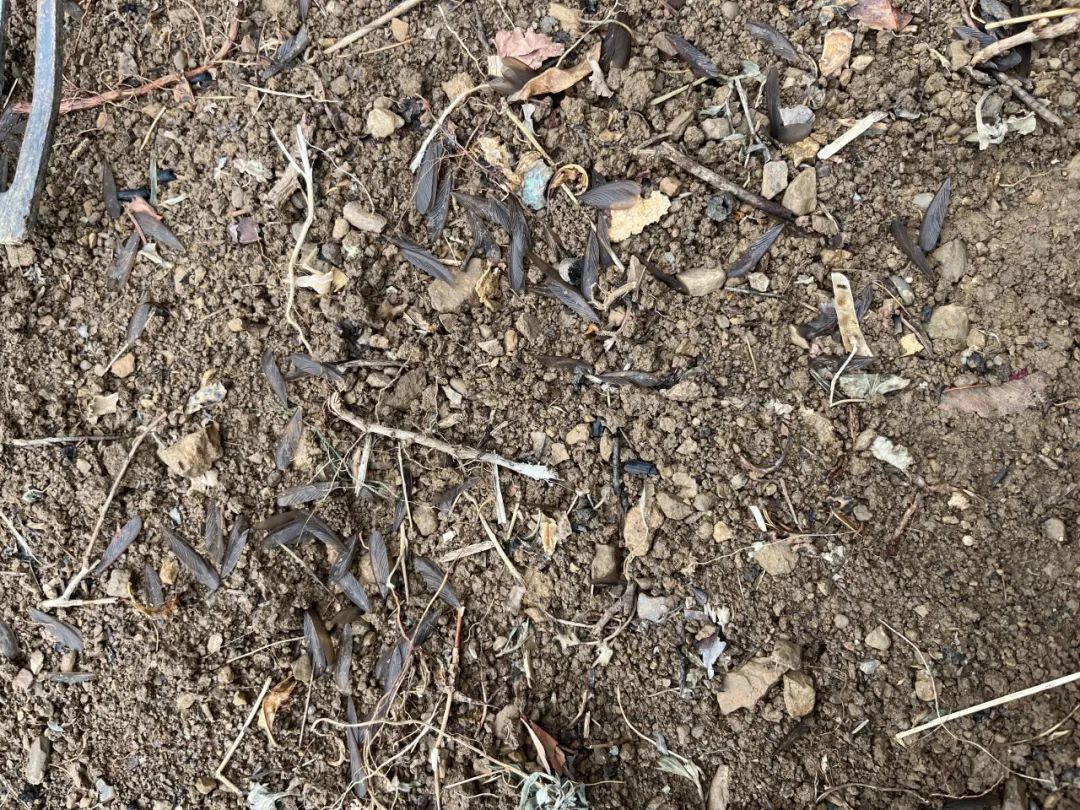
● Termite wings scattered on the soil after rain; termite mushrooms will grow nearby.

Changing alongside the rainy season are the crops in the terraces. Rice, once the staple of the Large Spring, has vanished completely from the fields. Rice requires intensive labour and near-daily irrigation during its growing period. As in many other villages, the migration of young workers for jobs elsewhere has left only the middle-aged and elderly—who can no longer manage the rigours of rice farming. Meanwhile, the construction of winding mountain roads means that people no longer need the hardship of growing their own paddy to have rice at every meal; rice from the distant northeast plains now easily reaches tables in these southwest mountains. Consequently, even though the village possesses a blessed underground water source and an ancestral irrigation system of open channels and hidden conduits connecting every terrace, the smallholders no longer need to toil day and night for the sake of rice. A few households still planted rice a few years ago, but as the acreage dwindled, birds flocked to those few remaining plots to feed. Had everyone continued to plant, the birds would have shared their feast across many fields, and the losses would not have been so great.
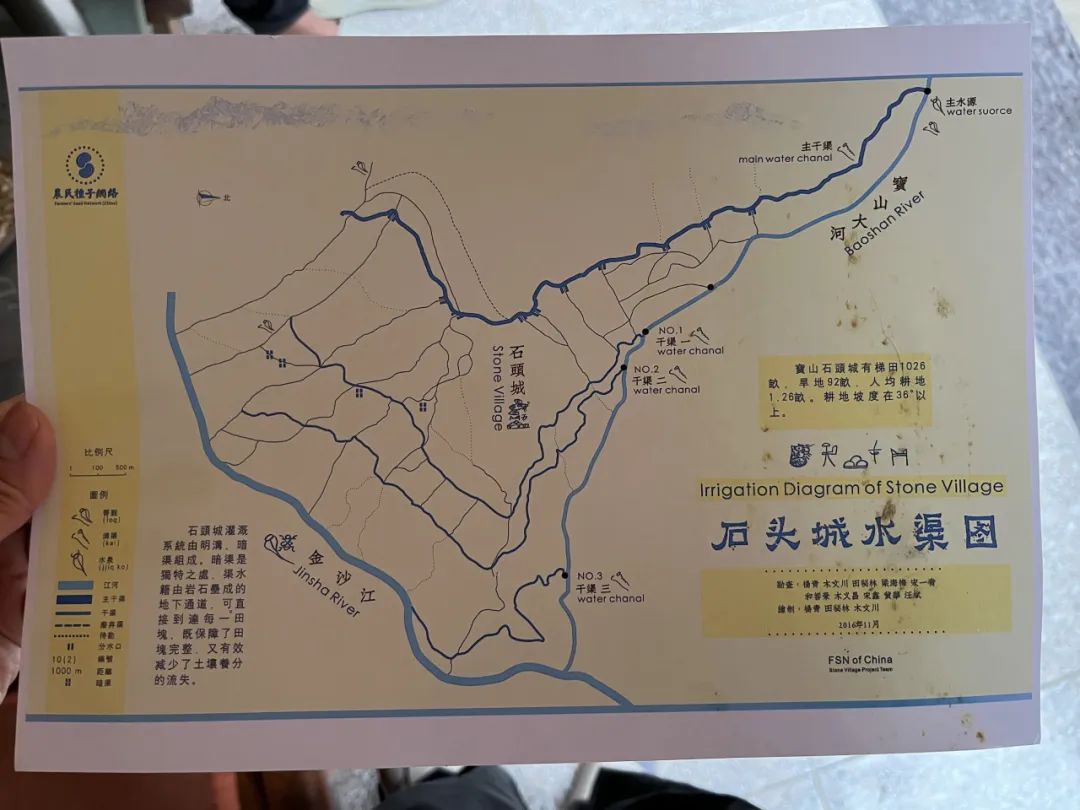
● Map of Stone City’s irrigation channels, curated by the Farmer’s Seed Network.

Sister Xiuqin spoke of the time they used to grow rice, when they often slept in the fields at night, waiting for the water to arrive in the channels. Back then, the village’s shared channels required a water manager to coordinate the flow; once the plot above was irrigated, the water was passed to the next, not a single drop to be wasted, all while keeping a lookout for water thieves. In those days, maize was only planted on terraces or slopes with poor water access, sown only after the rains began in the wet season, requiring no irrigation. Now, however, every terrace in Dachun is planted with maize. Sowing is being pushed earlier and earlier, typically taking place between the solar terms of Grain Buds and Grain Rain, with some plots already sown before Grain Buds. This year, the village did not even need a water manager to coordinate irrigation for Dachun; the surplus water, unused by the village, flowed ceaselessly into the Jinsha River.
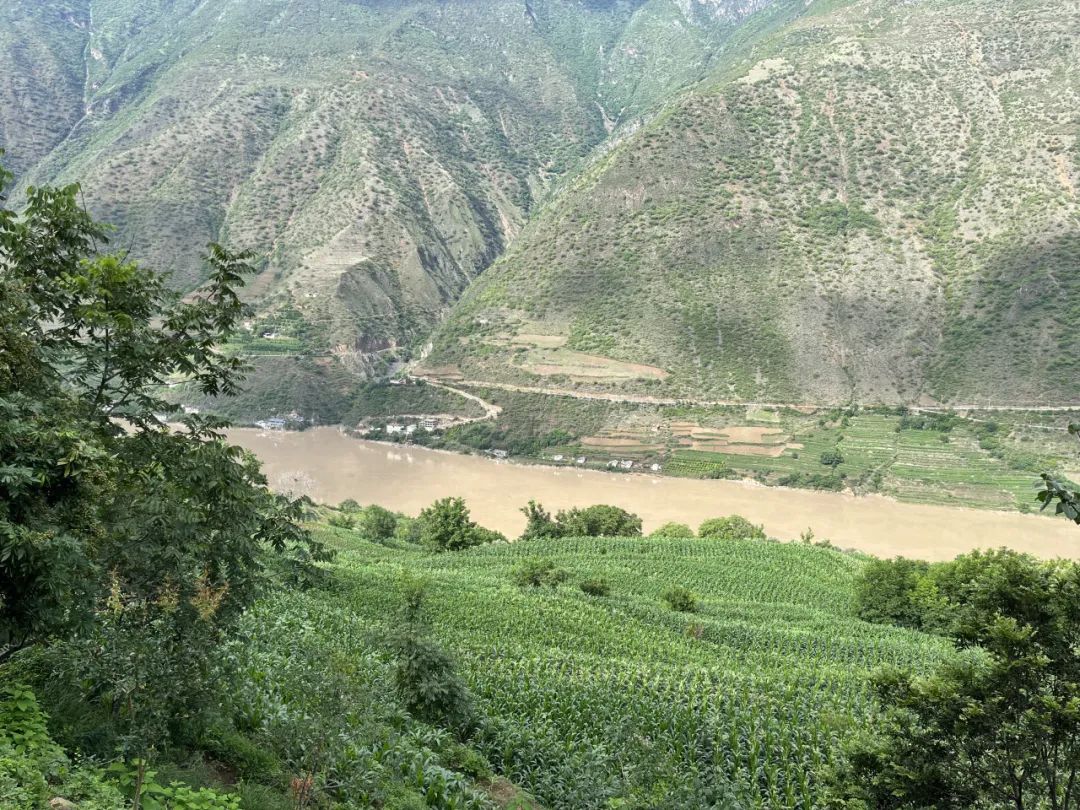
● Maize in the terraces of Dachun.

III. Intertwined Relationships: Land, Food, and People
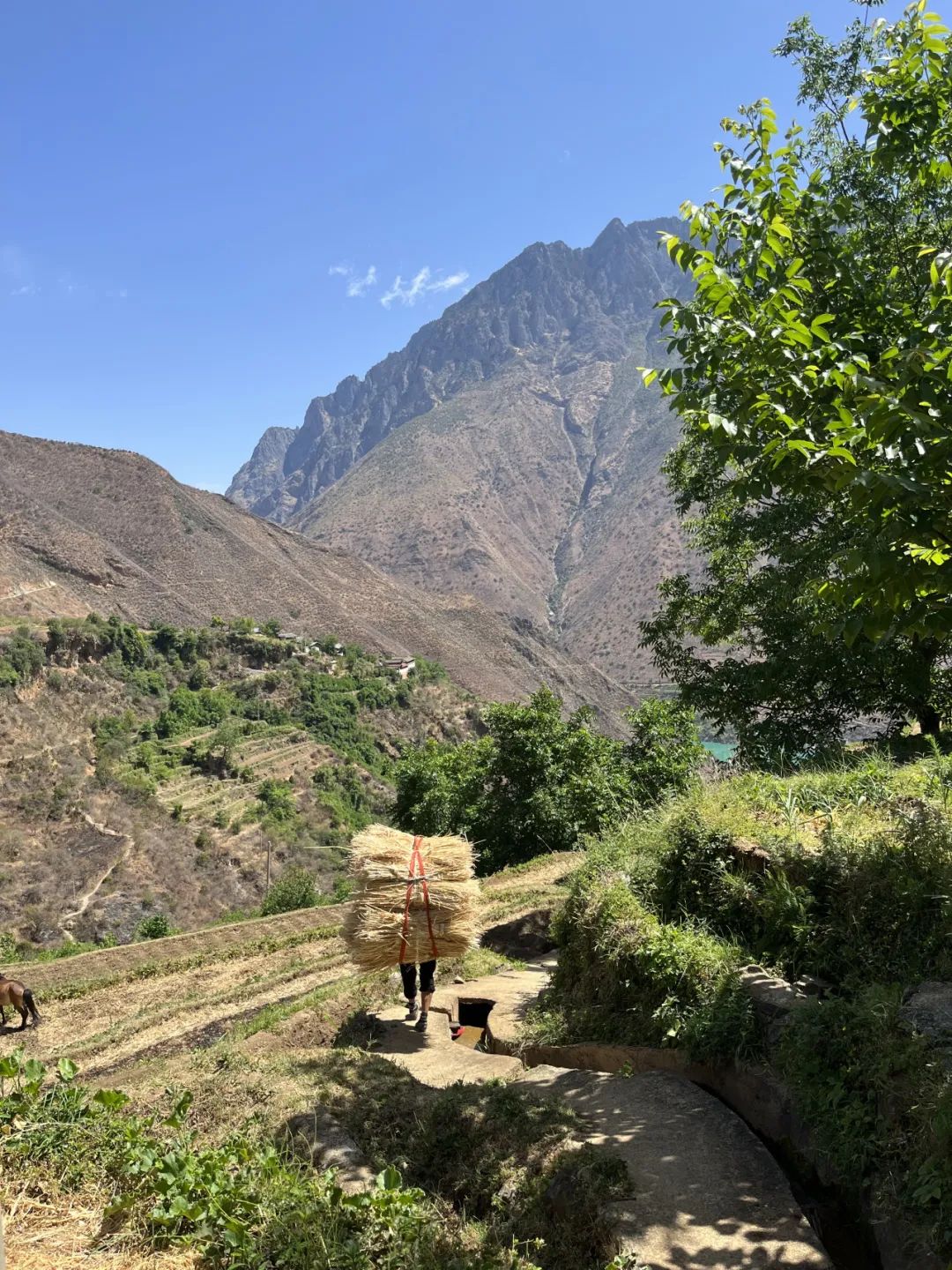
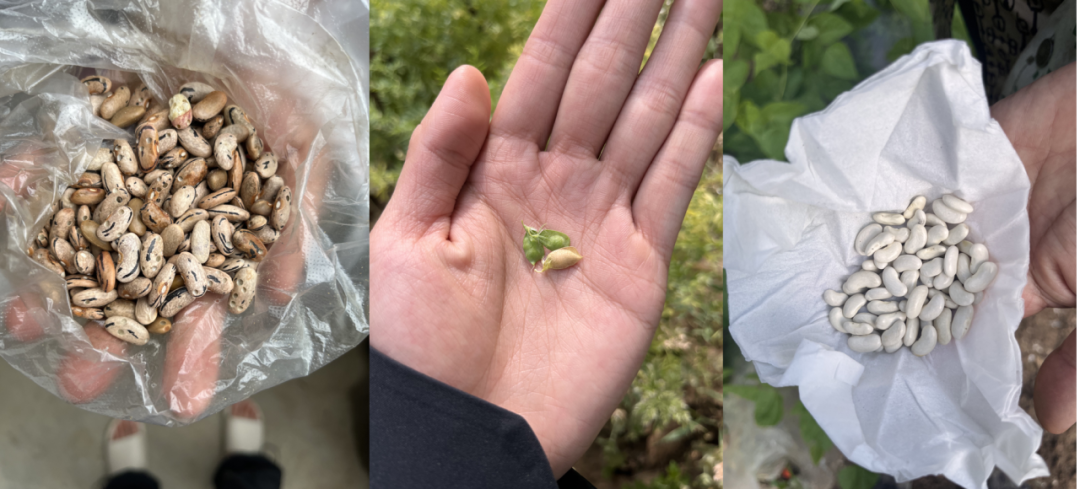
In the labour and daily rhythms of mountain life, nothing is more indispensable than the woven basket carried on the back. Every day, as people head to the fields, they carry a basket with them, returning home with it brimming full. Livestock manure is carried from the home to the fields for fertiliser, while a basket of fodder is cut and brought back every single day. Those who have lived here for generations possess a unique wisdom in cultivating these mountain slopes. Fruit trees—Wogan oranges, walnuts, pomegranates, plums, and more—are planted in the gaps between terraces, while beans or pumpkins are intercropped along the ridges of wheat and maize fields. Whether it is because the transition from nomadism to sedentary farming occurred long ago, or owing to the excellent irrigation, tables that were once dominated almost entirely by pork now feature a wider variety of vegetables. Foreign seeds have found their way into the kitchen gardens, yielding a rich bounty of cabbage, cauliflower, lettuce, sponge gourds, courgettes, and other produce. Under the pressure of these introduced varieties, some lower-yielding indigenous crops are now facing the threat of extinction. The chickpea is an ancestral local variety; ground into flour and made into chickpea jelly, it is a renowned delicacy of the Naxi people of Lijiang. However, due to its very low yield, only a handful of households in the village continue to grow it. Similarly, ancestral maize varieties were largely replaced by hybrid strains as early as the 1980s, yet a small amount of the local “Da Maya” corn persists in the kitchen gardens of the villagers.

● Straw must be carried back to feed the horses.
● Three ancestral local bean varieties: the forty-day bean, the chickpea, and the white bean.

Whether in the kitchen gardens or the grain fields, the villagers have retained the practice of saving seeds. Saving and exchanging seeds is an integral part of farming and life, woven into a social fabric of shared harvests and mutual aid. This is a true society of acquaintances, where an intricate network of familiarity binds the entire village and its neighbours across the mountains. Life here is characterised by its communal nature; among kin and neighbours, these bonds manifest as tangible, everyday acts of mutual support. During the peak of the farming season, households rally together, labouring side by side in a spirit of cooperation. And when a villager hosts a feast, it becomes a grand communal effort, with neighbours from all around stepping in to help. The village women, in particular, begin preparing the freshly slaughtered pig and other ingredients a day in advance. On the day of the event, the house is a hive of activity: some are cooking, some are serving tea and water, and others are washing dishes—everyone pitching in instinctively. While city dwellers strive to reconstruct a sense of “neighbourhood” based on sharing and mutual aid, such a relationship-centred existence has always been the norm in the village. The preservation and passing down of ancestral varieties are thus inextricably linked to the food on the table and the bonds between neighbours. A crop is grown because it is eaten; if a household lacks seeds, they simply ask a neighbour for a share of theirs. Should one family’s wheat harvest be particularly bountiful, others may exchange their own grain for some of it, ensuring the strongest seeds are saved for the following year’s sowing. These exchanges extend beyond the village, spanning the mountain settlements, where seeds from high-altitude regions are often traded for those better suited to lower elevations. In this way, seeds endure across generations, preserved within the intertwined relationships between the land, the food, and the people.
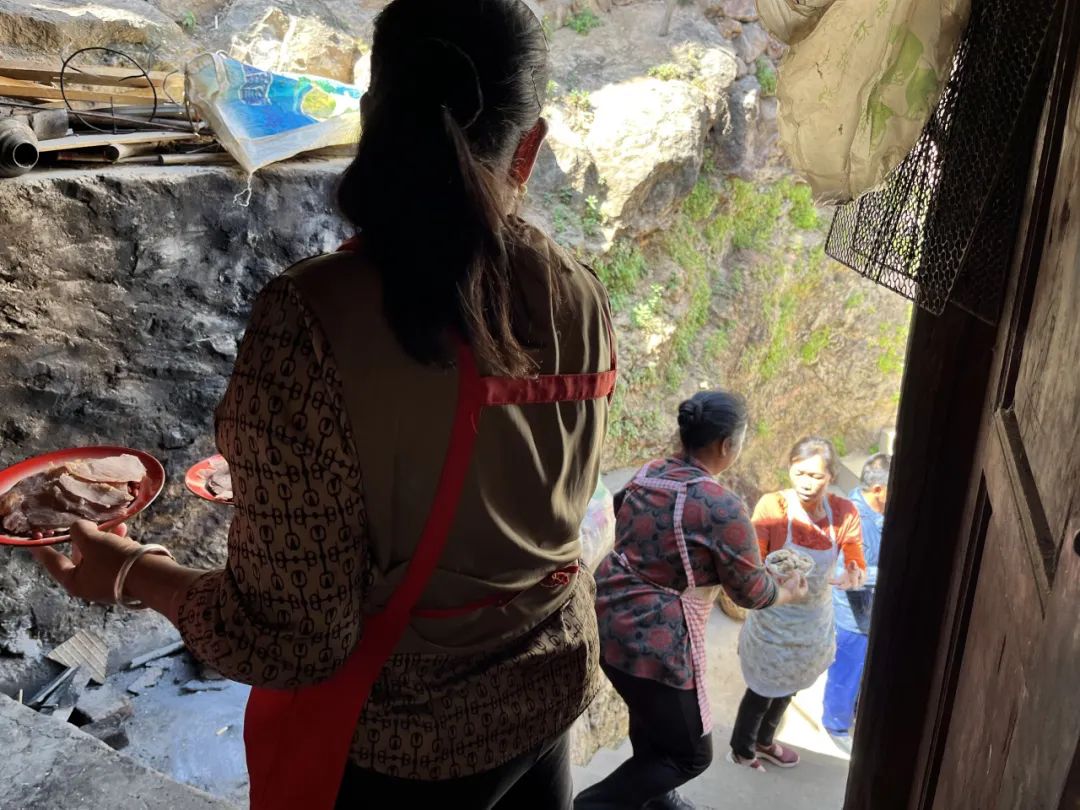
● When a villager hosts a feast, the neighbours all come to help.

Foodthink Author
Jiang Ziqi
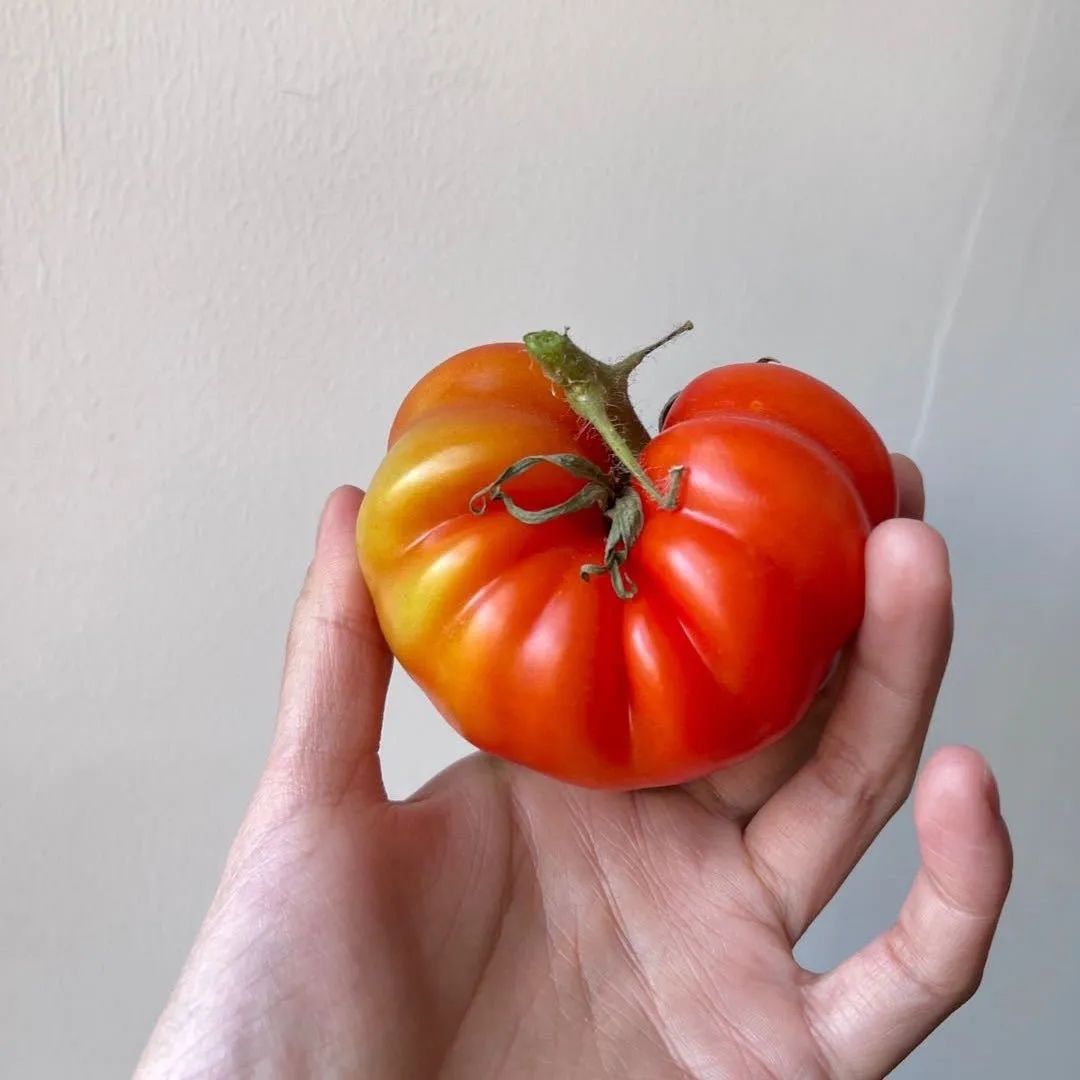
I have long engaged in art-related creation and work as a passion project, often finding myself naturally drawn to various “collectives” and groups. Over the past few years, a chance encounter with growing tomatoes on my balcony sparked an interest in agriculture, the land, and seeds, leading me to deeply value my relationships with those around me and with other species. This year, my life has extended from Hangzhou to Yunnan and Hong Kong, where I am learning from people of diverse backgrounds. I hope that, in time, I can lead a life truly rooted in the earth—farming the land, learning from it, and drawing sustenance from it. 

What are the views on the universe, nature, and life held by the villagers of Stone City?

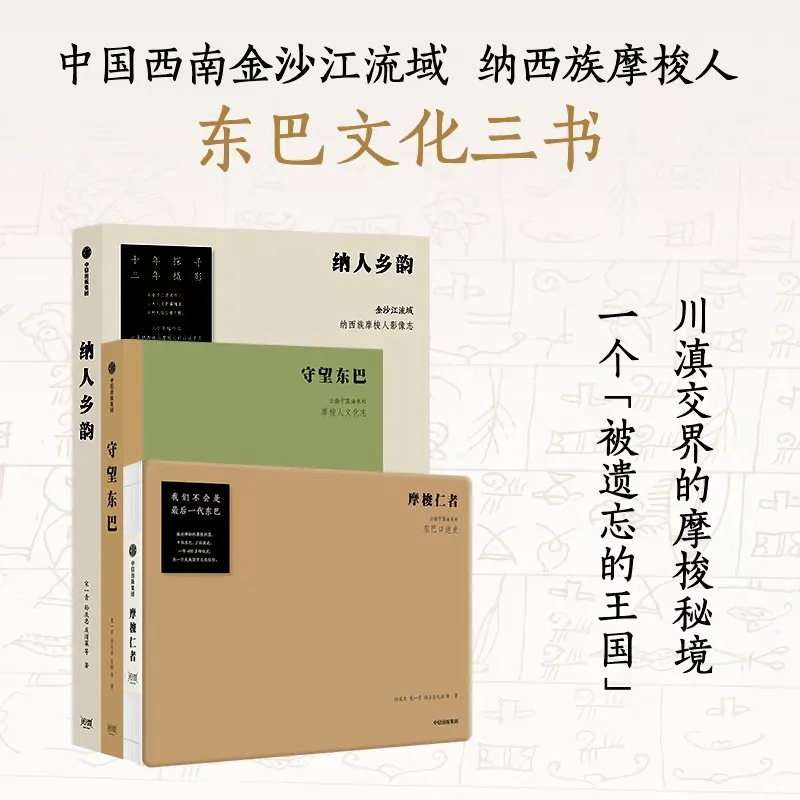
Click the image to purchase the “Three Books of Dongba Culture”

Discover the culture of the Naxi people
About the Agroecology Internship Programme

Launched by Foodthink in 2021, the “Agroecology Internship Programme” aims to support young people aspiring to work in agroecology and established ecological farms. It enables youth to acquire farming knowledge and techniques through practice, while ensuring that the wisdom and experience of veteran farmers are documented and passed on. Simultaneously, it provides farms with skilled talent, breathing new life into rural communities. To date, three recruitment cycles have been completed, supporting over 60 participants in internships lasting from three months to a year across more than ten ecological farms nationwide.
Unless otherwise noted, all illustrations in this article were taken by the author
Edited by Guan Qi and Mei Ying