
Kicking Coca-Cola out of the Olympics? The full story of the multi-billion sponsorship boycott
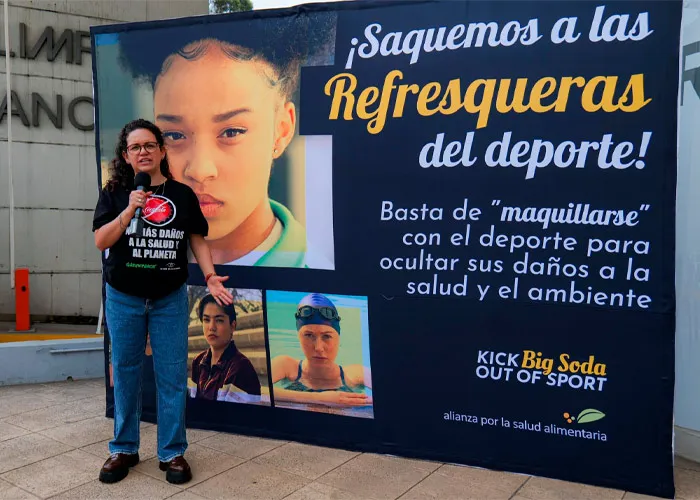
The initiative claims that “Big Soda”—represented by industry giants like Coca-Cola and Pepsi—uses the sponsorship of major sporting events to link its brands with the thrill of competitive sport and beloved athletes. In reality, however, the sugar-sweetened beverages they produce are detrimental to both our health and the environment.
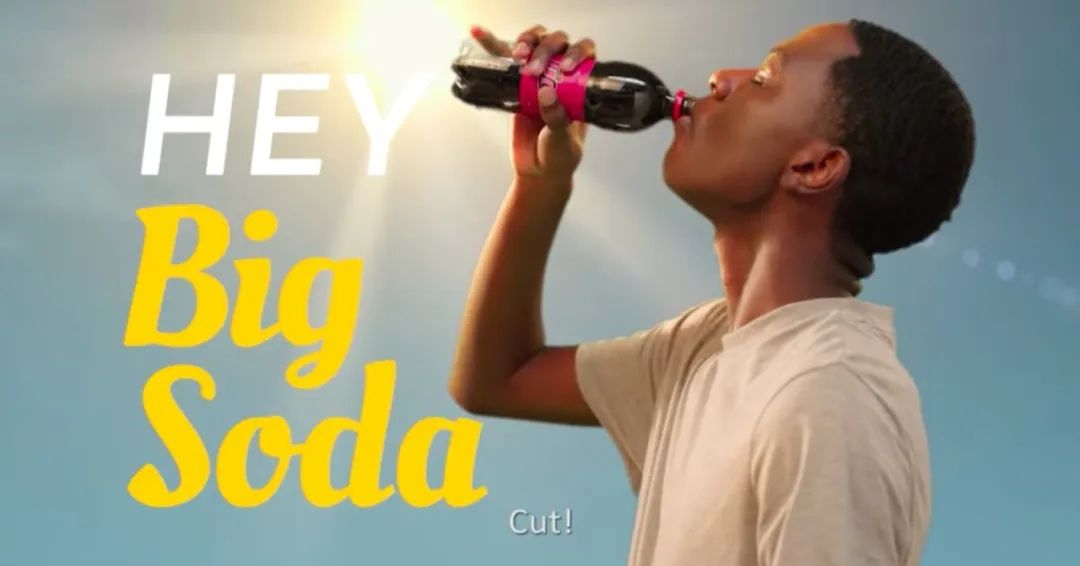
In the campaign’s promotional video, a young person spits out a mouthful of cola and shouts: “Hey, Big Soda! I’m not buying this sportswashing!” The initiative calls on the International Olympic Committee to terminate its sponsorship contract with The Coca-Cola Company and partner only with brands that align with the traditional values of the Olympics.
I.“Big Soda”: The New Tobacco?
Around 2010, the concept of “Big Soda” was introduced by the media and various health and environmental NGOs. Modelling it after terms like “Big Oil” and “Big Tobacco”, the phrase emphasises the dangers of sugar-sweetened beverages (SSBs) such as those produced by Coca-Cola, while warning against the immense commercial and political lobbying power of these soft drink giants.
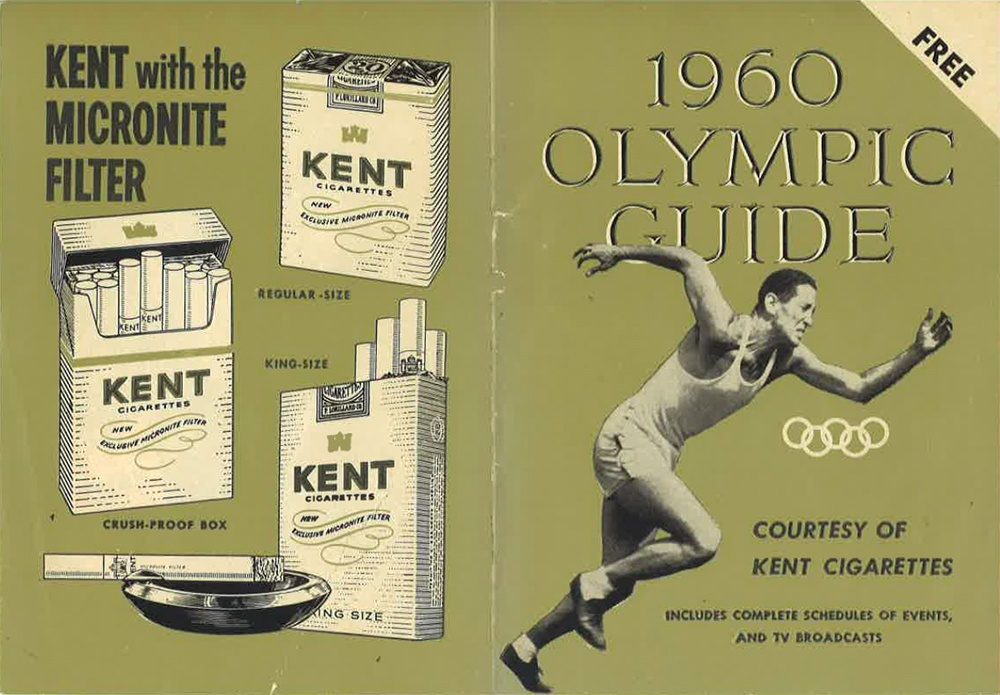
Among the various challenges mounted against “Big Soda” in recent years, the “Kick Big Soda Out of Sport” initiative targeting Olympic sponsorship is undoubtedly the most high-profile. This brings to mind the former anti-tobacco movements and the eventual exit of tobacco advertising from sporting events. In 1988, following years of global anti-smoking advocacy, the Canadian Winter Olympics became the first to refuse sponsorship from tobacco companies, marking the end of tobacco advertising on the Olympic stage.
“Carbonated drinks are the new cigarettes for young people.” So wrote Chris Van Tulleken, an infectious diseases doctor at University College London Hospitals and author of *Ultra-Processed People*, in his column for the *Daily Mail*. He argues that Coca-Cola should be banned from sponsoring the Olympics, just as cigarette giants were in the past.
This is precisely what the “Kick Big Soda Out of Sport” initiative aims for. In a post on 31 July, they wrote: “Hey Big Soda, remember when Big Tobacco was kicked out of sports sponsorship? You’re next. Game over. Get your sugary drinks out of the sporting world.”
As of 5 August, more than 100,000 people have signed the initiative, and over 70 organisations have become partners, including renowned health institutions such as the Center for Science in the Public Interest (CSPI), the NCD Alliance (NCDA), and Resolve to Save Lives (RSTL).
In a statement, the Center for Science in the Public Interest said that having Coca-Cola sponsor the world’s largest and most important sporting event is highly controversial, noting that “athletes from around the world train for years to reach their peak for the Olympic season; their strength, endurance, and stamina clearly do not come from fizzy drinks.”
II. Why is “Big Soda” so keen on securing endorsements from the sports industry?
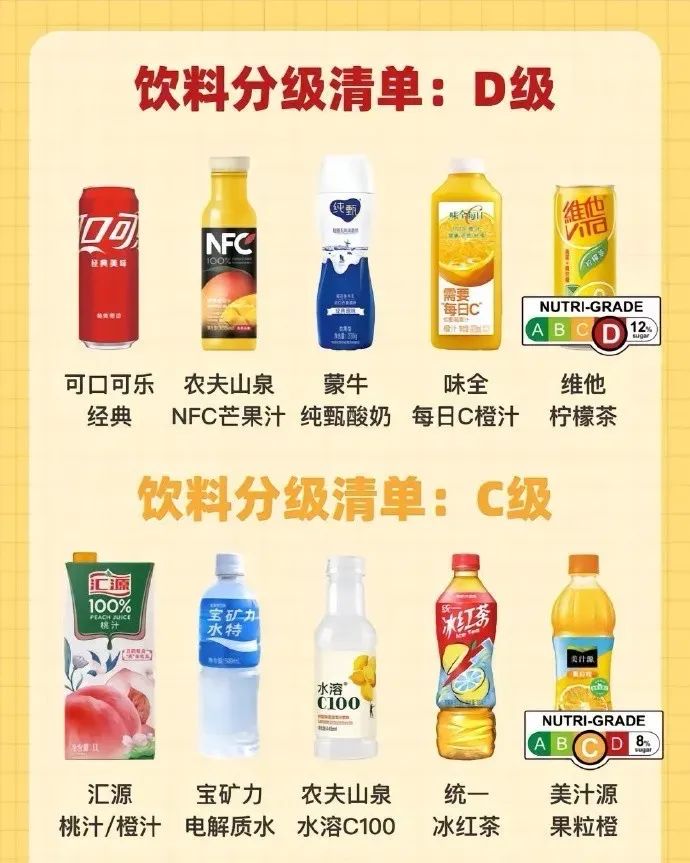
A growing body of scientific research shows that the consumption of sugar-sweetened beverages, such as cola, significantly contributes to the rise of obesity, type 2 diabetes, and cardiovascular diseases worldwide. A 2013 study examined the link between soft drink consumption and overweight, obesity, and type 2 diabetes across 75 countries. The results showed that, holding diet, income, urbanisation, and age constant, every 1% increase in soft drink intake resulted in an additional 3 overweight, 2.3 obese, and 0.3 diabetic individuals per hundred adults.
Faced with this conclusive scientific evidence, the savvy companies of “Big Soda” choose to use sporting events to mask the health hazards of sugar-sweetened beverages.
A 2018 paper in the journal *BMC Public Health* pointed out that when people are exposed to the promotion of unhealthy food brands while watching sports, they are more likely to associate the event with the brand. Further research found that when a food product is endorsed by professional athletes, parents perceive it as healthier and are therefore more likely to buy it.
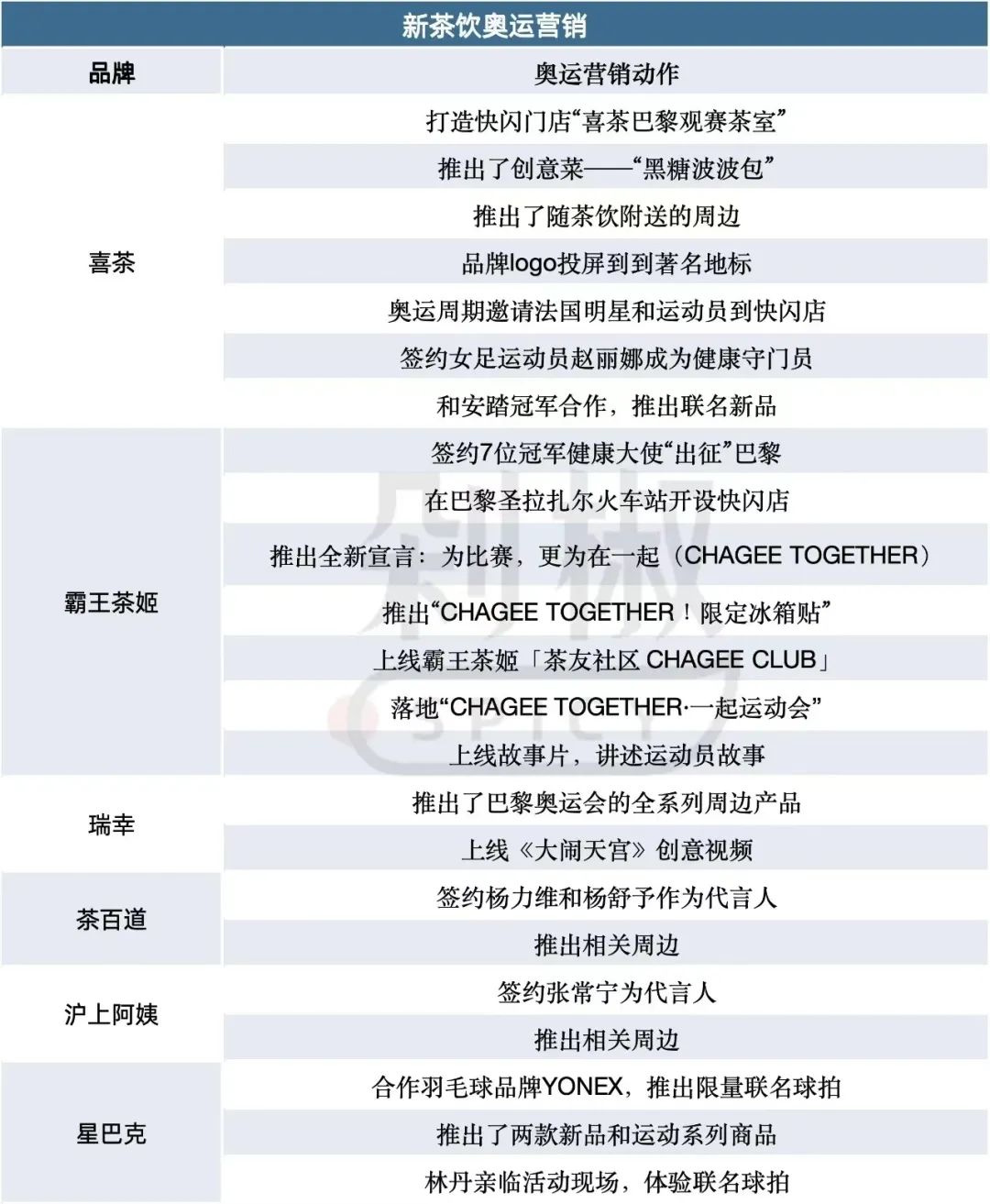
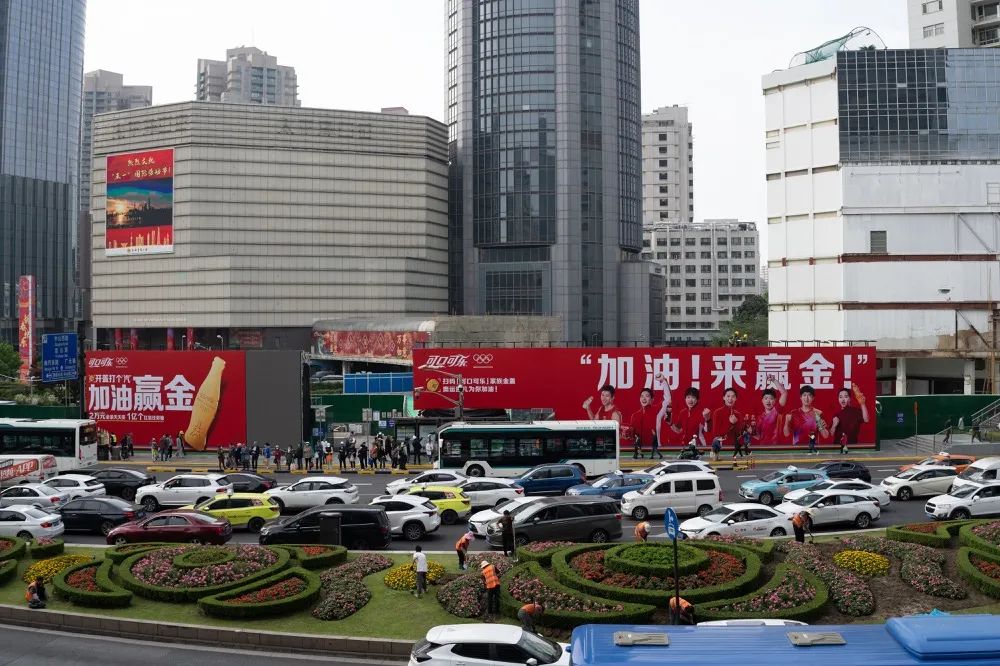
This is exactly the strategy used by The Coca-Cola Company. On its official website, Coca-Cola claims: “We love supporting the things our consumers care about. Our consumers tell us they are passionate about sport, especially the world’s premier sporting event, the Olympics.” From sponsoring the Summer Olympics in Amsterdam in 1928 to its current contract, which is set to end in 2032, Coca-Cola’s partnership with the Olympics will span over a century.
According to the marketing news site Marketing Brew, Coca-Cola surged to become the brand that sponsors the most sporting events in 2023, even surpassing Nike, with an investment in advertising and marketing of approximately $5 billion.
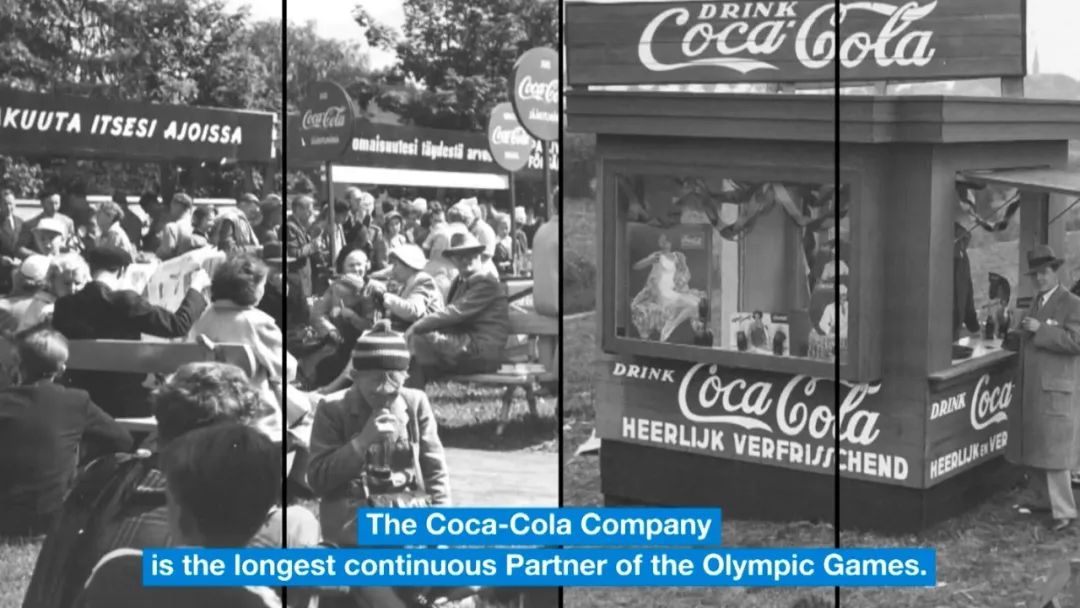
The benefits of the partnership between “beverage giants” and sporting events are clear.
Surveys indicate that viewers in the US during the 2008 Olympics had a higher brand awareness of those that spent the most on sponsorship, such as Coca-Cola and McDonald’s. During the 2014 World Cup, Coca-Cola’s Facebook following grew by 2.5 million, surpassing all other sponsors. During the 2018 FIFA World Cup, the three most popular adverts were all from soft drink brands: Pepsi, Gatorade (a PepsiCo brand), and Coca-Cola.
Beyond sponsoring top international sporting events and teams, “beverage giants” invest heavily each year in recruiting elite sports stars as brand ambassadors. According to Bloomberg Businessweek, in 2010, food and drink were the second most common endorsement categories for the 100 most influential athletes, trailing only sports equipment and apparel.
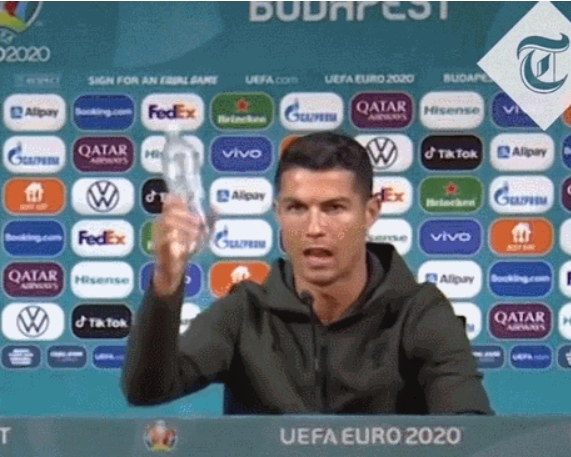
However, elite athletes aware of the harms of sugary drinks have begun to say “no” to these “beverage giants”. In 2020, during a press conference for the European Championship, the renowned footballer Cristiano Ronaldo pushed aside two bottles of Coca-Cola, held up a bottle of water, and simply said, “Drink water”.
III. “Beverage Giants” and Environmental Justice
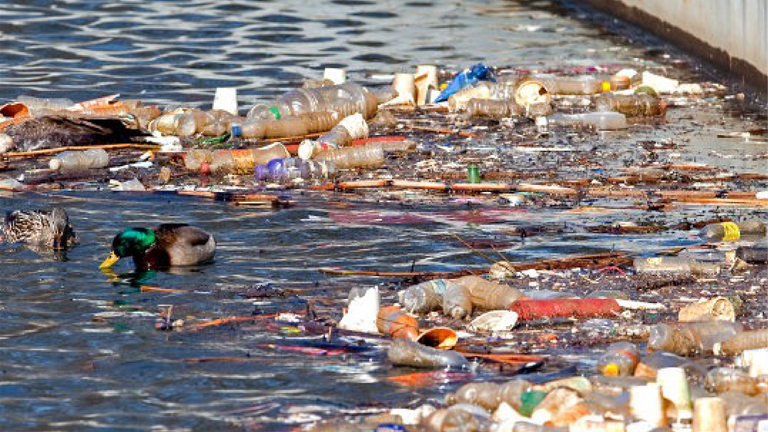
According to a Greenpeace (Greenpeace) report last year, the Coca-Cola Company alone produces 100 billion single-use plastic bottles annually, many of which end up in landfills and oceans. “Coca-Cola’s iconic red bottle is increasingly becoming a symbol of environmental harm.”
Also in 2023, The New York Times reported on plastic pollution in the Buffalo River in New York State, much of which consisted of PepsiCo products, including the well-known Pepsi and Lay’s crisps.
In 2014, Bart J. Elmore, Professor of World Environmental History at Ohio State University, published “Citizen Coke: The Making of Coca-Cola Capitalism” (Citizen Coke: The Making of Coca-Cola Capitalism), which details how Coca-Cola utilised a specific business model to establish a vast cola supply chain at low cost.
The Coca-Cola Company sells only the syrup, leaving distributors worldwide to add the water to create the final product. This allows the company to relentlessly extract various natural and public resources, including water and transport, sparking fierce resistance in water-stressed, impoverished regions such as Saudi Arabia and India.
The good news is that governments in several countries have begun to limit the damage “beverage giants” inflict on public health and the environment—currently, countries such as France, Hungary, and Malaysia, along with some US states and cities, have already introduced soda taxes. However, the influence of beverage industry lobbyists remains significant.
In 2012, then-Mayor of New York City Michael Bloomberg supported a motion to limit the sale of sugary drinks, proposing that soft drinks sold in restaurants, cinemas, and sports venues be capped at 470 millilitres. This move was opposed by beverage companies such as PepsiCo, restaurants, and several civil rights groups funded by these industry giants. In 2013, the New York State Supreme Court struck down the motion, citing a lack of legal basis.
An article on the Advertising Age (Advertising Age) website in 2016 noted that the tactics used by “beverage giants” to combat anti-fizzy drink legislation mirror those employed by tobacco and alcohol giants for years. That same year, the American Journal of Preventive Medicine reported that Coca-Cola and PepsiCo had funded at least 96 health-related organisations, noting that “soda giants establish links with health organisations to build a positive image for their brands.”
– Proposal –
Dear International Olympic Committee:
Sugary drinks harm both people and the planet. By accepting billions of dollars in sponsorship from Coca-Cola, the International Olympic Committee (IOC) tacitly endorses a world where health and environmental damage are “sportwashed”, undermining the commitment to creating a better world through sport. The primary harms include the following:
◉ Health Hazards
Sugary drinks are a primary driver of the rising incidence of obesity, type 2 diabetes, and heart disease. While Coca-Cola continues its sponsorship, how does the IOC intend to fulfil its commitment to the WHO to promote a healthy society through sport, advance Sustainable Development Goal 3 (“Good Health and Well-being”), and prevent non-communicable diseases?
◉ Environmental Destruction
Plastic pollution, carbon emissions, and water depletion are critical global issues and key drivers of the climate crisis. While Coca-Cola continues its sponsorship, how does the IOC intend to fulfil its commitment to the Paris Agreement?
◉ Advertising Targeting Our Next Generation
Exposure to the marketing of unhealthy foods is a major risk factor for childhood obesity. While Coca-Cola continues its sponsorship, how does the IOC intend to protect children from the marketing of unhealthy products, while simultaneously honouring its commitment to youth fitness and health?
As the leader of the Olympic movement and the guardian of its values, the IOC has a responsibility to prioritise the health and well-being of humanity and the planet over the corporate interests of beverage giants.
1. Terminate Coca-Cola’s sponsorship of the Olympics.
2. Commit to no longer accepting sponsorship from companies that harm public health and the environment.
3. Accept sponsorship from companies that truly align with Olympic values, such as those promoting health and sustainability.
By kicking “beverage giants” out of the Olympics, the IOC will demonstrate to the world that it is not merely talking about these values, but is truly dedicated to making the world a better place through sport.

Edited by Zeen