
Three months of rain: A lesson in being at the mercy of the elements
Foodthink Says
Under the shadow of climate change, the increase in extreme weather is an indisputable fact. As farmers, one can only “do all that is humanly possible” beyond the influence of “heaven” to hold onto hope. Now that the rain has paused, it is time to tidy the land and rebuild confidence. Foodthink wishes to take this opportunity to send our best wishes to our farming friends.
As a complete novice, I wanted to know: if the yield using conventional methods was a thousand mu, how many mu could I expect without chemical fertilisers or pesticides? Was there a guaranteed minimum?
At the time, I thought the people answering were just using “depends on heaven” as an excuse.
Fearless in my ignorance, I wasn’t deterred and rented the land anyway. My two years in Taiwan were smooth sailing, and the harvests were good—even better than those of the experienced farmers who also avoided chemicals. It wasn’t until I came to Evil Person’s Valley that Old Man Heaven taught me a lesson, and I began to understand what “depends on heaven” truly meant.
I. Onions: A “Successful” Failure
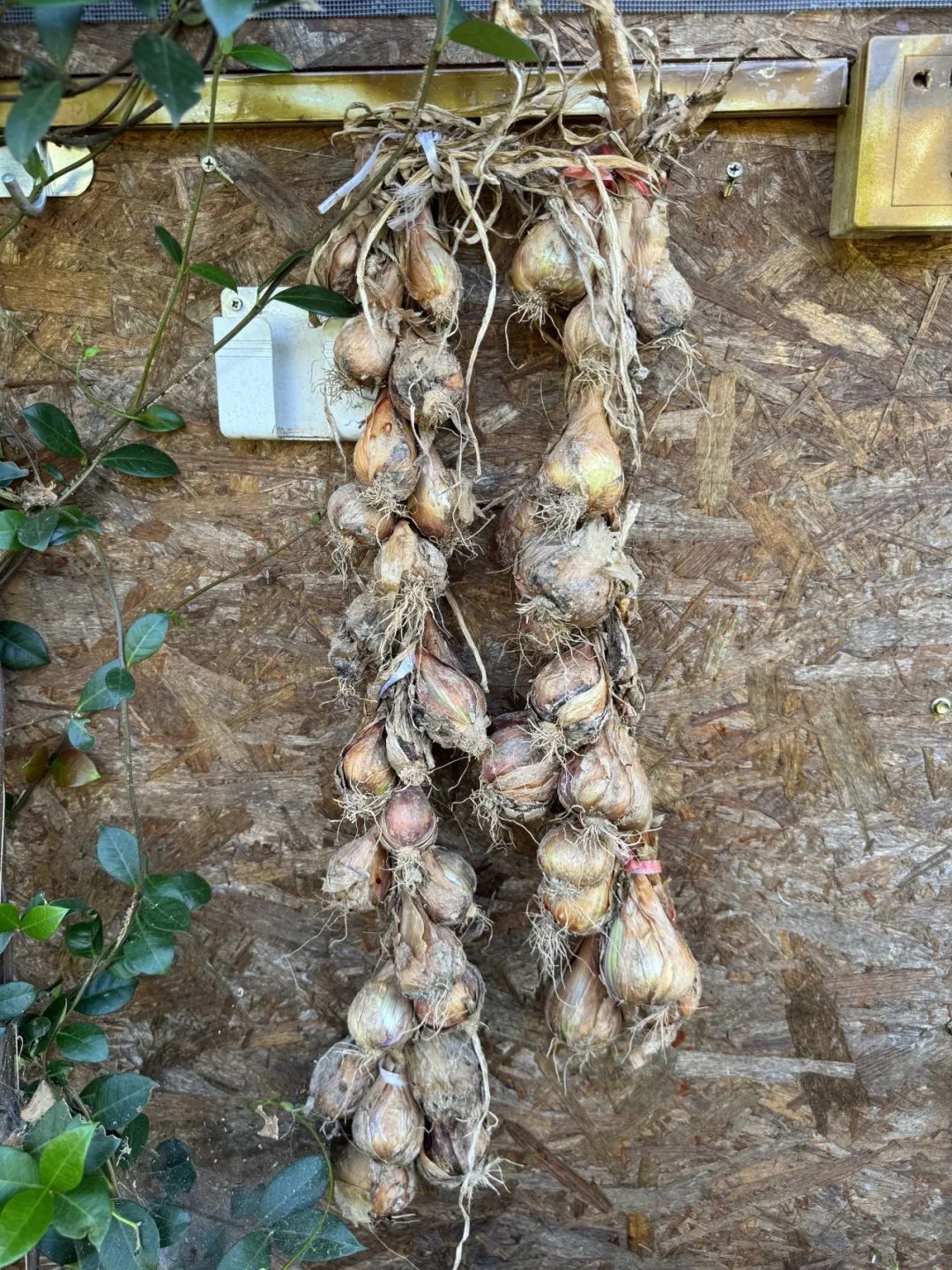
On 31 May, I harvested the onions; the entire yield is shown in the photo. I have “successfully” failed once again. Using the word “successful” is not an act of self-delusion: it is because I have successfully proven that onions *can* be grown in Evil Person’s Valley.
In the pursuit of total self-sufficiency, the ideal is to grow everything you wish to eat. However, some varieties are known in theory to be impossible to grow—apples, for example, as they require a cold dormancy period to flower and fruit, and the local area lacks sufficient cold accumulation. Others require a practical attempt before one gives up, such as legumes and walnuts. Onions fell into the category of those yet to be verified; they are sold locally, but no one grows them. Seeing that the specialty of Pingtung at the southern tip of Taiwan is onions—a place far hotter than Fujian—I felt that “this could work”.
Last November, I ordered two hundred seedlings online and planted them in sandy soil suitable for onions. The survival rate was good, and I felt very confident about my self-sufficiency. When I returned after the New Year, the onion seedlings were growing well. I would often pinch off some of the lush leaves to eat as spring onions; they were indistinguishable from the real thing, and the taste was perfectly convincing.
Then came the darkest hour for Evil Person’s Valley. The rain this year has been exceptionally persistent; a long rainy season began in March and has continued until now. Days without rain can be counted on one hand, and sunny days are even rarer.
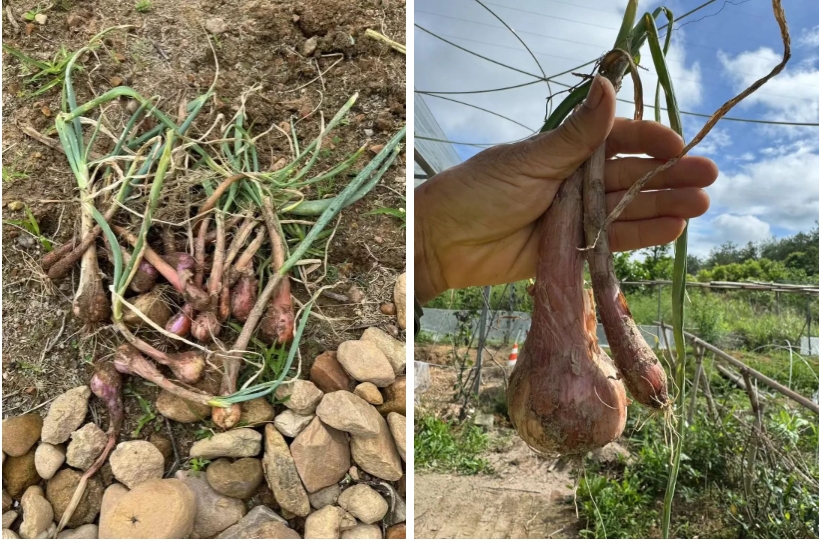
Onions hate waterlogging. Although that plot of land drains well, it couldn’t withstand the heavens pouring down incessantly; the soil moisture content became comparable to a paddy field. I watched as the onions in the field rotted as they grew, vanishing into nothingness amidst the endless rain. Of course, a few “tough ones” managed to survive, but they were far from covering the cost of the seedlings.
II. Winter Wheat: Not a Single Grain
My idea to plant wheat also came from Taiwan; although it is hotter there, many people grow winter wheat. In May 2022, I spotted a solitary wheat plant by the roadside. I gave it a squeeze and found hard grains. Local friends suggested they might have fallen from a feed truck or been bait in old rodenticides that sprouted after rain. Regardless, it proved that wheat could head and set seed here.
My first trial was at the end of 2022, on 2 December, just before the temperature dropped. Planting wheat here cannot follow the traditional solar terms; it depends entirely on the weather. You can only sow once the maximum temperature drops below 15 degrees Celsius, otherwise the sprouts grow uncontrollably.
That first time, I didn’t use proper wheat seeds, but grains used for sprouting to make malt sugar. Strictly speaking, it was just a trial, but the harvest was decent—around twenty-odd mu. Full of confidence, I asked someone to buy proper seeds early in 2023, prepared the soil moisture, and planted the wheat with great care.
The temperature drop in 2023 arrived a little later than in 2022, and I sowed on 11 December. This time, the preparation paid off and the seeds germinated well. While visiting my old home in Shandong during the Spring Festival, I felt a surge of excitement seeing photos sent by my neighbour. Upon my return, the first thing I did was check the seedlings by torchlight. The ground was a lush green—not just wheat seedlings, but my dream of flour self-sufficiency.
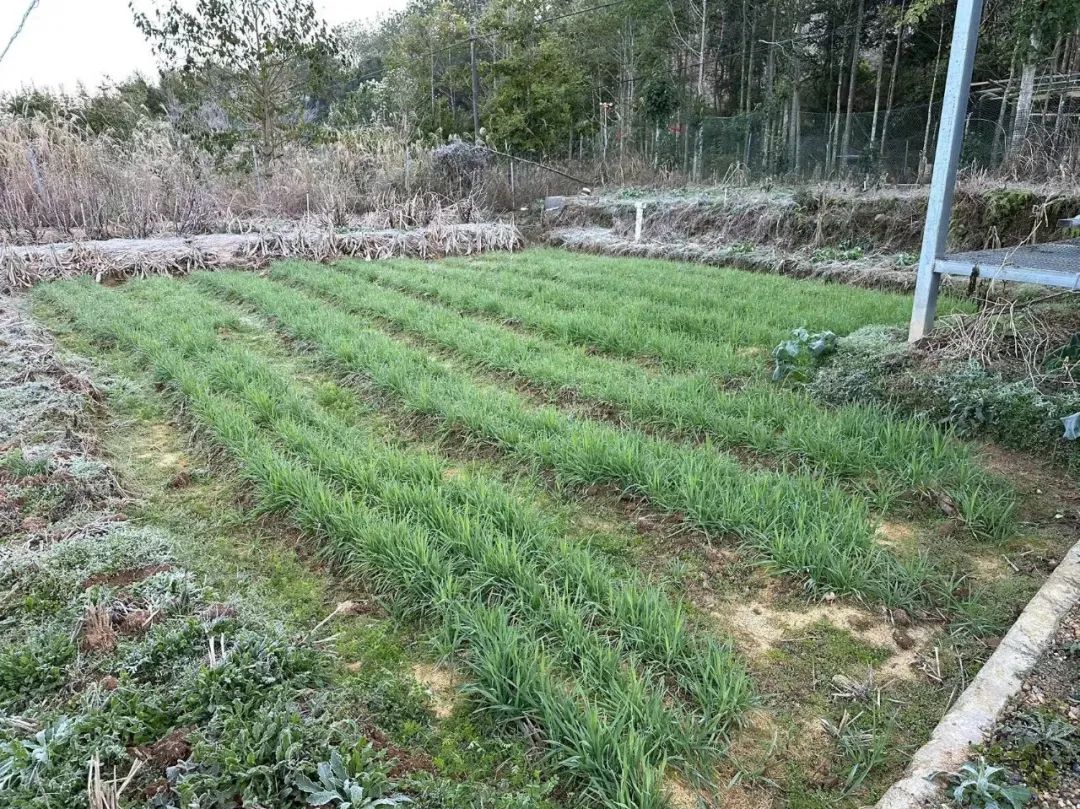
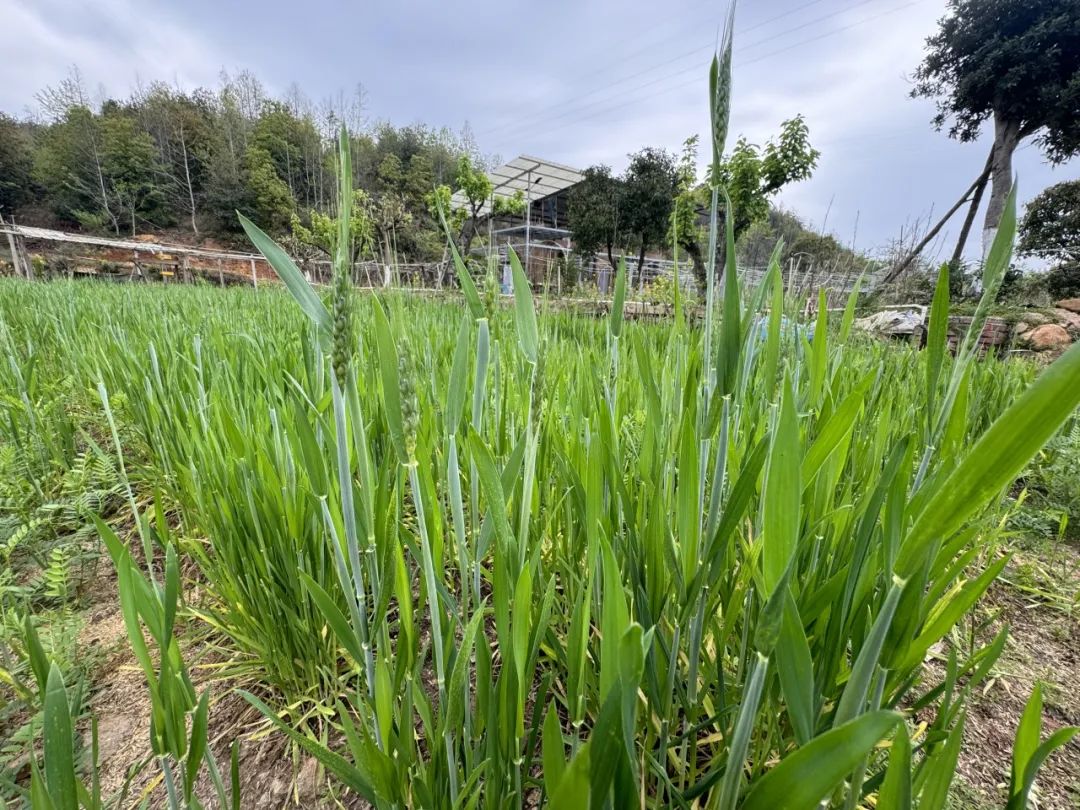
Under my hopeful and attentive gaze, the wheat seedlings across the garden turned green, tillered, and began to head. When I snapped a photo of the first ear of wheat, I couldn’t resist showing it off on social media. I was already dreaming—dreaming of a harvest of golden waves of grain—and could almost see the steamed buns, bread, and pizzas… a carbohydrate army marching towards me.
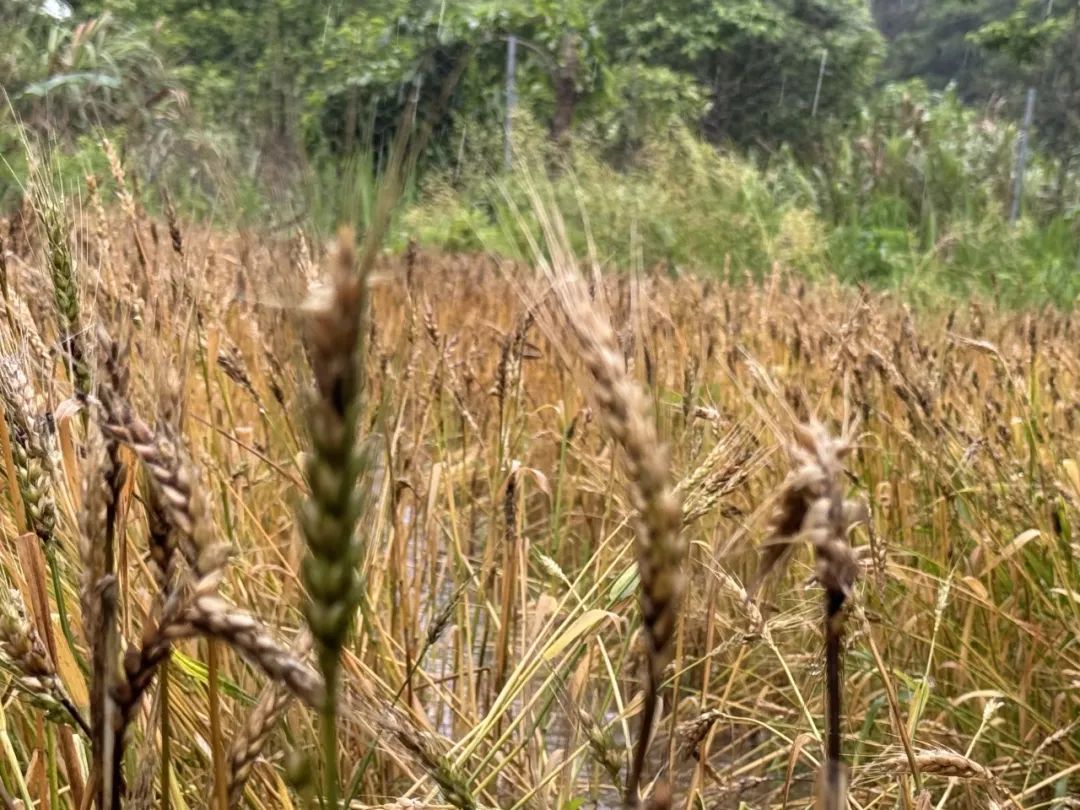
But then came the relentless rain of this spring. One would think the field’s drainage system was adequate, but the wheat field was nonetheless flooded into something resembling a rice paddy; not only were the roots submerged, but the daily rains during the flowering period prevented pollination. My ears of wheat remained thin, small, yellow, and shrivelled. In my small plot of wheat, not a single plump grain was produced. In the end, I had no choice but to mow it all down and return the residue to the soil.
And so, the 2023–2024 winter crops at Eren Valley were a total failure.
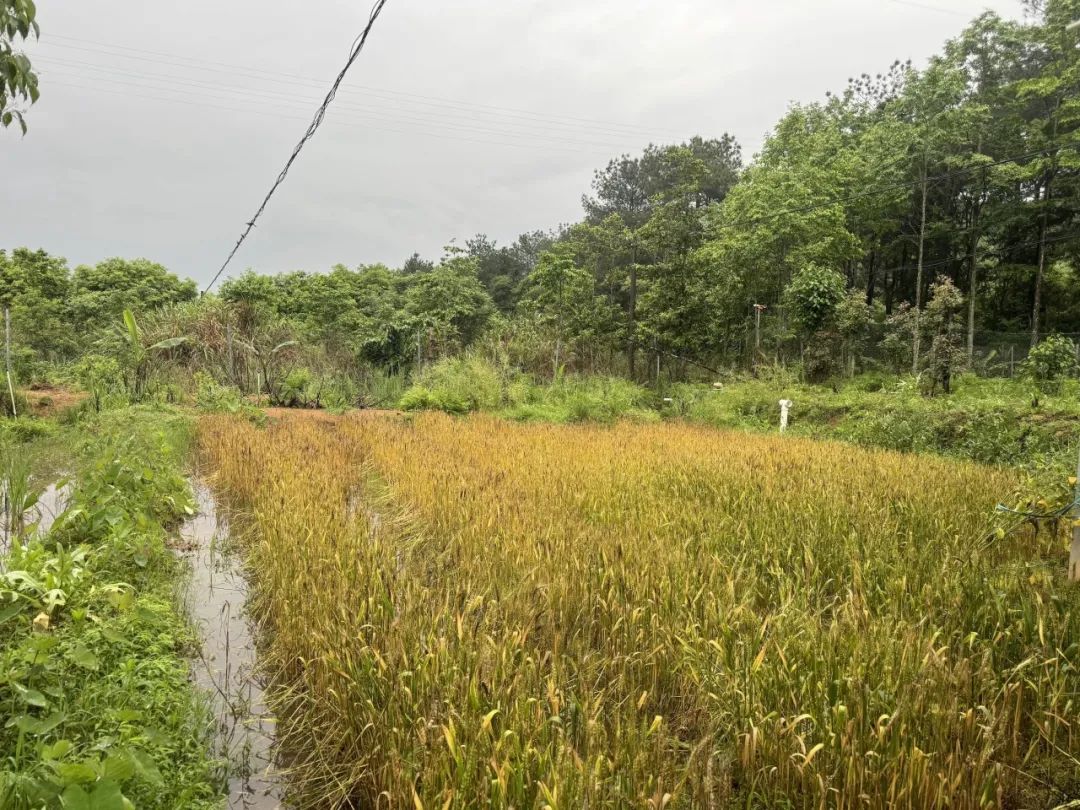
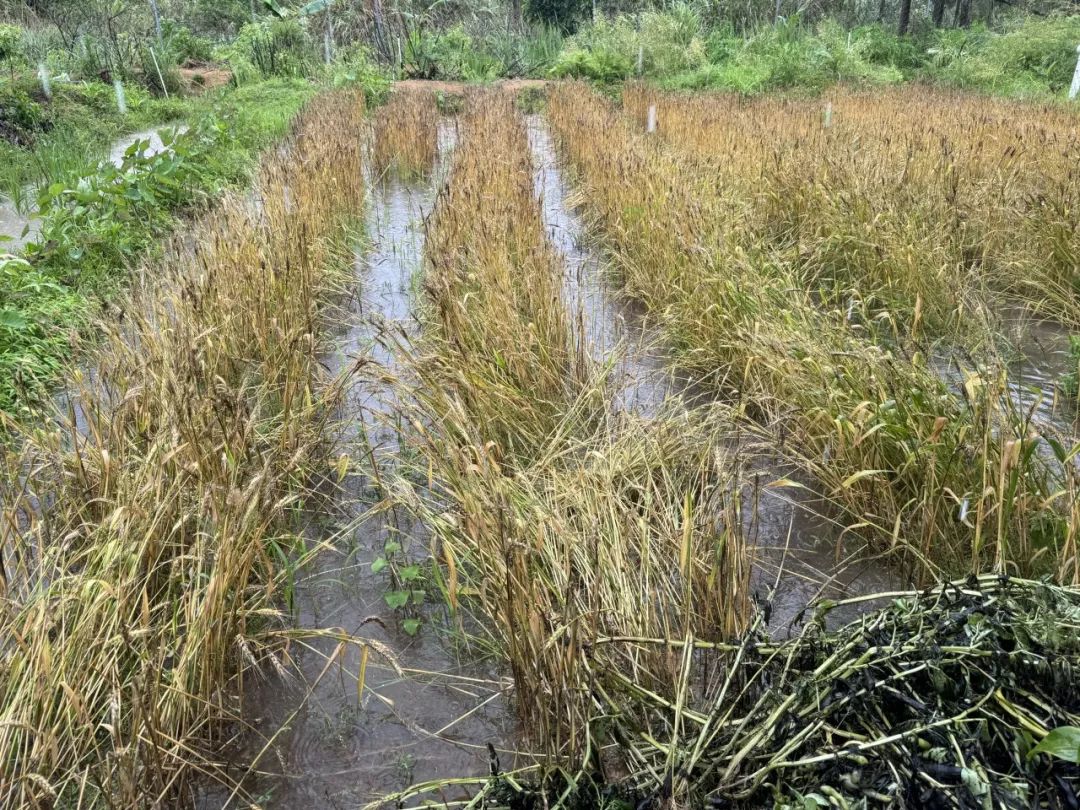
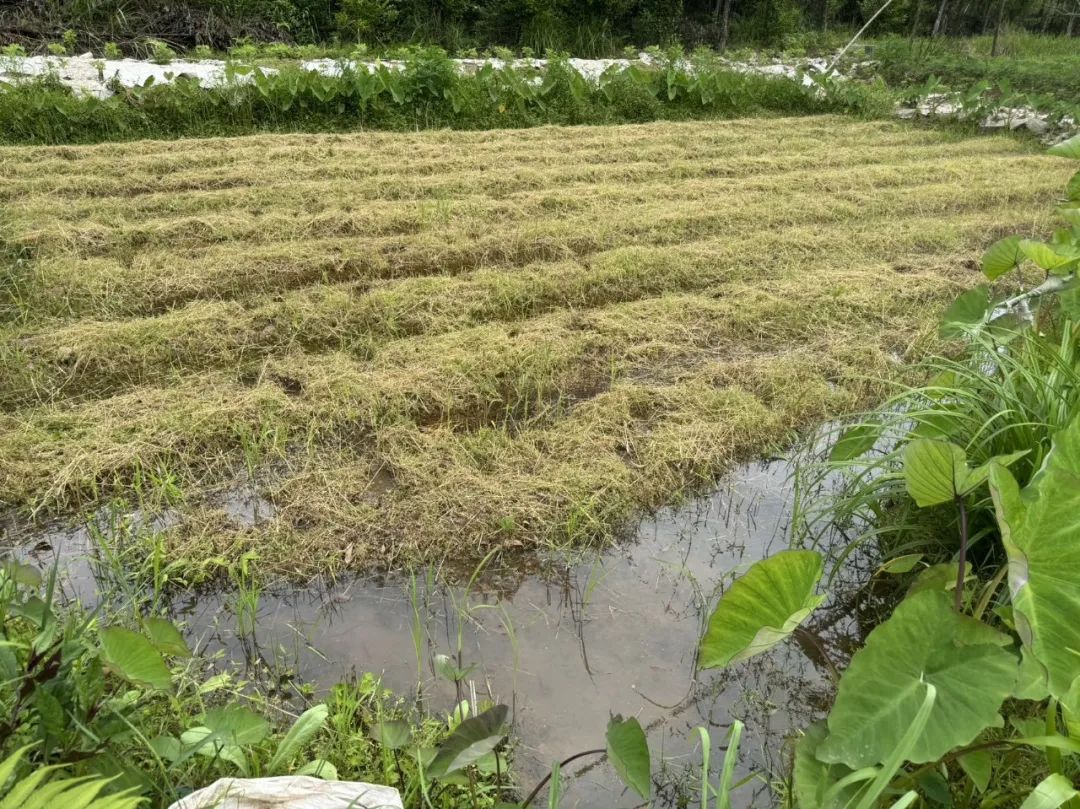
The weather is an act of God. What I encountered is what we now commonly call “extreme weather”. This is not only the foremost challenge for agriculture, but the foremost challenge for humanity.
III. Imagining Heilongjiang in Taiwan: A Summer Insect Cannot Be Told of Ice
My friend had specifically sought advice from her cousin, a rice farmer, and had carefully prepared a presentation to explain to the Taiwanese farmers how rice is grown in the Northeast, from the artificial heating of seedlings in greenhouses during spring to the harvest in October.
When harvesting rice in Taiwan, the most critical factor is calculating for typhoons. The harvest date must not only precede the typhoon but also avoid heavy rain, and the weather during the subsequent grain-drying period must be considered. Wuchang is dry, so drying the grain is not a concern; my friend said her cousin’s primary worry is the snow—the harvest must be completed before the first snowfall.
“What happens if it snows?” the Taiwanese rice farmers couldn’t help but worry on behalf of the farmers thousands of miles away in the Northeast. “Do you wait for the snow to melt before harvesting?” In Yilan, if you cannot harvest before the rain, you would rather wait a few days, even if the ripe grains fall into the field, waiting for the rain to pass and the skies to clear.
My friend shook her head. “The snow where we come from… once it falls, it doesn’t just melt.” As soon as she said this, the room fell silent. After a moment of quiet, everyone burst into laughter—the Taiwanese simply could not fathom the cold of the Northeast. In Taiwan, if snow falls from the sky, the first instinct of anyone there is to take a photo, otherwise, it melts the moment it hits the ground. They cannot imagine snow that does not melt upon landing, but remains until the warmth of spring brings the flowers six months later.
There is a kind of distance that exceeds the physical miles from Yilan to Wuchang—a distance so vast it makes us feel as though humans are omnipotent.
The heavens have always been the supreme authority hanging over the farmer’s head; it has been this way for millions of years. However, modern humans, reshaped by over two hundred years of industrial civilisation and modern education, often imagine the heavens through our own lens, or even attempt to change them.
Just as I once did when I asked the Yilan farmers about their yields—that, too, was a way of thinking born of a modern industrial model.
IV. Depending on the Heavens, and the Hand
This does not mean that humans are entirely passive. Soil quality improvement and the restoration of microorganisms are ongoing projects in Evil Man’s Valley, as is the introduction of non-native crops. One by one, broad-leaf buckwheat, large-leaf coriander, sour papaya, camel thorn from Yunnan, catnip from Henan, red garlic from the Hani people, and green thorn fruit from Lugu Lake have taken root here. There are also the Chinese toon and figs from my small courtyard at Mount Tai, and the Ruiyan fragrant rice that travelled thousands of miles with me from Taiwan.
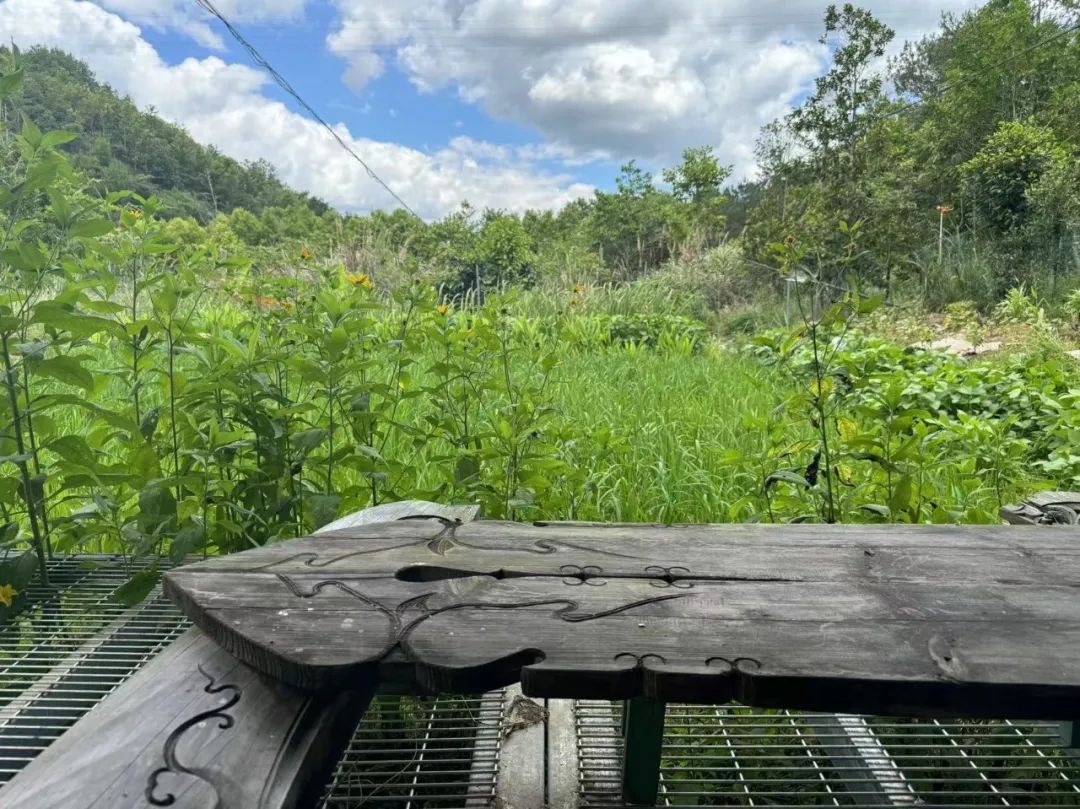
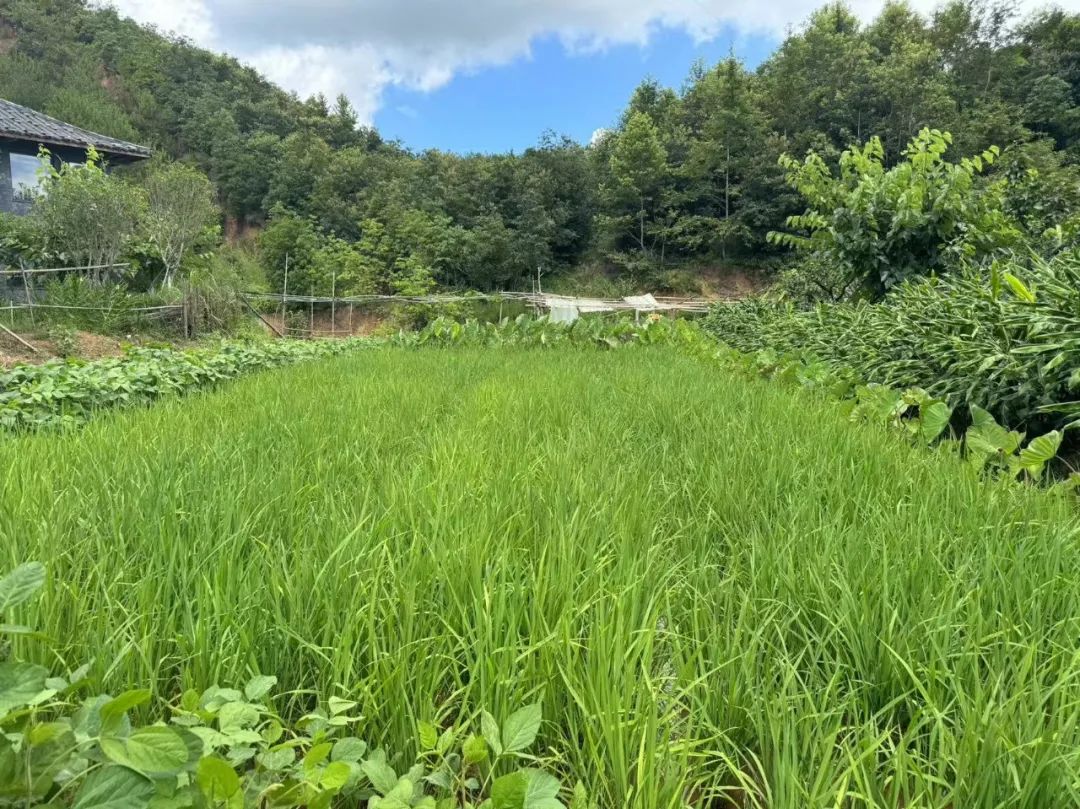
If someone were to ask about my yield now, I would answer: “It depends on the heavens.” This is not affectation, but the simple truth. If you asked me, “Are you still planting wheat? Still planting onions?” Of course I am. Why wouldn’t I?
We have our own dreams for this piece of land, so we follow those dreams. If I plant, there is at least a chance; if I don’t, I am guaranteed to have nothing.
Man proposes, God disposes. Planting is the human effort; as for the harvest, one does their best first, and leaves the rest to the heavens, accepting whatever fate is decreed.

Unless otherwise noted, all illustrations in this article are by the author
Editor: Wang Hao Layout: Xiaoshu