
Suing the Government over GM Rice: What are Filipinos Fighting For?
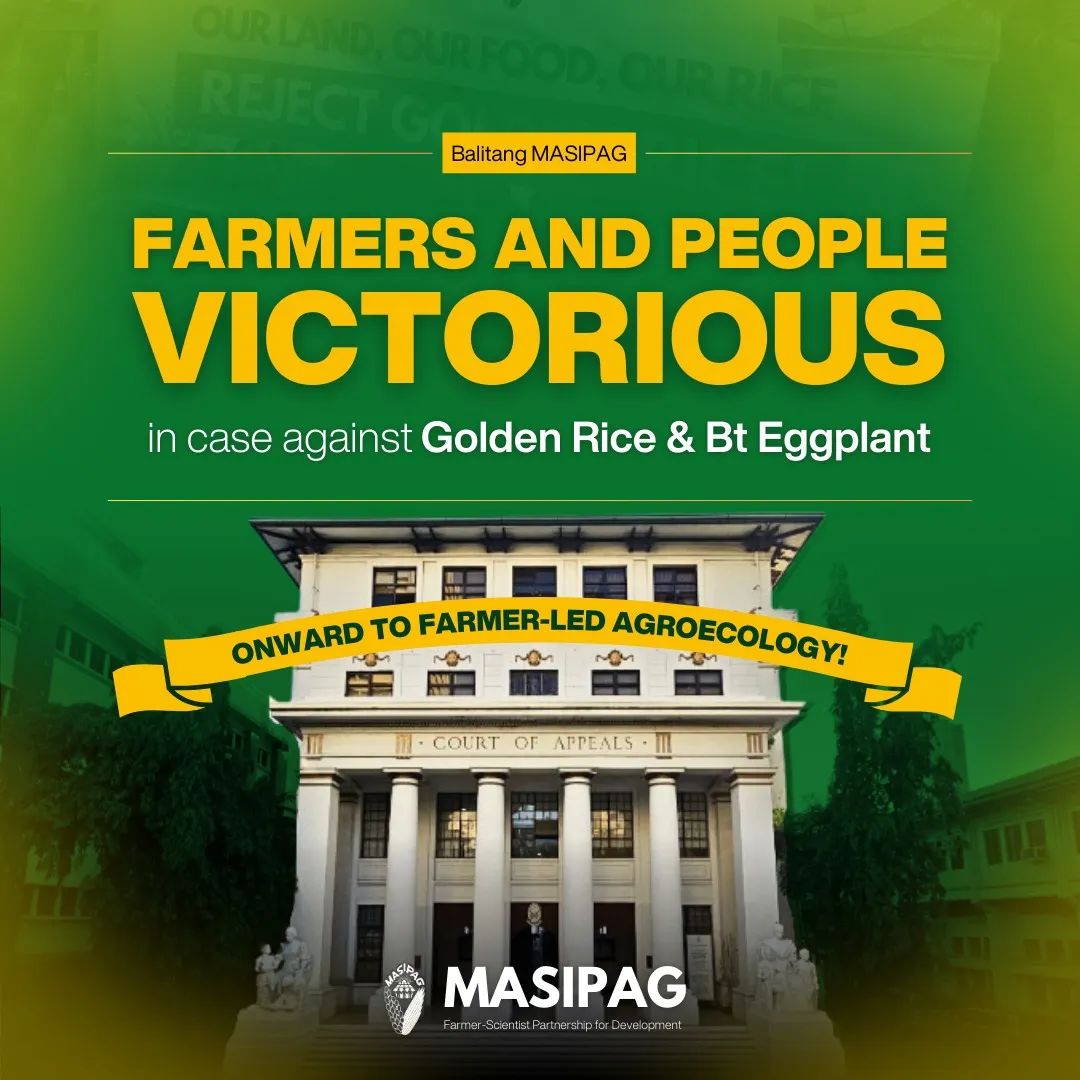
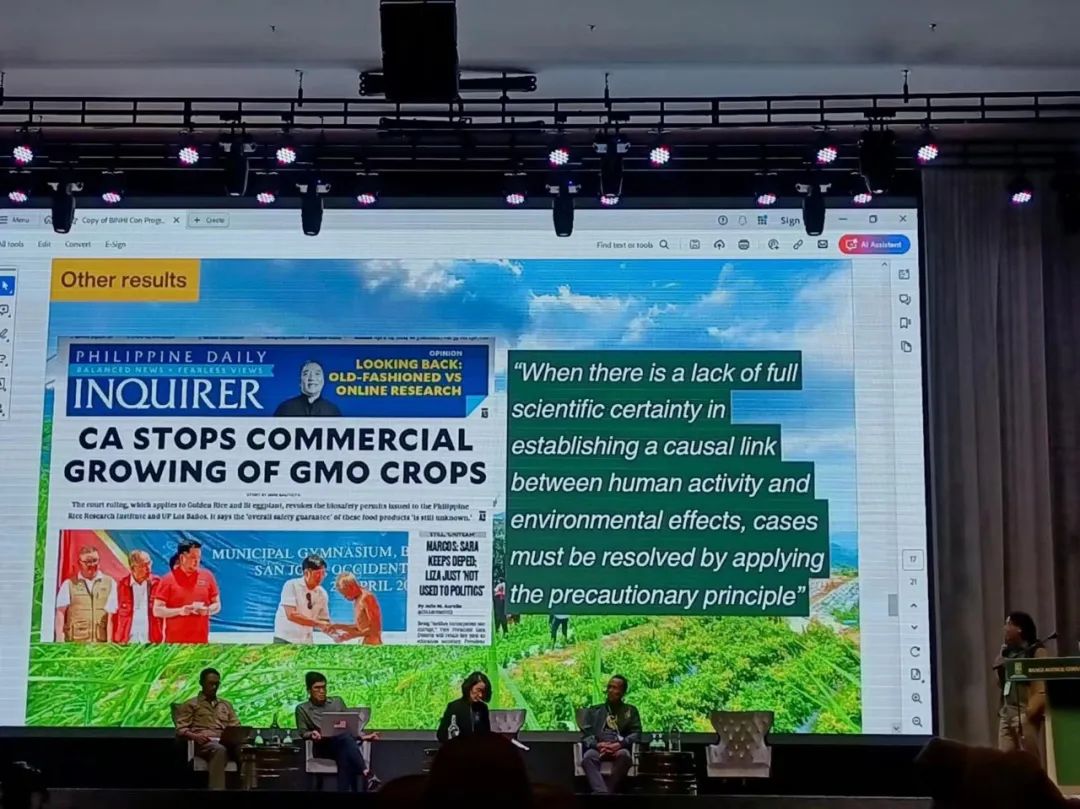
Is genetically modified (GM) rice actually safe? Why can it not be easily brought to market? On 18 April, a Philippine court ruled that the commercial promotion of Golden Rice was unconstitutional, highlighting once again the cautious attitude of various sectors of society towards GM staple crops.
The court also ordered the Philippine government to revoke the series of biosafety permits previously issued for GM Golden Rice and to halt all related commercial activities.
This 143-page ruling is a massive victory for the plaintiffs—civil society organisations and farmer groups led by the “Farmers’ and Scientists’ Coalition for Agricultural Progress” (MASIPAG). This means that Golden Rice, which had been hyped for over twenty years, has been successfully blocked from commercialisation; it cannot be grown or distributed commercially, and certainly cannot end up on the dinner tables of Filipinos.
A week later, Foodthink met Eliseo Ruzol and Lauro Diego from MASIPAG at an industry conference in Malaysia to understand the background and implications of this victory in detail.
I. Golden Rice: Panacea or Poison?
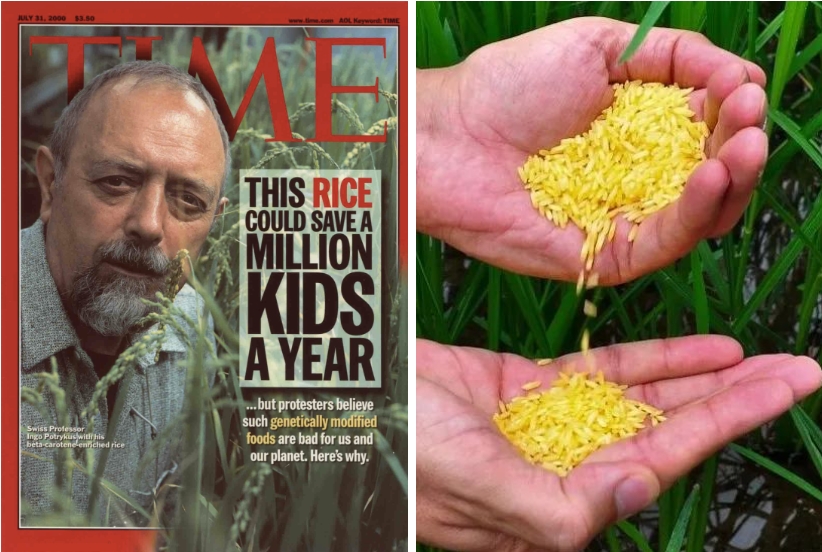
Beta-carotene is converted into vitamin A within the human body, which can address the prevalence of vitamin A deficiency among children in Africa and Southeast Asia. Consequently, since its initial development in 1999, Golden Rice has been touted as a panacea capable of “saving millions of children every year”, and its developer, Ingo Potrykus, prominently appeared on the cover of *Time* magazine that year.
However, the path to promoting this panacea in Asia—the primary region for rice production and consumption—has not been as smooth as imagined.
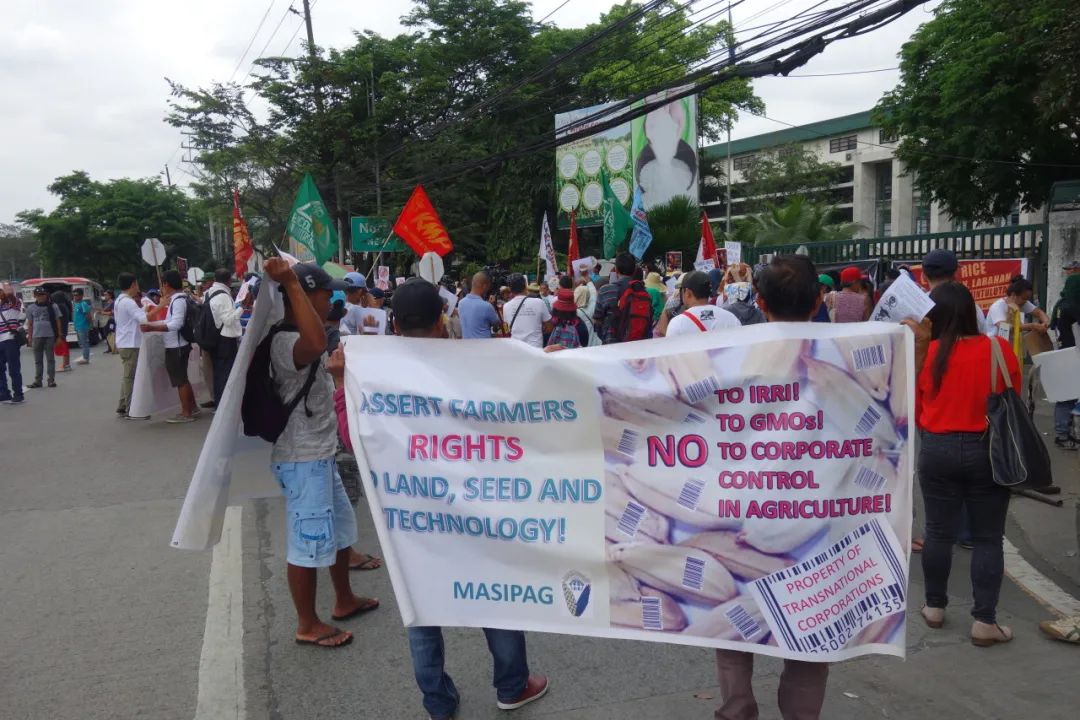
More than 30 organisations from at least eight Asian countries quickly established the “Stop Golden Rice Network”, taking action across scientific, legal, educational, grassroots mobilisation, and street-politics fronts. The Philippines has seen the fiercest opposition. The legal victory in April is merely the latest win in a long battle spanning more than two decades.
Why has Golden Rice encountered such intense opposition from the Philippine people?
Much of this is due to the close collaboration between Philippine scientists, public interest lawyers, and farmers’ organisations.
MASIPAG, a Philippine institution at the forefront of the opposition to Golden Rice, was founded in 1985 by a group of breeders concerned with agriculture and the interests of farmers. At the time, these scientists discovered that the “Green Revolution”—characterised by hybrid rice, pesticides, and chemical fertilisers and promoted by the International Rice Research Institute (IRRI) in the Philippines—had failed to lift farmers out of poverty. Instead, it had brought about environmental pollution, public health crises, and the loss of genetic resources. This led them to reflect on what kind of technology could truly benefit agriculture and farmers.
MASIPAG soon evolved into an NGO and scientist network that prioritised farmers’ interests, enabling farmers to regain autonomy over production through ecological agriculture and breeding training. They became involved in the anti-Golden Rice movement from the outset, organising countless public talks and forums in farmers’ markets, primary schools, and secondary schools across the Philippines.
It was during one of these talks that Lauro realised that seeing through the absurdity of Golden Rice required nothing more than a bit of common sense.
“Many natural foods contain higher levels of beta-carotene than Golden Rice, including the pumpkins and carrots we eat regularly; sweet potatoes have the highest content,” Lauro told us. “Moreover, storage and cooking accelerate the loss of beta-carotene in Golden Rice.”
Lauro, now 55, comes from Central Luzon in the Philippines. In addition to growing rice, he manages a few acres of hillside land where he grows pineapples, papayas, bananas, and various vegetables. He is a typical Southeast Asian traditional smallholder: food first meets his own needs, and any surplus is taken to the market for money.
Having long practised diversified planting, Lauro strongly agrees with MASIPAG’s fundamental position against Golden Rice as a nutritional solution: beta-carotene should be obtained from fresh fruit and vegetables. Ensuring everyone has access to healthy and diverse food is the only way to fundamentally solve malnutrition and hidden hunger. Why seek a distant and complex solution when the answer is right at hand?
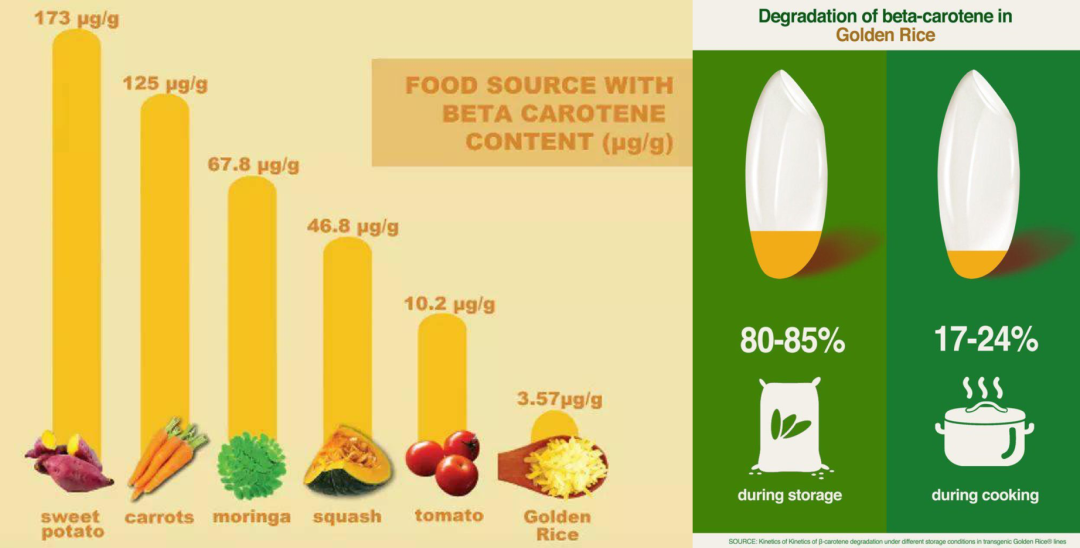
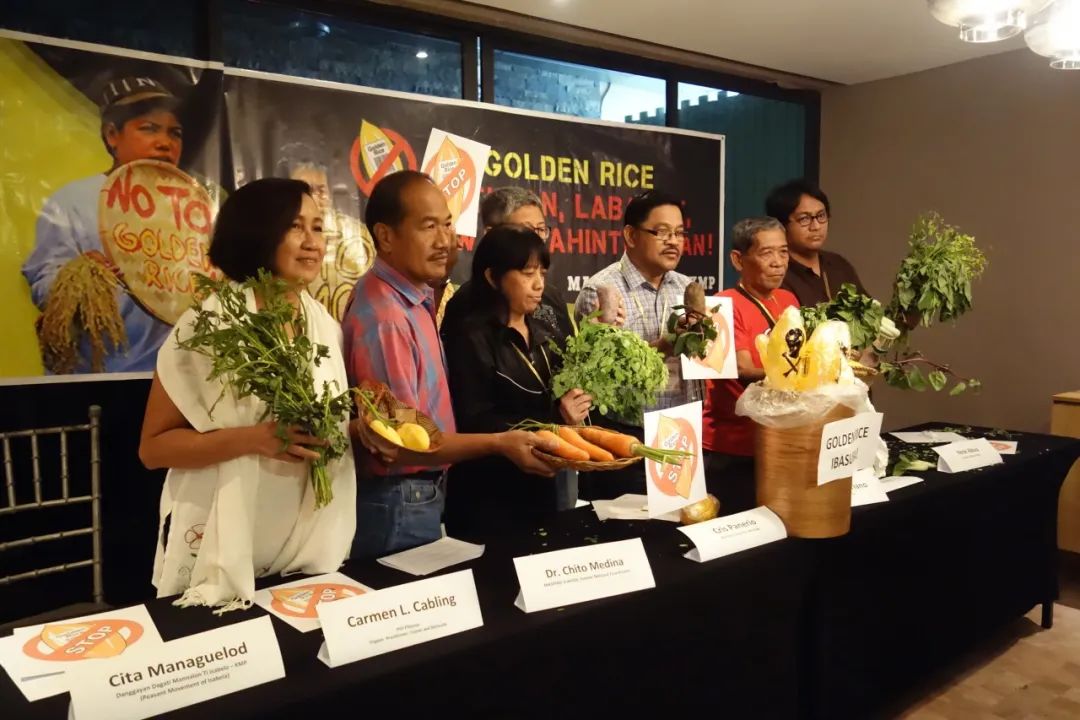
In fact, on average, every gram of Golden Rice contains only 3.57 micrograms of beta-carotene—a mere fraction of the 173 micrograms found in sweet potatoes. Expert witnesses for the plaintiffs, including MASIPAG, stated during the trial that if an adult relied solely on Golden Rice for Vitamin A, they would have to consume 20 kilograms of rice per day, equivalent to one-third of the average annual rice consumption of a Chinese citizen. This is clearly impossible.
More alarmingly, Golden Rice not only fails to solve Vitamin A deficiency but also presents numerous safety risks.
Dr Charito Medina, a crop scientist at MASIPAG, found in a public toxicology report that the CRTI protein expressed by Golden Rice is homologous to three toxins found in snake venom. He pointed out that since rice is the staple food of the Philippine people, long-term feeding and intergenerational experiments must be conducted to assess its chronic toxicity. He argued that it was utterly irresponsible for assessors to hastily conclude that Golden Rice was safe based solely on acute toxicity test results.
Beyond beta-carotene, Golden Rice also expresses other carotenoids. Whether these produce anti-nutritional factors or even toxicity is something the report fails to mention entirely.
Precisely because of the uncertainties surrounding GMO technology, the Cartagena Protocol on Biosafety was adopted and entered into force in the early 21st century under the Convention on Biological Diversity. As a member state of the Protocol, the Philippines is obliged to enact legislation or formulate corresponding regulatory policies to mitigate the potential risks of GMO technology.
Under current Philippine regulations, whether GMO crops are used for field trials, as food, feed, or processed products, or for commercial promotion, they must undergo a thorough risk assessment by the Department of Agriculture, various government departments, and stakeholders before a Biosafety Permit can be granted.
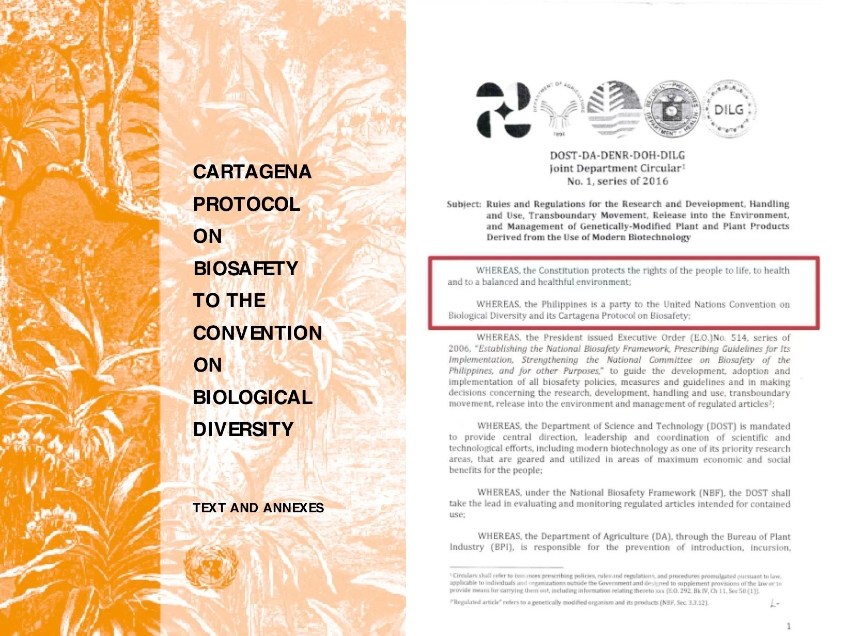
However, the assessments upon which these permits were based showed insufficient evidence. In addition to the toxicology report mentioned above, MASIPAG discovered that the health risk assessment led by the Department of Health was perfunctory: of the 48 questions in the questionnaire, as many as 44 answers were left blank or marked as “not applicable”.
Furthermore, the assessment panel included no community-elected representatives from Isabela province—the site of the Golden Rice trial fields—which is a violation of Philippine law.
Any one of the above points would be sufficient to invalidate the legality of the Biosafety Permits.
In 2022, after their appeals within the Department of Agriculture system were exhausted, MASIPAG and organisations such as Greenpeace decided to file a lawsuit on 16 October, World Hunger Day. Citing the violation of the 1987 Constitution’s provision that “individuals have the right to a healthy environment”, they brought the Department of Agriculture, the Department of Agriculture’s Crop Production Division, the Department of Environment and Natural Resources, the Department of Health, and the promoters of Golden Rice—the Philippine Rice Research Institute and the University of the Philippines Los Baños—before the Supreme Court.
II. Pandora’s Box
Eliseo, a philosophy graduate who joined MASIPAG in 2020, found that his colleagues were far from “anti-science”. The team includes scientists, including breeders and biologists, capable of meticulously reviewing relevant scientific research. Moreover, in their campaign against Golden Rice, they have strictly adhered to domestic and international legal documents to expose the irresponsible and non-compliant practices of the GMO promoters.
Beyond the impact on human health, the assessment of whether a GMO crop is safe should also consider the potential consequences for the environment, ecosystems, and socio-economics. The Philippine court found that the plaintiffs, represented by MASIPAG, had presented a more compelling case.
Twenty-five years ago, Kapunan transitioned from conventional farming to organic agriculture, focusing on traditional rice varieties such as black rice and achieving Philippine organic certification. Under these regulations, he is prohibited from using chemical inputs or GMO seeds. If Golden Rice were to be grown in the surrounding areas, it would be difficult to guarantee that those seeds would not drift into his own fields. Furthermore, although rice is primarily self-pollinating, it has an outcrossing rate of 5%; any genetic contamination could destroy a business he has spent years building. Kapunan also worried that without separate processing facilities, Golden Rice would inevitably contaminate rice milling production lines.
Regulations dictate that the government must not only conduct thorough risk assessments before issuing biosafety permits but must also implement tracking and monitoring after issuance—for instance, to determine whether the risk of genetic contamination feared by Kapunan actually exists.
Earlier in the trial, witnesses for the defence repeatedly claimed that Golden Rice posed no risk of genetic contamination. However, under cross-examination, they were forced to admit that the Department of Agriculture had not yet implemented relevant monitoring, and their information was based solely on written literature rather than empirical evidence.
In reality, hybrid contamination caused by genetic drift is common and not exclusive to GMO crops; however, the uncertainty and potential harm associated with the latter are far greater than those of genotypes naturally present in the ecosystem.
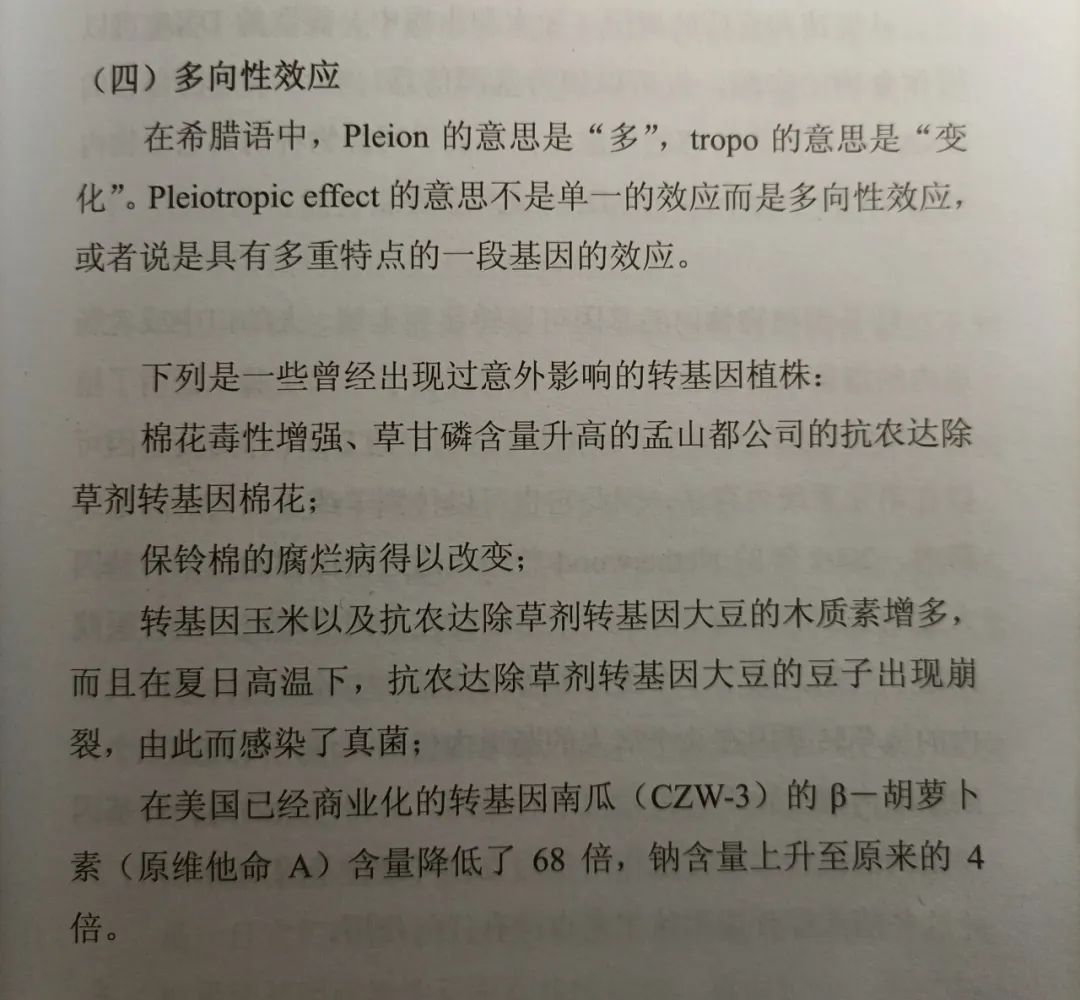
Mutations caused by genetic engineering can affect any segment of a gene or its regulatory sequence, leading to unexpected genetic mutations and subsequent impacts on gene expression. To put it vividly, it is like opening Pandora’s box; we can never know what the next chain reaction triggered by a single mutation will be.
Take the CZW-3 GMO pumpkin developed and approved by Monsanto in 1997 as an example: after the insertion of an antiviral gene, the pumpkin’s beta-carotene levels dropped 68-fold, while its sodium content rose to four times the original level.
The yellowish appearance and reduced yield of Golden Rice are also examples of such unexpected mutations. According to the latest data from the Philippine Rice Research Institute, across three consecutive harvest seasons from 2022 to 2023, Golden Rice in experimental fields failed to reach the claimed yield of 4 tonnes per hectare (approximately 533.33 jin per mu). This was one-third lower than the yield of rice from the same genetic line, meaning that after calculating the market price of the produce, it was not even possible to break even.
MASIPAG’s lawsuit also cited the example of GMO insect-resistant cotton in India in 1999. In the original design, the Bacillus thuringiensis (Bt) protein was intended to provide insect resistance within the cotton bolls. However, two years later, it was confirmed that gene expression had shifted to the roots, stems, and leaves, resulting in massive yield losses and leading many cotton farmers to commit suicide due to debt. In light of this, the Indian government has banned the commercial rollout of Bt eggplant.
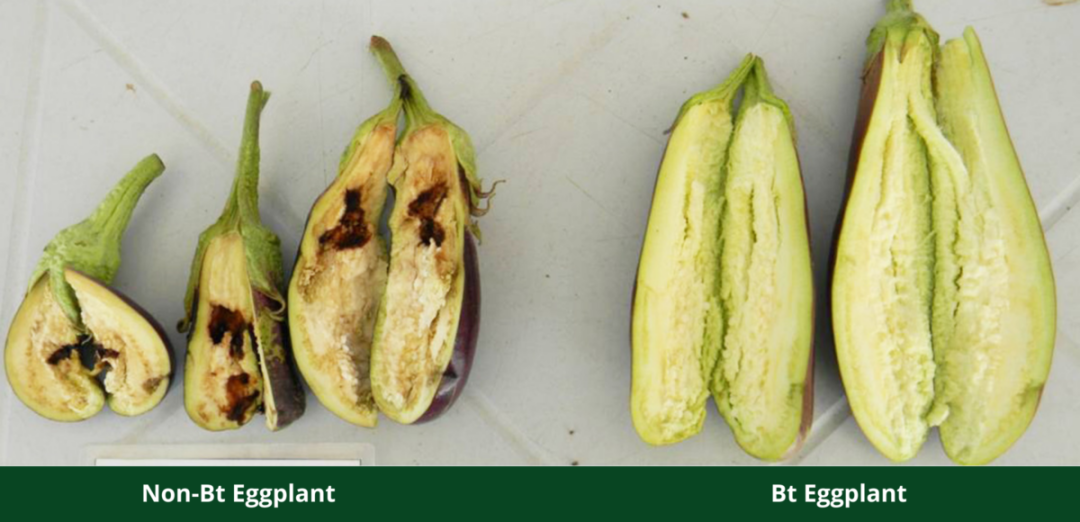
The court further noted that the role of the government “should not merely be to approve the use of modern biotechnology, but to facilitate its safe and responsible use for the well-being of the people.”
As Golden Rice and Bt eggplant are intended for direct human consumption, consumer oversight mechanisms were a central focus of the case. Several judges questioned the defence witnesses in turn, asking: How can consumers know whether they are buying Bt eggplant? In the event of a food safety incident, how can a complaint be effectively lodged?
Because the defence insisted on the “substantial equivalence” of these two GMO crops to conventional varieties, no labelling or traceability mechanisms were established, leaving consumers with no way to distinguish between them.
Defence witnesses further stated that the government would only reopen the risk assessment process if objections were raised against the assessment literature. At this point, even the judges found the claim untenable, stating that the threshold for oversight was unrealistically high.
Consequently, the Court of Appeals also issued a “writ of continuing mandamus”. This means the burden of proof has shifted from the consumers and users back to the promoters of the GMOs—no relevant certifications will be issued unless conclusive evidence is presented that they are harmless to human health and the environment.
III. The Way Out of Control
It was precisely the high cost of external inputs in conventional farming that had originally driven him to transition to organic cultivation.
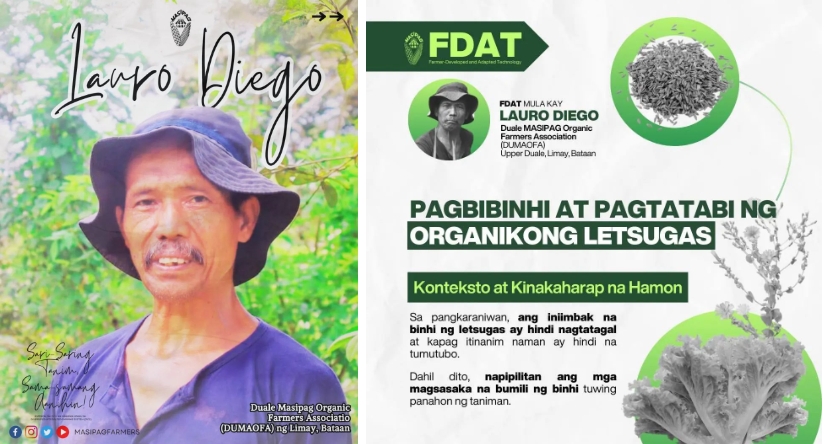
Fifty kilograms of fertiliser: 2,000 pesos. Seeds: 1,500 pesos. Lauro counted the costs on his fingers as he walked us through the annual investment required for those few acres of paddy fields. 3,500 pesos (roughly 380 yuan) is a significant expense, especially considering he must also hand over eight bags of rice to the landlord every harvest season.
Indeed, Lauro is a tenant farmer. Eliso told us that seven out of ten smallholders in the Philippines are landless and must pay their rent in kind. “Quite medieval, isn’t it?”
Large landowners have controlled the vast majority of Philippine land since the colonial era. While the post-colonial government has attempted various land reforms—such as capping rent in kind at 25% and buying back land from landlords to sell to tenants—the issue of landlessness remains stubbornly entrenched.
The “Kilusang Magbubukid ng Pilipinas” (KMP), a long-term partner of MASIPAG, has remained active on the front lines of the struggle for land rights. MASIPAG, however, has taken a different path. By connecting scientists with farmers, they help farmers preserve and breed traditional varieties and provide training in low-input agroecological techniques, reducing the farmers’ reliance on external inputs like chemical fertilisers, pesticides, and commercial seeds.
Eliso believes that only when farmers have the autonomy to choose their means and methods of production can their livelihoods truly improve—a goal that is fundamentally aligned with the fight for land rights.
This was the sentiment expressed by Perfecto Vicente, an agronomist and MASIPAG’s first project coordinator, when speaking to farmers: “The most important thing for you is freedom… freedom from the control of chemical and seed companies. This freedom is both your right and your privilege. You are only truly powerful if you can save and breed your own seeds.”
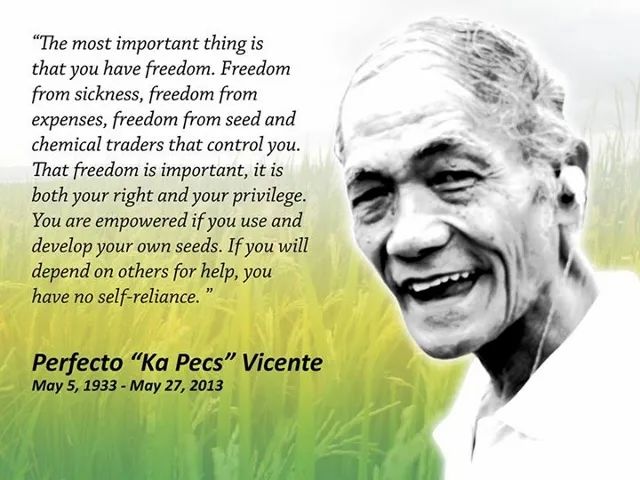
It was after joining MASIPAG that Lauro learned how to breed seeds. He believes that traditional varieties, purified and revitalised by the farmers themselves, are more adaptable and resilient to extreme weather, which is the only way to ensure “family food security”.
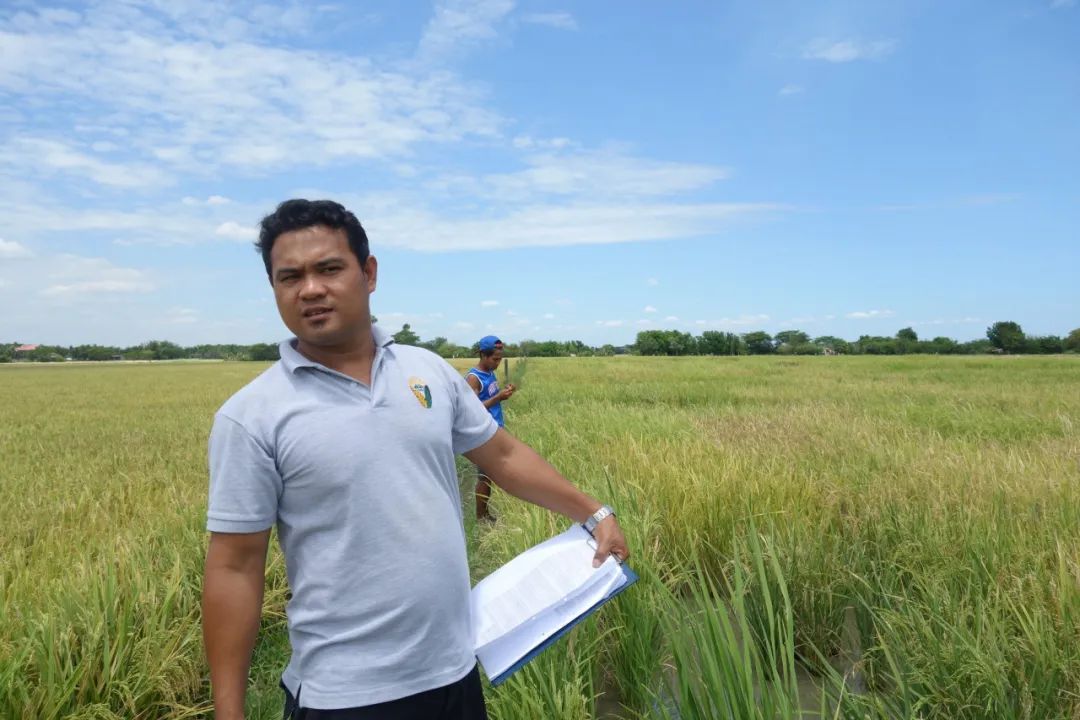
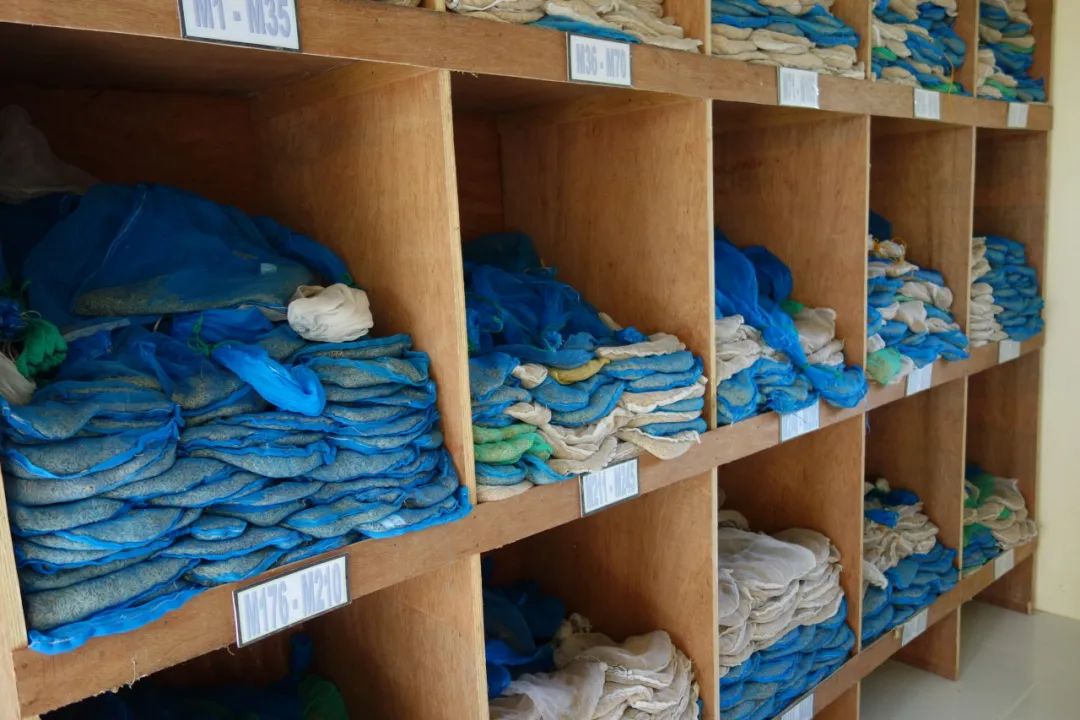
Through nearly 40 years of effort, MASIPAG has trained over 70 farmer-breeders like Lauro and successfully preserved more than 2,000 rice varieties. This includes over 600 traditional varieties, 506 farmer-bred seeds, and 1,299 varieties improved by MASIPAG scientists.
IV. The Long Struggle
At the same time, they are concerned about a counter-offensive of public stigmatisation from the defendants. The proponents of GMOs include both wealthy agrochemical corporations and powerhouse donors like the Gates Foundation. Since the advent of GMOs, these entities have spared no expense, using propaganda and legal manoeuvres to dominate the narrative and employing costly legal proceedings to intimidate anyone who stands in their way.
But regardless of how things unfold, Eliso can at least breathe a sigh of relief for now.
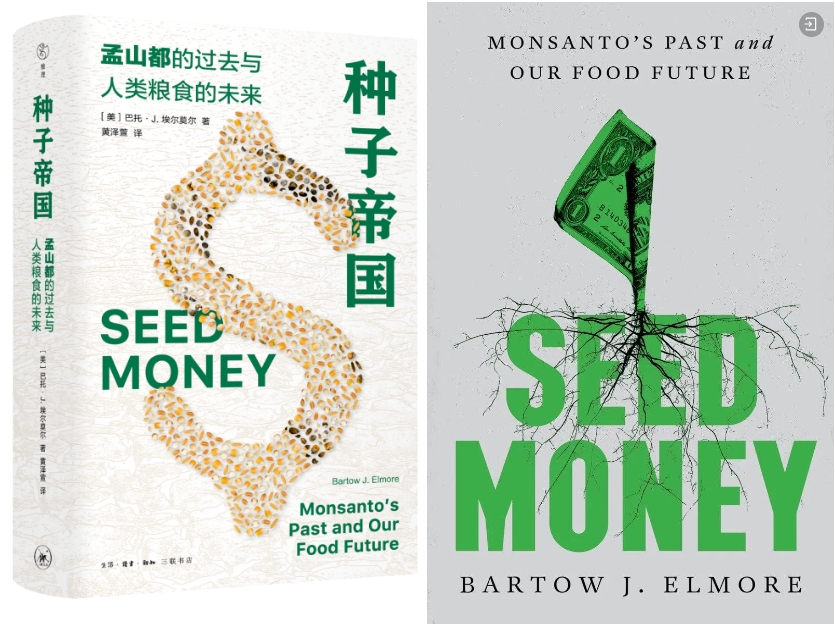
In 2023, the Mexican president banned GMO maize for direct human consumption, citing risks to health and the potential damage to native traditional varieties. This move directly impacted US export interests worth 5 billion dollars a year.
The US has protested, claiming that Mexico’s actions violate free trade agreements. However, several international frameworks, such as the Nagoya Protocol and the International Treaty on Plant Genetic Resources for Food and Agriculture, provide strong protections for the rights of farmers to save seeds. Whether mediation can safeguard the interests of Mexican smallholders and consumers remains to be seen.
Eliso told us that MASIPAG will not stop at a legal victory. In the face of a global climate crisis and a succession of superficial “solutions”, the smallholders who feed 70% of the world’s population with limited resources deserve far more support.
Therefore, their next step is to actively lobby for a shift in Philippine agricultural policy towards smallholders and agroecology. As stated on the MASIPAG website:
“By investing in farmer-led initiatives
and promoting policies that prioritise food sovereignty,
we can build
a more resilient and equitable food system
that nourishes both people and the planet.”

Our thanks to Guan Qi (Farmer Seed Network) and Dr Li Shumeng for their support during the writing of this article
Editor: Tianle