More than 20 years ago, a group of pioneer farmers and social organisations blazed a trail for “ecological agriculture” in China. Driven by a desire to ensure food safety and a commitment to protecting the environment, they began experimenting with cultivation free from pesticides, chemical fertilisers, and herbicides.
Whether they were “new farmers” starting from scratch or traditional farmers transitioning from conventional agriculture, many may not have realised at the outset that this is a highly technical field, with very few experts and peers in the country capable of providing guidance.
Since its inception, Foodthink has walked side by side with them. We have reported on the stories of over 40 ecological smallholders, remained committed to researching the current state of ecological agriculture in China, witnessed its diversity and potential, and seen the transformation and perseverance of our fellow farmers.
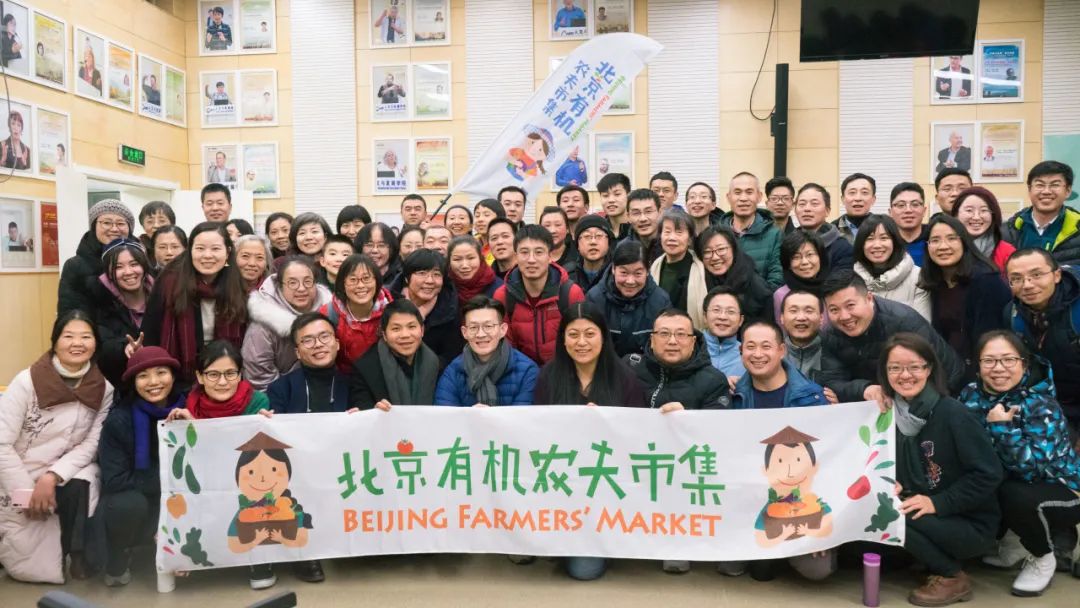
● In January 2019, Foodthink and the Beijing Organic Farmers’ Market jointly hosted a farmers’ conference at the China Agricultural University, bringing together ecological farmers, consumers, and sales platforms.We have found that as the industry evolves, many producers have gradually developed ecological farming techniques tailored to their local conditions. An increasing number of ecological agriculture experts are heading into the fields to provide guidance, and training and exchanges between various grassroots ecological farming schools have further advanced the practice and progress of ecological cultivation. How exactly does ecological agriculture use a profound understanding of natural ecosystems to produce healthy, delicious produce without relying on chemical inputs? What commonalities exist between different farming methods and technical schools that newcomers can learn from?
Foodthink has compiled previous articles discussing ecological farming techniques, hoping they will be helpful to those new to the field and provide consumers with a deeper understanding of ecological agriculture and the people who practice it.
I. Pest and Disease Management: “Prevention Over Cure”
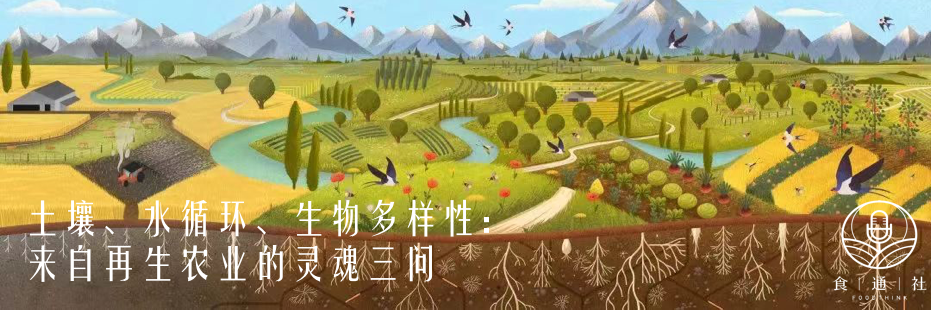
Without the use of chemical agents such as insecticides and fungicides, “prevention over cure” is a fundamental principle of pest and disease management in ecological agriculture. Its core lies in maintaining the balance of the farmland ecosystem—enhancing the natural resilience of crops by improving biodiversity and soil health, thereby reducing reliance on pesticides.
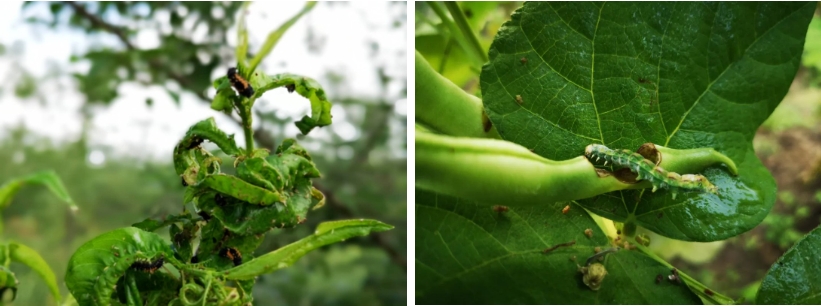
● Left: Li Lijun, a farmer from Shandong, introduces ladybirds into his apple orchards to control aphids; Right: At Xiqing Farm in Beijing, cabbage worms feeding on bean pods have been killed by parasites from naturally occurring *Beauveria bassiana*.
The first step in preventing pests is to “learn to observe”. By recording the growth cycle of crops, observing the causes and patterns of pest outbreaks, and understanding the relationship between climatic conditions, crop growth, and pest occurrence, one can identify their weaknesses and implement control measures.
Farmers have also observed that not every insect or weed detrimental to crop growth needs to be eradicated. On the contrary, farmland with rich biodiversity provides a habitat for various natural predators and microorganisms, building a more robust biological chain by leveraging the mutual checks and balances between species.
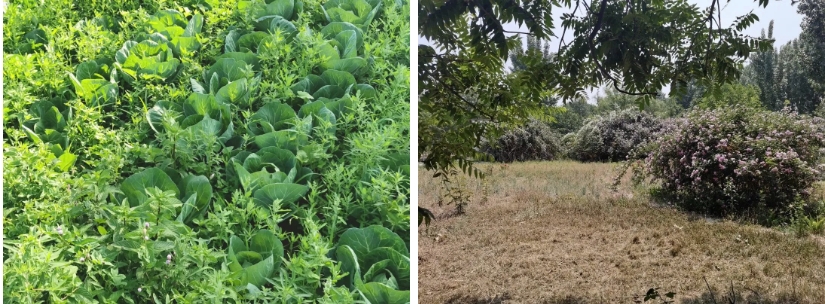
● In the biodiversity fields of Tianfuyuan in Beijing, weeds coexisting with vegetables help keep pests in check, while wildflowers and wild grasses provide nectar sources and habitats for a variety of insects, preventing large-scale pest and disease outbreaks.
Intercropping and diversified planting offer natural advantages in preventing large-scale pest and disease outbreaks. Additionally, natural enemies can be actively introduced for biological control, or homemade plant protection solutions can be used to bolster the resilience of both crops and soil.
II. Soil Management: Renewing the Land’s Vitality
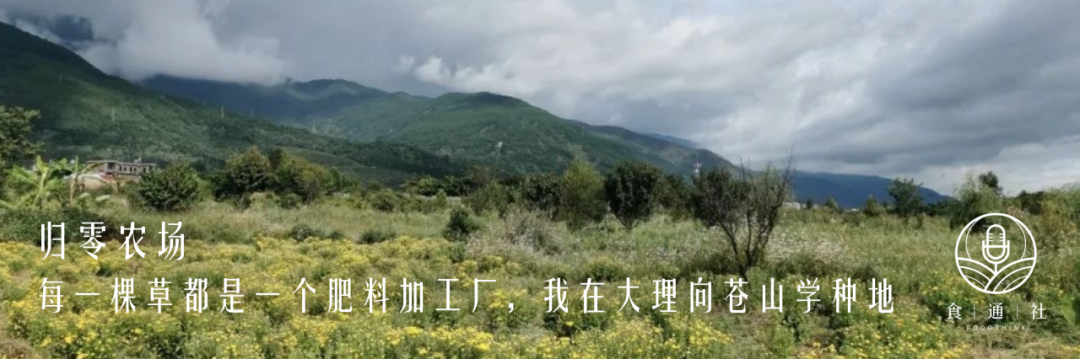
As the primary source of nutrients for crops, the importance of soil management in ecological agriculture—which eschews chemical fertilisers—is self-evident. The core of nutrient management in ecological agriculture lies in maintaining and enhancing the soil’s natural fertility. By employing methods such as leaving grass, planting green manure, and no-till farming, weeds that would otherwise compete with crops for nutrients are transformed into ‘fertiliser factories’. By allowing them to grow and decay naturally, organic matter accumulates and microbial diversity increases, eventually achieving a natural cycle of soil fertility.
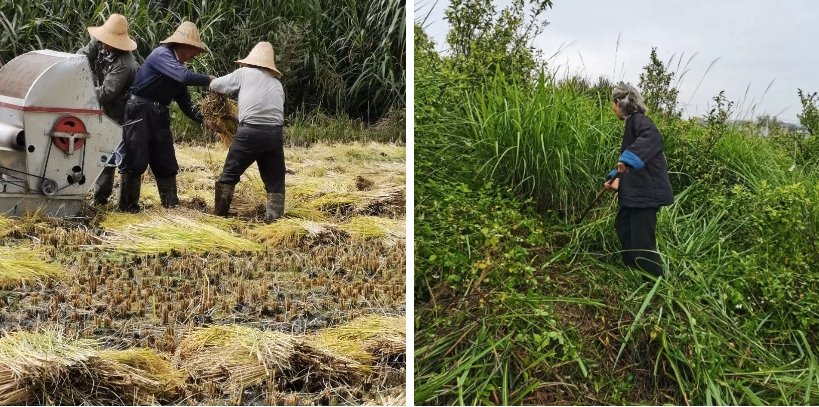
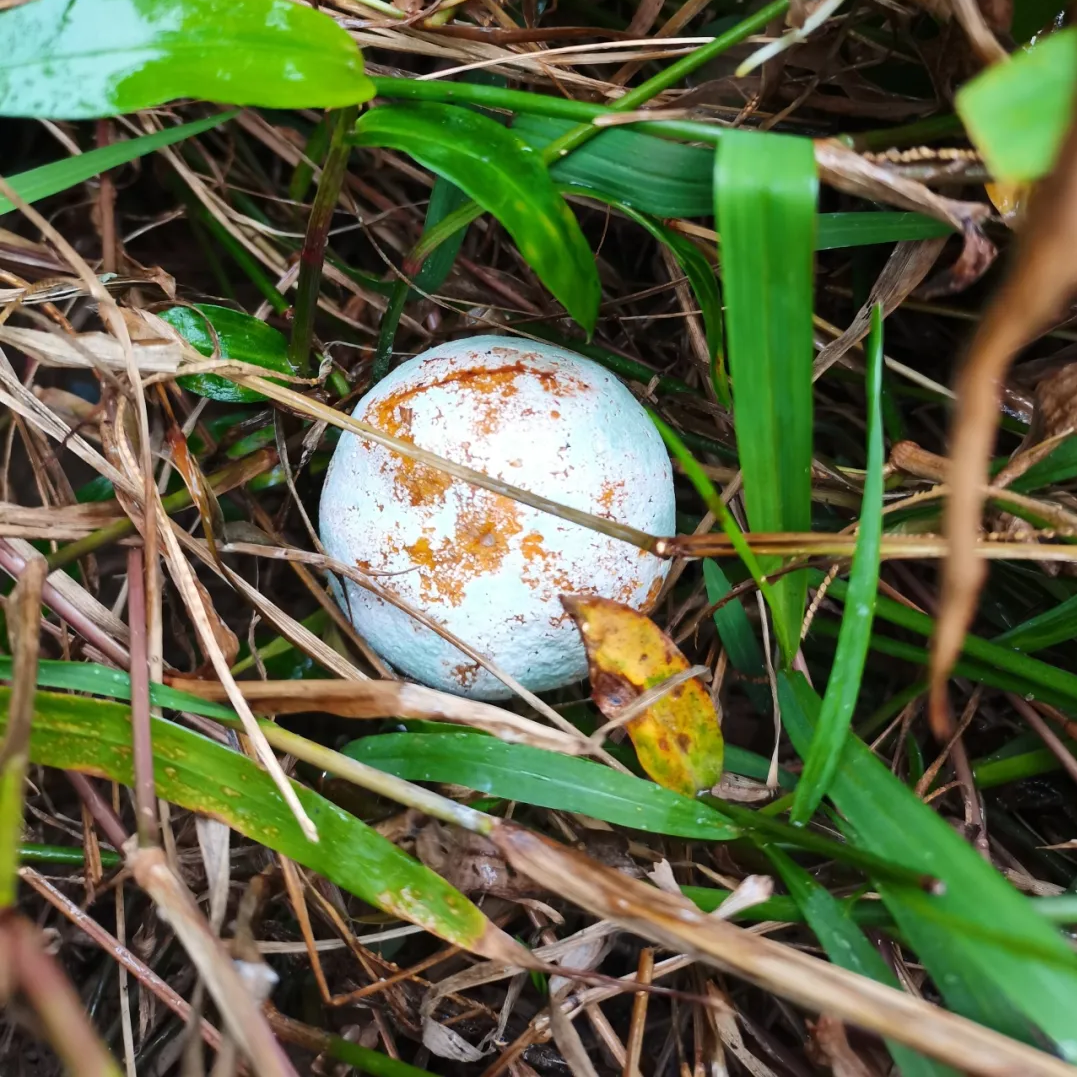
● Left: At Gui Ling Farm in Dali, straw mulching is used after the rice harvest to return organic matter to the land; Right: Xie Yanping, an ecological farmer from Guangxi, cuts grass in the Xingfu Guo Herb Garden. Timely control of grass growth to benefit the soil is a key operation in the process of leaving grass.● A Wokan orange fallen in the orchard as ‘returned fertiliser’, covered in a layer of white beneficial bacteria, indicating a healthy soil microbial environment capable of rapidly decomposing and absorbing organic matter.
Furthermore, planting a diverse range of crops, maintaining vegetation cover, and adopting conservation tillage can also significantly improve soil structure and enhance soil vitality.
III. Meticulous Cultivation in Harmony with Nature
Ecological agriculture emphasises respect for and alignment with the laws of nature, but this does not mean that farm management can simply be left to its own devices.
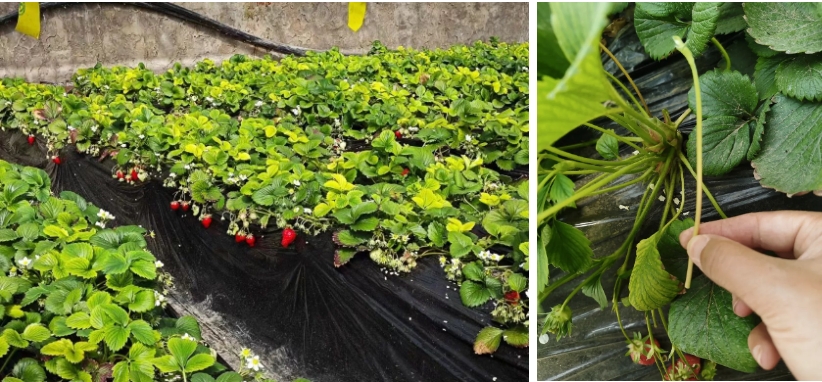
● Left: Strawberry cultivation using ‘imported soil’ at Xiqing Farm in Beijing; the strawberry beds are filled with nutrient-rich soil blended by hand by owner Wang Xin, which is fine-tuned every year according to changing conditions. Right: During the strawberry growing season, Wang Xin removes the runners every morning to ensure nutrients are concentrated in the existing flowers and fruit.
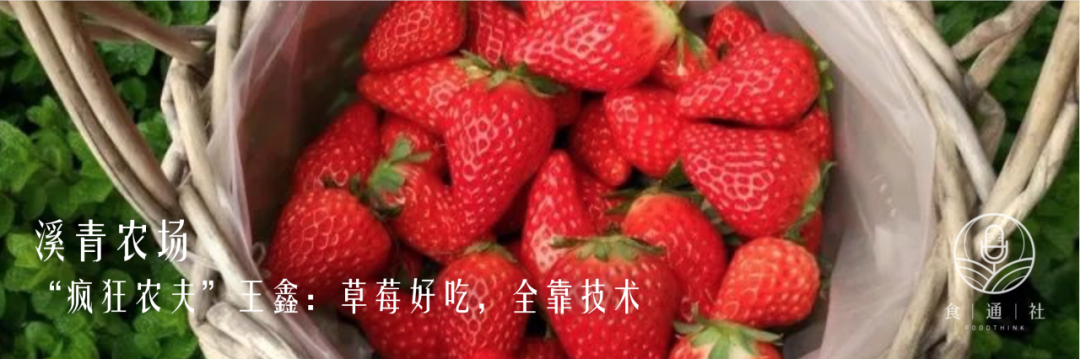
Compared to the relatively low-maintenance nature of broad-acre field crops, fruits such as strawberries require meticulous observation and intervention regarding temperature, light, nutrients, and water management.
In technology-intensive vegetable gardens, strict production plans are developed based on the farm’s climate and the specific growth characteristics of the crops. This involves formulating nutritionally balanced seedling soil, creating leaf mold compost to simulate natural environments, and using ‘solarisation’ to disinfect the soil, ensuring the growing environment is meticulously managed.
Unlike conventional agriculture, which pursues high yields at all costs, ecological agriculture emphasises a holistic perspective. It focuses not only on the yield and quality of crops but considers agricultural production within the context of the entire ecosystem. While agricultural science can be divided into specialised fields such as soil science, cultivation, and plant pathology, the knowledge shared by fellow farmers reveals that every single action on the land has a ripple effect, influencing the health of the soil, crops, insects, and microorganisms. When managed correctly, this often leads to comprehensive improvements across multiple dimensions, including the restoration of the ecological environment, increased biodiversity, and more efficient resource recycling.
IV. Farming Methods and Schools of Thought
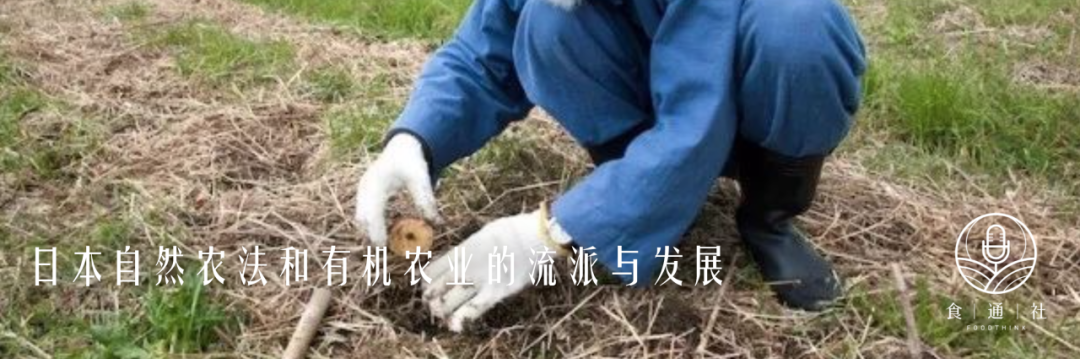
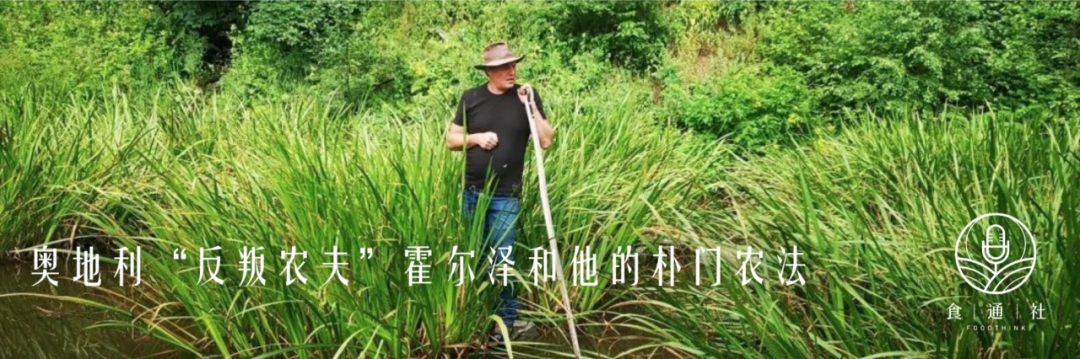
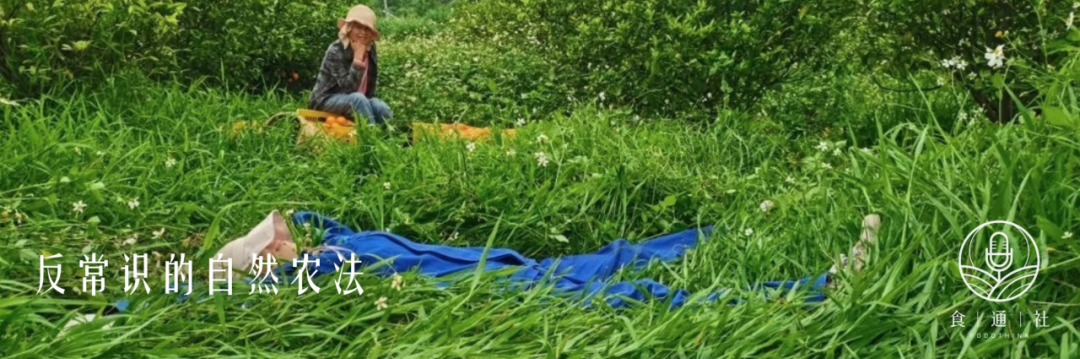
Beyond documenting the techniques of domestic ecological smallholders, Foodthink also focuses on agricultural philosophies and systems from around the world, and how they manage the relationship between humans, nature, and crops. By exploring various schools of thought such as Permaculture, Natural Farming, Australian Biodynamics, and Regenerative Agriculture, we have found that while their philosophies, developmental paths, and specific technical measures differ, they generally revolve around the core goals of improving soil quality and rebuilding farmland ecosystems. Through the long-term research and practice of farmers and scientists worldwide, operational methods tailored to local conditions have gradually emerged.
Moreover, these farming methods share more commonalities than differences.
We have found that many experienced farmers do not cling to one specific methodology. Instead, after thoroughly grasping the underlying principles, they integrate and adapt them to their own circumstances, ensuring that different farming methods truly serve their specific needs.
V. Technical Promotion and Practice
From understanding scientific principles to implementing farming techniques, and from referencing traditional knowledge to applying modern technology, the development of ecological agriculture requires more than just technical support; it demands an understanding and reflection on the needs and values of fellow farmers. Over the past decade, several farmer-led ecological agriculture training programmes and ‘field schools’ have emerged. Through this process, farmers have strengthened their communication and gradually formed genuine ‘learning communities’.
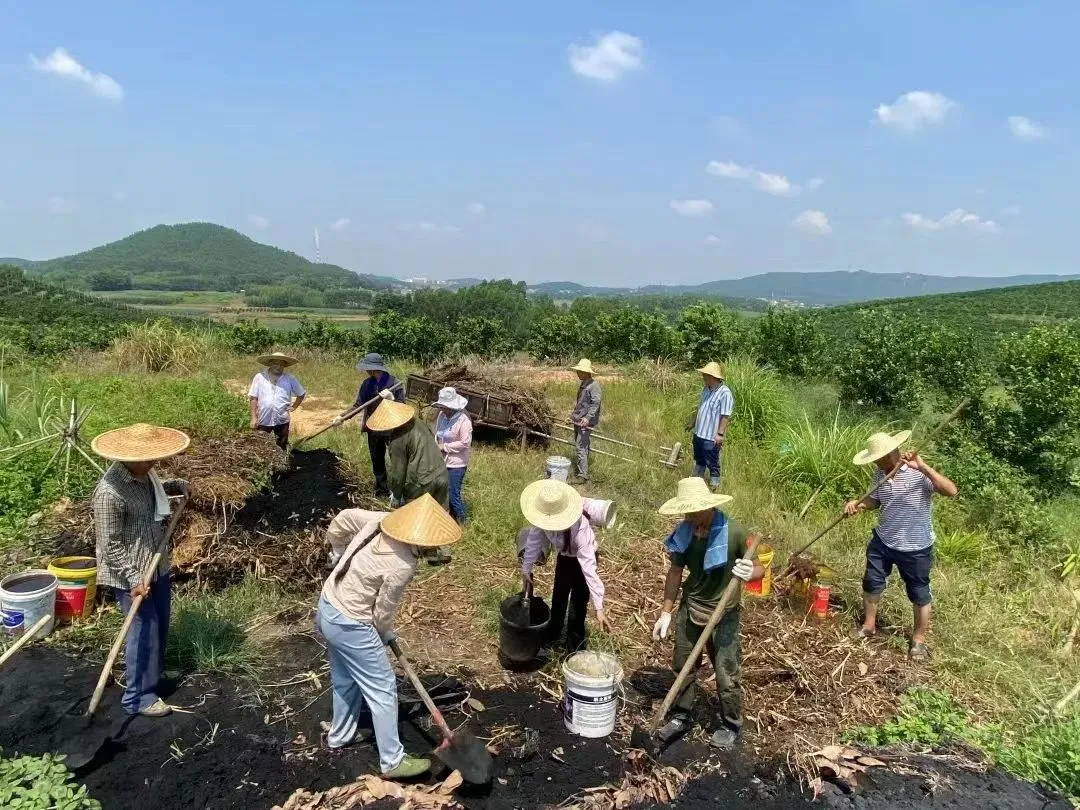
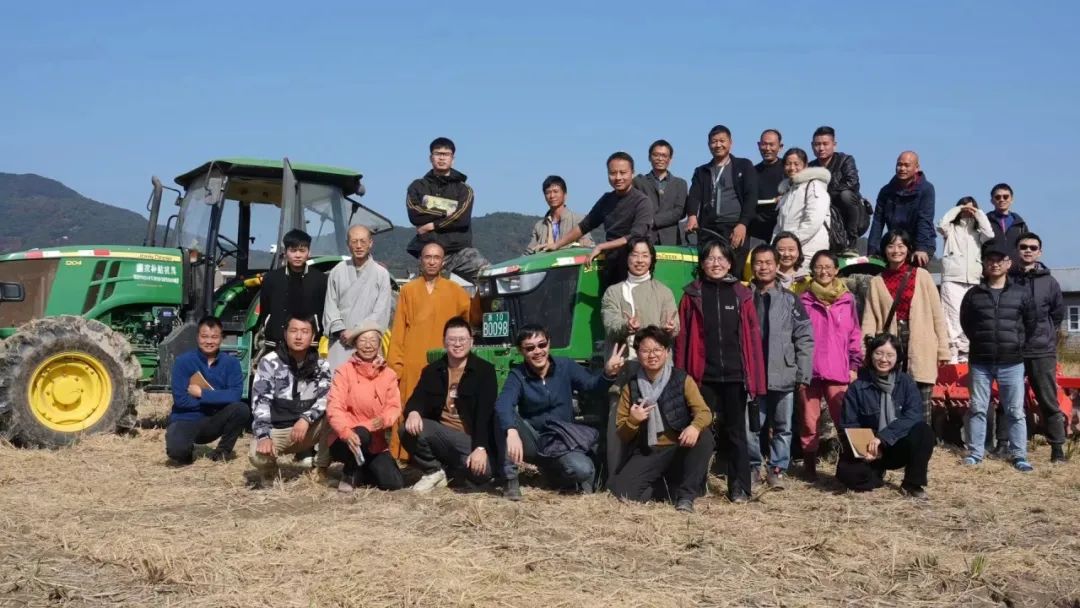
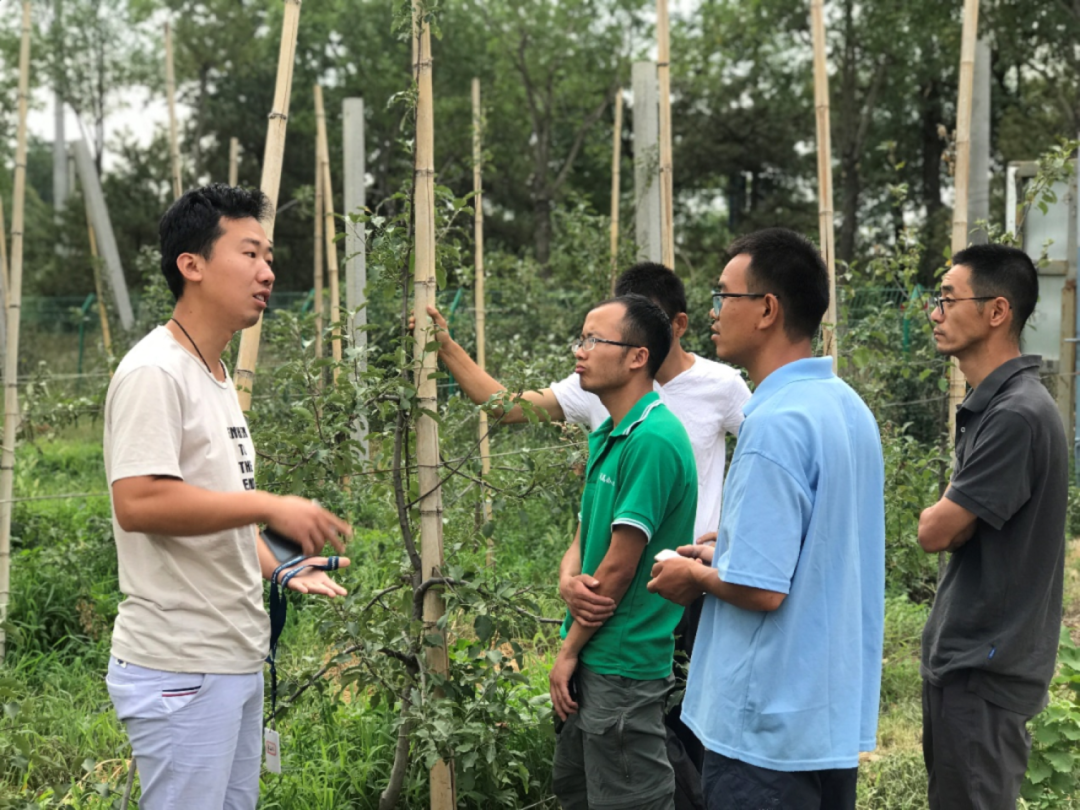
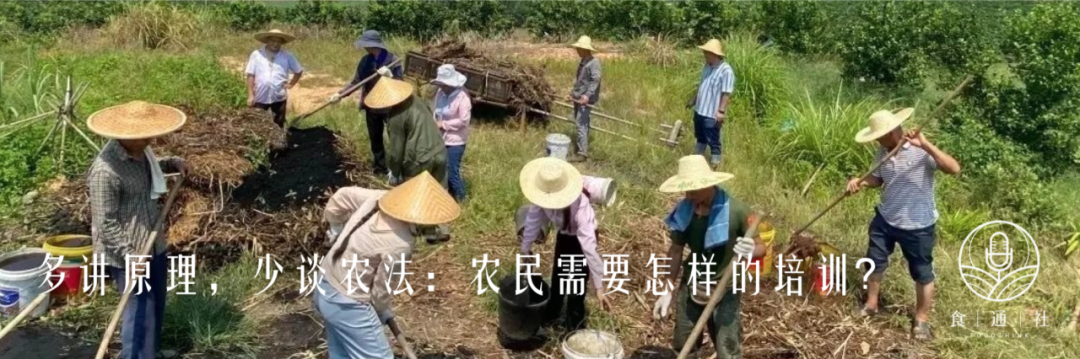
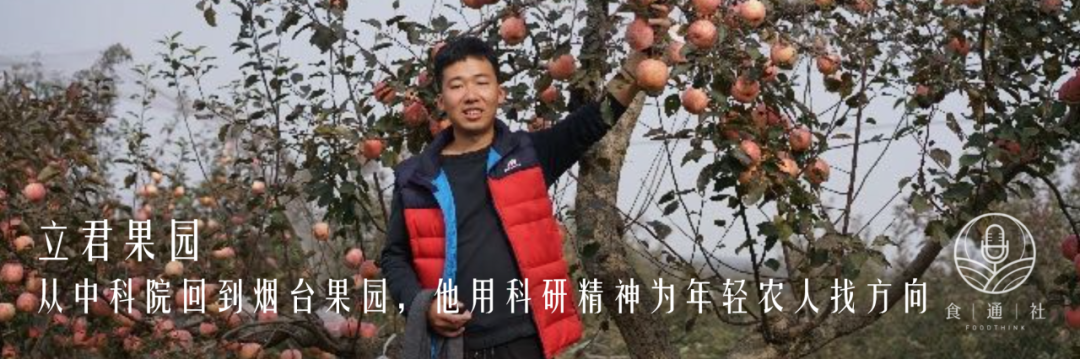
● In 2021, Guangxi Guoren hosted an ecological agriculture soil cultivation class. Shown above are the mentor and farmers making compost together, learning through practice.● A group photo from the 2023 autumn offline training course for Australian Biodynamic farming. Image source: Green Me Farm● Lijun, a farmer from Shandong (far left), is frequently invited to various regions to exchange techniques with young farmers engaged in ecological agriculture.
Despite China’s rich and profound farming culture and traditions, industrialised agriculture continues to charge ahead, bolstered by both policy and capital. Ecological agriculture remains a niche, even marginal, industry in China. Ecological smallholders scattered across the country—particularly the younger generation entering the field—still require sustained support. For ecological agriculture to continue taking root and growing across a broader rural landscape, farmers must understand the scientific principles behind it and master technical methods suited to their own needs.
Building on three consecutive years of the ‘Ecological Agriculture Internship Project’, Foodthink will collaborate with scientists, technical experts, experienced ecological farmers, and partner organisations with deep roots in rural areas to launch agricultural technical training that meets the actual needs of ecological smallholders in 2024.
Interested farmers are welcome to click ‘here‘ to fill out the technical needs questionnaire and tell us about your requirements. Farmers who complete the form will have the opportunity to receive scholarships to reduce their tuition fees for the training.
Meanwhile, preparations for the ecological agriculture technical training are already in full swing. We welcome partners interested in ecological agriculture techniques to stay tuned to Foodthink for the latest updates!