
Could you accept a table of ready-meals this Lunar New Year’s Eve?
Foodthink’s Take
However, despite their growing popularity in recent years, opinions on the merits of pre-prepared meals remain divided. How exactly can we distinguish between different types of pre-prepared dishes? And what should consumers be concerned about?
At the end of 2023, during the Fengnianqing (Harvest Celebration) in Guangzhou, Foodthink hosted a forum on pre-prepared meals, inviting consumers, scholars, and catering industry professionals to discuss the topic. Although the setting was modest—with participants sitting on the ground in an open space—it attracted many passing citizens. The following is a written transcript of that discussion.
Panelists
Moderator
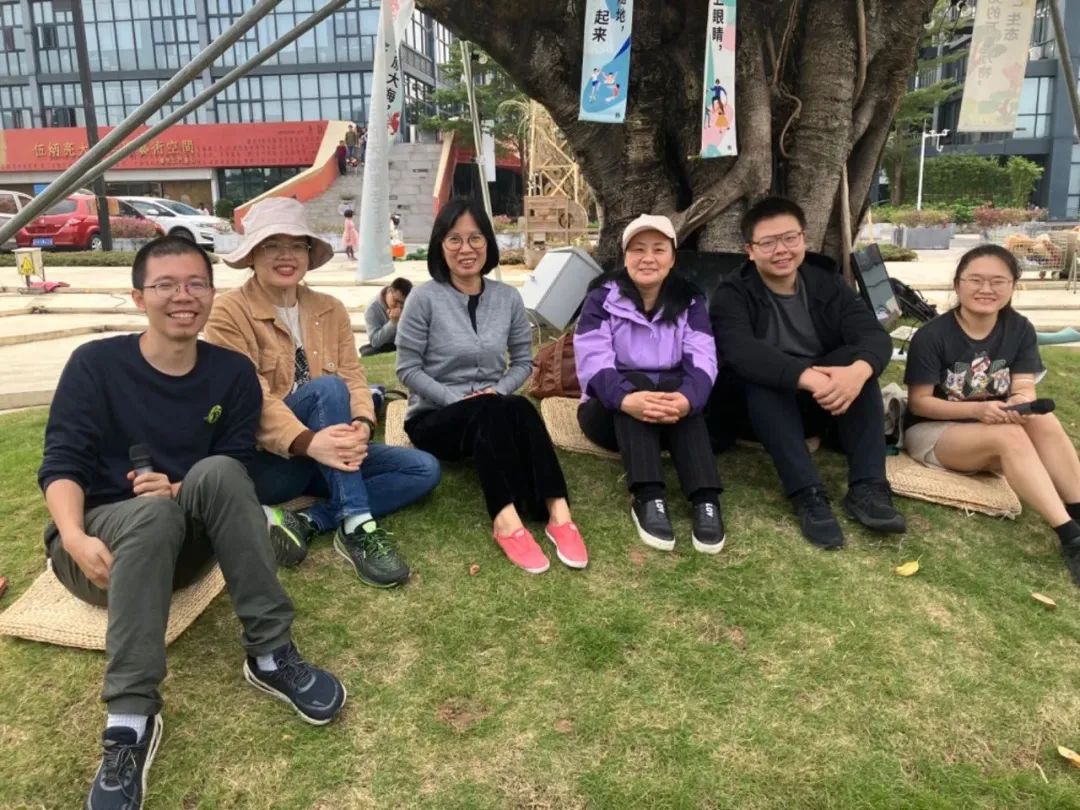
I. Experiences with Pre-prepared Meals
Song Tinghui: I’ve worked in restaurant and hotel kitchens for many years. I first heard terms similar to “pre-prepared meals” as far back as 2016, though back then everyone called them “semi-finished products”. It was only after seeing the news about “pre-prepared meals in schools” in the last six months that I realised what people are now calling “pre-prepared meals” has existed for years; only the terminology has changed.
Zhong Shuru: In fact, pre-prepared meals can be divided into many types. Industrially, they are divided into four categories, also known as the “4R Principle“—
- Ready to Eat (RTE): Foods that can be eaten immediately, such as instant noodles;
- Ready to Heat (RTH): Foods that can be eaten after heating, such as frozen dumplings or a pre-made dish that just needs reheating;
- Ready to Cook (RTC): Pre-cut ingredients that only need a quick stir-fry at home, such as marinated steaks;
- Ready to Use (RTU): Generally ingredients prepared by central kitchens; these are the most common in the market.
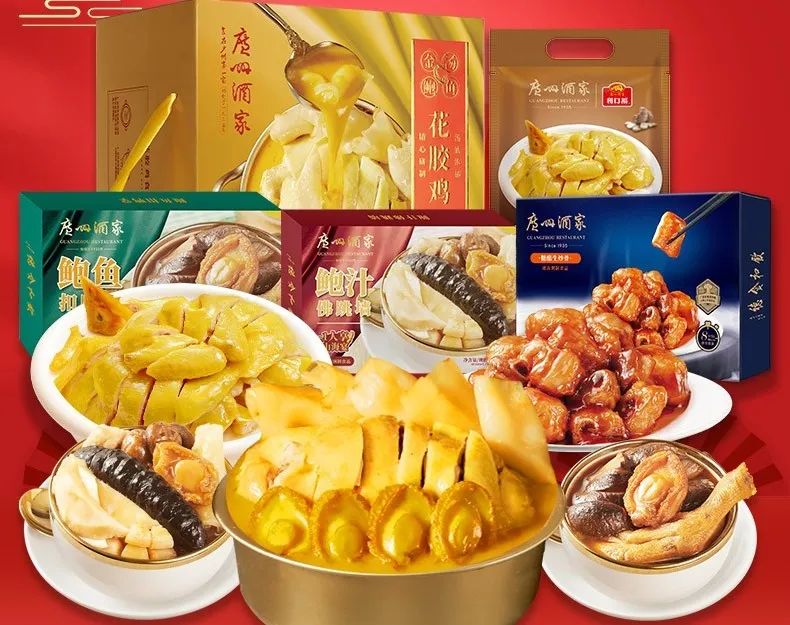
Yang Erma: My first encounter with pre-prepared meals was during the pandemic, when I had to prepare the New Year’s Eve dinner at home. However, with limited resources, I couldn’t make elaborate dishes. My husband bought a “pen cai” (pot meal) from outside, which, in a way, really saved me. My child happily said that night, “Mum, I ate eight abalones!” For a long time after that, I frequently bought these kinds of pre-prepared meals. But after four or five times, my child and I had had enough.
The taste and texture of pre-prepared meals are very one-dimensional; even when I paired them with different side dishes, I couldn’t achieve a rich flavour profile. Since then, I’ve rarely bought them. In the long run, my life will certainly not depend on pre-prepared meals.
Wang Hao: As a parent yourself, your children also eat at school. Have you encountered similar situations regarding “pre-prepared meals entering schools”?
Yang Erma: My child attends a secondary school in the Tianhe District of Guangzhou. The school originally had a canteen, but it closed for various reasons, leaving them with no choice but to order meals from outside catering companies. The Parents’ Committee spent a great deal of time and effort managing this, having to weigh up costs, taste, and food safety.
I visited several catering companies; the processing sites looked fine, but in reality, there were many issues. For example, it takes half an hour to get the food from the kitchen to the delivery trucks, and then another 40 minutes to drive from the company to the school… Just imagine what happens to hot food when it’s left to steam in plastic boxes for over an hour; the greens become almost inedible. But we were helpless; there were simply no other catering options available around the school or within the city centre. My son isn’t a fussy eater; he might not like it, but he can still fill his stomach. But some children truly won’t touch it and just throw the food away.
It was during the search for a catering company that I realised how difficult it is for a canteen to achieve both value for money and good taste. Since the students’ lunch allowance is only 15–18 yuan a day, you can imagine that school canteens make no profit. Consequently, food that is flash-fried or pre-portioned and then finished at the school canteen becomes a viable option.
Wang Hao: Qinyuan, could you share with us how you prepare pre-prepared meals at home?
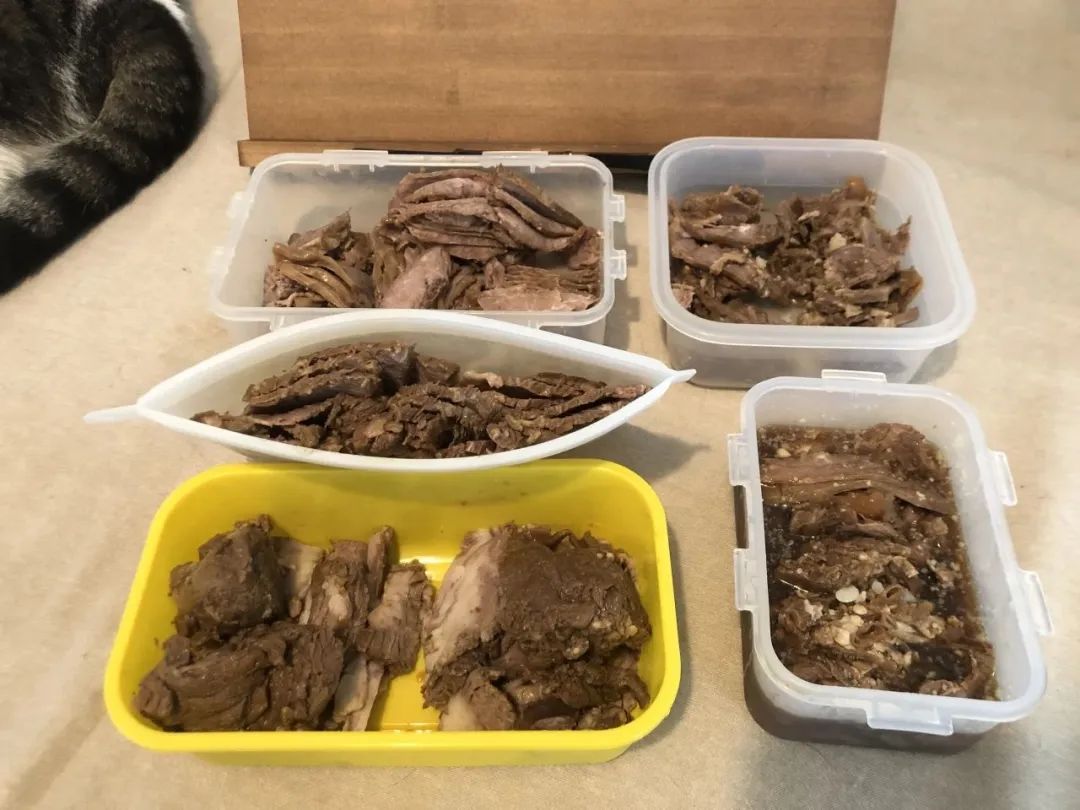
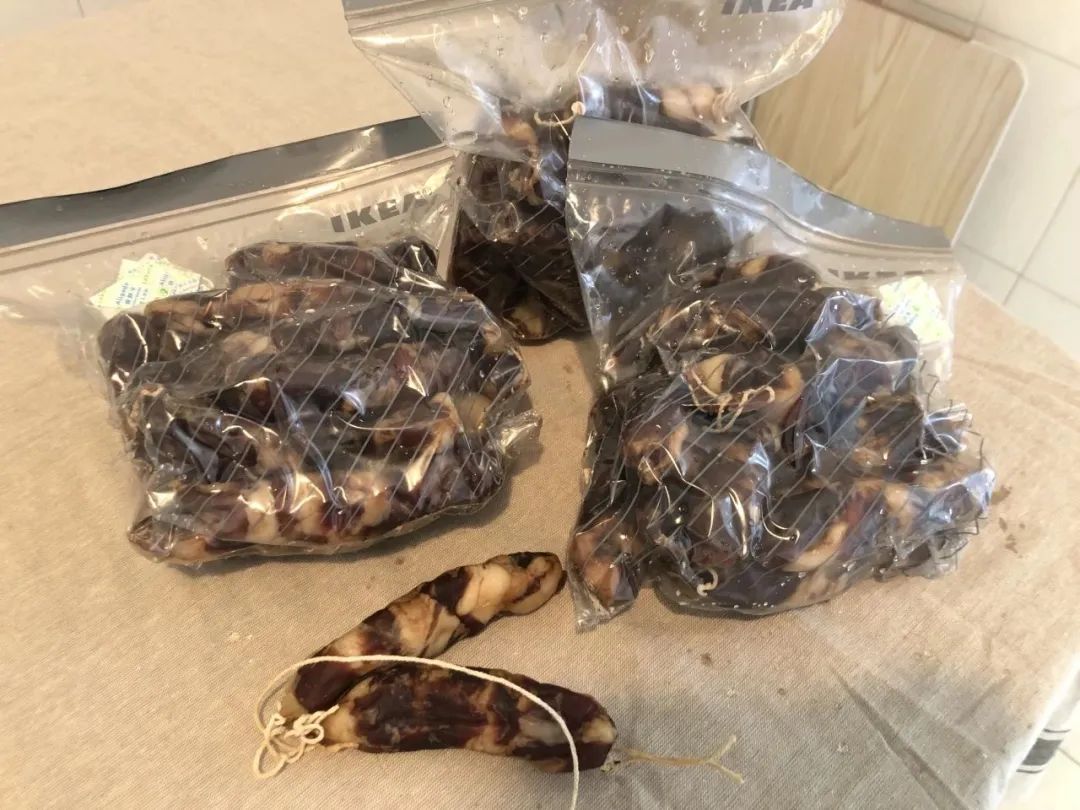
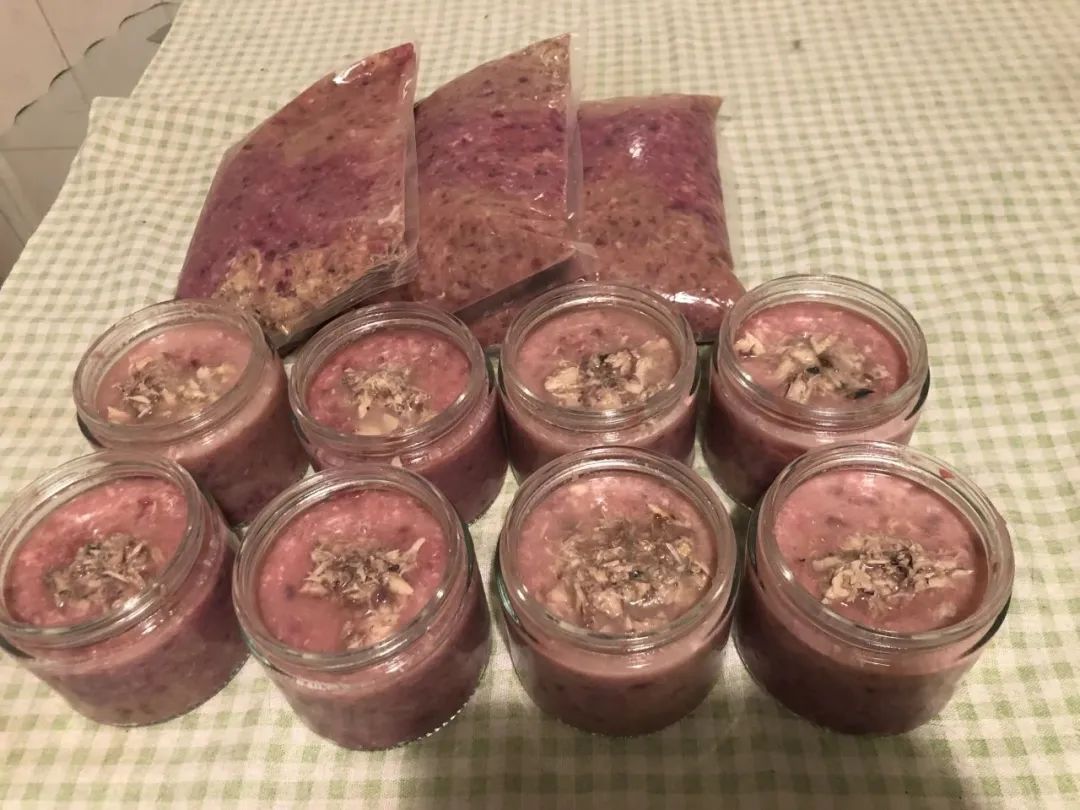
Qinyuan: To be honest, it started as a way to be lazy. Although I love cooking, I find it to be very physically demanding. If you can’t accept outside food but don’t want to endure the hardship of daily cooking, pre-preparing is the way to go—you cook once and can eat for several meals.
When you make the dishes yourself, every part of the process is controllable. After some experimentation, I learned which foods can be refrigerated and which must be frozen.
I once made 2.5kg of beef shank in one go, which lasted for about 15 meals. Some foods can be kept in the freezer for a long time; the texture doesn’t change much after one or three months, and some don’t even spoil after half a year.
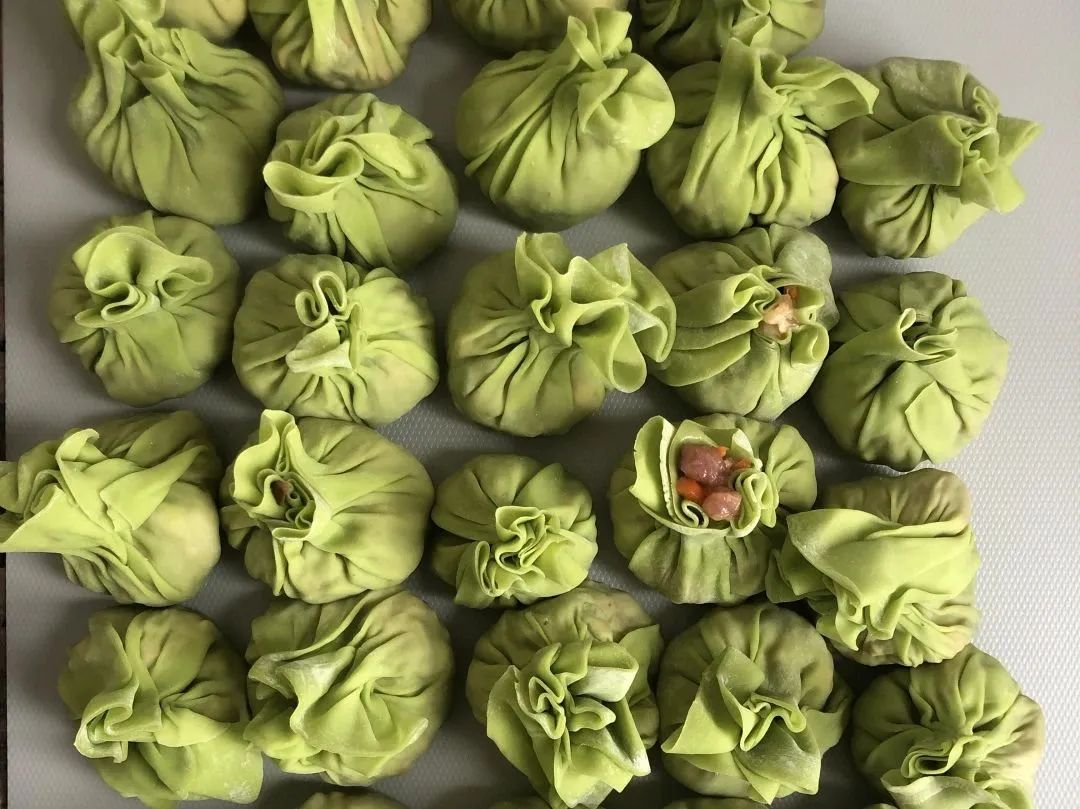
I also occasionally choose commercial pre-prepared meals, mostly for dishes I can’t do well or that are too troublesome to make at home, such as frozen buns. I’ve also bought pre-prepared “Buddha Jumps Over the Wall”, but it tasted terrible.
When I first started working, I didn’t have a concept of “healthy eating”, so I usually just chose things I liked. I used to order the same few dishes for delivery, such as fried meats; looking back, those were all pre-prepared meals. Back then, it felt as if my taste buds were controlled by those pre-prepared flavours; I’d often find myself wanting to order the exact same thing for the next meal. Now, I feel that was a rather unhealthy eating habit.
II. How to distinguish pre-prepared meals?
Song Tinghui: Having worked in the back-of-house, I’m quite clear on this. High spending doesn’t guarantee you’ll eat food fresh from the wok. Even in some high-end restaurants, the food isn’t made to order; I’ve even seen high-end establishments buy takeout from elsewhere and serve it directly on the table after unpacking it.
Qinyuan: I have a method for identifying pre-prepared meals: if you know how a dish is cooked and have made it at home, you know what the taste should be following a normal process. When you eat a pre-prepared version, you will definitely notice the difference. When you possess the skill yourself, even if you don’t have the time or energy to cook every day, you still have the ability to identify how highly processed the food is.
Yang Erma: I rarely visit chain restaurants now, but in my judgement, chain restaurants basically serve pre-prepared meals. Those small, home-style stir-fry restaurants are more likely to have the chef prepare the food personally.
Yue Xin: When I got married, I treated my family to a meal at a star-rated hotel. At the time, I felt that every single dish in the hotel was pre-prepared. Some dishes arrived only lukewarm, or even cold. Although every plate was exquisitely presented and the service and table turnover were very fast, the food felt soul-less.
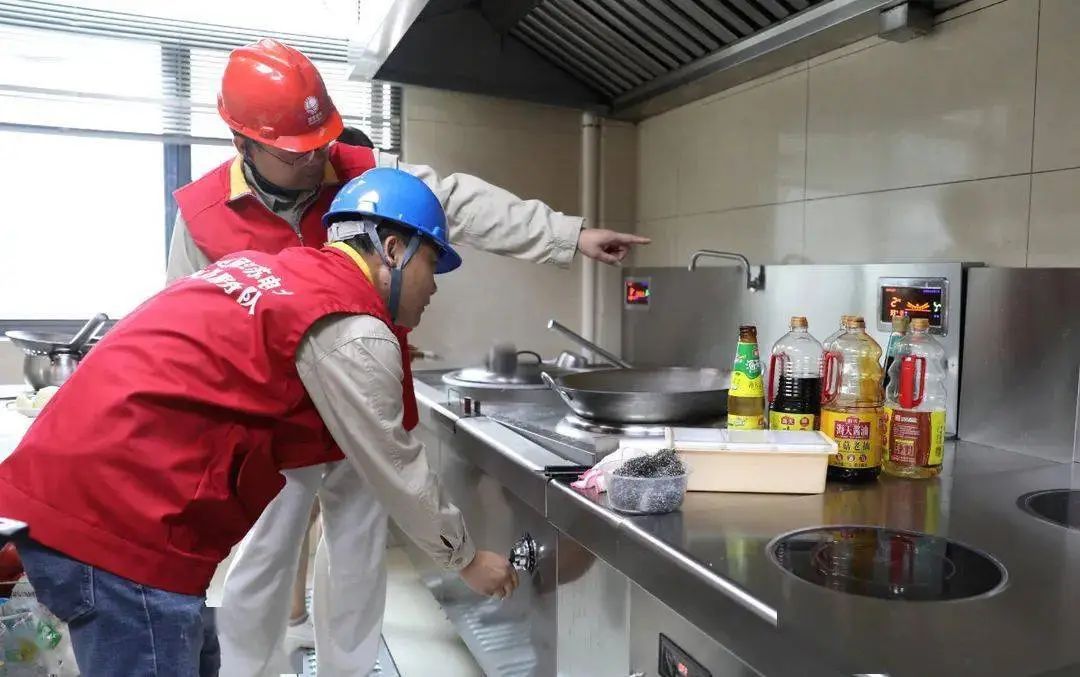
Zhong Shuru: Nowadays, the food served in mall restaurants is basically all pre-prepared. I understand that some malls in Beijing do not allow open flames, which essentially strikes at the very heart of Chinese cooking. If chefs cannot use open flames to stir-fry, they can only heat the food up or give it a simple treatment before serving it. Some restaurants have transparent kitchens or CCTV; people can check the cameras to see if there are any open flames.
III. Can we trust pre-prepared meals?
Zhong Shuru: The key issue may not be whether the food is pre-prepared, but rather whether the processes behind that preparation are transparent and trustworthy. For example, Qinyuan mentioned that she makes her own “pre-prepared meals” at home; that entire process is transparent because she buys the ingredients and cooks the dishes herself, so there is no problem with that. However, when eating at a restaurant, quality cannot be guaranteed, as it is impossible to be sure about the raw materials, the processing, or even the source of the plastic packaging.
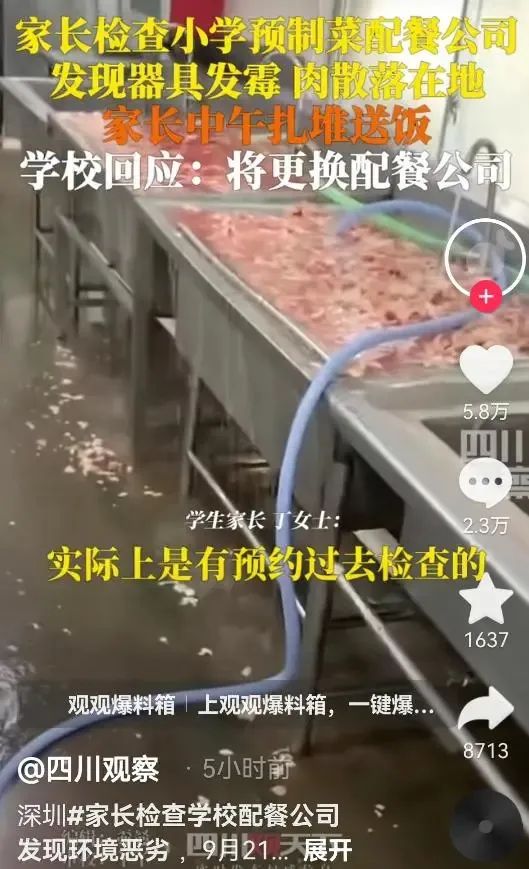
The reason there is so much opposition to “pre-prepared meals in schools” is that the underlying regulatory mechanisms are not transparent enough. People do not know which types of pre-prepared meals are permitted in schools and which are not, and the meal providers themselves are a mixed bag in terms of quality.
Yang Erma: Choosing a meal provider for a school is incredibly complex. We tried to find a few trustworthy local restaurants near the school, but after we submitted the list, the school rejected them all because these restaurants did not meet the requirements for school catering issued by the Education Bureau. Some of these restaurants are small-scale operations and have never undergone the audit and certification required by the Bureau. Consequently, we have no choice but to follow the Education Bureau’s guidance and select larger catering companies, but these companies, in turn, suffer from a lack of transparency.
Qinyuan: Firstly, pre-prepared meals are often richly seasoned; high fat content can cause more fat-soluble additives from the packaging to leach out, posing health risks. Many food safety practices are not strictly enforced in the catering industry, and it is even harder to ensure safety with low-cost delivery meals costing only ten or twenty yuan. PP (polypropylene) is a relatively stable and safe material for plastic products and is safer for food packaging, but the cost is too high, so many restaurants do not choose it. Furthermore, once disposable utensils are manufactured, they can be contaminated with various industrial cleaning agents and powders; they require thorough cleaning, but we have no way of monitoring or verifying that process.
Song Tinghui: From my experience working in kitchens, cleaning also invisibly increases the workload for factories and restaurants and raises labour costs, so I believe that strict safety standards are generally not met.
Yue Xin: A view I personally agree with is that food should be labelled and graded, allowing everyone to make an informed judgement about the condition of their food. Secondly, I hope to see more public education on the subject; after all, for office workers, pre-prepared meals are essentially inevitable.
Wang Hao: I have also noticed that pre-packaged food and drinks are required by national regulations to be labelled with production dates, ingredient lists, and so on, but meals from central kitchens have no labels, making them something of an information vacuum.
Zhong Shuru: This depends on the channel. Pre-prepared meals bought from food retail stores have detailed ingredient lists and cooking instructions, but it is very difficult to label delivery food. For example, how do you test the oil content in a delivery meal? Consumers can only rely on their own experience to judge whether it is healthy.
IV. Will pre-prepared meals destroy the catering industry?
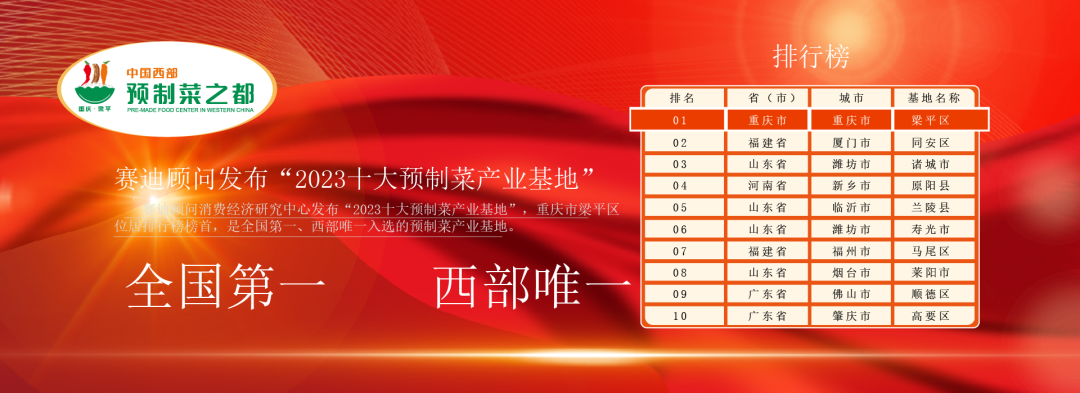
Currently, the penetration rate of pre-prepared meals in our country is not high, at less than 20%. In contrast, 60% of restaurants in Japan already use pre-prepared meals. Comparing the two, there is significant room for growth for pre-prepared meals in China. This is a foreseeable future—perhaps even an irreversible trend. However, it also means it will become increasingly difficult for us to taste the authentic flavours of local food.
Song Tinghui: In terms of price comparison, pre-prepared meals are indeed not cheap. Take pickled cabbage fish as an example; if a chef makes it, they earn a few hundred yuan a day and can prepare many portions of the fish. But if a restaurant sources pre-prepared pickled cabbage fish, one box costs dozens of yuan—a few boxes equal a chef’s daily wage. From this perspective, the cost is actually very high.
The emergence of pre-prepared meals is indeed a huge blow to Chinese chefs. Take flour-based dishes as an example. In our kitchen, we used to have four chefs working together, responsible for kneading the dough, preparing the filling, rolling the skins, and wrapping; every step was done by hand to ensure freshness and taste. Now, the pastry section has only two chefs. The canteen has stopped making steamed buns, baozi, and wontons; they cut two chefs’ salaries to fund the purchase of pre-prepared flour-based dishes, which are simply reheated before being served.
Qinyuan: Pre-prepared meals aren’t necessarily advantageous in price; they are promoted primarily from the business owner’s perspective. Restaurant staff have a certain turnover rate—they may resign or demand pay rises—and as chefs gain seniority, costs continue to rise. If a restaurant wants to expand, pre-prepared meals enable standardisation. Even if initial costs are not low, once the volume is large enough and standardisation is established, costs decrease. This is one of the reasons why it is so difficult to resist the tide of pre-prepared meals.
Wang Hao: This involves the ecosystem of the catering industry: do you scale up for mass production, or stay small as an individual business?
Zhong Shuru: I once conducted a survey and found that a central kitchen needs at least 10 chain stores to bring costs down to an acceptable level. However, the new trend is to turn central kitchens into a B2B model, where the central kitchen sells directly to restaurants, providing various pre-prepared ingredients or dishes.
If you want to open a takeaway shop, a chef might only be able to produce 4 or 5 meals an hour. But with pre-prepared meals, you can reheat a dozen, or even dozens, of meals per hour. During peak dining times, speed determines competitiveness.
Wang Hao: Actually, many restaurants make their own dishes in large pots and then reheat and sell them at noon, which is somewhat like a restaurant’s own version of pre-prepared meals—for instance, the Longjiang pork trotter rice, which is ubiquitous in Guangzhou.
Zhong Shuru: Yes, so pre-prepared meals have existed for a long time. We aren’t opposed to pre-prepared meals themselves, but we are concerned about the production and transport processes behind them.
V. Would you choose pre-prepared meals?
Yang Erma: I have experience with home-made pre-prepared meals: I cut the pork, season it, and then divide it into small bags in the fridge. For me, home-made pre-prepared meals have been a lifesaver for families like mine who have a fast-paced lifestyle but don’t want to eat out.
Yue Xin: Working professionals are easily influenced by their environment. When I first joined the company, I just ordered takeaways with my colleagues. Fortunately, I met my partner, who is a very picky eater, so my standard for whether food is good is simply whether she finds it pleasant to eat—and generally, the food she enjoys is healthy. Gradually, I felt a responsibility to select better ingredients. I now try to cook dinner at home; I prepare some dishes in the fridge in advance and stir-fry them when I return in the evening.
Song Tinghui: My current employer asks me to go to his home every day to make dinner, using fresh ingredients that are chopped and stir-fried on the spot to ensure freshness. As for home-made items that can be frozen, such as braised beef in soy sauce, buns, and dumplings, they still believe these are fresher and healthier than those bought from outside.
Many families also face issues of division of labour and responsibility when cooking at home. Song’s employer has the financial means to outsource the important domestic labour of cooking, but not all families have these conditions, nor does everyone have a partner who prepares food for them.
So, how should we handle the division of labour within the family? Especially in situations where women work outside during the day and still have to cook when they return home at night. Does this mean that, to some extent, pre-prepared meals reduce the burden of labour for women?
Yang Erma: In my home, my husband is the type of person who wouldn’t complain even if he ate instant noodles every day. But I cannot accept that. Therefore, I insist on visiting the market for groceries and cooking personally at home. However, when I feel unwell or simply don’t want to cook, we go out or order a takeaway; we can accept that, doing whatever feels most comfortable. I believe every member of the family should find a way of living that makes them feel comfortable.
There is also something quite funny in our house: all the friends who have eaten at my home think my cooking is terrible, but my husband and children praise and encourage me every day. When my son wants something better or more unique, he learns to cook himself, and he is now better than I am. Everything just takes its natural course.
So, choosing a method that makes you comfortable is important. I think: those who cook seriously at home should not complain about the hardship; if you cannot change it, strive to enjoy the process. If you don’t want to cook, you can rest. If you cook with resentment in your heart, the experience is no longer a beautiful one.
Song Tinghui: We work hard to earn money for our own and our family’s health. If we buy pre-prepared meals and order takeaways every day, it really could affect our health. When we are truly busy, we can take a break, but we should still try to cook for ourselves—even a simple meal like noodles will do.
Compiled by: Shan Wei
Edited by: Wang Hao