
Building a ‘Valley of Villains’: Finding freedom through building and farming | Food Talk Vol.28
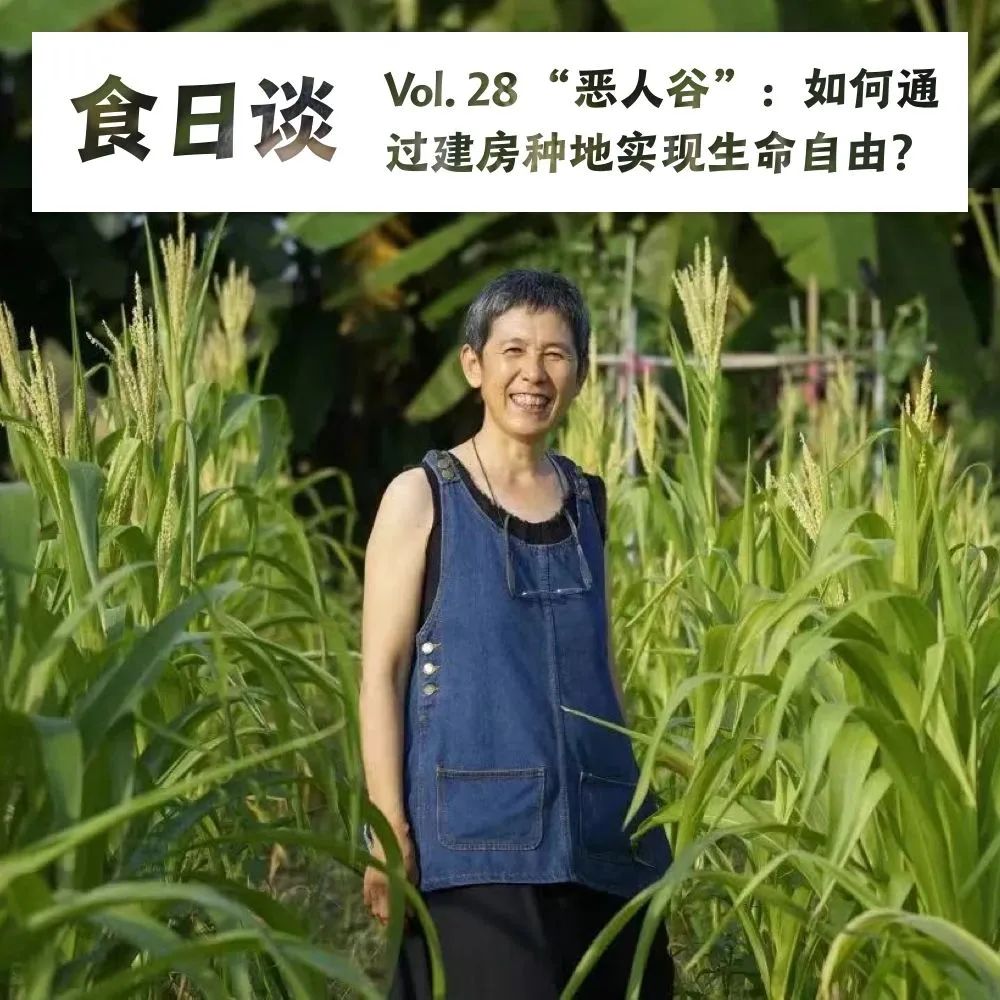
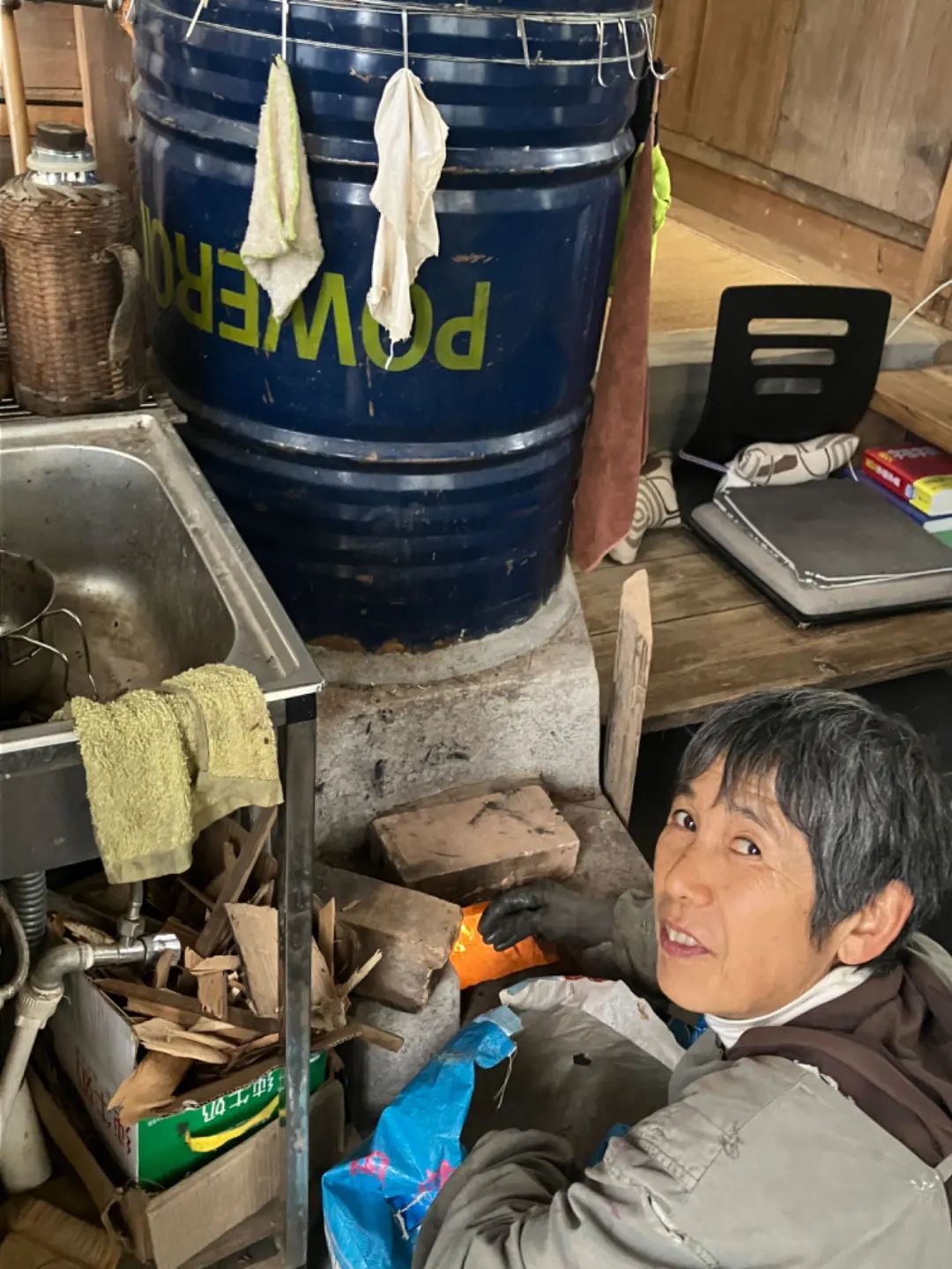
In this episode, Foodthink finally had the chance to visit Villain’s Valley to eat and stay with Kouzi, experiencing first-hand her way of “closing the door to the world” over the last few years—cooking with her in a kitchen open to the breezes, picking whatever she fancied from the adjacent fields, and tasting her homemade fermented foods beside a cosy, warming *kang* bed.
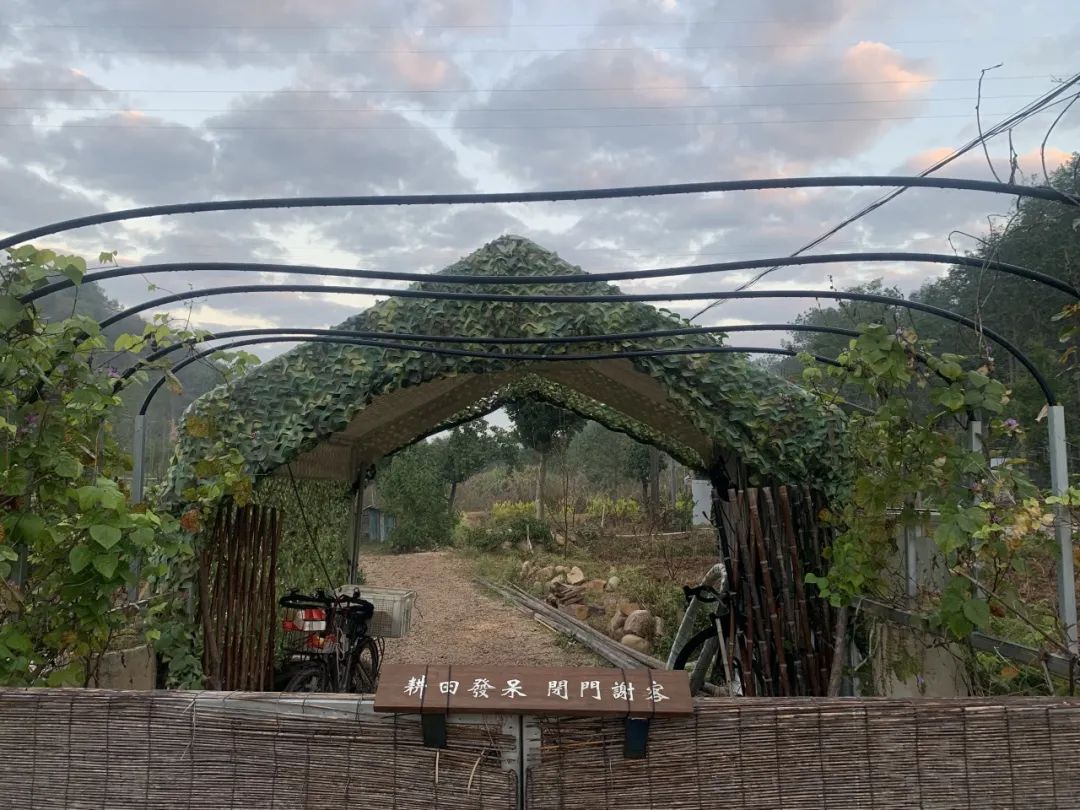
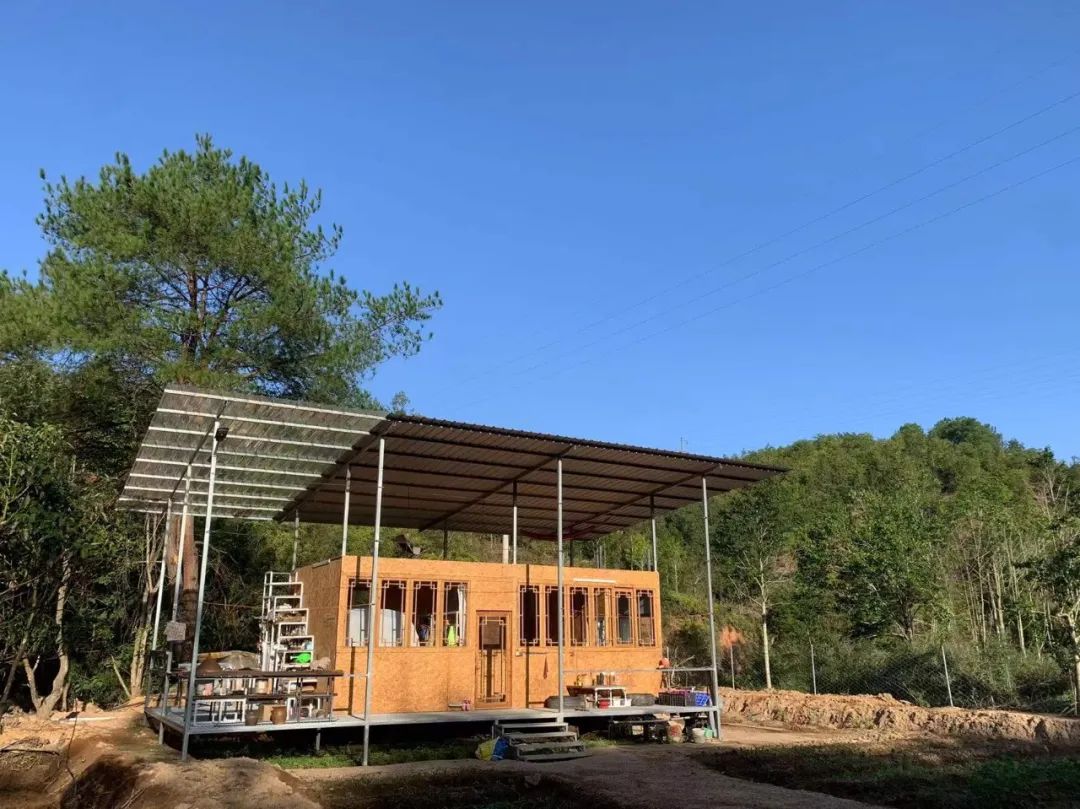
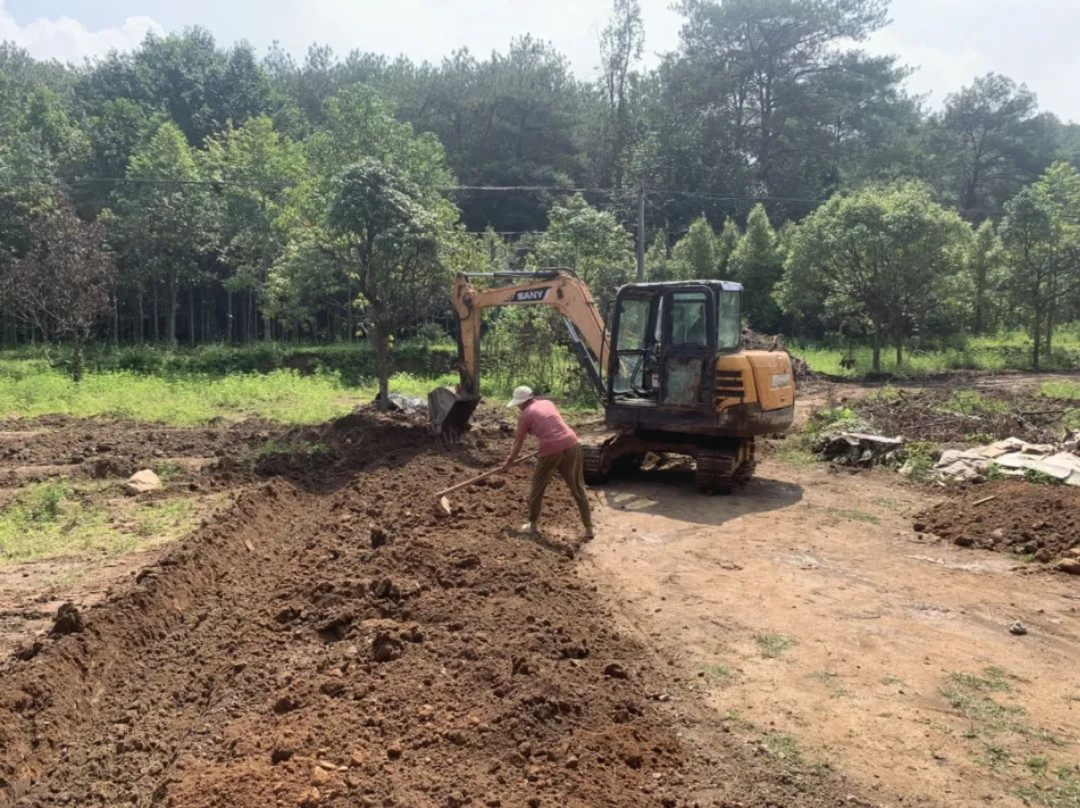
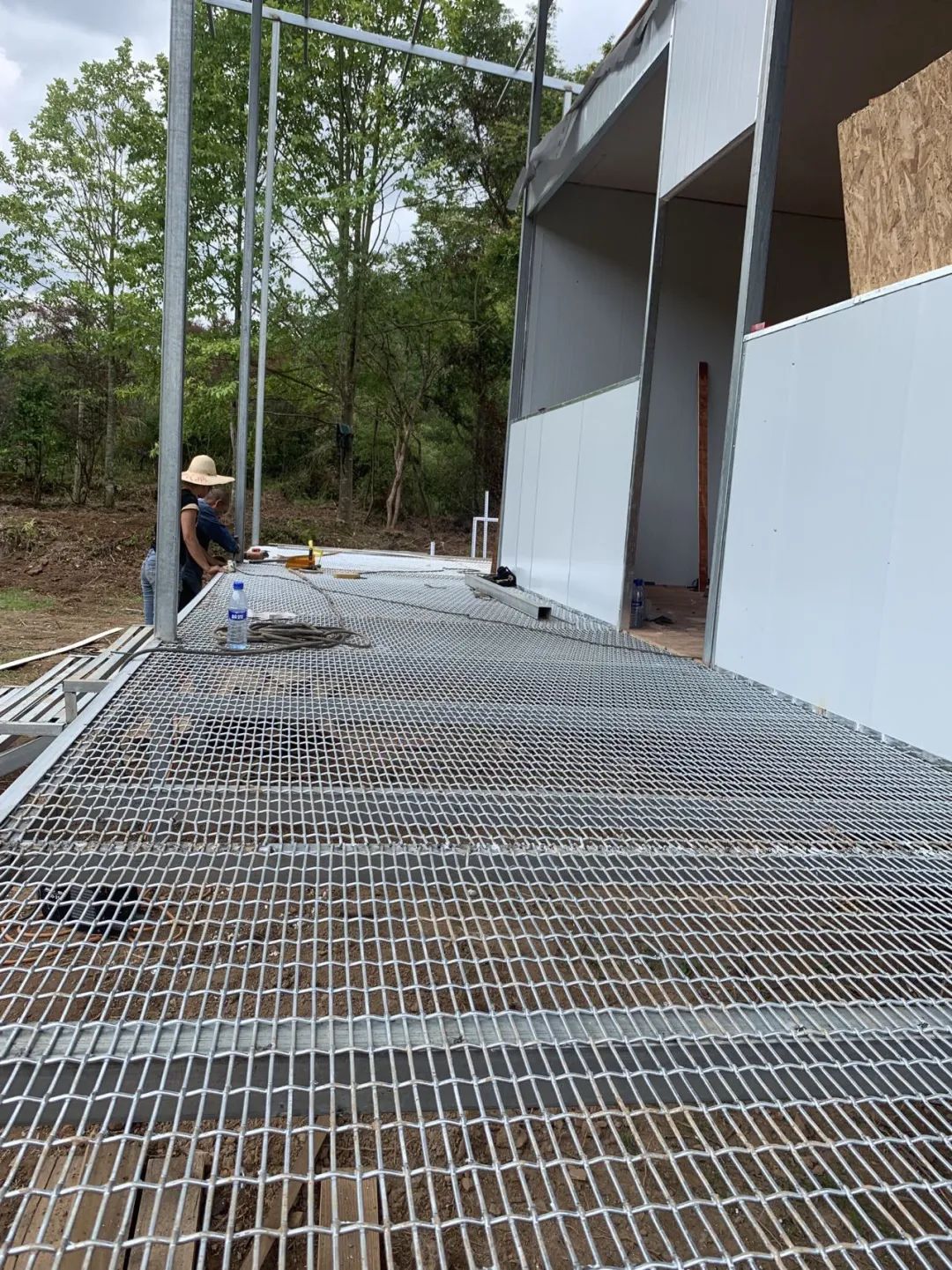
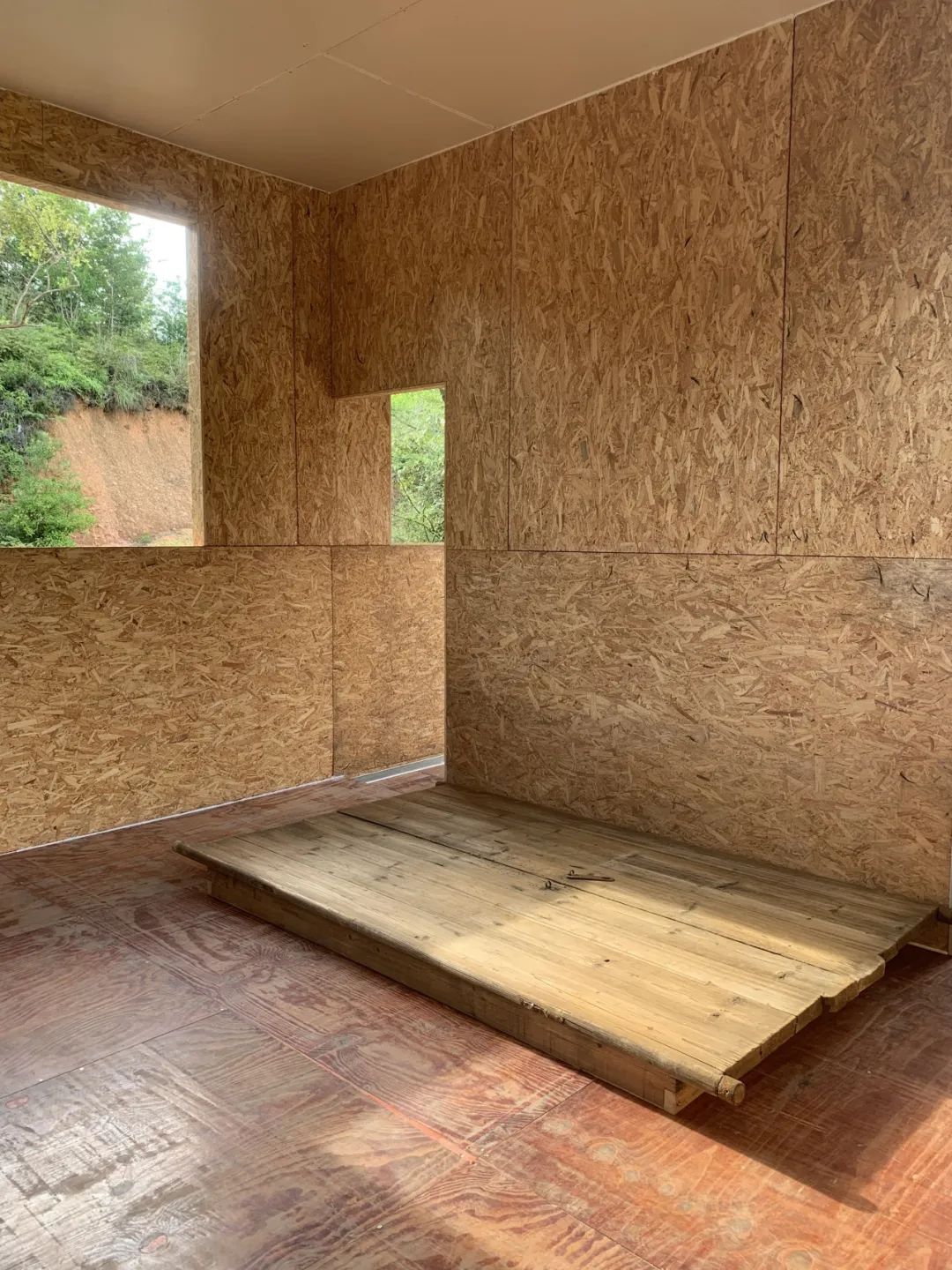
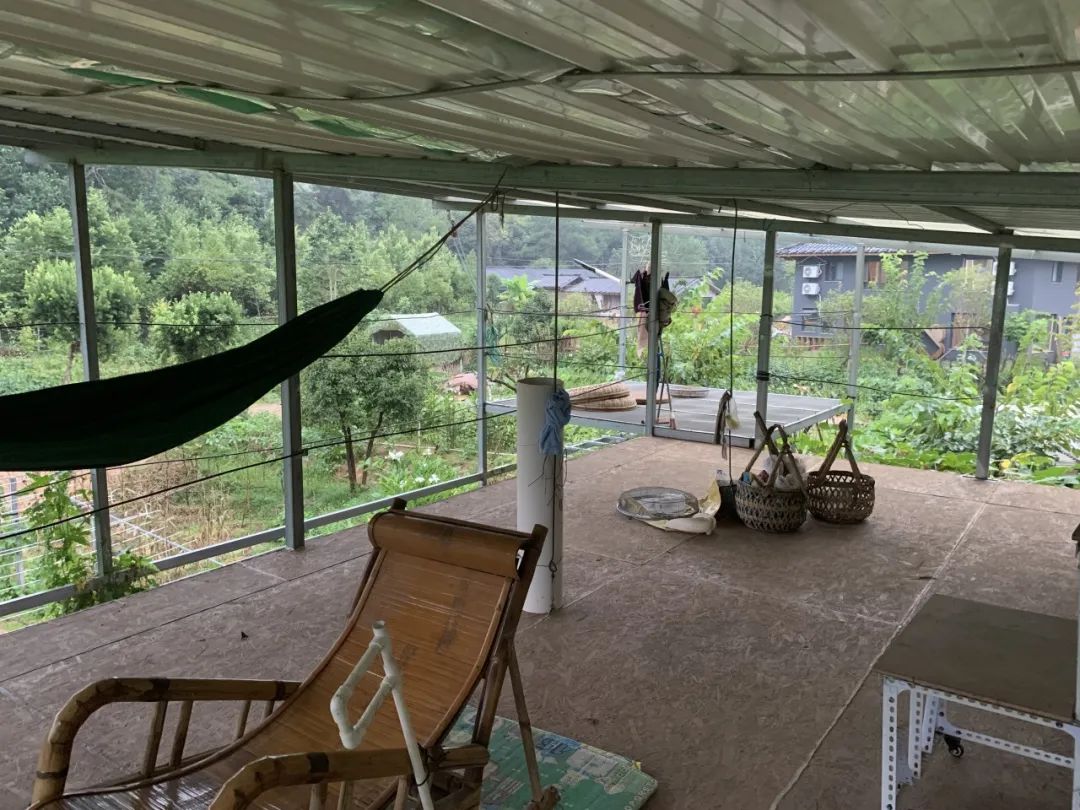
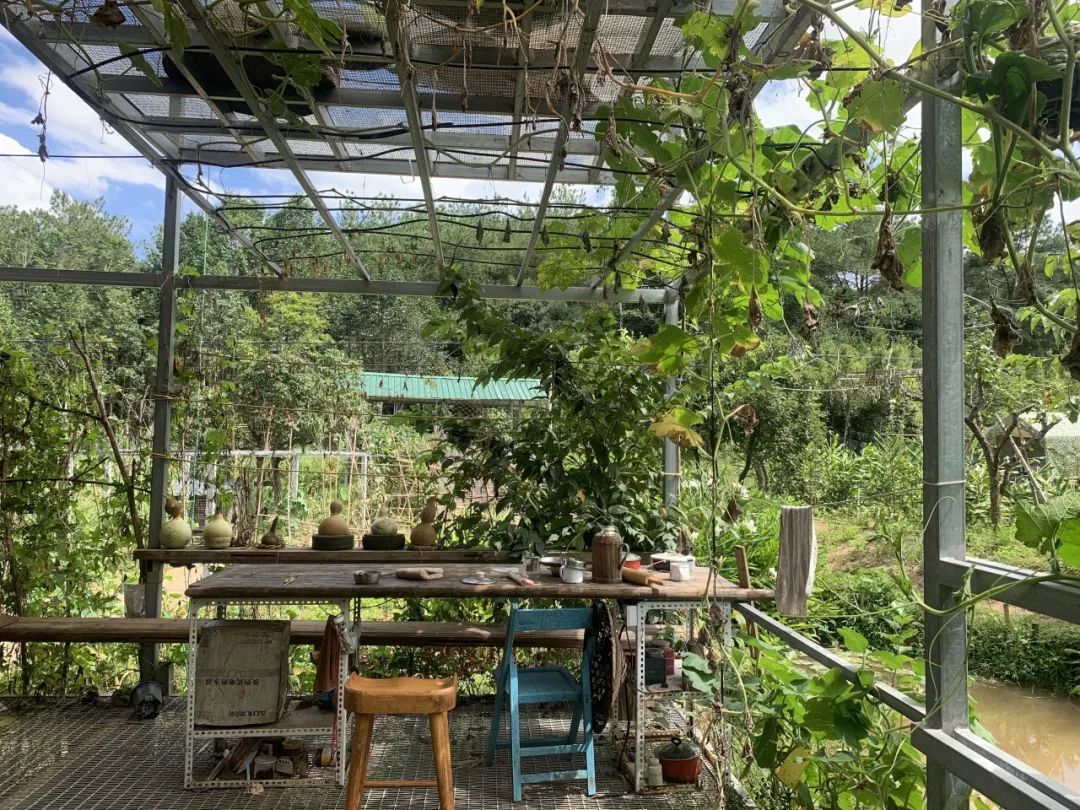
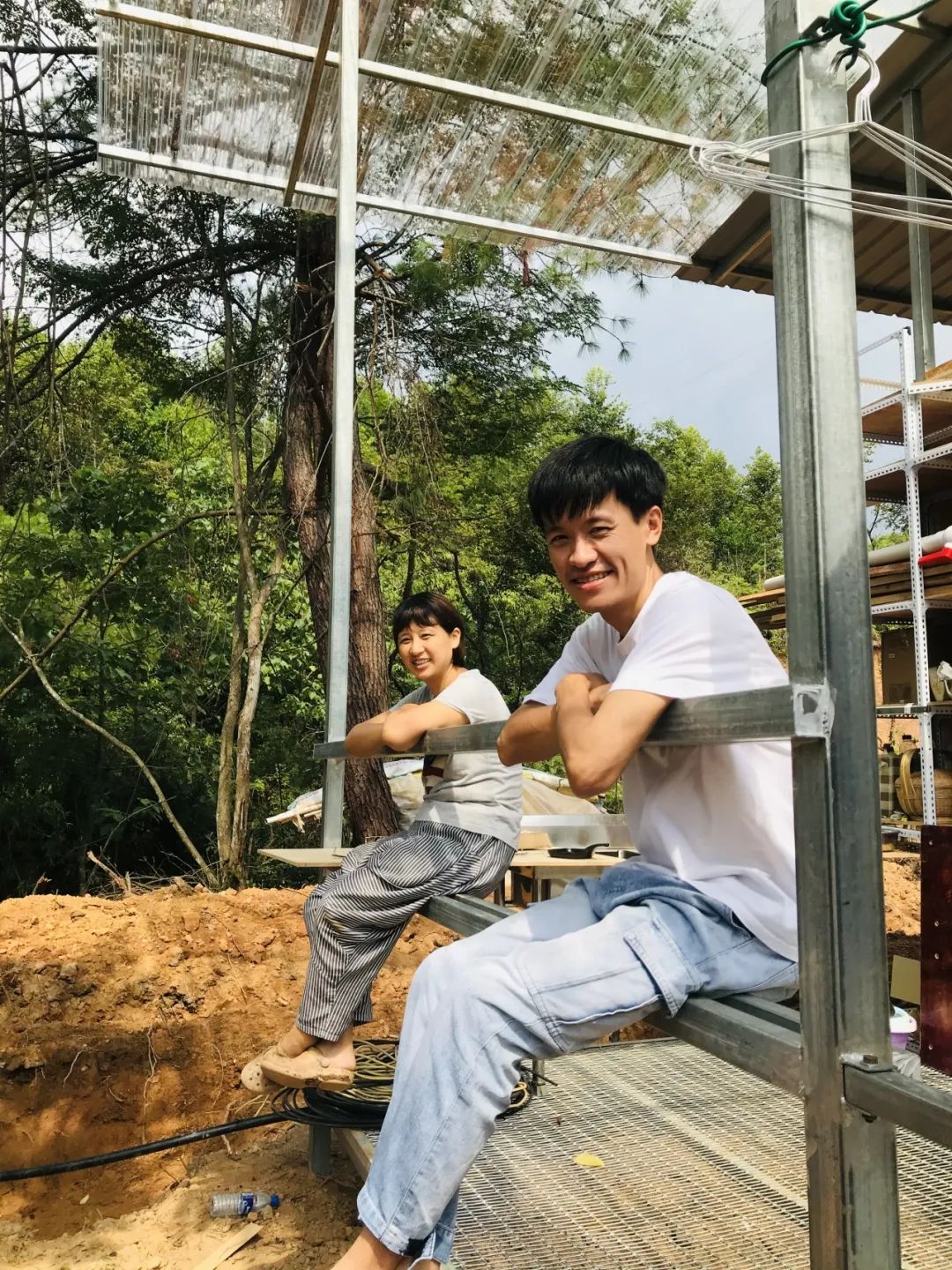
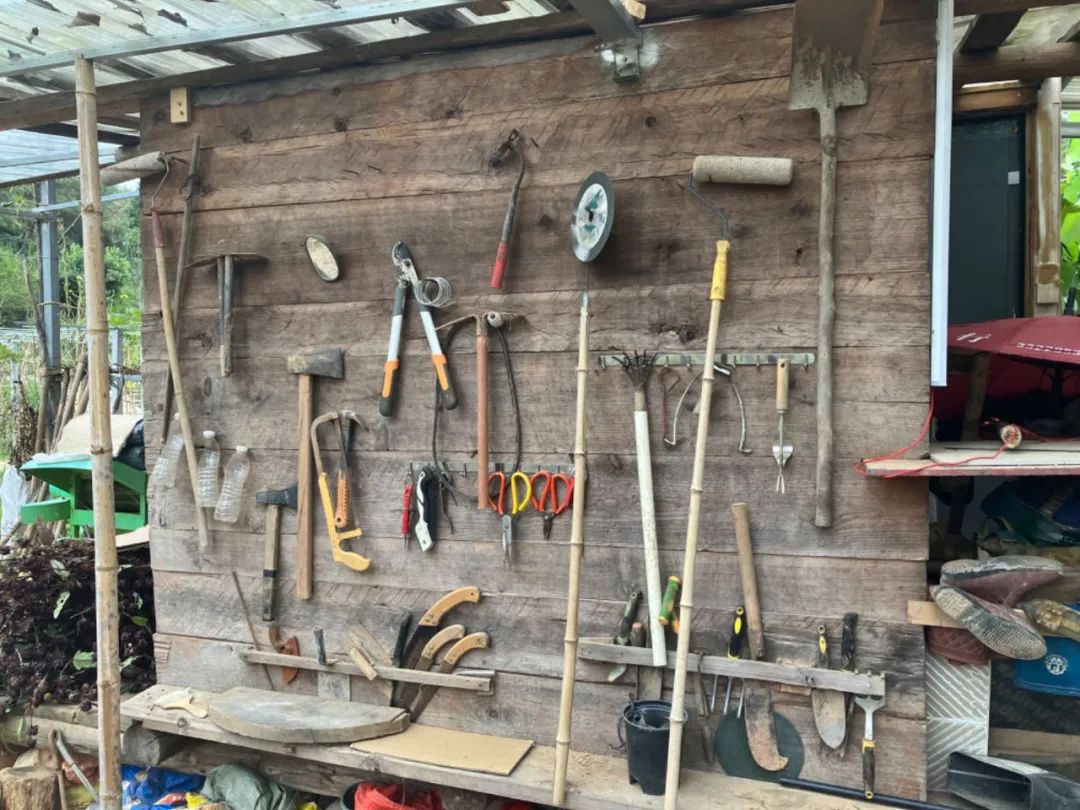
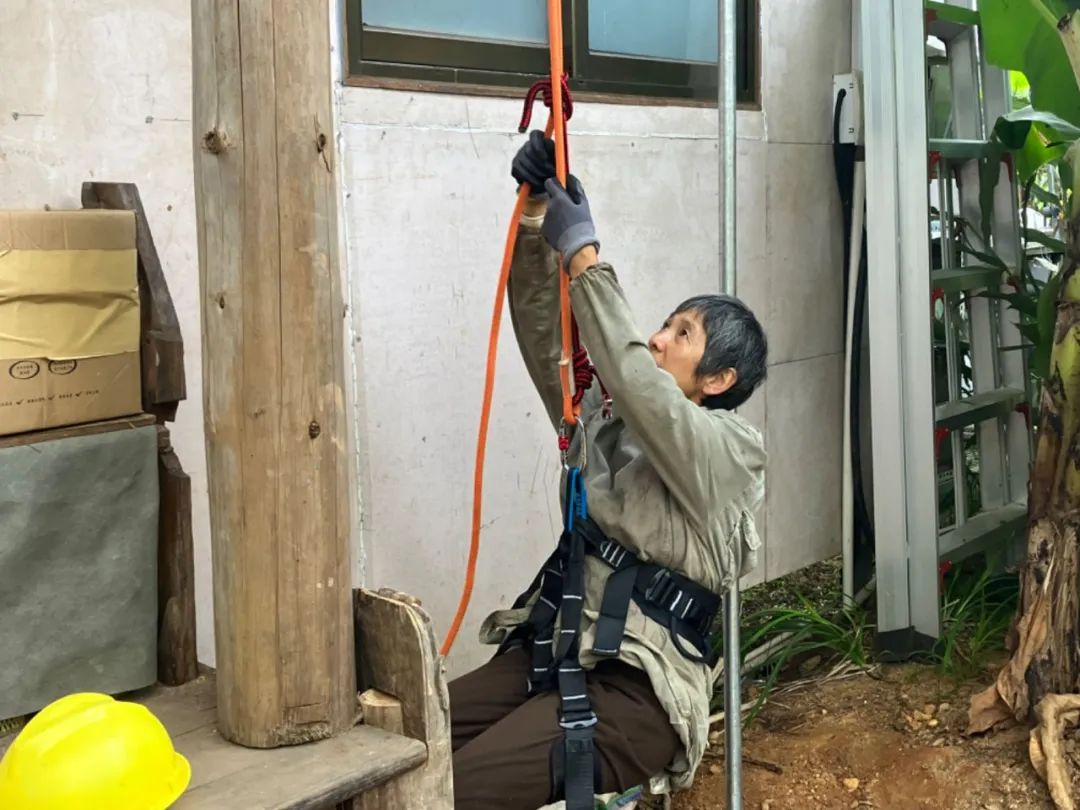
Villain’s Valley has seen many changes over the past two years; two new buildings have been added to the farm, and as a late-blooming farmer, Kouzi’s crops are thriving more and more. Beneath these surface changes lies a deeper philosophy: when building, she sought to minimise the use of cement and bricks, creating the first house of its kind in Villain’s Valley to ensure the impact on the land was kept to an absolute minimum. Through continuous improvement, she has built three structures in total, achieving a comfortable life that is warm in winter, cool in summer, and provides space for both solitude and guests, as well as a place to dry crops. As a follower of “lazy farming”, Kouzi focuses on perennial plants—even her rice is harvested twice—confessing that her ideal is to “plant once and eat for a lifetime”. Along with raising chickens and growing fruit, Kouzi is drawing ever closer to her dream of self-sufficiency.
For Kouzi, this lifestyle satisfies her ideal of freedom and autonomy for the modern individual. Yet, faced with such a grand question, Kouzi decided to adopt a mindset and a mode of action based on “infinite downsizing”. Since moving to the countryside, Kouzi has escaped a state of sub-optimal health that once required a handful of pills a day, and has become robust and healthy. This may not solve society’s problems, but she hopes that by leading by example, more people will see that it is possible for everyone to achieve freedom and autonomy, meeting individual needs while reducing the harm done to the natural environment.
From an urban creature to someone living entirely on the land, Kouzi’s story may inspire us to re-examine our modern way of life. Please press play and join us in exploring Kouzi’s unique life in Villain’s Valley.

Guest
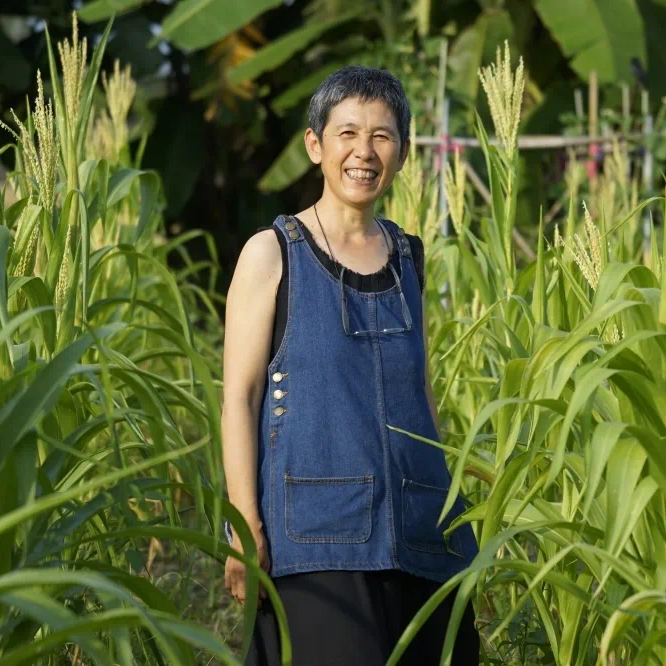
Kouzi
Farmer-trekker and village brewmaster. Full-time foodie, part-time farmer, and amateur writer.
Host
 Wang Hao,
Foodthink Editor. The highlight of his trip was going swimming with Grandma Kouzi.
Timeline
00:32 What is the experience of building a house and living self-sufficiently in “Villain’s Valley”?
01:18 What is the true relationship between humans and the land? How can one build a house that minimises harm to the earth while still meeting human needs?
07:42 How much land does a person need? A small plot. How big a house? 32 square metres. Using nine steel pillars and a light steel frame, Kouzi built the largest house in all of Villain’s Valley.
09:25 Drinking tea in Kouzi’s tea room with your feet in the rice fields: the starry sky above, the paddy fields below, the sound of frogs in your ears, and fireflies in sight.
11:02 In the city, we are surrounded by concrete walls; the boundaries of our world are framed by cement. Is that why we feel we need large lounges, balconies, and houses big enough to “suit our status”?
15:35 Can a late-blooming farmer, starting from scratch on a piece of raw land, achieve extreme self-sufficiency? Aside from some fruit, sugar, and salt, Kouzi almost never has to buy anything anymore.
19:42 “Close the door to the world and live for the sky”—a non-profit life experiment exploring the extent to which modern people can achieve autonomy and freedom. Looking back at urban life, perhaps it isn’t just the delivery drivers who are trapped in the system.
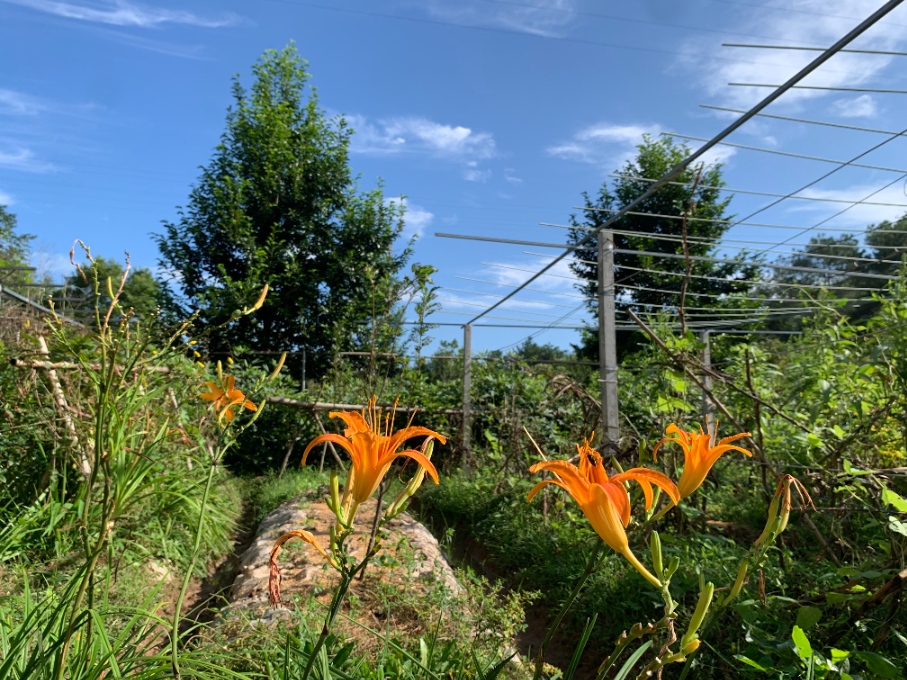
24:38 Lazy farming: the goal of “planting once and eating for a lifetime”. As long as you aren’t too greedy during harvest and leave some in the soil, it will keep growing. Kouzi’s goal is to achieve no-till farming on her small plot within two years.
26:07 The ideal of “life autonomy”: faced with massive social problems, people often say, “It’s a lovely ideal, but I can’t achieve it.” Kouzi decided to adopt a mindset of “infinite downsizing”—starting by building a house and planting a plot in the countryside—to at least reduce the harm that modern life inflicts on the individual.
30:41 Is non-profit “lifestyle agriculture” actually expensive?
33:20 Building your own house, assembling a rocket stove, figuring out farming techniques… in the digital age, it is easy to “acquire knowledge”, but one needs to “converse with knowledge” through hands-on work.
47:41 Can she still go back to the city? She could, but there is no need. Having grown accustomed to life under the mountain moon, she feels as if she has everything.
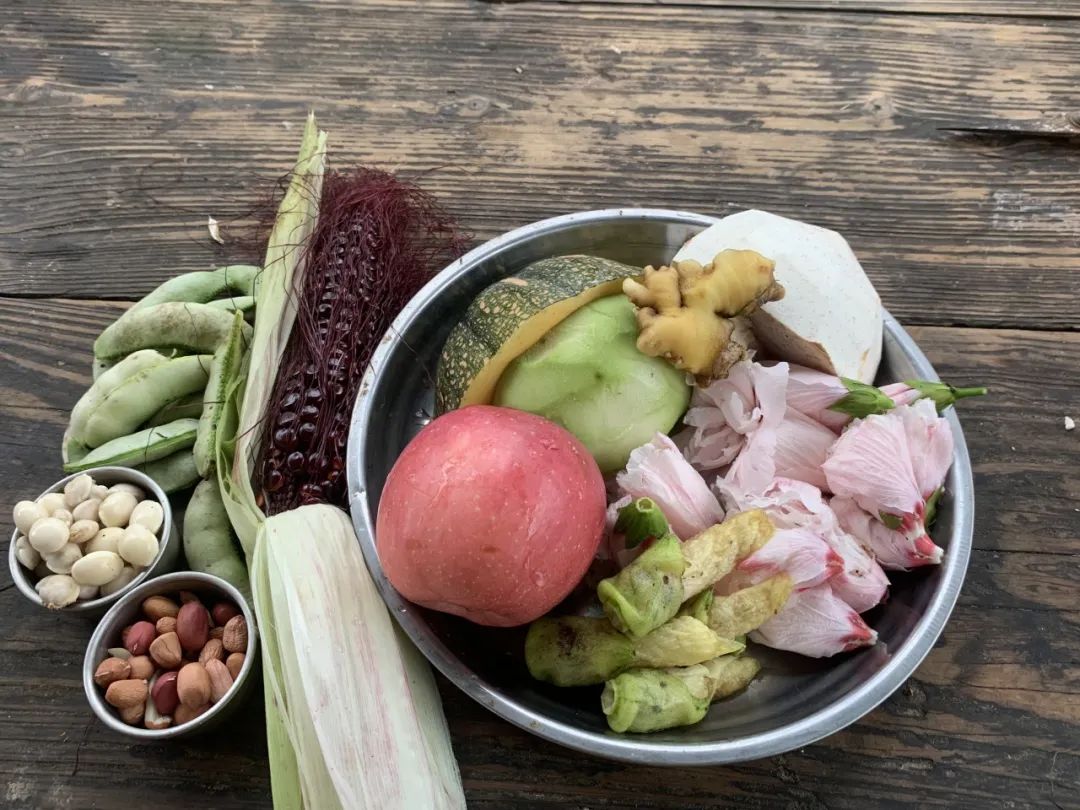
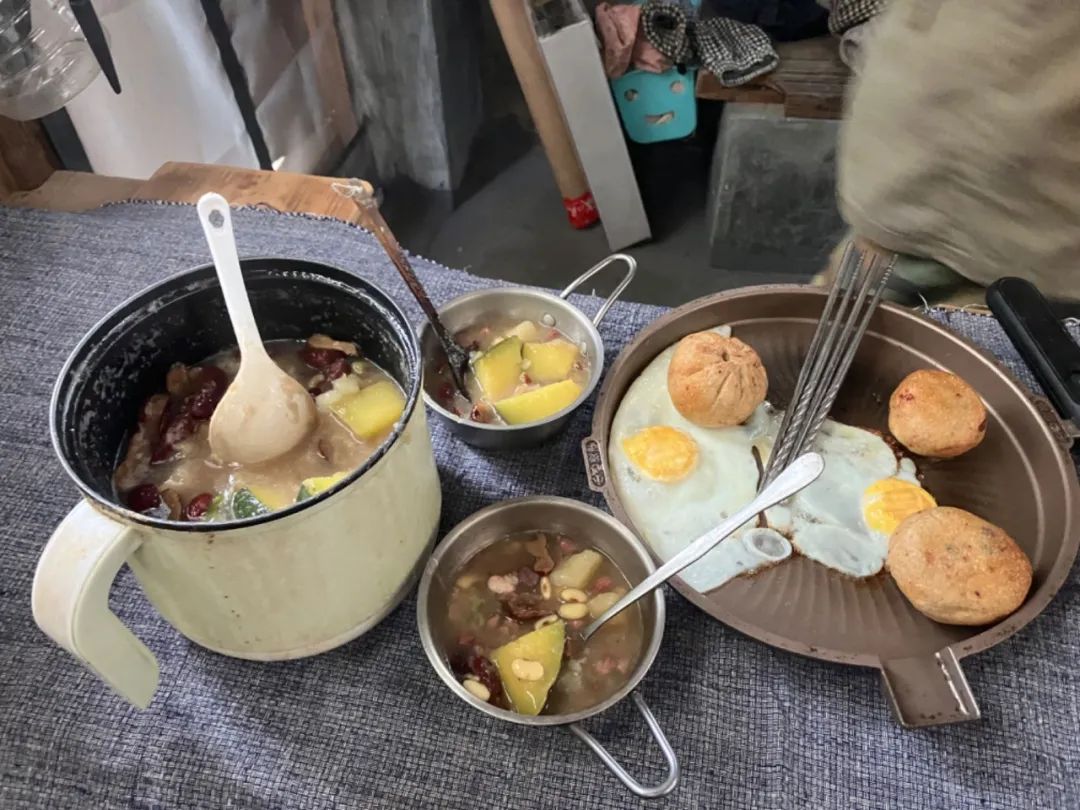
50:25 What do they eat every day in Villain’s Valley? There is no need to ask this “ultimate question of life”; they simply eat whatever is ripe in the fields. The produce is abundant, and the cooking is simple yet delicious.
Scan the QR code below
on Xiaoyuzhou | Ximalaya | Lizhi | Apple Podcasts
Subscribe to the ‘Food Talk’ podcast

Feel free to leave a comment in the comment section of your preferred podcast platform; we will be replying from time to time.
Scan the QR code below to add Foodthink’s secondary WeChat account. Please include the note ‘Food Talk’ to join the podcast listeners’ group.

The Production Team for this Episode
Production: Xiaojing
Coordination: Wang Hao
Cover Art: Wan Lin
Music: Banong
Editing: Wang Hao
Contact Email: [email protected]