Kombucha is a sweetened tea beverage fermented by a composite colony of acetic acid bacteria, yeast, and lactic acid bacteria. Rich in a complex blend of sweetness, acidity, and natural carbonation, and paired with the flavours of various teas, it is guaranteed to provide a delightful sensory experience for the mind and body through smell, taste, and feel.
Over the next two months, Foodthink will be releasing a weekly episode of “The Alchemy of Food”, sharing recipes for fermented foods such as cheese and pickled chillies. Stay tuned.
1 What is Kombucha?
Kombucha is a fermented tea drink made from tea, sugar, water, and a biological culture. Its mouthfeel and flavour are sometimes likened to sparkling fruit juice. Kombucha fermentation is driven by a SCOBY (symbiotic culture of bacteria and yeast), a symbiotic colony of bacteria and yeast also referred to as the “tea mother” (or “culture mother”).
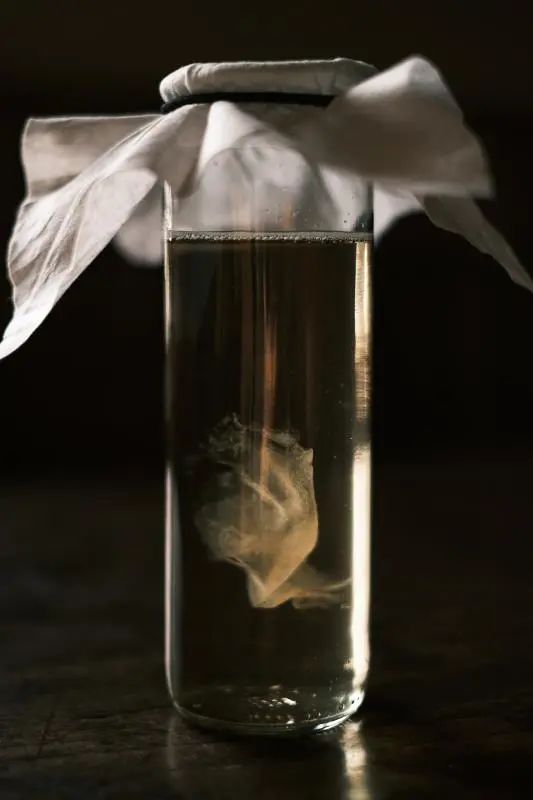
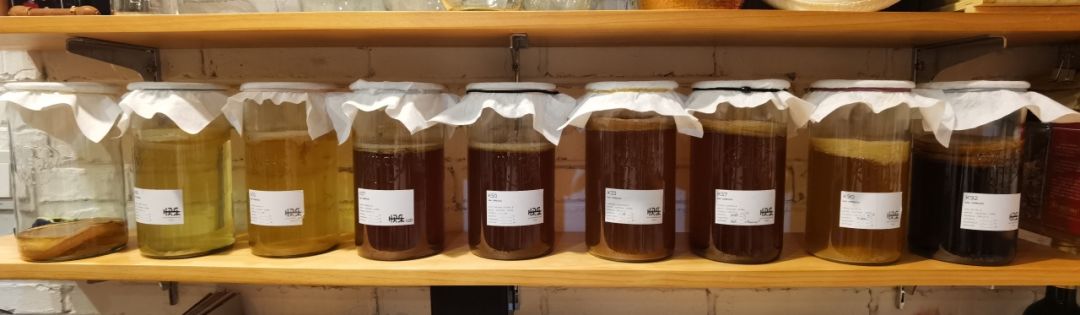
发酵中的康普茶及康普茶成分示意图。图源:快乐Lab
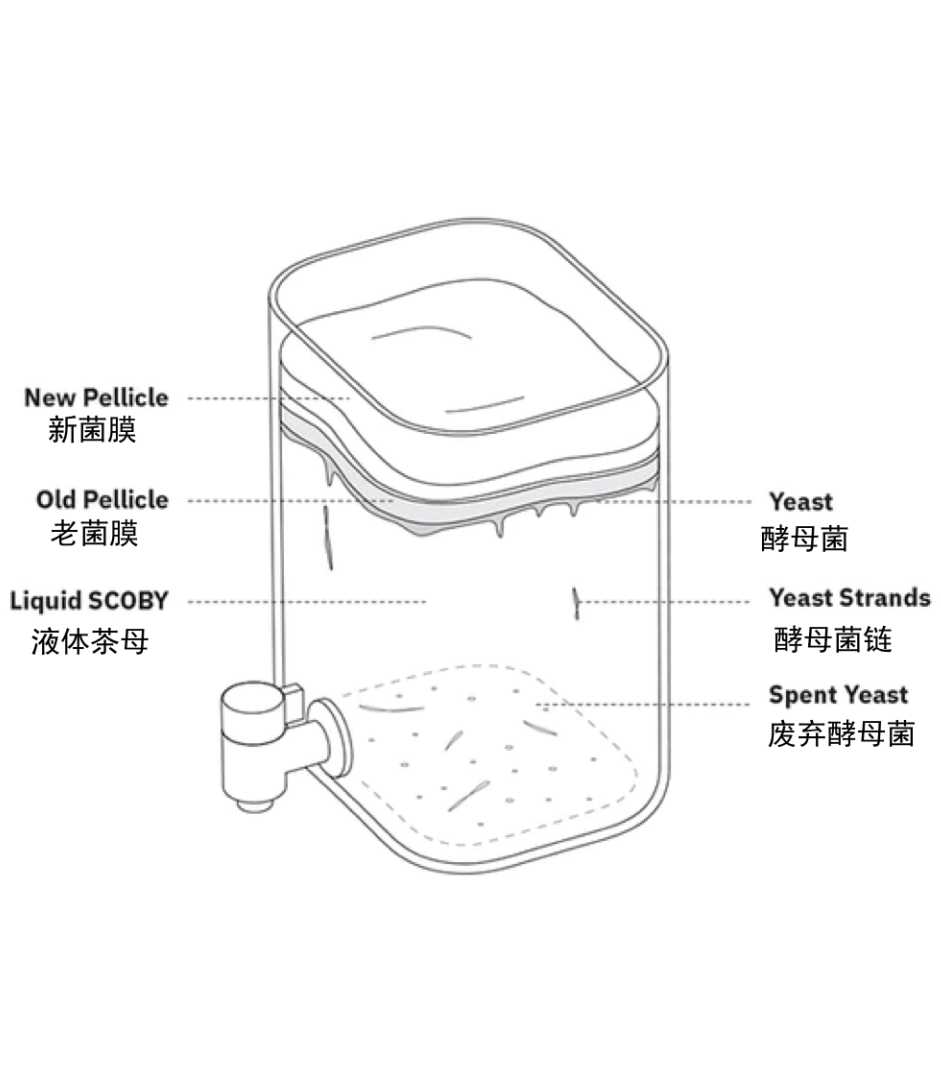
发酵中的康普茶及康普茶成分示意图。图源:kombu
2 How does kombucha fermentation work?
The kombucha “mother” (SCOBY) is a symbiotic consortium composed of acetic acid bacteria, yeast, lactic acid bacteria, and more. Yeast breaks down sucrose into glucose and fructose, which in turn produces carbon dioxide and ethanol. Building on this, acetic acid bacteria proliferate, converting glucose into gluconic acid and utilising ethanol to produce acetic acid. They also produce cellulose, which eventually forms a gelatinous bacterial pellicle floating on the surface of the liquid.
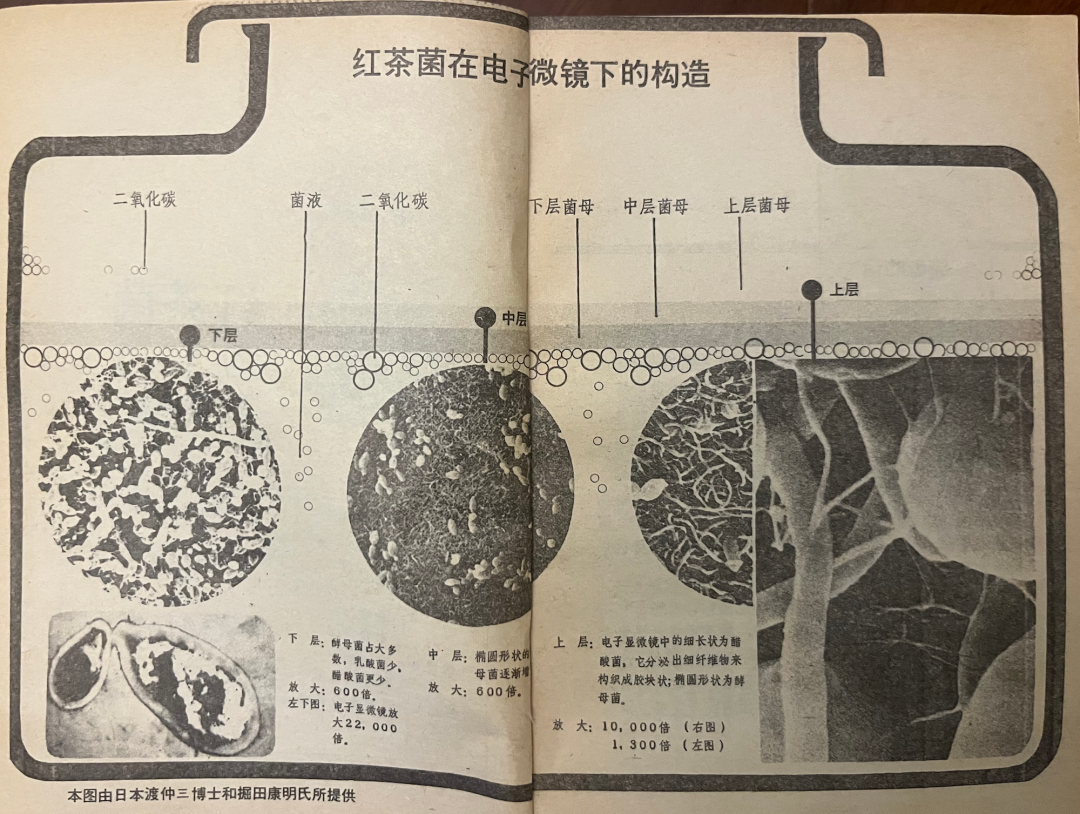
A structural diagram of the kombucha mother—the red tea fungus—as seen under an electron microscope. Image source: “Scientific Analysis of Red Tea Fungus”Acetic acid, in turn, stimulates the yeast to produce further ethanol. Lactic acid bacteria grow and multiply by utilising the yeast’s metabolites, producing lactic acid. The various organic acids generated during fermentation create a low-pH environment which, working in tandem with the tannins in the tea, inhibits the invasion and growth of pathogenic microorganisms.
3 What is that thin film on the surface of Kombucha?
Mature kombucha develops a resilient film on its surface, generally known as the pellicle. Its primary component is cellulose metabolised by acetic acid bacteria.
Many believe this film is the SCOBY, but this is a slight misconception; in reality, it is the microbial community attached to the pellicle that plays the pivotal role during fermentation. You can certainly use another person’s pellicle as a starter, provided the cultures within remain active.
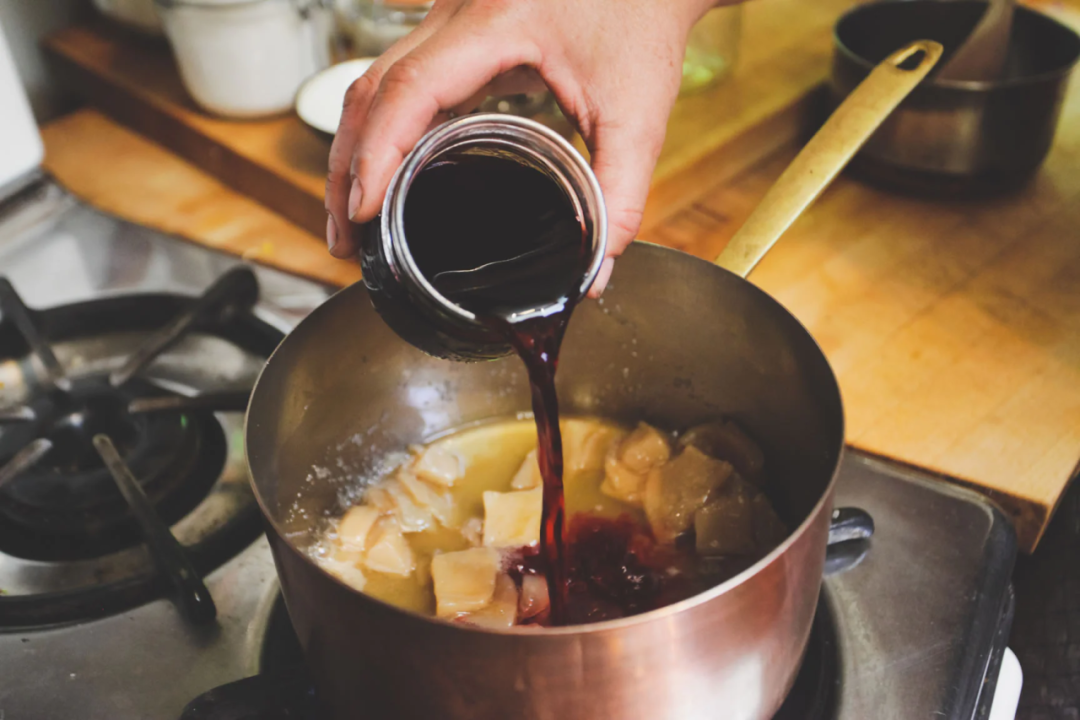
The pellicle is similar in composition to nata de coco. In the Philippines, thick pellicles are cultivated in coconut water or pineapple juice mixed with sugar, which are then cooked into a sweet treat called nata.
Simply cut the pellicle into cubes, add sugar and fruit juice, and simmer until the liquid is fully absorbed; then, place it in the oven, and a delicious plate of nata is ready! Image source: Online
4 Is kombucha a sugar-free drink? What are its chemical components?
The sugar in kombucha is metabolised into acids by yeast, acetic acid bacteria, and lactic acid bacteria. If you ferment your kombucha until it is entirely sugar-free, it may end up tasting like vinegar. Since most people prefer a hint of sweetness, a small amount of sugar is usually left behind.
Beyond sucrose, kombucha also contains a certain amount of caffeine, which comes primarily from the brewed tea itself. In 1995, a kombucha enthusiast named Russen analysed its chemical composition and found that caffeine levels remain stable during fermentation, though they vary depending on the type of tea, the quantity used, and the steeping time. Like many fermented foods, kombucha contains trace amounts of alcohol—typically less than 0.5% of the total volume—meaning it is legally classified as a non-alcoholic beverage.
5 Where can I get a SCOBY?
You can purchase one online, trade with other homebrewers, or grow your own from a store-bought bottle of raw, unpasteurised kombucha.
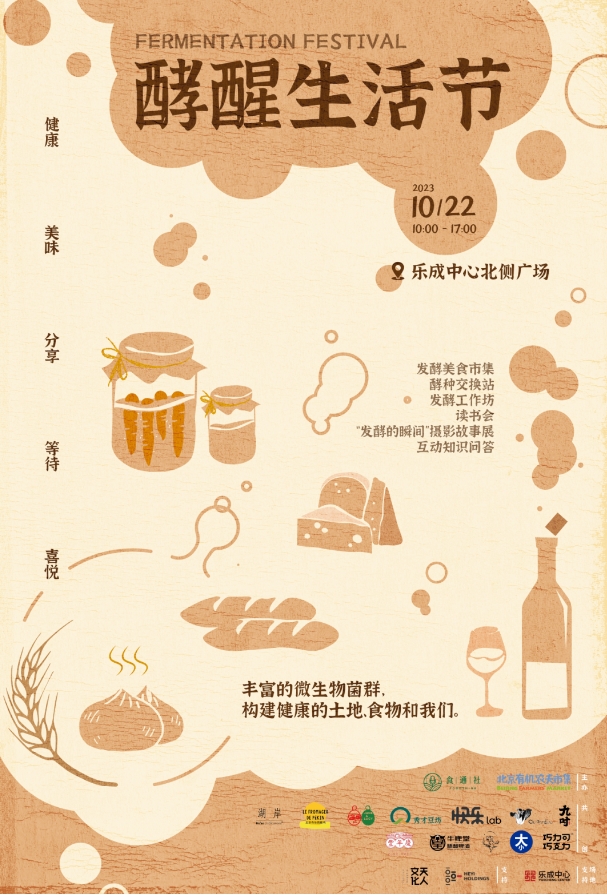
At tomorrow’s “Yeast-Awaken Life Festival” market at the Lecheng Centre in Shuangjing, Beijing, you can taste kombucha in person and even pick up a fresh culture!
6 Which types of tea are best for making kombucha?
You can use black, green, white, oolong, dark tea, or other varieties, but avoid two specific types: contaminated tea (such as tea stored improperly, containing pesticide residues, or grown in polluted soil), and strongly flavoured or aromatic teas like Earl Grey, as the added essential oils may inhibit fermentation. You can use tea bags or loose-leaf tea, and brew it as strong or as light as you prefer.
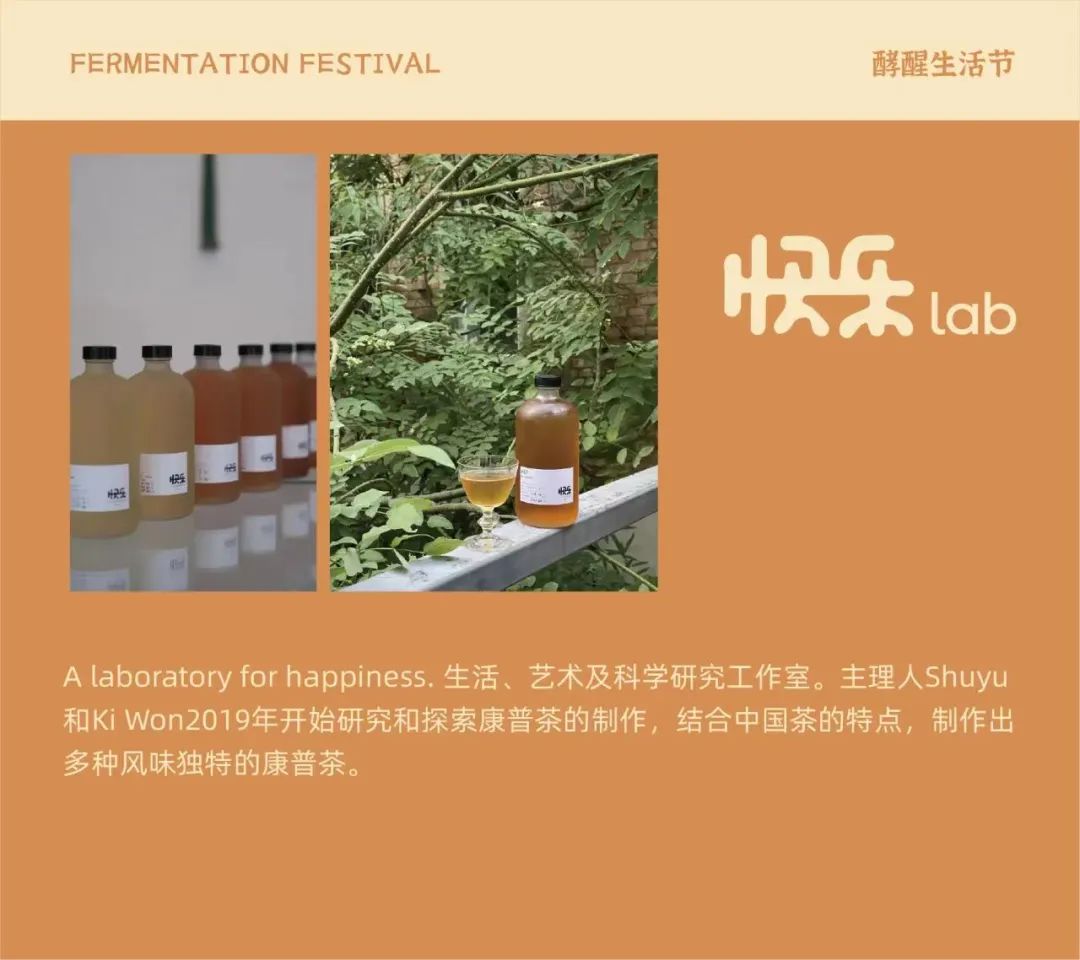
Kombucha made with various types of tea by Happy Lab, specialists in kombucha fermentation. Image source: Happy Lab
7 Does the ratio of tea, sugar and water strictly need to be 1:10:130?
Beginners are best off starting with this ratio. However, the amount of sweetener can be adjusted to personal taste; I never actually measure the sugar, relying instead on my taste buds.
8 Why is it essential to use wide-mouthed glass containers to ferment kombucha?
Acidic substances are produced during the fermentation process, and prolonged contact with acid can cause metal or stainless steel containers to corrode. As kombucha undergoes aerobic fermentation—where the activity occurs on the surface in contact with oxygen—it is best to use large containers and avoid filling them to the brim to provide a larger surface area for fermentation. In addition to wide-mouthed glass jars, lead-free ceramic vessels may also be used.
9 Can sweeteners such as honey or fruit juice be used instead of cane sugar?
Some claim that using honey, agave, maple syrup, barley malt, fruit juice, or other sweeteners yields excellent results. Others, however, have found that their SCOBYs shrivelled and died as a result. Similarly, some say they hardly used any tea at all, relying on herbal teas or fruit juices for flavour, yet still produced a great brew. I encourage you to experiment with different sweeteners and flavourings; try a few small batches to ensure your SCOBY continues to thrive.
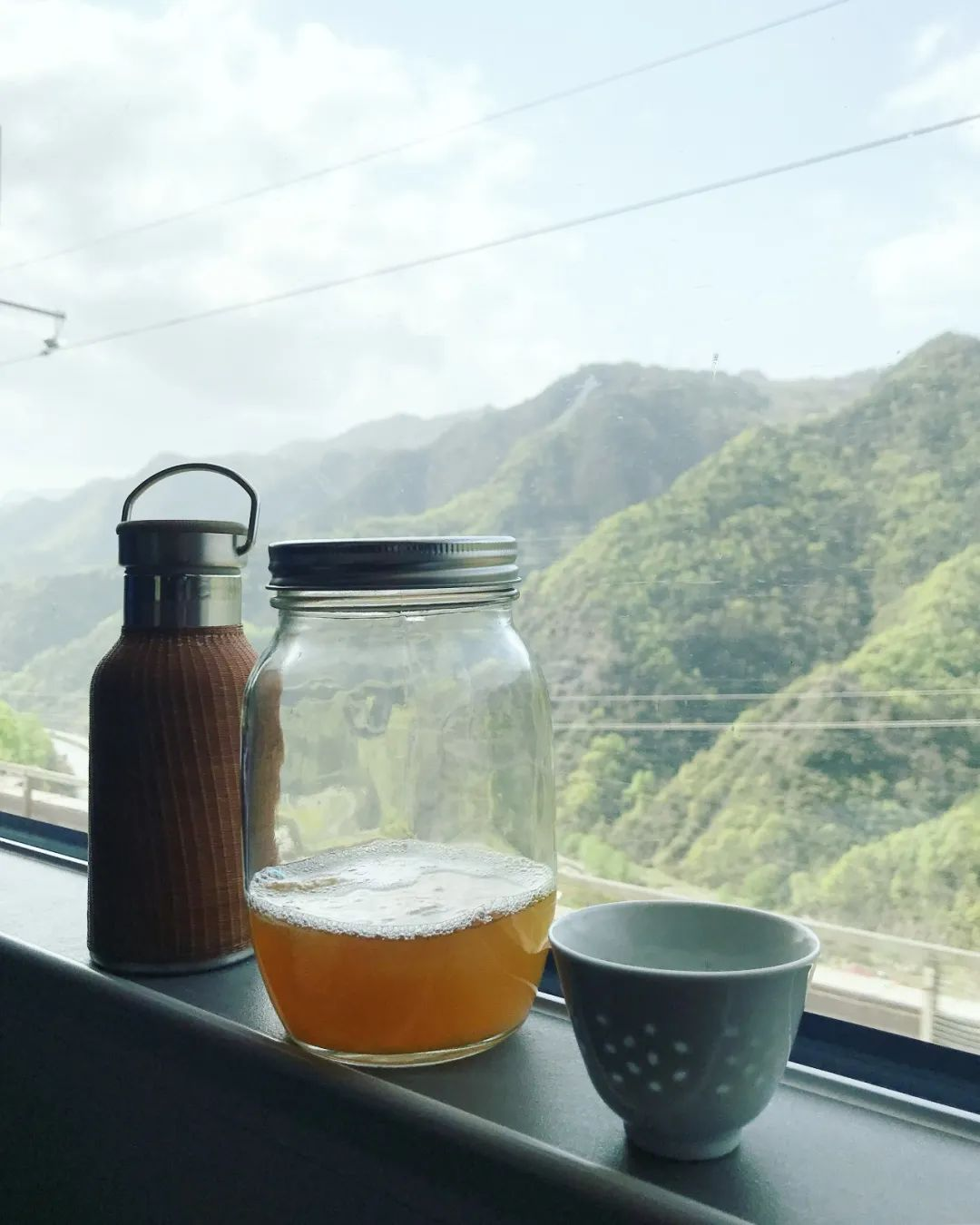
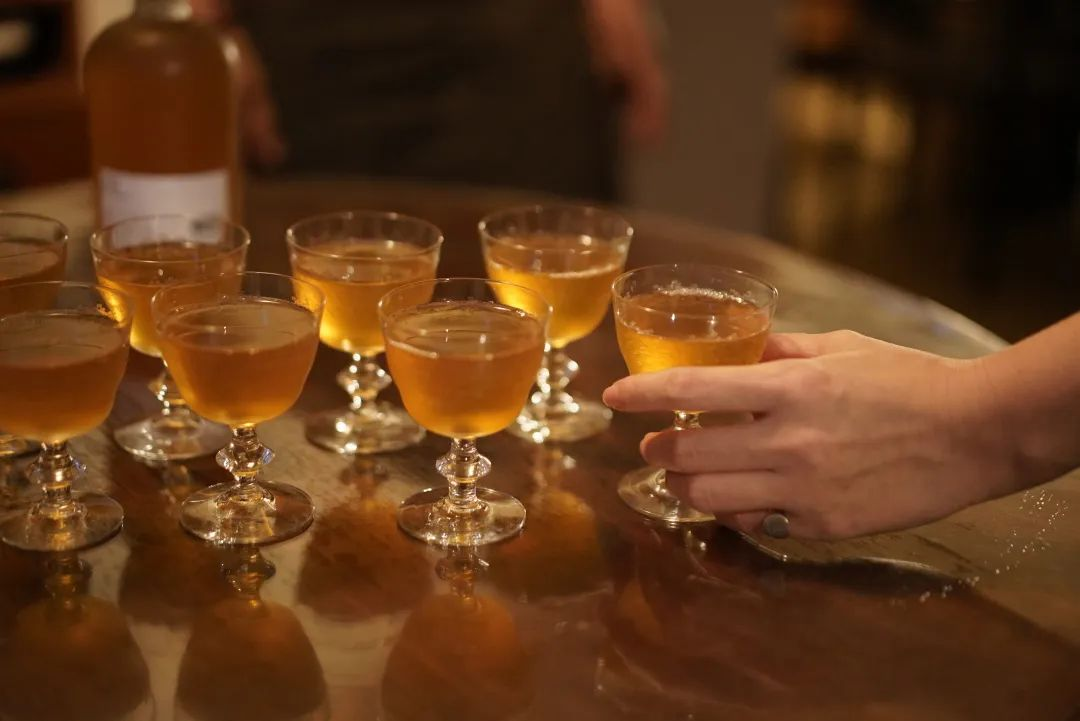
Taking homemade kombucha along on a long journey adds a special touch. Photo: Xiaoshu
10 How long does kombucha usually take to ferment?
A warm environment between 21-30°C is ideal for fermenting kombucha. The fermentation time depends on the temperature and your preferred level of acidity. In warmer weather, I usually let it ferment for 10 days. I recommend tasting it every few days to decide whether it needs more time to ferment and develop its acidity. In colder climates, such as at 16°C, fermentation takes significantly longer. During winter, I sometimes leave my kombucha to ferment for several months until it reaches the desired tartness.
11 Do the containers for making kombucha need to be sterilised beforehand? If so, what method do you recommend?
When making kombucha for the first time, the containers should be sterilised. You can rinse them with boiling water or use a no-rinse sanitiser like Star San. Of course, as kombucha is brewed in a non-sterile environment, you shouldn’t expect any sterilisation to be “absolute”. Nor does the process require “absolute” sterility; the acidic nature of the liquid itself has antimicrobial properties that help eliminate other bacterial strains.
12 My kombucha isn’t fermenting; what could be going wrong?
It could be that your starter culture has expired, or perhaps the solution was too hot, killing the introduced microbes. Alternatively, the area where you have placed your starter might be too cold; try moving it to a warmer spot. Chlorinated water can also inhibit the fermentation process.
13 How can I prevent mould from growing in my kombucha? How do I identify contaminants?
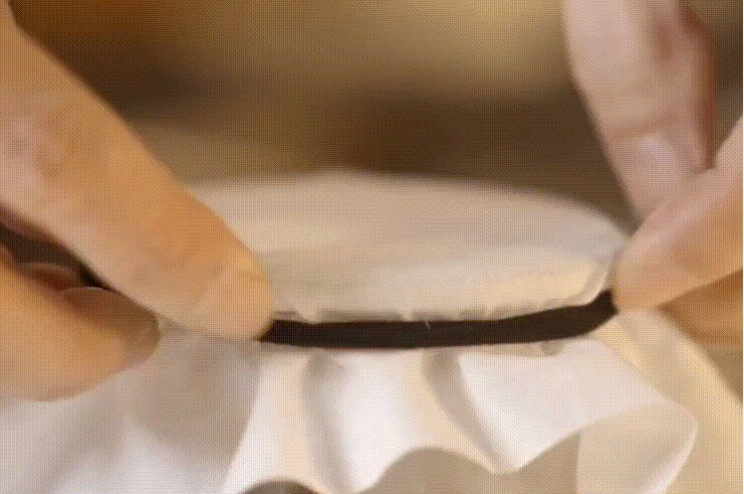
When making kombucha, beginners should remember to use a mature starter liquid to acidify the brew, typically at a ratio of 5%–10% of the sweet tea volume. This helps maintain an optimal environment for the microbial community, preventing mould from forming on the surface. Additionally, be sure to cover the container with a lightweight, fine-mesh cloth; this keeps out flies and mould spores while allowing the brew to breathe.
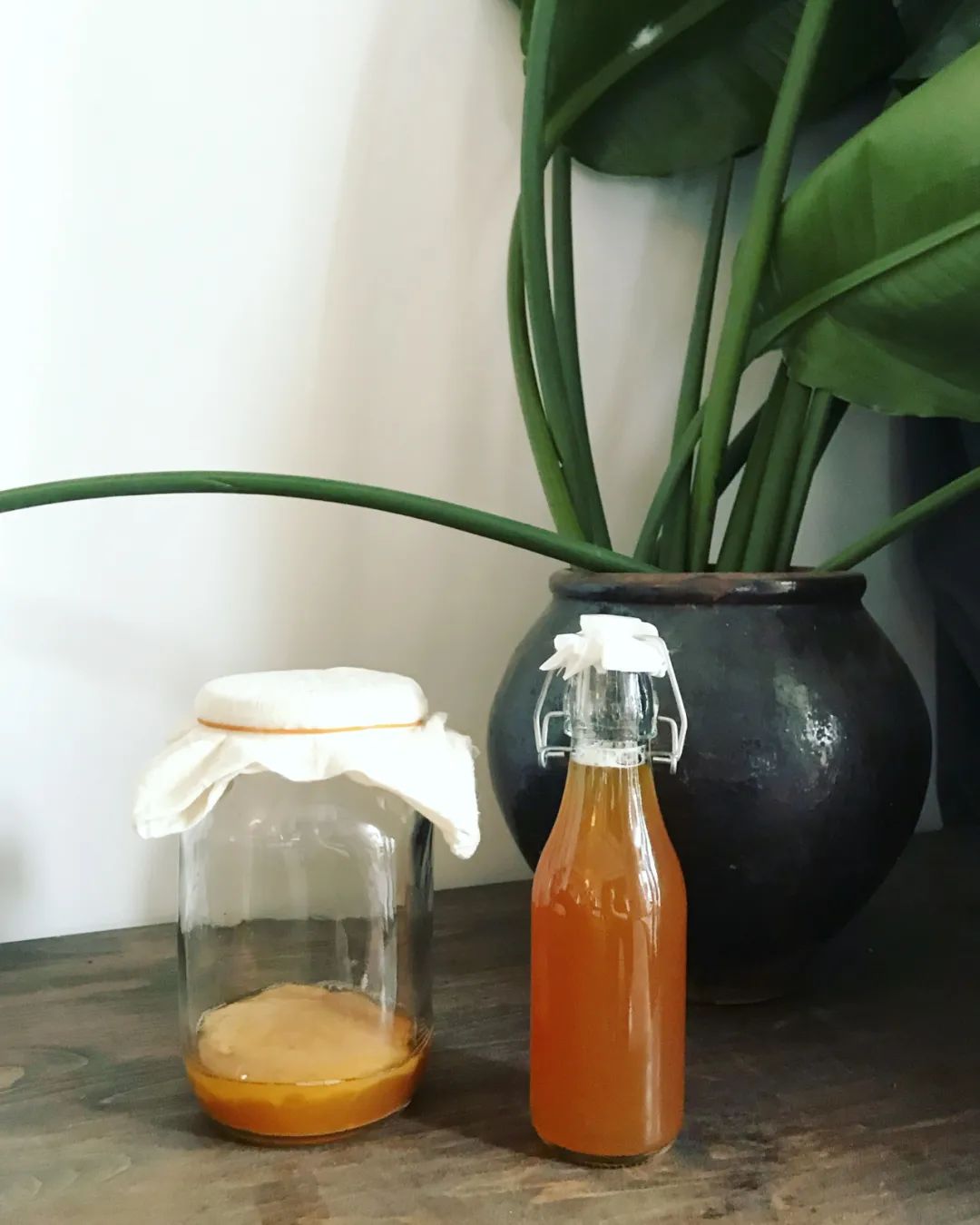
A kombucha fermentation jar covered with gauze.To identify contaminants that may negatively affect the flavour and safety of your kombucha, you can use the following two methods: ① Smell: check for any unpleasant odours. ② Observe the pellicle: look for abnormalities such as wrinkles, discolouration, or fuzzy growth.
If mould or other contaminants appear in the jar, discard the batch immediately and start over, as some Aspergillus species can produce water-soluble toxins.
14. Is it normal for brown flocculent matter to appear in kombucha?
Brown strands are sometimes yeast clusters, which can trap tea sediment; they may also be a pellicle in the process of forming. If the material has settled at the bottom of the container, it may be a mixture of spent yeast and bacteria.
15. What is the second fermentation of kombucha? How can I get more bubbles?
Once the kombucha has reached your preferred level of acidity, you have a few options. The simplest is to drink it as is, then bottle and refrigerate the remainder. If you wish to add further flavour, you can add fruit juice, vegetable juice, sweet herbal teas, or infusions and proceed to a second fermentation.
Like the first, the second fermentation can be an aerobic process in an open wide-mouth container, or you can choose a sealed or airtight vessel. In an open container, sweet kombucha may develop a new pellicle on the surface, and growth will be dominated by acetic acid bacteria. In an airtight container, sweet kombucha will produce more alcohol and lactic acid.
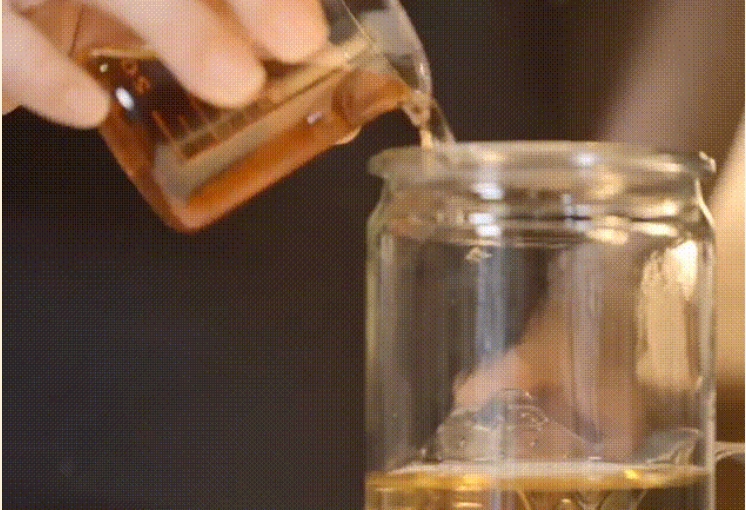
Transfer to a narrow-neck bottle for the second fermentation; the SCOBY can now be used to start a second batch of kombucha. Photo: XiaoshuEven if you don’t plan to add extra ingredients during the second fermentation, you can still carbonate your kombucha in the bottle. While the kombucha still retains a hint of sweetness, pour it into airtight bottles and store them in the fridge. Letting it ferment for a few more days in a sealed bottle will trigger carbonation; however, remember to ‘burp’ the bottles to release pressure and avoid the risk of over-carbonation.
16 What should I do if my kombucha is too sour?
This indicates that it has been over-fermented; try shortening the fermentation period next time. That said, overly sour kombucha can be used as a vinegar substitute. You can also dilute it with water or sparkling water, or add sweeteners such as honey to suit your preference.
17 How long can finished kombucha be kept?
Theoretically, it can be kept indefinitely. However, finished kombucha is generally stored in the fridge to lock in the flavour and maintain the activity of the cultures.
If stored in an aerobic environment, acetic acid bacteria will continue to work, and the taste will gradually become more acidic. If sealed and stored at room temperature with too much residual sugar, the yeast will continue to work, which may produce some alcohol. Cultures with a slowed metabolism can often remain active in kombucha for several months. Therefore, sealed refrigerated storage is strongly recommended.
18 Does kombucha need to be kept away from light during brewing and storage?
It does not need to be kept in total darkness, but you should try to avoid direct sunlight.
19 What is the difference between commercial and homemade kombucha?
To understand the difference between commercial and homemade kombucha, you can look at the difference between store-bought and homemade kimchi: homemade isn’t always tastier, and commercial versions don’t always rely on added vinegar or additives.
Commercial kombucha also comes in various forms: kombucha-flavoured drinks (formulated beverages that have not undergone natural fermentation), kombucha (partially naturally fermented and then sterilised for sale), and various other industrial varieties. By comparison, homemade kombucha offers far more creative freedom when it comes to refining the flavour profiles.
20 Are there food safety risks when making kombucha at home?
In 1995, mycologist Paul Stamets published an article titled ‘My Adventures with This Stuff’. In it, he argued that brewing kombucha in a non-sterile environment is akin to playing Russian roulette. While I have considerable respect for Stamets’ mycological research, I do not believe that home-brewing kombucha is a reckless or dangerous act.
To believe that only kombucha produced by technical experts is safe is to dismiss the long history of home and village fermentation, and to fall into a blind cult of professionalism. Once we understand the conditions required to create an optimal environment—armed with basic knowledge and awareness—we can ferment without fear.
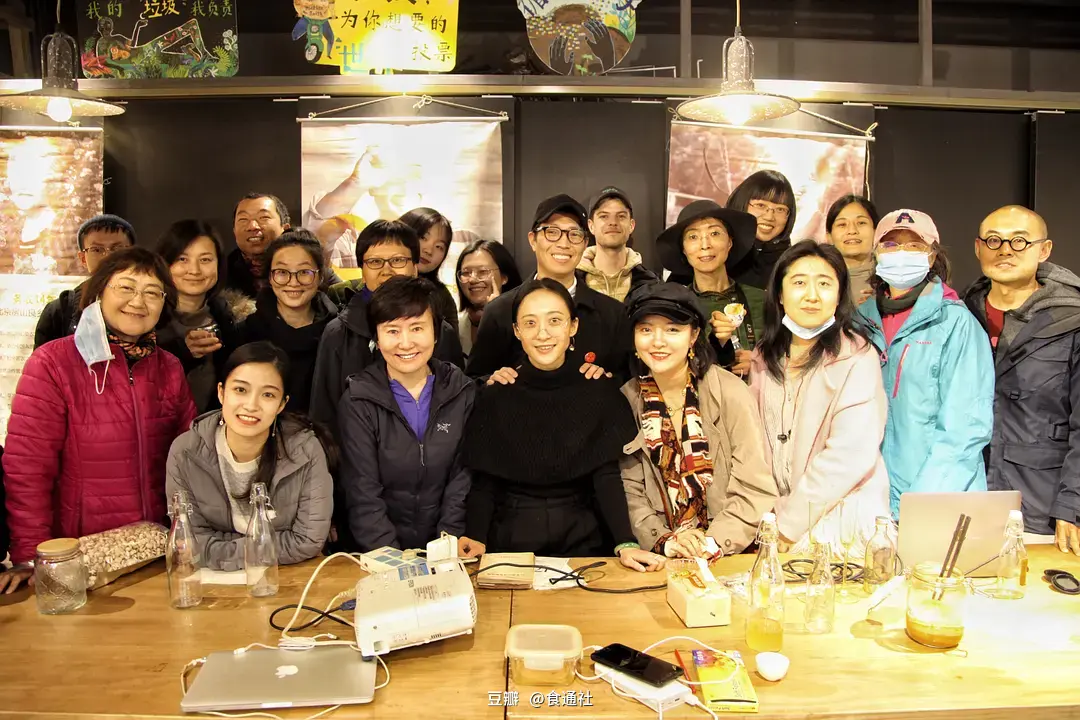
In March 2021, Foodthink invited Shu Yu and Kiwon from Happy Lab to share their explorations into kombucha fermentation. Image source: FoodthinkWhat are you waiting for? Dive into the world of kombucha and treat your friends to a delicious sparkling drink! Image source: Happy Lab
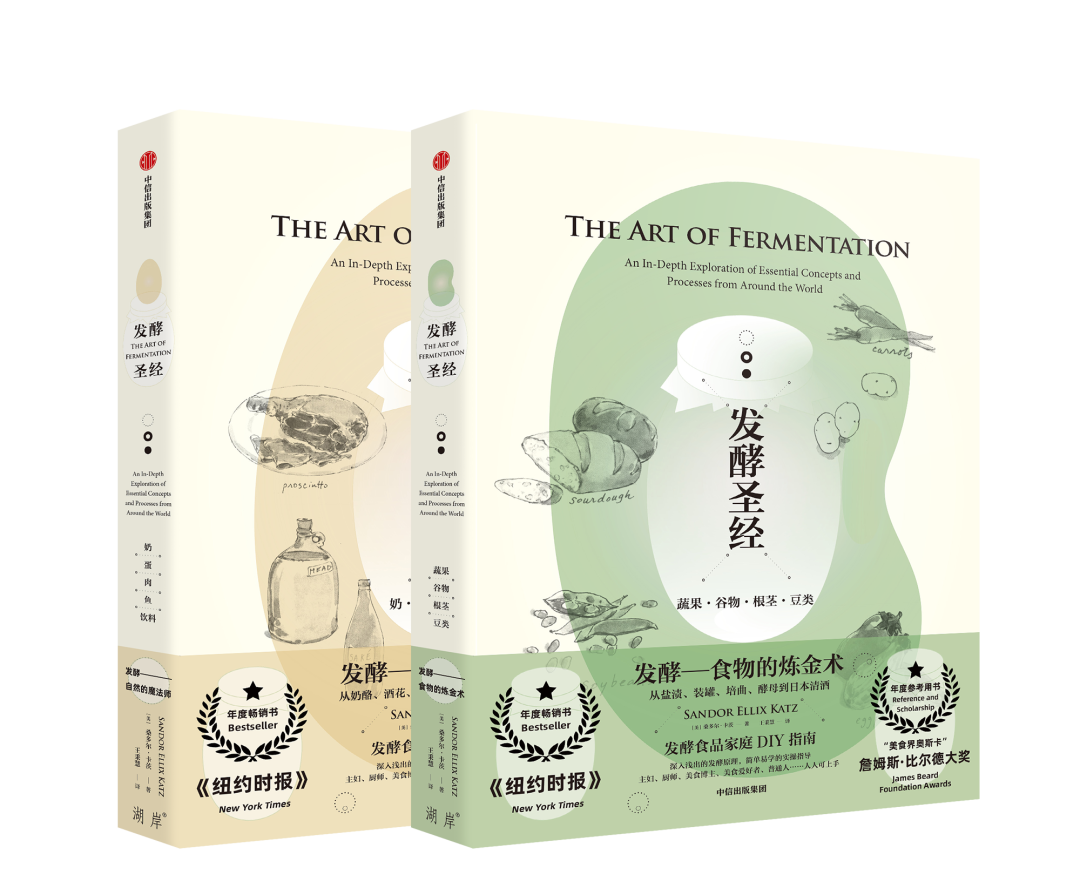
*The Art of Fermentation* Author: Sandor Katz (USA) Curated by: Hushang Culture Publisher: CITIC Press Group Translator: Wang Binghui Published: 20 April 2020
22nd October
Come to the ‘Fermentation Awakening Life Festival’ market at Shuangjing Lecheng Centre, Beijing
and try some of Happy Lab’s kombucha!
About the ‘Fermentation Awakening Life Festival’Civilisations across mountains, plains, and oceans have independently chosen fermentation as a means of preserving food and improving diets. Fermented foods bring people closer together, and in an era of monotonous industrial food and ready-meals, they allow us to reclaim the right to individual and local homemade food.
On 22nd October, the ‘Fermentation Awakening Life Festival’, co-hosted by Foodthink and the Beijing Organic Farmers’ Market, will grandly open! In addition to the fermentation market on the 22nd, there will be a series of exciting activities running until the end of December: Foodthink will release a weekly episode of the ‘Alchemy of Food’ video series, using a combination of visuals and text to teach the preparation of ten types of fermented foods, including kombucha, cheese, and pickled chillies. In November, we will partner with Hushang Culture to organise a reading group for *The Art of Fermentation*, inviting fermentation enthusiasts from around the world to read and enjoy the joys of fermentation together.
Over the next two months, the co-creation partners of the ‘Fermentation Awakening Life Festival’ will also host a variety of fermentation-themed activities in their own restaurants, cafes, and bookshops, exploring the charm of fermentation together. Please follow Foodthink’s subsequent event summaries for more details. This autumn and winter, let’s ‘awaken’ our lives through fermentation!
FERMENTATION | AWAKENING | LIFE | FESTIVAL
– Organisers –
Foodthink Beijing Organic Farmers’ Market
– Co-creators –
Hushang Culture Blue Cheese Yijian Bread Xiucai Bean Shop
Happy Lab Nine-Inch Craft Ning Caiyuan Da Xiao Coffee
Qiaolike Beer Hall White Tiger Village Fengnianqing
(List continuously updating)
– Supporters –
Tianren Culture He-yi Holdings
– Venue Support –
Lecheng Center
With thanks to Huan Culture for the authorised reprint of the original text from ‘The Fermentation Bible’
Thanks to Shuyu from Happy Lab for their contribution to this article