
Beyond the cancer debate: what else is there to discuss regarding sugar substitutes? | Food Talk Vol.23
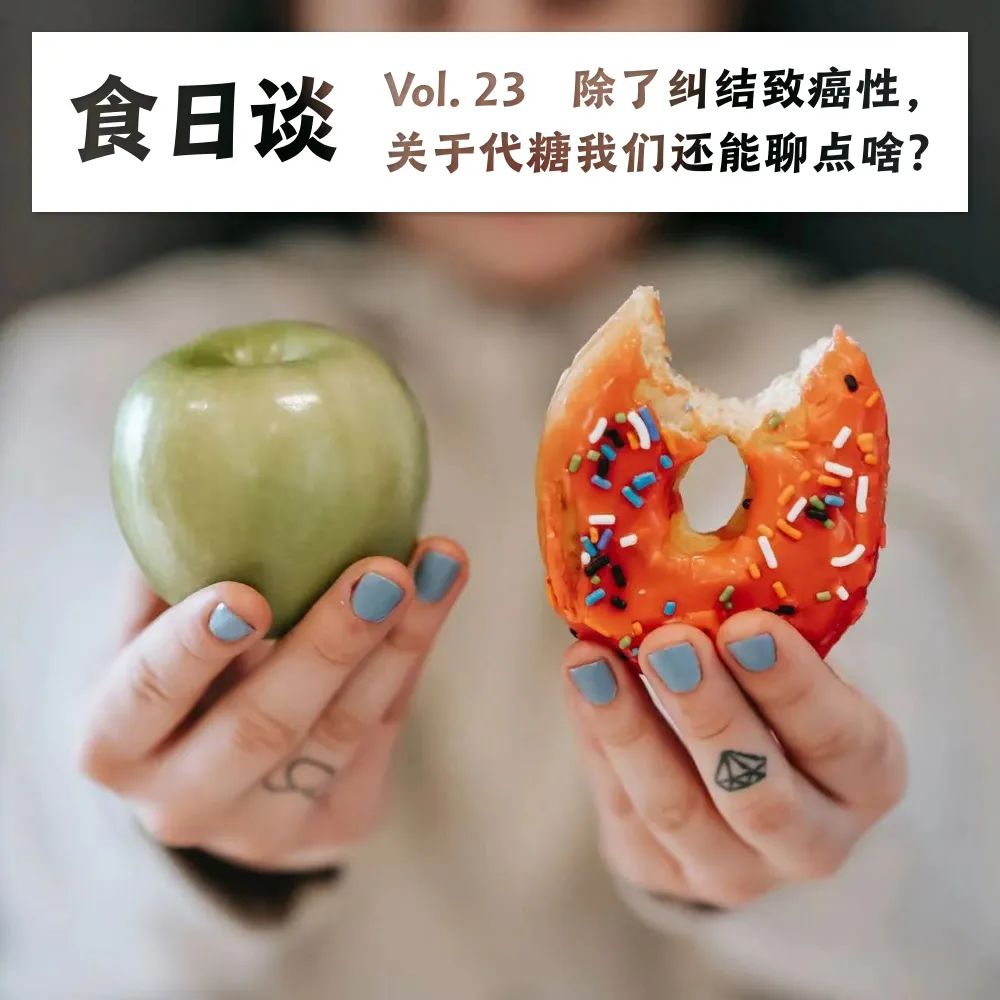
Recently, the World Health Organization’s assessment suggesting that aspartame may be carcinogenic has sparked widespread debate, bringing the use of sugar substitutes in processed foods back into the spotlight. In this episode, Food Talk has invited Lulu, a PhD candidate in the Department of Cardiovascular Medicine at Fuwai Hospital, Peking Union Medical College, to join us in exploring the relationship between sweetness and sugar substitutes.
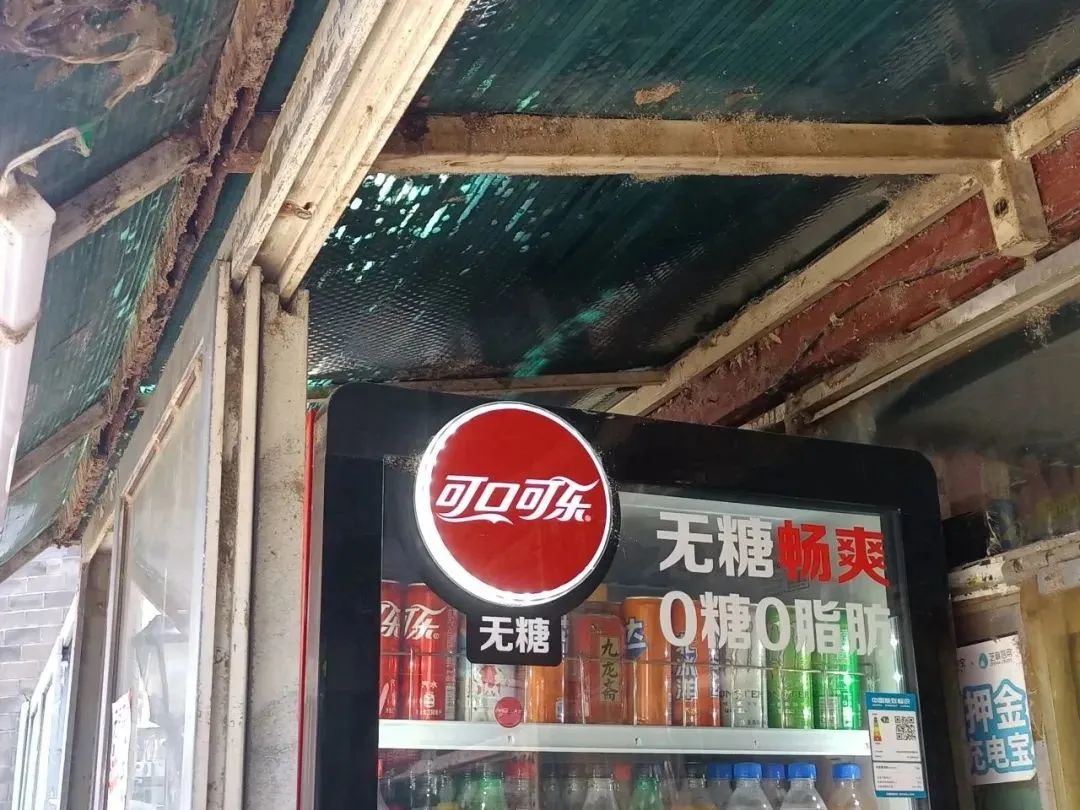
While the concept of “sugar substitutes” might sound unfamiliar, they have long permeated our daily lives. Sugar-free Colas, the “Bingfeng” drinks that form a childhood memory for people from Shaanxi, and the ingredient lists of preserved plums all contain artificial sweeteners. Beyond these, sugar substitutes also include natural sweeteners such as erythritol and stevia. Next time you see a product claiming to be “zero sugar” or “low sugar”, it is worth noting exactly which substitute is being used.
But at what point did sugar substitutes become synonymous with being “healthier”? And why has the “sugar” they replace become something to be so dreaded? Beyond the risks of tooth decay, obesity, and breakouts, medical student Lulu explains how high sugar intake can trigger insulin resistance, thereby increasing the risk of diabetes. While sugar substitutes may avoid the harms of sucrose to some extent, they introduce a new set of problems.
In fact, to mimic the sweetness, texture, and other functional properties of sucrose as closely as possible, processed foods often use a blend of various sugar substitutes and additives, resulting in increasingly long ingredient lists. Some research also suggests that because certain sugar substitutes fail to transmit sweetness signals from the gut to the brain, they may actually lead us to consume more “sweet foods”, making it harder to quit sweets and defeating the original purpose of reducing sugar.
From the primitive era of foraging for sweet berries, to the cultivation of sugar crops like sugarcane, and now to the extensive use of sweeteners and substitutes in processed foods, obtaining sweet foods has become easier and easier. It could be said that our desire for sweetness is both innate and has been accelerated through our adaptation to the food environment.
If you truly love sweets, try indulging in real foods such as fresh fruit and vegetables, rather than becoming dependent on addictive processed foods. If you wish to reduce your sugar intake, do not be bound by the myth that “sugar substitutes = health”; only a comprehensive adjustment of your dietary habits can bring about positive change.

Our Guest
 Lulu
Lulu
A second-year PhD student in the Department of Cardiovascular Medicine at Fuwai Hospital, Peking Union Medical College. She is interested in nutrition and sustainable diets, and enjoys music, photography, and fitness.
Our Hosts
 Wan Lin
Member of Foodthink. She rarely eats out, frequently cooks at home, and avoids takeaways whenever possible. Raised on her mother’s cooking, she now has 15 years of experience in the kitchen. She enjoys sports and spends her spare time reading about the history of medicine and browsing anatomy books.
 Zeen
Zeen
Editor at Foodthink and a rare individual who does not enjoy sweets. He is fond of sour foods such as sour pomegranate, fermented mare’s milk, and douzhi, yet he has always maintained a keen interest in sugar and sugar substitutes.
 Xiao Jing
Producer of Food Talk, and a self-confessed sweet-tooth. A former business journalist who has interviewed Michelin-starred chefs, she now hopes to return to the origins of food to view the world more holistically. In the last two years, she has developed the habit of checking ingredient lists when buying food.
Timeline
05:15 When we speak of ‘sugar substitutes’, what exactly do we mean? Sugar alcohols, natural sweeteners, and artificial sweeteners.
07:51 Sugar-free Cola, Shaanxi’s nostalgic ‘Bingfeng’ drink, and Huameili all contain artificial sweeteners. Beyond these, there are natural substitutes and various sugars other than sucrose. With countless substances containing the word ‘sugar’, consumers are left with a significant cognitive burden.
12:15 Why are we afraid of ‘sugar’, and what are the actual problems associated with it? High caloric content, effects on skin health, tooth decay, and the risk of diabetes resulting from insulin resistance, among others.
16:45 The history of sugar substitutes is longer than one might imagine; the first generation of artificial sweeteners, saccharin, was produced as far back as 1879. Aspartame and sucralose only appeared later.
18:23 To what extent can sugar substitutes mitigate the negative effects of sugar? They may offer improvements for the diets of people with diabetes and reduce the incidence of tooth decay in children.
20:21 In reality, many processed foods use a blend of various sugar substitutes to replicate the complex effects of sucrose, such as sweetness, colour, and structural support. ‘There is no single perfect sugar substitute, only a perfect combination of them.’ This has led to an ever-growing list of additives on food labels.
25:20 Another issue with sugar substitutes: while they are calorie-free, the lack of a sweetness signal sent from the gut to the brain may lead us to consume more ‘sweet-tasting foods’. This not only imbalances our diet but also makes it harder to break our addiction to sweetness.
29:46 Who is developing these sugar substitutes? Perhaps a more important question is: why are we so drawn to sweetness?
35:16 Sweetness: from early humans exerting great effort to gather rare berries, to the planting of the first sugar-producing crops, and finally to the mass production of sweets using industrial sweeteners—the human craving for sweetness has been infinitely expanded, while the effort required to obtain it has been steadily reduced.
40:47 By the same logic, if we want to obtain various micronutrients, do we no longer need a balanced diet—can we just take a vitamin tablet?
44:31 Diabetes is affecting an increasingly younger population. Why is it said that ‘one in eight people have diabetes, but half the population is pre-diabetic’?
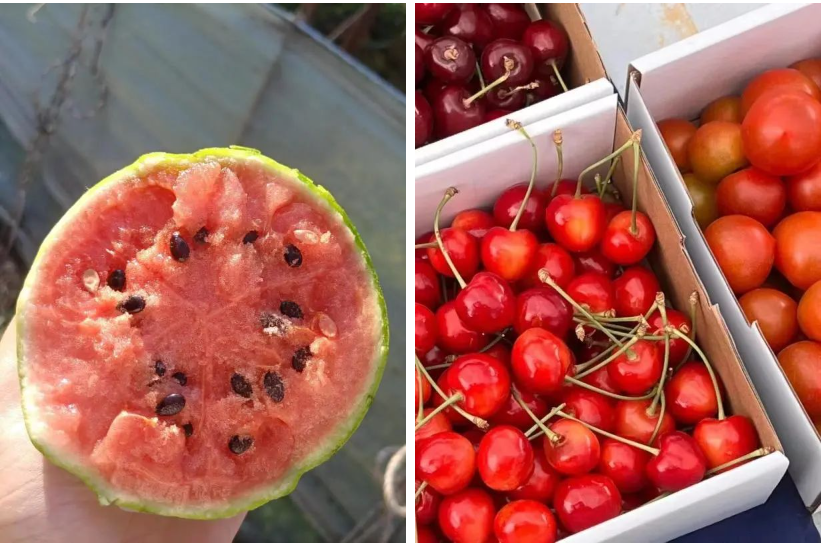
47:45 By returning to the origins of sweetness—eating a red date or chewing a piece of sugarcane—we can obtain essential micronutrients alongside the sweet taste.
49:19 Our family eating habits and childhood tastes may not have been healthy, but we can still make positive changes through conscious, independent choices.
Click here to listen to this episode
Scan the QR code below
Available on Xiaoyuzhou | Ximalaya | Lizhi | Apple Podcasts
Subscribe to the ‘Food Talk’ podcast

Feel free to leave your thoughts in the comments on any of the podcast platforms; we’ll be replying periodically.
Scan the QR code below to add our secondary WeChat account. Please include the note ‘Food Talk’ to join our listener community group.

Production Team
Coordination & Production: Xiaojing
Cover Art: Wanlin
Music: Binong
Editing: Zeen
Contact email: [email protected]