
Beyond Henan’s harvest rains, farmers on the Guanzhong Plain are also anxious about their wheat
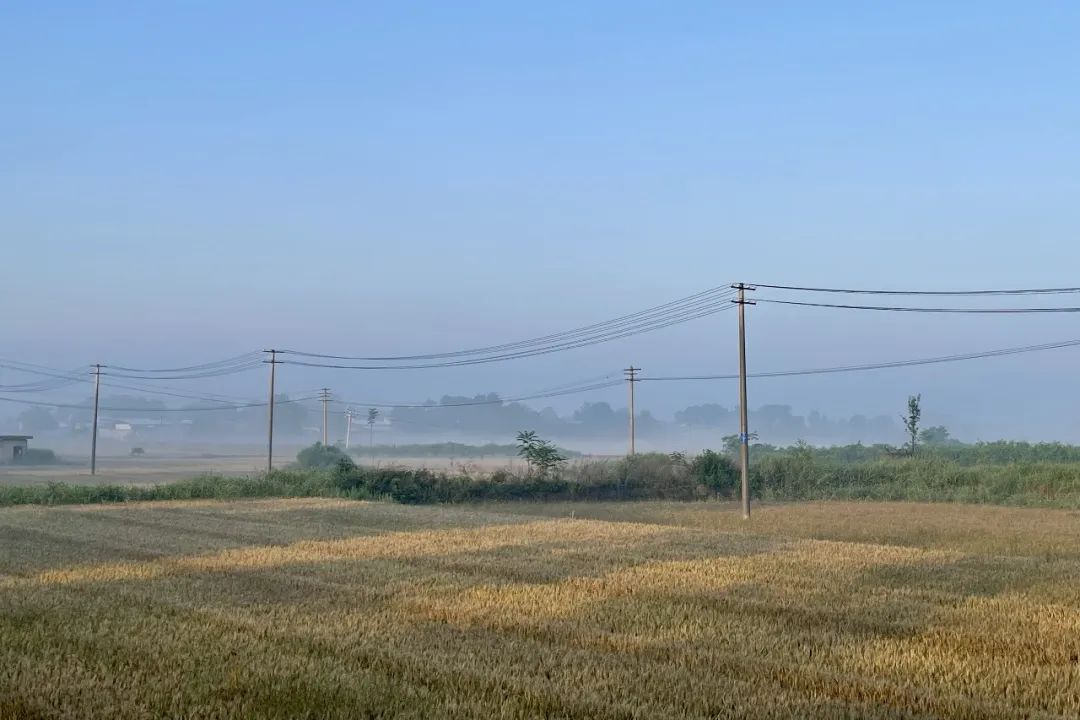
I. Unusual Intensity of Rainfall
After two months of growth, the wheat had passed through the stages of flowering, heading, and grain filling, finally producing plump, full ears. While the wheat grown by neighbouring villagers wasn’t as tall as that on the farm, it was also progressing well.
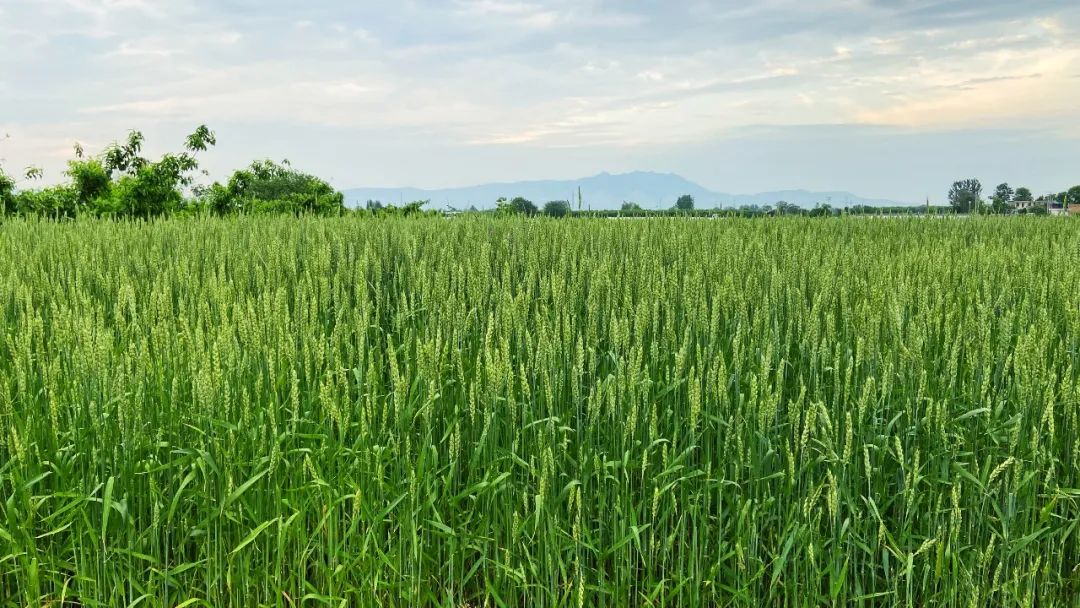
Late May is a critical window for the wheat to ripen. If all had gone to plan, following Mangzhong (the ‘Grain in Ear’ solar term), harvesters would have begun bringing in the Guanzhong Plain’s wheat. The harvest at Lvwo Farm was scheduled for around 10 June.
Unexpectedly, at dawn on 25 May, a sudden clap of thunder ripped through the sky, followed by torrential rain. The drumming and cracking on the roof jolted me awake.
I initially thought it was simply a summer thunderstorm arriving early in May, but it turned out to be the start of nearly two weeks of overcast, rainy weather. In the eight years I have lived in Shaanxi, I have never seen such prolonged and heavy rainfall in May. From 25 May to 4 June, apart from two brief glimpses of sun, there were several hours—and sometimes whole days—of steady rain every single day.
II. ‘Once the wheat falls, it’s just grass’
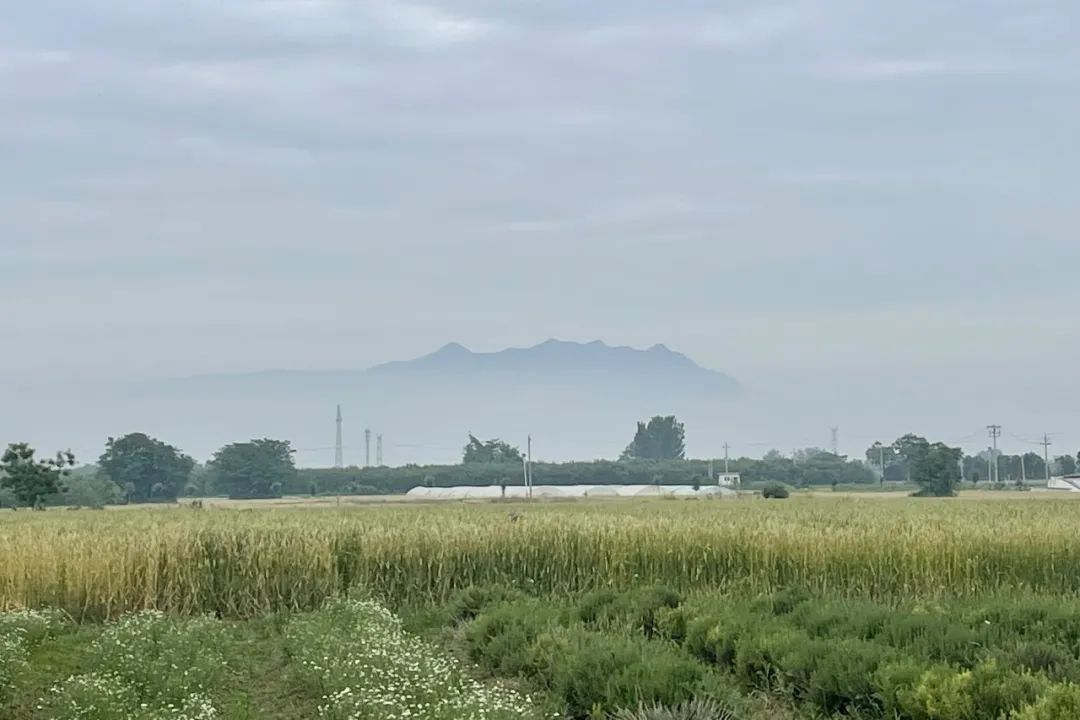
The 10 mu of Einkorn did not turn from green to yellow-green until just before the rain; the 10 mu of Spelt remain emerald green to this day. Before the rain, the heads of the 40 mu of Wanmai 52 were still predominantly green, maturing roughly a week later than the wheat of other villagers.
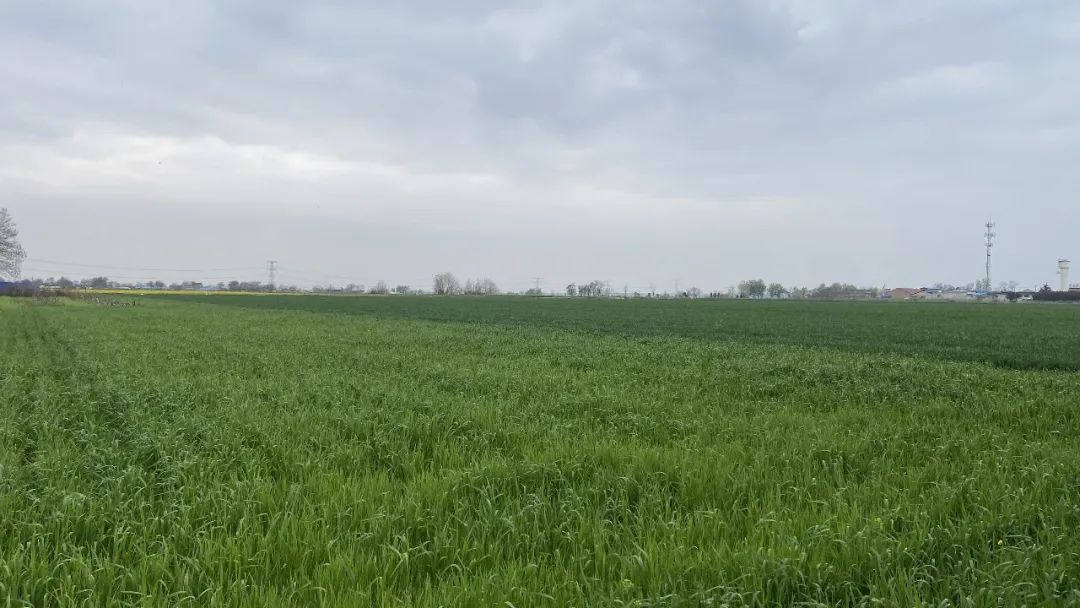
The wheat on the farm has not yet ripened, so for the time being, there is no need to worry about machinery being unable to access the fields for harvest. However, the continuous rain has brought a different set of challenges.
Einkorn and spelt are tall-straw varieties; mature plants reach at least one metre, with spelt sometimes nearing 1.3 metres. Faced with days of rain, the most pressing risk is lodging.
In recent years, most new wheat varieties have been lodging-resistant dwarf strains, which is why most villagers have opted for them. However, Green Me Farm, specialising in wholemeal biscuits and flour, chose einkorn—a tall, heritage variety gradually abandoned by locals—and spelt, with its ancient lineage, for their superior taste and flavour.
While growing tall varieties carries certain risks, Green Me Farm has spent years improving its soil using Australian regenerative farming techniques. As a result, the wheat has developed extensive root systems and robust stalks, with leaves that grow upwards, making them less prone to lodging.
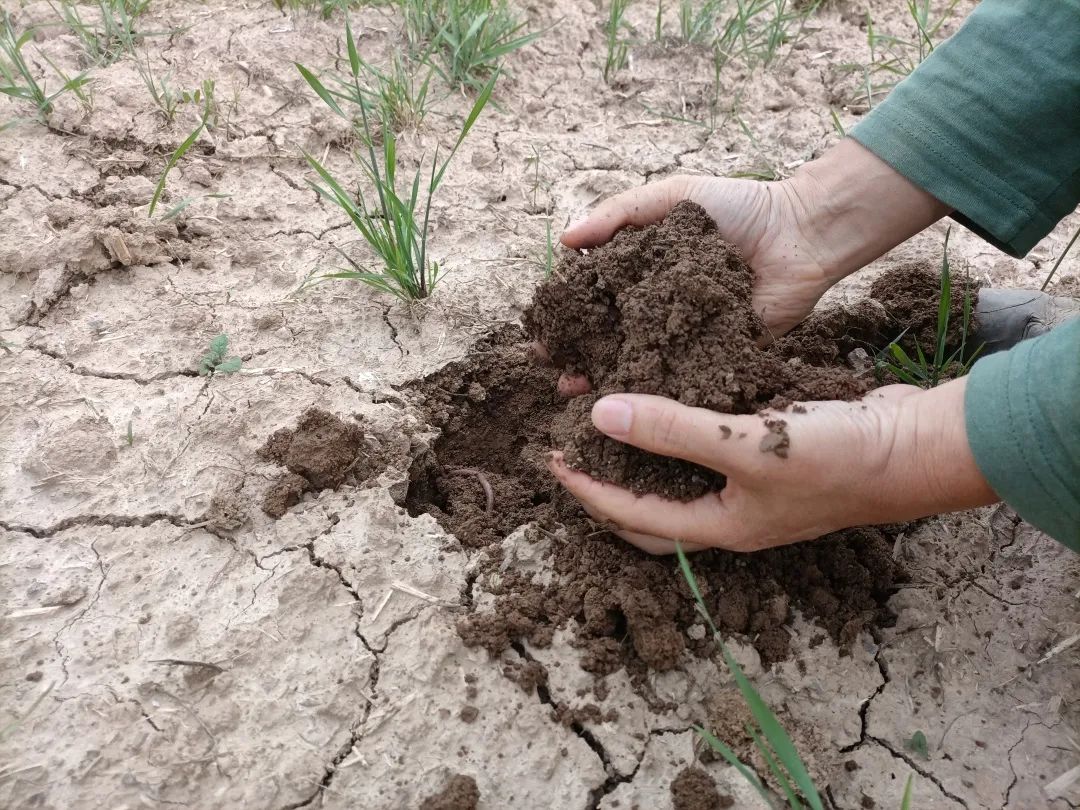
I recall hearing that before the summer wheat harvest in 2017, the Guanzhong region also suffered widespread lodging due to consecutive days of heavy rain and strong winds. At Lüwo Farm, however, only the wheat near the irrigation ditches—which had been waterlogged for long periods—was affected, accounting for just 5% of the total cultivated area.
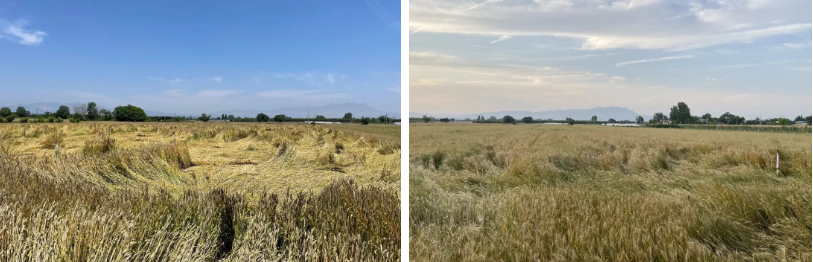
This year’s persistent rain has clearly exceeded the normal range. From 29 May, lodging began to occur across the wheat fields. At first, it was limited to small patches, but as the rain fell time and again, more stalks were unable to support the weight of the ears after they had absorbed ample moisture, and the lodging gradually merged into large swathes.
Of the farm’s 60 mu of wheat, the Durum wheat was hardest hit, with an estimated three or four mu lying haphazardly on the ground. Spelt wheat, still in its growing phase, also experienced several small areas of lodging. Even the shorter Wanmai 52 variety showed a few fairly large ‘bald patches’.
III. Tackling Lodging and Immediate Remedial Action
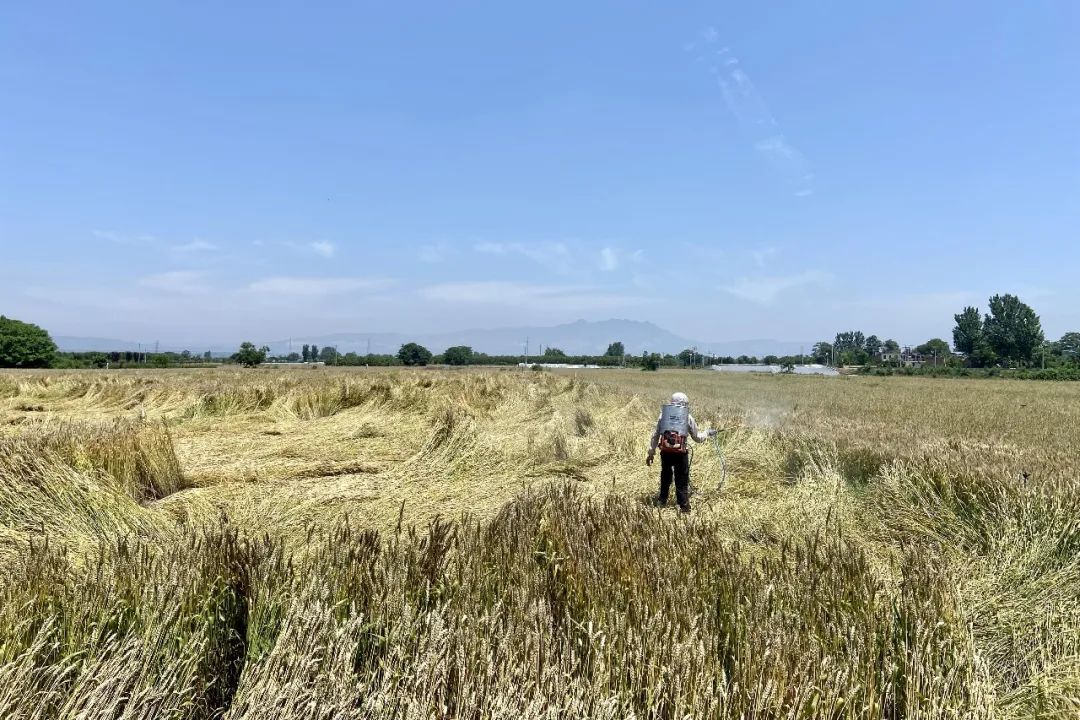
However, trudging through wheat fields nearly ready for harvest while carrying a heavy water tank and a petrol engine, maintaining a steady pace and constantly waving the spray nozzle, is no easy task. It was, arguably, the most grueling work I encountered during my internship.
A single round trip across one mu covers over 400 metres; the young men were exhausted after just one pass. Walking through the tall Spelt wheat, it was easy to lose one’s bearings. The mist sprayed upwards would drift back down onto our heads, soaking us to the skin, while clumps of soil constantly worked their way into our shoes. I only tried it once; I tripped over weeds several times and wasted half a bucket of the preparation because I was walking too slowly.
IV. Sprouting and Mould
Fortunately, the naturally grown wheat varied in maturity; only a small proportion of the plants were over-ripe, and sprouting was limited to a few isolated cases among the Abru wheat. The days following the rain were sunny, which brought the sprouting to a timely halt.
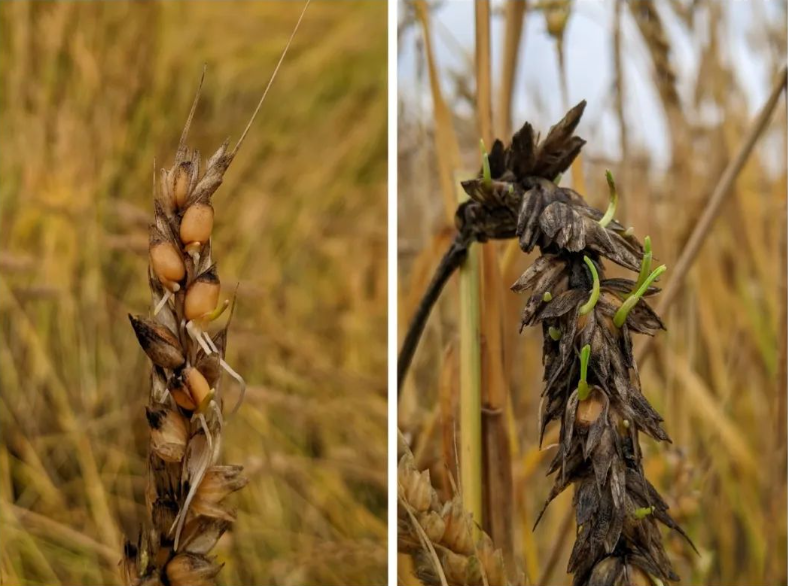
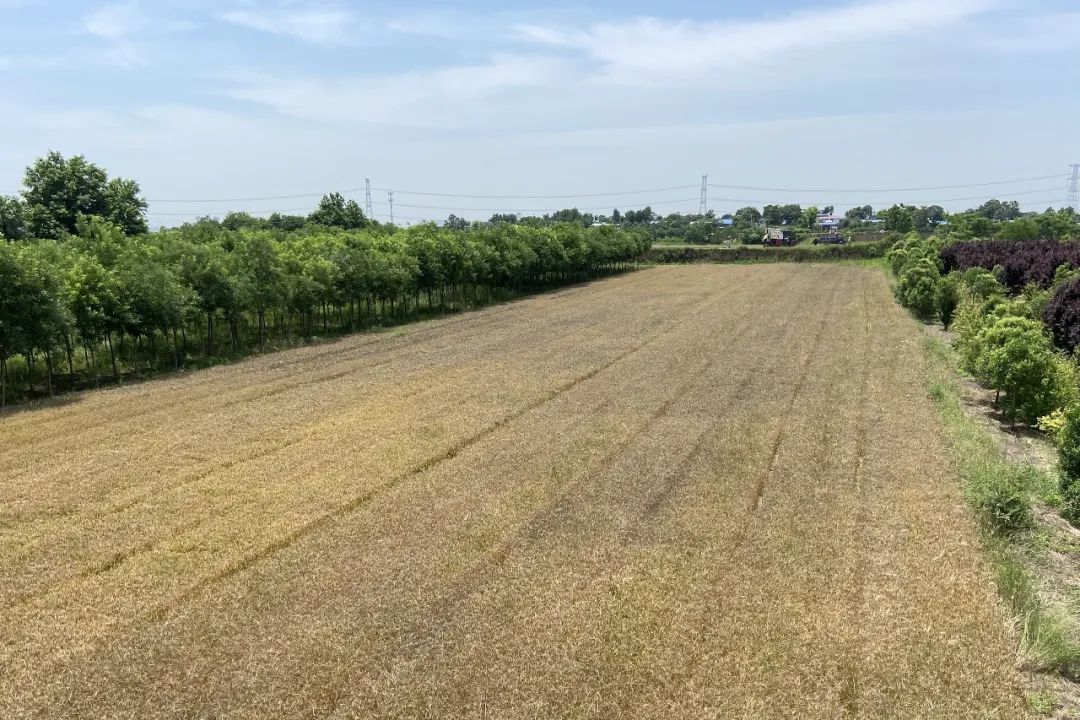
On 9 June, most of the wheat in Xinzhuang Village—where Lüwo Farm is located—and the surrounding areas had not yet been harvested. From a distance, the rolling fields of wheat in the sunlight were not a beautiful golden yellow, but instead appeared dark yellow or greyish-yellow, with some even turning grey-brown. This indicated that the husks had blackened, and the grain inside may have succumbed to mould.
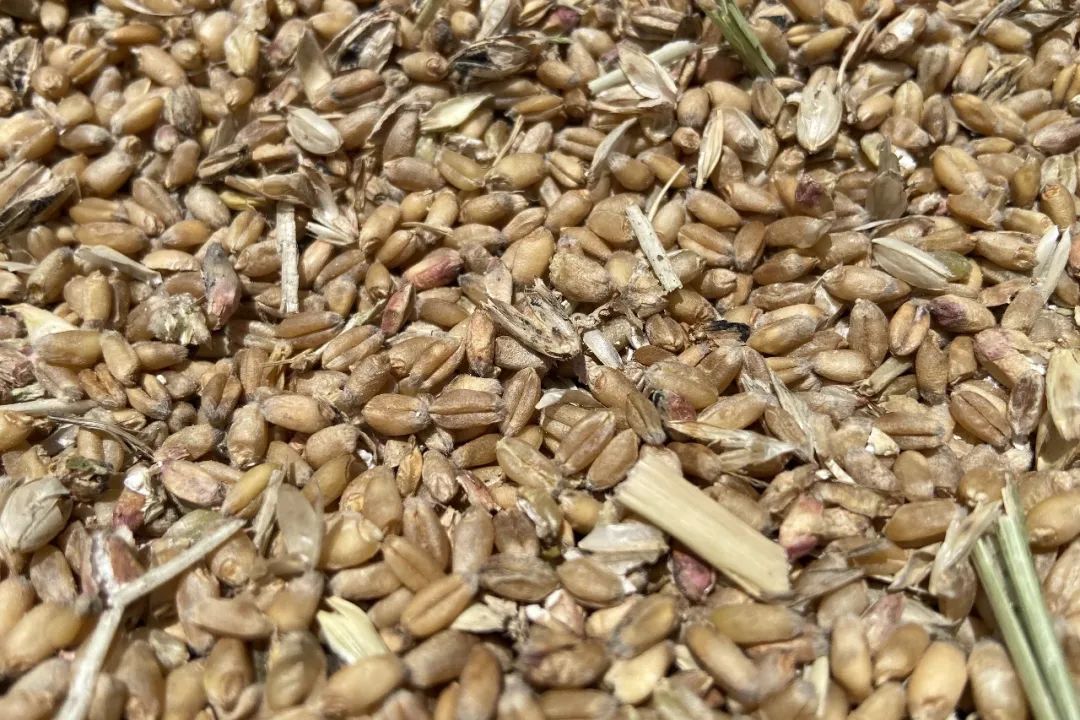
Among the few households in the village that had already harvested and dried their wheat, some portions were infected with red and black mould. If wheat encounters rain during the heading and flowering stage, it can be infected with red mould, commonly known as Fusarium head blight. Infected wheat produces a mycotoxin; once the infection rate exceeds 4%, it is no longer fit for consumption.
The black mould on the wheat was primarily caused by the recent prolonged rain. Regardless of the type, any wheat that exceeds mould safety limits is inedible. Even if it remains edible, the quality and taste are significantly diminished, creating great difficulties for subsequent processing. The hardship faced by the farmers is easy to imagine.
V. Urgent Harvesting and Drying
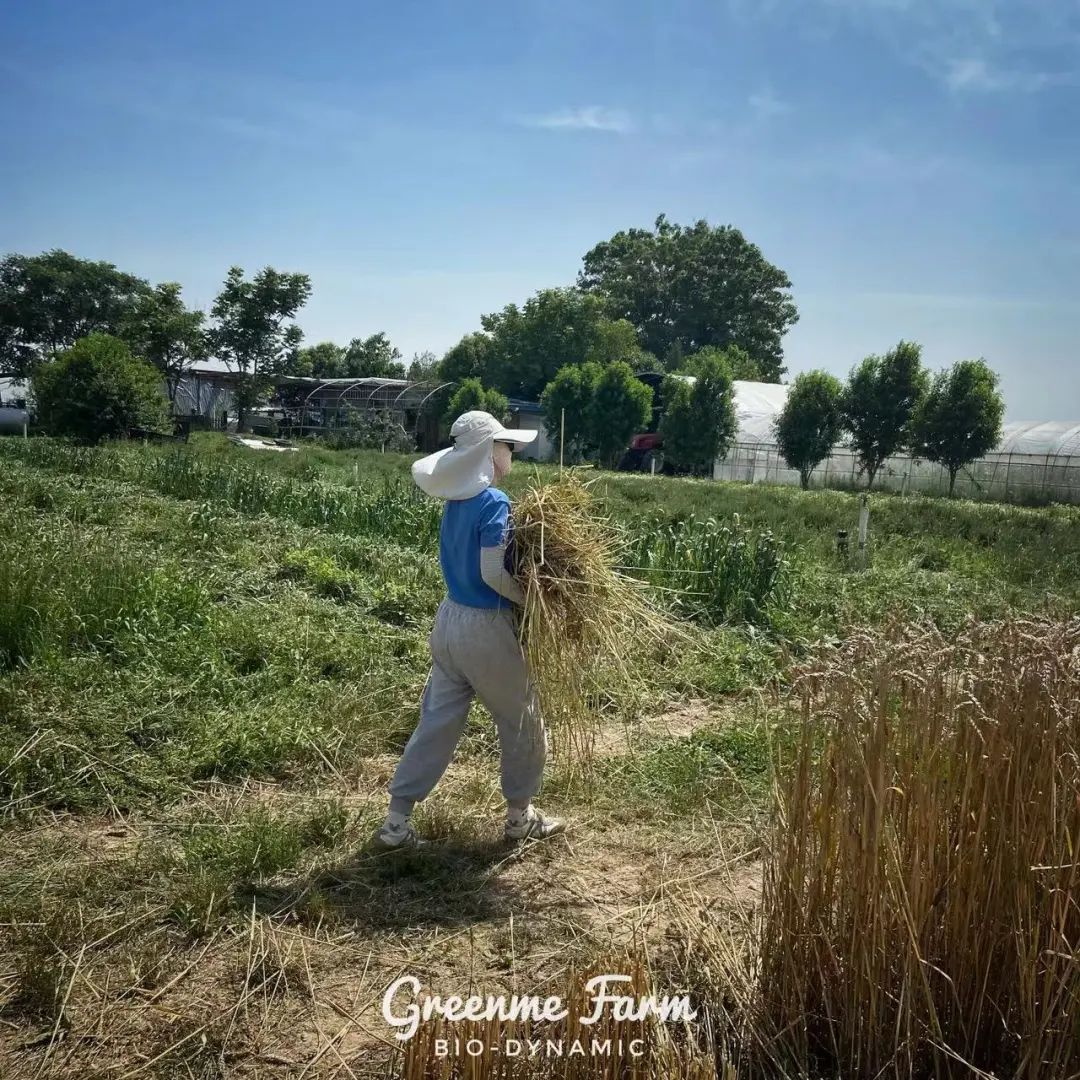
The 10 mu of Abo wheat yielded approximately 5 tonnes. In previous years, the grain was consistently hard and required only minimal drying to reach an optimal state. This year, however, lodging caused the maturity levels to vary wildly—some grains were hard, some soft, and others remained greenish. This means a longer drying period is essential this year, otherwise, the crop may succumb to mould during storage.
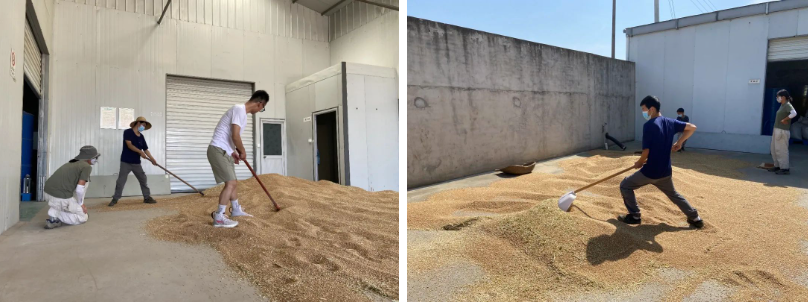
Fortunately, the drying yard at Lüwo Farm is well-designed, consisting of an open-air section and a covered one. During sunny spells, the wheat is spread across the open area, raked level, and turned every hour. If it rains, the wheat can be quickly moved under the cover, ensuring the drying process remains highly efficient.
VI. The Hardships of Farmers Under Extreme Weather
We heard that before last year’s harvest, Xiaohei spent several consecutive nights sleeping in a van. During the day, the use of air conditioning in the village caused voltage drops, making it impossible to start the water pumps. Consequently, they had to use sprinkler irrigation at night, when it was cooler, to lower the temperature and provide water to the wheat scorched by the heat, setting alarms every half hour to go on patrol; he had almost no rest.
Encountering such “harvest-spoiling rain” during this year’s wheat ripening period was something Teacher Dahei, who has been in agriculture for nine years, had never seen before. The losses brought to the farm by this rain were not limited to the wheat; the chamomile, which we had put so much effort into harvesting, became mouldy due to the excessive humidity and ended up being composted.
One of my initial motivations for joining the Foodthink Ecological Agriculture Internship Programme was to “shatter my preconceptions of farming”. Over the past two months, watching plants change day by day, feeling the rise and fall of the breath of the land, and observing different planting methods, I have come to realise that environmental issues are inextricably linked to agriculture, and human health is inextricably linked to food.
It was only after personally experiencing this “harvest-spoiling rain”, the likes of which hadn’t been seen in over a decade, that I truly understood the hardships of being a farmer. While admiring Teacher Dahei’s strength and composure, I became even more convinced that “now is precisely when we must pursue ecological agriculture”.
All images in this article are courtesy of Green Me Farm
Hu Yanrong, Li Deyue and Lu Dashuai also contributed to this article
Editor: Ze En