In 2021, after a ten-year stint in Beijing which I ended for physical and mental health reasons, I returned to my hometown of Xin County in Shandong and stayed for nearly a year.
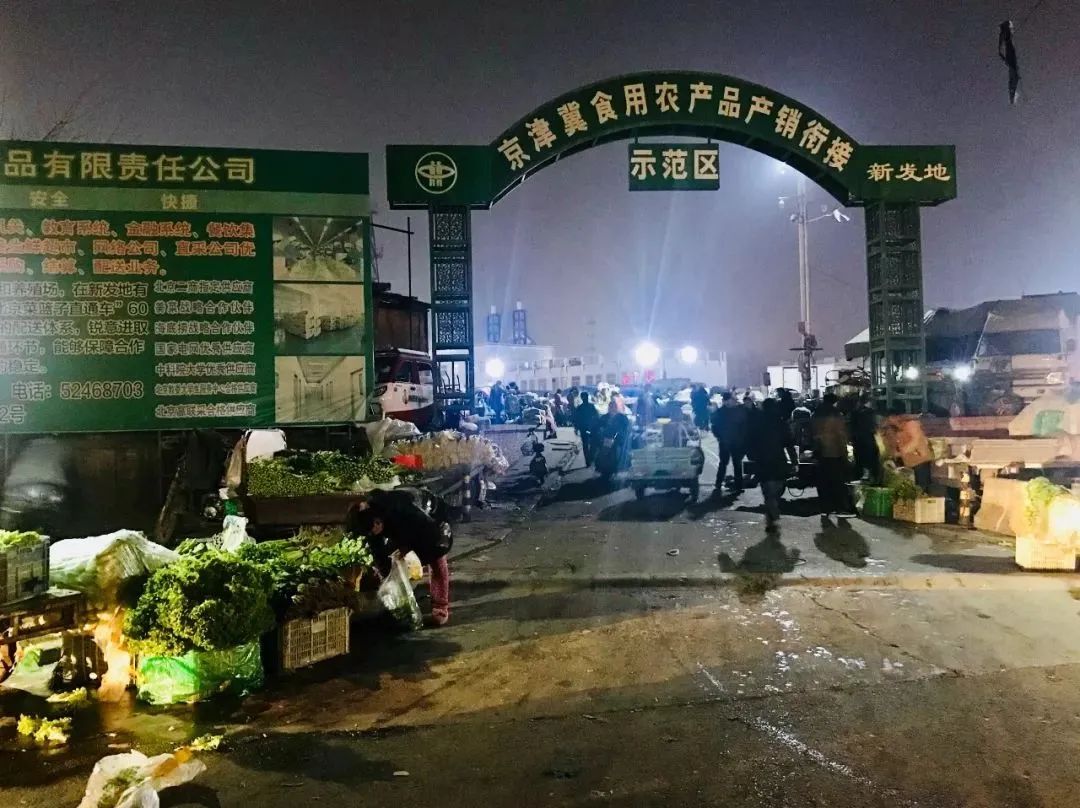
Xin County is known as ‘China’s premier vegetable county’, with fruit and vegetable cultivation covering over a million mu. One sixth of the vegetables at Beijing’s Xinfadi wholesale market are sourced from here.
● Xinfadi is Beijing’s largest agricultural produce wholesale market by trading volume, responsible for supplying nearly 80% of the city’s food ingredients. Pictured is Xinfadi at 3 am.
I had assumed that returning home would mean access to fresh, delicious vegetables, but to my surprise, there were none! In town, one could only buy the same wholesale produce found at Xinfadi. Not only did they lack the taste of the vegetables from my childhood, but I couldn’t even hope for them to be nutritious or healthy.
I tried to find local ecological farms, but most of the results were small family orchards or places keeping a few free-range chickens; there was no genuine ecological fruit and vegetable farming.
What if I grew them myself?
On a small scale, I could improve the meals of my friends and family. On a larger scale, I felt it would be deeply meaningful to gradually shift the mindset of local conventional farmers, moving away from a reliance on pesticides and chemical fertilisers to rediscover the authentic taste of vegetables.
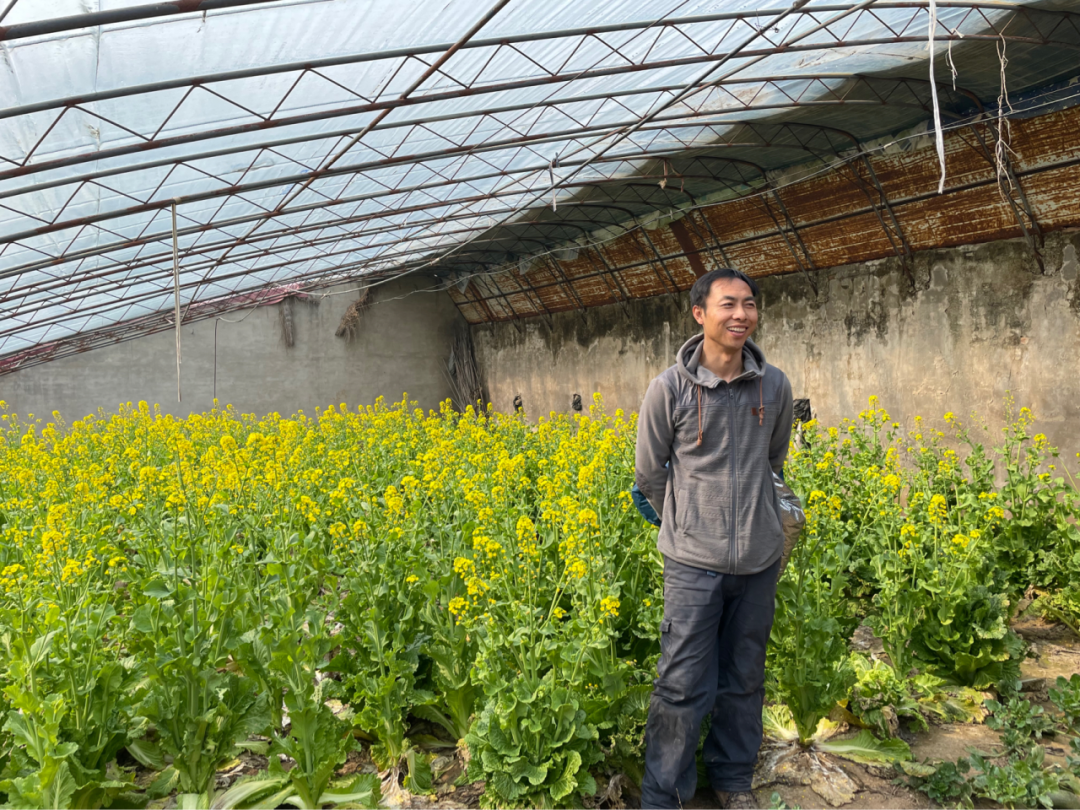
Consequently, I signed up for Foodthink’s Ecological Agriculture Internship Programme and spent three months interning at Xiqing Farm in Beijing, studying ecological cultivation under the guidance of the technically-driven farmer Wang Xin.
●Wang Xin began researching ecological agriculture in 2011 and founded Xiqing Farm in 2015. Growing strawberries and a variety of seasonal vegetables, he aims to produce premium produce using nutrient-rich soil. Click the image to read his story.
I gained a great deal from this experience, both in perspective and in knowledge. Below are some entries from my internship diary.
III. 14 March, Day 1: Forming Ridges
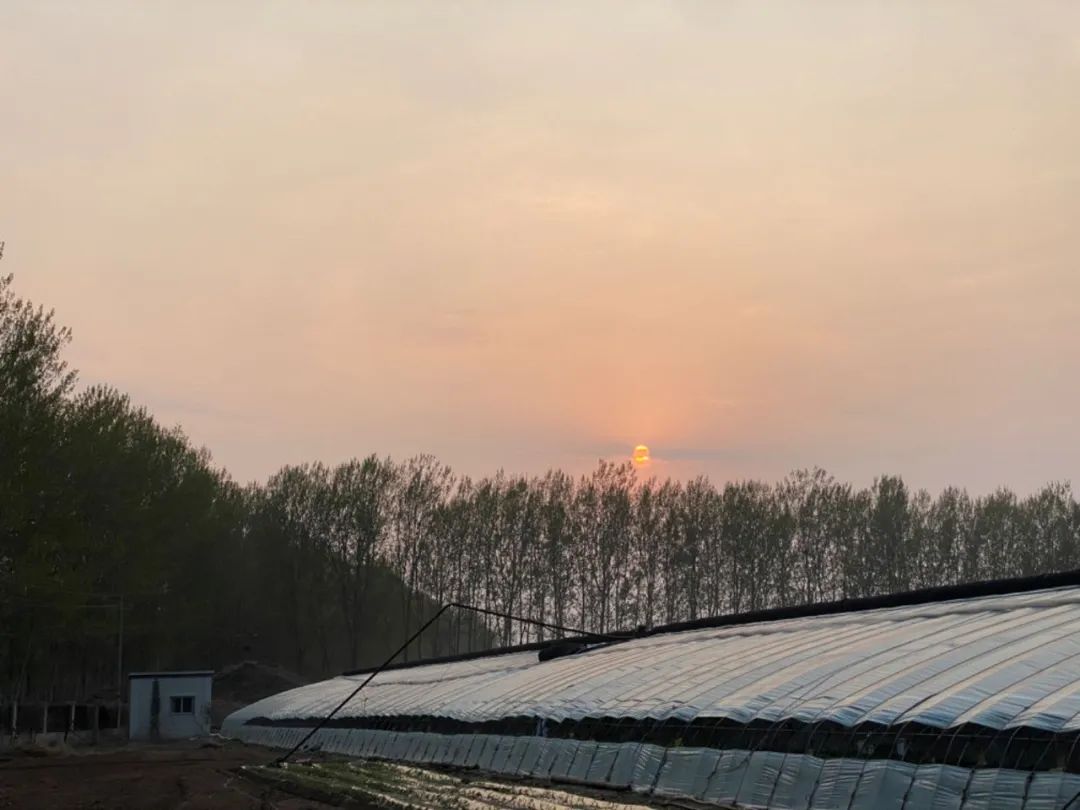
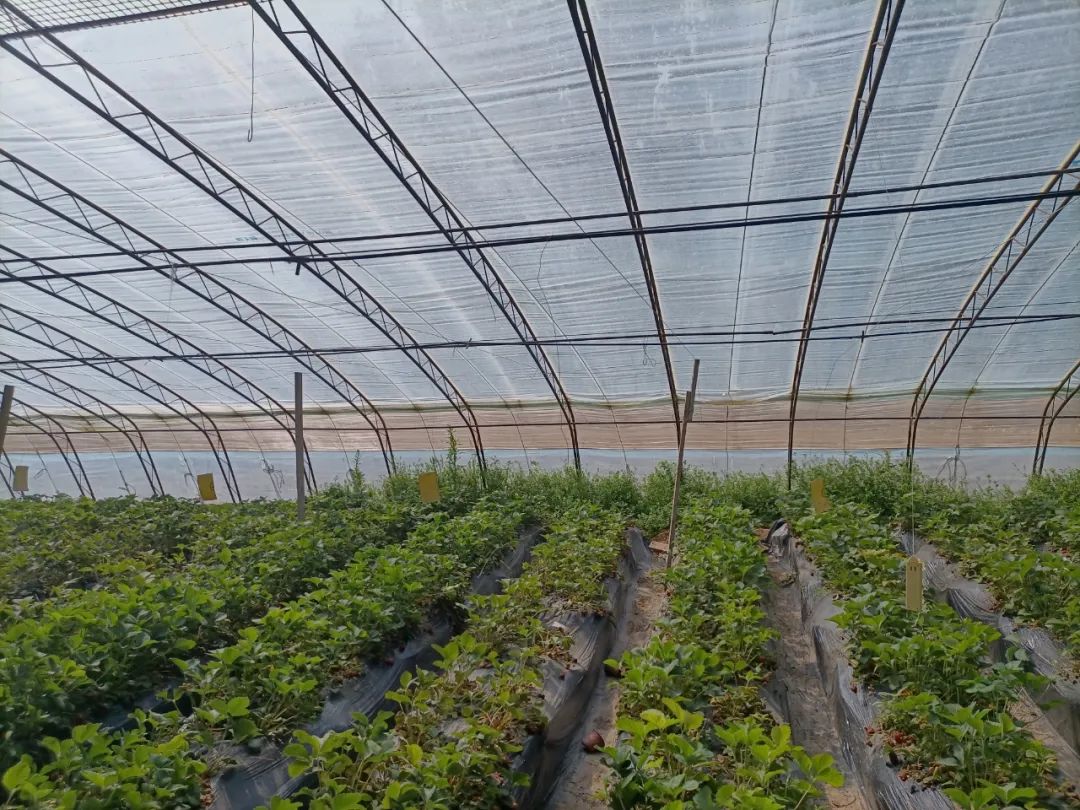
●Strawberry greenhouses at Xiqing Farm. Photo: Xiao P
I arrived at Xiqing Farm at 4 pm. The farm has two greenhouses, which, together with the open land in front, cover about 5 mu. One greenhouse is primarily for leafy greens, radishes and other vegetables, while the other is mostly dedicated to strawberries. As soon as I stepped inside, the air was thick with the sweet scent of strawberries. The star product of Xiqing Farm certainly lives up to its reputation!
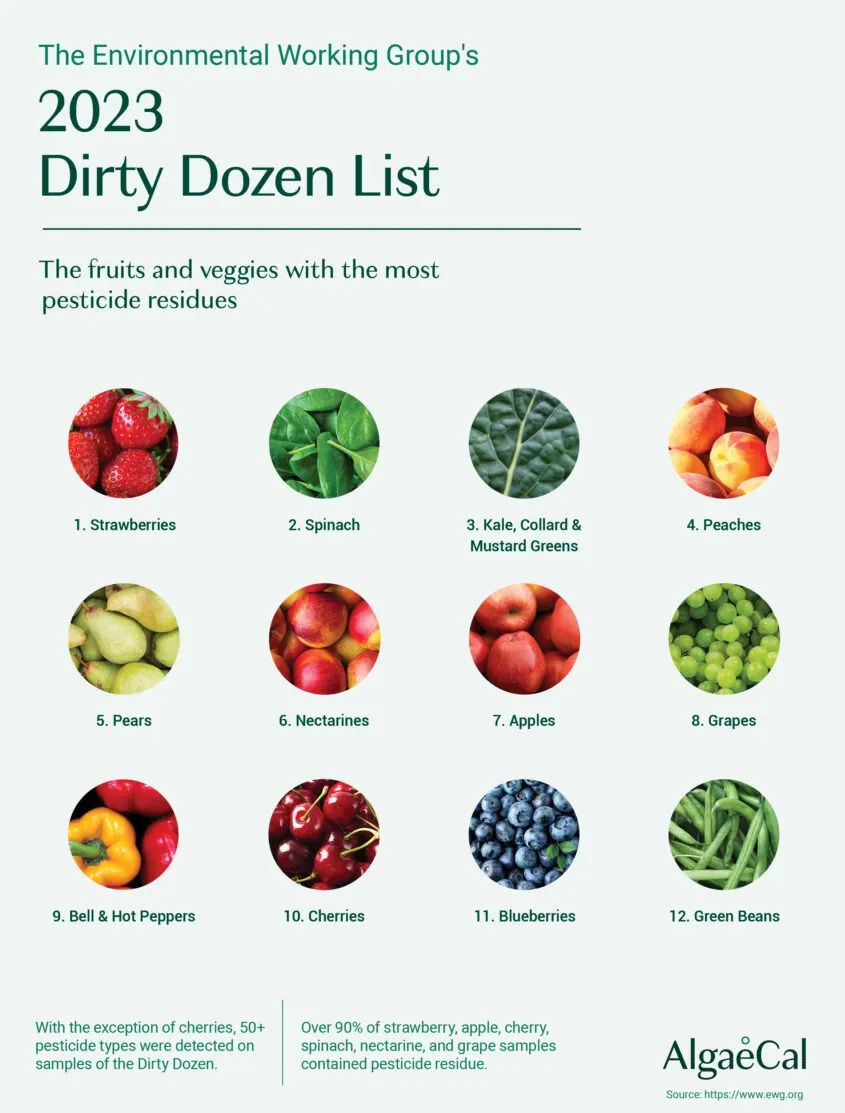
I had heard that organic fruit is difficult to grow. If insecticides and pesticides aren’t used, how are pests and diseases controlled in strawberries?
●The “2023 Dirty Dozen” list compiled by the Environmental Working Group (EWG). Conventional strawberries have topped the list for years due to having the widest variety of pesticide residues. Source: InternetOrganic standards do permit the use of certain biopesticides. However, Xiqing Farm avoids even these, yet the strawberries and vegetables are still thriving; coming here to learn ecological farming was definitely the right decision. Today’s main task was ridging the maize field: first, aligning the rows with a string, then shovelling soil from either side to form the ridges. The primary purpose of these ridges is to demarcate the fields and facilitate irrigation. In the repetitive motion of shovelling and ridging, I felt a sense of inner peace.
15 March, Day 2: Fully ripe strawberries, hanging dried strawberries
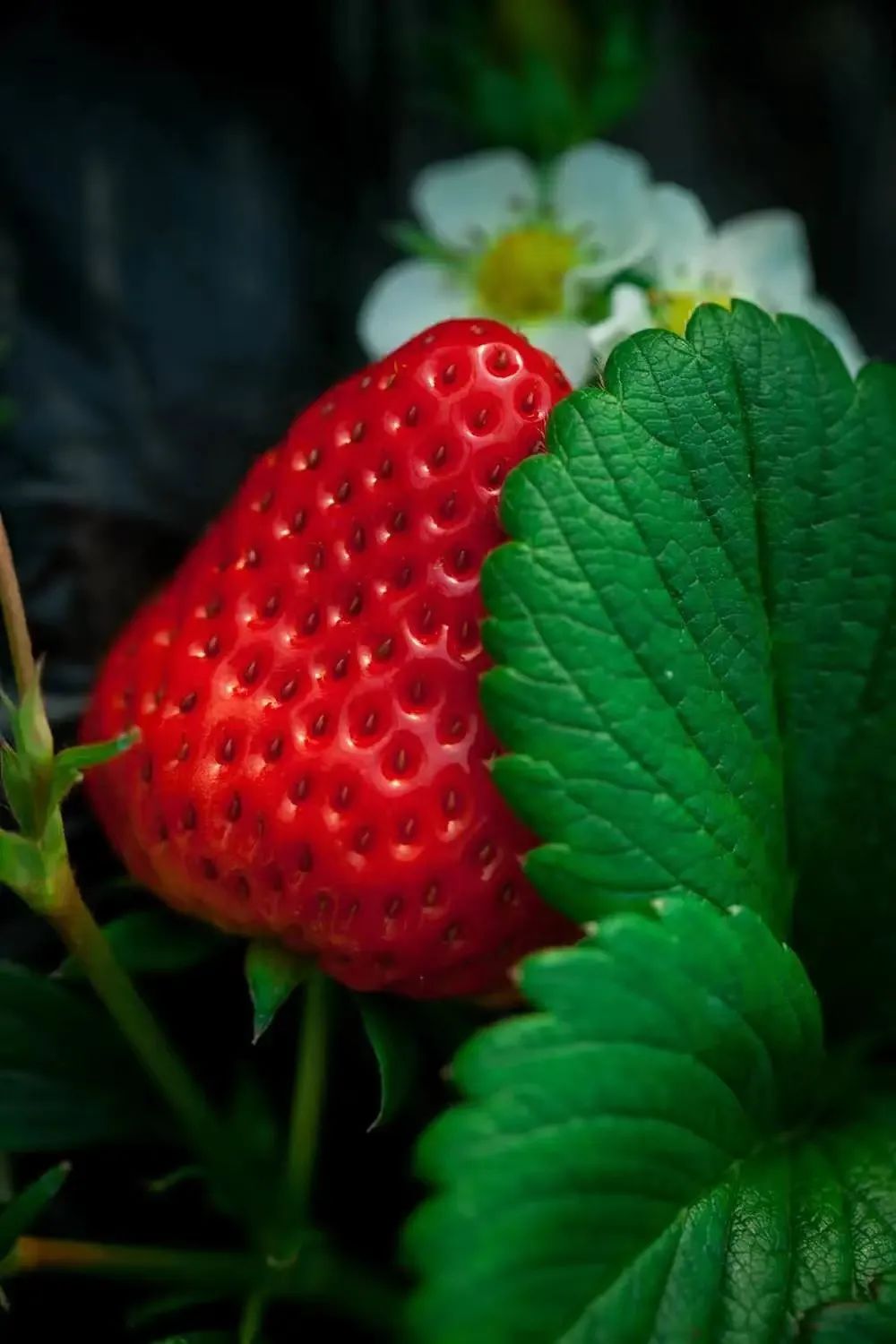
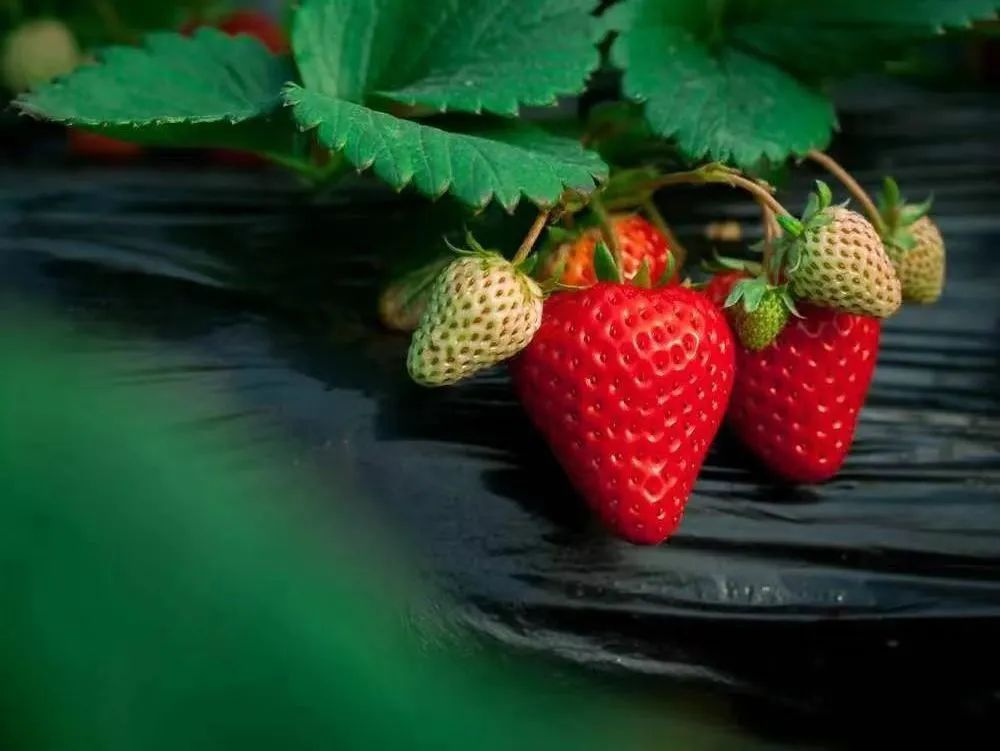
I spent the morning in the strawberry greenhouse, observing the leaves and blossoms. Wang Xin taught me how to identify and pick fully ripe strawberries: just because a strawberry is entirely red doesn’t mean it is fully ripe. You have to look closer at the seeds; those on the sunny side must have turned completely red or dark red before they can be harvested. Strawberries found in typical markets are rarely fully ripe, as time must be allowed for transport and storage.
● Xiqing’s fully ripe strawberries are truly mouth-watering! Photo: Xiao Yi
Picking strawberries sounds simple, but it is actually a bit of an art. You have to keep the calyx intact and avoid bruising the skin; once a strawberry is damaged, it becomes difficult to preserve, which is why I was hesitant to start at first.
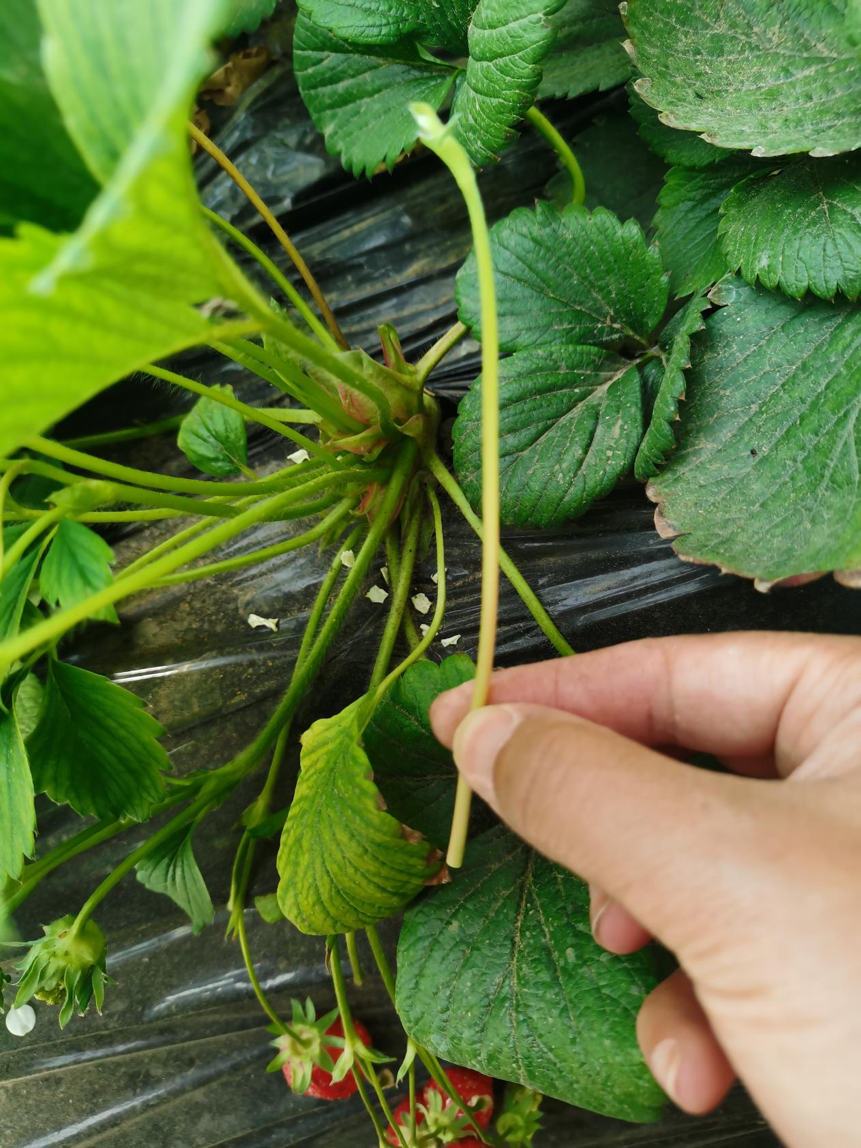
Removing the strawberry runners, however, was relatively straightforward.
Runners are stems that grow horizontally along the ground. The side branches at the base have longer internodes, and each node can produce leaves, buds, and adventitious roots; once separated from the parent plant, they can grow into a new individual.
To prevent the runners from growing indefinitely and to lock the nutrients into the existing flowers and fruit, any new runners must be pulled out every day.
● Strawberries growing via runners and some that have just been removed.
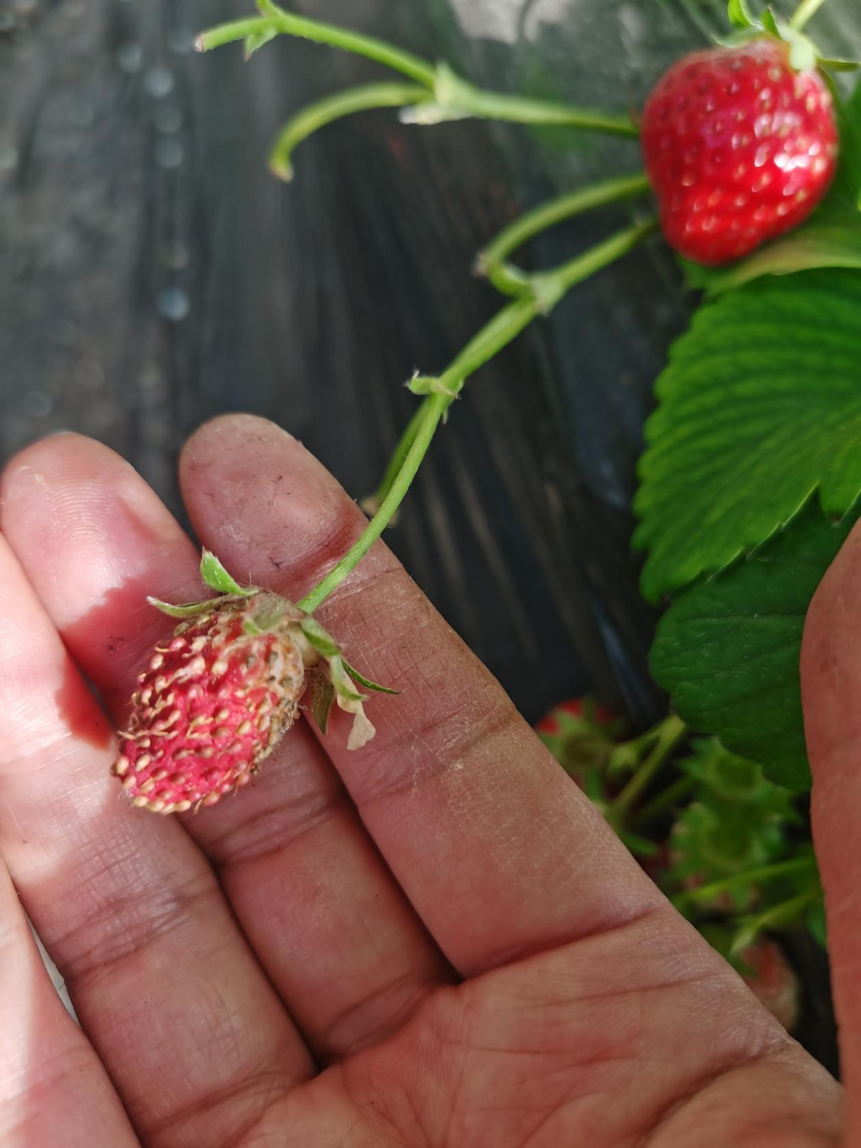
I’d always thought Xiqing strawberries were the gold standard. But today I tried some air-dried strawberries, and the aroma and sweetness were surprisingly twice as intense—absolutely stunning.
Similar to air-dried apricots, these are made from fully ripened strawberries that were missed during picking and left to dry naturally. Under-ripe strawberries aren’t tasty, and over-ripe ones have a poor texture and cannot be picked for sale, but once naturally dried, they take on a completely different flavour. You can’t find air-dried strawberries on the market, so I suppose they’re a little extra perk of interning at the farm!
16 March, Day 3: Transplanting Maize Seedlings
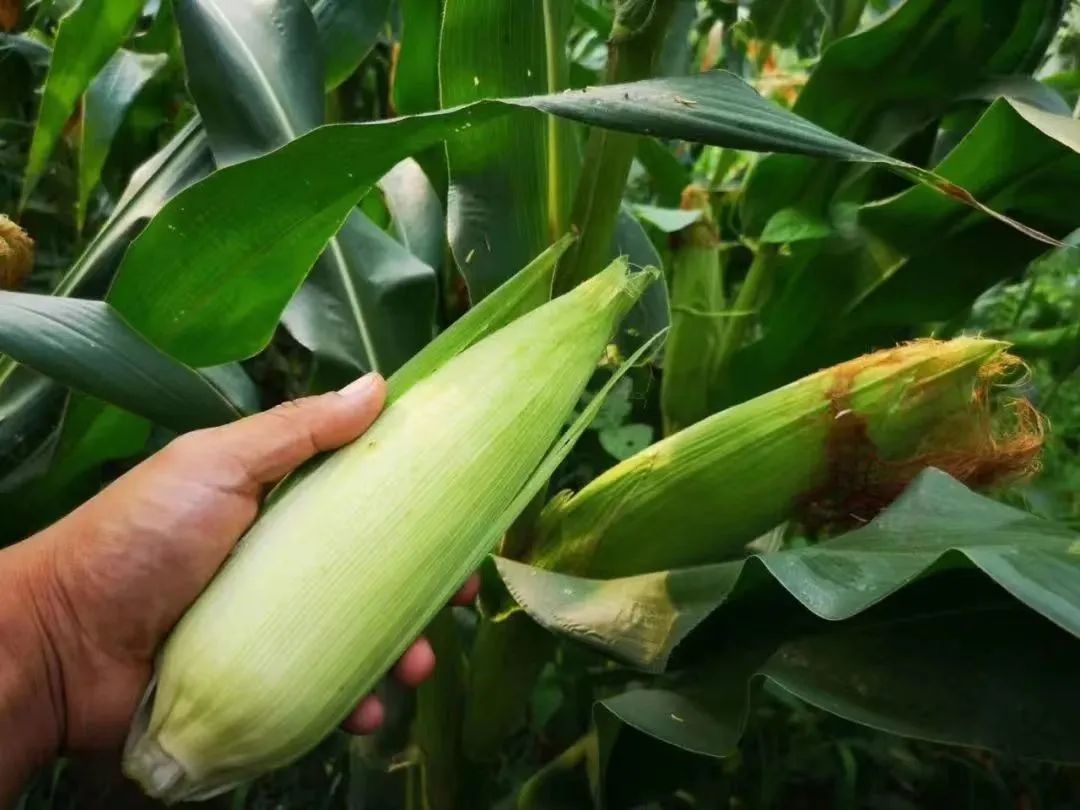
Sweet and waxy corn is another star product of Xiqing Farm. Customers at the Beijing Organic Farmers’ Market say they are delicious whether boiled or roasted.
Wang Xin has been growing corn for eight years. As with his other crops, he has experimented with different varieties and management methods, hoping that each year’s harvest will be slightly better than the last.
● Sweet waxy corn from Xiqing Farm.
Today, we planted over a thousand corn seedlings and experienced the full transplanting process: furrowing, fertilising, planting, and watering. The key is to master the details: the spacing between seedlings, the amount of fertiliser used, the depth of planting, and raking the soil flat before watering.
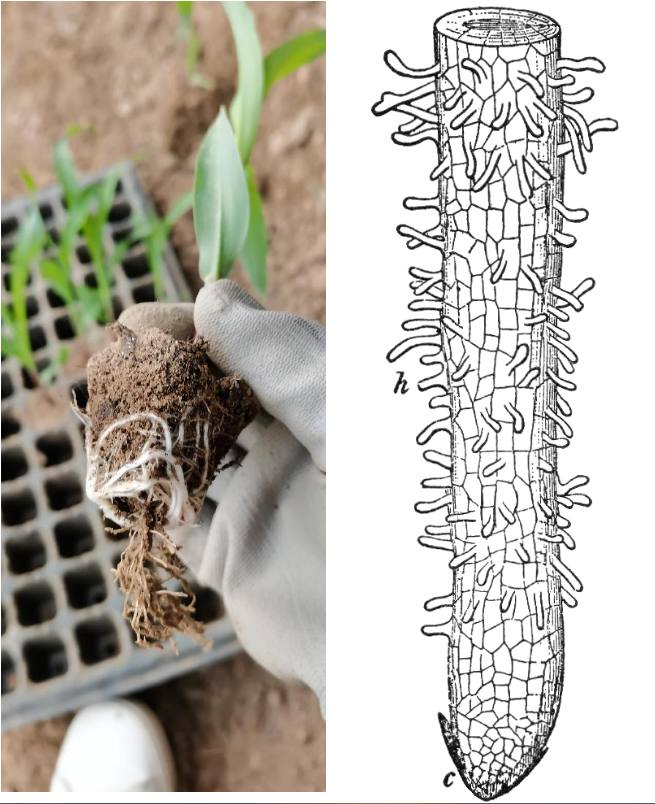
The soil in the corn plot was so loose that I could dig holes with my bare hands. While transplanting the seedlings, I was struck by the beauty of the white root hairs.
Crops only develop these white root hairs when the soil is healthy. If chemical fertilisers or poor-quality compost are used, you won’t see root hairs this healthy.
Wang Xin explained that this is because chemical fertilisers are water-soluble and exist in an ionic form. Since a plant’s primary and lateral roots can absorb ionic fertilisers directly, root hairs are not required. However, in organic farming, water-soluble nutrients are scarce, meaning plants must rely on capillary roots to break them down to obtain sufficient nutrients.
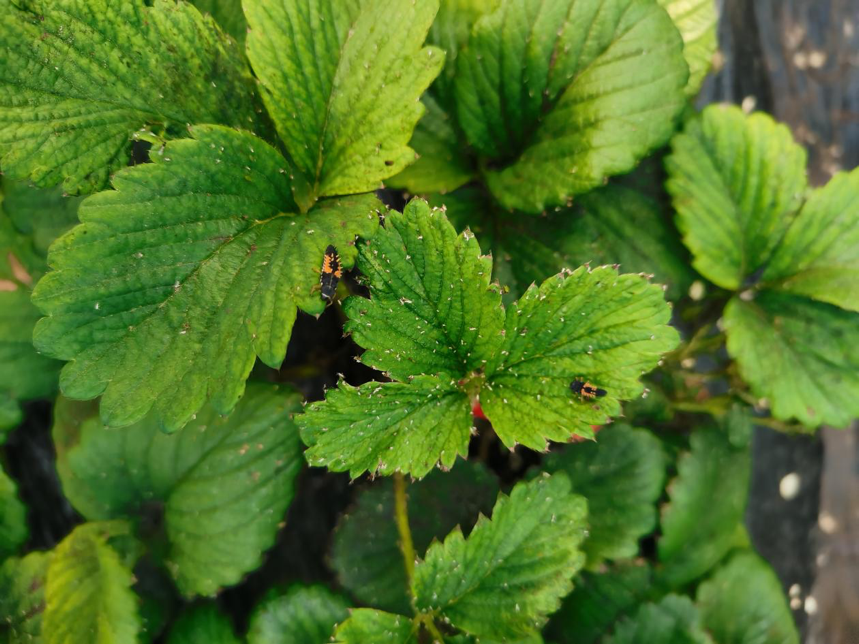
● The white roots of a corn seedling, featuring a ring of fine white fuzz; these are the root hairs. Root hair structure diagram source: Wikimedia CommonsI had naively assumed that simply avoiding pesticides, chemical fertilisers, and herbicides would be enough to grow delicious vegetables. Having experienced the hardships of ecological farming and the high standards required of the grower over the last few days, I feel somewhat lost.17 March, Day 4: Understanding Plants, Understanding NatureToday was spent picking strawberries, removing runners, and harvesting vegetables. There are aphids in the strawberry beds; the infested leaves feel sticky to the touch. Wang Xin explained that these leaves are covered in aphids ‘farmed’ by ants, as ants feed on the sweet honeydew the aphids excrete. Rather than seeing the ants as a nuisance, Wang Xin considers them an integral part of the farm’s ecosystem.
● Aphid shells and ladybird larvae on strawberry leaves.
To control the aphids, Wang Xin introduced multicoloured ladybirds. Later, seven-spot ladybirds also appeared on the farm. However, ladybirds alone could not fully control the aphids. Wang Xin explained that when temperatures rise in early spring, there is often a sudden outbreak of aphids before the ladybirds arrive; during this period, the strawberries must rely on their own nutrients to hold out until the ladybirds appear.
A strip of grass is left along the edge of the strawberry greenhouse to create a small ecosystem, providing a habitat for various insects to better manage pests and diseases.
● Strawberry rows with grass left along the edges are less affected by pests and diseases, and the plants are healthier. Image: FoodthinkMy most significant reflection today is that ecological balance is the most fundamental element of ecological farming, far more important than mere technique. It is essential to understand plants and nature. Whether it be Biodynamic farming, Natural farming, or Permaculture and other schools of thought, the ultimate goal is to restore the ecological balance of the soil and the fields, allowing crops to grow as naturally as possible.
20 March, Day 7: Fruit thinning and soil aeration
To improve the quality of the strawberries, I have been thinning the flowers and fruit every day recently, removing those that are misshapen or weak. Thinning out weak flowers reduces the consumption of nutrients, ensuring they are prioritised for the strawberries that have already set fruit; this produces berries that are larger, more uniform, and more nutritious.
● Flowers bloom at different times, resulting in fruit of varying sizes. Conventional farming often relies on growth regulators to enlarge small fruits and make the larger ones even bigger. Photo: Xiao Yi
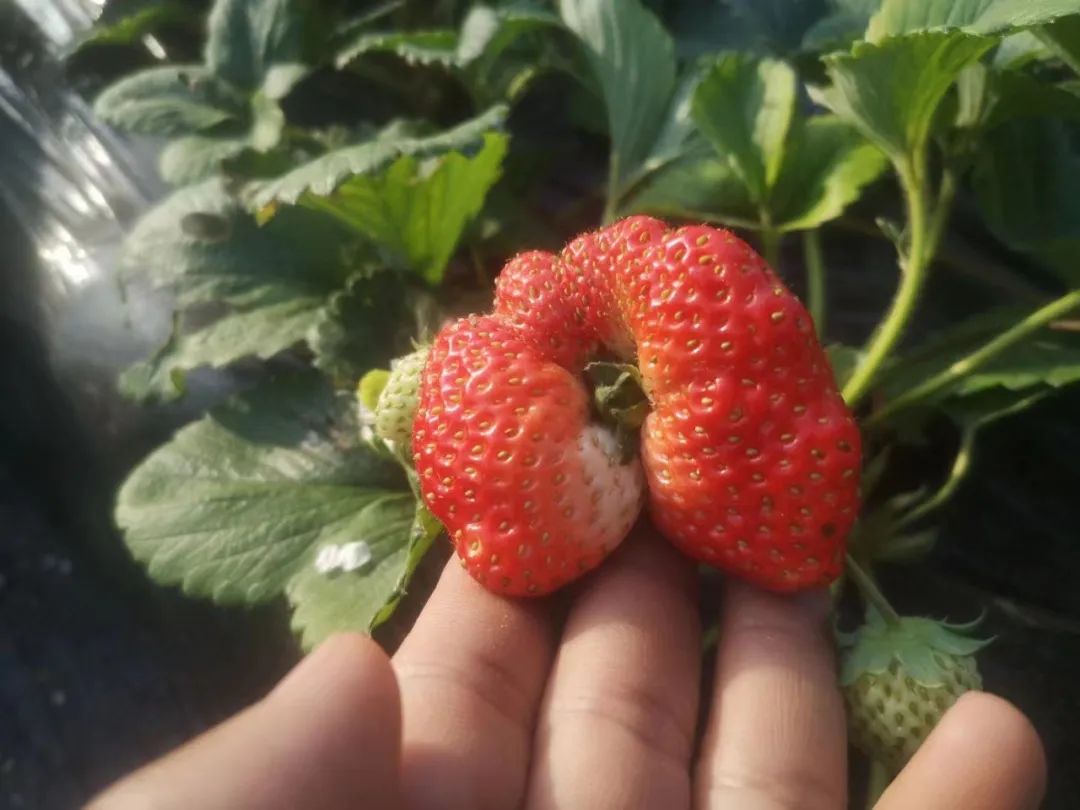
Consumers who prioritise appearance may not realise that the misshapen fruit at Xiqing Farm is actually sweeter. This is due to the plant’s nutritional compensation effect, as seen in this fan-shaped strawberry. Wang Xin suggests that its unusual shape was caused by the low temperatures in November last year.
However, there are many factors that can lead to misshapen fruit. In conventional farming, deformities can be caused by the improper use of growth regulators, radiation, pollution, or pests and diseases. Consequently, not every “ugly” piece of fruit is delicious.
● The first fan-shaped strawberry from Xiqing Farm. Source: Xiqing Farm
The afternoon’s task was tilling. Tilling involves shovelling, breaking up, and aerating the land to make it level and loose, allowing seeds to breathe and grow more easily in the soil. It is important to avoid creating any smooth surfaces when breaking up the earth, as these hinder the entry of air and can adversely affect the soil structure.
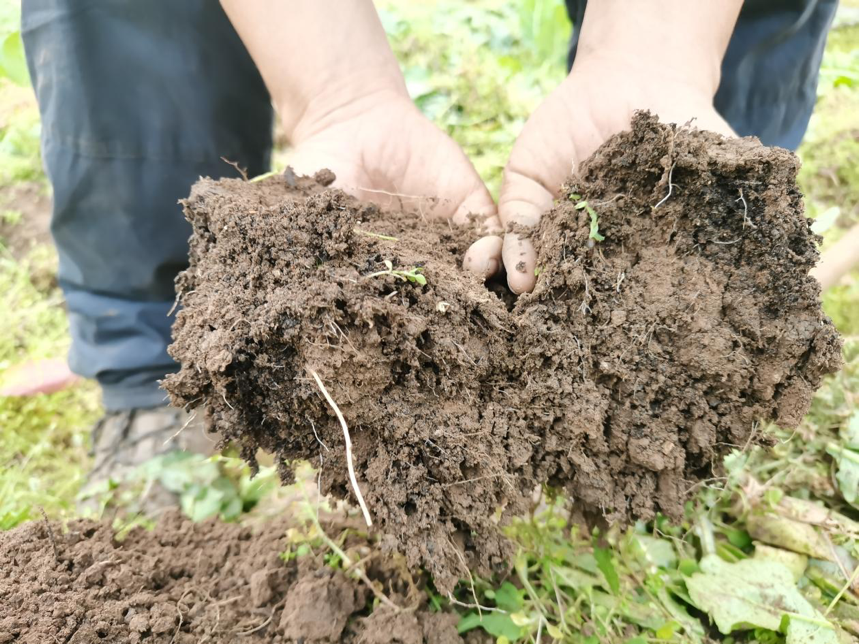
According to Wang Xin, the higher the organic matter content in the soil at Xiqing Farm, the darker it appears and the healthier it is. When the soil is in good condition, a granular structure is typically visible.
● A granular structure consists of rounded aggregates that bind small mineral particles and organic matter. While the surface of these granules is water-resistant, the gaps between them allow water and air to pass through, giving the soil a sponge-like texture.
24 March: Day 11
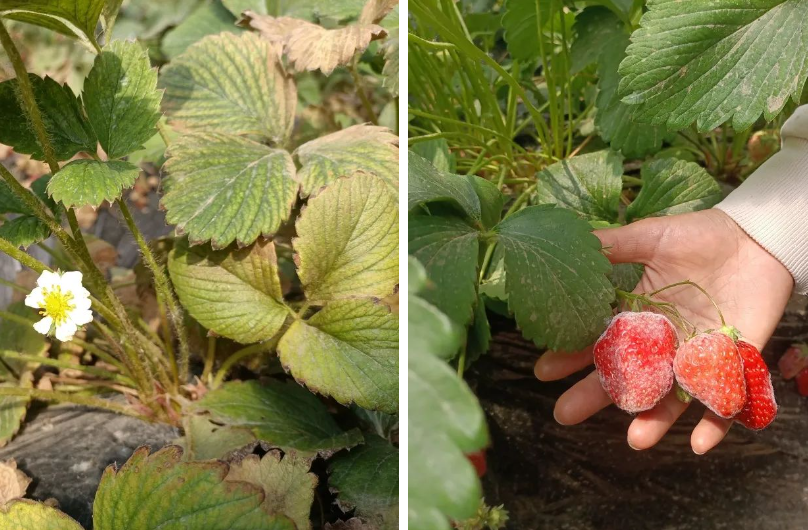
The morning was spent once again picking strawberry runners. Today, the focus was on observing pests and diseases; alongside aphids, Xiqing’s strawberries were also affected by red spider mites and powdery mildew.
●Strawberry leaves damaged by red spider mites; strawberry fruits affected by powdery mildew.Wang Xin has consistently emphasised the concept of ecological balance. While pests and diseases in strawberries are inevitable, as long as the soil is rich and the ecosystem remains robust, large-scale outbreaks can be avoided. A small loss in yield is entirely acceptable. I recall Wang Xin mentioning that last winter, a third of the carrots planted outside the greenhouse were eaten by voles, and some of the strawberries inside were pecked away by birds.
It always comes back to the same point: to practice ecological farming, you must be mentally prepared to accept these losses.
27 March: Day 14: Weeds
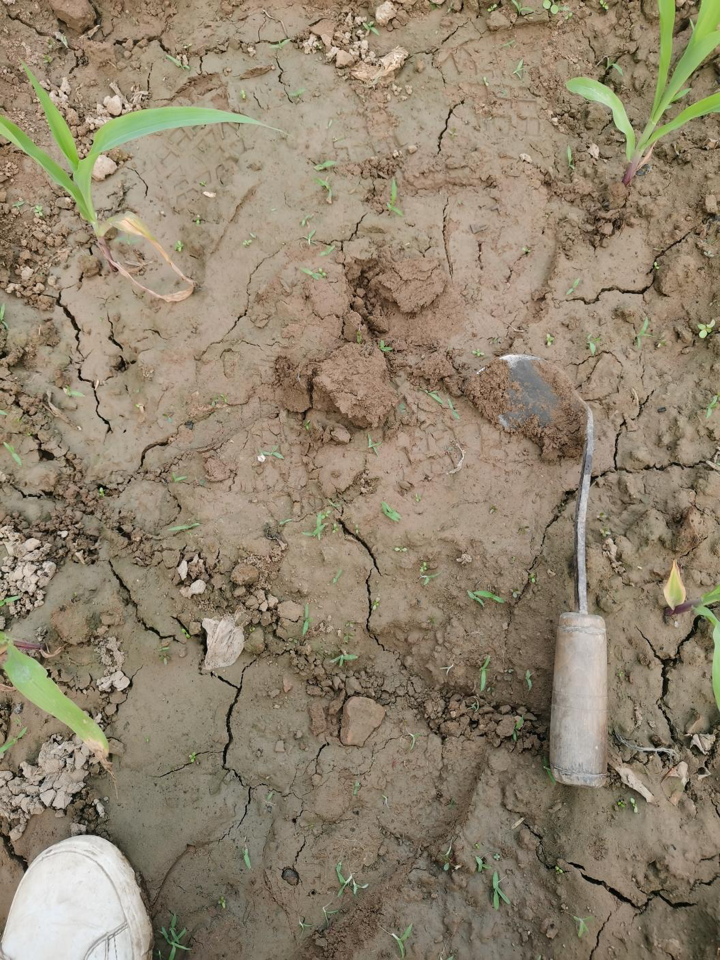
Today’s main task was weeding the maize field. The weeds are currently barely visible, which makes it the perfect time to hoe them. While they are small, they are easy to remove; once they grow and the roots go deeper, they become much harder to clear.
Soil moisture is also an important factor when weeding. I wait a day or two after watering; once the ground no longer gives way underfoot, it’s ready for weeding.
●Weeding the maize fields.How often you weed depends on the circumstances. Taking the maize at Xiqing Farm as an example, once the seedlings reach about knee height, they can coexist with the weeds, and weeding is no longer necessary. This is very similar to how weeds are managed in natural farming. The types of weeds that grow in the field are closely linked to the soil temperature and the surrounding environment. It is important to remember that weeds are a vital part of the farm’s ecosystem. If an ecological farm has no weeds and the ground is perfectly clean, that is when you should start asking questions.
03.29 Day 16: Carrots
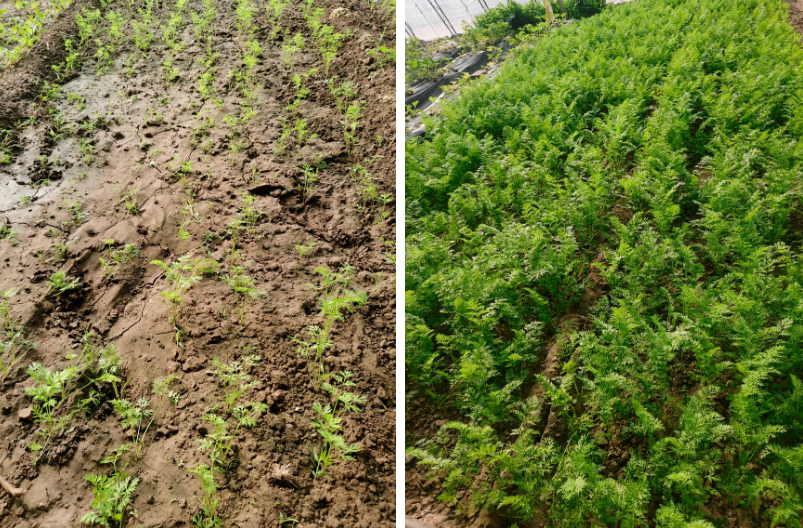
Planting cucumber seedlings and thinning out carrot seedlings in the morning. In just one week, the carrot shoots have changed significantly, growing much faster than expected. They are thriving and look truly appetising.
●A striking contrast between the carrot shoots.
III. 30 March, Day 17: PGS Visit
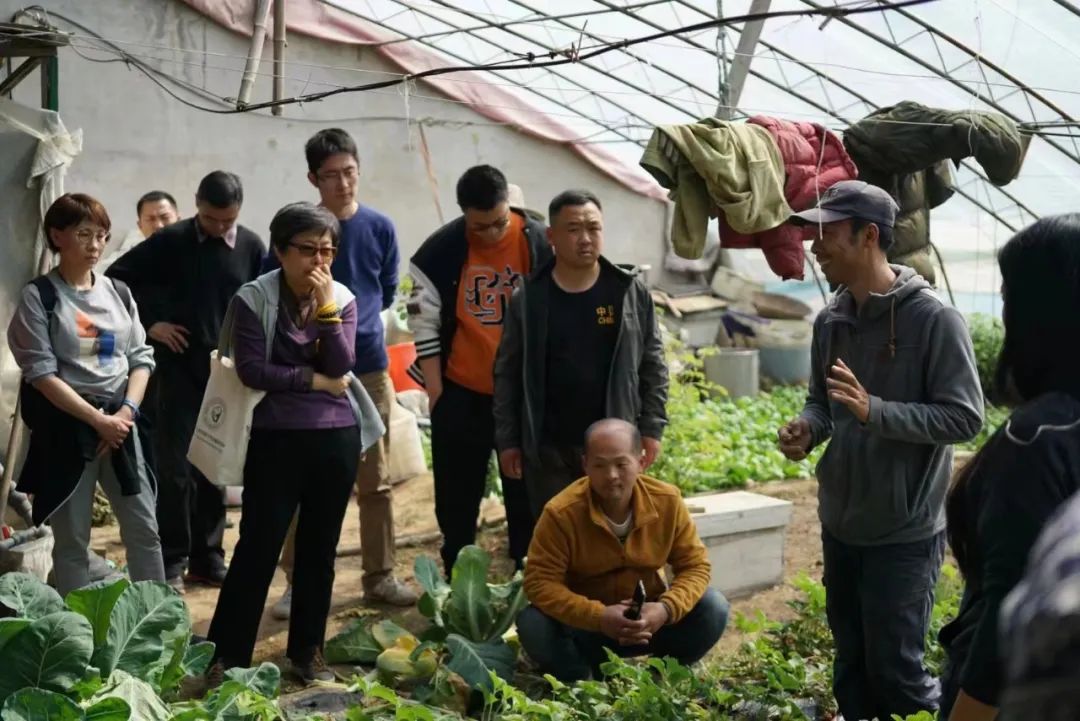
● Wang Xin answering questions from consumers. Image source: Beijing Organic Farmers’ Market
In the morning, the Beijing Organic Farmers’ Market organised a Participatory Guarantee System (PGS) farm visit for consumers. Wang Xin provided the visitors with a detailed introduction to the farm’s general operations and the specifics of strawberry cultivation.
What struck me most was Wang Xin’s awareness of, and response to, climate change. Typically, Xiqing strawberries are brought to market around the Spring Festival, but yields were very low this year. High temperatures in September and October last year killed off many strawberry seedlings, followed by a precipitous drop in temperature in November, which forced a large number of strawberries into dormancy and delayed the season by several months.
Consequently, Wang Xin emphasised the importance of climate foresight. She believes farmers should make predictions at the start of the year to formulate production plans and take proactive measures within their means, rather than simply reacting to problems as they arise.
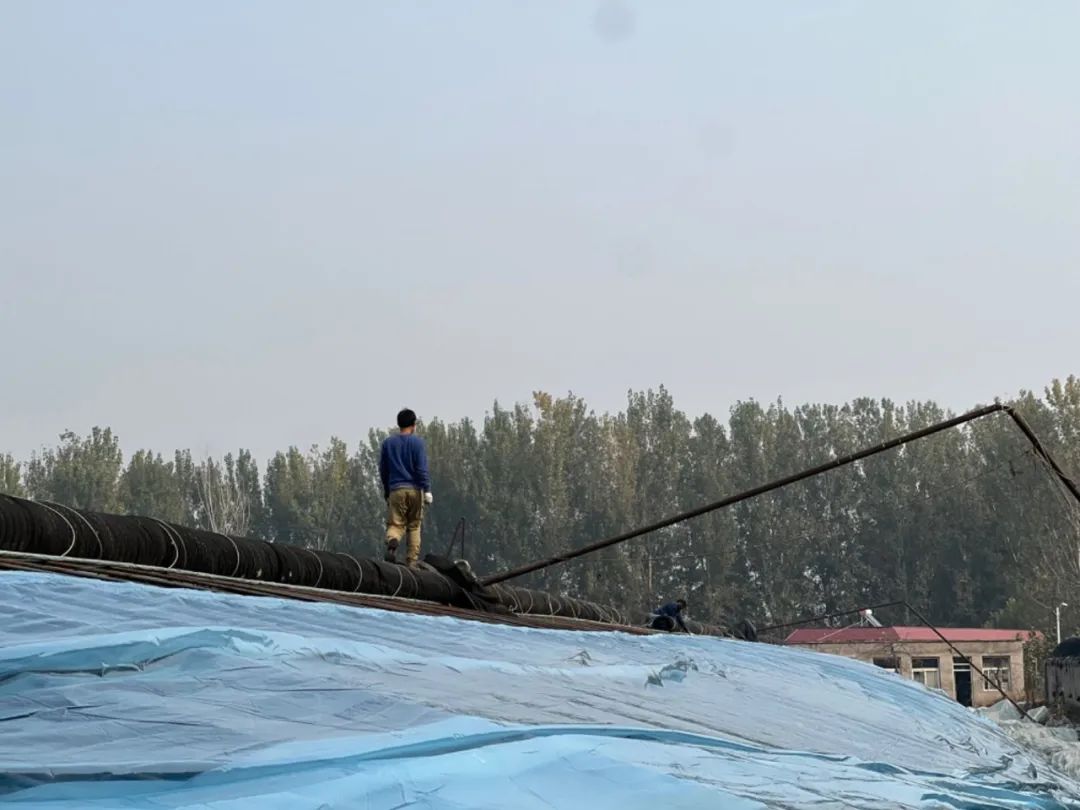
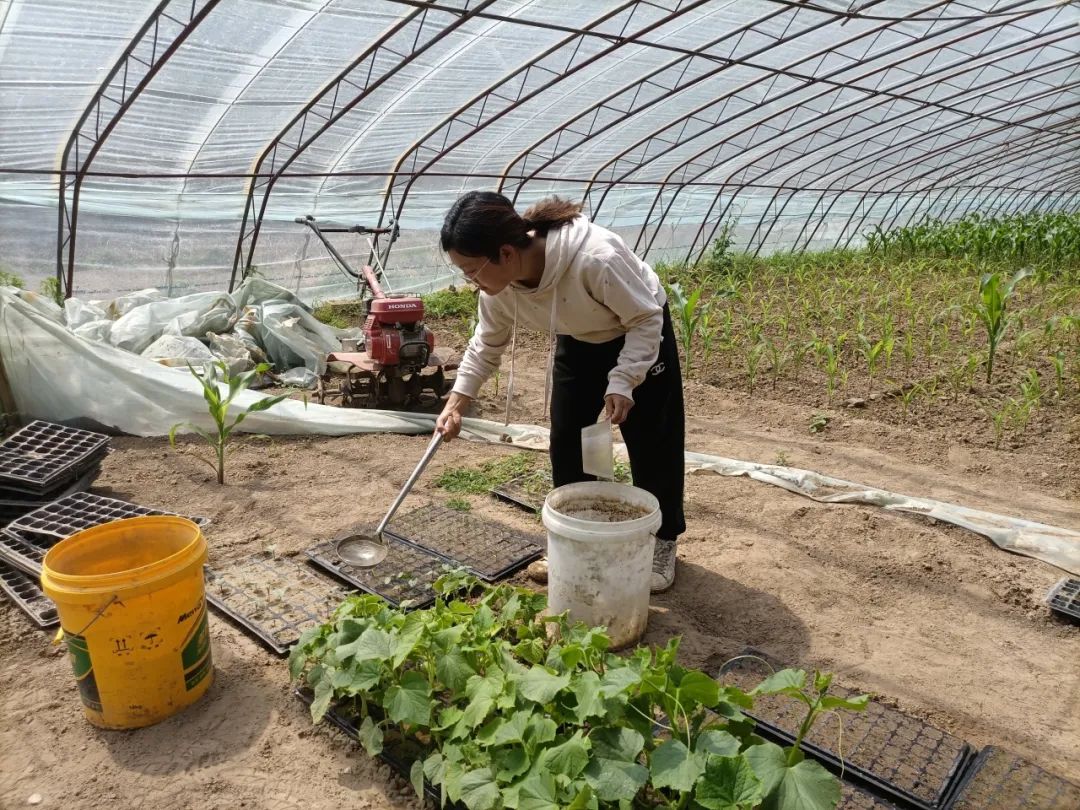
● Climate foresight relies on a farmer’s daily sensitivity to the weather. The exact time the greenhouse blankets are lowered each afternoon, and for how long, depends entirely on Wang Xin’s judgement of that day’s temperature, humidity, and light.That is all well and good in theory, but it cannot be achieved without a sufficient understanding of agriculture and the climate. I will start by training myself to be more sensitive to the subtle nuances of the weather and the farm environment.04 July, Day 25: Tomato and Okra Seedlings●I’m watering the seedlings in their pots.
Today, besides removing runners, I also started some seedlings for tomatoes and okra. The primary components for the seed-starting mix are soil, peat, and compost. Wang Xin mentioned that there is no rigid ratio for the mix; the key is to feel it with your hands and go by the texture.
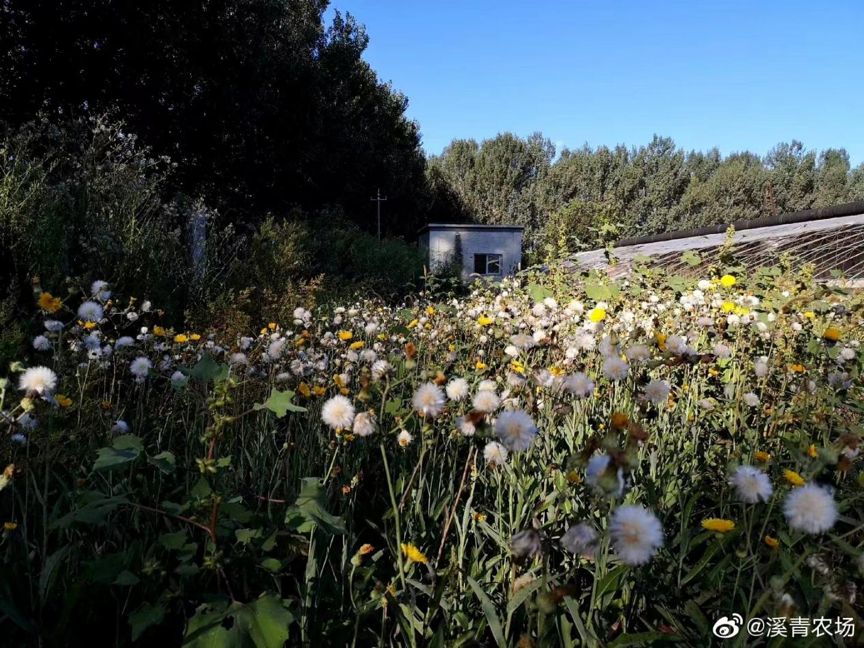
I also cleared the weeds from a small patch in the corner in front of the polytunnel. My first impression while weeding was how soft and loose the soil was. Nothing had been grown here for four or five years, and Wang Xin explained that this is the kind of soil that allows for no-till farming.
●A small corner in front of the polytunnel where nothing has been grown for four or five years. Image source: Xiqing Farm WeiboNo-till is a modern cultivation technique used as an alternative to traditional tillage. The practice involves minimising land preparation and ploughing, leaving behind residues from the previous crop or using grass cover. In essence, cultivation is reduced to the absolute minimum required to ensure seed germination. No-till helps maintain soil structure and enriches the soil with insects and microorganisms, but it has its limits. Not all land or all crops are suitable for no-till, nor is it as simple as merely covering the ground with straw or weeds.
13 April, Day 31: The Importance of Timing
These four ridges of maize are visibly shorter than the others. They were all planted at the same time, but because the soil was loosened just two days late, the difference is stark. The lesson learned: in agriculture, timing is everything.
24 April, Day 42: Herbicides and Buffer Zones
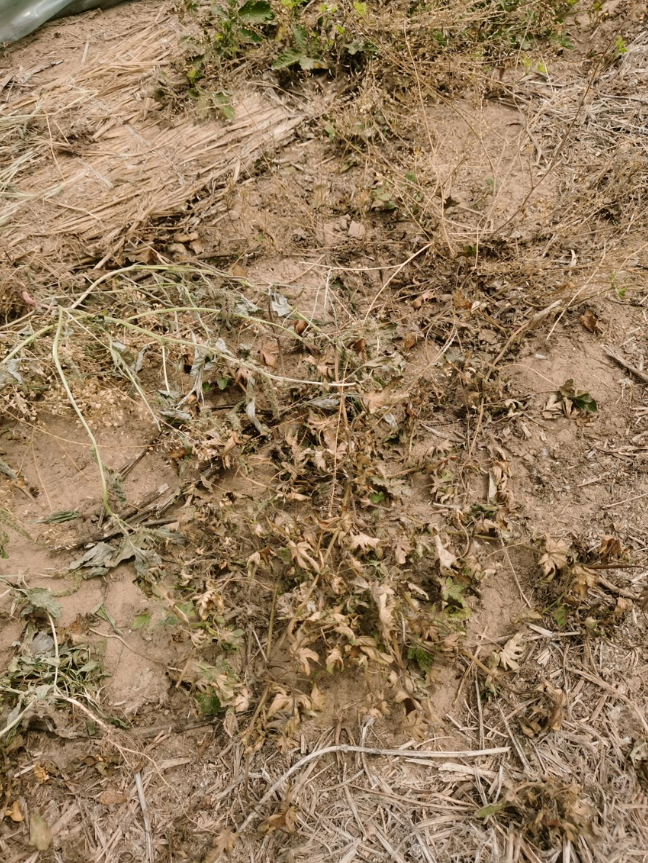
In the agricultural park where Xiqing Farm is located, Wang Xin is the only one practicing ecological farming; the majority of the other farmers use conventional methods. One farmer growing conventional strawberries, seeing us weeding by hand, often urged us to use herbicides to “seal the ground”. I have seen the devastating state of land that has been “sealed” with herbicides: the crabgrass and shepherd’s purse are all withered and dead. When farmers cut grass for their livestock, they avoid the herbicide-treated plots entirely. Can vegetables and fruit grown with herbicides and pesticides truly be healthy?
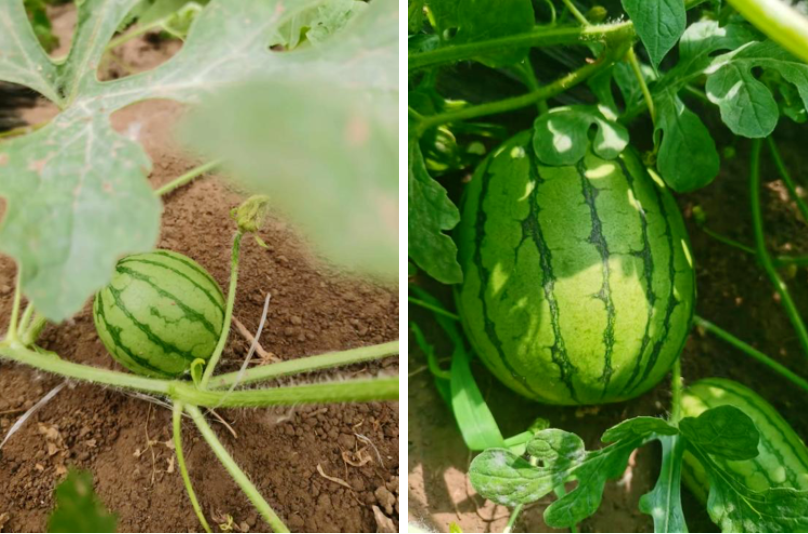
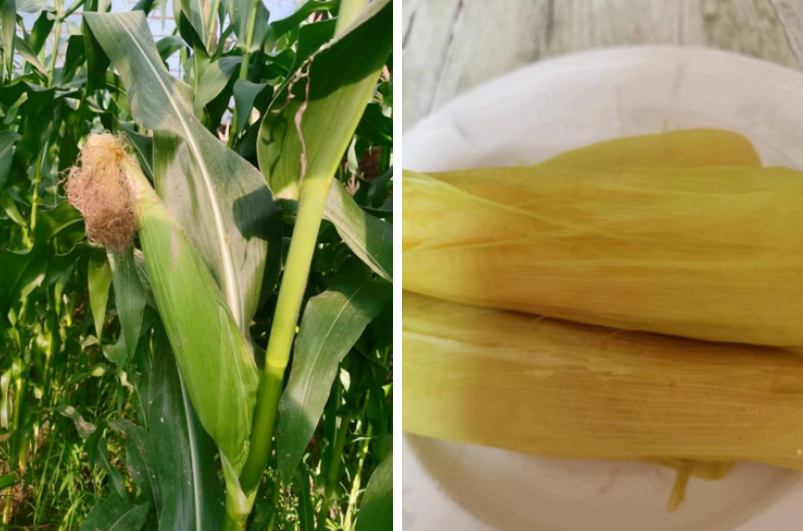
Therefore, when practicing ecological agriculture, it is essential to establish buffer measures to avoid the impact of surrounding conventional farming.EpilogueThree months passed quickly. Watching the maize, tomatoes, watermelons and other crops I planted slowly flower, bear fruit, grow and ripen, I couldn’t help but exclaim: they look so beautiful! It is miraculous that the earth can produce so much food!
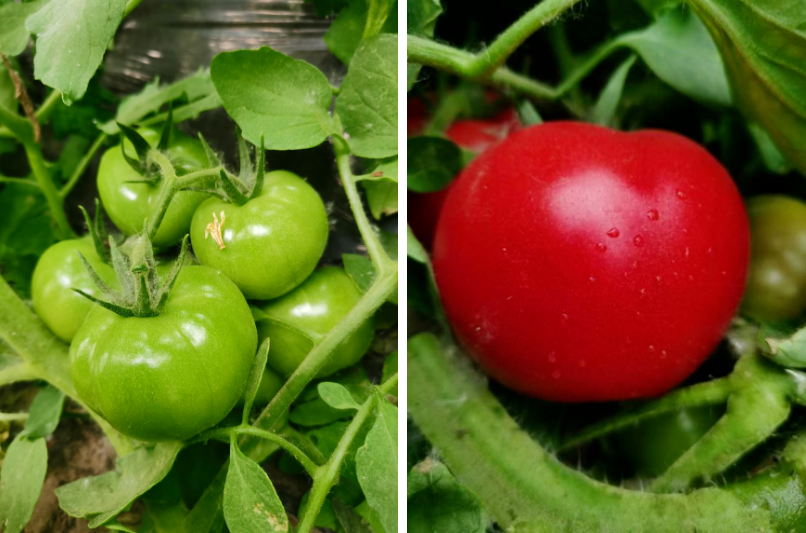
● The tomatoes are ripening; they’re so beautiful!● Watching the watermelons slowly grow is so therapeutic!● After waiting three months, I finally got to eat the maize I grew myself. So fragrant! So sweet! Delicious!
Seeing the healthy growth of the crops and their environment, and tasting the fragrance and original flavour of the food, has strengthened my resolve to pursue ecological agriculture.
During my time at the farm, Wang Xin taught me a great deal and helped me clarify my future direction. Next, I plan to create an ecological apple orchard in my hometown; I look forward to growing those fragrant apples with the taste of my childhood that I have long yearned for.
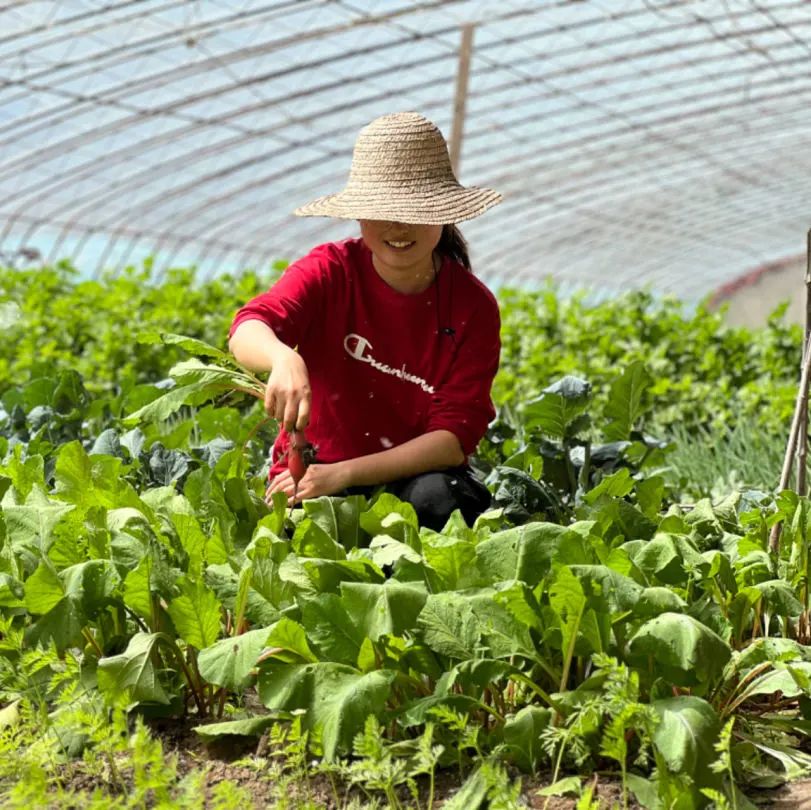
Foodthink Author | ZhaoyanThe second intake of ecological agriculture interns at Foodthink. She holds a degree in Automation and spent ten years as a “Beijing drifter” before deciding to start an ecological farm in her hometown.
About the Ecological Agriculture Internship Programme
At the start of 2023, Foodthink opened applications for the second phase of the ‘Ecological Agriculture Internship Programme’. Ultimately, 21 interns were selected and have since joined nine ecological farms across the country for placements lasting between two months and one year. Our goal is to connect young people aspiring to work in ecological farming with established farms, enabling interns to acquire essential farming knowledge and skills while ensuring the experience of veteran farmers is documented and passed on. This also helps address the shortage of skilled labour on these farms. We invite you to stay tuned for further updates on the Ecological Agriculture Internship Programme!
Unless otherwise stated, all photographs in this article were taken by the author. Editor: Ze En

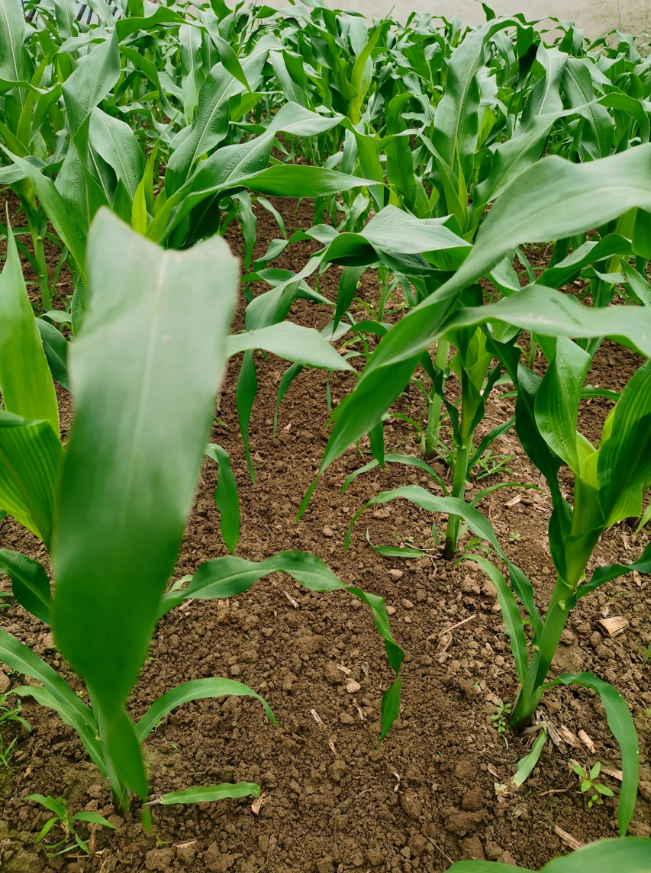 These four ridges of maize are visibly shorter than the others. They were all planted at the same time, but because the soil was loosened just two days late, the difference is stark. The lesson learned: in agriculture, timing is everything.
 Foodthink Author | Zhaoyan